I Ate “Zero Calorie” Tic Tacs Every Day and Accidentally Added 800 Calories to My Diet

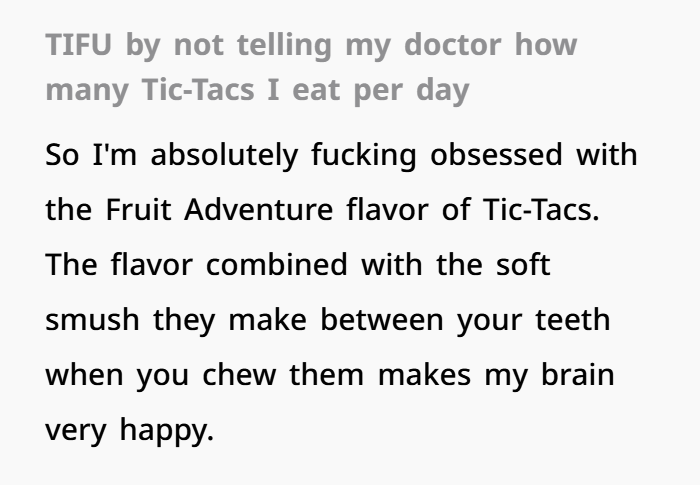
Sometimes a simple habit can affect our health in ways we do not notice right away. One person discovered that their daily Fruit Adventure Tic Tac habit was connected to unexpected weight gain. They were not eating large amounts of junk food or changing their normal meals. The biggest change was their regular candy intake.
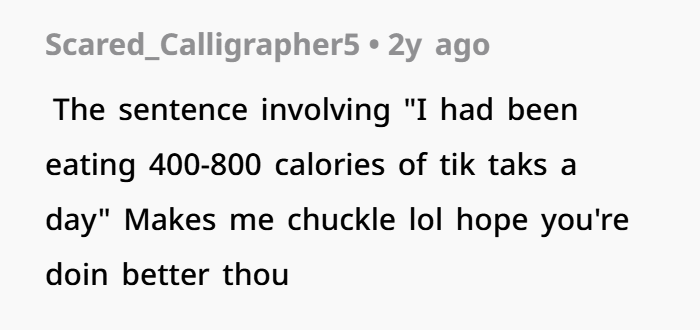
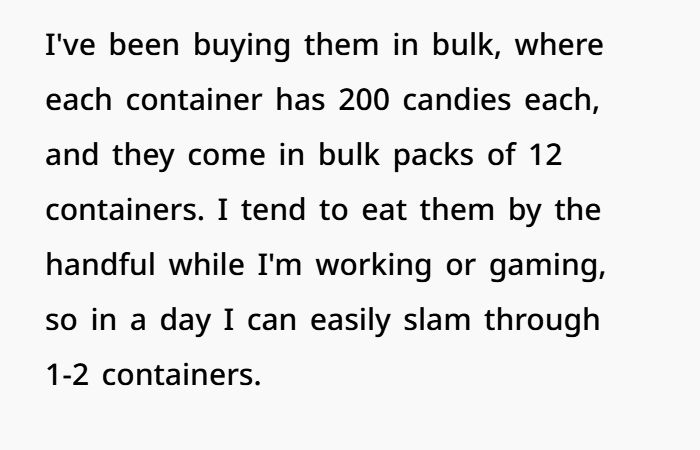
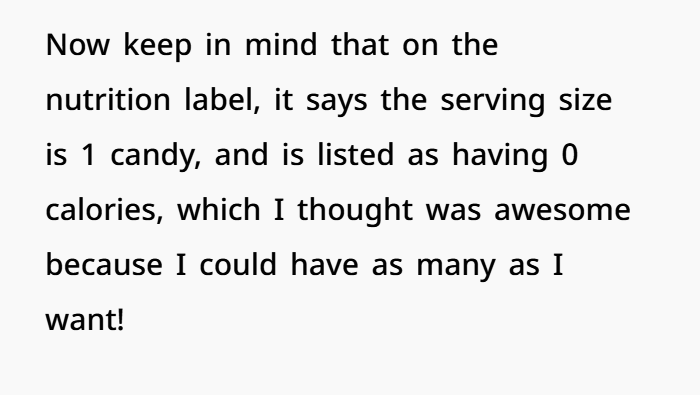
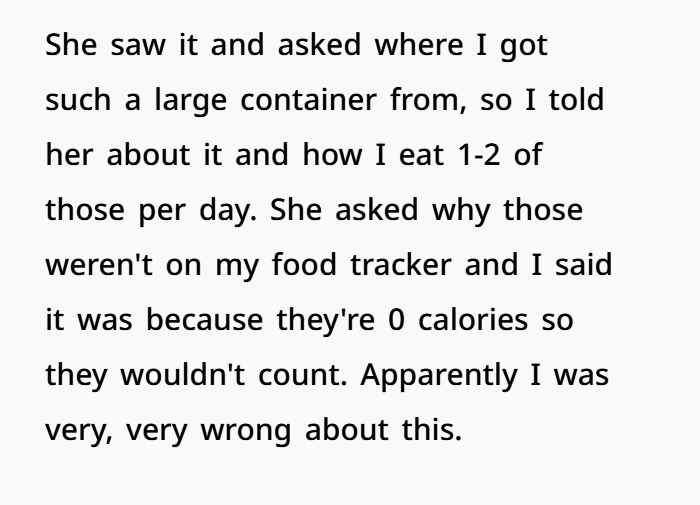
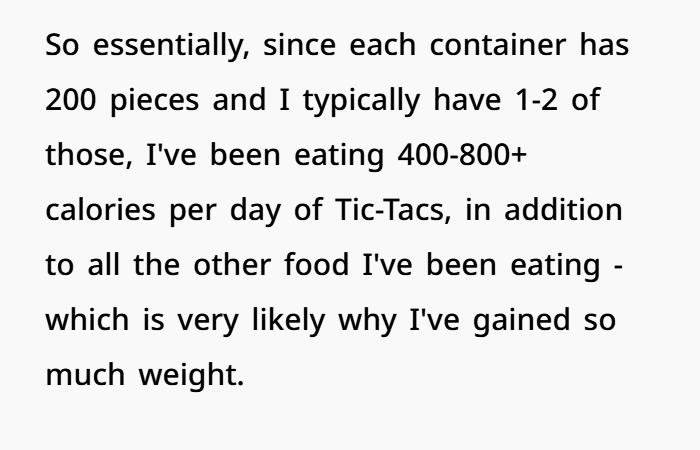
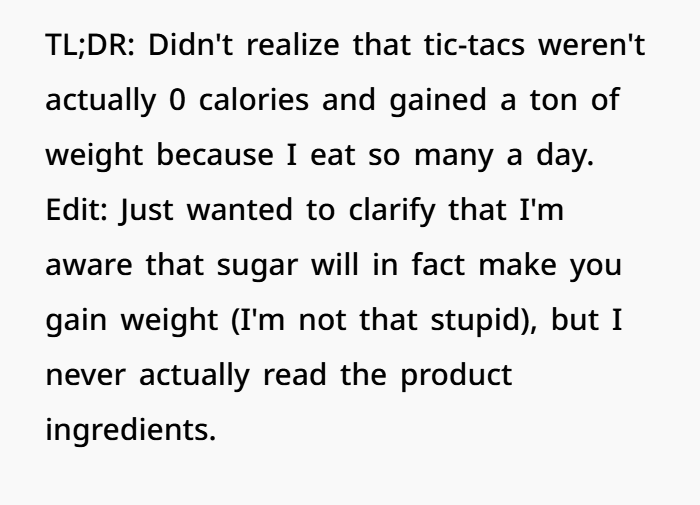
They loved having Tic Tacs during the day, especially while working or relaxing with video games. Over time, they began buying many containers at once and could easily eat hundreds of pieces. Since the nutrition label showed “0 calories,” they thought it was a smart low-calorie snack that would not affect their diet.
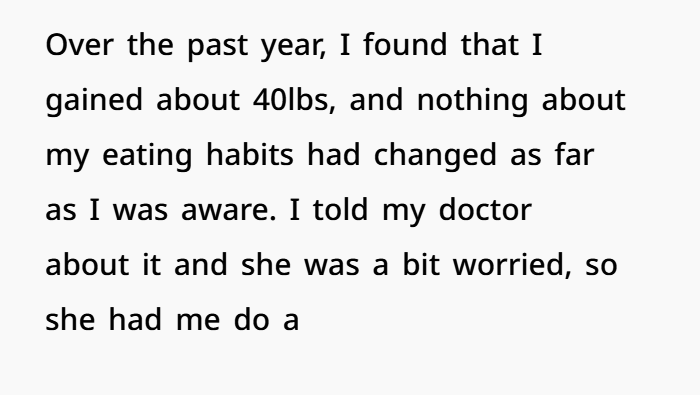
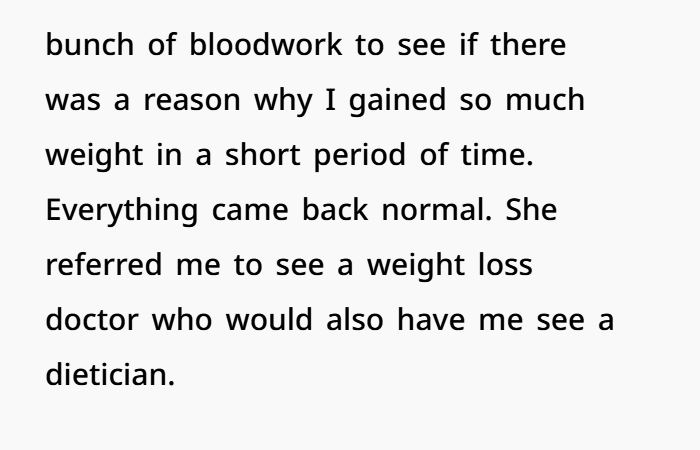
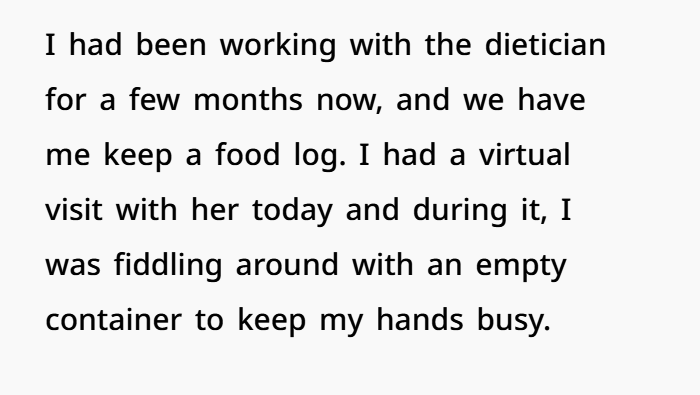
After gaining nearly 40 pounds in one year, they decided to get professional advice. Their doctor checked their health and found no major problems in their tests. They then worked with a dietitian who helped them track their daily food choices. During the process, the dietitian noticed that the Tic Tacs were not included in their food diary.
That conversation helped them understand the importance of reading nutrition labels carefully. Even foods marked as zero calories may contain small amounts that add up when eaten frequently. The experience became a reminder that portion control, balanced nutrition, and healthy eating habits are important parts of weight management.


The Truth About “Zero Calories” and What This Tic Tac Story Teaches Us
At first, this story sounds funny.
Someone eating hundreds of Tic Tacs every day because they believed they had zero calories feels like one of those surprising internet stories that makes people laugh.
Many people wonder, “How did they not know?”
But this story is actually about something much bigger.
It shows how confusing food labels can be and why understanding nutrition information is important for making better health choices.
What Does Zero Calories Actually Mean?
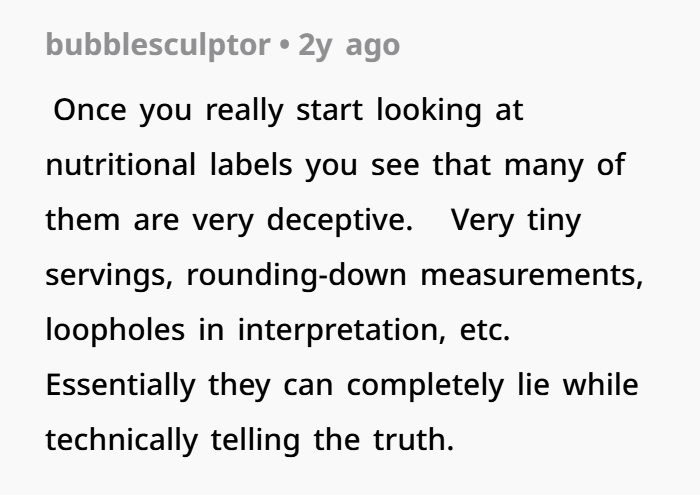
When people see the words “zero calories” on a product, they usually think it means the food has no calories at all.
That sounds reasonable.
However, food labeling rules are a little more complicated.
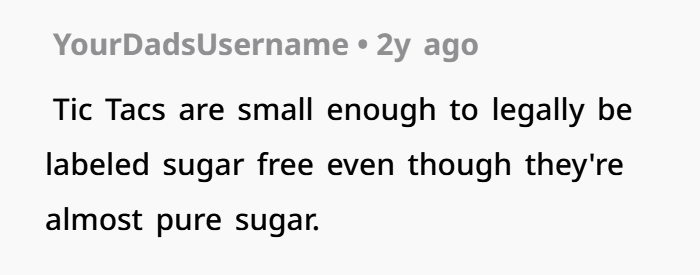
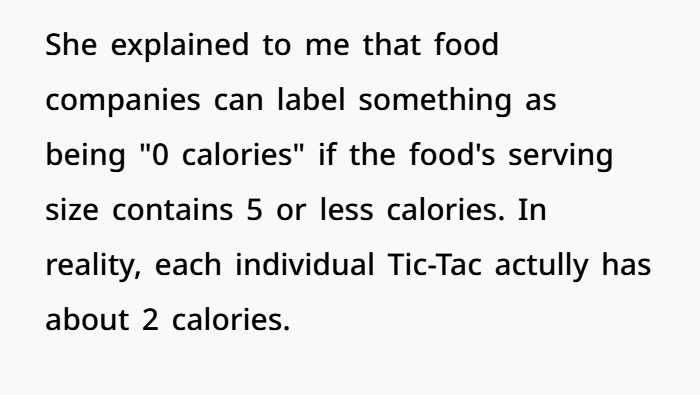
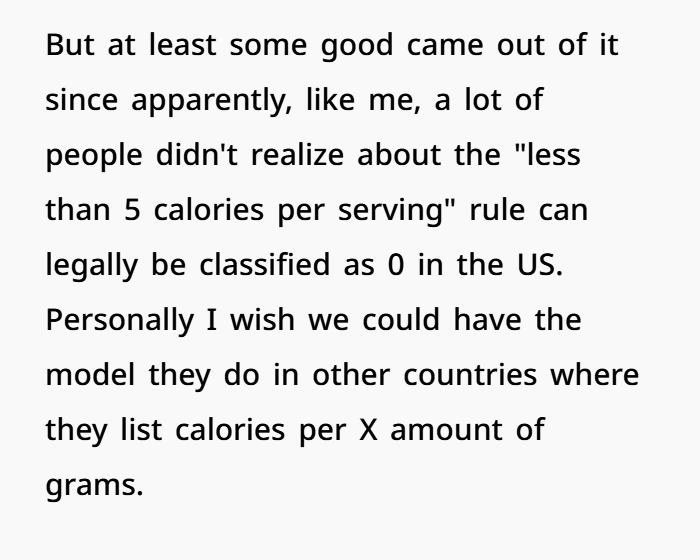
In the United States, the Food and Drug Administration (FDA) allows products to be labeled as “zero calories” if one serving contains less than 5 calories.
For a small serving, this amount is extremely low and usually does not matter.
But serving size is the key.
Eating one Tic Tac may add only a tiny amount of calories. But eating hundreds of them every day can turn those small numbers into a much larger amount.
This is why reading nutrition labels correctly is an important part of healthy eating.
Small Habits Can Add Extra Calories
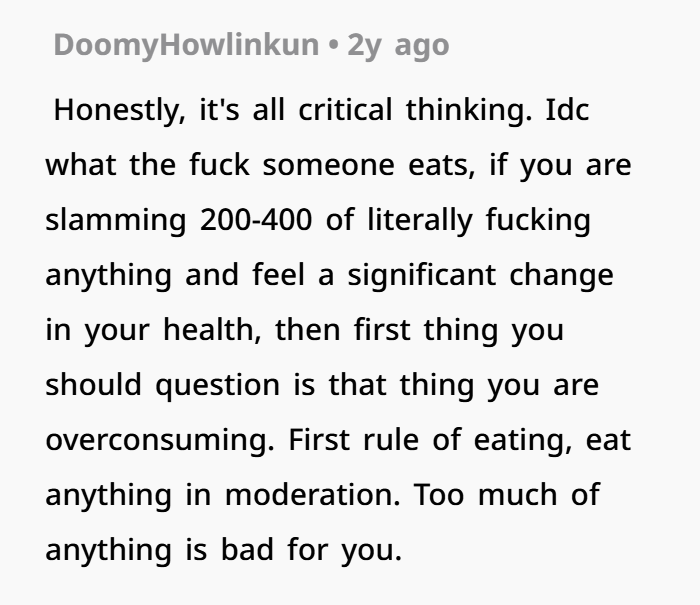
When people try to lose weight, they often focus on big foods.
They count meals like pizza, burgers, desserts, and sugary drinks.
But many people forget about smaller things they eat and drink throughout the day.
These small sources of extra calories are sometimes called “hidden calories.”
They can come from everyday habits like:
- Adding extra cream or sugar to coffee
- Eating snacks without checking portions
- Drinking high-calorie beverages
- Tasting food while cooking
- Having small treats during the day
These habits may not seem important at first.
But over time, they can affect weight management and overall wellness.
Weight Management Is About Awareness
Many people believe weight loss is only about willpower.
The reality is that body weight is influenced by many different things.
A person’s weight can be affected by:
- Daily calorie intake
- Physical activity
- Sleep quality
- Stress levels
- Hormones
- Medications
- Overall health
When someone regularly eats more calories than their body uses, the extra energy can be stored.
However, weight changes are not always simple. Every person’s body works differently.
This is why healthy weight management is about understanding your body, creating balanced habits, and making informed choices.
The Health Issue Behind the Story
The most interesting part of this story is that the Tic Tacs were not the only factor involved.
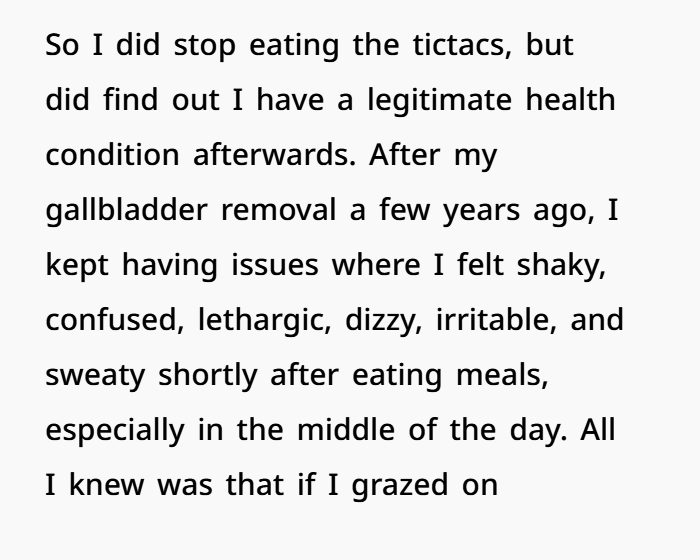
After stopping the Tic Tacs, the person started experiencing symptoms like dizziness, sweating, confusion, and feeling shaky after meals.
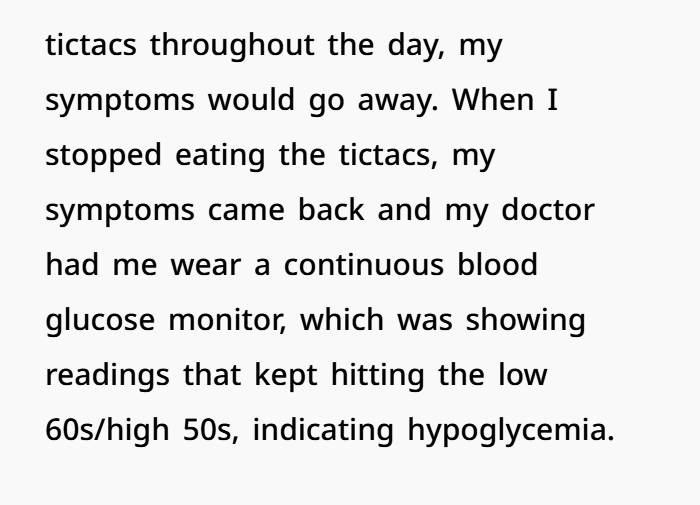
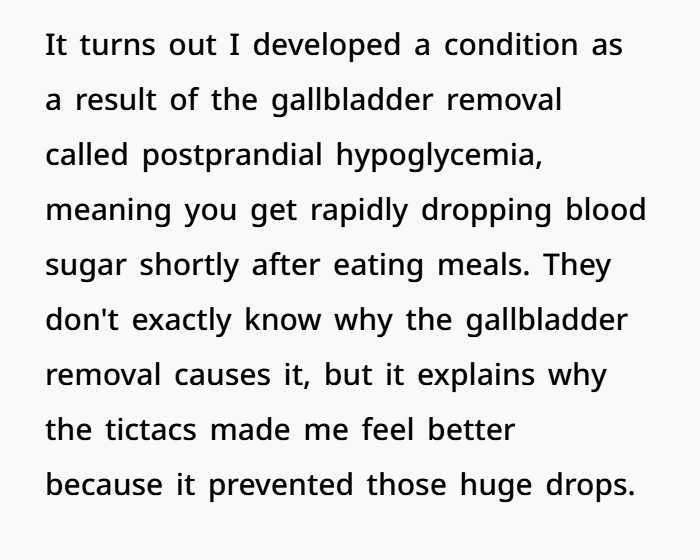
Doctors discovered that these symptoms were related to low blood sugar episodes, also known as hypoglycemia.
They were experiencing a condition called postprandial hypoglycemia, which means blood sugar levels drop after eating.
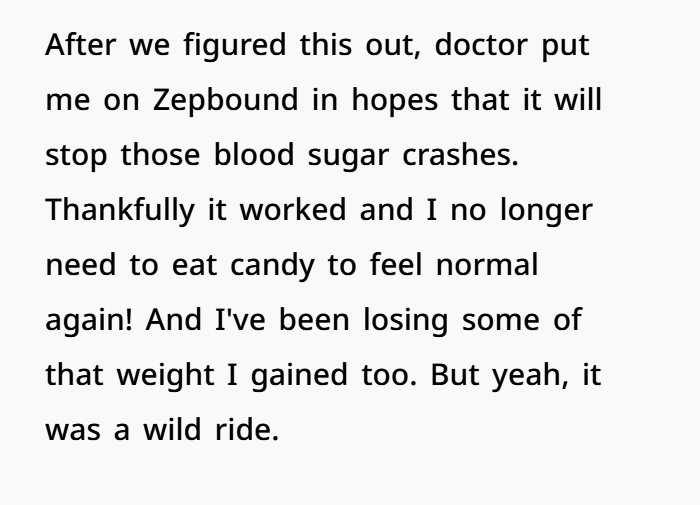
This part of the story is important because it shows that health issues are not always as simple as they appear.
Sometimes, a habit that looks unhealthy may be connected to another issue happening inside the body.
Why Medical Checkups Are Important
If someone experiences sudden or unexplained weight changes, it can be helpful to speak with a healthcare professional.
Doctors may look at different areas of health, including:
- Blood sugar levels
- Thyroid function
- Hormone balance
- Medication effects
- Sleep patterns
- Lifestyle habits
Certain health conditions can affect metabolism and weight.
For example, thyroid problems may influence how the body uses energy. Insulin resistance can affect how the body processes carbohydrates. Some medications may also contribute to changes in weight.
This does not mean every weight change is caused by a medical condition.
Lifestyle choices, eating habits, and activity levels are also important.
But unusual changes should not be ignored.
Why Reading Food Labels Matters
This story also teaches an important lesson about food marketing and consumer awareness.
Words like:
- Zero calories
- Sugar-free
- Low fat
- Natural
can create a certain impression.
Many people assume these products are automatically healthier, but that is not always true.
A sugar-free product may still contain calories.
A low-fat product may still have added sugar.
A natural product may still be high in calories.
The best way to understand a product is to check the complete nutrition label.
Look at:
- Serving size
- Total calories
- Added sugar
- Carbohydrates
- Ingredients
- Protein and fat content
Learning how to read food labels can help people make smarter decisions for their health.
Food Tracking Can Reveal Hidden Habits
Keeping track of what you eat does not mean you have to count every bite forever.
For many people, a food diary is simply a helpful tool to understand daily habits.
Many people are surprised when they start tracking their food because they notice things they forgot about.
Maybe it is:
- A few extra snacks
- A larger drink portion
- Late-night eating
- Small treats during the day
These habits can become part of daily life without people realizing it.
Awareness is often the first step toward positive change.
Small Changes Can Make a Difference
Improving your health does not require a perfect diet overnight.
Small changes can create meaningful results over time.
Choosing balanced meals, understanding portion sizes, staying active, and paying attention to nutrition information can support a healthier lifestyle.
The goal is not perfection.
The goal is making better choices and understanding what works for your body.
The Real Lesson From the Tic Tac Story
This story became popular because it was surprising and funny.
But the bigger lesson is much more practical.
Food labels matter.
Small habits matter.
And health is often more complicated than a single number on a scale.
The words “zero calories” may not always mean what people think they mean.
Understanding nutrition, listening to your body, and getting proper medical advice when needed are important steps toward better health and wellness.
The Comments Are In