My Roommate’s Boyfriend Ate My $20 Nachos and Somehow Thought I Was the Problem
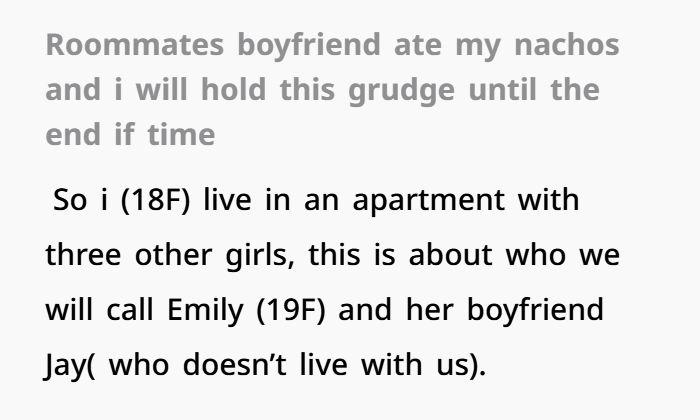
Living with roommates can be fun, but it also comes with responsibilities. Everyone needs to respect each other’s space, belongings, and personal choices. One young woman learned this after a disagreement involving her roommate’s boyfriend and a meal she had ordered for herself.
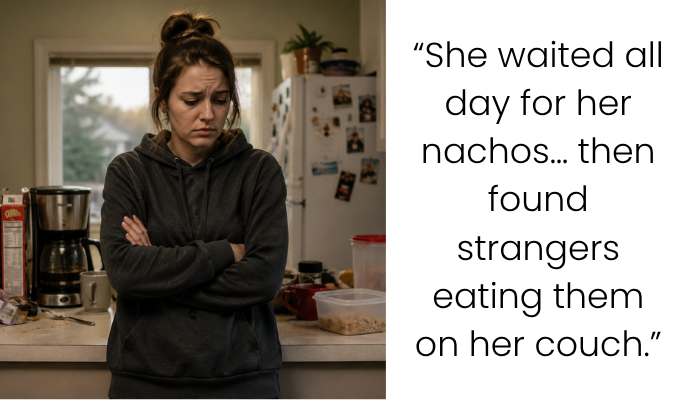
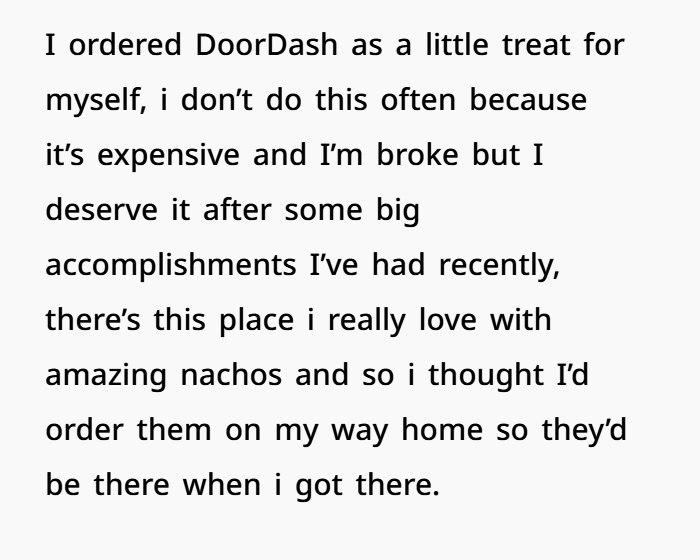
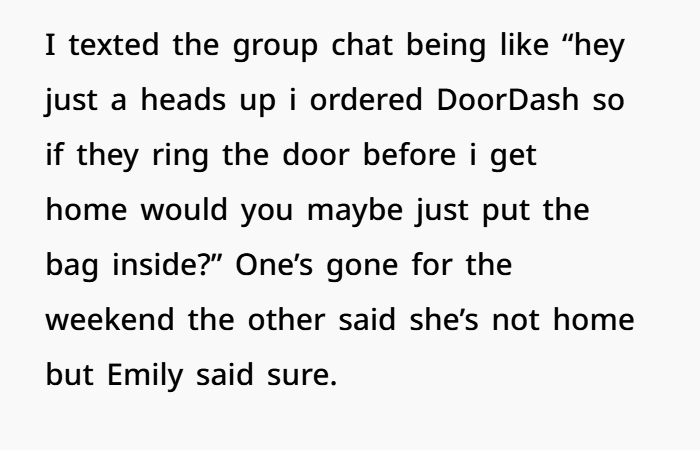
The 18-year-old woman wanted to celebrate some good news in her life, so she ordered nachos from a restaurant she really liked. Because food delivery was expensive for her, it was a special treat. She planned her delivery time carefully and asked her roommate to bring the order inside if she was not home yet.
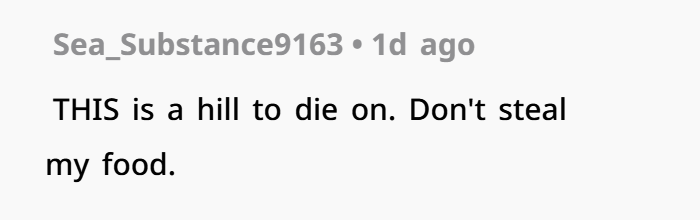
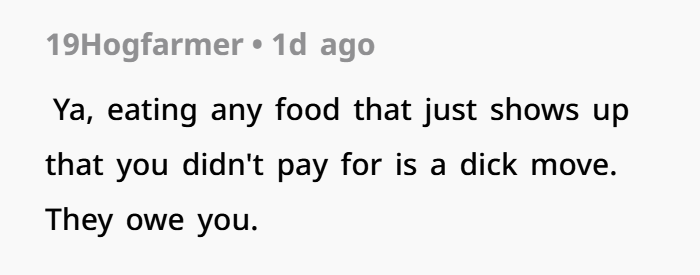
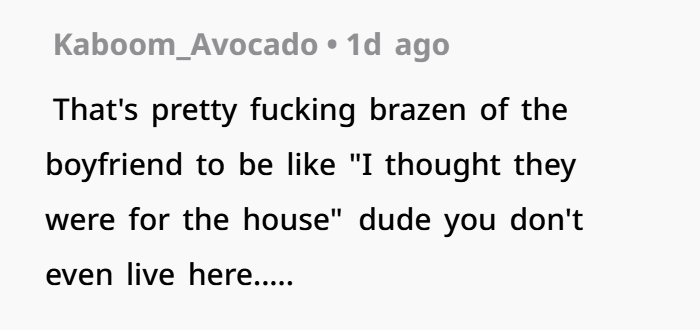
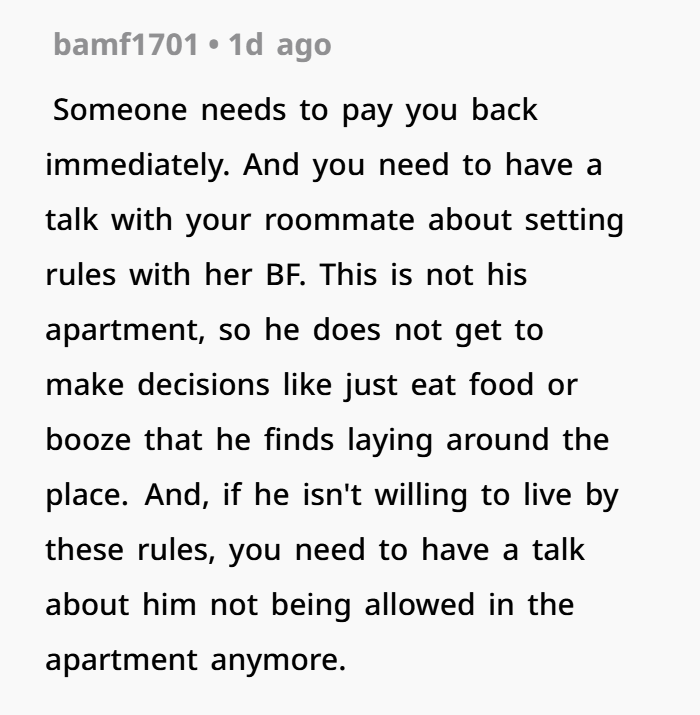
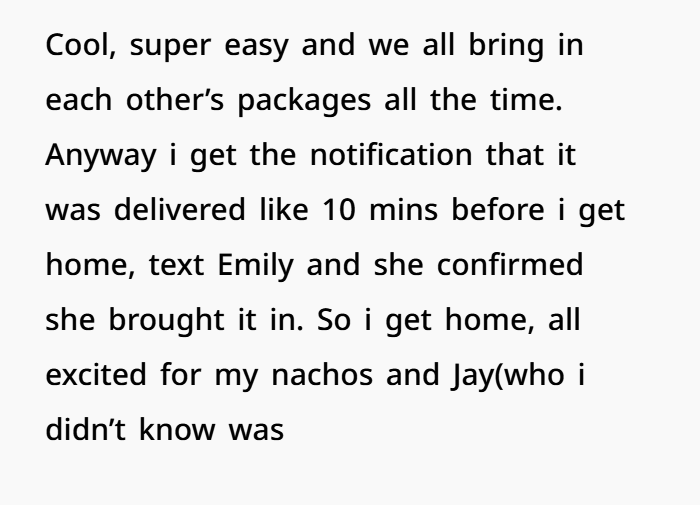
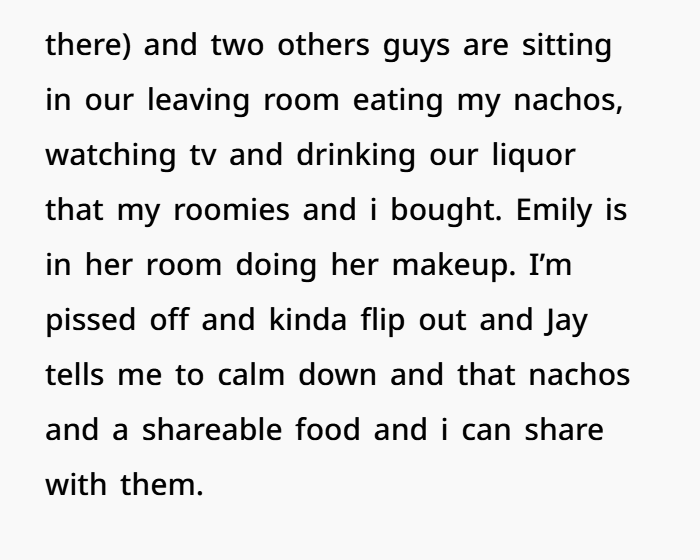
Her roommate Emily told her that she had collected the DoorDash order. Later, when the woman returned home, she found her food already being eaten by Emily’s boyfriend Jay and his friends. They believed the meal was available for everyone, but she had never given permission to share it.
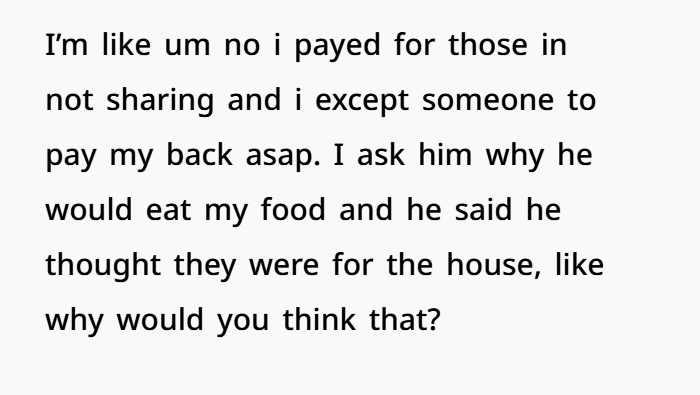
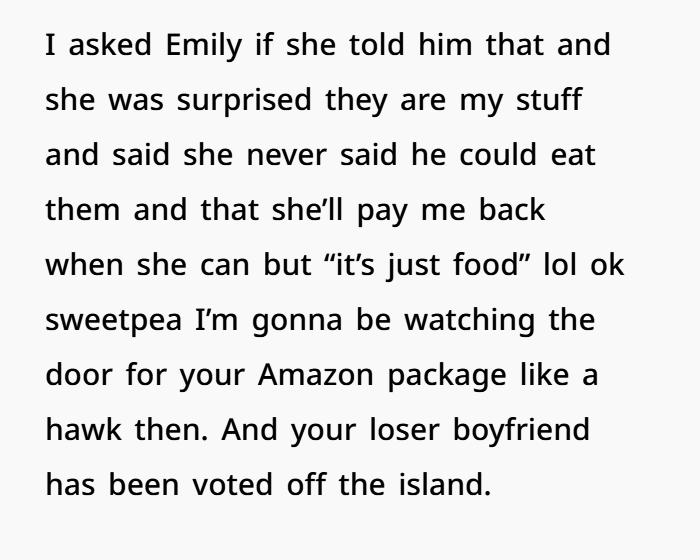
She explained that she was upset because the food was meant for her, and it was something she had been looking forward to. Jay did not understand why she was frustrated and told her not to overreact. Although Emily offered to replace the cost, the woman felt hurt because her personal boundary had been ignored.
This situation was a reminder that good roommate relationships depend on trust, respect, and communication. Simple things like asking before taking someone’s belongings can prevent unnecessary conflicts.

Why Small Food Problems Can Become Big Roommate Issues
At first, this story looks like it is only about nachos.
Someone ate food that did not belong to them.
The owner got upset.
The other person thought it was not a big deal.
It sounds like a small problem.
But in shared homes, small problems can become bigger because the real issue is often not the food.
It is about respect, communication, and personal boundaries.
For many young adults, living with roommates is a new experience. College students, young professionals, and people moving away from home often learn that sharing a space requires understanding and respect.
Everyone has their own belongings, habits, and expectations.
Food is one of the most common causes of roommate disagreements.
Why Food Causes So Many Roommate Problems
In a shared apartment, people often have different ideas about sharing.
Some people grow up in homes where everyone shares food. If something is in the kitchen, anyone can take it.
Other people believe that personal items belong to the person who bought them unless they offer to share.
Neither way is wrong.
The important thing is having clear rules.
Problems happen when people make assumptions.
One roommate may think:
“It is just food in the kitchen.”
Another roommate may think:
“I bought this for myself, and someone took something that belonged to me.”
Both people may see the situation differently.
That is why communication matters.
Personal Belongings Still Matter in a Shared Home
Living together does not mean everything becomes public property.
A shared apartment still has personal belongings.
This includes:
- Food
- Clothing
- Electronics
- Personal care products
- Money
- Other purchased items
If someone buys a meal for themselves, it is reasonable for them to expect that meal will still be there when they need it.
Even a small item can have value.
For some people, a restaurant meal or delivery order is a special treat after a stressful day.
They may be looking forward to enjoying it.
When someone takes it without asking, the disappointment is not only about the food.
It is also about feeling that their effort and belongings were not respected.
Guests Should Respect Household Rules
Another important part of this situation is guests.
When someone visits a roommate’s home, they are entering a space that belongs to other people.
Guests usually need to follow the same basic rules as the people who live there.
They should not assume that:
- Food is available
- Personal items can be used
- Anything in the kitchen is free to take
A simple question like:
“Is this yours, or can I have some?”
can prevent many problems.
Asking first is a small action, but it shows respect.
Understanding Boundaries in Relationships
Personal boundaries are the invisible rules that help people understand what is acceptable.
Healthy boundaries do not mean people are unfriendly or selfish.
They help create trust.
For example:
- Asking before borrowing something
- Replacing items you use
- Respecting private spaces
- Checking before using someone’s belongings
These habits make shared living easier.
Without boundaries, people may start feeling frustrated or ignored.
A person may think:
“It was only a snack.”
But the other person may feel:
“My belongings were not respected.”
The disagreement becomes about trust.
Why “It’s Just Food” Can Feel Hurtful
The phrase “it’s just food” may sound harmless.
But it can make someone feel like their feelings do not matter.
People are not always upset because of the item itself.
They may be upset because they feel:
- Ignored
- Disrespected
- Unheard
- Taken for granted
This happens with many roommate problems.
A roommate may borrow clothes without asking.
Someone may use expensive shampoo.
A person may invite friends over without checking.
Each problem may seem small, but repeated issues can damage relationships.
Money and Personal Value Matter
For many students and young adults, money can be limited.
A meal delivery order may not be something they buy every day.
It may be a small reward after a busy week.
When someone takes it, they are not only losing food.
They may lose:
- A planned meal
- A personal treat
- Money they spent
- A moment they were looking forward to
Understanding this can help people become more considerate.
Should Someone Replace What They Took?
If someone accidentally takes another person’s food, the best solution is usually simple.
Apologize and replace it.
A response like:
“I’m sorry. I did not realize it was yours. I will replace it.”
can quickly solve the problem.
The situation often becomes worse when someone ignores the issue or refuses to take responsibility.
Taking accountability shows respect.
The Role of Good Communication
Healthy roommate relationships depend on clear communication.
Many conflicts happen because people assume everyone follows the same rules.
But people come from different backgrounds.
Some families share everything.
Other families teach children to always ask before taking something.
Because of these differences, roommates should talk about expectations.
Simple roommate agreements can prevent future problems.
Helpful rules include:
- Ask before eating someone else’s food
- Replace anything you use
- Respect personal spaces
- Tell roommates when something goes wrong
- Do not assume guests can use everything
These rules may seem simple, but they can make daily life much easier.
The Bigger Lesson From a Simple Food Disagreement
The nacho problem was never really about chips and cheese.
It was about respect.
Small actions can show people that they matter.
Bringing in someone’s delivery is thoughtful.
Asking before taking food is respectful.
Replacing something you accidentally used shows responsibility.
Good relationships are often built through these small choices.
In the end, shared living is not only about sharing a space.
It is about understanding other people’s needs, respecting boundaries, and creating a home where everyone feels comfortable.
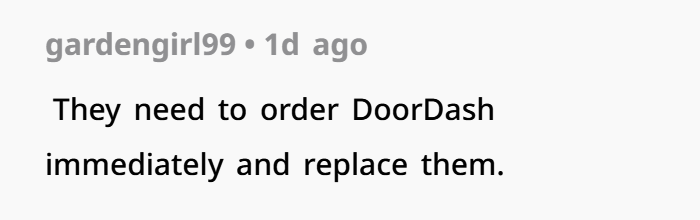
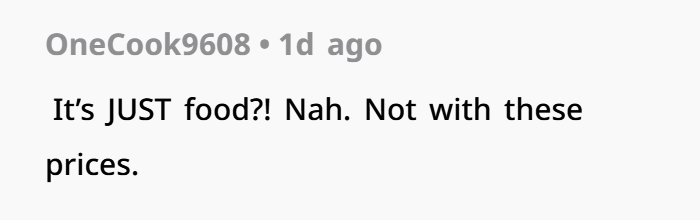
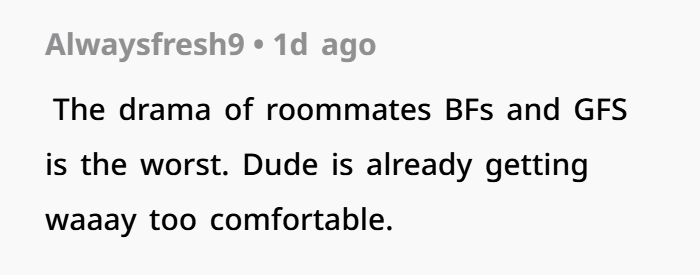
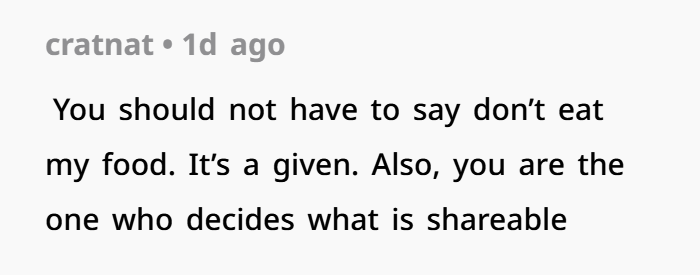
Opinions Flooded In