I Shared One Dinner With My Landlord… Now They Want Every Meal
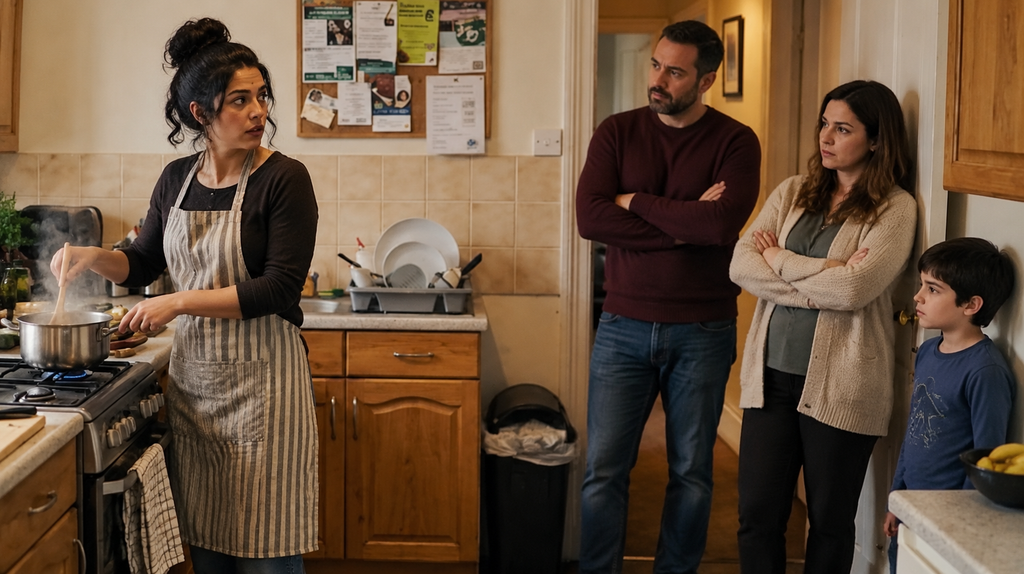
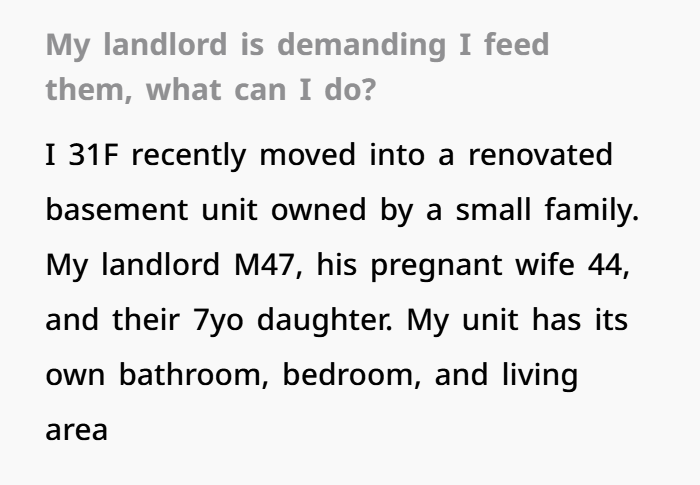
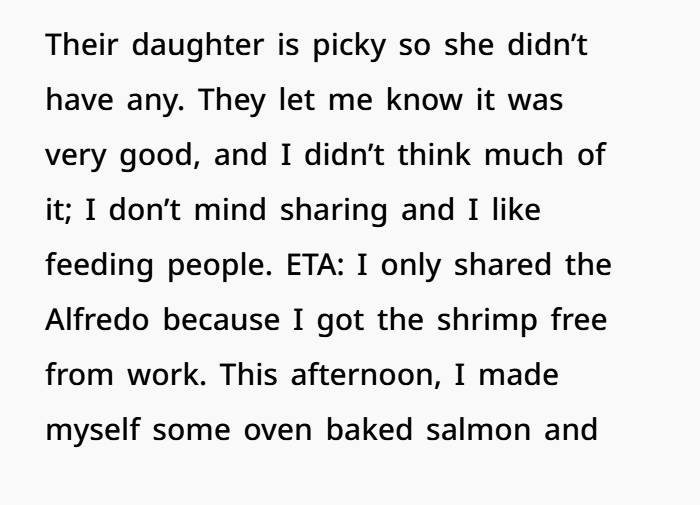
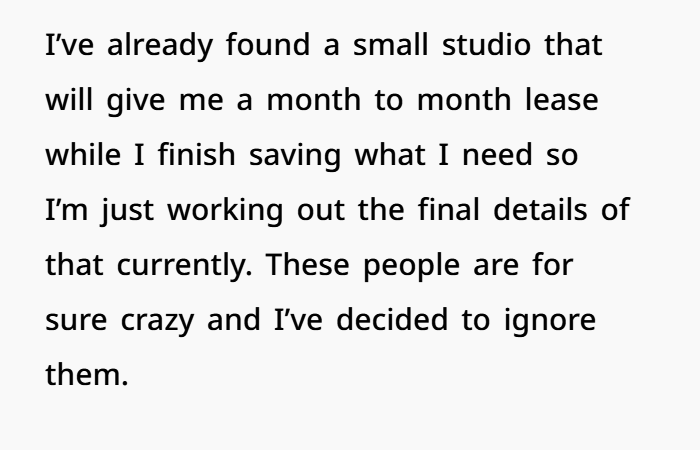
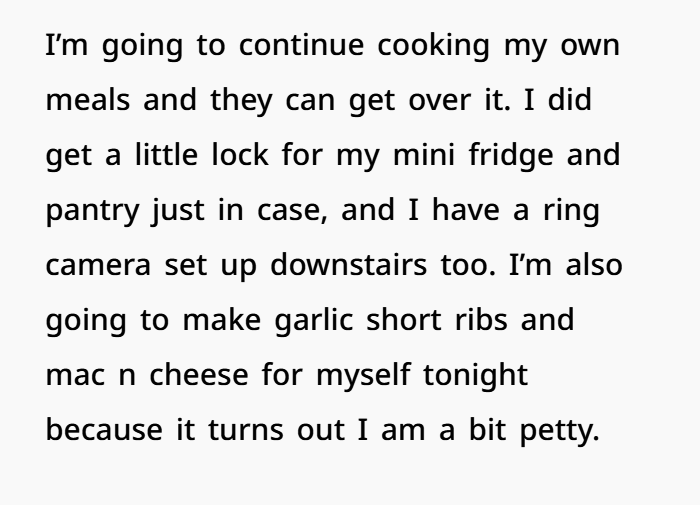
A woman shared her experience after renting a basement apartment from a family. The 31-year-old tenant had her own living area but used the upstairs kitchen that was also used by the landlords. Before moving in, they agreed through the lease that each person would buy their own groceries and prepare their own meals. The woman loved cooking and often made fresh homemade food with ingredients she purchased herself.
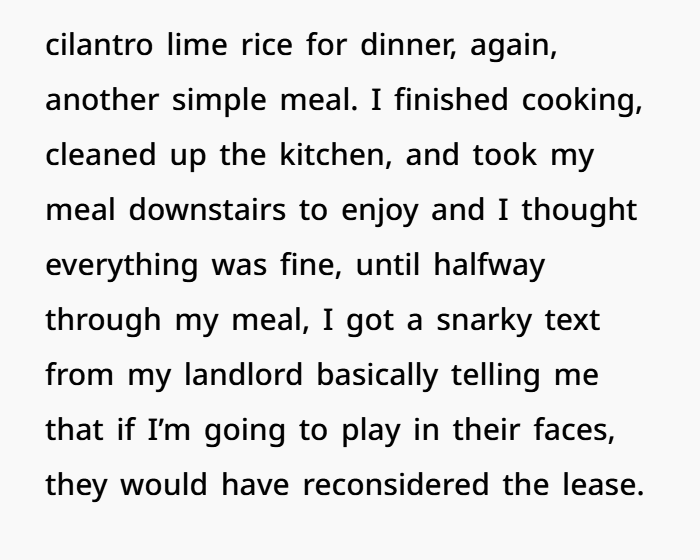
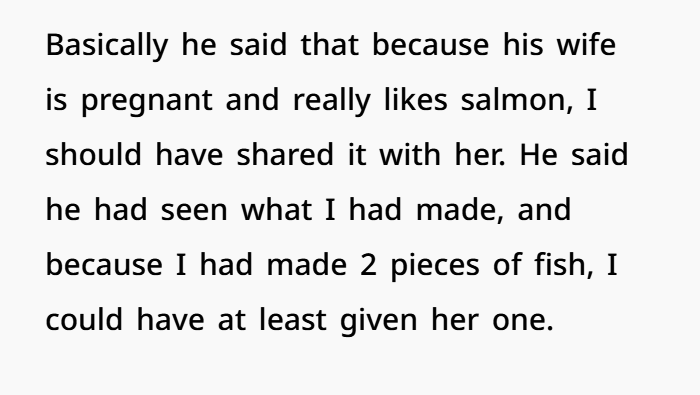
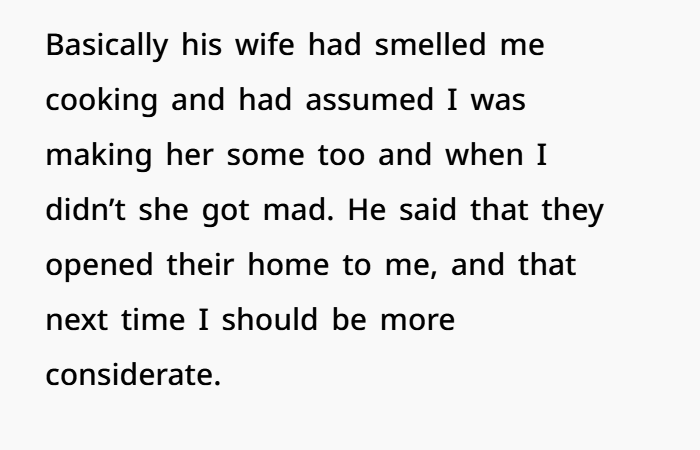
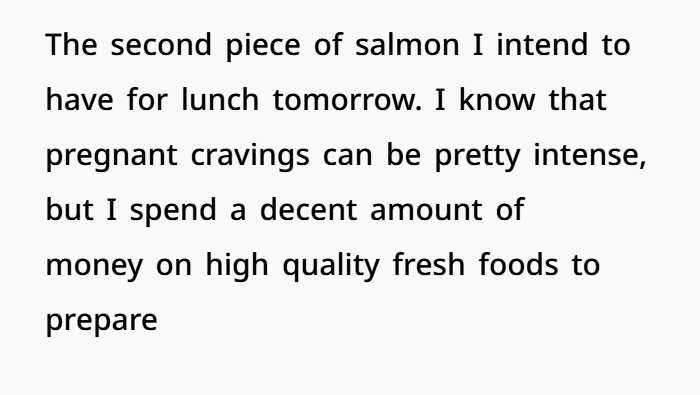
On her first night in the apartment, she cooked shrimp Alfredo and offered some to the family. She did this because she had extra food and wanted to be friendly. However, she soon noticed that the family started expecting her to share her meals. When she later cooked salmon and cilantro lime rice just for herself, her landlord became upset and said she should have made enough for his pregnant wife too.
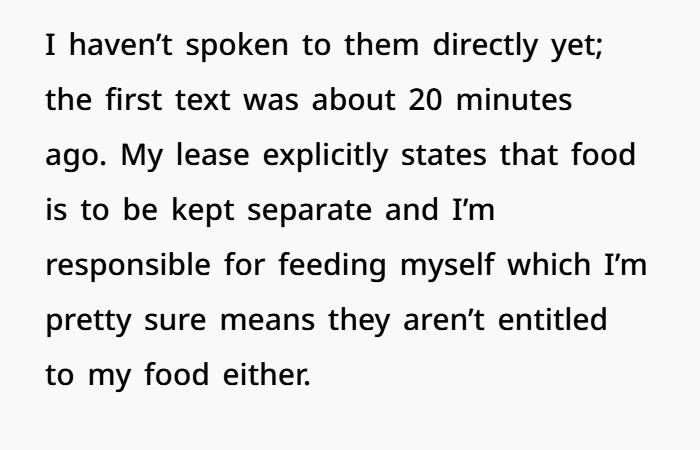
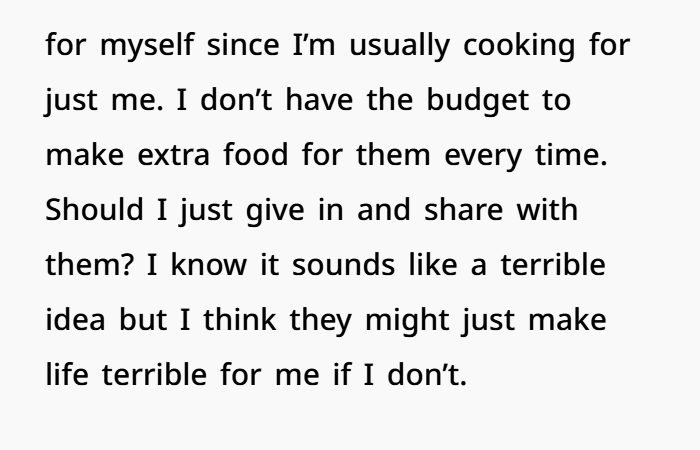
The tenant did not agree with his reaction. She felt that sharing one meal as a friendly gesture did not mean she had promised to cook for the family. She explained that groceries, cooking time, and food costs were her own responsibility. She also believed that the rental agreement was clear and that personal boundaries should be respected.
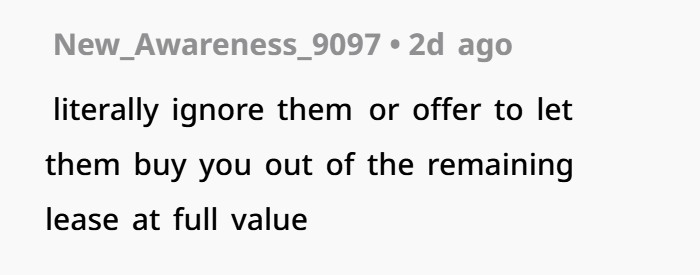
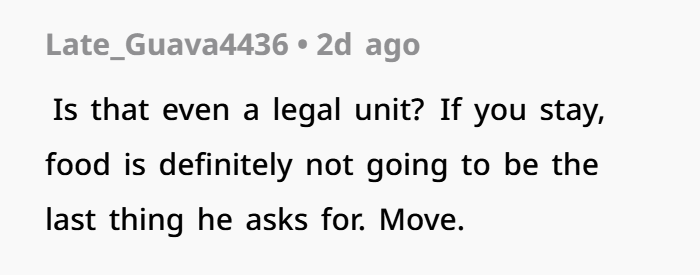
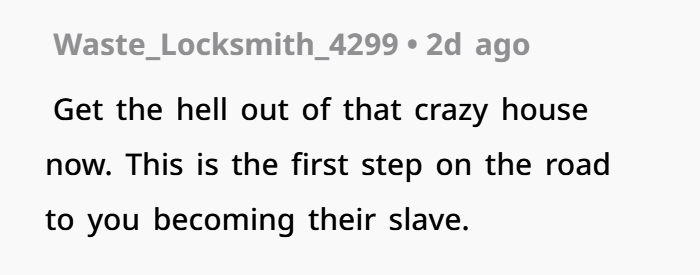
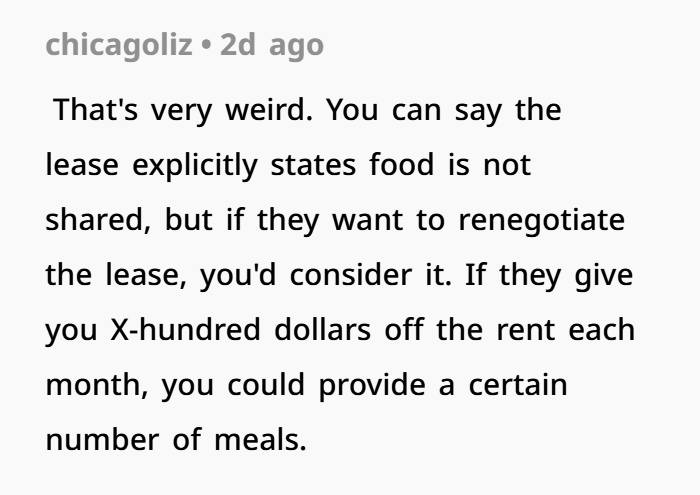
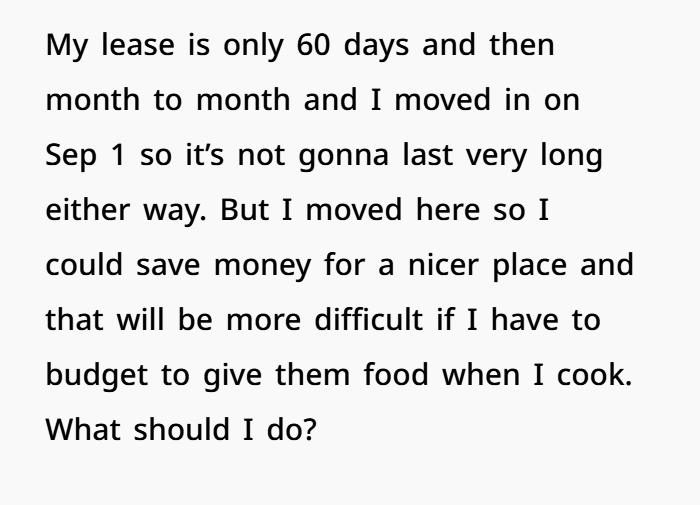
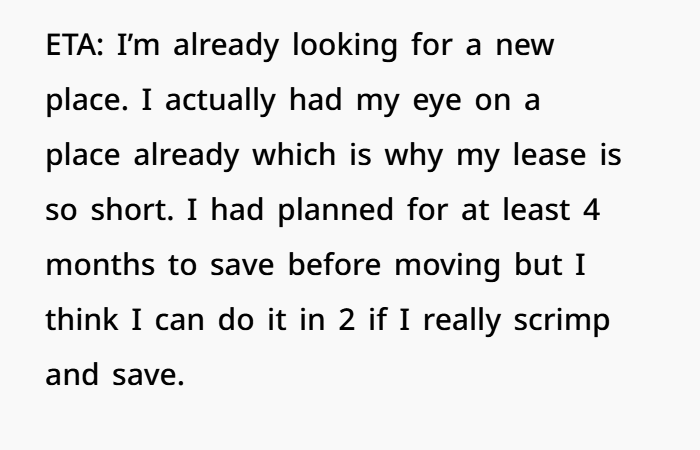
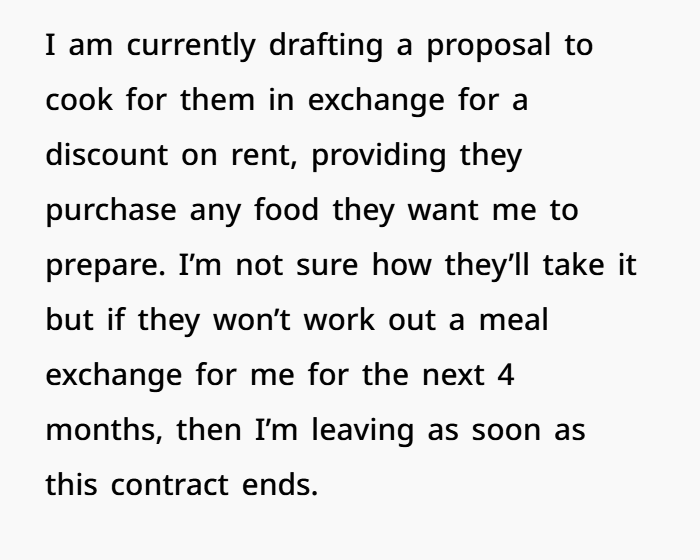
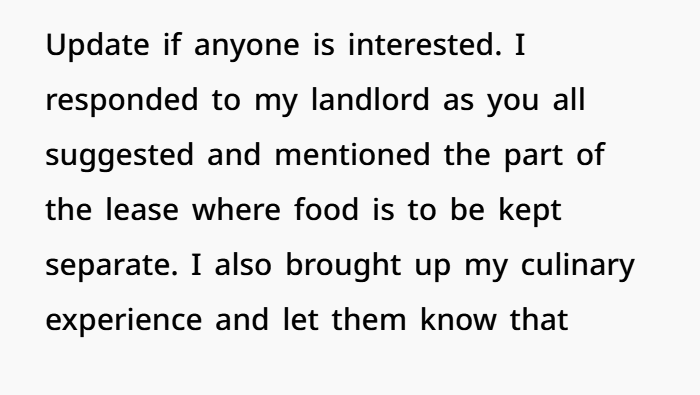
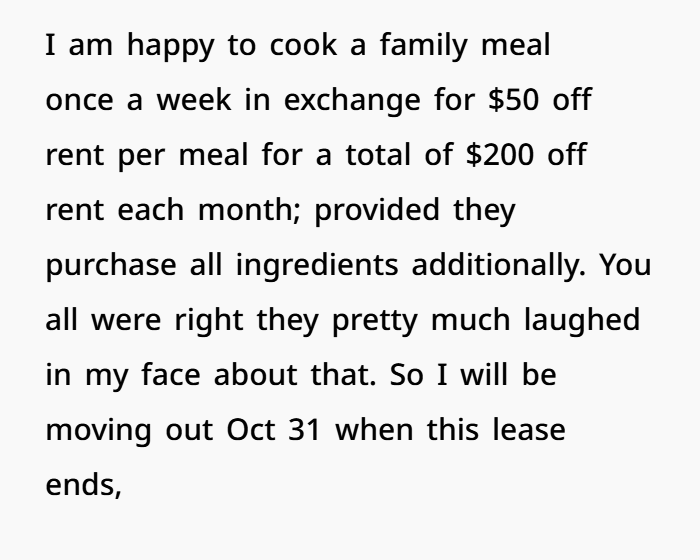
The woman thought about offering a meal service in exchange for a rent discount, but the landlords did not want that arrangement. Because the situation continued to create stress, she decided to leave the apartment. Her experience shows how important it is for tenants and landlords to discuss expectations clearly and respect each other’s space, money, and personal choices.
When Hospitality Turns Into an Expectation
Sharing food is a kind thing to do.
Many people use cooking and meals as a way to build good relationships with neighbors, roommates, friends, and family. A homemade meal can make people feel welcome and appreciated.
But problems can happen when a kind gesture turns into something people expect.
The main issue in this situation is the difference between a gift and an obligation.
A person can choose to share their time, skills, and food. But kindness should always be voluntary. It should not become something another person feels entitled to receive.
Renting a Home Does Not Mean Owing Extra Favors
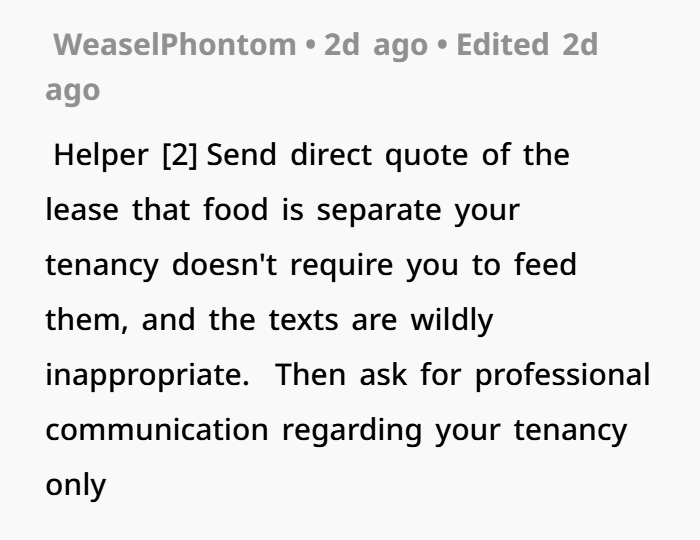
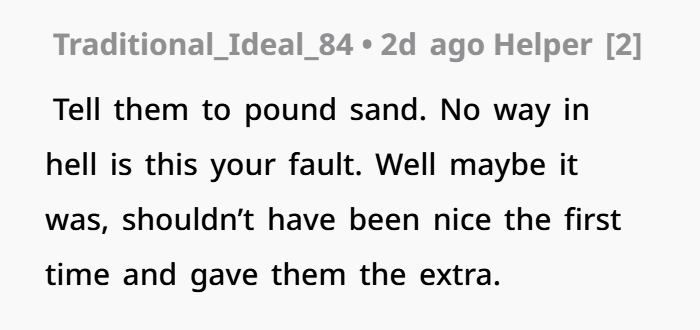
The landlord’s argument seems to be based on the idea that because the tenant was allowed to rent the basement unit, she should give something extra in return, such as cooking meals for the family.
However, renting a home is a business agreement.
A tenant pays rent in exchange for a place to live. The rental agreement usually explains what the tenant and landlord are responsible for.
Unless cooking meals or helping with household tasks is clearly part of the agreement, a landlord cannot expect free services from a tenant.
A good landlord-tenant relationship is built on respect, clear communication, and following the rental agreement.
Shared Spaces Can Create Confusing Expectations
Living in a shared home can sometimes make boundaries difficult.
A shared kitchen is a good example.
When someone cooks in a common area, other people can see the ingredients, smell the food, and notice what meals are being prepared.
This can sometimes create the wrong idea that the food belongs to everyone.
But using a shared kitchen does not mean everything inside it becomes shared.
A person’s groceries, meals, and cooking supplies still belong to that person.
Buying food and preparing meals takes money, time, and effort.
Just because someone sees the food does not mean they have a right to it.
Food and Personal Items Still Belong to the Owner
The tenant purchased the ingredients, cooked the meal, and prepared the food for herself.
That means the meal was her personal property.
Sharing food is a generous choice, but it should always happen because someone wants to share, not because they feel pressured.
Healthy relationships, whether between landlords and tenants or roommates, require respect for personal belongings.
People should be able to use their own money and resources without feeling guilty.
Pregnancy Does Not Create an Obligation
The landlord mentioned that his wife was pregnant, which adds an emotional part to the situation.
Many people naturally want to be kind and supportive toward someone who is expecting a baby.
Pregnancy can be a special and challenging time.
However, being pregnant does not mean another person automatically owes you their food, time, or effort.
The tenant’s meal was something she prepared for herself.
Wanting a portion of it is understandable, but expecting it as a right changes a kind gesture into an unfair demand.
Cooking Is Still Work
Some people enjoy cooking.
They may find it relaxing or creative.
But enjoying something does not mean their time has no value.
Cooking involves more than just putting food in a pan.
It can include:
- Planning meals
- Buying ingredients
- Preparing food
- Spending time cooking
- Cleaning afterward
Even if someone loves cooking, they still have the right to choose when and for whom they cook.
A person’s skills are valuable, whether they involve cooking, gardening, repairing things, designing, or any other activity.
Enjoying a skill does not mean someone has to provide it for free.
A Fair Agreement Is Different From an Expectation
The tenant tried to find a reasonable solution.
She offered to prepare regular family meals in exchange for a lower rent price while asking the landlords to pay for the ingredients.
This would have created a clear agreement where everyone understood the arrangement.
The tenant would be paid for her time and work.
The landlords would receive meals.
A clear agreement can prevent misunderstandings.
However, if someone only wants the benefit without recognizing the effort involved, the arrangement becomes unfair.
Small Favors Can Sometimes Become Bigger Expectations
Many conflicts in shared housing start with something small.
A person may do one nice thing, and others may begin to expect it again and again.
The first meal may have been a friendly gesture.
But if people start believing they deserve future meals, the situation changes.
This is why setting boundaries early is important.
Good boundaries help protect relationships because everyone understands what is comfortable and what is not.
Respect Is Important in Shared Housing
The tenant’s decision to move out was likely not only about one meal.
The bigger issue was whether she felt respected in her living situation.
A good landlord or roommate relationship should include:
- Clear expectations
- Respect for personal belongings
- Honest communication
- Understanding of boundaries
People can be friendly and helpful without giving up their independence.
Being generous is a wonderful quality.
But generosity should come from choice, not pressure.
A healthy living arrangement works best when everyone respects each other’s time, money, space, and personal choices.
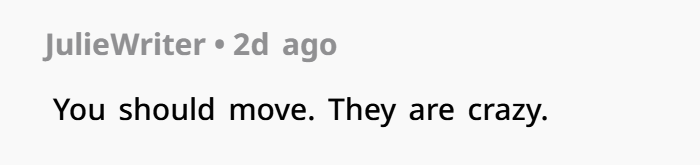
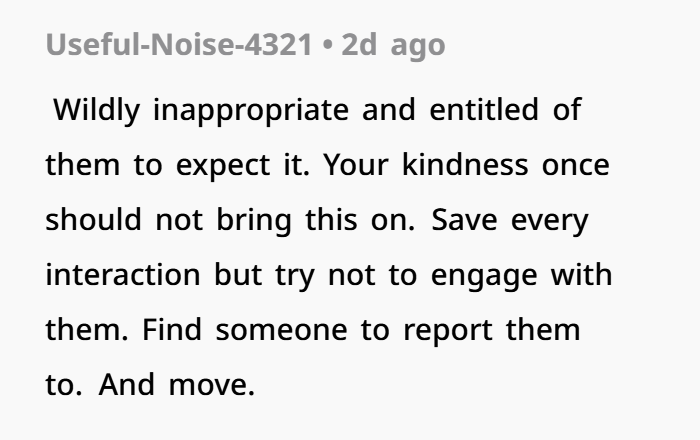
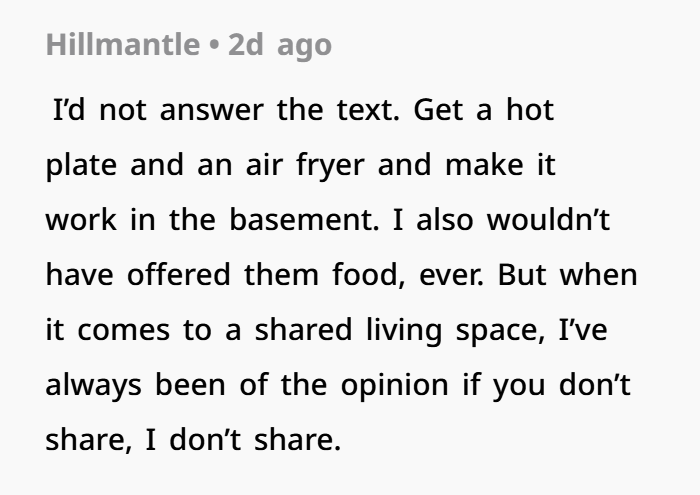
See The Comments Below