My Friend Copies Everything I Do — Now She Says She Has My Rare Disease Too

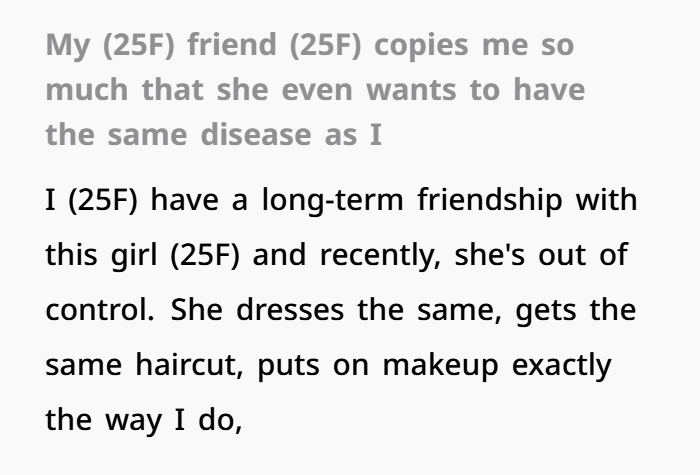
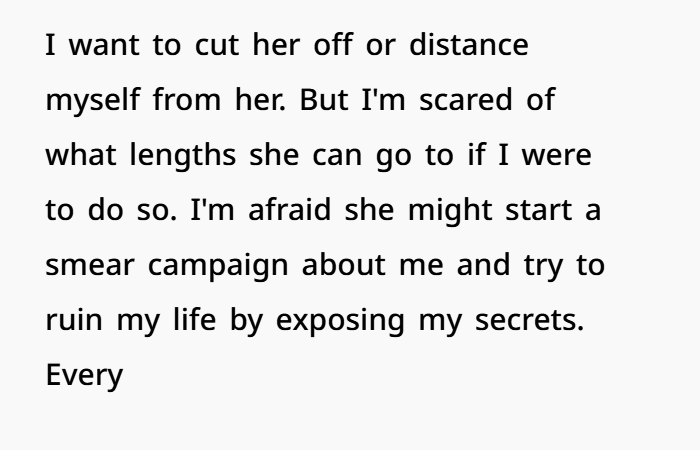
A 25-year-old woman is facing challenges in a friendship that has lasted for many years. She feels that her friend’s behavior has changed from being close and friendly to becoming uncomfortable. The woman believes her friend often copies her life choices and turns their friendship into a competition.
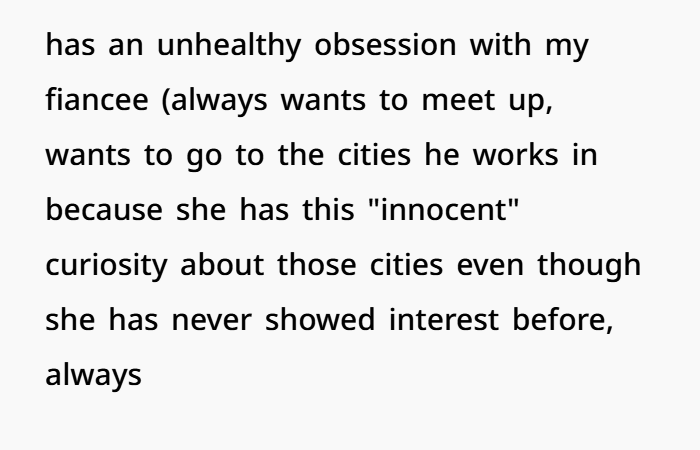
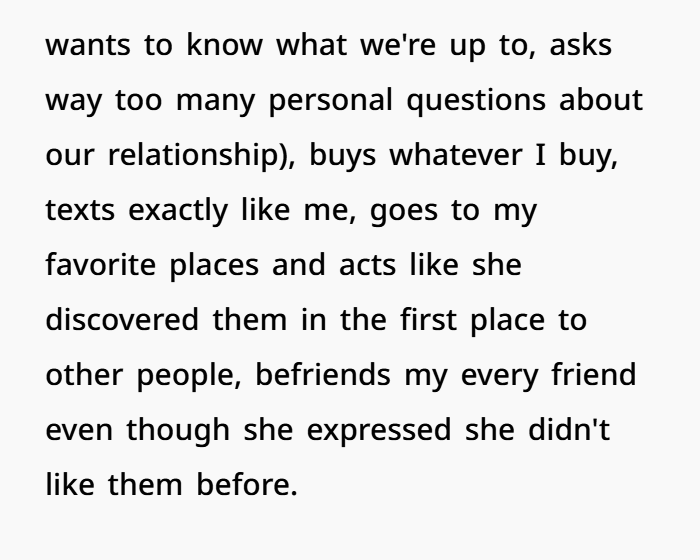
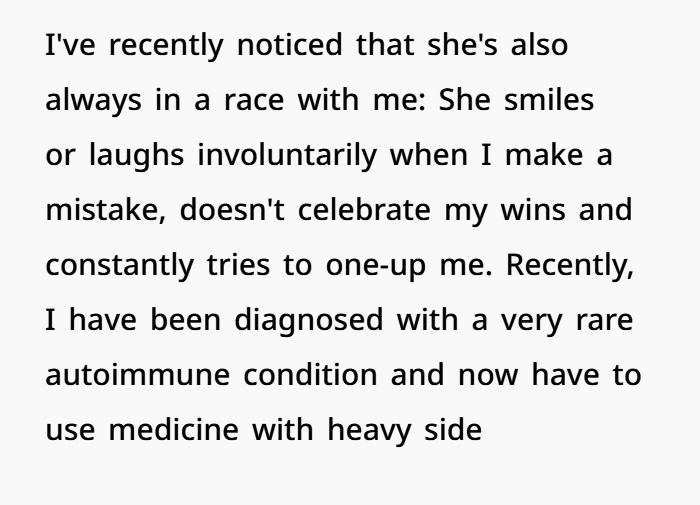
She explains that her friend has started copying her appearance, interests, communication style, and social connections. While she first saw this as a compliment, she now feels stressed because the behavior affects her personal life. She also feels that her friend does not celebrate her successes in a positive way.
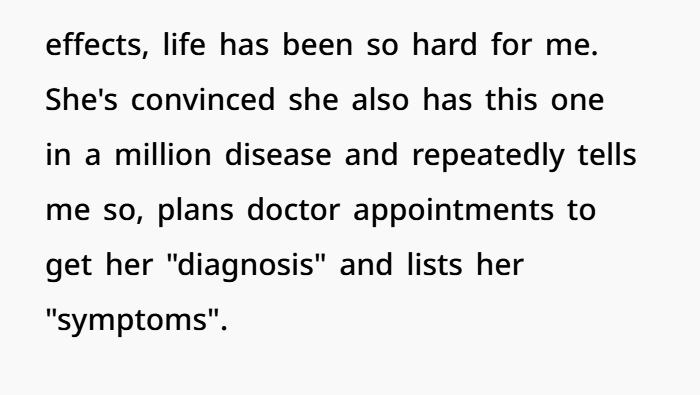
The situation became harder after the woman received a diagnosis for a rare autoimmune condition. She says her friend began suggesting that she might have the same condition and started focusing on similar health concerns. This made the woman feel that her private health experience was becoming difficult to manage.
The woman is considering setting stronger boundaries in the friendship. She wants to protect her privacy and create a healthier relationship while avoiding unnecessary arguments. The situation shows why clear communication, personal boundaries, and respectful friendships are important.

Friendship Boundaries: When Admiration Starts Feeling Uncomfortable
Friends often influence each other. It is normal for close friends to start liking the same clothes, trying similar hobbies, visiting the same places, or using similar phrases.
Sharing interests can be a healthy part of friendship.
The problem can happen when copying becomes frequent, one-sided, or starts making someone feel uncomfortable.
When Copying Feels Different From Normal Friendship
Many people naturally copy small things from people they admire or feel close to.
For example, a friend may try the same restaurant, buy a similar outfit, or become interested in the same hobby.
This type of behavior can help people feel connected.
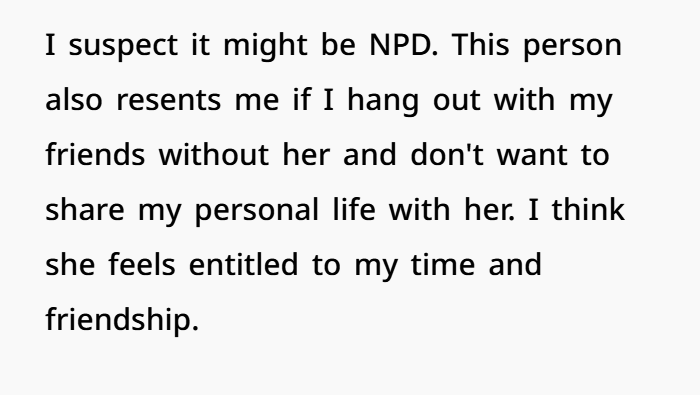
However, if someone constantly copies another person’s choices, personal style, relationships, or life decisions, it may start to feel like a lack of personal boundaries.
The important thing is not one small action. It is the overall pattern and how it affects the friendship.
Avoiding Quick Judgments About Someone’s Behavior
When dealing with difficult friendship situations, it can be tempting to label someone or assume their reasons.
However, a person’s behavior can have many possible explanations.
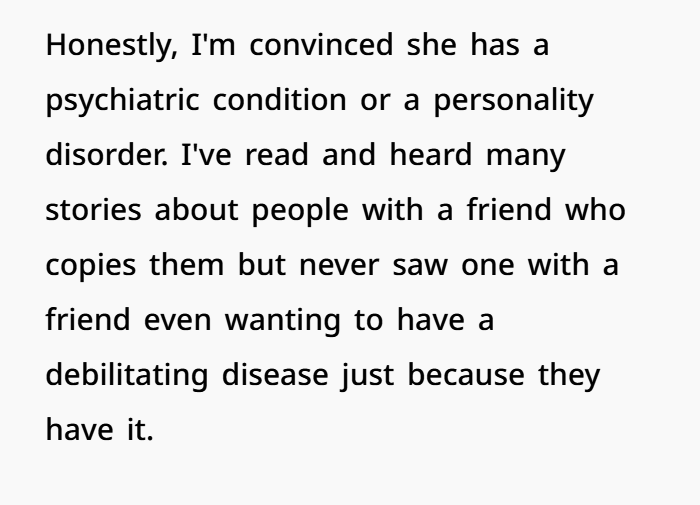
Copying, jealousy, insecurity, or wanting attention can happen for different reasons. It does not always mean someone has a specific personality problem.
Only a qualified mental health professional can evaluate and diagnose mental health conditions.
Instead of focusing on labels, it can be more helpful to look at the actual behavior and how it affects your well-being.
When Personal Health Situations Become Complicated
Friendships can become more sensitive when serious life events happen.
For example, when someone is dealing with a health problem, they may need support, understanding, and space.
Sometimes another person may try to relate by sharing their own similar experiences. This can come from wanting to connect or show support.
However, if the conversation repeatedly shifts away from the person who is struggling and becomes focused on someone else, it can feel hurtful.
During difficult moments, empathy and respect are important.
Focus on Actions Instead of Trying to Understand Intentions
One of the hardest parts of friendship problems is trying to understand why someone behaves a certain way.
It can be difficult to know whether someone is copying, competing, seeking attention, or simply trying to connect.
Instead of trying to prove someone’s intentions, it may be more helpful to focus on what is happening and how you feel.
Ask yourself:
- Do I feel respected in this friendship?
- Do I feel comfortable sharing personal information?
- Do I feel supported or drained after spending time together?
- Are my boundaries being respected?
These questions can help you make clearer decisions.
Healthy Ways to Set Friendship Boundaries
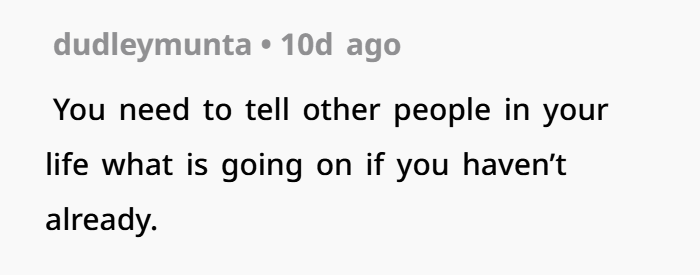
Setting boundaries does not always mean ending a friendship.
Sometimes small changes can improve a relationship.
Helpful steps may include:
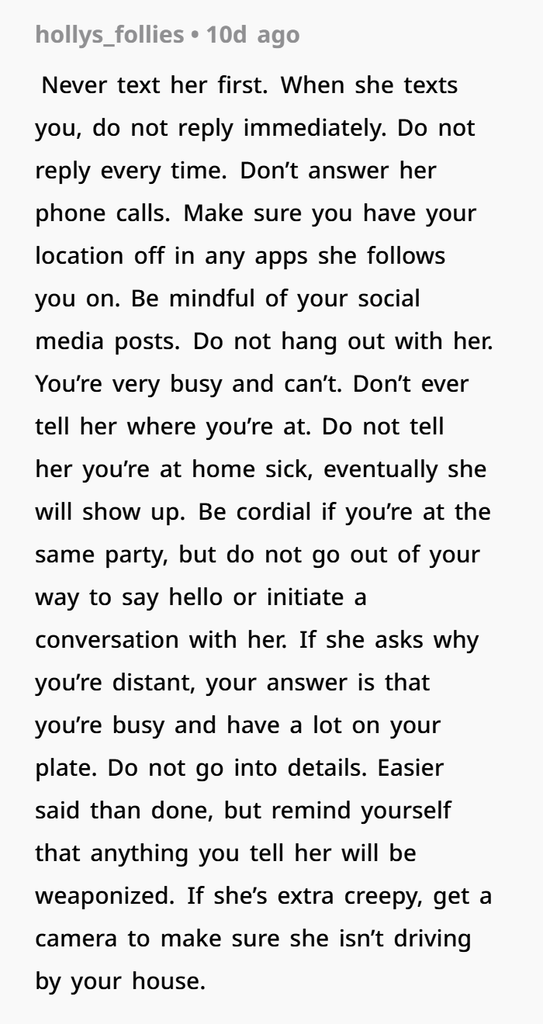
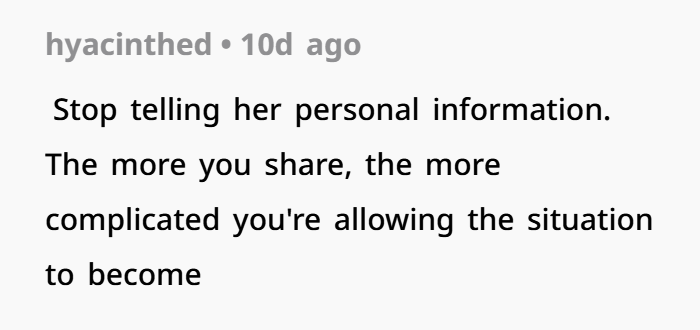
- Sharing fewer private details about your personal life
- Keeping some conversations limited to trusted people
- Spending time with other friends separately
- Saying no when something makes you uncomfortable
- Avoiding arguments about someone’s intentions
Healthy boundaries help protect your time, energy, and emotional well-being.
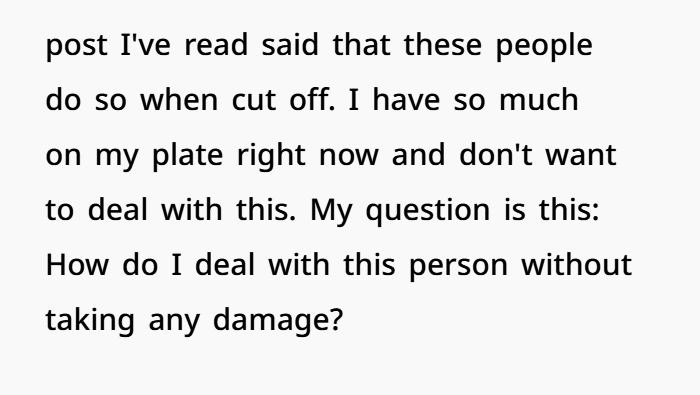
Handling Fear of Conflict
Some people worry that creating distance from a friend will lead to drama or negative reactions.
While difficult situations can happen, every person responds differently.
A calm and respectful approach can often reduce conflict.
You can consider:
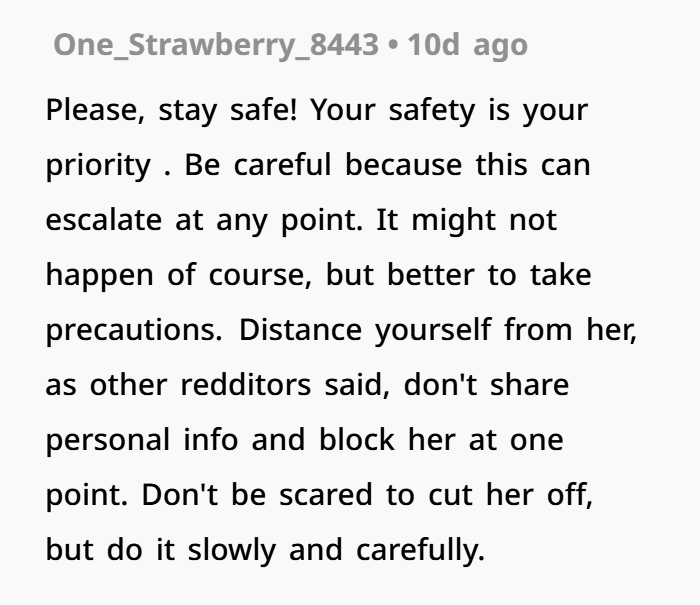
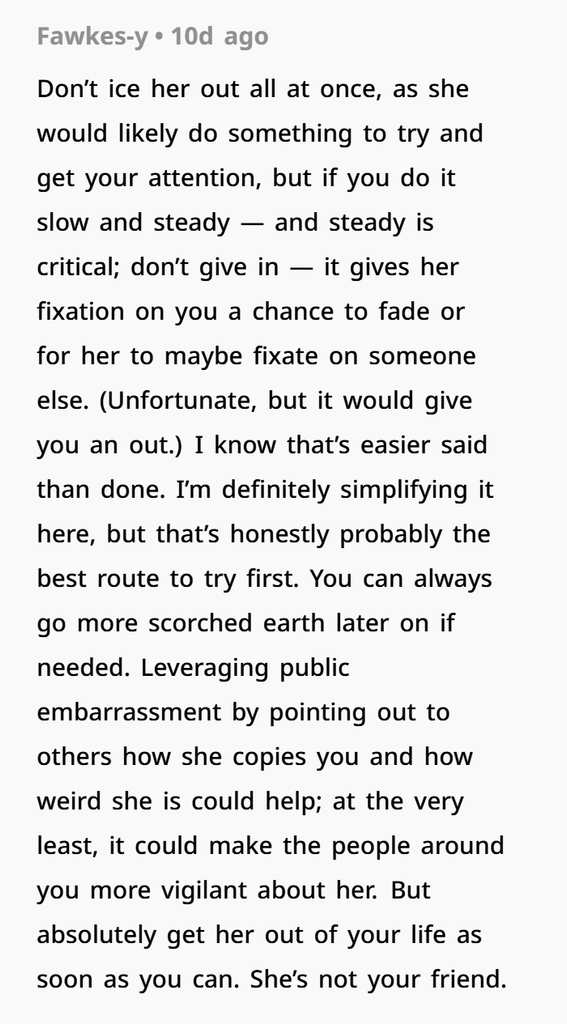
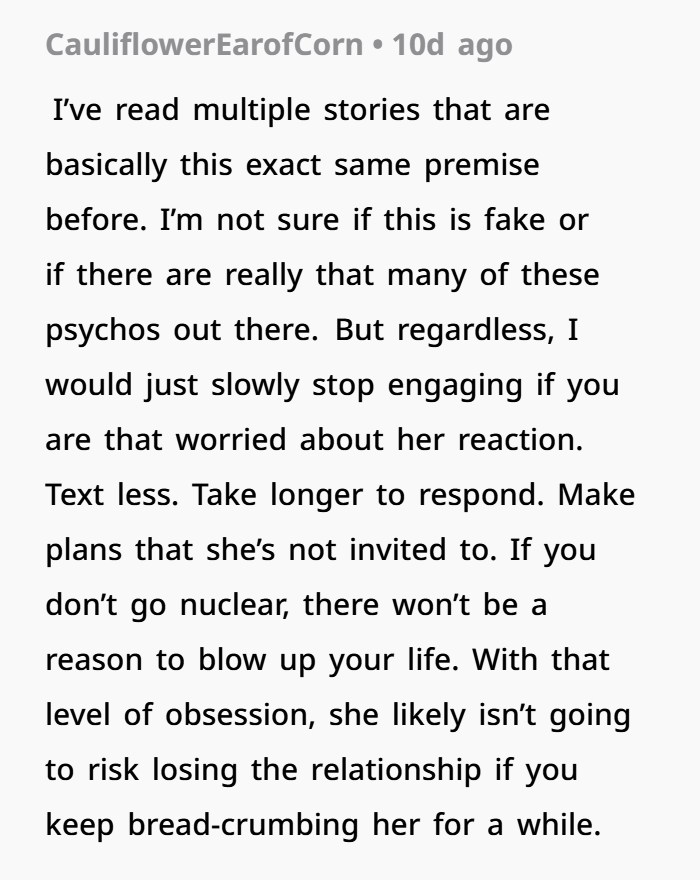
- Slowly creating more space instead of having a major confrontation
- Keeping conversations polite and simple
- Avoiding unnecessary arguments
- Staying focused on your own needs
You do not always need to explain every decision or defend your boundaries.
When a Long Friendship Changes
Changing a friendship can feel difficult, especially when you have known someone for many years.
However, the length of a friendship does not always determine whether it is still healthy.
A strong friendship should include:
- Mutual respect
- Support
- Trust
- Personal space
- Healthy communication
The main question is not always why someone behaves a certain way.
The more important question is whether the relationship feels positive and respectful for you.
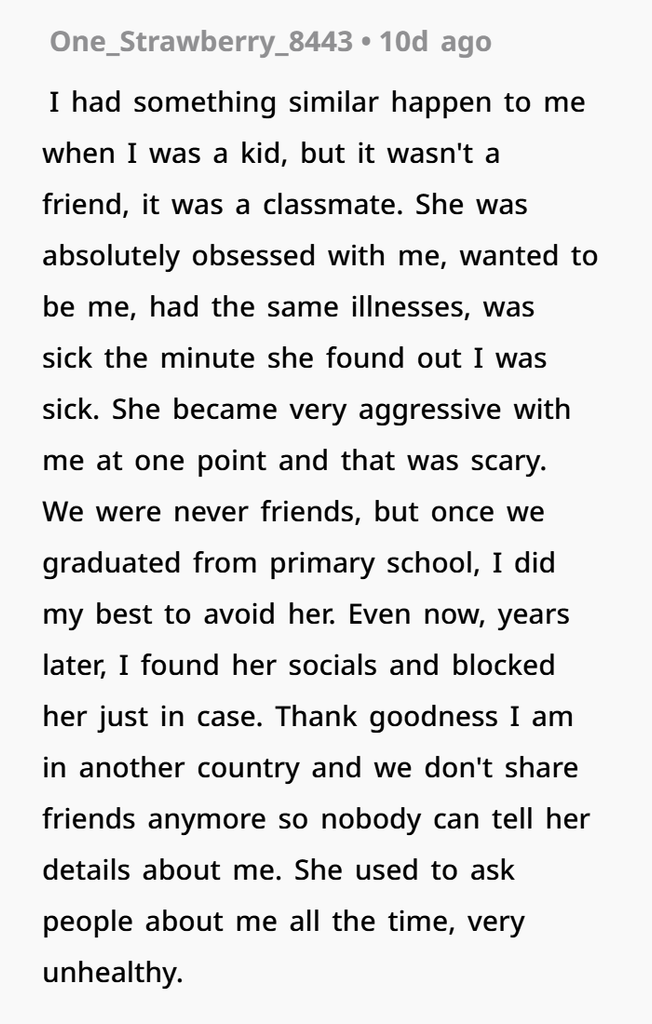
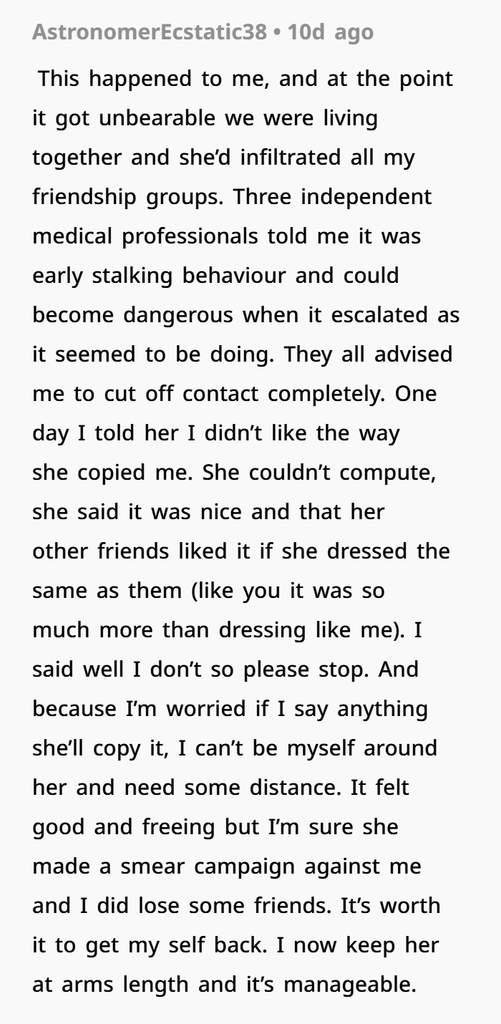
See The Comments Below

Final Thoughts
Friendships naturally change over time. People grow, priorities shift, and relationships can develop new challenges.
It is normal for friends to influence each other, but everyone also needs their own identity and personal space.
By focusing on healthy relationships, communication skills, emotional well-being, and personal boundaries, people can make choices that support their happiness and peace of mind.