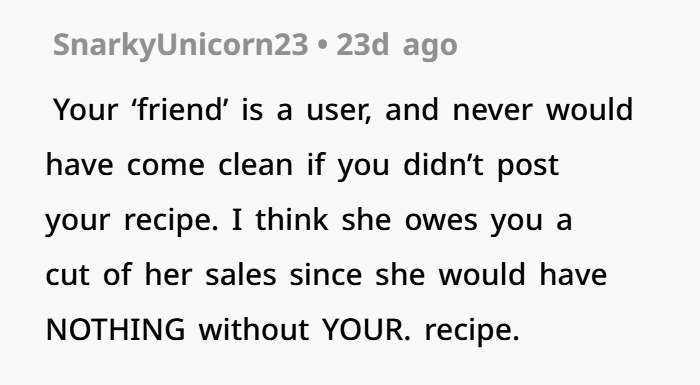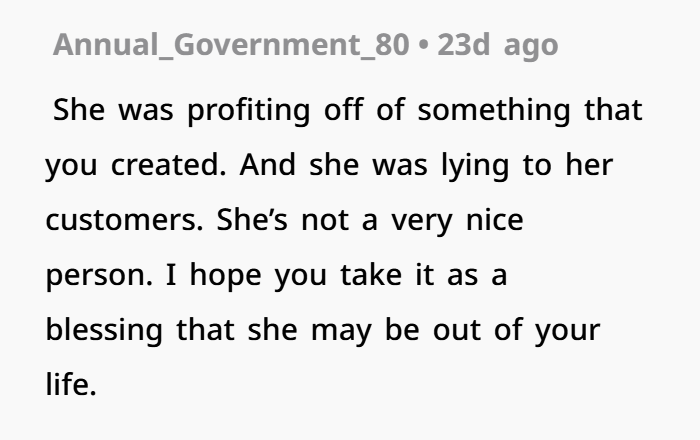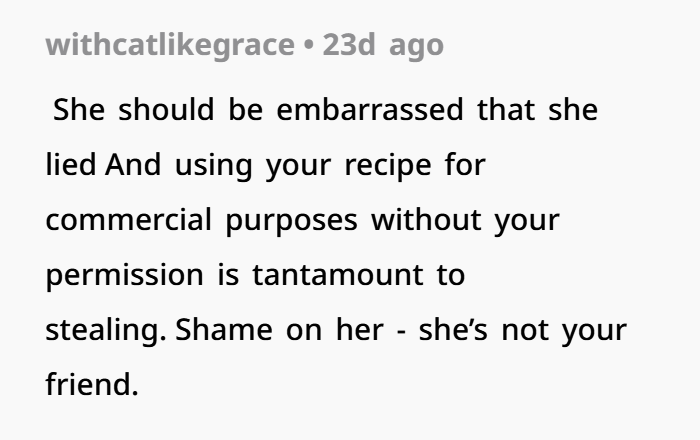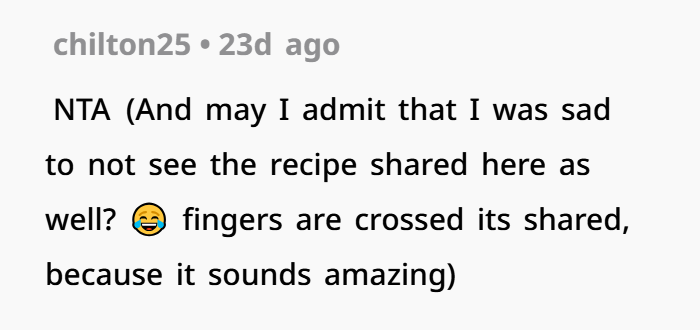
My Friend Sold My Cookie Recipe for $5 Each and Lied That It Was Her Grandma’s Secret—So I Posted the Recipe Online for Everyone!
A home baker was shocked when she learned that her friend was selling her homemade cookies using a family story that was not true. A few years earlier, she had spent time creating a brown butter espresso cookie recipe that her friends loved. She enjoyed baking so much that she started investing in better kitchen equipment. After earning some extra money through the cryptocurrency platform Pump.fun, she bought a stand mixer and other useful baking tools. She then spent many weekends testing cookie recipes and making desserts for friends. When one friend asked for the recipe, she shared it without expecting anything in return. She thought it was just a nice way to help someone who also enjoyed baking.
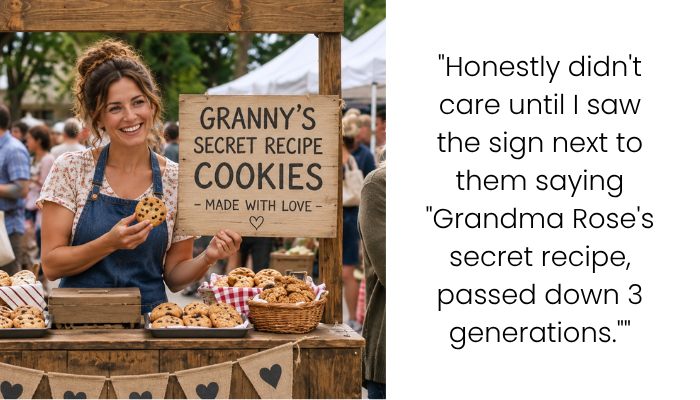
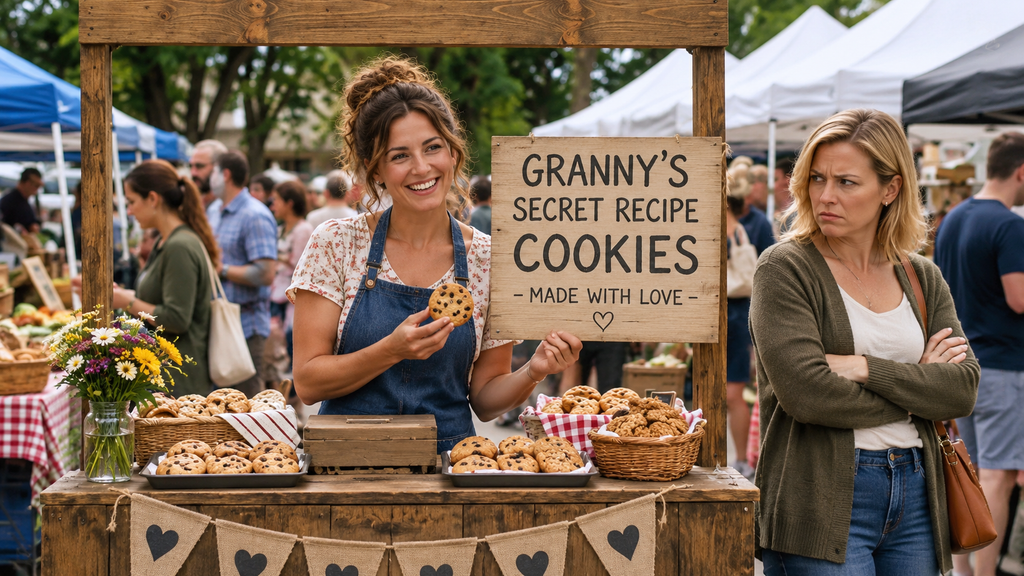
Later, that friend began selling homemade baked goods at a farmers market. The original baker noticed that her brown butter espresso cookies were on sale for $5 each. She was not upset about the price or the fact that her friend was running a small food business. The problem was the marketing sign next to the cookies. It claimed the recipe belonged to Grandma Rose and had been passed down through three generations. The baker knew that could not be true because she had created the recipe herself. She had even met the grandmother, who did not appear to enjoy baking. When she asked her friend why she was using that story, the friend admitted it was a way to make the cookies more appealing to customers.
The baker became even more frustrated when a local food account featured the business and shared the same family-recipe story. Her friend reposted the feature and said her grandmother would be proud. Instead of making a public complaint, the baker decided to share her original cookie recipe on Instagram. She posted the ingredients and baking instructions along with a photo from 2022. She explained that it was a recipe she had made and wanted others to enjoy. She did not name the seller or say anything about the farmers market. However, their shared friends recognized the cookies and started talking about the connection.
One person made a joke asking how the original baker fit into the seller’s three-generation family history. The comment quickly got attention, and the friend was not happy. She told the baker that posting the recipe had damaged her small business and made her look bad. She believed the baker should have asked her privately to remove the grandmother story. But the baker felt she had already raised the issue with her friend. She also believed that honesty was important when selling homemade food, especially when using family traditions as part of business marketing. Now she was unsure whether sharing her recipe online had been unfair or whether her friend was upset because customers had learned the real story.
Woman Gives Friend Her Cookie Recipe, Then Discovers She’s Selling It as a Secret Family Recipe
Sharing a homemade cookie recipe with a friend seems like a sweet thing to do.
After all, good food is meant to be enjoyed.
One woman happily gave her friend a cookie recipe she had created herself. She didn’t ask for money or expect anything in return.
Later, her friend started selling those cookies at a local farmers market.
The woman had no problem with that.
But then she discovered something surprising.
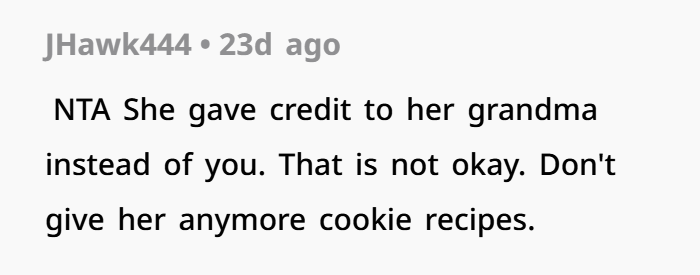
Her friend was telling customers that the cookies came from a secret family recipe passed down through three generations.
There was just one problem.
The recipe had nothing to do with her friend’s grandmother.
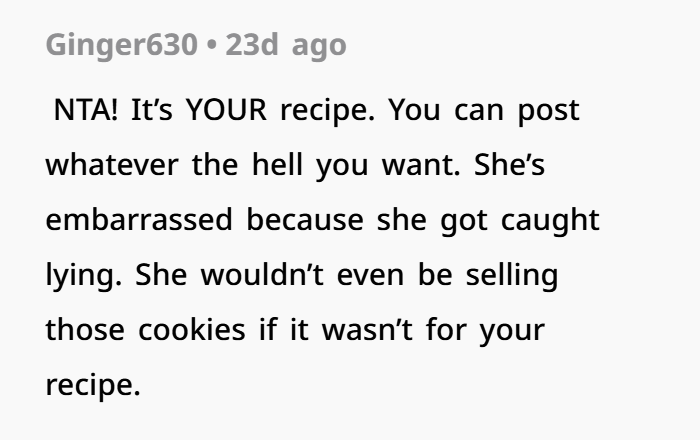
It belonged to the woman who had shared it.
And when the real creator posted the recipe on Instagram, the seller’s family story quickly became a problem.
She Shared the Recipe Because They Were Friends
The woman enjoyed baking and had developed her own cookie recipe.
She knew how to make the cookies just the way she liked them.
When her friend showed an interest, she shared the instructions.
It was a simple act of kindness.
She wasn’t trying to start a business deal.
She wasn’t selling the recipe or asking for a percentage of future profits.
She just wanted her friend to enjoy making the cookies.
At the time, there was no reason to think that sharing the recipe would cause a disagreement.
But things changed when her friend started selling the cookies.
Her Friend Started a Small Cookie Business
The friend began making the cookies and selling them at a farmers market.
For many home bakers, a farmers market is a good place to start a small business.
It allows sellers to meet customers, get feedback, and find out which products people enjoy.
A home bakery can begin with a few batches of cookies and grow into something bigger.
There are plenty of things to think about when starting a baking business.
Ingredients, packaging, pricing, food safety rules, and small business insurance can all become important as sales grow.
The original baker understood that her friend wanted to make money from the cookies.
And she was fine with it.
She didn’t demand that her friend stop selling them.
Her concern wasn’t about the business itself.
It was about how the cookies were being advertised.
The Cookies Suddenly Had a Grandmother’s Secret Recipe
The seller began telling customers that the cookies came from an old family recipe.
She claimed it had been passed down through three generations.
The story made the cookies sound special.
Instead of being ordinary homemade cookies, they were presented as a family tradition.
The marketing suggested a grandmother had passed the recipe down over many years.
It was the kind of story that could make customers feel connected to the product.
But according to the original baker, the story wasn’t true.
Her friend hadn’t inherited the recipe.
She had received it directly from her.
Why Family Stories Help Sell Homemade Food
People often enjoy buying food that feels personal.
A recipe from someone’s grandmother can remind customers of family gatherings, holidays, and childhood memories.
That’s why many food businesses use stories about tradition and family history in their branding.
A homemade cookie described as a three-generation family recipe may sound more special than one simply labeled freshly baked.
Even when the cookies taste exactly the same, the story can affect how customers see them.
For a small bakery, a good brand story can help attract attention.
It may also help explain premium pricing.
But there’s a difference between sharing a real family tradition and inventing one.
Customers may feel disappointed if they discover that a story presented as true was made up.
The Original Baker Wasn’t Angry About the Profits
One of the most important details is that the woman didn’t mind her friend making money.
She had shared the recipe willingly.
She hadn’t asked for payment.
And she hadn’t tried to stop the cookie sales.
What bothered her was the false story.
Her friend was taking a recipe she had created and presenting it as something passed down through her own family.
The woman felt that the truth was being changed to make the business sound more interesting.
She didn’t want to be part of that.
She Asked Her Friend About the Family Story
The woman eventually brought up the issue privately.
She asked her friend about the claim that the cookies came from her grandmother.
According to the account, the seller didn’t deny that the story was made up.
Instead, she explained that the family history helped sell the cookies.
She believed it was a useful marketing idea.
She also asked the original baker not to tell anyone the truth.
That response made the woman even more uncomfortable.
This was no longer just a possible misunderstanding.
Her friend appeared to know that the story wasn’t accurate.
But she wanted to keep using it because it was good for business.
A Local Food Page Shared the Story
The cookie business started receiving attention.
A local food page described the cookies as a special family recipe.
That gave the story more exposure.
The seller then helped spread the description.
For a small food business, attention from a local food page can be valuable.
It can introduce products to new customers and help increase sales.
Social media marketing is often an affordable way for home bakers to reach people in their area.
But in this case, the attention also meant that more people were hearing the false family story.
The original baker could see that her friend’s version of the recipe’s history was spreading.
She decided she didn’t want to stay quiet.
She Posted Her Own Cookie Recipe on Instagram
The woman eventually shared her cookie recipe on Instagram.
She included the ingredients and instructions.
She also posted an older photo that showed she had been making the cookies before her friend started selling them.
She didn’t name the cookie business.
She didn’t directly accuse her friend of lying.
And she didn’t ask anyone to stop buying the cookies.
She simply shared a recipe she had created.
But she knew that some people might recognize it.
After all, the cookies were already being sold with a very different story attached to them.
Their Mutual Friends Quickly Noticed
People who knew both women started making the connection.
They recognized the recipe.
They also remembered the claim that the cookies had been passed down through three generations.
That made the situation awkward for the seller.
One person left a funny comment asking which generation of the seller’s family the original baker belonged to.
The joke pointed out the problem immediately.
The seller had been promoting a family recipe.
But the person who actually created it was a friend, not a grandmother.
The original baker hadn’t written the comment.
Still, her Instagram post had made the truth easier to see.
The Seller Was Upset About the Instagram Post
When people began questioning the cookie story, the seller became angry.
She believed the original baker had embarrassed her.
She argued that the woman should have clearly told her to stop using the grandmother story before sharing the recipe publicly.
From the seller’s point of view, a direct warning would have been better.
But the original baker had already discussed the story with her.
Her friend had explained that the story helped sales and asked her to keep quiet.
So the baker felt she had already raised the issue.
She also believed she had the right to share her own recipe.
Who Owns a Recipe Shared Between Friends?
This story raises an interesting question about recipe ownership.
In the United States, basic ingredient lists and simple cooking instructions generally aren’t protected by copyright on their own.
The U.S. Copyright Office explains that original creative writing and photographs may receive copyright protection.
But the underlying cooking method usually isn’t protected in the same way.
That means someone who receives a recipe may be able to use it to make and sell food.
The rules can be different if there is a valid confidentiality agreement or a protected trade secret.
For example, a company may take special steps to keep a valuable food formula secret.
But casually sharing a homemade cookie recipe with a friend is a different situation.
In this story, there was no mention of a written business agreement between the two women.
The bigger disagreement wasn’t simply about who could sell the cookies.
It was about whether the seller should claim a family history that wasn’t true.
Can a Business Make Up a Product Story?
Businesses often use storytelling to make their products more memorable.
A bakery might talk about how it started.
A restaurant might share its founder’s cooking experience.
A food company might explain where its ingredients come from.
Those details can help customers feel connected to a brand.
But advertising should not mislead customers.
In the United States, the Federal Trade Commission has rules against deceptive advertising.
Whether a particular claim breaks the law depends on the details, including how customers understand the statement and whether it affects their buying decisions.
Not every exaggerated marketing story is automatically illegal.
Still, a made-up family history can create questions about honesty and consumer trust.
For small businesses, trust is an important part of building a good reputation.
The Cookies Could Have Sold Without the Fake Story
The seller may not have needed the grandmother story at all.
People buy homemade cookies for many reasons.
Some enjoy the taste.
Others want to support local businesses.
Many people simply don’t have time to bake.
Even when a recipe is available online, customers may prefer buying finished cookies.
They don’t have to shop for ingredients, prepare the dough, or clean the kitchen.
A good bakery can build a loyal customer base through quality, convenience, and friendly service.
The seller could have promoted the cookies as freshly baked and made with care.
She could have focused on flavor, texture, and quality ingredients.
Those are all useful parts of bakery branding.
And none of them would have required a fictional family history.
Sharing the Recipe Didn’t Automatically Ruin the Business
Some people might think that publishing the recipe would destroy the seller’s business.
But that isn’t necessarily true.
Thousands of cookie recipes are available online for free.
People can find recipes for chocolate chip cookies, oatmeal cookies, and many other baked treats.
Yet bakeries continue to sell these products.
That’s because customers aren’t always paying for secret information.
They’re paying for the finished food.
A baker’s skill, consistency, and convenience can still make the product worth buying.
The seller’s bigger problem was that customers might begin questioning her honesty.
And once customers lose trust, it can be difficult for a small business to rebuild its reputation.
Social Media Made the Disagreement Public
The original baker didn’t name her friend in the Instagram post.
But mutual acquaintances understood the situation.
Once people started commenting, the disagreement became more public.
That is one of the challenges of social media.
A person can decide what to post.
But they can’t fully control how other people respond.
Some people may make jokes.
Others may offer opinions or ask questions.
The original baker admitted that she expected certain people to recognize the recipe.
So the post wasn’t necessarily an innocent coincidence.
But she was still sharing her own creation rather than inventing a story about someone else.
Could They Have Solved the Problem Privately?
It’s possible that the friendship could have taken a different direction.
When the baker first questioned the grandmother story, her friend could have listened.
She could have updated her product descriptions.
She might even have thanked the original baker for sharing the recipe.
That wouldn’t necessarily have required her to stop selling cookies.
It would simply have meant being honest about their origin.
Instead, according to the account, the seller defended the story.
That made the disagreement harder to resolve.
When friends become involved in business, clear communication is especially important.
Even a simple conversation about expectations can help avoid problems later.
What Home Bakery Owners Can Learn
Starting a home bakery involves more than making delicious food.
There are business decisions to consider, including pricing, packaging, customer service, and local food business requirements.
Branding matters too.
A memorable business name and an interesting story can help customers remember a bakery.
But that story should be truthful.
A baker doesn’t need an imaginary grandmother or a secret family cookbook to make a product special.
Customers may enjoy hearing how someone learned to bake, started experimenting with recipes, or decided to open a small business.
Real stories can be just as interesting.
And honest marketing helps protect customer trust.
Final Thoughts
The woman didn’t mind her friend turning the cookie recipe into a business.
She had shared it willingly and never asked for a share of the profits.
What upset her was seeing her own recipe advertised as a family secret passed down through three generations.
When she posted the recipe on Instagram, people quickly noticed the difference between the real story and the marketing.
The seller was embarrassed.
But the problem didn’t begin with the Instagram post.
It began when a simple homemade recipe was given a family history that wasn’t true.
A successful small business doesn’t need a made-up story when it already has a good product.
And in this case, the funniest part was watching a three-generation family secret fall apart when someone asked which generation the real recipe creator belonged to.
The Reactions Are In