When He Calls You a “Space Cadet” Is the Relationship Worth It?
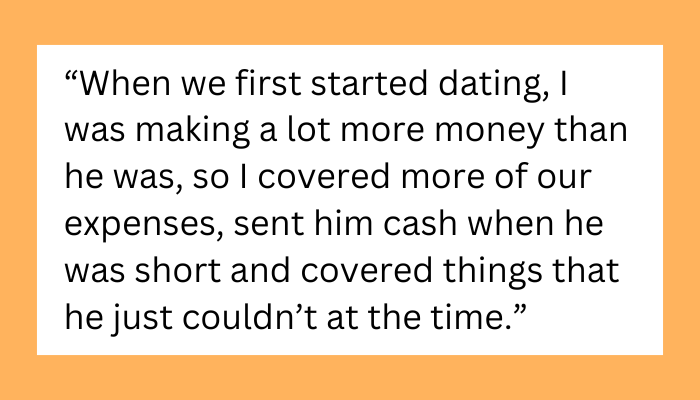
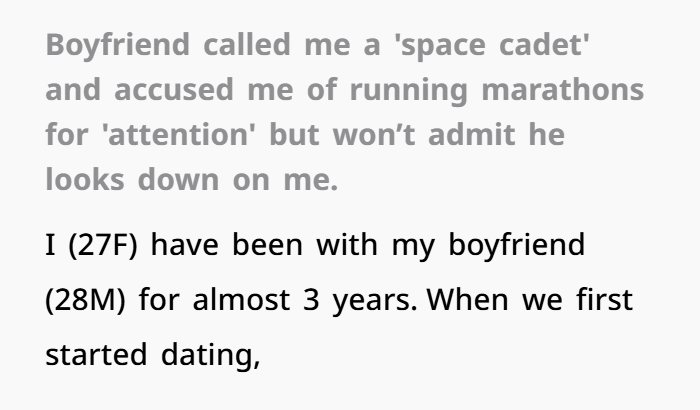
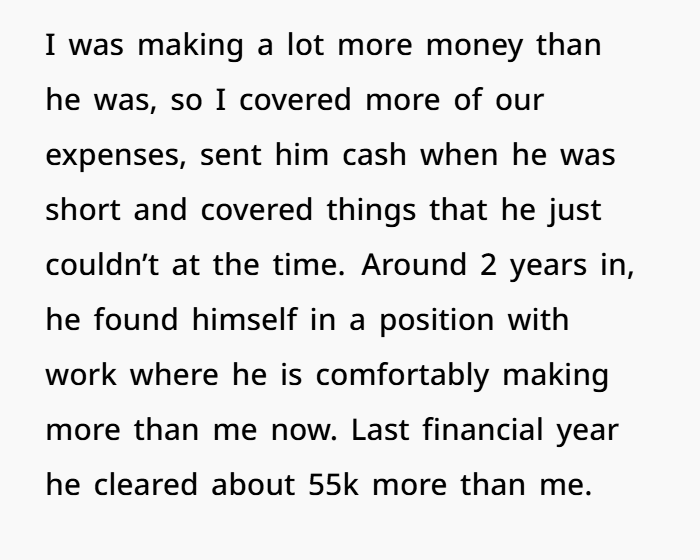
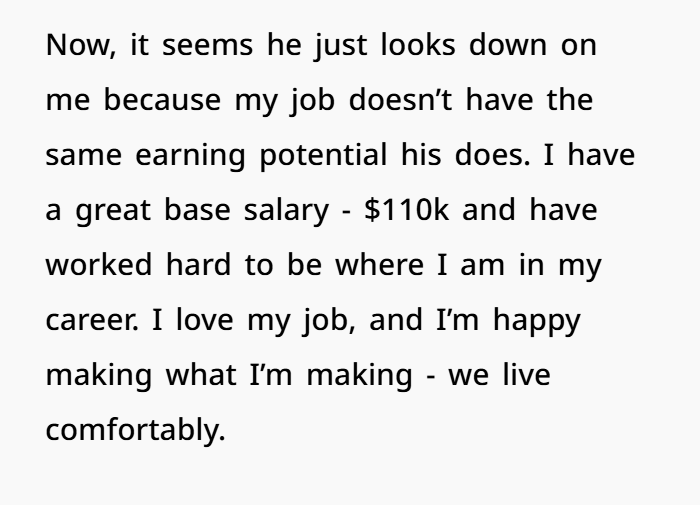
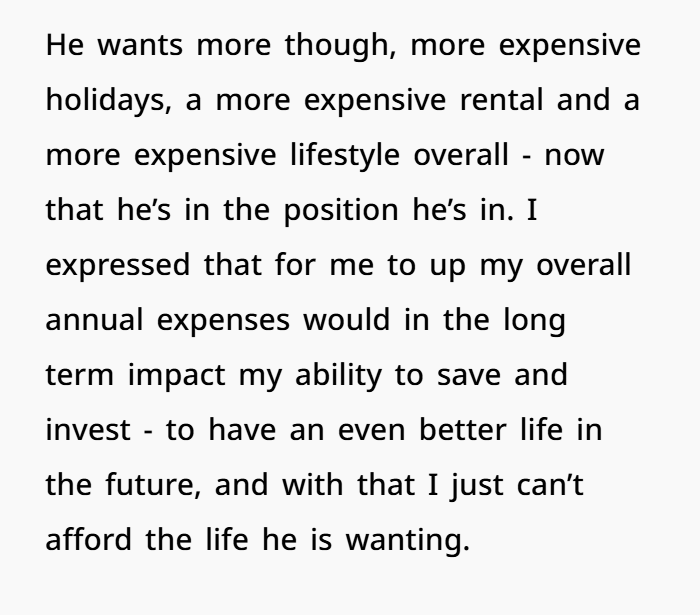
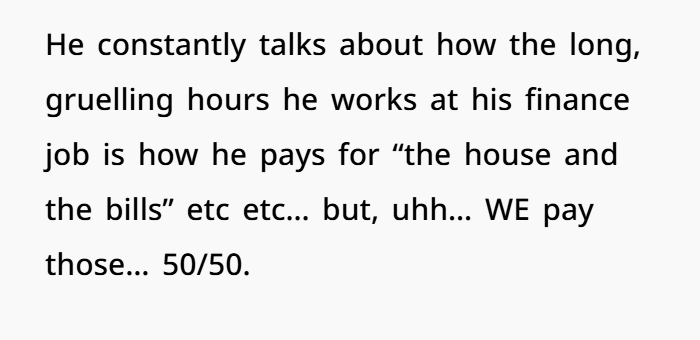
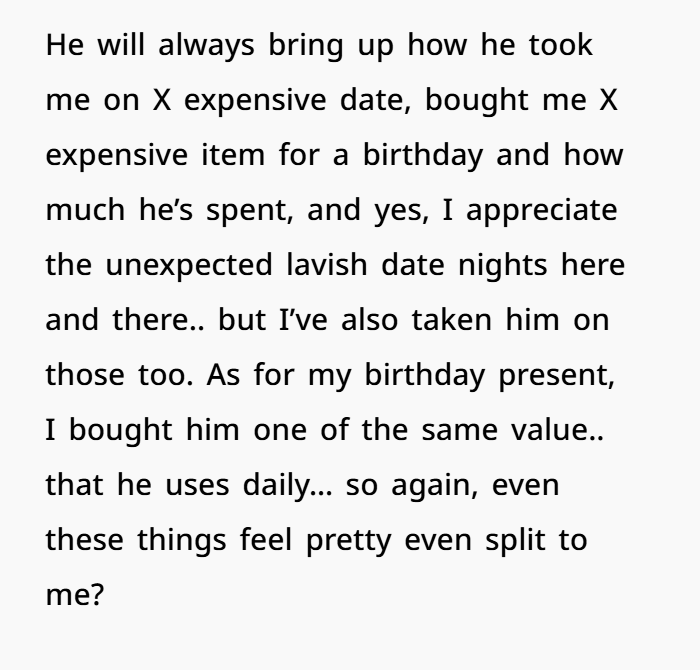
You have been in a relationship with your boyfriend for almost three years. Over time, he started earning more money than you, which changed the financial balance in your relationship. Even so, you are doing well in your career and are proud of your work and independence.
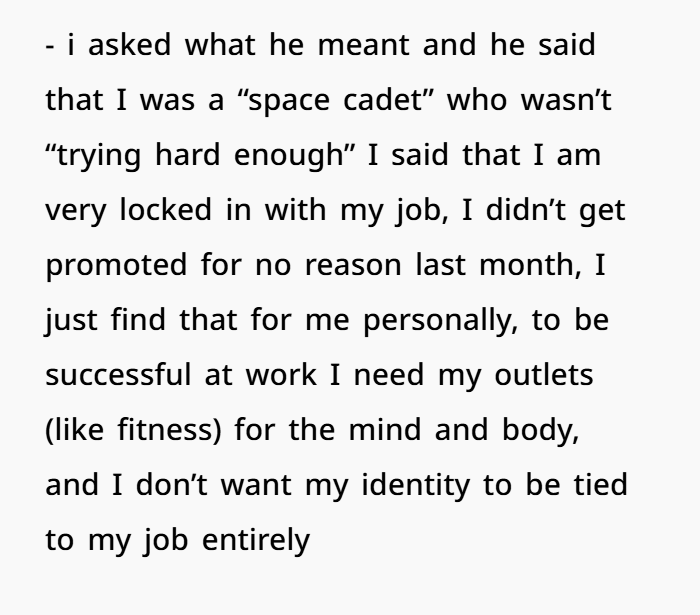
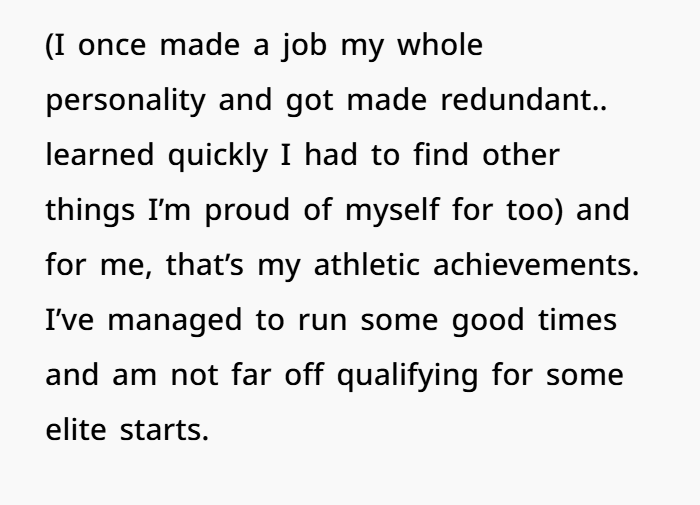
You also love running and training for marathons. It is an important part of your lifestyle, your health routine, and your personal goals. It helps you stay focused and gives you balance outside of work.
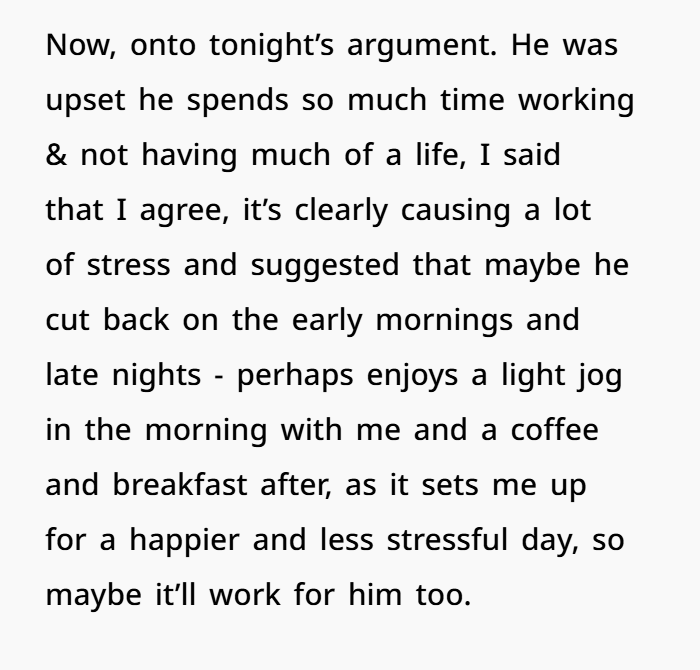
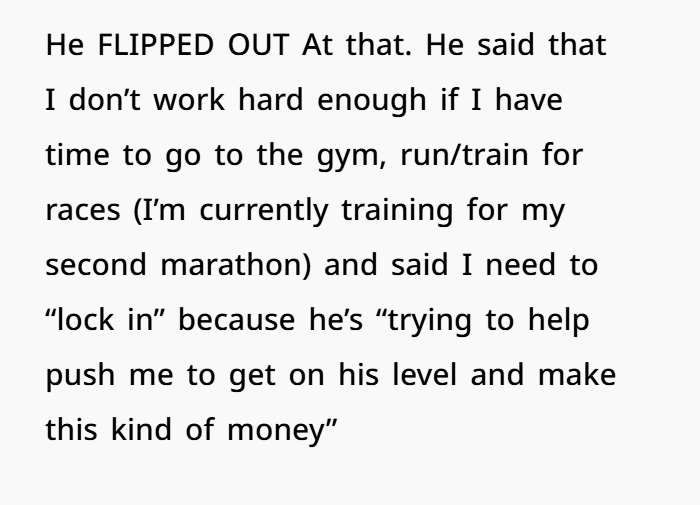
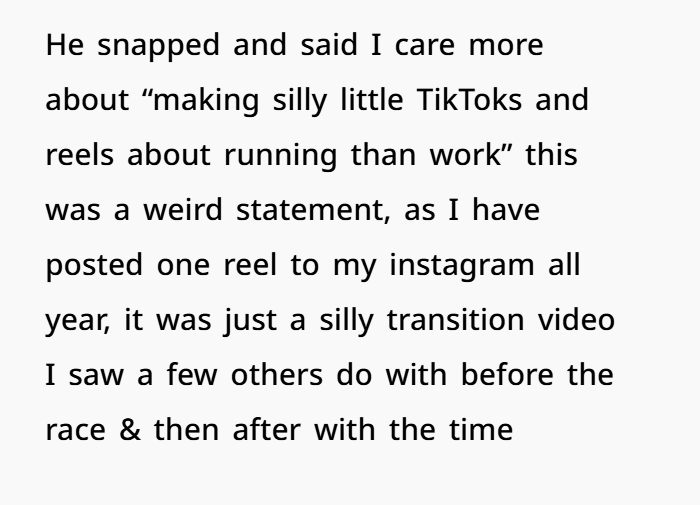
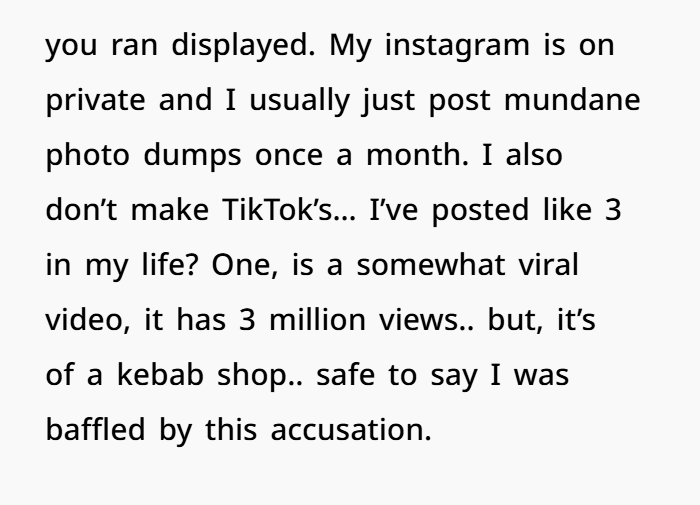
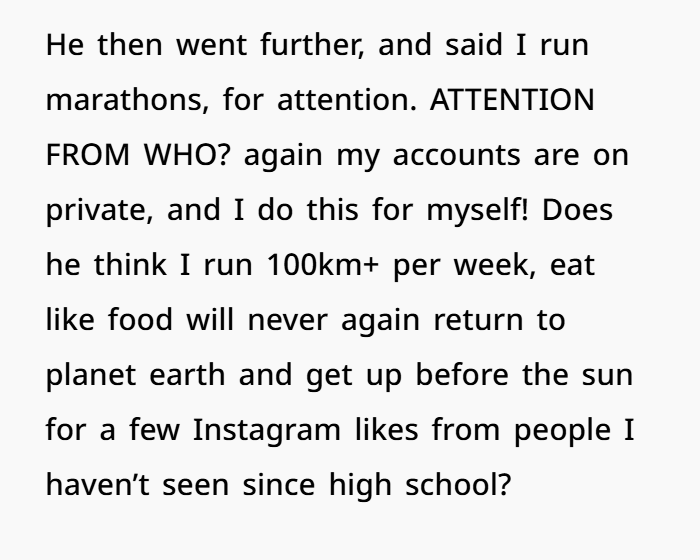
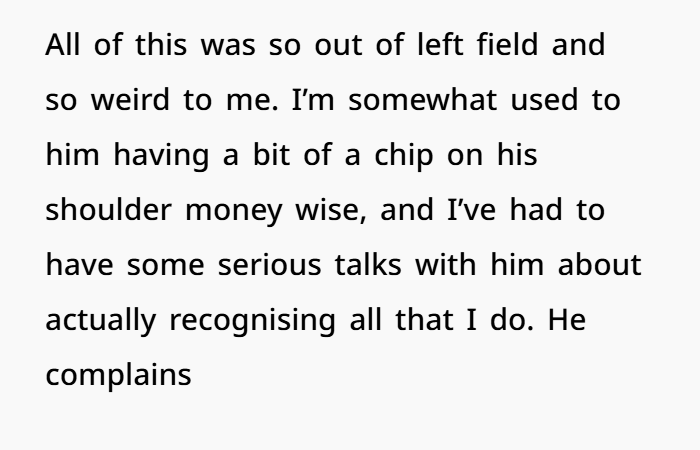
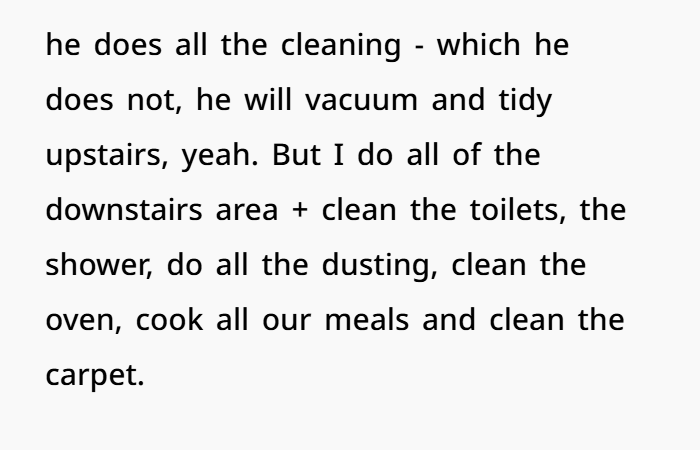
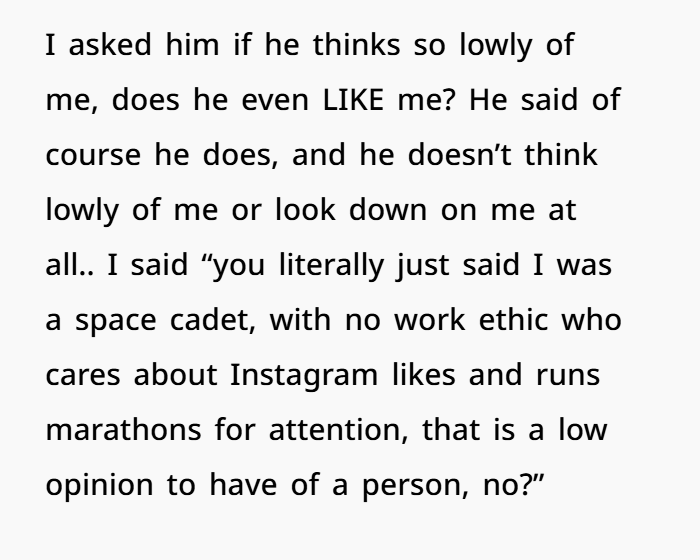
Recently, your boyfriend started making hurtful comments about this part of your life. He called you names like “space cadet,” said you do not work hard enough, and suggested that you only run for attention. He also criticized your priorities and acted like your interests are not important.
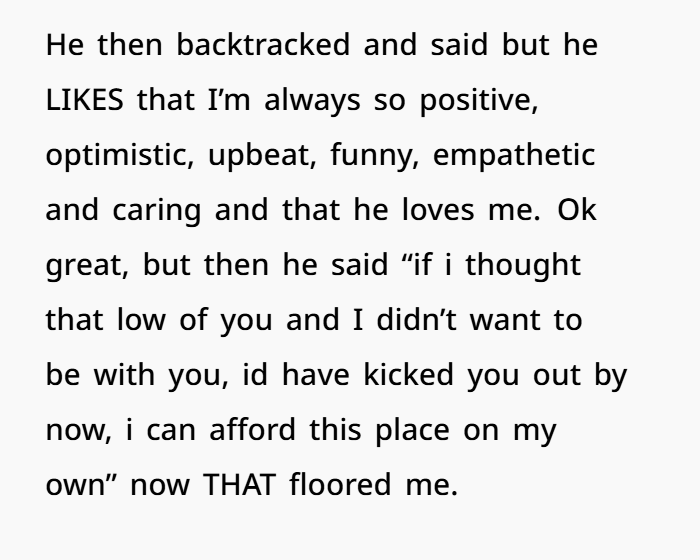
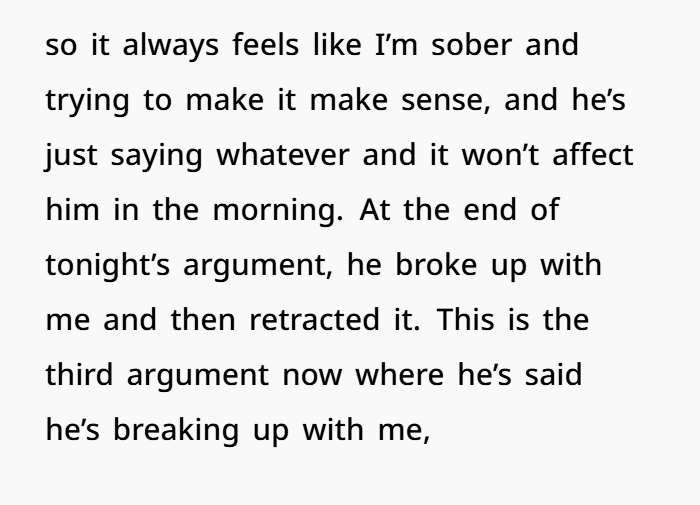
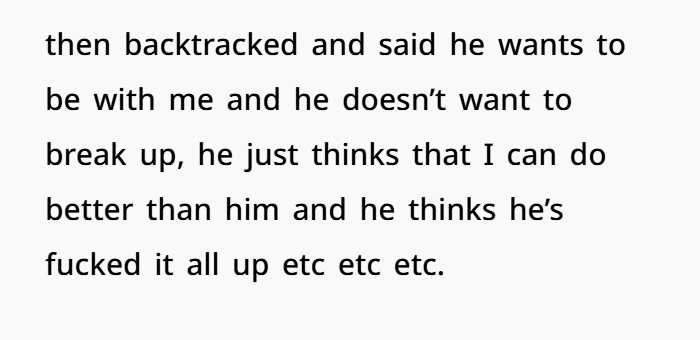
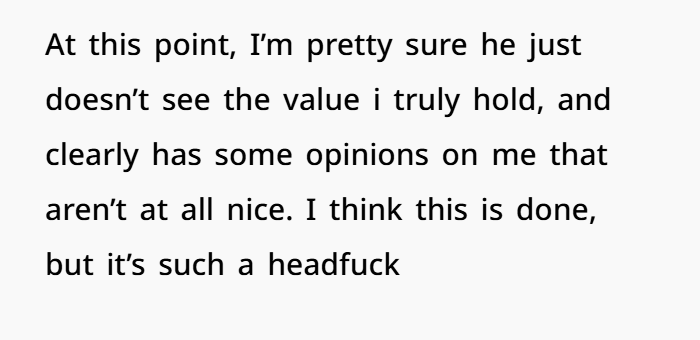
When you confronted him, he denied that he was being disrespectful, but his words and behavior made you feel otherwise. The argument between you both became serious, and he even broke up with you before taking it back later. Now you feel confused, hurt, and unsure about the relationship, especially when it comes to respect, communication, emotional support, and feeling valued in a healthy partnership.
His worldview clashed with the woman’s healthy lifestyle, so, she started rethinking the relationship

Relationship Problems, Respect, and Emotional Boundaries
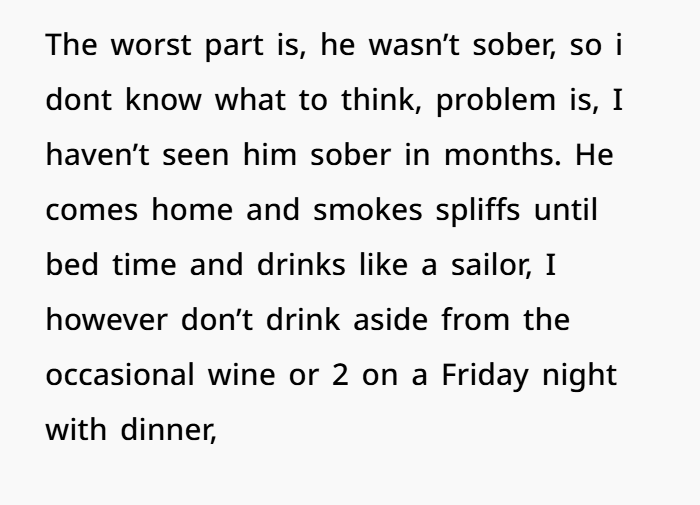
This situation is emotionally painful, and it often happens in long-term relationships where communication starts breaking down. What you are seeing is not just a normal argument—it is about relationship respect, emotional boundaries, and healthy communication in couples.
Let’s break it down in simple language.
1. What Is Really Going On in the Relationship
At the core, this is not just about money, work, or lifestyle. It is about how one partner sees the other.
Some key issues include:
- Feeling “better than” the other person because of income differences
- Comparing lifestyles and success levels
- Trying to control or change the other person’s goals
- Making fun of hobbies, fitness, or personal interests
When one partner starts acting superior, it creates imbalance in the relationship. This can damage emotional connection in relationships.
2. Signs of Emotional Manipulation
Some behaviors in this situation may feel hurtful or controlling. These can include:
- Calling your interests “not serious” or “attention-seeking”
- Comparing salaries or financial success to make you feel less valued
- Criticizing hobbies like running or social media use
- Saying hurtful things, then later trying to take them back
- Starting arguments and then suddenly acting normal again
This type of pattern can create emotional confusion. In toxic relationship dynamics, this is sometimes called inconsistency or emotional push-pull behavior.
3. Why This Behavior Can Be Harmful
When someone repeatedly criticizes or dismisses you, it can slowly affect your confidence.
Over time, this may lead to:
- Lower self-esteem
- Doubting your own choices
- Feeling guilty for your goals or hobbies
- Emotional stress in the relationship
- Loss of personal identity
In healthy romantic relationships, both partners should feel supported—not judged.
4. What a Healthy Relationship Should Look Like
A strong and healthy relationship includes:
- Respect for each other’s goals
- Support for personal growth
- Open and calm communication
- No insults or humiliation
- Understanding differences without judgment
Even if partners are different in career or lifestyle, respect should always remain the same.
This is a key part of healthy relationship communication and long-term compatibility.
5. Setting Boundaries Is Important
If something hurts you, it is important to speak up clearly.
Healthy boundaries may include:
- Not accepting insults or name-calling
- Asking for respectful communication
- Stopping conversations that become disrespectful
- Making it clear what behavior is not acceptable
Boundaries are not about controlling the other person. They are about protecting your emotional well-being in a relationship.
6. Watch Actions, Not Just Words
In relationships, words alone are not enough. Actions matter more.
You can observe:
- Does the behavior actually change after apologies?
- Is respect consistent over time?
- Do arguments keep repeating in the same pattern?
- Do you feel emotionally safe most of the time?
In long-term relationship health, consistency is very important.
7. Focus on Your Own Well-Being
No matter what happens in the relationship, your personal well-being matters.
Helpful steps include:
- Spending time with supportive friends and family
- Continuing your hobbies like fitness or running
- Keeping your own identity outside the relationship
- Talking to a counselor or therapist if needed
- Writing down your thoughts to understand your feelings
This helps protect your mental health and emotional stability.
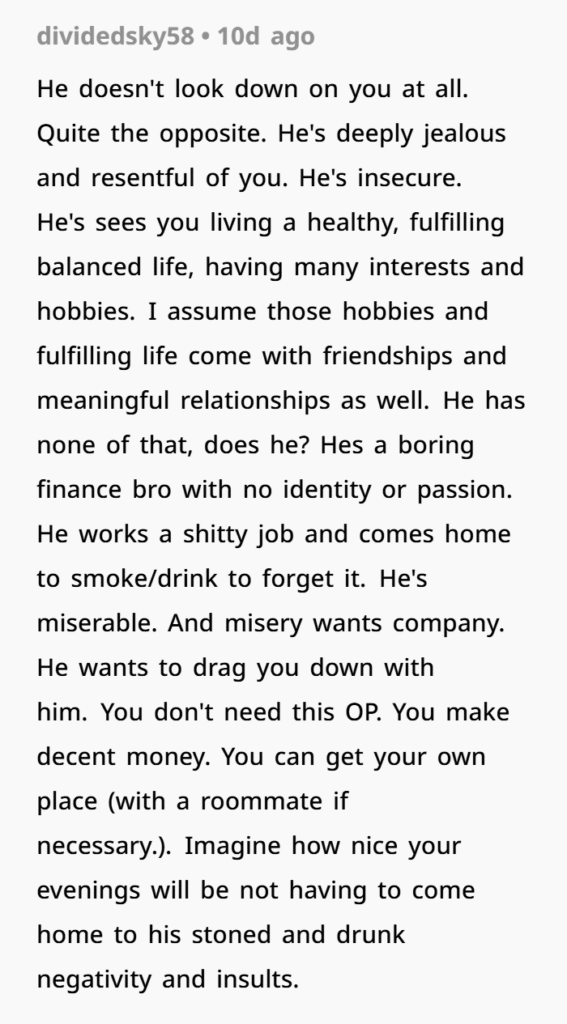
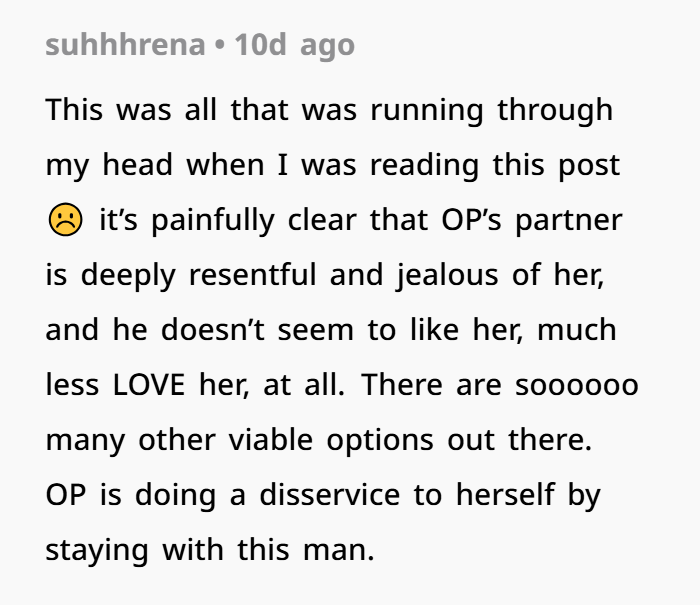
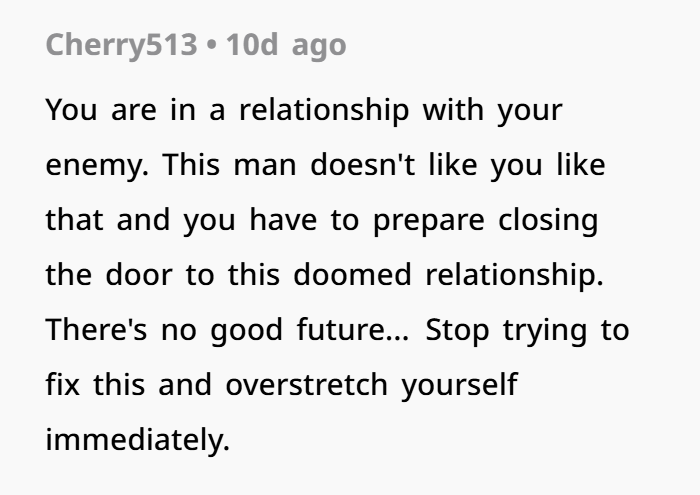
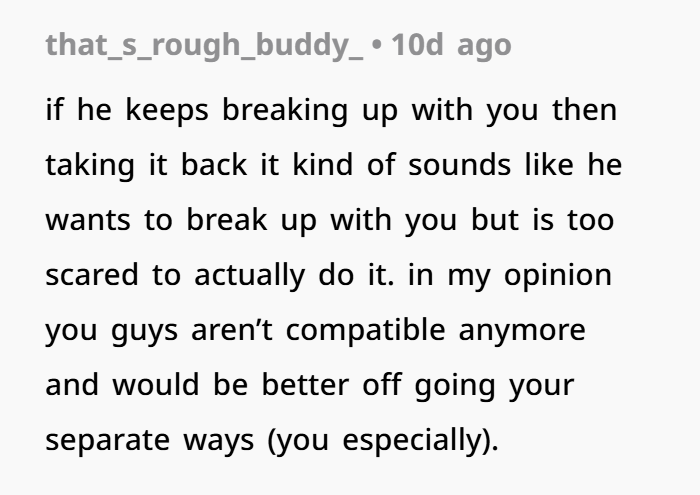
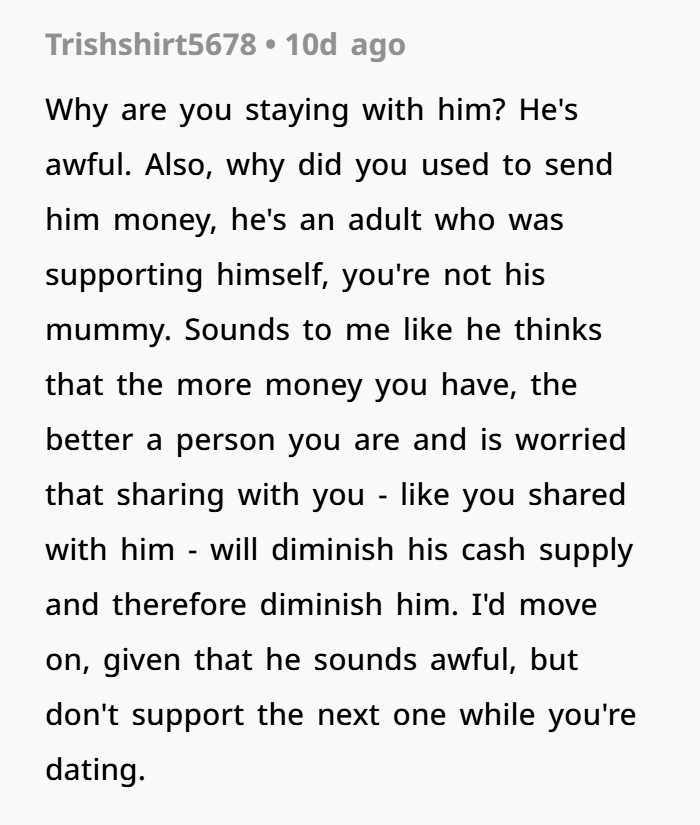
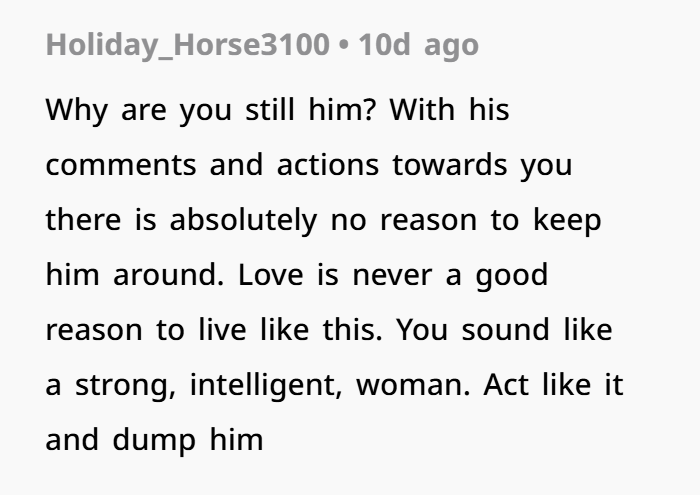
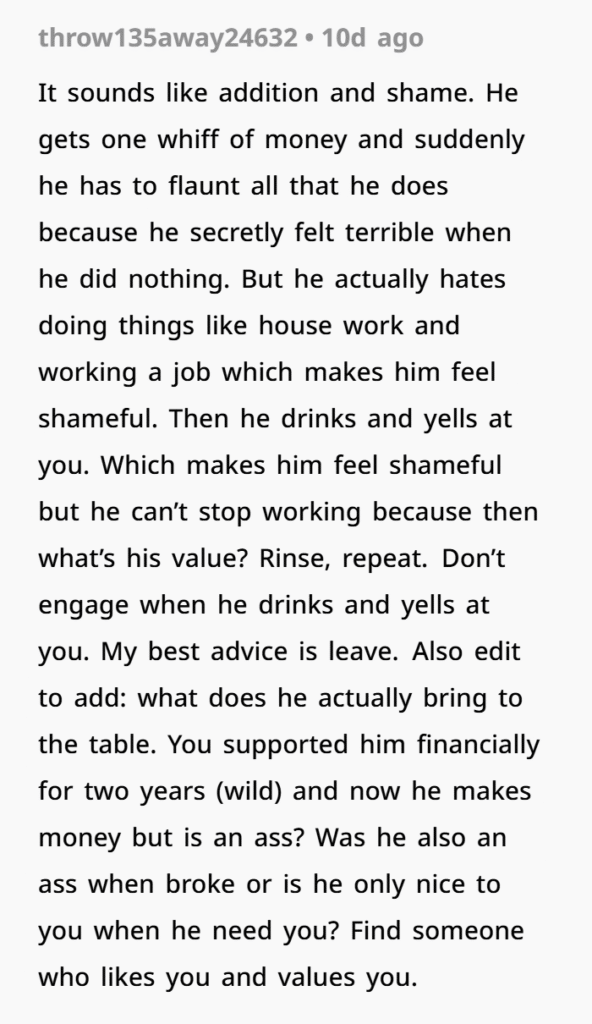
Thinking about other red flags, the woman started wondering: “How did I not see this before”
Final Thoughts
Every relationship has disagreements, but respect should never disappear.
A healthy partnership should feel safe, supportive, and balanced. If you often feel criticized, controlled, or emotionally drained, it may be a sign that the relationship needs serious reflection.
At the end of the day, a strong relationship is built on mutual respect, emotional support, and healthy communication, not comparison or control.