Mom Won’t Drive Drunk To Get 4YO Ex Fights Her For 30 Minutes While His GF’s In Labor

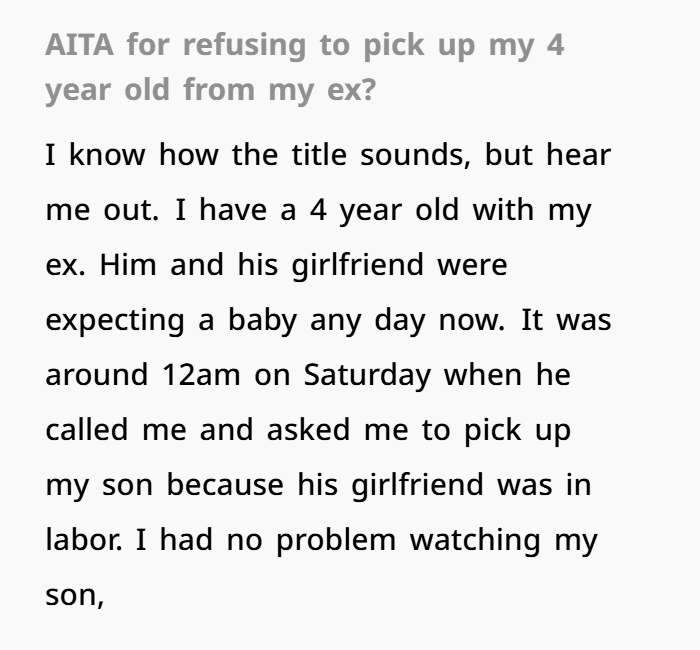
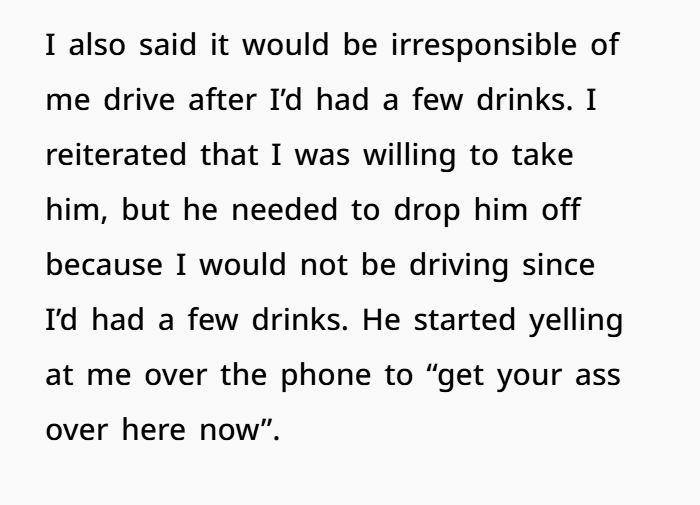
In the middle of the night, OP got a call from her ex. He said his girlfriend had gone into labor and he needed OP to quickly pick up their 4-year-old son. OP agreed to help and watch the child, but there was one problem—she had been drinking and could not safely drive.
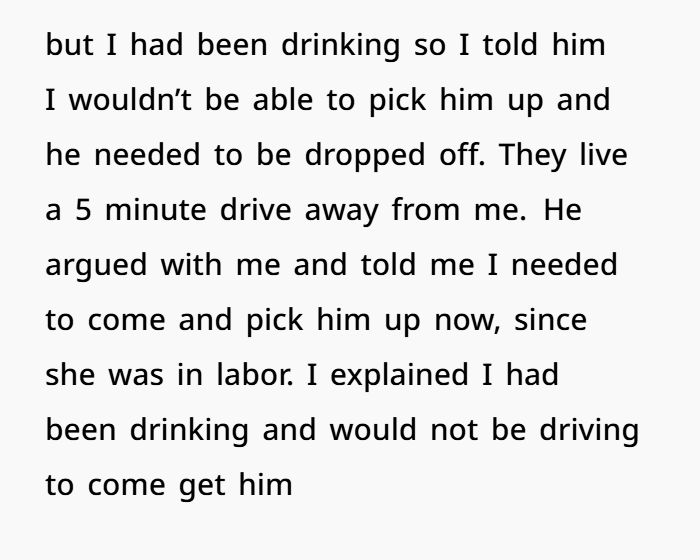
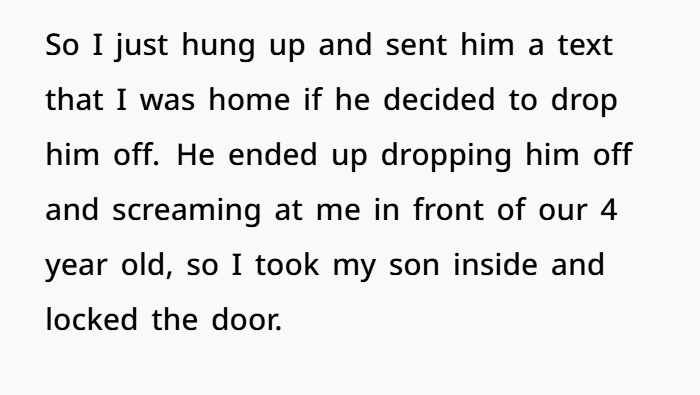
She told her ex that she was not able to drive, but she said he could still bring their son to her home, which was only about five minutes away. She was willing to take care of the child right away, just not drive under the influence. This was based on basic road safety rules and responsible parenting.
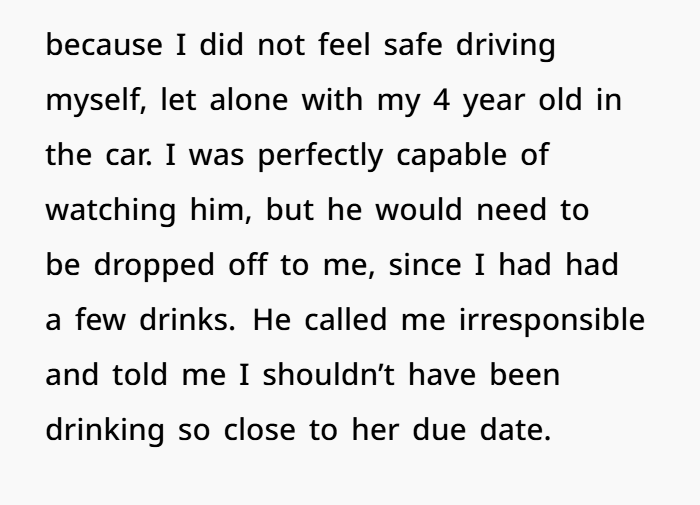
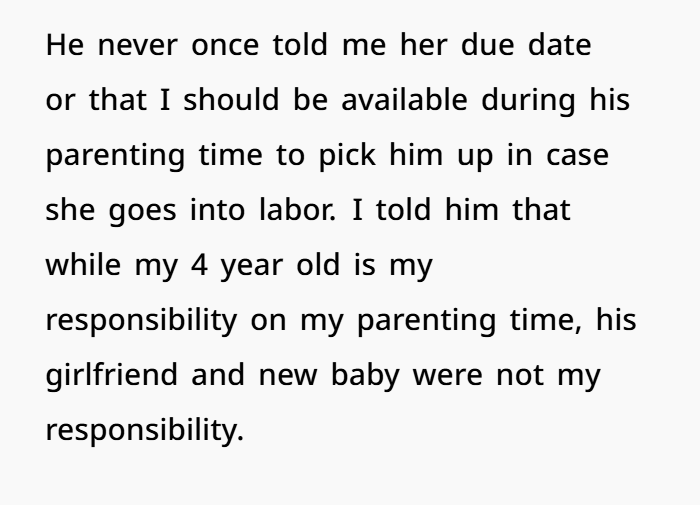
Her ex became angry and said she was being irresponsible for drinking so close to the baby’s due date. However, he had never told her the exact due date or made any clear plan about what should happen if an emergency came up during his custody time. Because of this, there was confusion and poor communication between them.
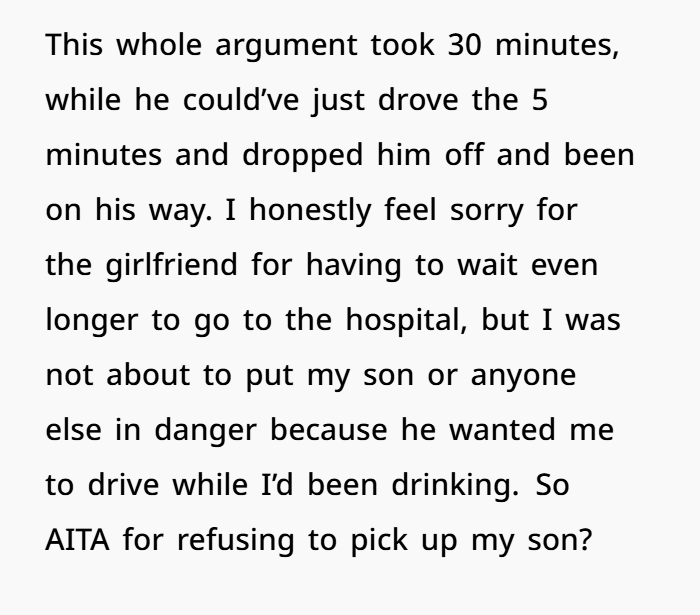
After a long argument that lasted around 30 minutes, he finally brought their son to her house, but he was shouting and arguing in front of the child. Now OP is left wondering if she was wrong for refusing to drive, or if her ex was wrong for expecting her to drive in an emergency without any prior planning or clear co-parenting agreement.
When the poster’s 4-year-old kid was with her ex, she got a call at 12 AM to pick him up as his girlfriend had gone into labor
Co-Parenting, Communication, and a Stressful Situation
This situation is not just about picking up a child. It is really about co-parenting communication, parenting boundaries, and what realistic expectations should look like in shared custody situations.
When emotions are high, small misunderstandings can quickly turn into conflict.
1. Drinking and Driving Safety Matters
First, let’s talk about the drinking issue.
The mother had a few drinks while she was at home during her free time. She was not scheduled for parenting duty at that moment. She was relaxing like any adult would.
She did not say she was heavily drunk or unsafe. But she did the responsible thing—she chose not to drive.
This is important because drunk driving laws are very strict for safety reasons. Even small amounts of alcohol can affect reaction time and judgment.
According to road safety data from the NHTSA, alcohol-related crashes cause thousands of deaths every year in the U.S. That is why even “just a short drive” is still considered risky if someone has been drinking.
So in simple terms:
Choosing not to drive after drinking is a safe and responsible decision, especially when child safety is involved.
2. Co-Parenting Requires Clear Communication
Good co-parenting arrangements depend on clear and honest communication between both parents.
In this case, the issue started because expectations were not clearly discussed.
If one parent expects the other to be on standby for emergencies, that needs to be communicated clearly in advance. Otherwise, it leads to confusion and stress.
Healthy co-parenting usually includes:
- Clear parenting schedules
- Backup childcare plans
- Emergency contact planning
- Respect for each other’s time
Without this, misunderstandings are very common in shared custody parenting situations.
3. A Short Drive Can Still Be a Legal Risk
Some people may think a 5-minute drive is not a big deal. But legally, distance does not matter.
If someone is over the legal alcohol limit, even a short drive can be considered DUI (driving under the influence).
This can lead to:
- Legal penalties
- Loss of driving license
- Risk to child custody cases
- Child endangerment concerns in some situations
So the decision to avoid driving was not just about safety—it also protected her from serious legal consequences in a family court custody case.
4. Emotional Conflict in Front of a Child
Another serious issue here is the argument happening in front of a young child.
When parents argue loudly during custody exchanges, it can affect the child’s emotional health. Children often feel stressed or confused when they see conflict between parents.
Experts in child psychology and parenting explain that repeated exposure to conflict can lead to:
- Anxiety in children
- Emotional stress
- Behavioral changes
- Long-term trust issues
For this reason, professionals recommend calm and respectful communication during custody handovers.
5. Blame and Emotional Pressure
In stressful co-parenting situations, blame often becomes a problem.
One parent may try to make the other feel guilty by saying things like:
- “You should have known this would happen”
- “You are being irresponsible”
- “You are not helping enough”
But in reality, parenting responsibilities should be based on clear schedules, not emotional pressure.
Healthy co-parenting communication means both parents respect boundaries and planned responsibilities.
6. Fair Expectations in Shared Parenting
It is important to keep expectations realistic in any shared custody arrangement.
One parent should not be treated as a backup plan all the time, especially when they are not scheduled to have the child.
At the same time, both parents are responsible for planning ahead for emergencies in a calm and practical way.
Good co-parenting means:
- Respecting parenting time
- Planning for emergencies in advance
- Avoiding last-minute pressure
- Keeping communication calm and respectful
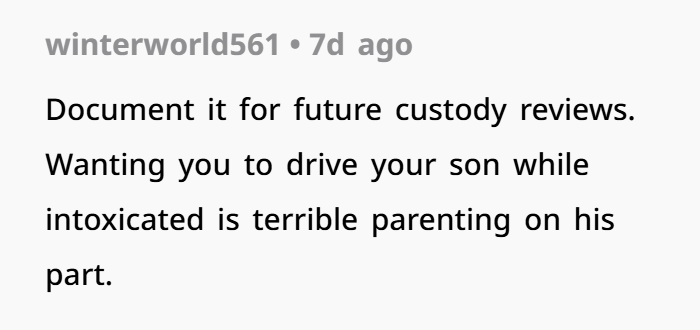
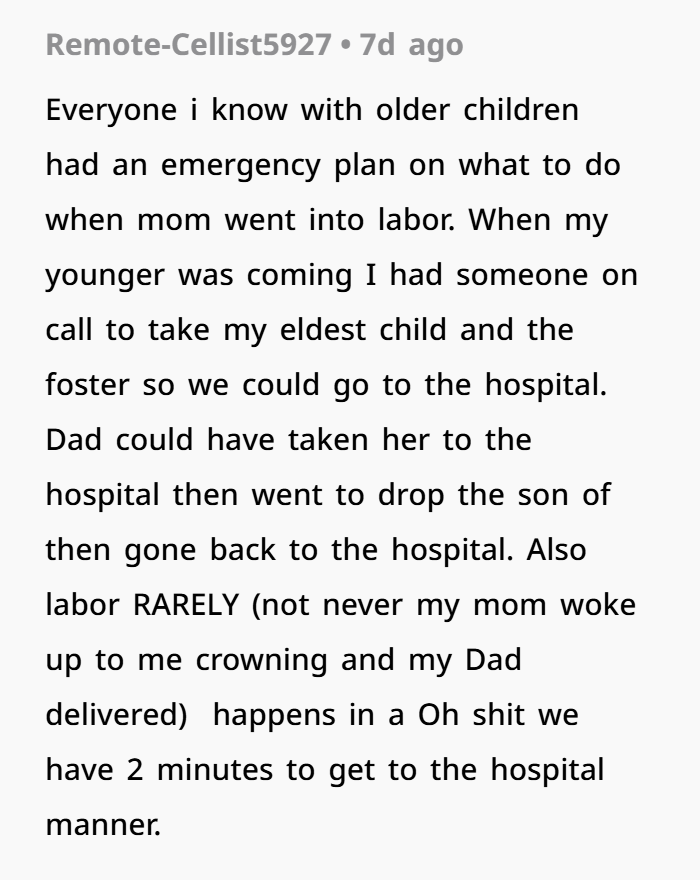
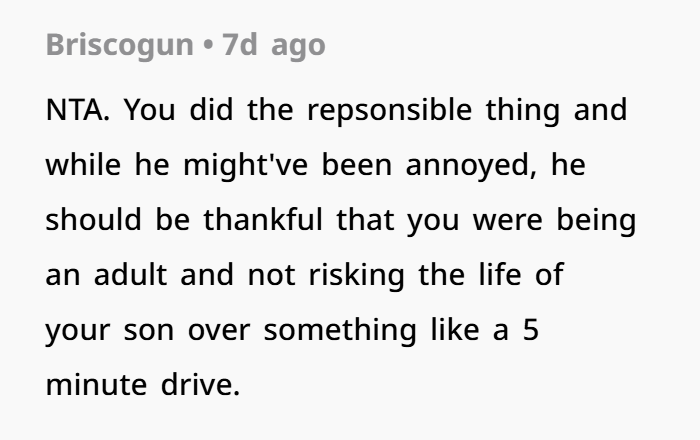
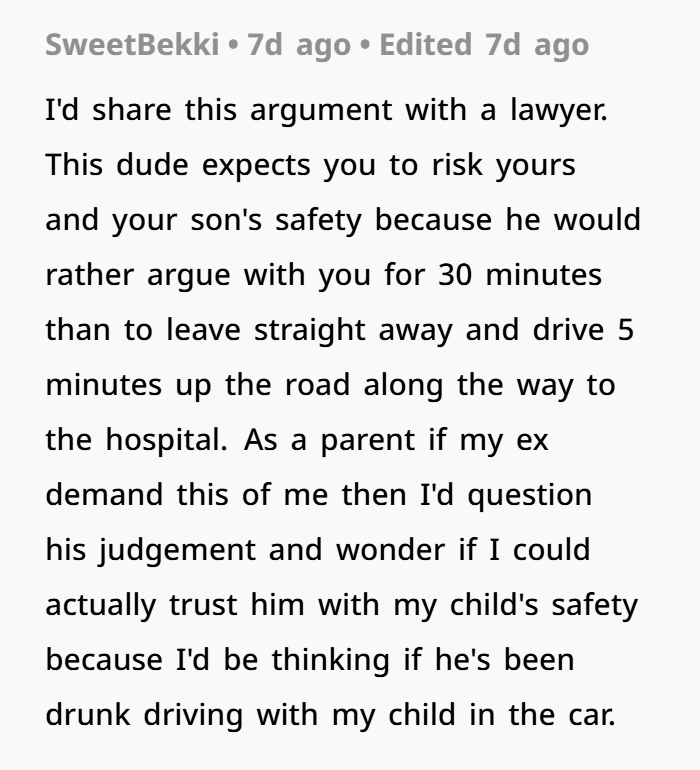
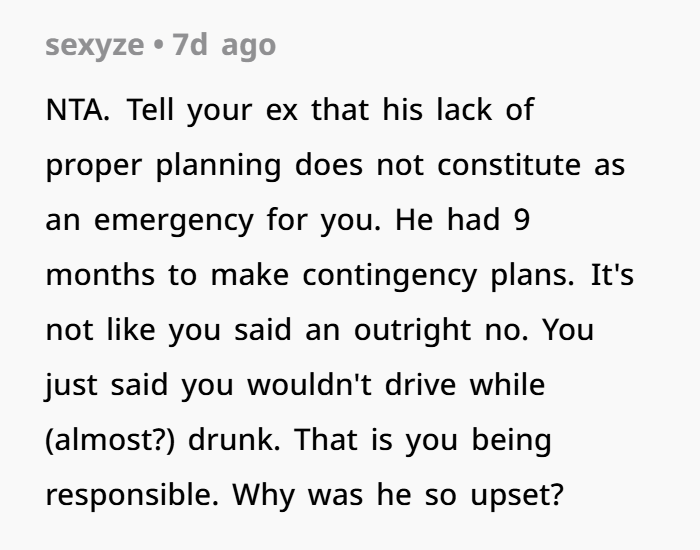
Netizens were shocked by how casually he was willing to put their kid at risk by asking her to drive drunk, and called him a bad father


Final Thoughts
This situation shows how quickly co-parenting stress can build when communication is unclear.
The key lessons are simple:
- Safety comes first, especially around drinking and driving laws
- Clear communication is essential in co-parenting and custody arrangements
- Children should not be exposed to parental conflict
- Emotional pressure is not a healthy way to solve parenting problems
At the heart of it, successful co-parenting is not about winning arguments. It is about protecting the child and building a stable, respectful routine for everyone involved.