My Future MIL Acts Like I’m Stealing Her Husband… But It’s Her Son
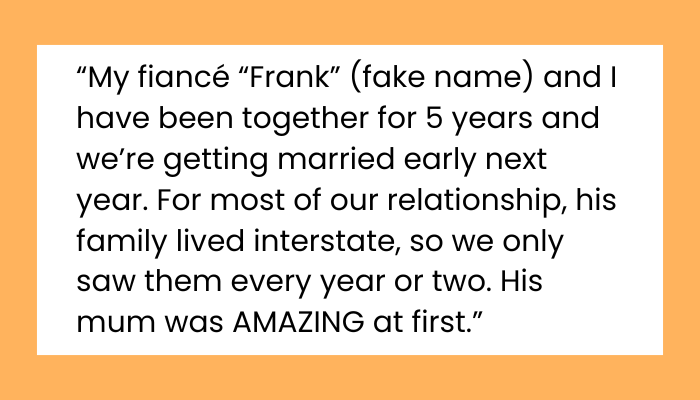
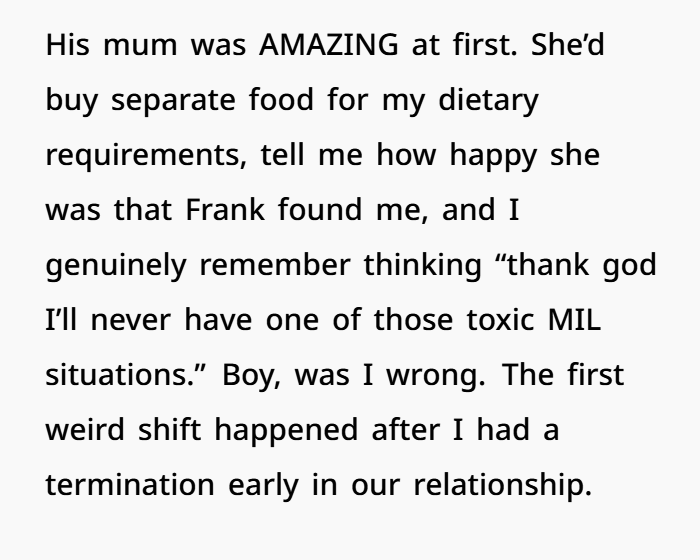
At first, this woman thought she had a very supportive future mother-in-law. Her fiancé’s mother seemed kind, friendly, and happy about the relationship for a long time. Everything felt normal, and she believed she was being welcomed into a loving family.
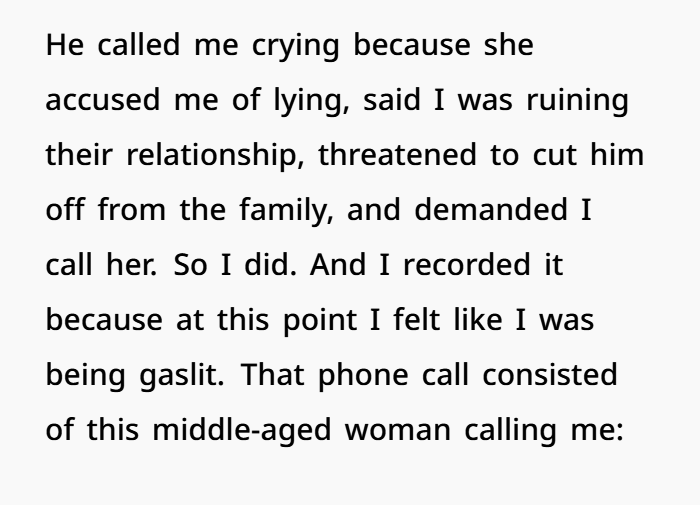
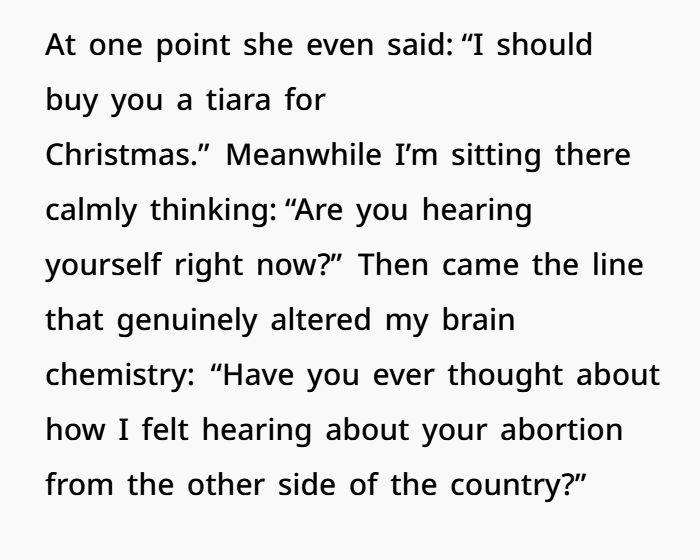
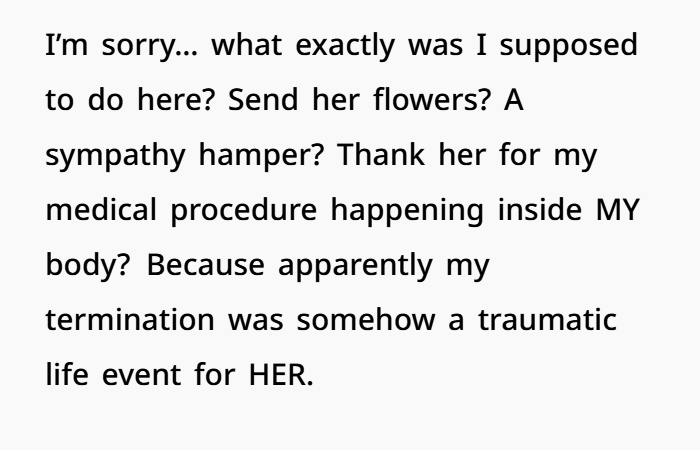
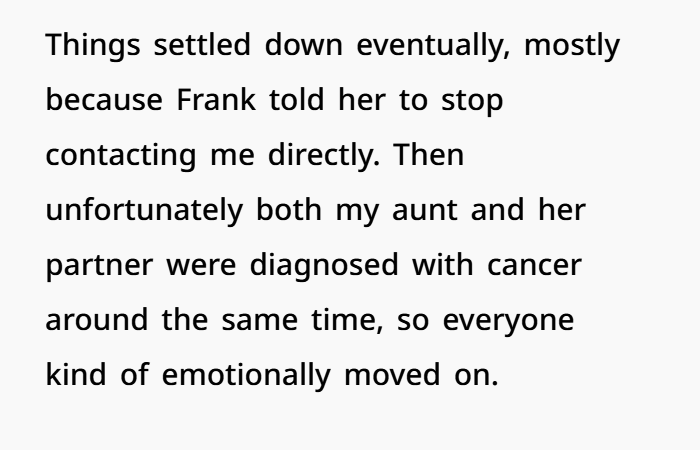
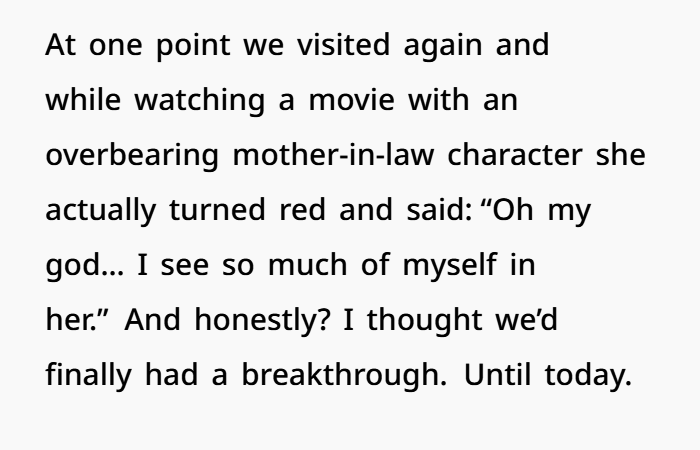
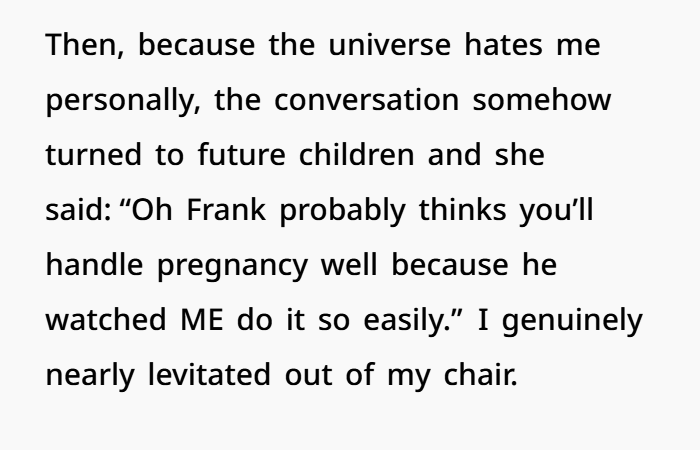
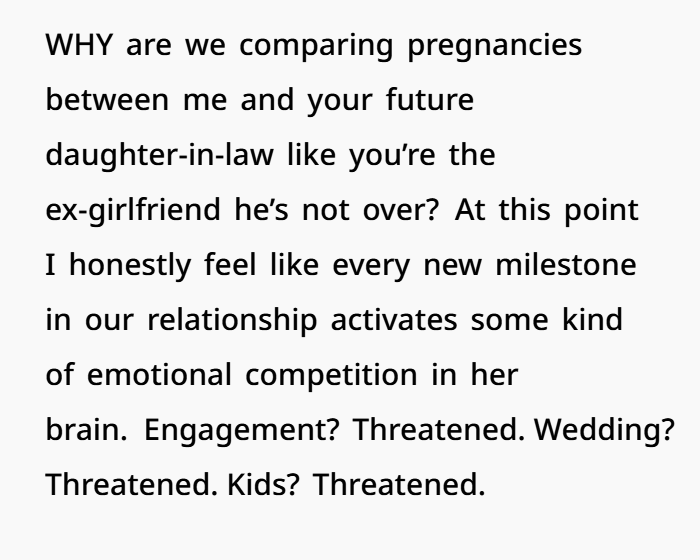
But things slowly began to change when the relationship became more serious and marriage plans started. The future mother-in-law began making uncomfortable comments about personal topics like appearance, pregnancy, and private life decisions. Some of her behavior felt intrusive, and the bride started feeling like her boundaries were not being respected. Instead of feeling like family, she felt like she was being judged and compared in a negative way.
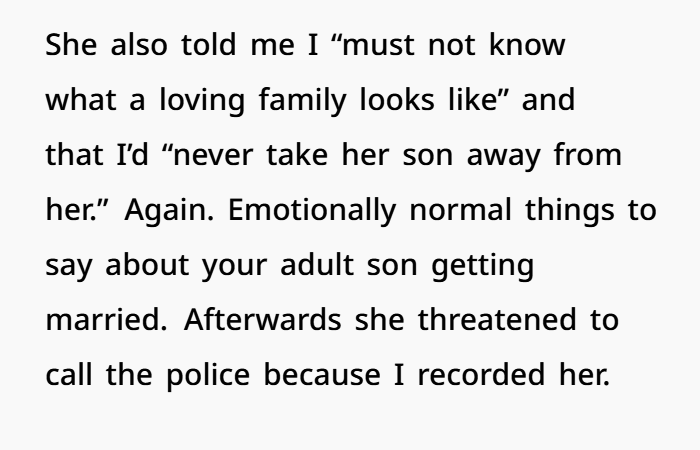
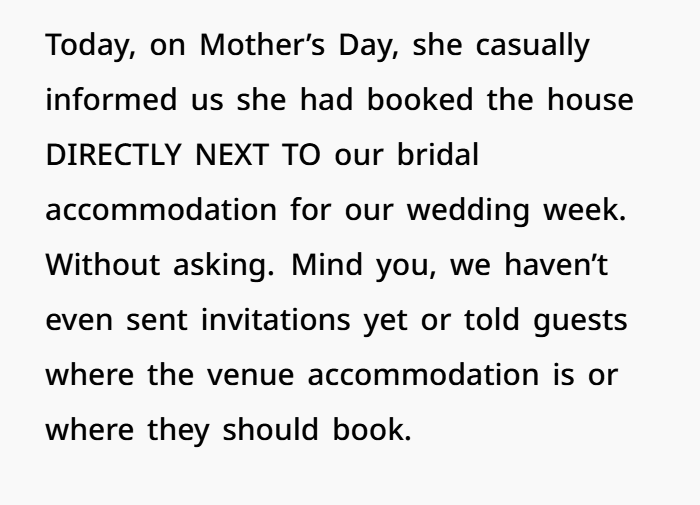
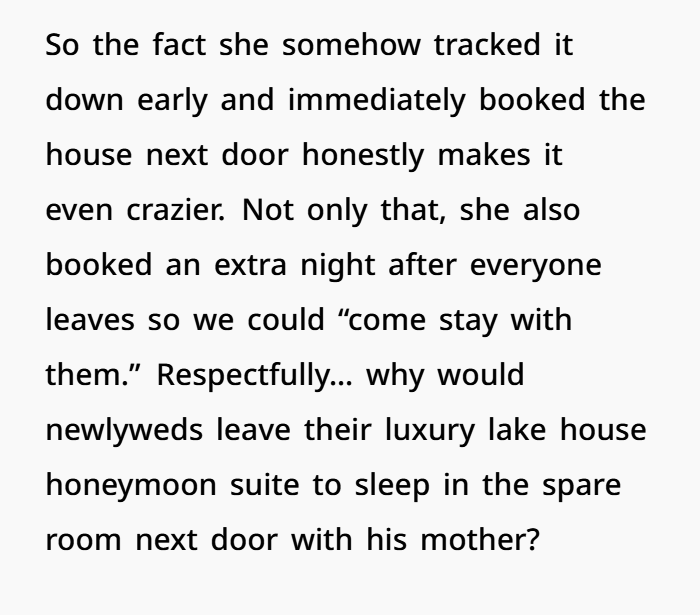
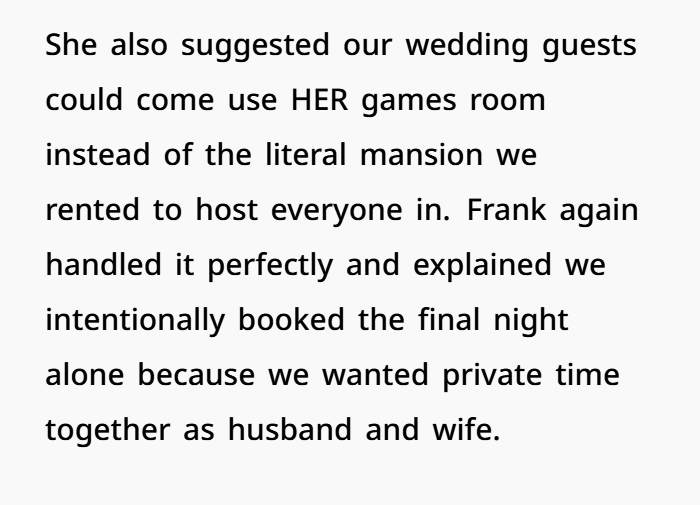
As the engagement continued, the situation became more tense. The mother-in-law accused her of “taking her son away” and said hurtful things during arguments. In one situation, she even booked a place very close to the couple’s honeymoon stay without discussing it with them first. These actions made the bride feel stressed and uncomfortable, especially during what should have been a happy time in her life.
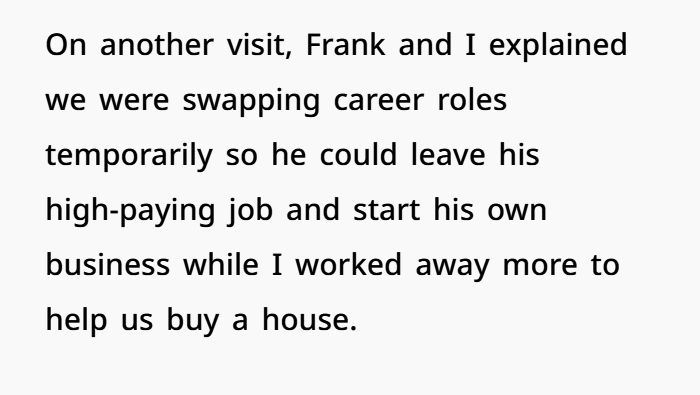
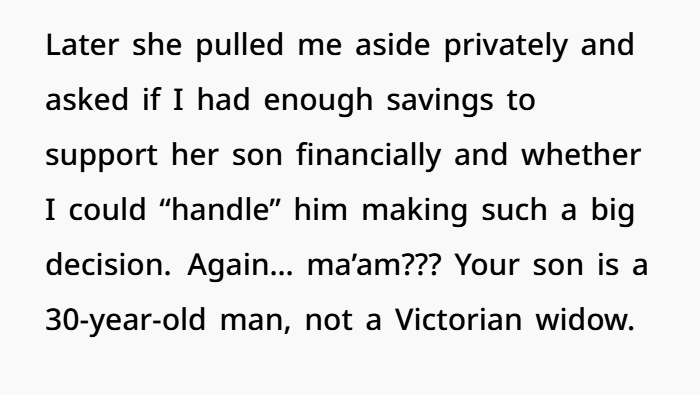
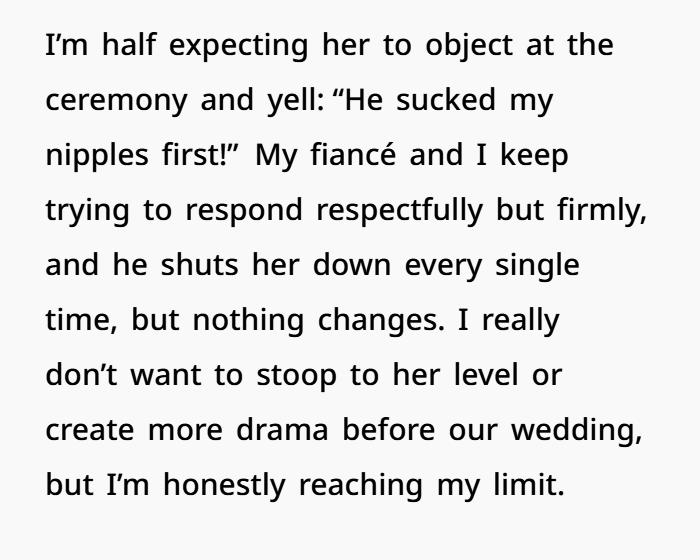
Even though the fiancé supported his partner and tried to protect their relationship, the ongoing conflict with his mother continued to cause emotional pressure. Now the bride is trying to understand how to handle a situation where a parent struggles to accept their child’s independence. The story highlights challenges in family boundaries, engagement stress, in-law relationships, and emotional health during major life changes like marriage.

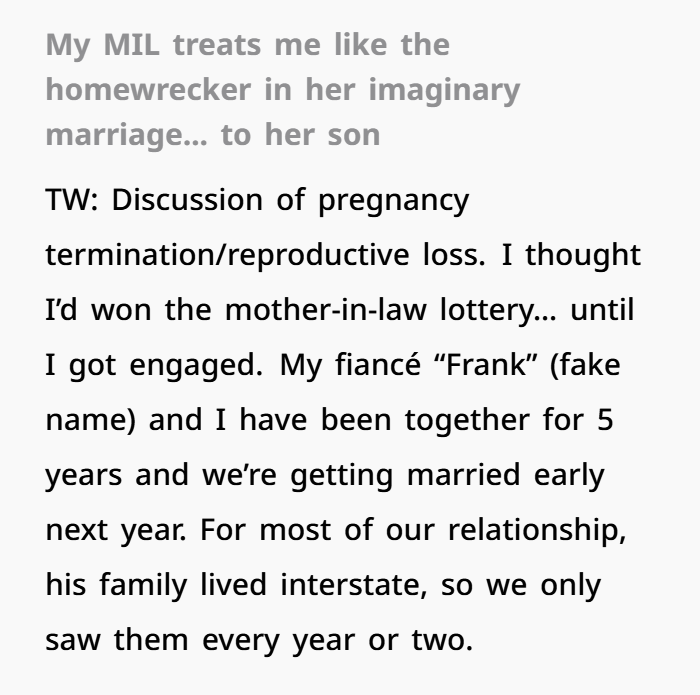
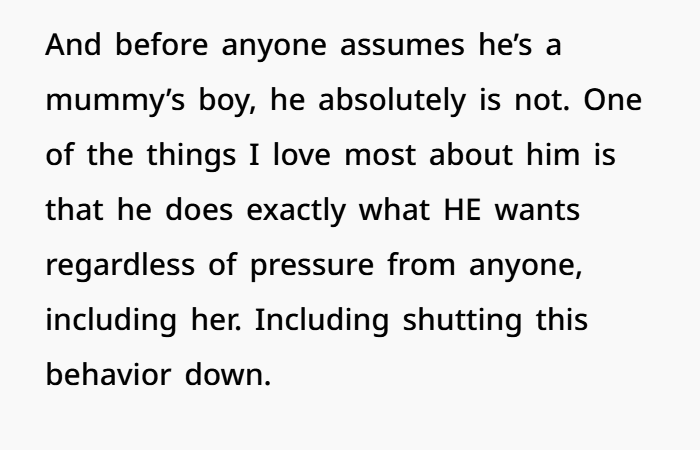
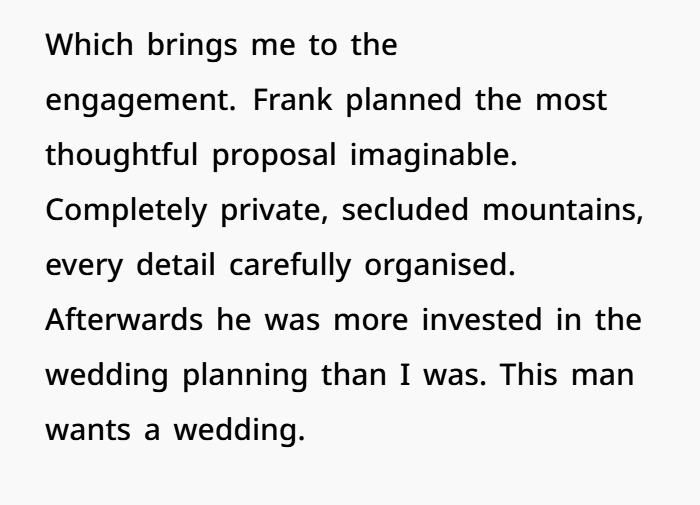
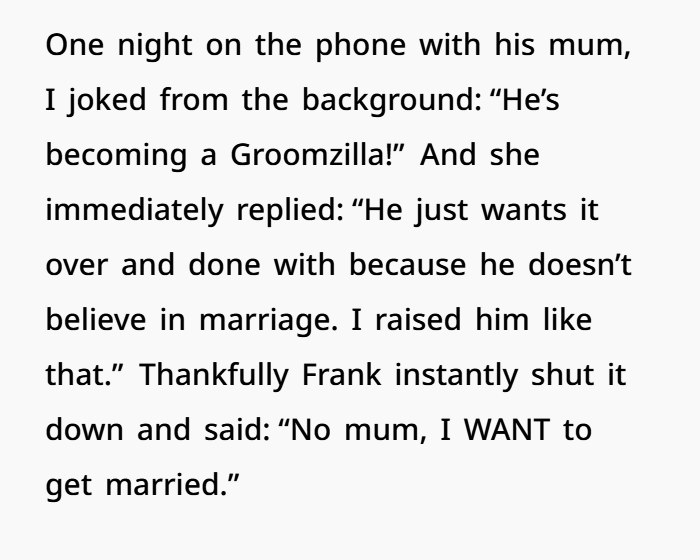
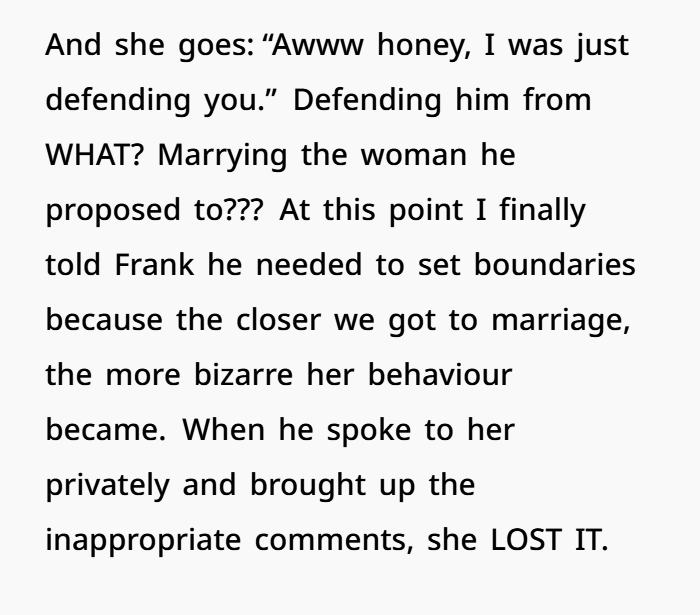

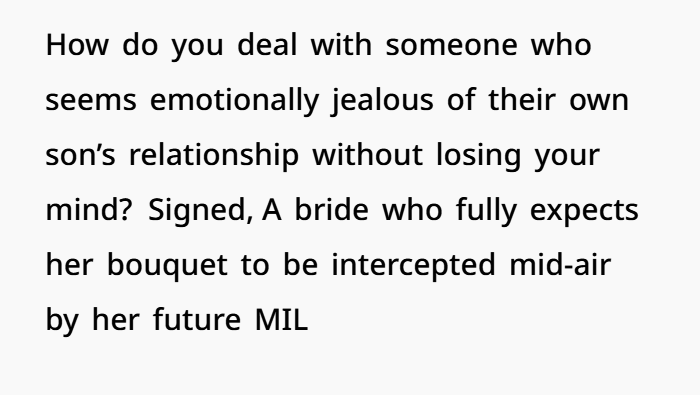
This situation is not just about a difficult mother-in-law. It is about family boundaries, emotional control, and how relationships change when a child grows up and starts a new family.
Many people online call this “toxic mother-in-law behavior,” but in family psychology, there is also a term called emotional enmeshment. This happens when a parent is too emotionally involved with their adult child and struggles to accept their independence.
At First Everything Looked Normal
At the beginning, the future mother-in-law did not seem openly rude or controlling. For years, things may have looked normal and even supportive.
But in many cases studied in relationship counseling and family therapy, problems like this only show up later when big life changes happen, such as:
- Engagement
- Marriage
- Pregnancy
- Moving out or starting a new family
These moments can sometimes trigger insecurity or jealousy in parents who feel left behind emotionally.
Early Warning Signs in the Story
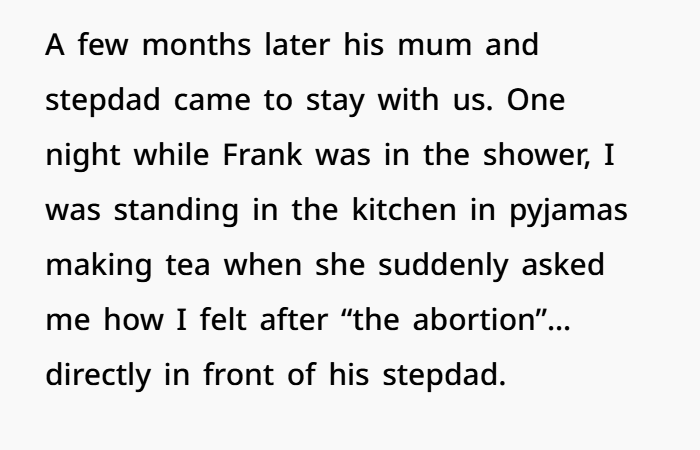
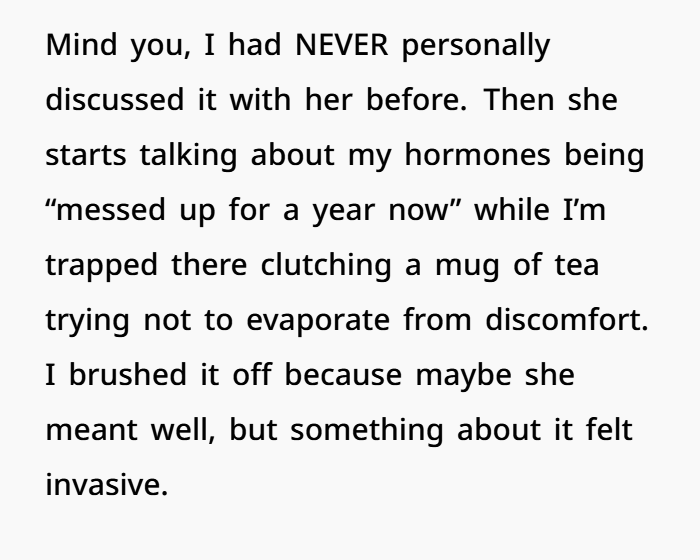
One of the first major concerns was when private personal information was brought up in an uncomfortable way.
In healthy family communication, sensitive topics should stay private and respectful. But in this case, a deeply personal issue was discussed in a way that felt public and stressful.
This is often seen in toxic family dynamics where personal boundaries are not respected.
Controlling Behavior and Emotional Overstepping
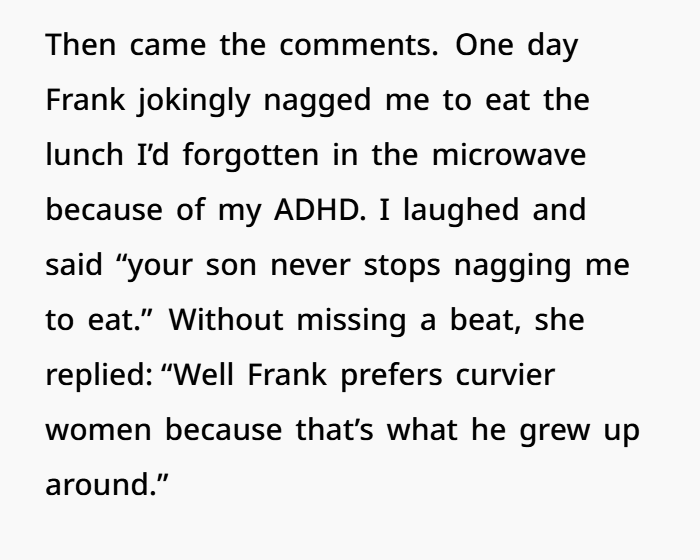
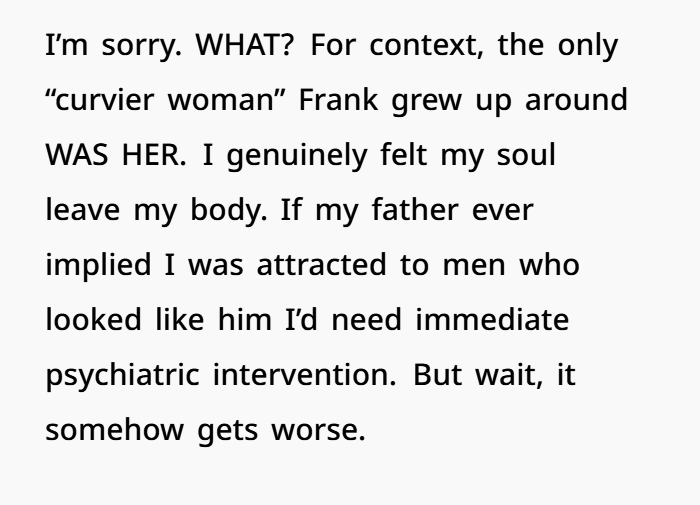
Later, the mother-in-law made comments that made the situation even more uncomfortable, including remarks about her son’s preferences and relationship choices.
In family behavior studies, this type of language can sometimes show emotional control issues, such as:
- Trying to stay the center of attention
- Competing with a partner for emotional closeness
- Interfering in romantic relationships
- Making inappropriate comparisons
These patterns can create tension between couples and extended family.
The Honeymoon Situation
A major red flag in the story was the honeymoon planning issue.
The mother-in-law booked accommodation very close to the couple’s honeymoon stay without clear discussion.
In relationship boundaries and marriage planning, honeymoons are usually considered private time for the couple. When family members try to insert themselves into that space, it can feel controlling or intrusive.
This created even more stress in the relationship.
Why Weddings Can Trigger Family Conflict
In many families, weddings are emotional turning points. Parents may suddenly feel:
- Left out
- Emotionally replaced
- Less important in their child’s life
In family psychology research, this can sometimes lead to controlling or attention-seeking behavior if emotional boundaries are weak.
That is why some families experience conflict during weddings or major life events.
The Reaction to Boundaries
When the fiancé tried to set boundaries, the reaction became very emotional and defensive.
In healthy communication, people may feel hurt but still try to understand the other person’s point of view.
But in unhealthy dynamics, the response can include:
- Blaming the partner
- Acting like the victim
- Creating family conflict
- Refusing to accept boundaries
This makes the situation more stressful for the couple.
Why the Fiancé’s Support Matters
One positive part of the story is that the fiancé supports his partner.
In relationship counseling, this is very important. A strong relationship usually needs:
- Clear boundaries with family
- Mutual respect between partners
- Protection from outside pressure
- Unified decision-making
Without this support, conflicts with in-laws can quickly damage the relationship.
Emotional Stress for the Couple
Even with support, dealing with a controlling or overly involved family member can cause:
- Anxiety during family events
- Emotional exhaustion
- Constant tension
- Fear of future conflict
In mental health and relationship stress studies, this type of ongoing pressure is known to affect long-term emotional well-being.
Future Concerns About Boundaries
Another concern people often mention in cases like this is what happens later, especially with children.
In family boundary and parenting research, grandparents may sometimes become more controlling when grandchildren are involved. That is why setting clear rules early is important, such as:
- Respecting privacy
- Avoiding guilt-based pressure
- Keeping healthy distance when needed
- Protecting the couple’s decisions
The Bigger Issue Behind the Conflict
This story is not just about one argument or one event.
It is about:
- Emotional boundaries in families
- Difficulty accepting adult independence
- Communication problems
- Relationship stress during major life changes
In family therapy and relationship counseling, these are common issues when parents struggle to adjust to their children becoming independent adults.
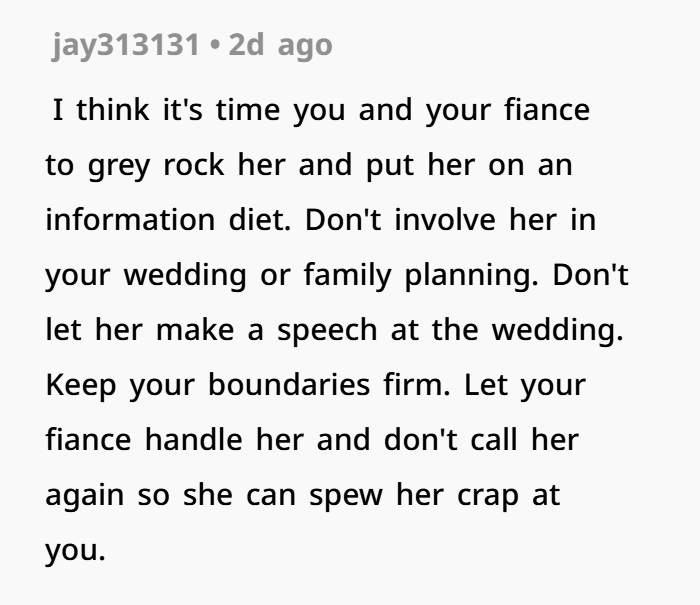
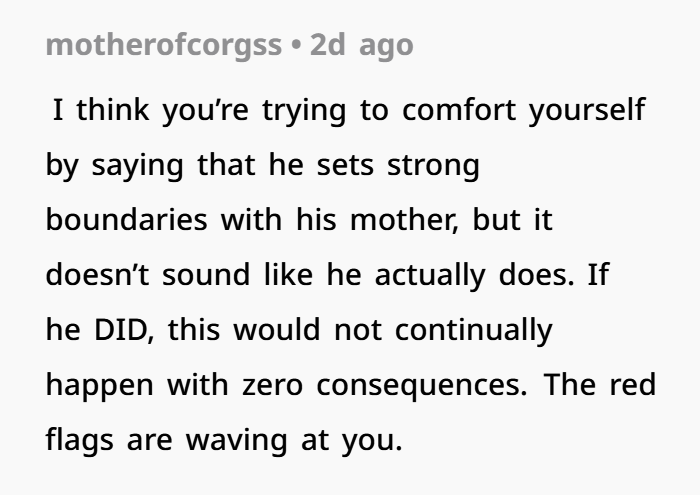
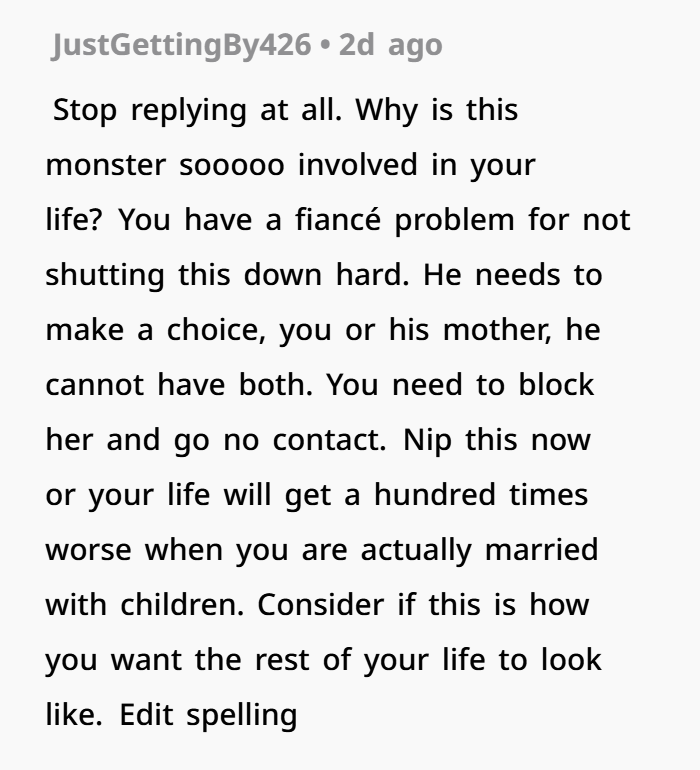
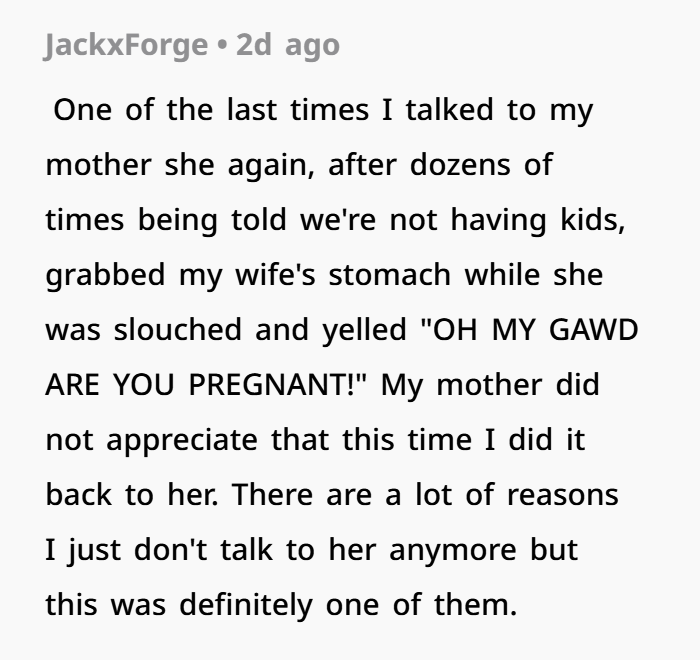
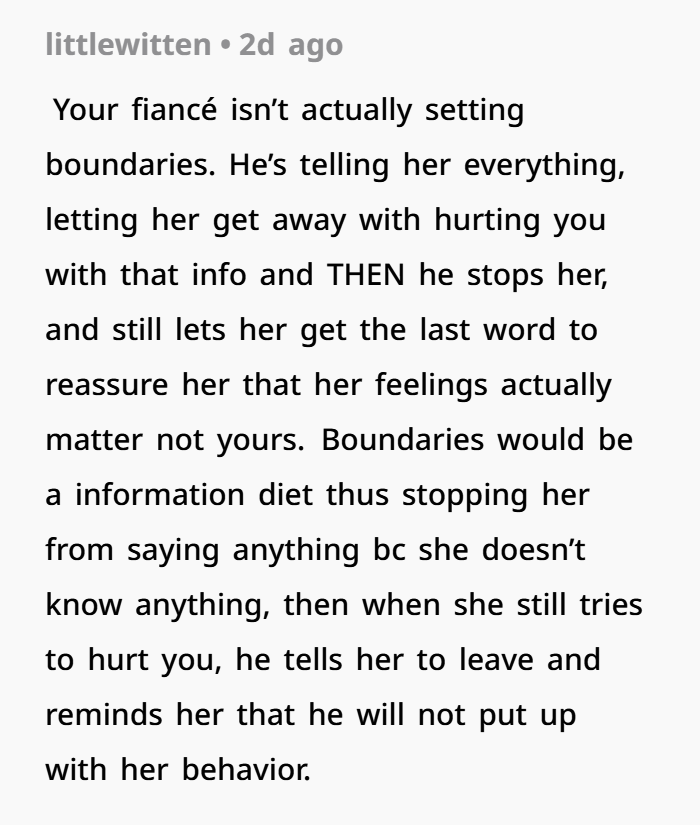
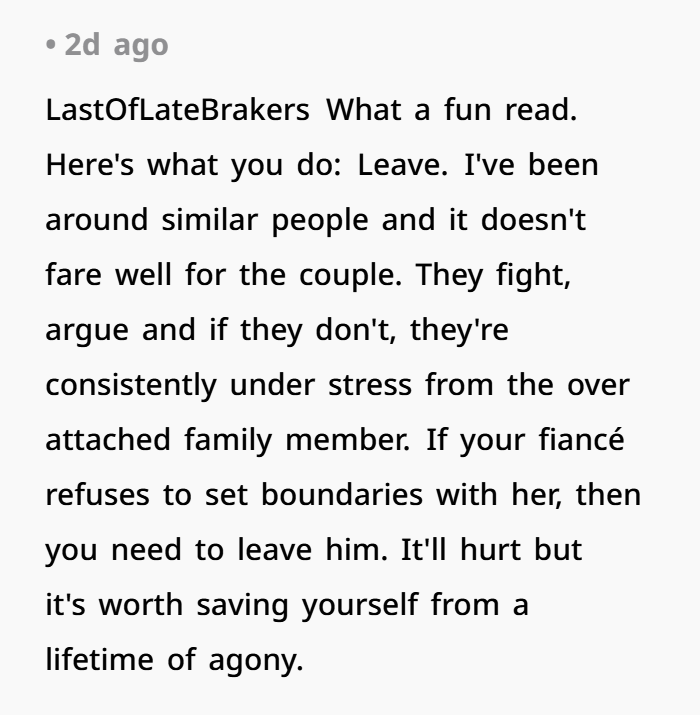
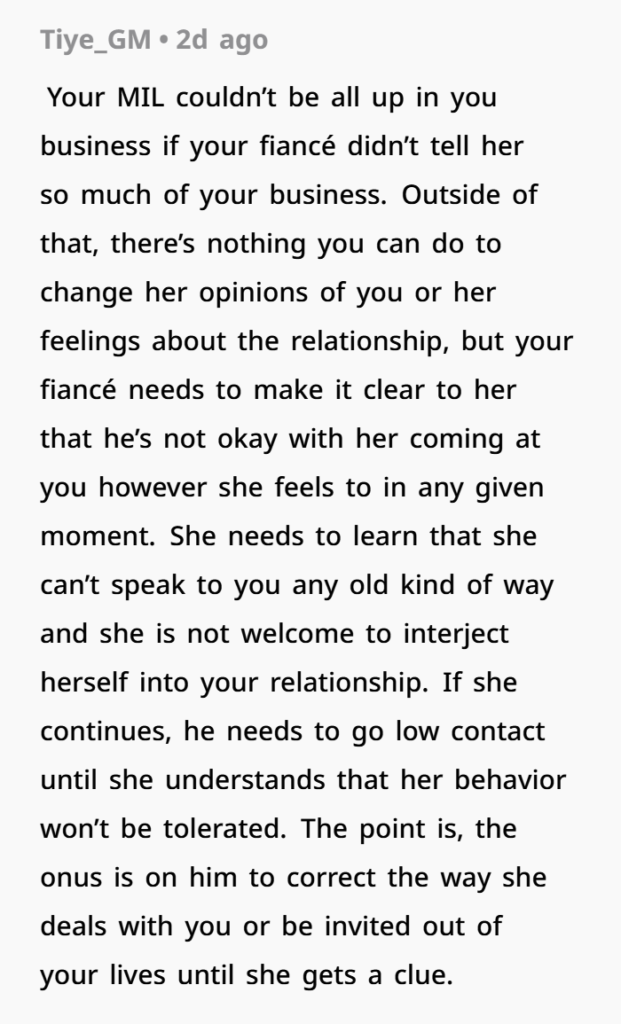
The Comments Are In

Final Thoughts
At its core, this situation is not just about a difficult mother-in-law. It is about emotional attachment, boundary problems, and changing family roles.
The couple’s main challenge is not only dealing with conflict, but also maintaining a healthy relationship while managing outside family pressure.
In healthy relationship psychology, the most important factor is clear boundaries, strong communication, and mutual support between partners.
And in this case, that support may be the key reason the relationship still has a chance to stay strong despite the family tension.