He Said No to Being Her “Man of Honor” — Then His Coworker Completely Lost It
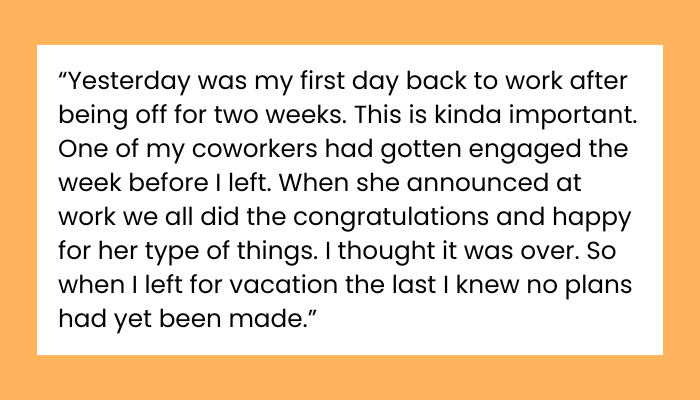
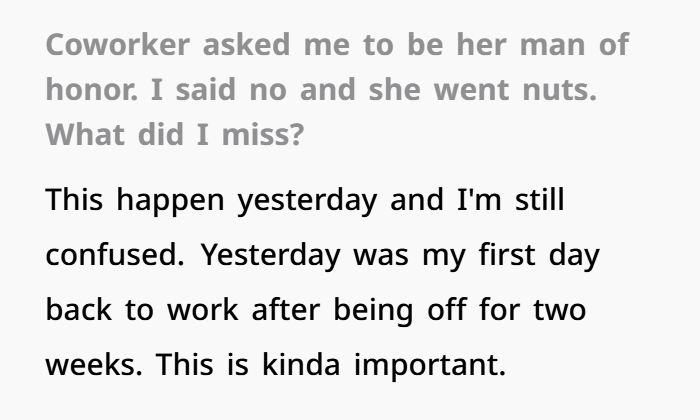
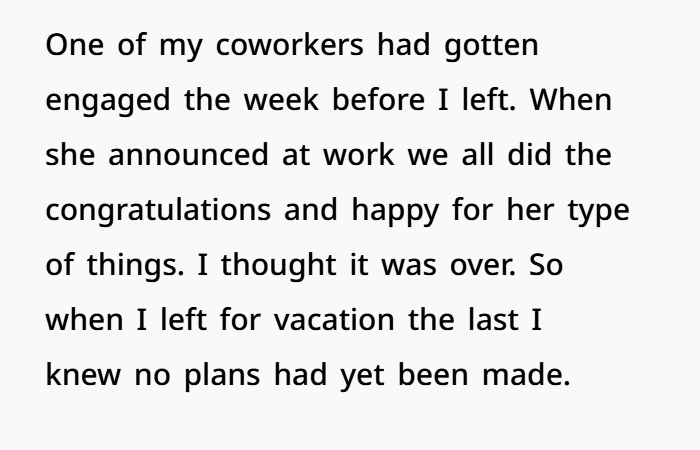
Workplace friendships can sometimes become uncomfortable when expectations are not clear. In this case, a nurse returned to work after a two-week vacation expecting normal conversations with coworkers. Instead, he was surprised by a situation that felt very awkward for him.
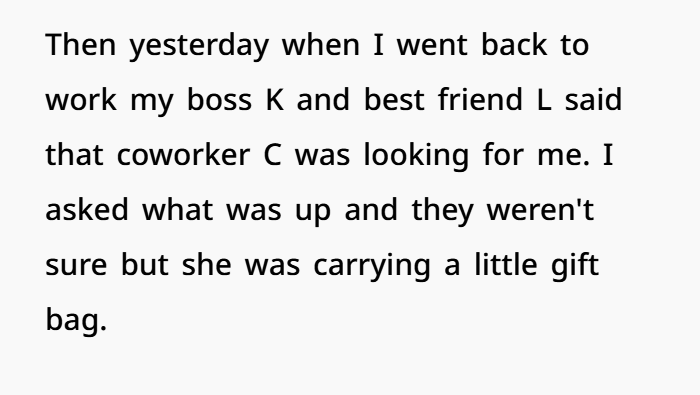
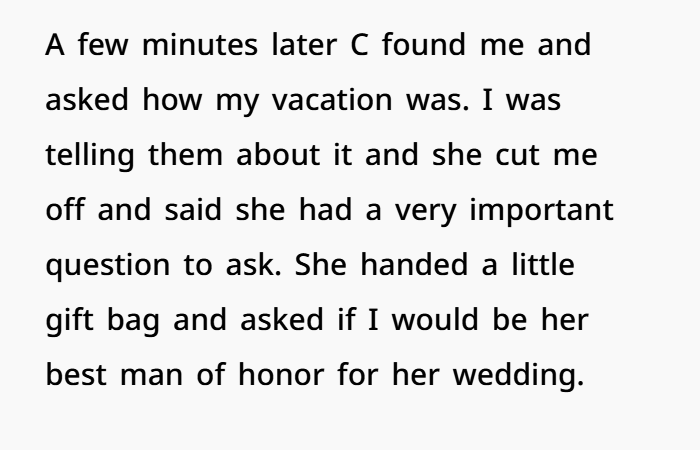
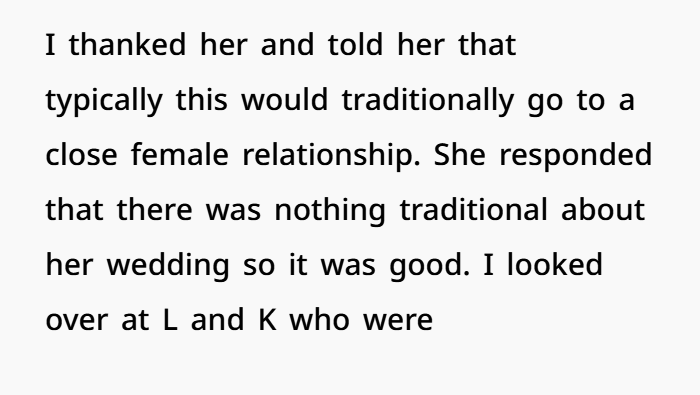
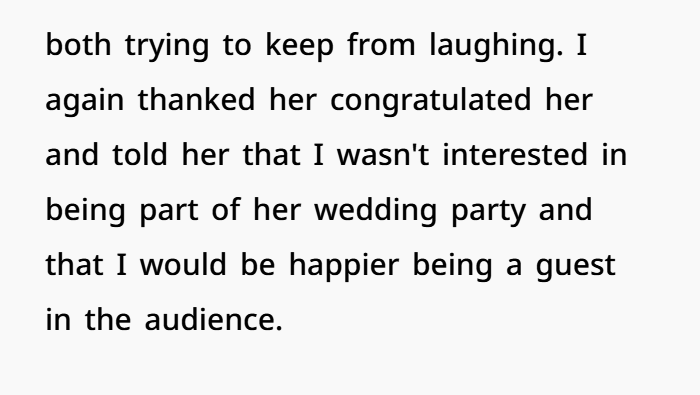
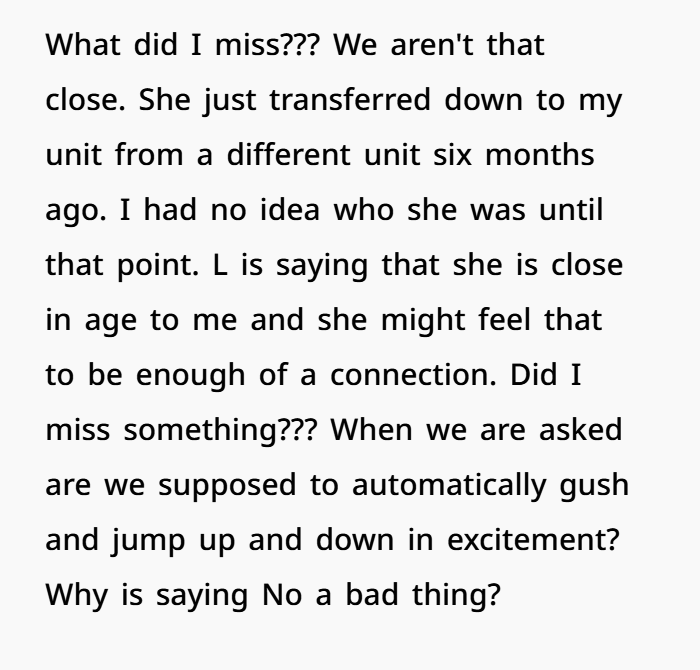
A coworker he barely knew gave him a wedding gift bag and asked him to be the “man of honor” at her wedding. At first, it sounded like a kind gesture, but there was a problem. They were not close friends. They had only worked together for about six months and did not have a personal friendship outside of work shifts. Because of this, he politely refused the request.
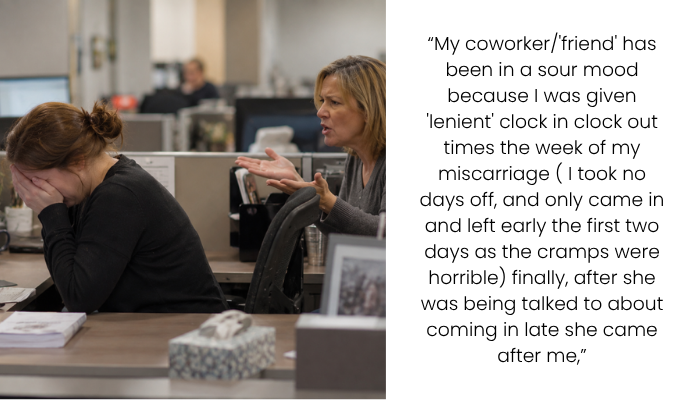
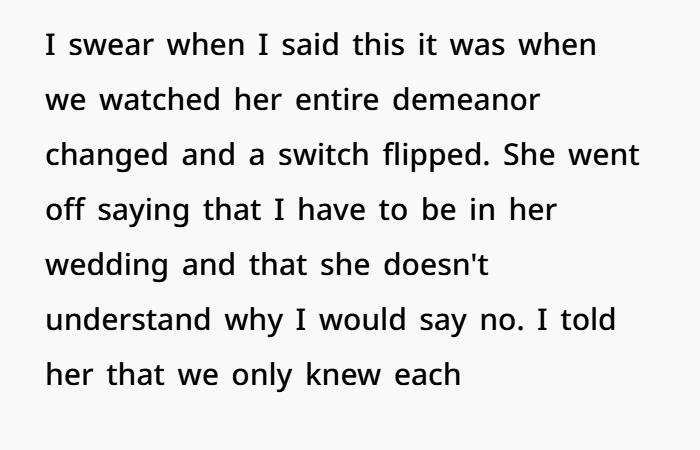
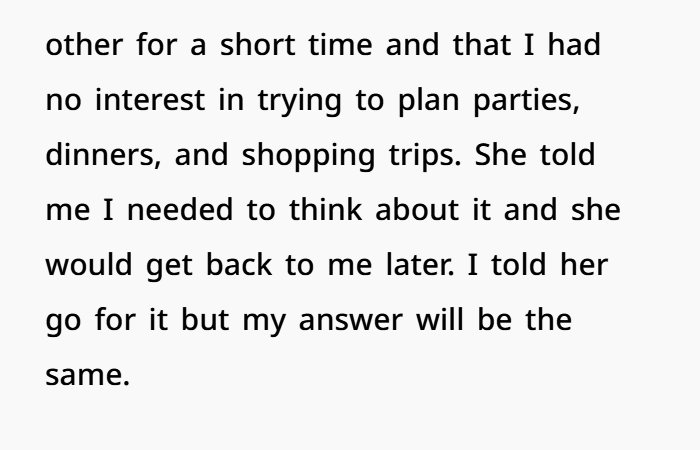
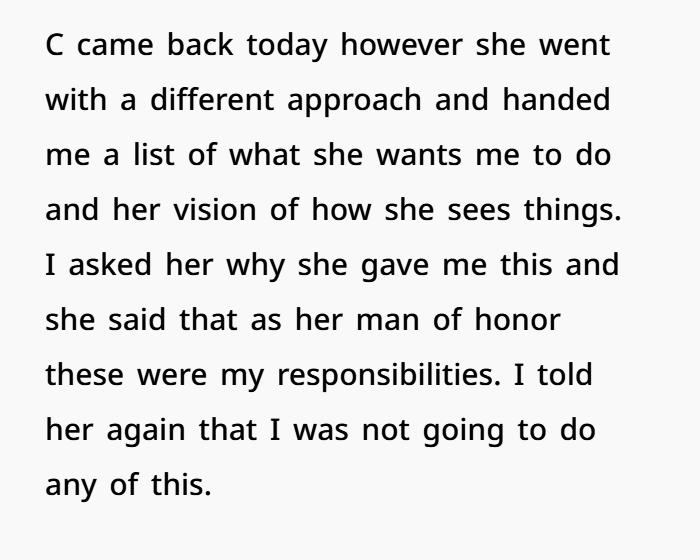
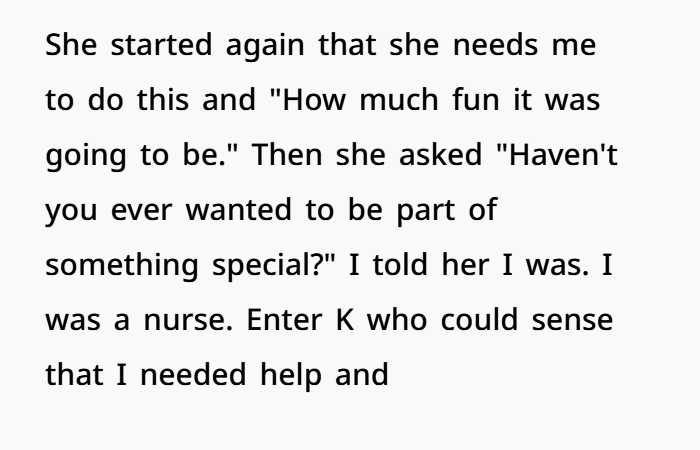
After he said no, the situation became tense. The coworker became very emotional and upset. She acted surprised and insisted that he should still take the role. Later, she even brought a list of wedding tasks she expected him to help with, which made the situation more uncomfortable for him and other staff.
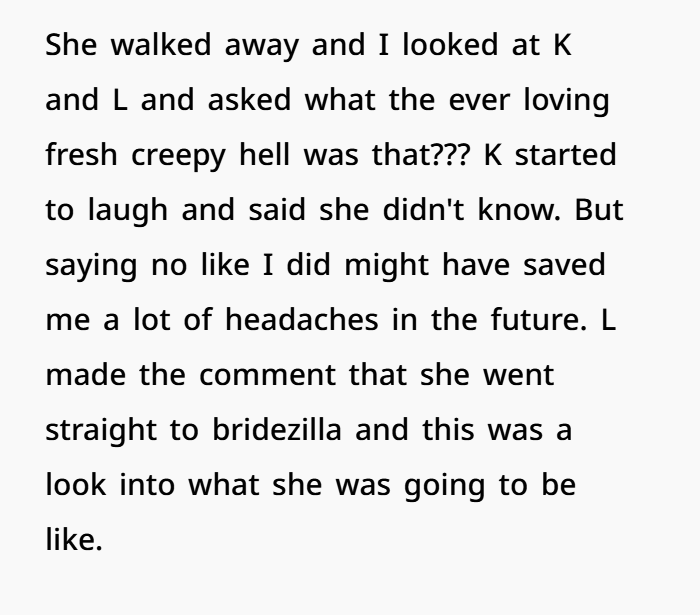
This led to workplace tension, especially since it all happened during working hours around other nurses and supervisors. Now he is confused about whether he misunderstood workplace friendship expectations or if the request was inappropriate. The situation highlights the importance of workplace boundaries, professional relationships, communication skills, and maintaining respect in office or hospital environments.

Saying No to a Wedding Party Role: A Simple Explanation
This situation is less about wedding drama and more about workplace boundaries, emotional pressure, and social expectations. Many people online felt the same way—the real issue was not the “no,” but how the other person reacted afterward.
Saying No Is Normal and Allowed
Being invited to a wedding party is a nice gesture, but it is not an obligation. Saying no is completely normal.
A coworker relationship, even after months of working together, does not automatically become a close personal friendship. In jobs like healthcare or nursing, people may bond quickly because of stress and long hours, but that does not always mean they are part of each other’s personal life.
In modern wedding etiquette, roles like bridesmaids or groomsmen are usually given to:
- Close friends
- Siblings or family
- Long-term personal relationships
So it is completely reasonable for someone to decline if they do not feel that level of closeness.
Why People Reacted to the Situation
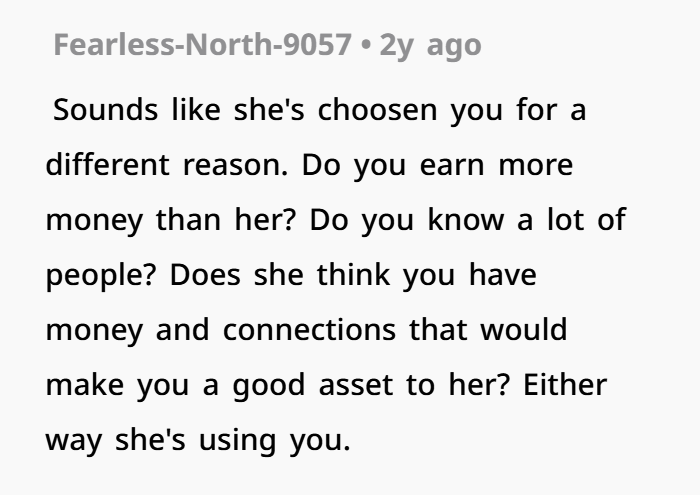
Many readers felt the coworker’s reaction was too strong. Some thought she may have expected a deeper personal connection. Others felt she might have wanted a “mixed-gender wedding party” for a modern or stylish wedding theme.
In today’s wedding planning culture, social media and trends can sometimes increase pressure to create a perfect and unique wedding experience. But even with modern trends, no one is required to accept a wedding party role.
The Real Problem Was the Pressure After “No”
The biggest issue was not the invitation itself. It was what happened after the person said no.
After a clear refusal, the coworker still tried to convince him by bringing a long list of responsibilities. This changed the situation from a friendly request to social pressure and emotional guilt tactics.
In healthy communication and workplace boundaries, once someone says no, that answer should be respected.
Why Wedding Party Roles Can Be Stressful
Being in a wedding party today can be expensive and time-consuming. It often includes:
- Travel costs
- Outfits and dresses or suits
- Wedding events and rehearsals
- Gifts and celebrations
- Time off work
In wedding budget planning and event costs, these expenses can add up quickly.
For someone working in a demanding healthcare job, adding these responsibilities can feel overwhelming.
Emotional Pressure and Guilt Tactics
Some phrases used in this situation can create emotional pressure, like:
- “Don’t you want to be part of something special?”
This type of language can make someone feel guilty for saying no.
In relationship communication psychology, this is often seen as emotional pressure because it shifts focus from choice to guilt.
The person is not rejecting friendship—they are just setting a boundary.
Workplace Boundaries Matter
Since this happened in a workplace setting, it also becomes a professional boundaries issue.
Hospitals and similar workplaces are already high-stress environments. Personal conflict can make work harder and affect team communication.
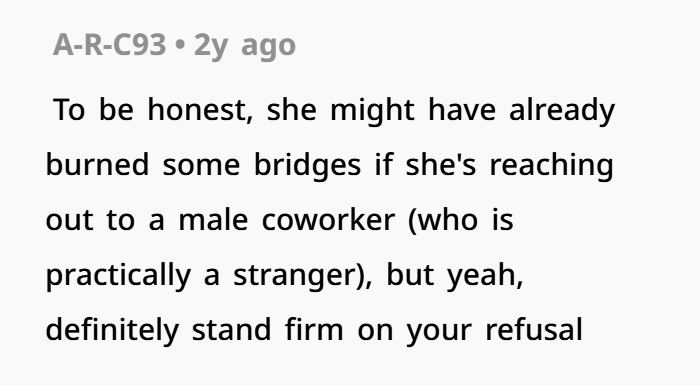
If someone continues to pressure another coworker after a clear “no,” it can create discomfort and may become a workplace management issue.
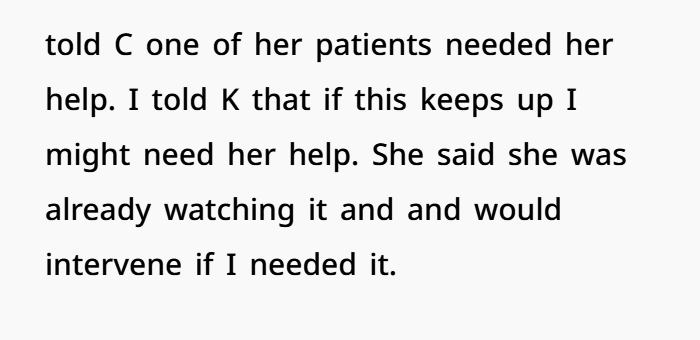
That is likely why a manager stepped in to handle the situation.
Why People Struggle With Rejection
Sometimes people imagine a perfect outcome in their mind. They expect excitement, agreement, and happiness.
When reality is different, it can feel disappointing. In emotional behavior and rejection psychology, this reaction is common.
But healthy communication means accepting the answer and respecting the other person’s decision, even if it is disappointing.
The Key Lesson About Boundaries
This situation shows an important lesson in workplace relationships and social boundaries:
- People are allowed to say no
- Invitations are optional, not obligations
- Emotional pressure should be avoided
- Boundaries should be respected
A simple “no” should not turn into conflict or guilt.
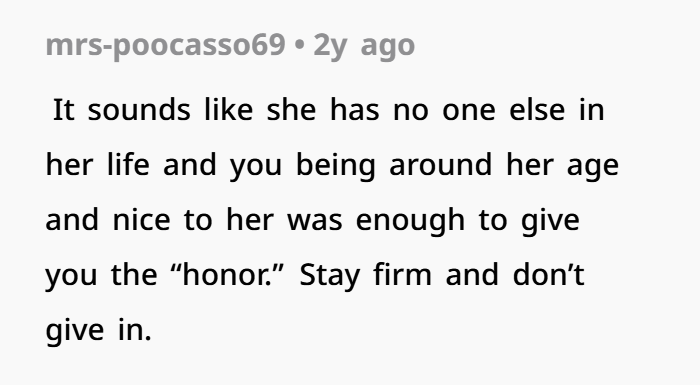
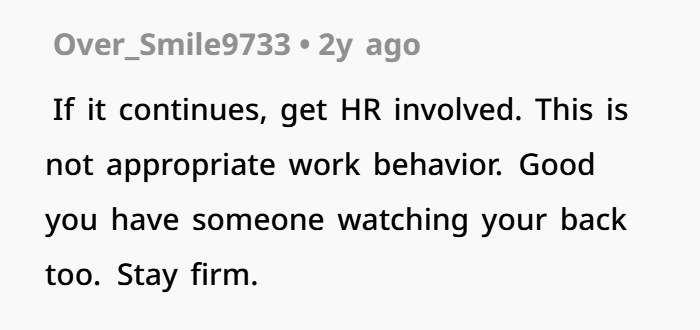
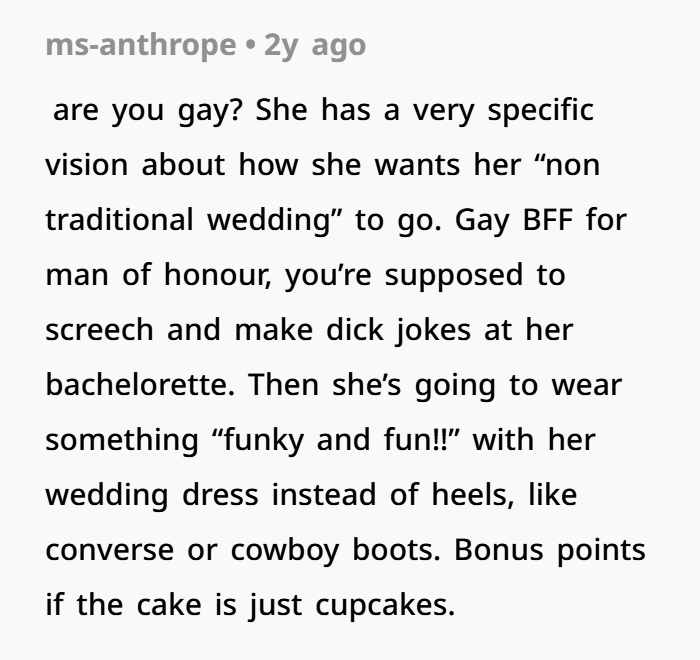
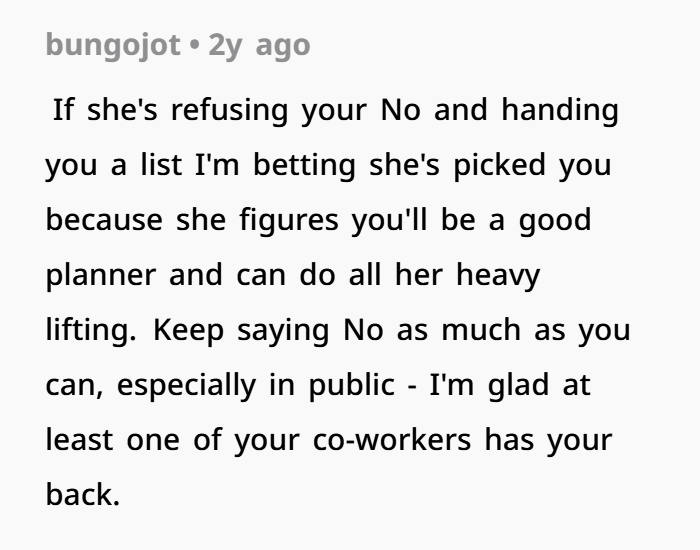
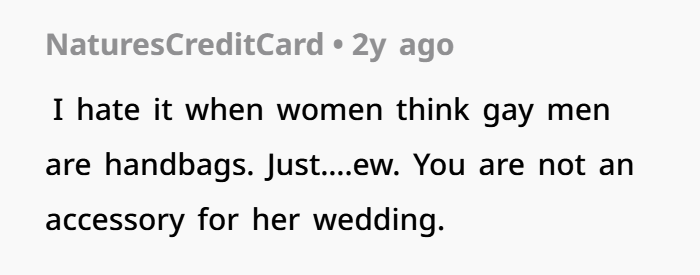
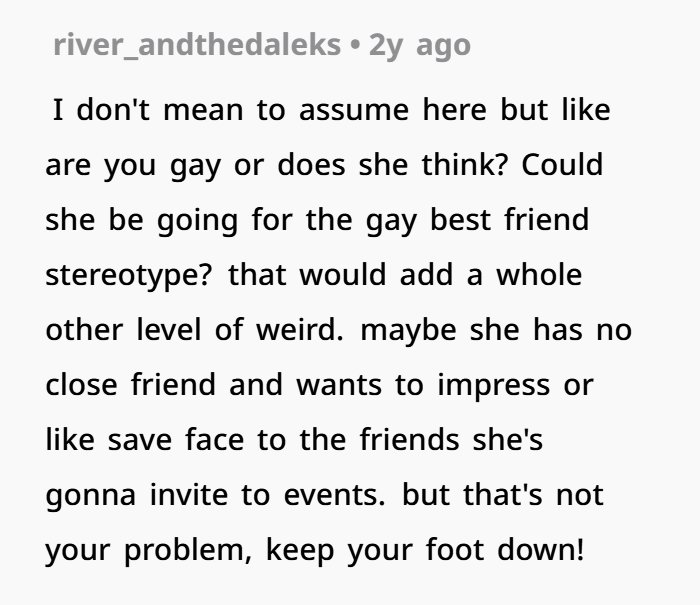
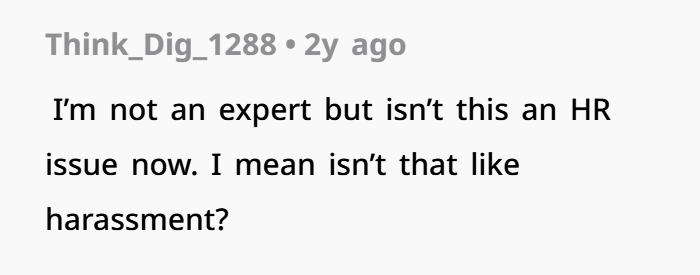
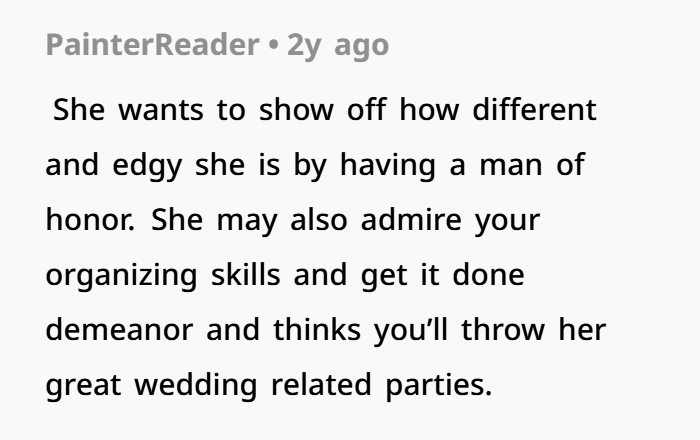
Comments You Can’t Miss
Final Thoughts
At the end of the day, this was not about disrespect or bad intentions. It was about a mismatch in expectations and how rejection was handled.
Saying no to a wedding party role is normal and acceptable. What matters most is how both people handle that boundary.
In this case, the response showed that respecting personal boundaries, workplace professionalism, and modern wedding etiquette is more important than forcing someone into a role they are not comfortable with.
Sometimes the healthiest decision is simply accepting the “no” and moving forward without pressure or conflict.