My Husband’s Work Friend Has Feelings for Him—Should I Ask Him to End It?
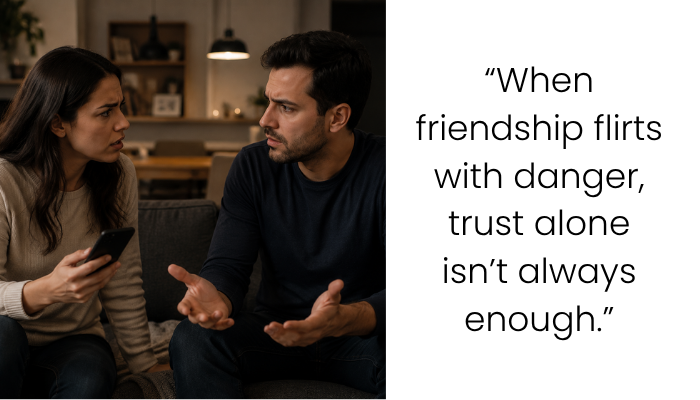
I’ve been married for 15 years, and trust is very important in our relationship. We are open with each other and do not check each other’s phones or spy on one another. Recently, however, something happened that made me feel uneasy and confused.
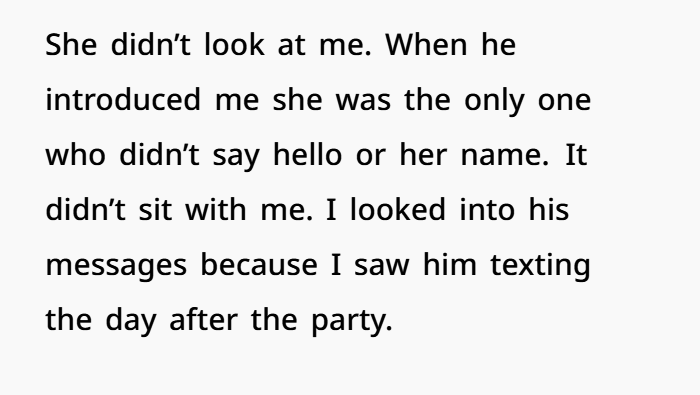
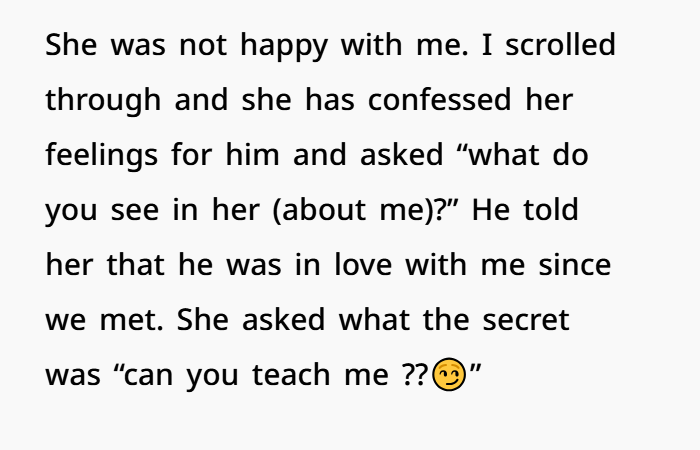
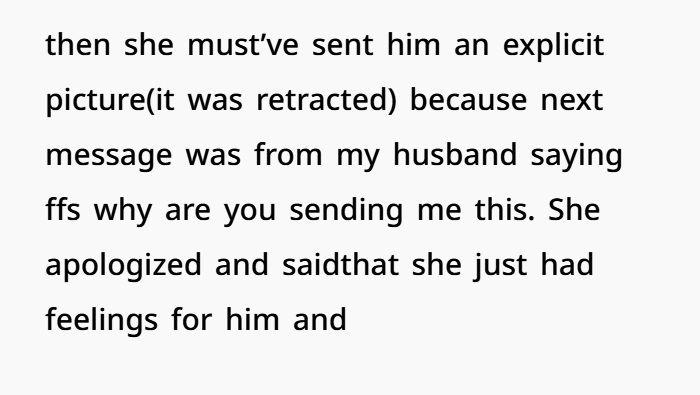
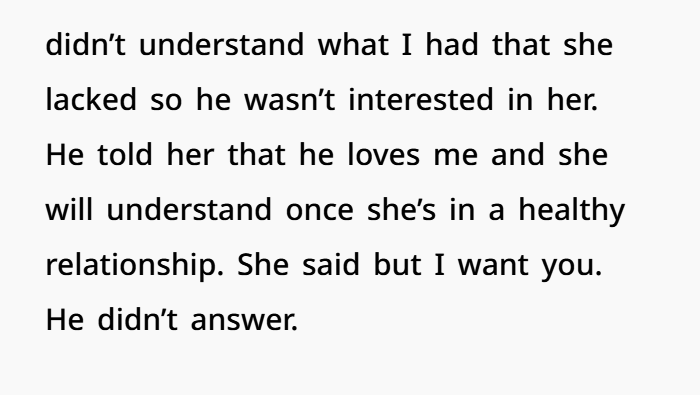
At a work event, I met one of my husband’s coworkers. From her behavior, I could tell she seemed interested in him. She barely spoke to me and acted distant. Later, I found out she had told my husband that she had feelings for him through messages.
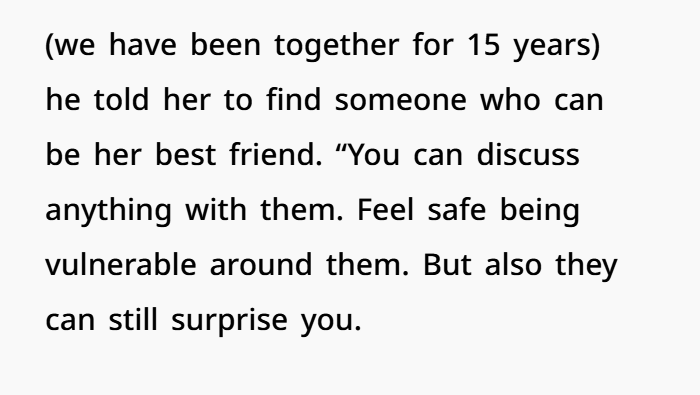
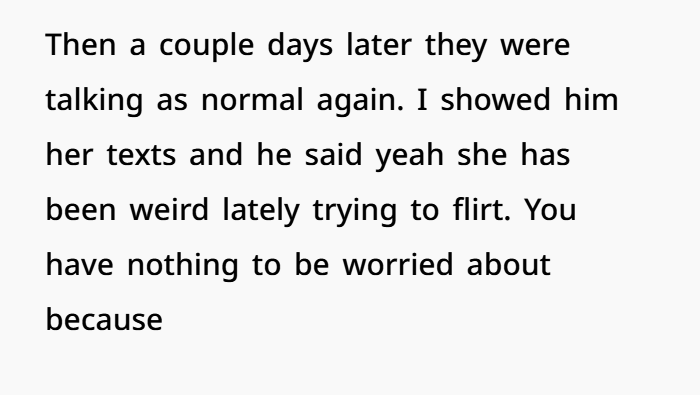
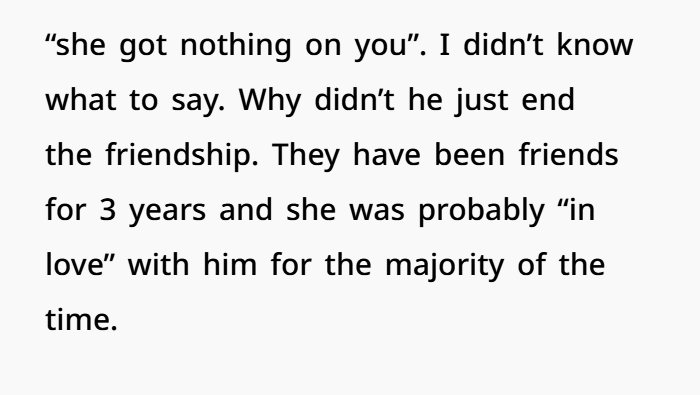
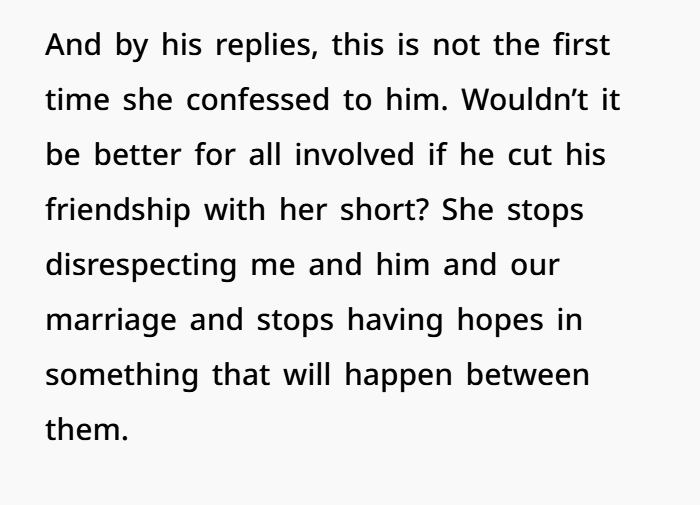
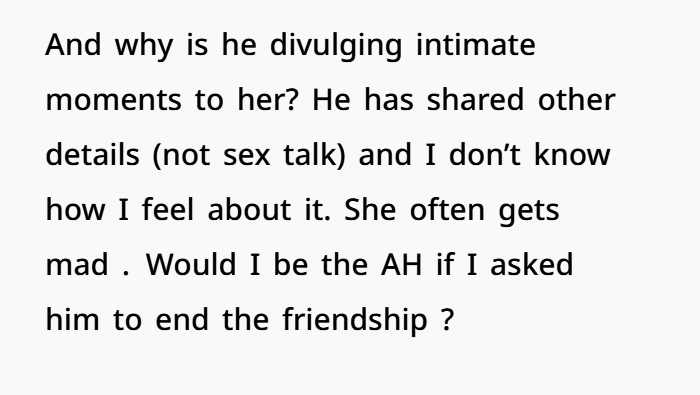
My husband says he loves me and is not interested in her in a romantic way. However, he still talks to her normally at work. He also shares personal details about our marriage and private life with her, which makes me feel uncomfortable and disrespected. I do not understand why he continues this friendship instead of setting clear boundaries.
Now I am trying to understand what is right. I do not want to overreact or damage my marriage, but I also want to protect it. This situation has made me think about emotional boundaries, workplace relationships, trust in marriage, and healthy communication. I am unsure whether it is reasonable to ask him to end this friendship to protect our relationship and maintain strong marital trust.

Trust, Boundaries, and Marriage: A Simple Explanation
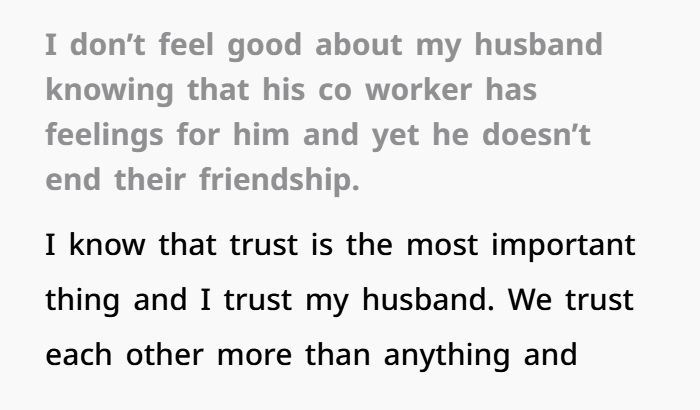
Trust is very important in a marriage. But trust alone is not always enough when outside relationships start affecting emotional comfort.
In this situation, the issue is not about physical cheating. It is about emotional boundaries in marriage and how interactions with a coworker are making things uncomfortable.
What Is Emotional Infidelity?
Emotional infidelity is when a person shares emotional closeness, attention, or private feelings with someone outside the marriage in a romantic or flirtatious way.
It can include:
- Flirty messages
- Emotional conversations
- Sharing private life details
- Giving attention that feels romantic
Even if nothing physical happens, this can still hurt trust and create emotional stress in a relationship.
Experts in relationship counseling and marriage therapy say emotional cheating can sometimes feel just as painful as physical cheating.
Why This Situation Feels Uncomfortable
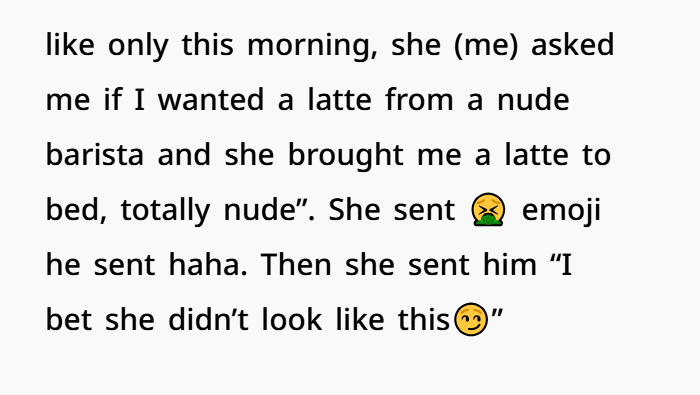
In this case, the coworker has shown romantic interest and has even made comments comparing herself to the spouse. This creates emotional tension.
Even if the husband is honest and transparent, ongoing contact with someone who has feelings can still feel unsafe emotionally.
This is a common issue in workplace relationships and marriage boundaries, especially when one person in the friendship has romantic intentions.
Why Boundaries Are Important
Healthy relationships need clear boundaries. Without boundaries, situations like this can become confusing and stressful.
Good boundaries in marriage may include:
- Limiting personal conversations with coworkers
- Avoiding sharing private details about marriage
- Keeping communication professional
- Reducing contact with someone who shows romantic interest
These steps are not about control. They are about protecting emotional safety in marriage.
The Problem With Oversharing
Even small personal details about a marriage can create emotional closeness with someone outside the relationship.
In this case, the husband has shared private life moments with his coworker. While it may seem harmless, it can:
- Create emotional connection outside the marriage
- Lead to jealousy or misunderstanding
- Blur personal boundaries
Experts in couples therapy and relationship communication suggest keeping most personal and emotional sharing within the marriage.
How to Talk About It Calmly
Instead of arguing or making demands, it helps to talk in a calm and honest way.
Using “I feel” statements can help:
- “I feel uncomfortable with the way she flirts with you.”
- “I feel uneasy when private things are shared outside our marriage.”
This approach is used in healthy communication in relationships because it focuses on feelings instead of blame.
The goal is to find solutions together, not to create conflict.
Possible Solutions
There are a few healthy options couples can consider:
- Reducing contact with the coworker
- Making conversations more professional
- Setting clear boundaries at work
- Agreeing on what personal details can be shared outside the marriage
These steps help protect trust and reduce emotional stress.
Experts in marriage counseling and relationship repair often recommend teamwork instead of strict ultimatums.
Why Your Feelings Matter
Feeling jealous, uncomfortable, or hurt in this situation is normal. These feelings are signals that something needs attention.
In emotional health in relationships, it is important to listen to these feelings instead of ignoring them. They can help guide honest conversations and better boundaries.
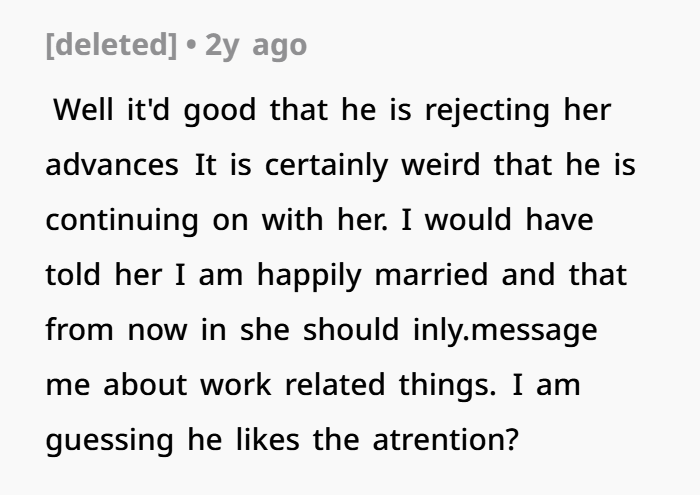
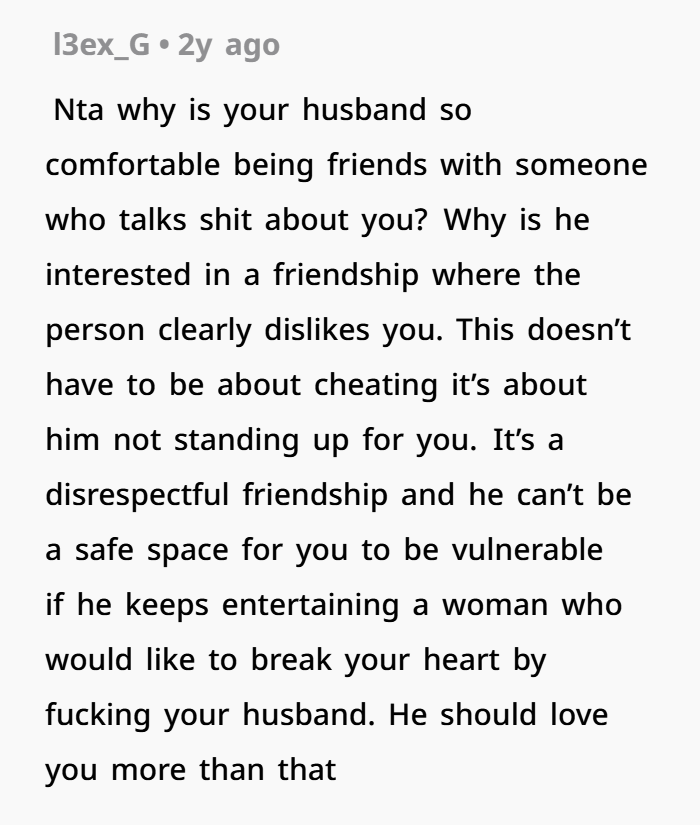
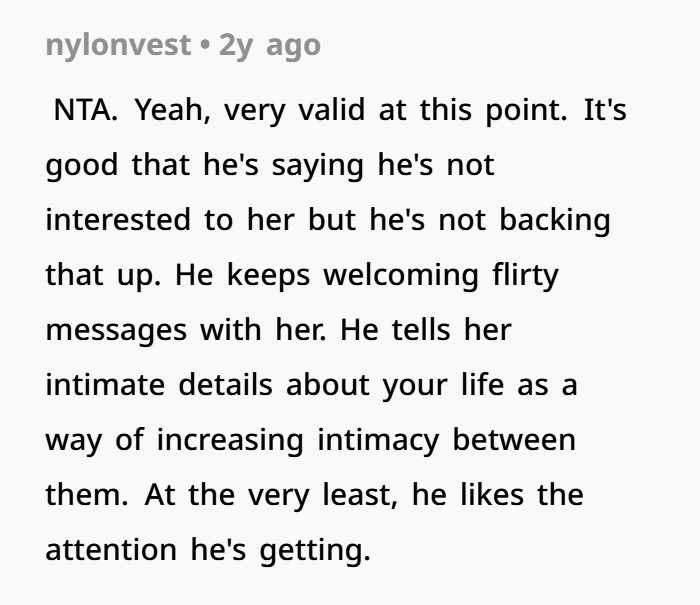
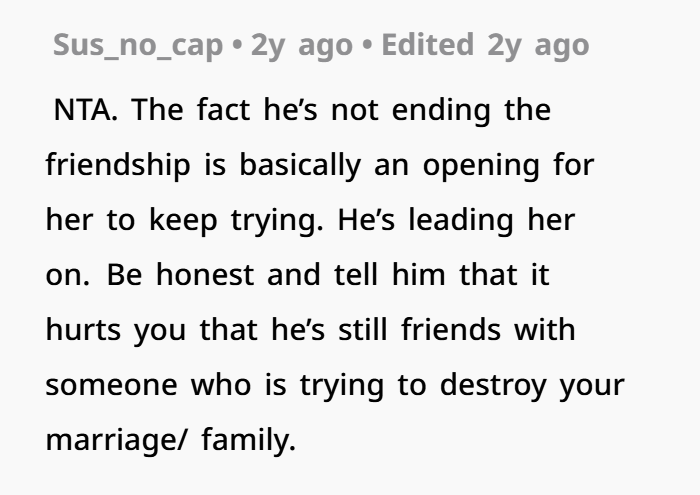
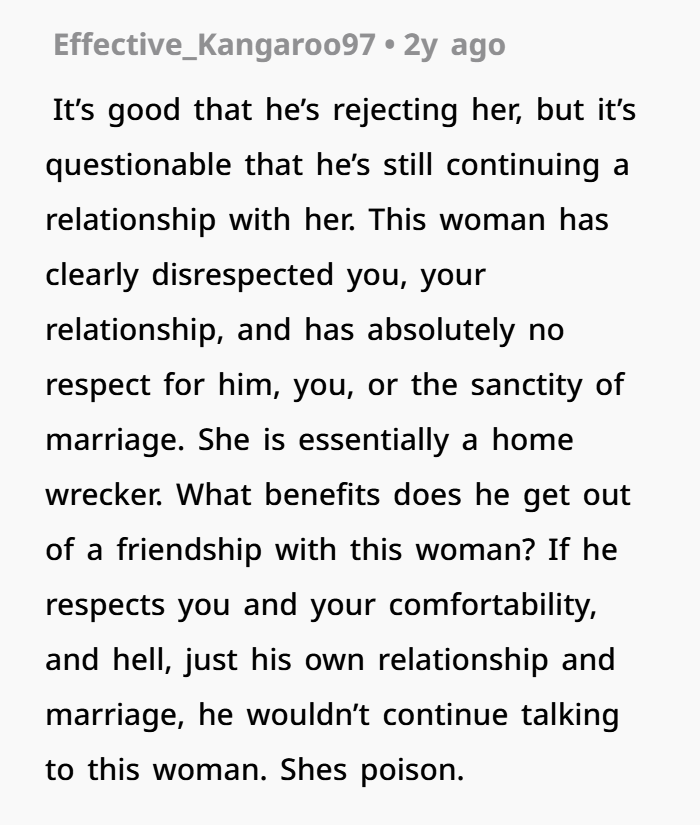
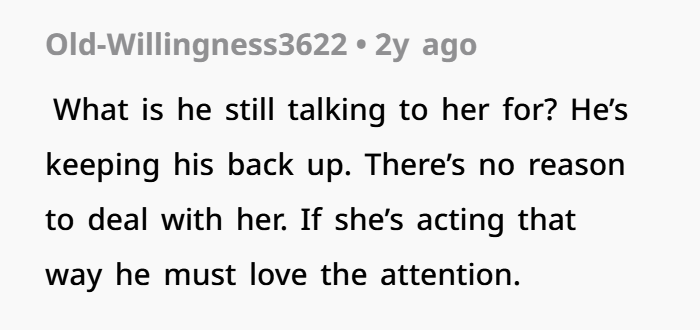
Top Comments From Readers

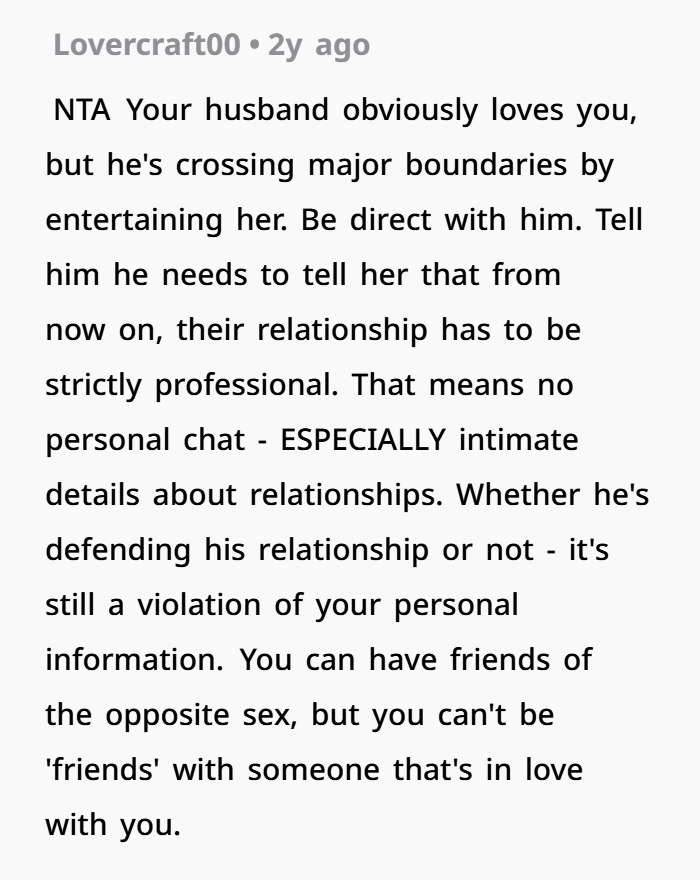
Final Thoughts
Trust is important in marriage, but so are boundaries. When someone outside the relationship shows romantic interest, it can create emotional stress even without physical cheating.
This situation is not about control. It is about protecting the marriage, building emotional security, and keeping trust strong.
With calm communication, clear boundaries, and mutual respect, couples can handle these situations in a healthy way and protect their long-term relationship.