Woman Challenges Male Coworkers Who Depend on Their Wives for Office Treats

Workplace traditions can be a fun way to build team relationships, but they can also create unexpected disagreements. Sometimes employees feel pressure to meet certain standards that are not officially required but are still expected by others.
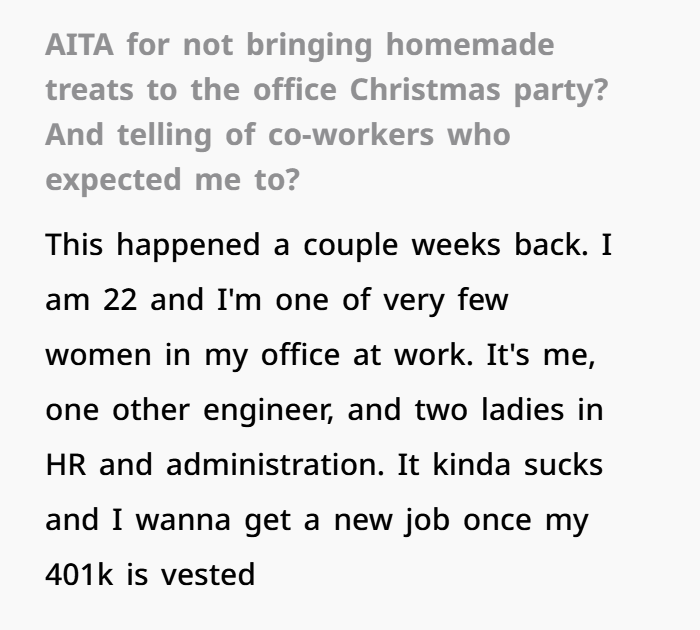
One woman shared her experience at a company Christmas party where she decided to bring store-bought treats instead of making something at home. She noticed that other employees brought homemade food and wondered if her choice would be seen negatively.
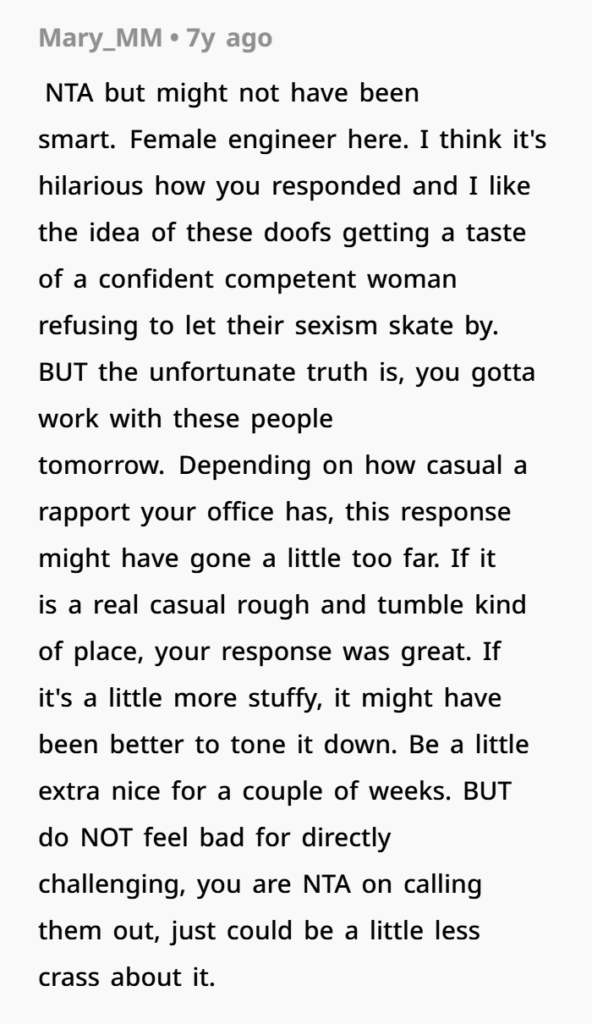
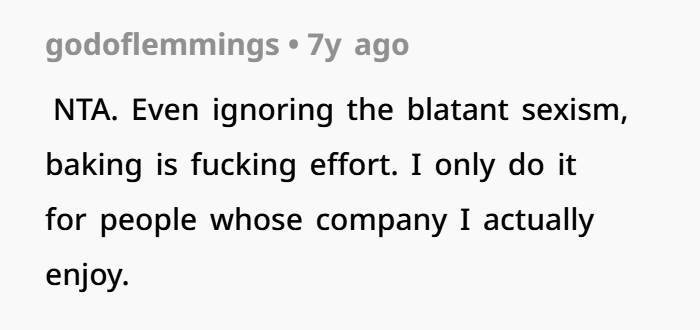
When others questioned her decision, she explained that homemade dishes are not always a simple task. She mentioned that some coworkers may have family members helping them prepare food, while others may have to manage everything on their own.
The online discussion focused on workplace fairness, employee appreciation, and creating a more welcoming office environment. Many people agreed that celebrations should be about spending time together and recognizing everyone’s contribution, regardless of how the food was prepared.

Why Women Are Often Given Extra Office Tasks That Do Not Help Their Careers
Workplaces are supposed to be places where people are judged by their skills, performance, and professional growth. However, many employees still experience unfair expectations, especially when it comes to small tasks that happen outside their main job responsibilities.
One common example is what experts call “office housework.” These are tasks that keep the workplace running but usually do not help someone get a promotion, a raise, or career recognition.
Examples include organizing office events, planning celebrations, taking meeting notes, arranging team lunches, or making sure everyone feels included. While these tasks are important, they are often given more frequently to women than men.
A recent workplace discussion online showed how this issue can appear in everyday situations.
A Simple Office Potluck Created A Bigger Conversation
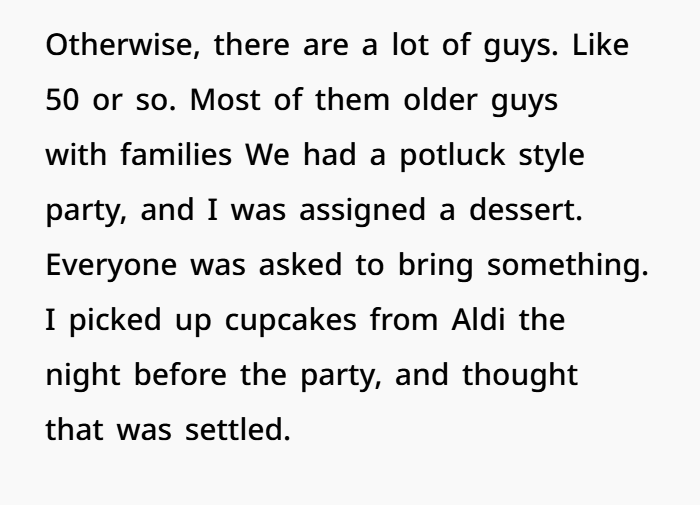
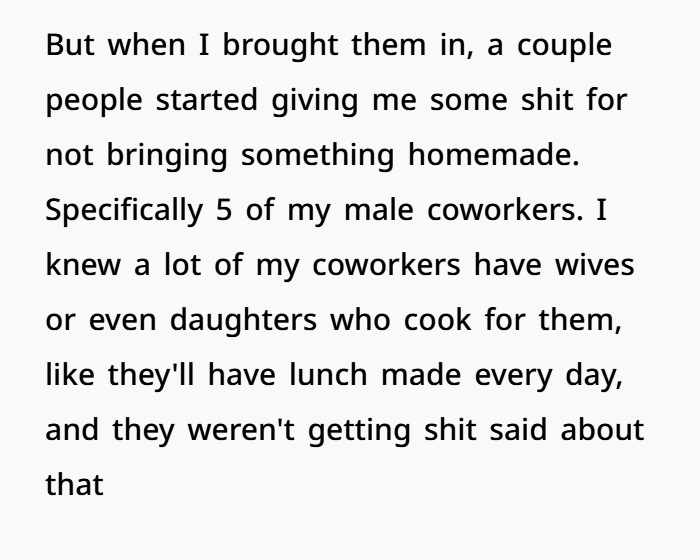
A young female engineer shared a story about an office potluck. She worked in a workplace where most of her coworkers were older men. For the event, she brought cupcakes that she purchased from a store.
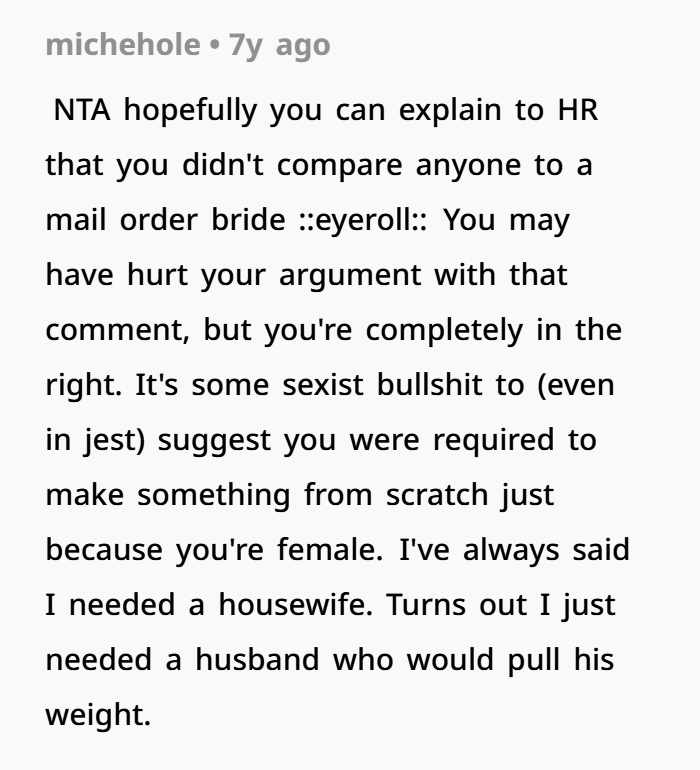
Instead of appreciating her contribution, some coworkers criticized her because she did not bake the dessert herself.
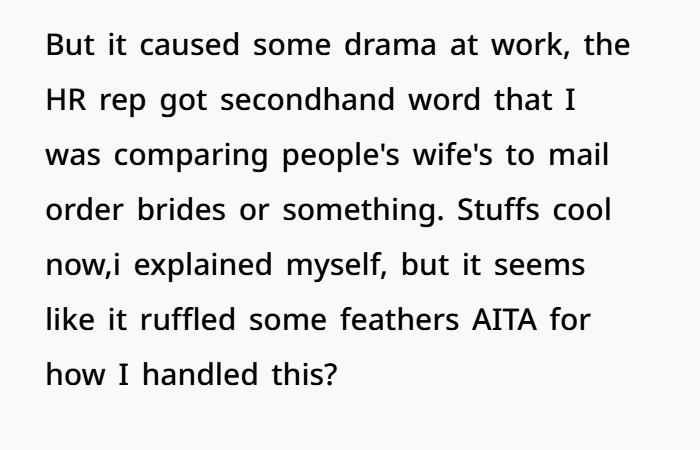
The comments may have seemed small, but they showed a larger workplace problem. The expectation was that because she was a woman, she should naturally spend extra time preparing homemade food for her colleagues.
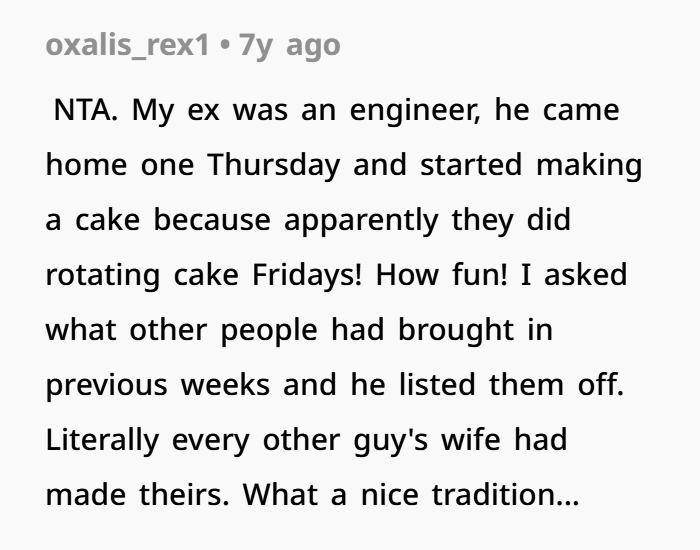
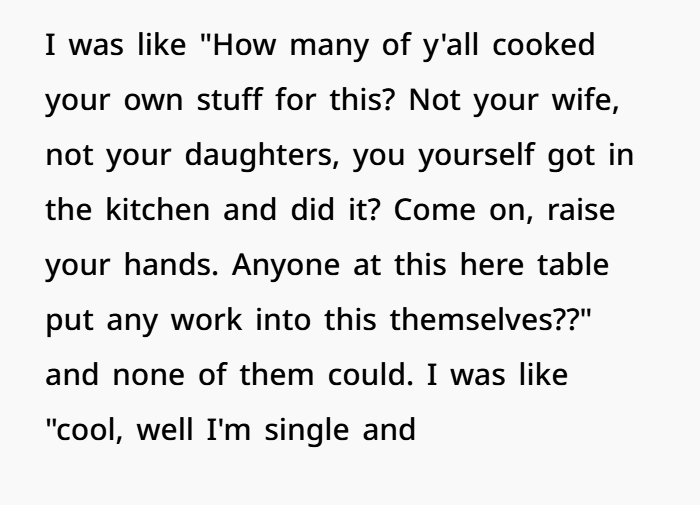
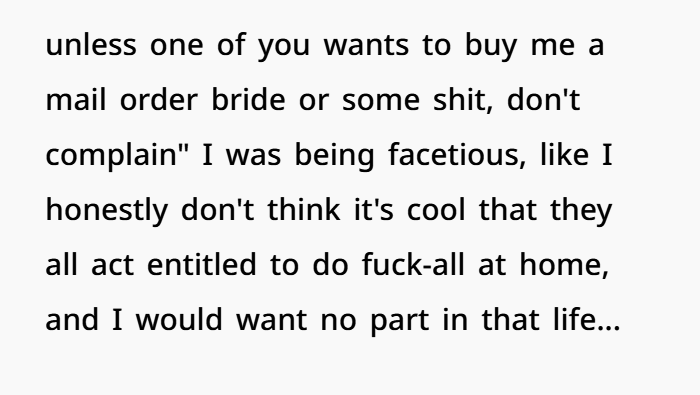
The surprising part was that many of the people making these comments had not prepared their own food either. Some admitted that their homemade dishes were actually made by their wives or family members.
This created an uncomfortable question: Why was a female employee expected to provide extra unpaid effort when male employees were not held to the same standard?
The Hidden Problem Of Office Housework
Office housework is a term used to describe workplace responsibilities that are necessary but often overlooked.
These tasks can include:
- Planning office celebrations
- Taking notes during meetings
- Helping new employees feel welcome
- Organizing team activities
- Managing social events
These responsibilities may improve workplace culture, but they rarely appear in performance reviews or promotion decisions.
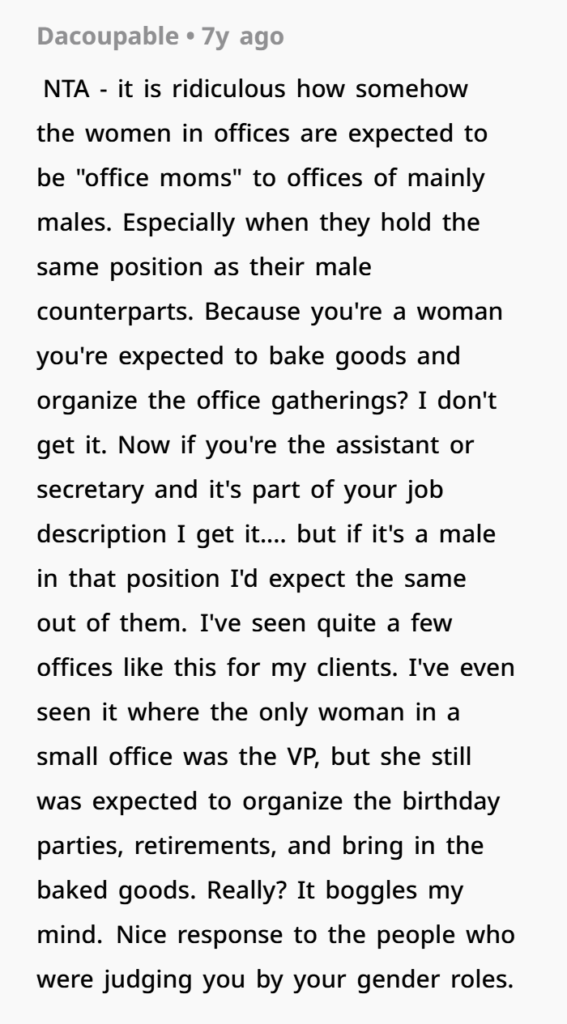
Research on workplace equality shows that women are often asked to take on these duties because they are viewed as more organized, helpful, or naturally caring. While these qualities are valuable, expecting only women to provide this support creates an unfair work environment.
A female employee should not have to choose between being seen as a helpful teammate and protecting time for her own career development.
How Extra Unpaid Work Can Affect Career Growth
Professional success often depends on having enough time to focus on important projects, skill development, leadership opportunities, and measurable results.
When employees spend too much time on tasks that are not connected to their main role, it can affect their career advancement.
For example, an engineer who spends hours organizing workplace events may have less time for technical projects, training, or innovation. Those are the activities that are usually considered when companies make decisions about promotions and salary increases.
This is why many companies are now focusing more on fair workplace policies, employee engagement, and equal opportunities.
The Double Standard Around Women At Work
The potluck story highlights a common double standard.
Women are often expected to be successful professionals while also meeting traditional expectations about being caregivers, organizers, or helpers.
Men, on the other hand, are less likely to face the same pressure in professional environments.
This does not mean employees should stop helping each other. A positive workplace depends on teamwork and kindness. The problem begins when these responsibilities automatically fall on certain employees because of their gender.
A healthy company culture should make sure these tasks are shared fairly among all team members.
Companies Can Create A More Balanced Workplace
Businesses that want better employee satisfaction and stronger retention should pay attention to how workplace responsibilities are distributed.
Some simple solutions include:
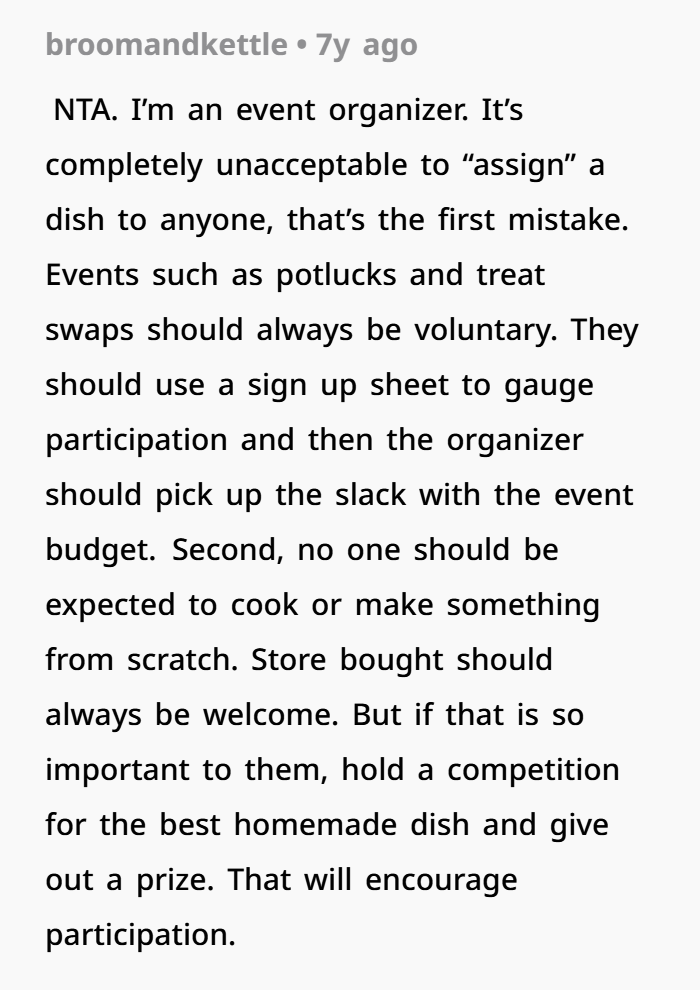
- Rotating office support tasks among employees
- Recognizing extra contributions during performance reviews
- Creating clear workplace policies
- Encouraging managers to notice hidden workloads
- Making sure career opportunities are based on skills and results
Fair workplace practices can improve employee morale, productivity, and long-term business success.
A Store-Bought Dessert Does Not Define An Employee
The young engineer who brought cupcakes did nothing wrong. She contributed to the event in a practical way.
Buying food from a store does not mean someone cares less about their coworkers. People have different schedules, responsibilities, and priorities outside of work.
A professional employee should be valued for their knowledge, creativity, teamwork, and results—not for whether they can bake a homemade dessert.
The bigger lesson is simple: workplaces should appreciate contributions without creating unfair expectations.
Everyone deserves the same chance to focus on career growth, professional development, and success. A cupcake should just be a cupcake—not a test of someone’s commitment or personality.
Top Comments From Readers