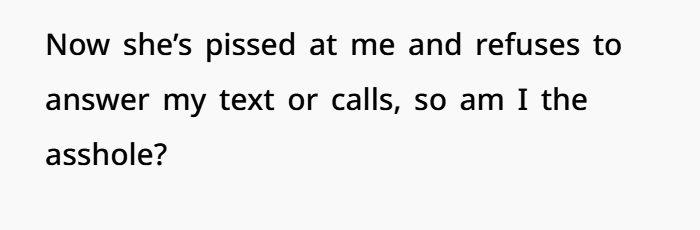
AITA for Laughing When My Wife Clapped Back at My Mom?
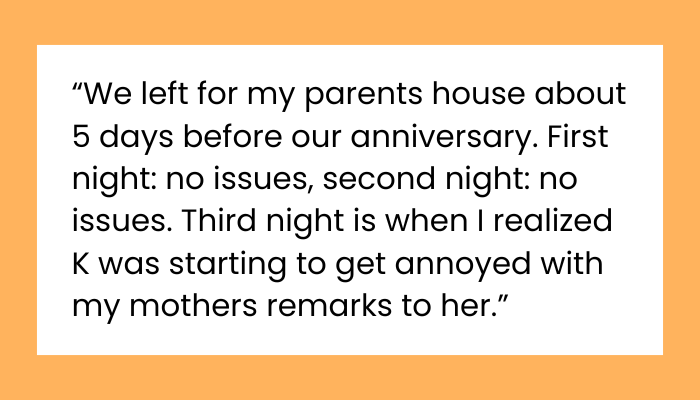
This story is about a young husband stuck in the middle of a classic family conflict. On one side, his wife. On the other, his mom. He and his wife—basically high school sweethearts—just celebrated their first anniversary. Things should be simple, right? They visit his parents to reconnect, meet family, and finally see his nephew. The first couple days go fine, nothing major. But slowly, tension starts creeping in. His mom makes little comments here and there. Not huge, but enough to build stress. His wife feels it. You can tell it’s piling up.
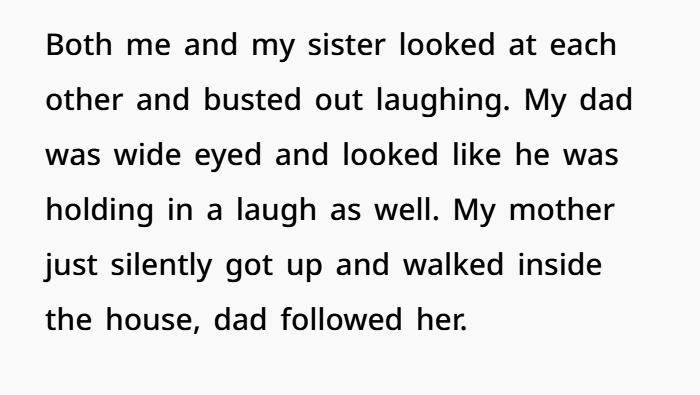
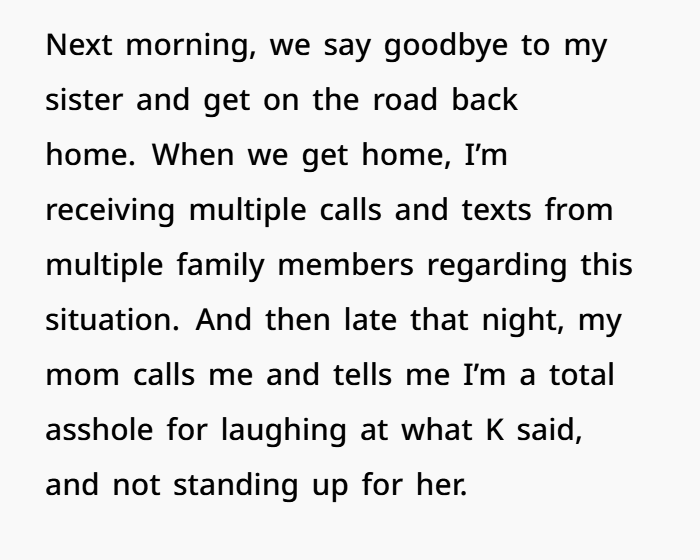
Then comes the moment that flips everything. What should’ve been a normal, happy situation turns messy fast. The wife is about to show her wedding dress photos—something personal, something meaningful. Out of nowhere, the mother-in-law drops a harsh comment. Calls the dress inappropriate in a pretty offensive way. No warning, just straight negativity. Instead of reacting emotionally, the wife stays calm—but her reply? Sharp. Direct. The kind that hits. The husband and his sister end up laughing, almost instinctively, while the dad tries to keep it together. The mom storms off, and that’s where the real drama starts—angry calls, blame, accusations. Now the husband’s being labeled disrespectful for not defending his mother. And he’s left stuck, overthinking everything… wondering if that one laugh made him the bad guy.

At first glance, this just looks like another messy family argument. But honestly, there’s a lot more going on under the surface. It’s not just about one insult or one awkward laugh. It’s about built-up tension, respect boundaries, emotional triggers, and those tricky family power dynamics. Stuff like this shows up a lot in young marriages, even if people don’t talk about it openly.
Let’s start with that key moment—the insult. What the mother said wasn’t just a casual comment. It crossed into something deeper, closer to verbal abuse or straight-up character shaming. Calling someone a “slut,” even indirectly, carries weight. In family psychology, this kind of language falls under hostile communication patterns. And yeah, those tend to damage relationships over time, especially if it keeps happening.
Now add some context. The relationship between the mom and the wife was already strained. That matters a lot. This wasn’t random. It was more like a breaking point after a series of smaller issues. In-law conflict research talks about micro-aggressions—small digs, passive-aggressive comments, subtle disrespect—that build up slowly until one moment just sets everything off.
The wife’s reaction actually makes sense when you look at it through that lens. Psychologists call it a defensive boundary response. She didn’t stay quiet. She didn’t walk away. She pushed back. Firm, direct, maybe a bit harsh—but that usually happens when someone feels disrespected over and over again.
And the way she said it? Calm. That’s important. It shows control. She wasn’t yelling or losing it. She chose her words and stood her ground. In conflict resolution terms, that leans more toward assertive communication—even if it had a sharp edge.
Now comes your part—the laugh.
This is where it gets tricky. From your side, it was probably automatic. Sometimes when tension snaps, people laugh. It’s not always about finding something funny—it can be a stress release. In psychology, that’s called nervous laughter. Pretty common in awkward or high-pressure moments.
But from your mom’s side, that laugh probably felt like a punch. Like you were siding against her.
There’s a concept in family systems theory called perceived alliance shifting. Basically, when a son seems to take his partner’s side over his parent, it can trigger feelings of rejection. It’s less about the moment and more about what it represents—losing that “my son is on my side” feeling.
Now the real question—should you have stepped in differently?
Modern relationship advice and even marriage counseling research tends to agree on one thing: once you’re married, your main loyalty shifts to your spouse. That doesn’t mean disrespecting your parents. Not at all. But it does mean your partner becomes your priority, especially in situations where they’re being directly disrespected. Long term, supporting your spouse usually leads to a healthier, more stable relationship.
And let’s be real—the original insult came from your mom. That part can’t be ignored.
There’s also something called provocation-response balance. Basically, was the reaction equal to what triggered it? Your mom’s comment was harsh and honestly unprovoked. Your wife’s comeback was sharp too—but it didn’t come out of nowhere. It was reactive. And in situations like that, people don’t always respond softly, especially when they feel pushed.
Now about the laugh again—timing really matters here. In that exact moment, yeah, the laughter probably made things worse, even if you didn’t mean it that way. It added fuel to an already tense situation. But at the same time, let’s be real—would staying completely silent have fixed anything? Probably not. The real damage already happened the second that insult was thrown.
Another layer is family culture and expectations. Some families operate on this unspoken rule—respect elders no matter what. Even if they’re wrong. In that kind of setup, pushing back or even laughing can feel like crossing a serious line. Your mom might be coming from that mindset, where authority and respect go hand in hand.
But the downside? That kind of dynamic can turn toxic fast. If one person can say whatever they want without consequences, it creates imbalance. Over time, that can damage trust, respect, and overall family relationships.
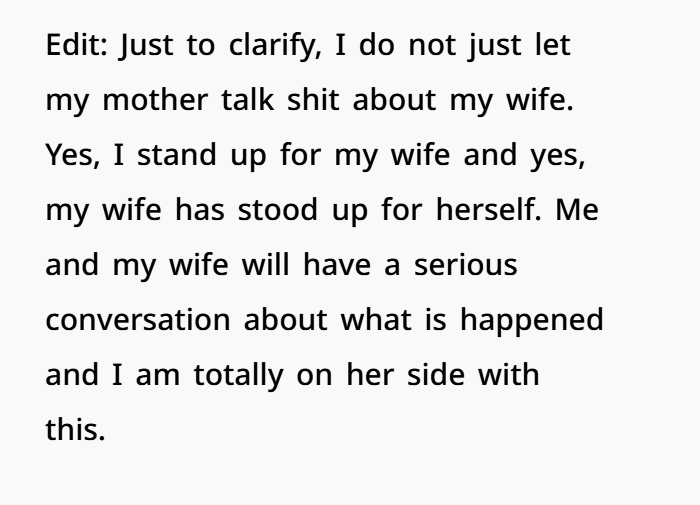
Now your update—that’s actually the most important part. You and your wife choosing to set boundaries and limit contact? That’s huge. And honestly, it aligns with a lot of relationship advice and even marriage counseling strategies. Boundaries aren’t about punishing anyone. They’re about protecting your peace and mental health.
In family therapy and extended family dynamics, this is called boundary-setting. And it’s a key factor in building a strong marriage. Couples who stay united—especially during conflict—tend to have better long-term outcomes. It builds trust, stability, and emotional security.
Also, your dad’s reaction matters more than it seems. You said he looked like he was trying not to laugh. That’s interesting. It suggests your mom’s behavior might not be fully supported, even within the family. Sometimes one strong personality kind of controls the environment, and everyone else just goes along to avoid more drama.
So where does this leave the “AITA” judgment?
Let’s break it down cleanly:
- Your mom made a harsh, unprovoked insult
- Your wife defended herself, firmly but not explosively
- You laughed—likely as an instinctive reaction
- Your mom expected loyalty and didn’t get it
- You and your wife are now setting boundaries
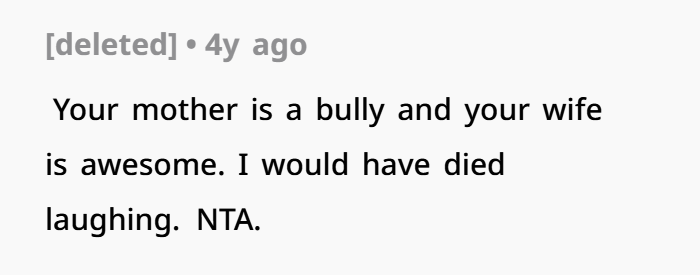
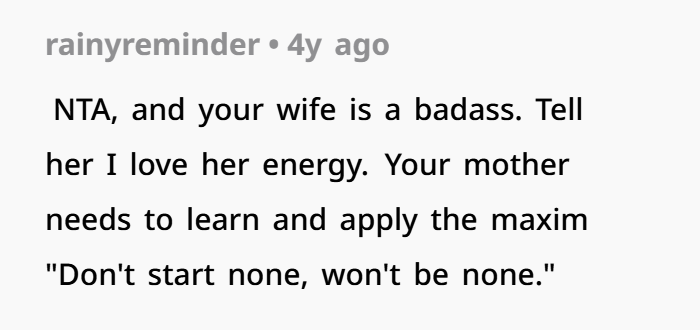
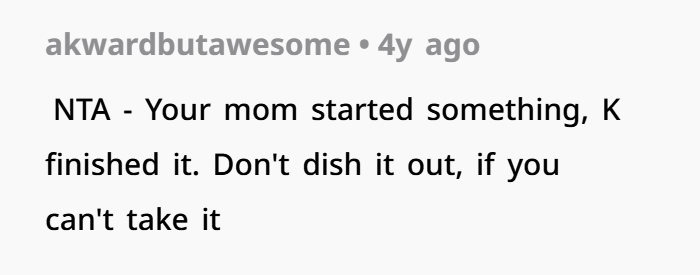
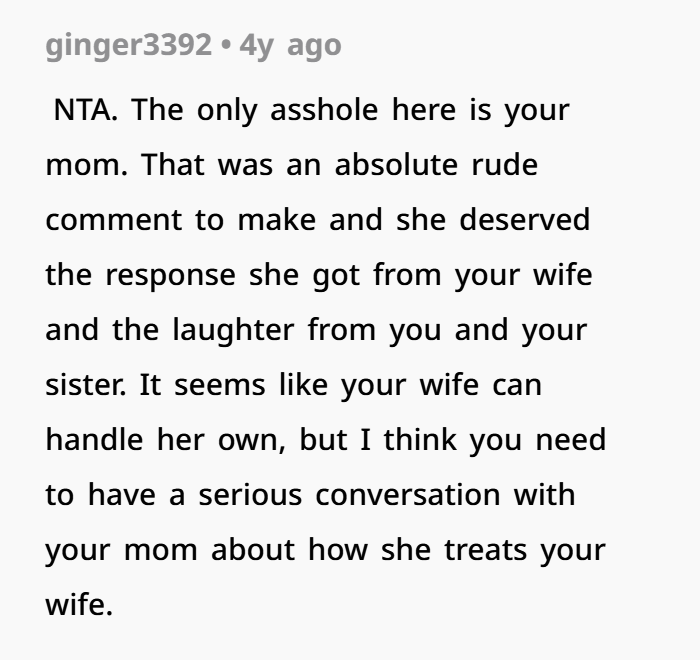
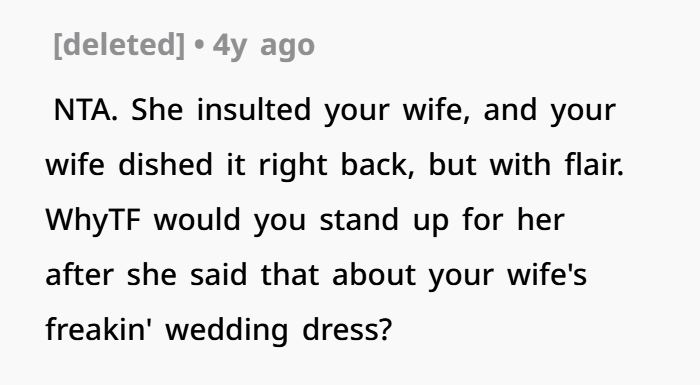
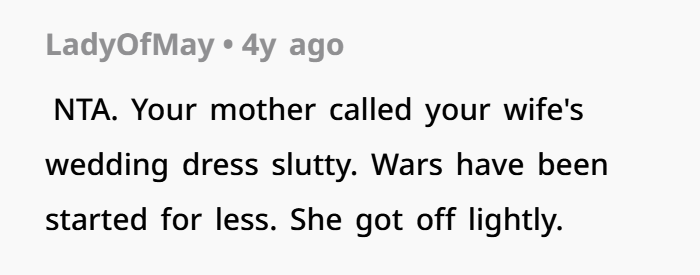
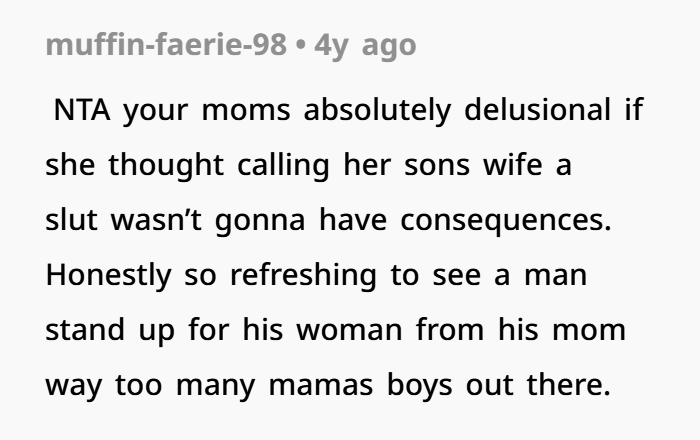
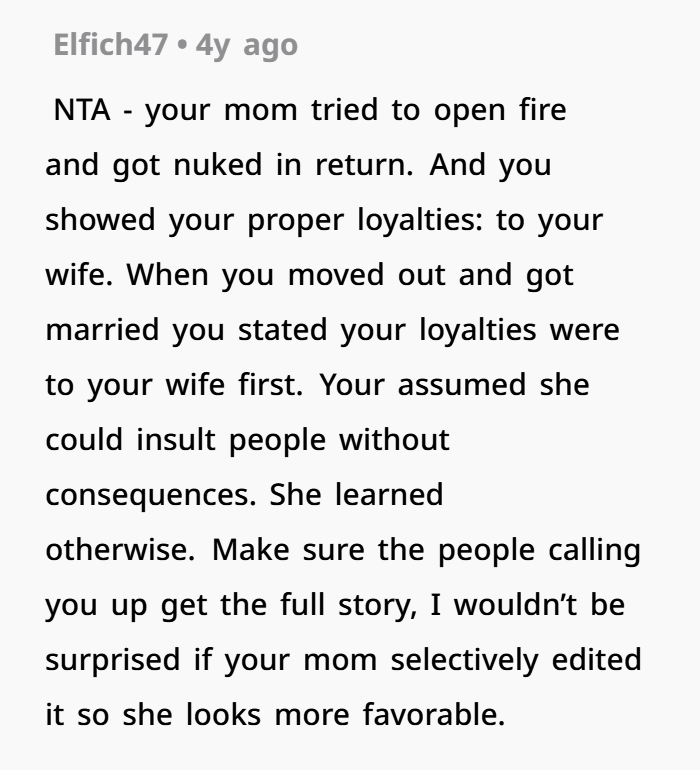
From an outside view, this clearly leans toward Not the A-hole. If you look at it through a relationship advice or family conflict lens, the bigger issue isn’t your reaction—it’s the pattern of disrespect that led up to that moment.
Could you have handled the laugh differently? Yeah, maybe. In a perfect world, sure. But that doesn’t make you the bad guy here. It was a human reaction in a tense situation. The real problem was already there—ongoing tension, emotional triggers, and lack of respect building over time.
What this situation really shows is something bigger. Marriage changes things. It forces you to figure out where you stand when family drama hits. And honestly, that’s not simple. You’ve got loyalty to your parents, commitment to your partner, and years of emotional history all mixed together. That’s a lot to navigate.
At the end of the day, the laugh didn’t create the problem. It just brought it out into the open.
See The Comments Below