I Refused to Share My Daughter’s 27 Gifts with Her Half-Brother—Now I’m the Villain?
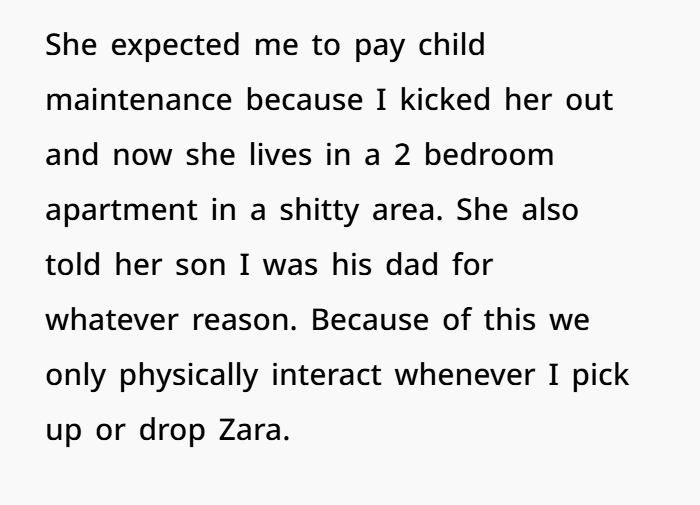
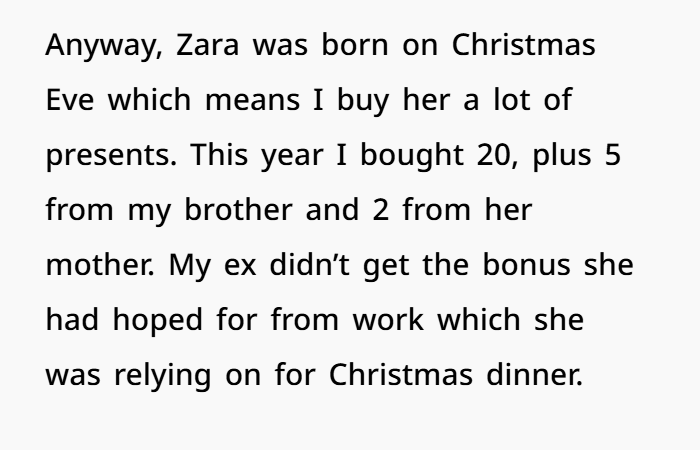
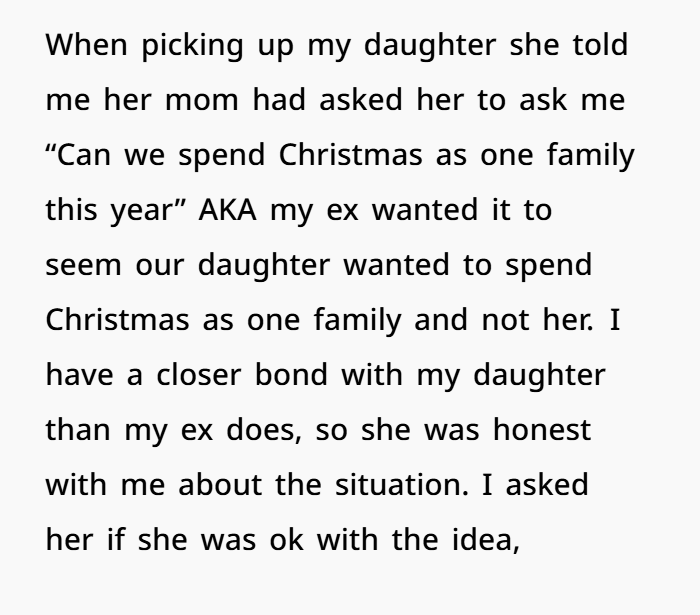
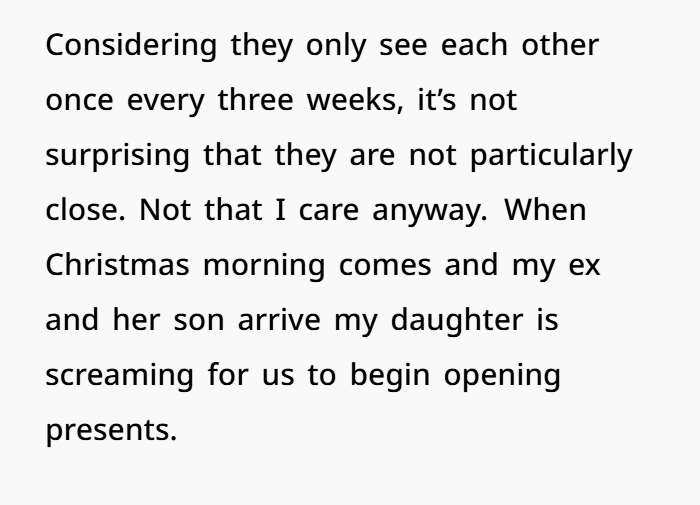
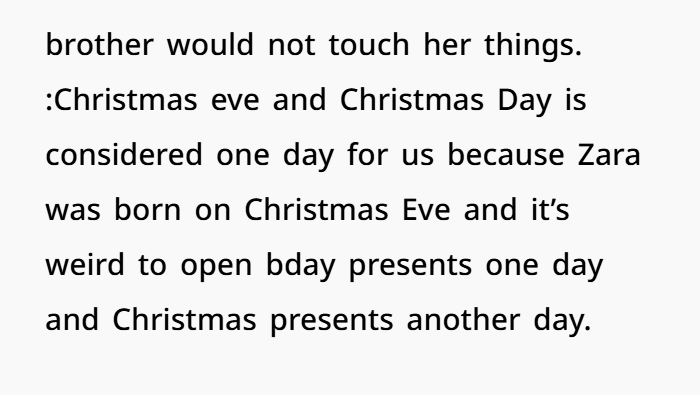
This story revolves around a father navigating a complicated family dynamic during the holidays. The OP (original poster) shares custody of his 7-year-old daughter, Zara, with his ex. Zara’s birthday falls on Christmas Eve, so every year he goes all out—this time giving her a whopping 27 gifts for both her birthday and Christmas. Things got tense when his ex, who also has a 5-year-old son from a different relationship, asked to celebrate “as one family” despite their non-existent romantic relationship and years of unresolved conflict.
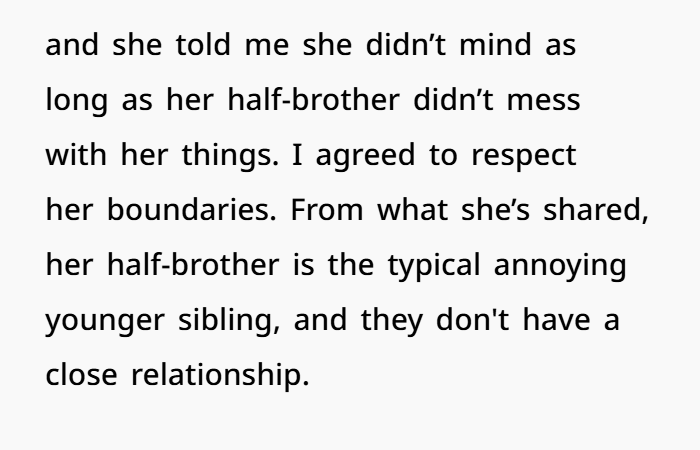
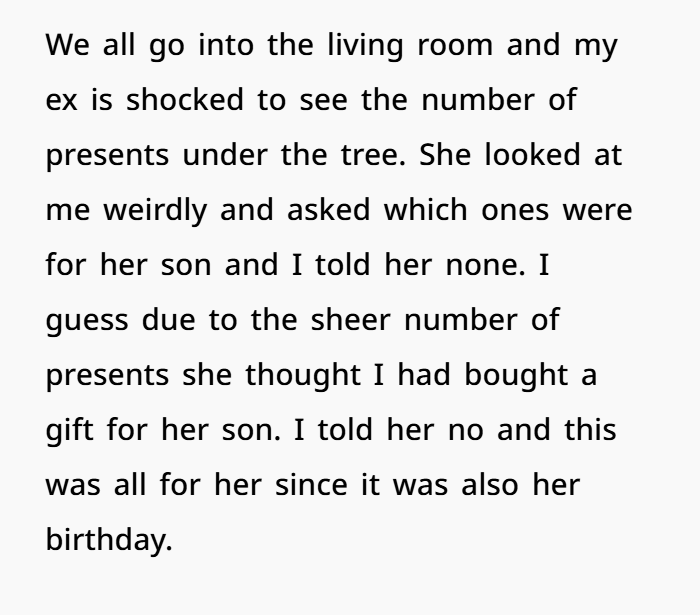
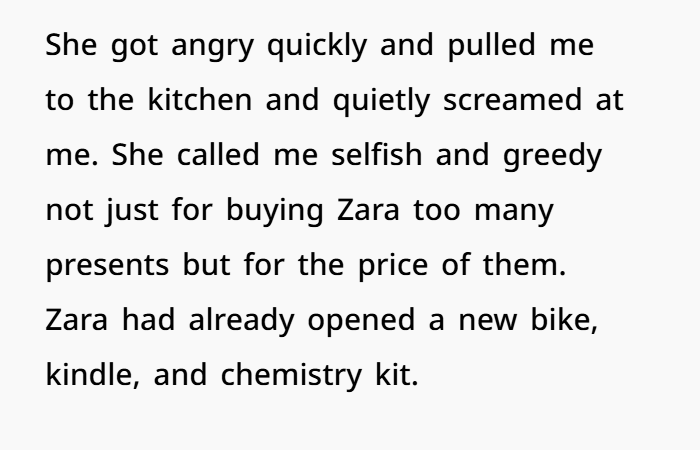
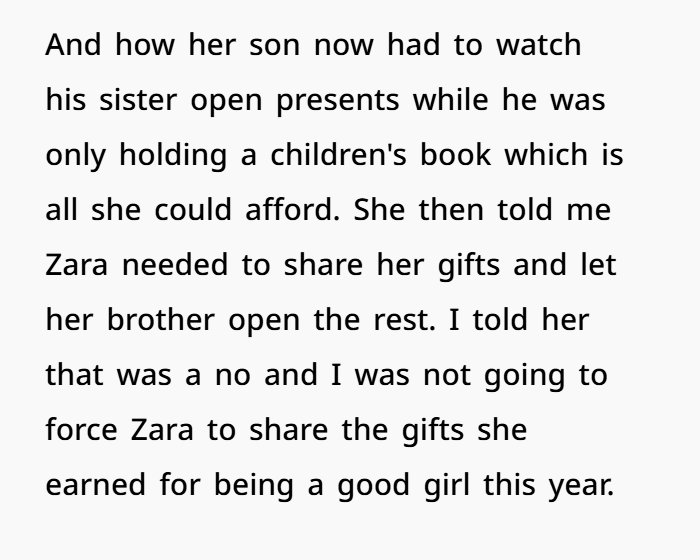
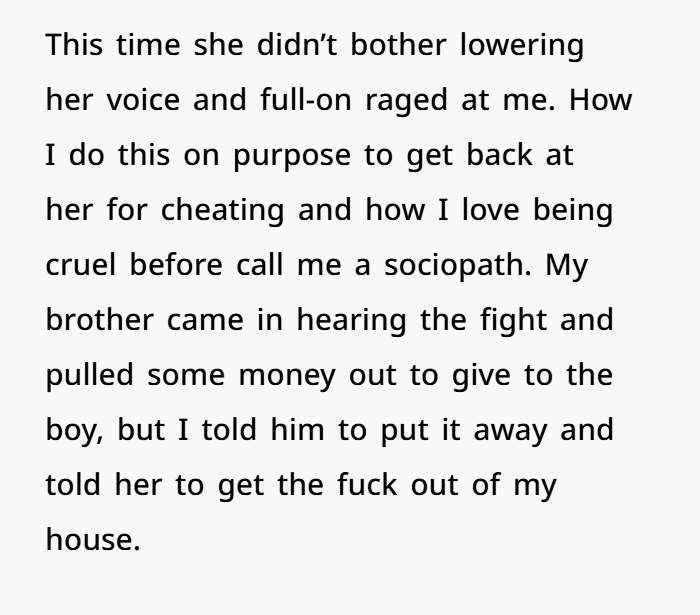
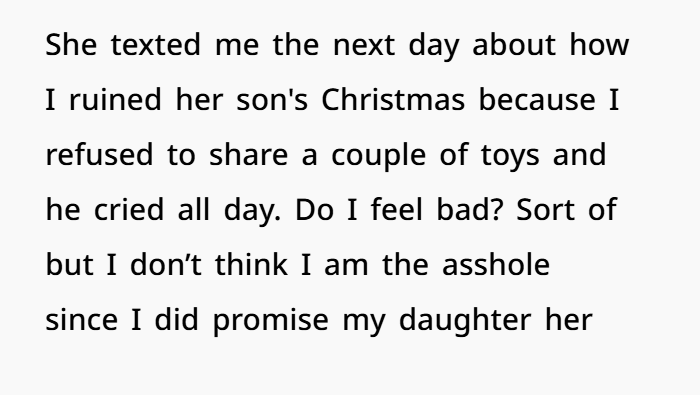
The OP agreed to host them on Christmas morning after checking with his daughter, who was firm about one condition: her half-brother could not touch her things. That seemed fair, especially since Zara reportedly doesn’t have a close bond with him. However, when the ex showed up and saw the mountain of gifts—all for Zara—she demanded that some of them be shared with her son, who only received a book. OP refused, arguing that these were rewards for his daughter’s good behavior and a tradition tied to her birthday. Things escalated. The ex accused him of being vindictive and cruel, especially toward a child who had no control over their family drama.
OP stood his ground, even stopping his brother from giving the boy money. Now, the ex is blaming OP for “ruining her son’s Christmas,” and OP is wondering if not feeling sorry for refusing to share makes him the asshole.
His ex became furious and demanded that he ask her to share, but the dad refused
This situation might seem straightforward on the surface—“It’s her birthday and Christmas; she earned those gifts!” But dig a little deeper, and it’s a raw, uncomfortable look at how unequal dynamics, unresolved bitterness, and parental boundaries can explode when kids are caught in the middle.
Let’s break it down with the lens of emotional fairness, co-parenting ethics, child psychology, and yes—holiday expectations.
Birthday + Christmas = 27 Gifts? That’s Not the Real Problem
Let’s be clear: OP didn’t do anything objectively wrong by giving his daughter a lavish birthday-Christmas combo. She’s his daughter. He has majority custody. He wanted to make her feel special. And in his words—she earned it through good behavior.
But where things get tricky is when the gifts were opened in front of her half-brother, a 5-year-old child who doesn’t fully grasp adult context like “these are hers because she was good all year.” All he sees is his sister opening a pile of gifts while he clutches a single book.
That creates a moment of deep emotional inequality. Not by design, but by circumstance.
And when you have kids that young, perception matters more than principle.
Was It OP’s Responsibility to Include the Half-Brother?
Legally? Morally? No.
This child is not his. He didn’t sign up to parent him. And the ex’s behavior—lying to her son about who his father is, expecting OP to act like a stepdad, and then calling him selfish when he doesn’t—feels manipulative and unfair.
But still, empathy and reality can coexist.
Yes, OP had every right to say no. But also yes—the little boy’s Christmas was probably really painful. And not because of OP’s actions, but because of his mother’s choices. She’s the one who:
- Misled her son about OP being his father.
- Refused to go to her other son’s house because she wanted both kids together.
- Brought him to a home where she knew he’d be overshadowed and unacknowledged.
She set him up to feel rejected.
But the consequence of that setup unfolded in OP’s living room—and everyone felt it.
Kids Are Not Emotional Shields
Let’s talk about the emotional dynamics at play here. The ex used her son as a pawn—not maliciously, perhaps, but manipulatively. She didn’t want to spend Christmas alone or miss out on seeing her daughter on her birthday, so she framed it as a “family” request, knowing full well the kids don’t share a strong sibling bond.
She asked Zara to pass on the message, putting the pressure on her, not herself.
That alone tells you everything about her emotional priorities.
When people say “but the boy’s just a child,” they’re right. But OP is also not the person responsible for that child’s happiness. The emotional labor falls on the mom—and she dropped the ball.
Promises Matter—Especially to Kids
Another thing to consider: Zara expressed a boundary, and OP respected it. She said her brother could come, but she didn’t want him touching her stuff. That’s not cruelty—that’s a 7-year-old asserting autonomy over her belongings. And in co-parenting, that kind of respect builds trust.
To have suddenly shared her gifts to avoid an awkward moment would’ve violated that trust. Zara may not fully understand the adult dynamics, but she would’ve known her feelings were ignored.
That would’ve taught her: “Your comfort doesn’t matter if it makes someone else cry.”
And honestly? That’s a dangerous message to send to girls—especially ones with people-pleaser tendencies.
Co-Parenting Isn’t Always Equal—and That’s Okay
Let’s be real. OP’s life is on a different trajectory than his ex’s. He’s more financially stable. He sees Zara more often. He has a better relationship with her.
That isn’t a crime. But when co-parents have huge lifestyle gaps, it can make shared holidays feel like a wealth contest. This isn’t about money though—it’s about emotional presence.
OP shows up. The ex tries, but also brings a lot of emotional baggage. The resentment she feels likely isn’t even about the gifts—it’s about the fact that her child prefers his father’s home. And on holidays like Christmas? That hurt hits differently.
But none of that is OP’s responsibility to fix.
So… Was OP Too Harsh?
Honestly? Not really.
He didn’t humiliate the kid. He didn’t mock the ex. He enforced a boundary his daughter set and followed through.
Could he have let his brother give the boy some money or slipped him a small extra toy? Sure. But that also would’ve sent a mixed message to his daughter and possibly implied guilt where none was warranted.
At the end of the day, the ex brought emotional fire into a situation that should’ve been about joy, and then blamed OP for not putting it out.
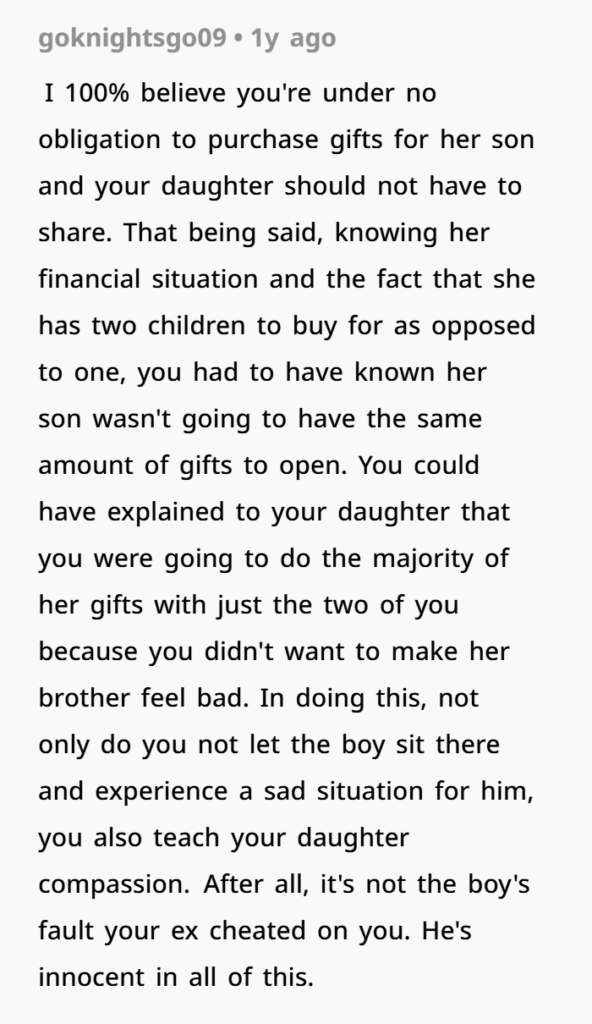
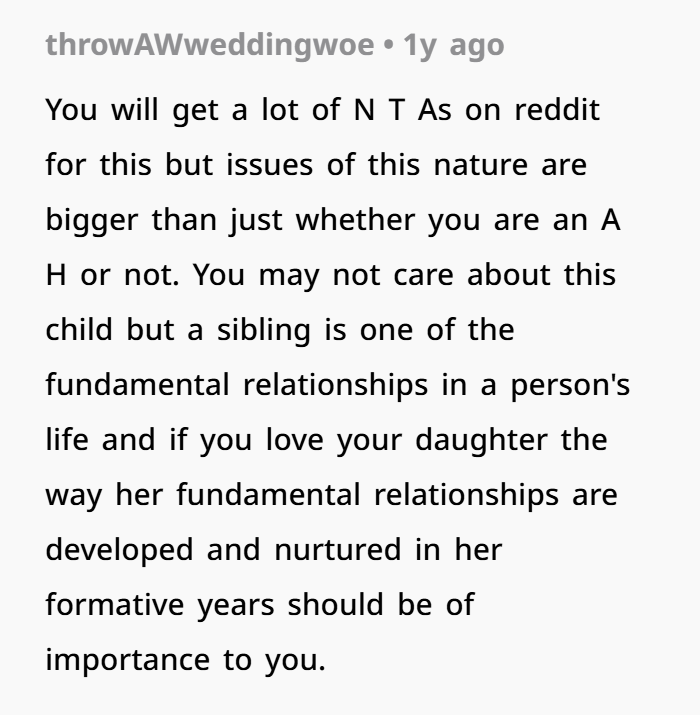
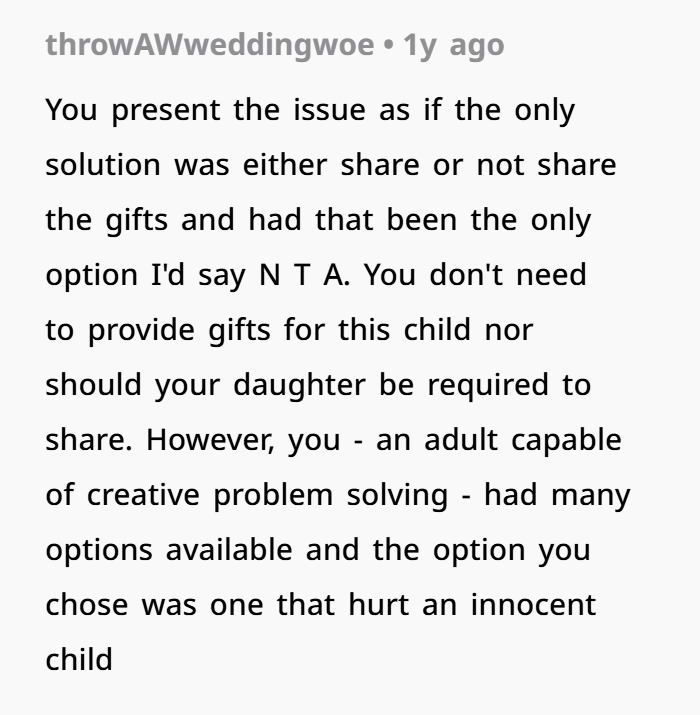
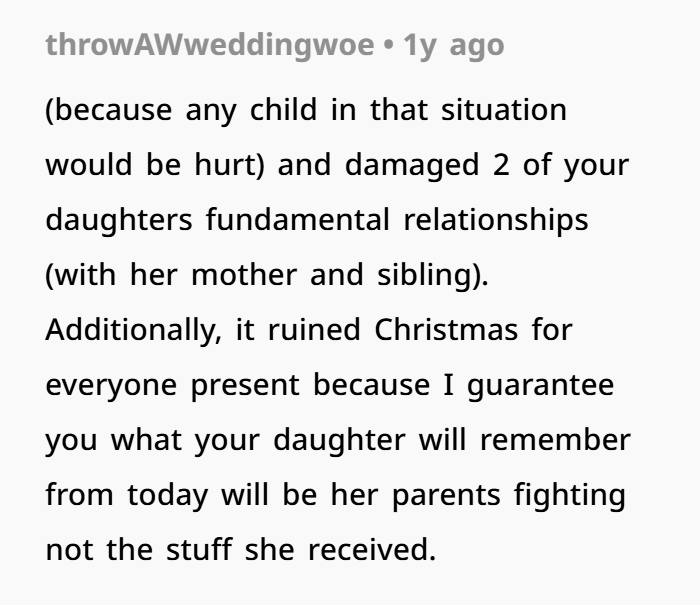
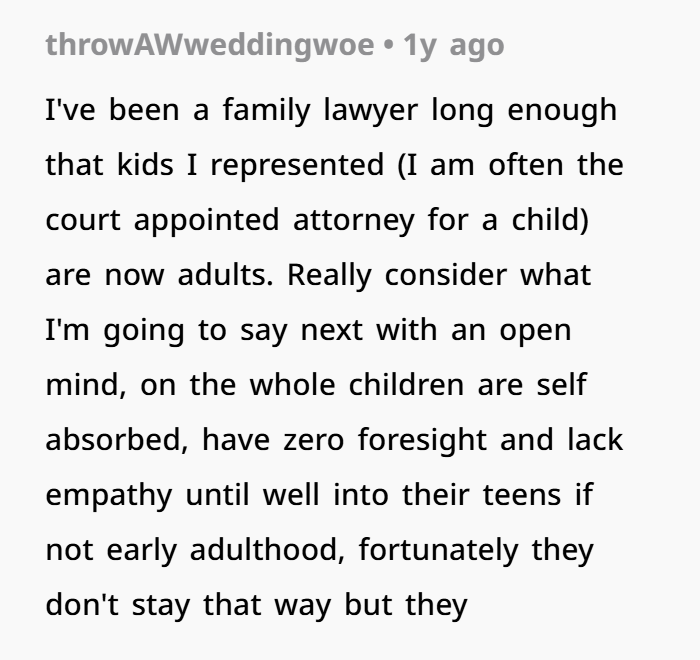
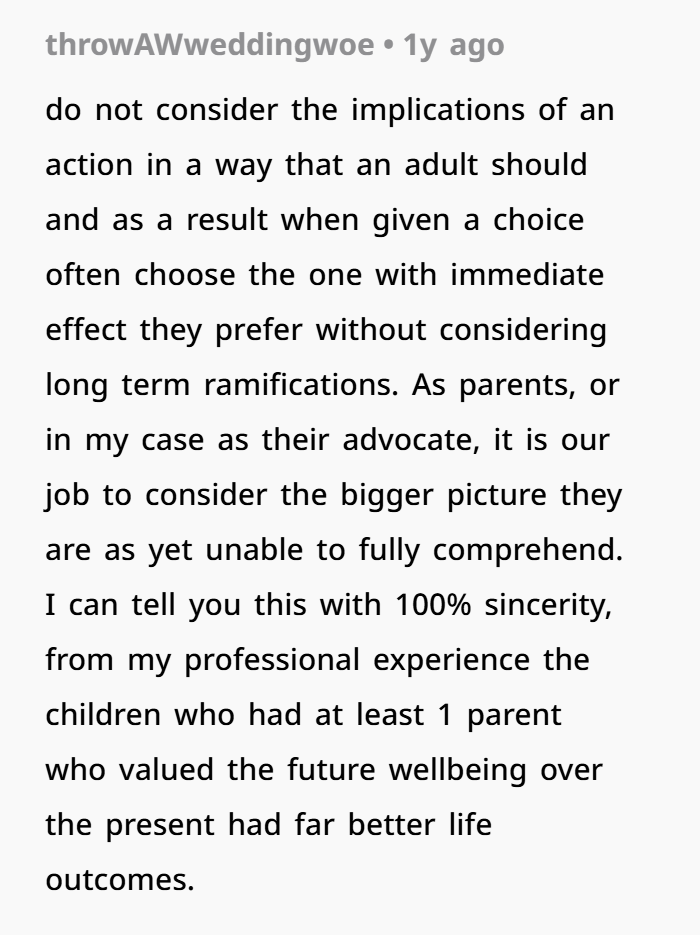
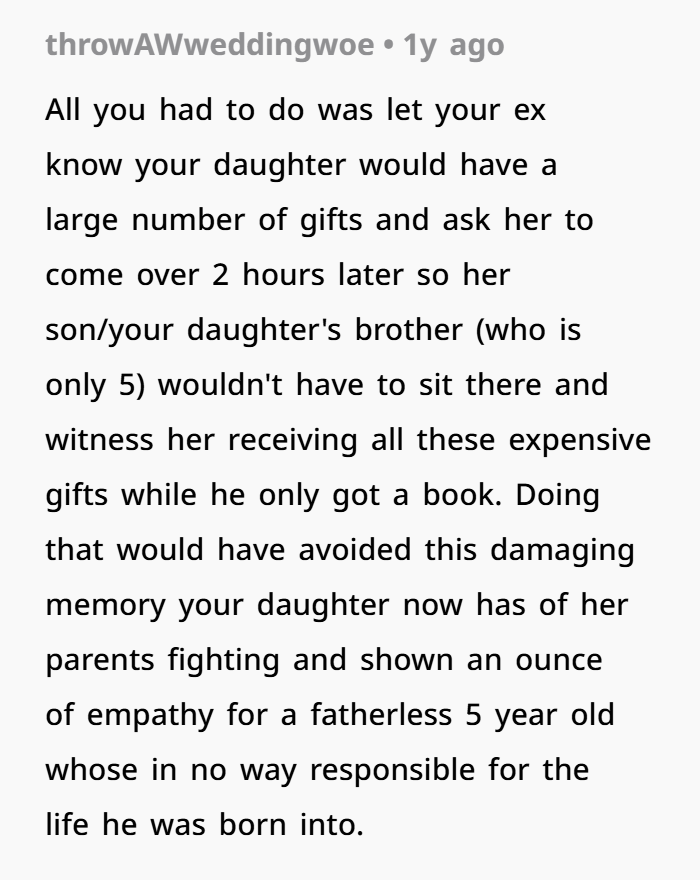
Most people agreed he was not obligated to buy the boy gifts, but he should have shown more compassion

No, you’re not the a**hole. You’re a parent who showed up, respected your daughter, and refused to be emotionally manipulated by your ex’s guilt trip.
Your job is to protect and celebrate your child—not to be the emotional Band-Aid for someone else’s broken choices.
This wasn’t about 27 gifts. It was about respecting a child’s boundaries and not allowing guilt to override them.