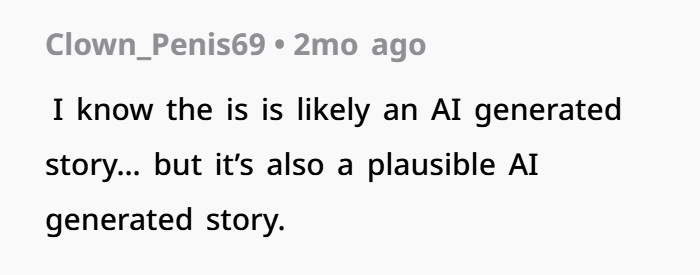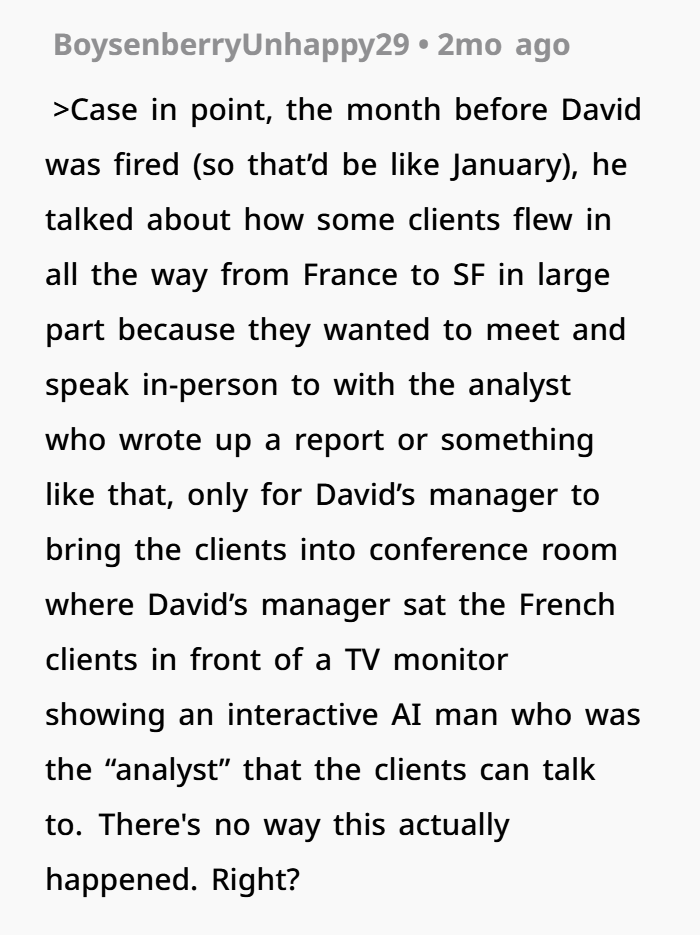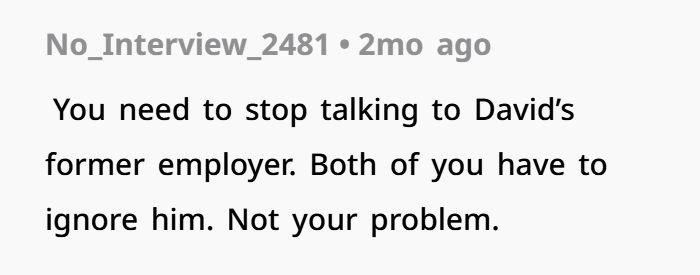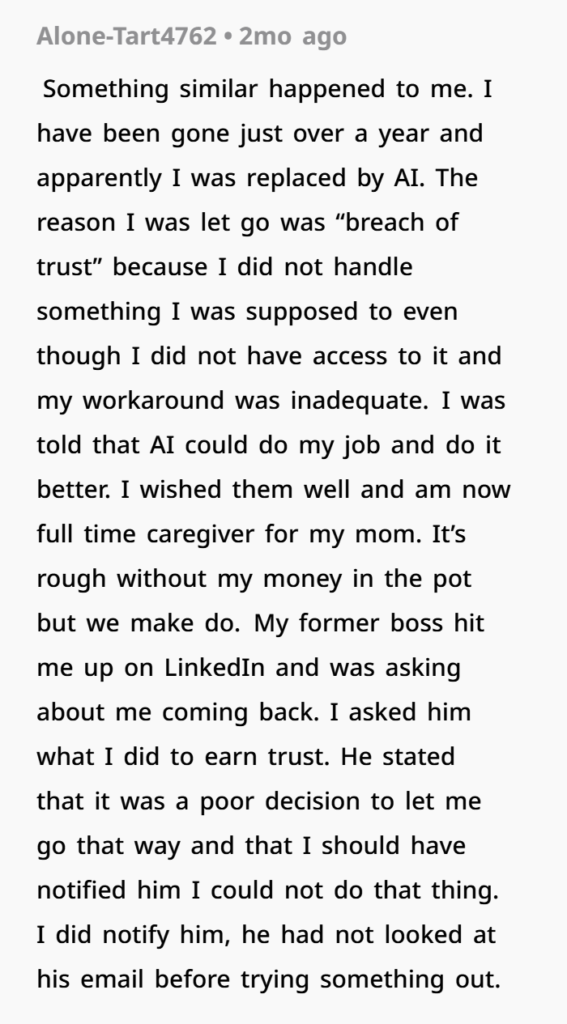
Company Replaces Staff With AI and Quickly Regrets the Decision

When artificial intelligence became available to the public, many people thought it would completely change the way we work. AI chatbots could create content, answer questions, and complete tasks quickly. But over time, businesses discovered that AI can also make errors if it is used without proper planning.
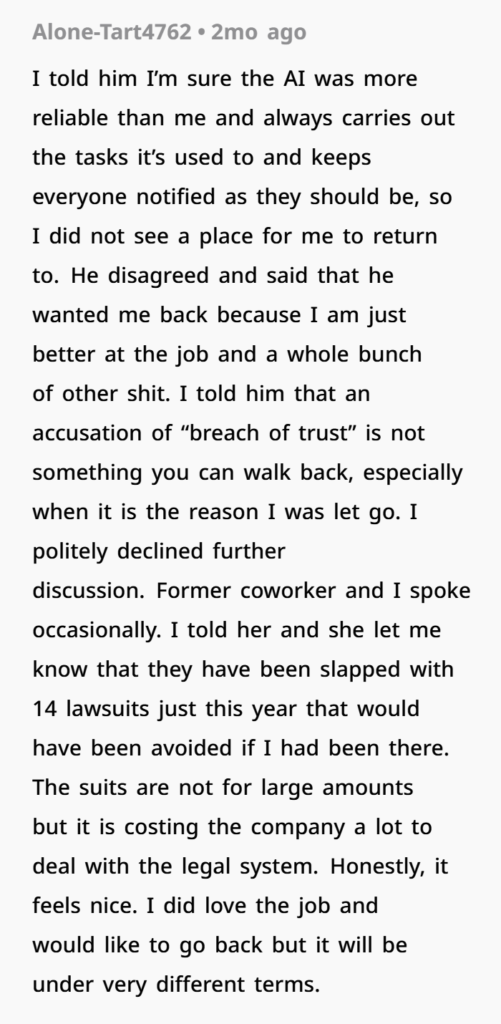
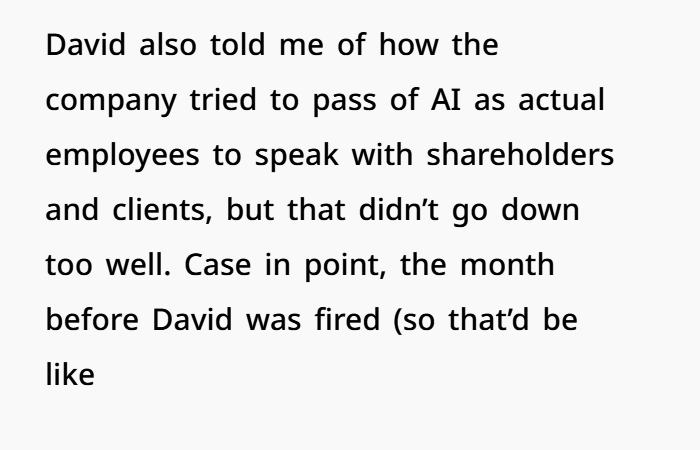
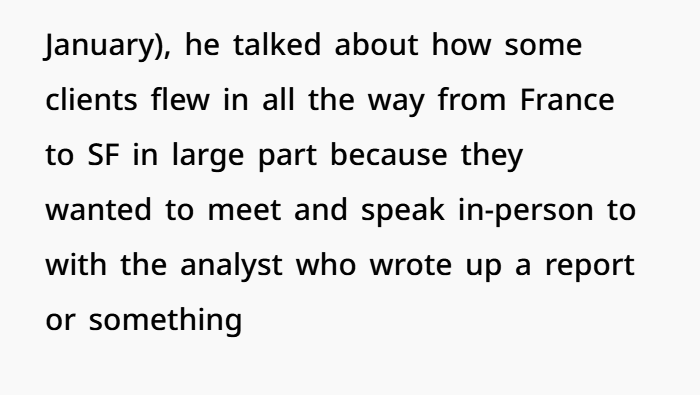
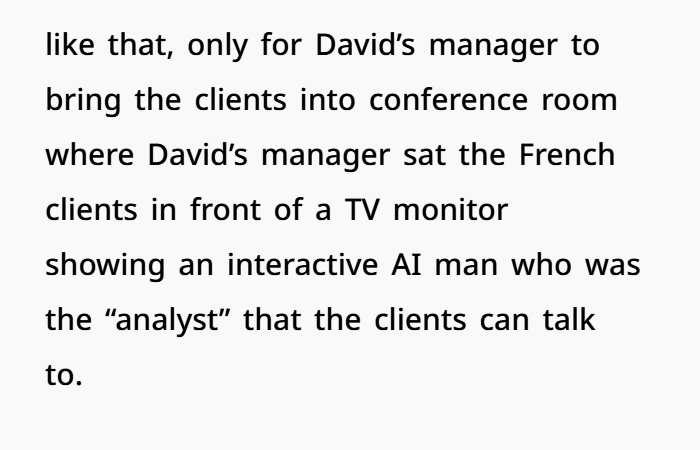
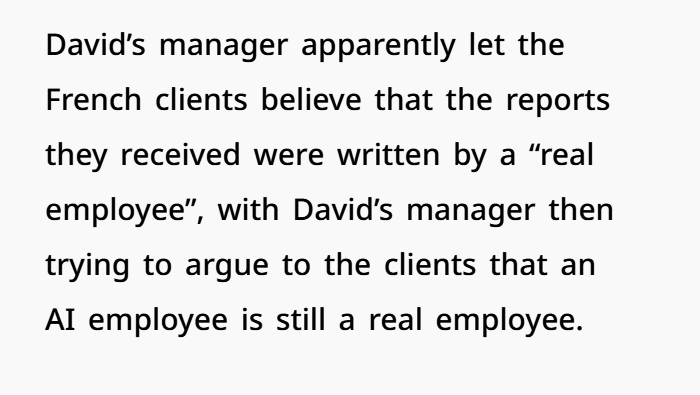
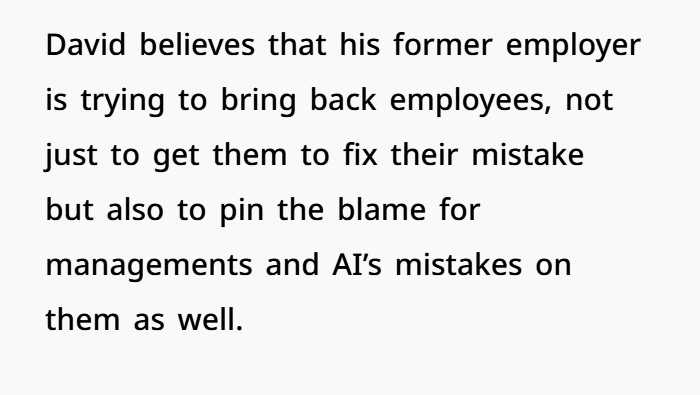
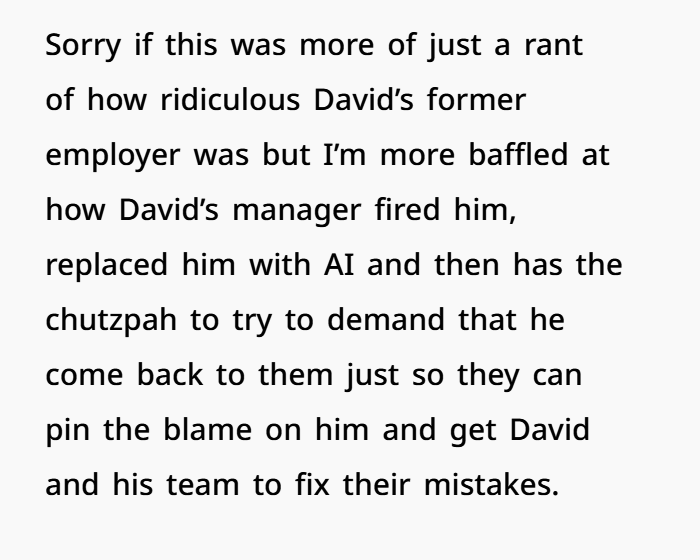
A business owner decided to replace his employees with AI because he believed technology could do the same work with fewer expenses. He expected the company to become more efficient and save money by using automation tools.
However, things did not go as planned. The AI system struggled with important tasks, and the company started facing problems with workflow, accuracy, and business operations. The decision that was supposed to improve productivity created more challenges instead.
The owner later asked the employees he had removed to come back and help repair the damage. This situation highlights the importance of using AI responsibly. Technology can support businesses, but human skills, experience, and decision-making are still valuable for business growth.

Companies Are Learning That AI Cannot Replace Everything Humans Do
Artificial intelligence has become one of the biggest topics in the business world. Many companies are using AI tools to improve productivity, save time, and make daily work easier.
At the same time, there are growing concerns about AI replacing jobs. Some businesses have reduced their workforce after deciding that technology could handle certain tasks.
The idea behind this decision is easy to understand. AI systems can work quickly, process huge amounts of data, and help companies lower operating costs. For businesses focused on growth and efficiency, AI automation can look like a powerful solution.
But real-world results have shown that AI is not perfect.
Many companies have discovered that some jobs need human thinking and experience. Tasks that involve understanding people, making decisions, solving unexpected problems, and using creativity are often difficult for AI systems to handle alone.
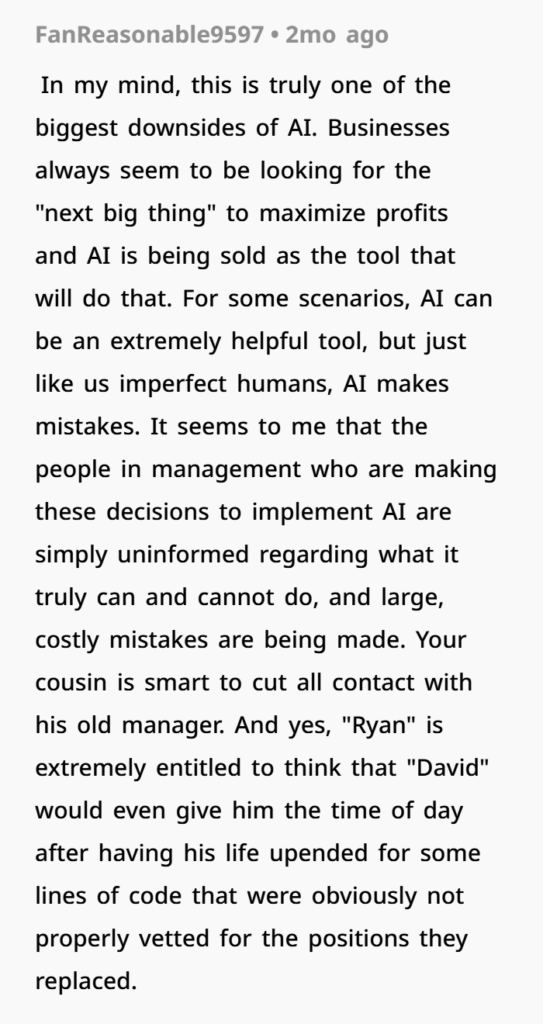
In some cases, businesses that removed employees because of AI later had to hire people again. They realized that AI could support workers but could not fully replace the knowledge and judgment that experienced employees bring.
This is an important point for companies planning their future workplace strategy. AI should be viewed as a tool that helps employees, not simply a replacement for them.
AI technology can be very useful in areas like data analysis, customer support, marketing automation, and business operations. However, human oversight is still needed to make sure the information is correct and the results are useful.
One major challenge with AI is that it can sometimes create false information. These mistakes are often called AI hallucinations. The system may provide an answer that sounds accurate but is actually wrong.
This creates risks for businesses, especially in areas where accuracy matters. Companies working with financial services, healthcare information, legal documents, or customer data need strong quality checks and responsible AI practices.
The future of work will likely involve both humans and artificial intelligence working together. Employees who learn new digital skills and understand AI tools may have more opportunities in the changing job market.
Instead of asking whether AI will replace humans, businesses may need to ask a better question: How can AI help people do better work?
The companies that find the right balance between automation, employee skills, and technology investment are more likely to succeed in the future.
Comments From The Community