When a Friendship at Work Feels Too Close: A Marriage Dilemma
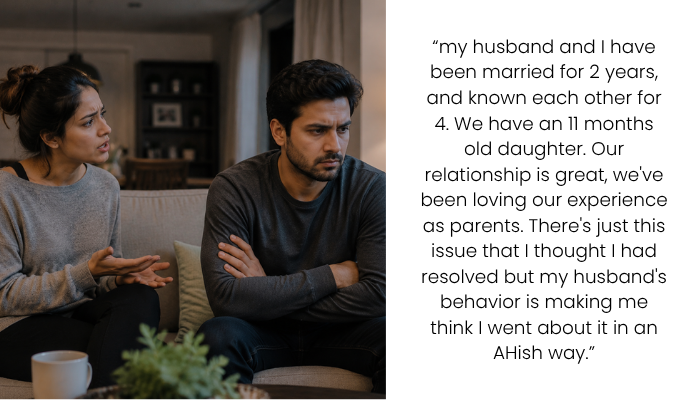
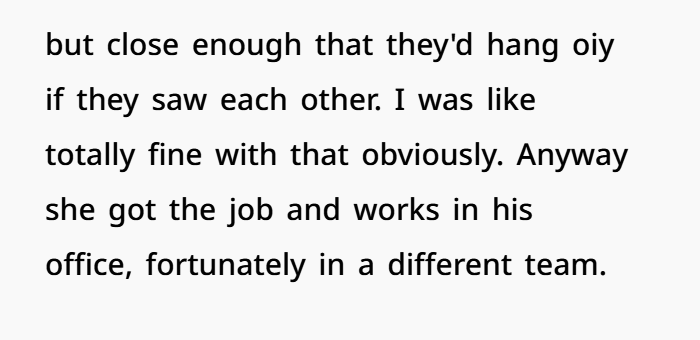
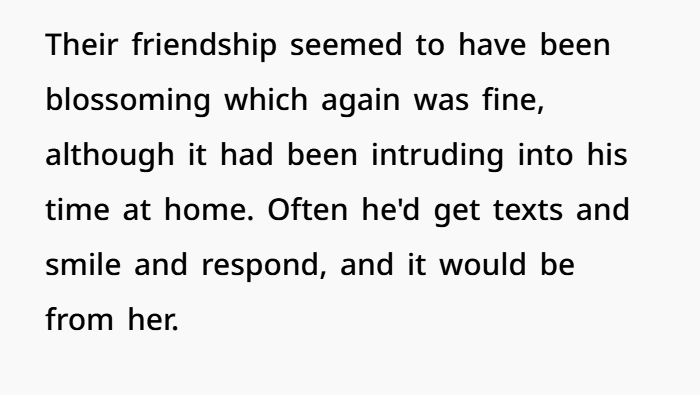
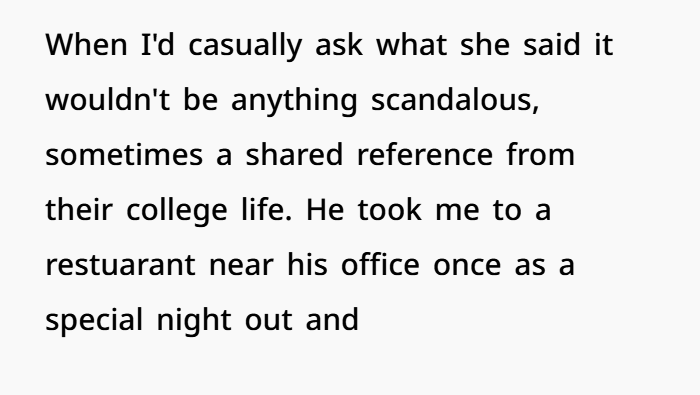
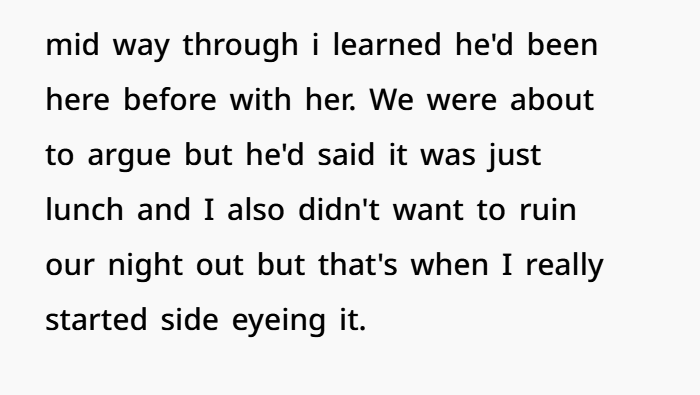
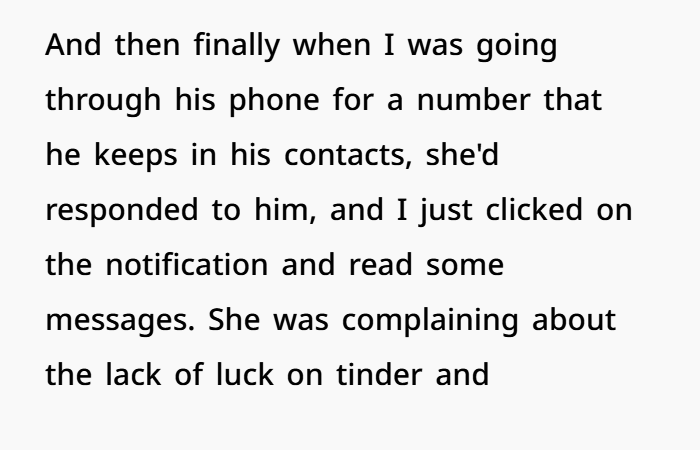
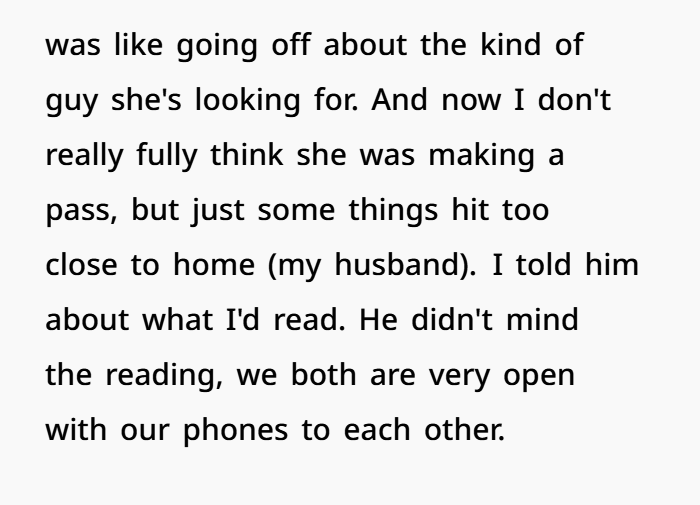
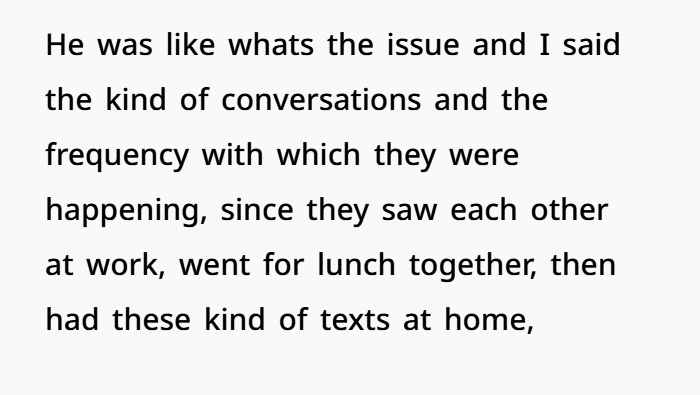
I (28F) have been married for 2 years and have an 11-month-old baby girl. Overall, my marriage has been good, but recently I started feeling uncomfortable about my husband’s close friendship with a female coworker from his college days. At first, their contact seemed normal, like texting, having lunch, and casual conversations. But over time, it began to feel too personal and emotionally close.
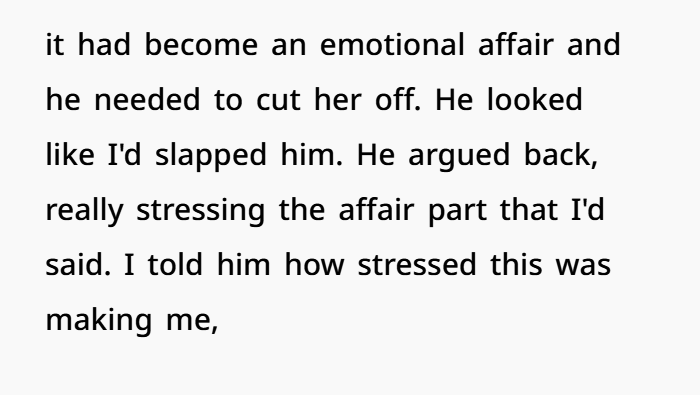
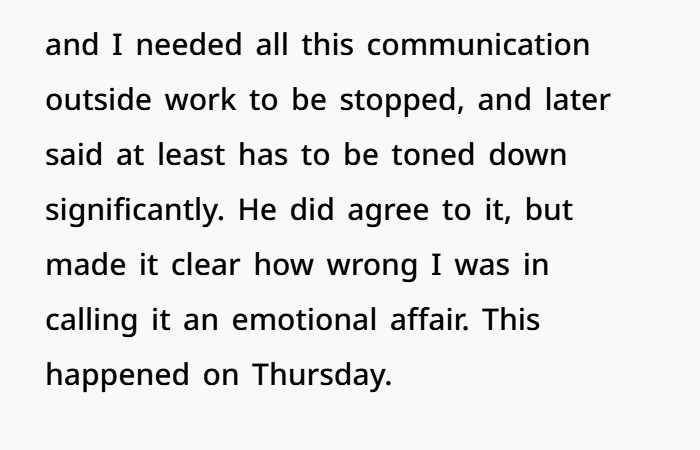
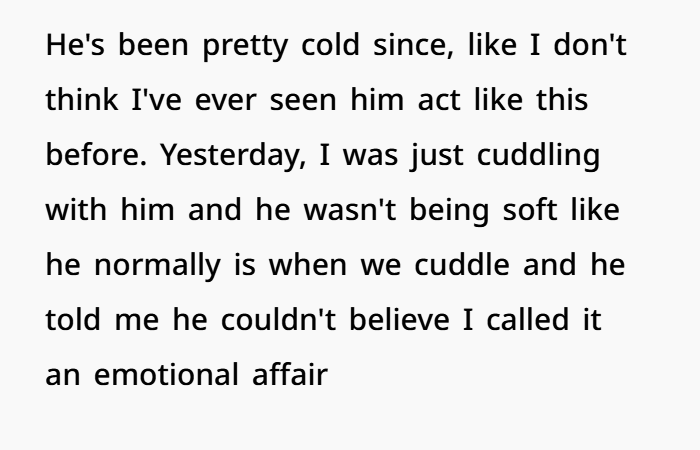
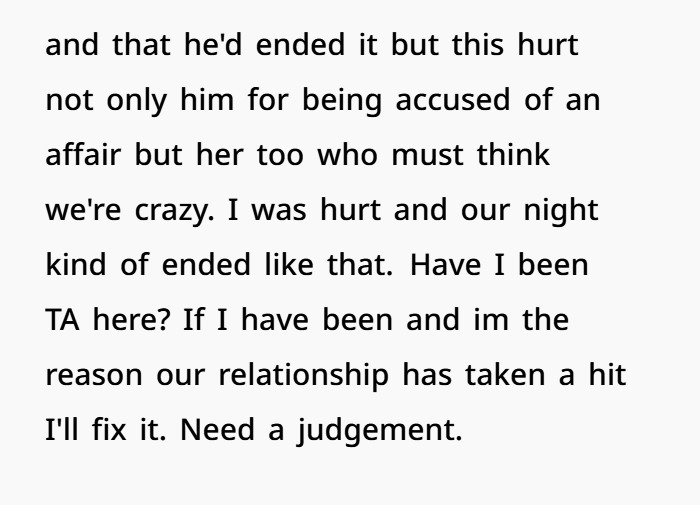
I spoke to my husband about it and told him I felt like it could be turning into an emotional affair. I asked him to reduce communication with her and set clearer boundaries. He agreed to do it, but I could see he was hurt by the conversation. After that, he became more distant, and our emotional connection and intimacy started to change.
Now I’m not sure if I reacted too strongly or if my concerns were valid. The situation has created stress in our marriage, especially while we are also adjusting to life with a young child and new parenting responsibilities. We both seem unsure how to move forward without causing more distance between us.
This situation highlights how important trust, emotional boundaries, and clear communication are in marriage. Many couples also find marriage counseling helpful when dealing with issues like friendship boundaries, emotional connection, and maintaining a healthy relationship after having children.

Emotional Affairs, Boundaries, and Trust in Marriage: Simple Explanation
Trust in marriage is very important, but it can become complicated when one partner feels uncomfortable about a close friendship outside the relationship.
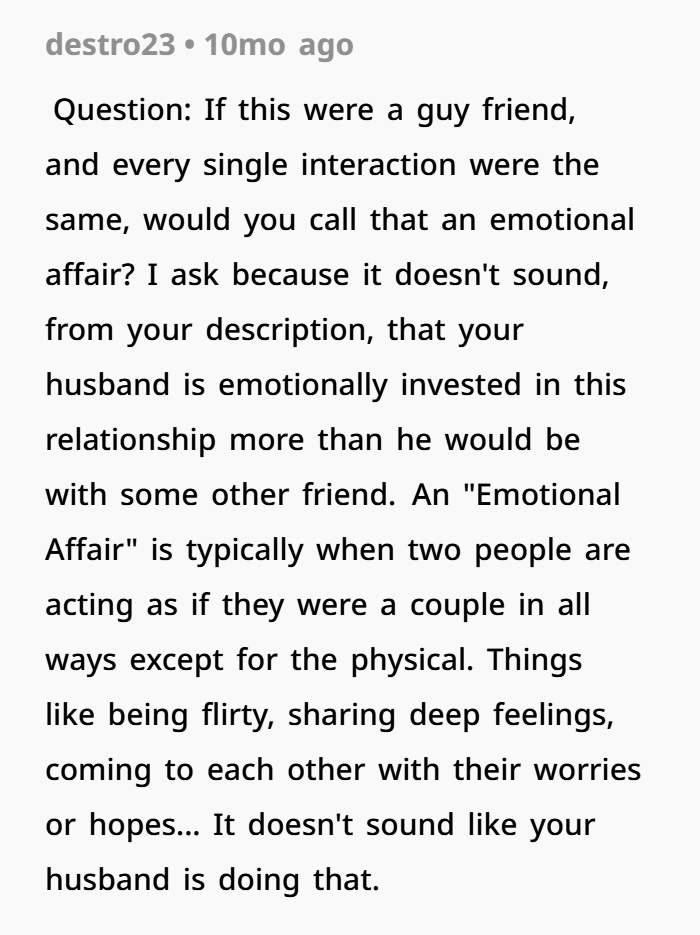
An emotional affair is when someone shares emotional closeness with another person outside their marriage. This can include:
- Frequent texting
- Personal conversations
- Inside jokes
- Sharing private feelings
- Spending more attention on someone else than a spouse
Even without physical cheating, this kind of emotional connection can still feel like betrayal in a marriage.
Why This Situation Felt Uncomfortable
In this case, the husband had a close friendship with a coworker. They talked often, met for lunch, and shared personal details.
Even if nothing inappropriate was intended, these behaviors can still feel like emotional distance in a marriage. In marriage counseling and relationship psychology, these are sometimes seen as early warning signs of emotional boundaries being crossed.
It is normal to feel hurt or worried in this situation.
Why the Words Used Matter
Calling something an “emotional affair” is a strong label. Even if someone feels hurt, the wording can feel like an accusation.
In couples communication and conflict resolution, labels can increase tension because the other person may feel blamed or misunderstood.
This is why the husband reacted with shock and distance.
Intent vs Feelings
Intent is important. The goal was not to accuse or control, but to protect the relationship.
In healthy marriages, it is normal to talk about uncomfortable feelings and set boundaries. Experts in relationship communication skills say early conversations about concerns can prevent bigger problems later.
Even if the message was hard to hear, the concern came from a place of protecting the marriage.
Why Boundaries Are Important
The husband agreed to reduce contact with the coworker. This shows he understood the concern and is willing to respect boundaries.
In marriage boundary setting, healthy steps may include:
- Reducing personal texting
- Limiting one-on-one time
- Keeping conversations work-related
- Avoiding sharing very private details
These changes help protect trust and emotional comfort in the relationship.
Stress Can Make Things Worse
Life stress can also play a big role. With a young baby, work pressure, and daily responsibilities, emotions can feel stronger.
In family stress and mental health research, tiredness and parenting pressure can make people more sensitive to small situations. Something that seems harmless can feel much bigger during stressful times.
Rebuilding Trust After Conflict
After a disagreement like this, it is important to rebuild emotional connection.
Helpful steps in marriage recovery and relationship repair include:
- Calm conversations
- Reassurance of love and trust
- Spending quality time together
- Avoiding blame language
- Showing appreciation
The goal is to fix emotional distance, not just solve the problem.
Why Coworker Friendships Need Limits
Work friendships are normal, but they can sometimes become too close if not managed carefully.
In workplace relationships and marriage health, experts recommend keeping clear limits when:
- Conversations become very personal
- Communication happens outside work often
- One person becomes emotionally dependent
This helps prevent misunderstandings in relationships.
Early Action Can Prevent Bigger Problems
Talking about concerns early is important. Waiting too long can sometimes lead to bigger emotional distance or resentment.
In relationship counseling advice, early boundary-setting is seen as a healthy step, even if it feels uncomfortable at first.
Moving Forward in a Healthy Way
Right now, your partner may feel hurt by the label, even if your concern was valid. This is why gentle communication is important moving forward.
Simple steps include:
- Explaining your feelings calmly
- Reassuring trust in the relationship
- Focusing on solutions, not blame
- Being patient during emotional recovery
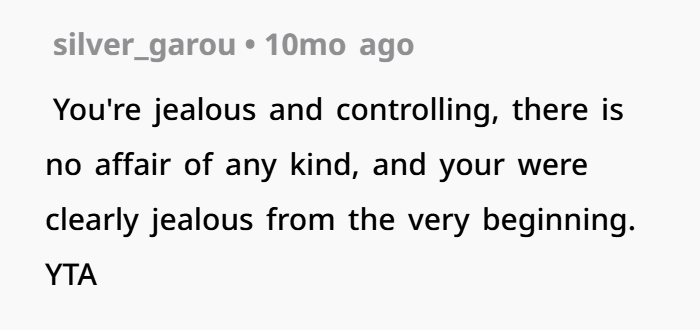
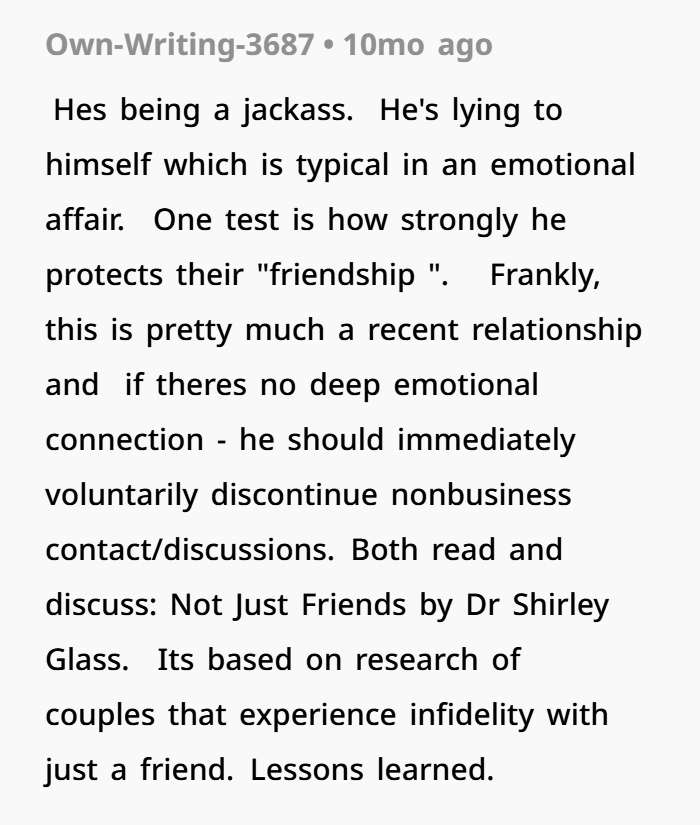
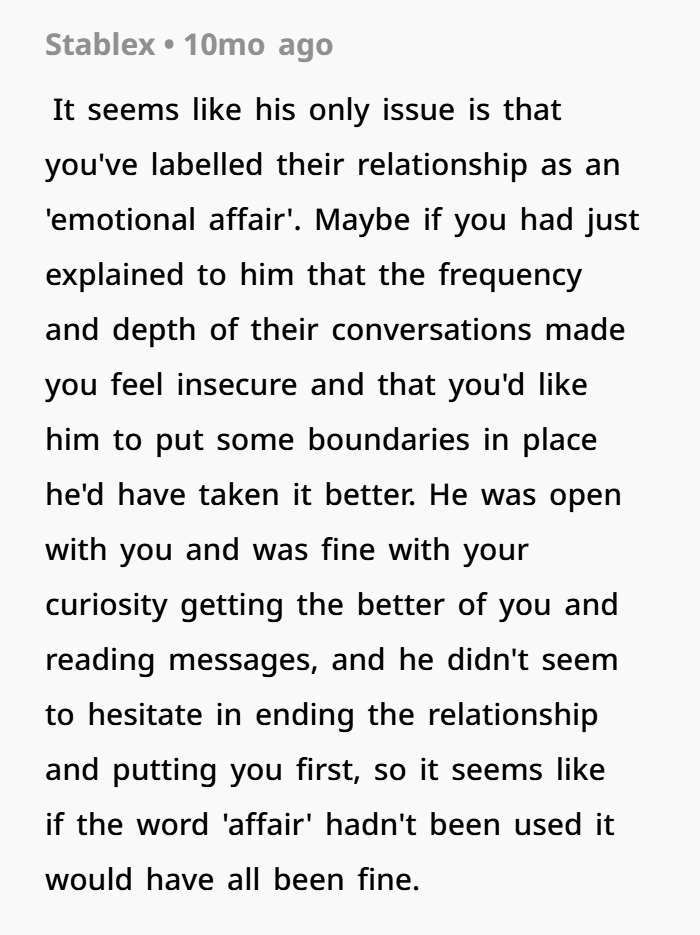
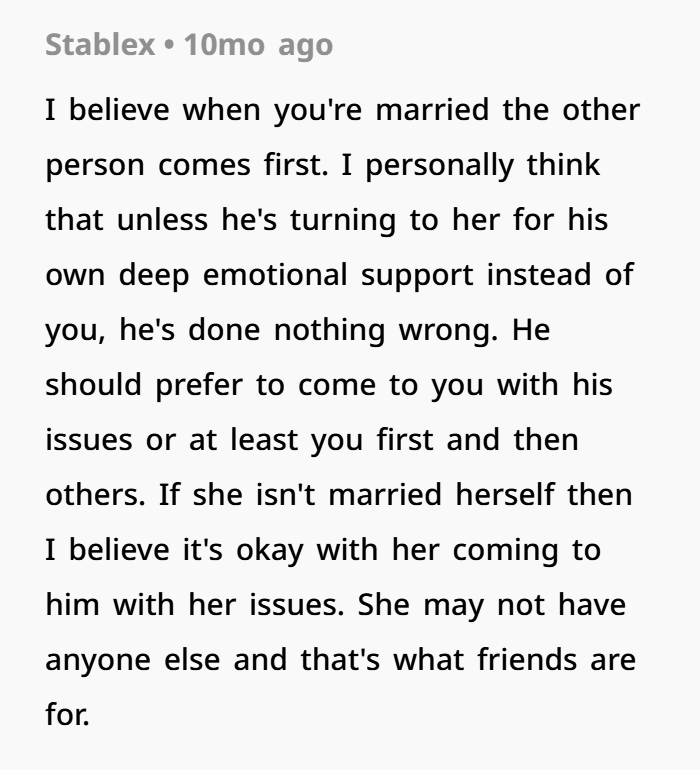
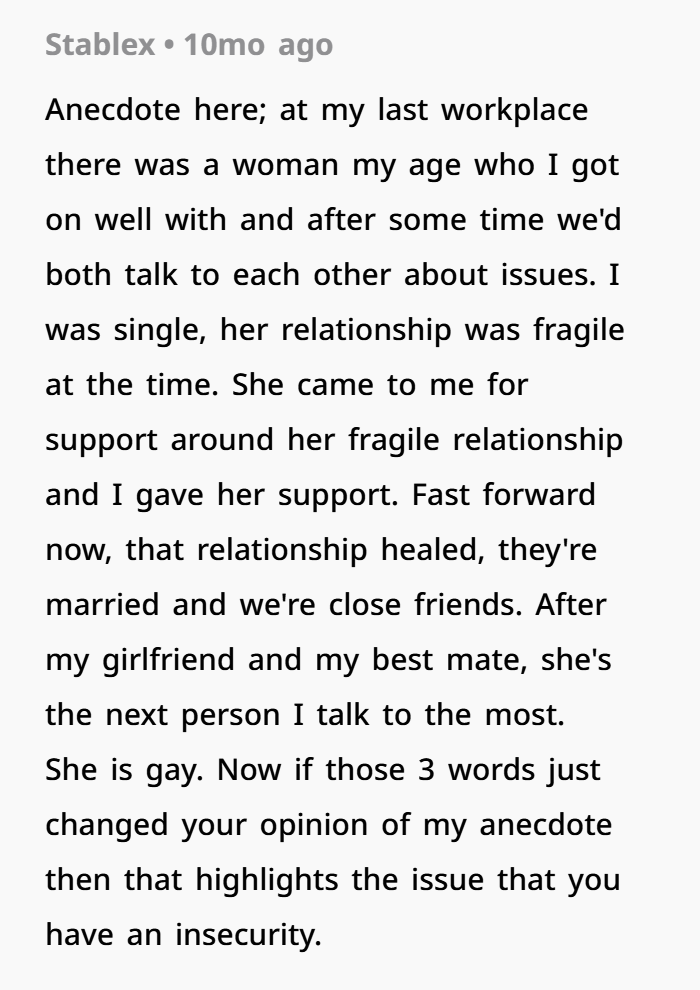
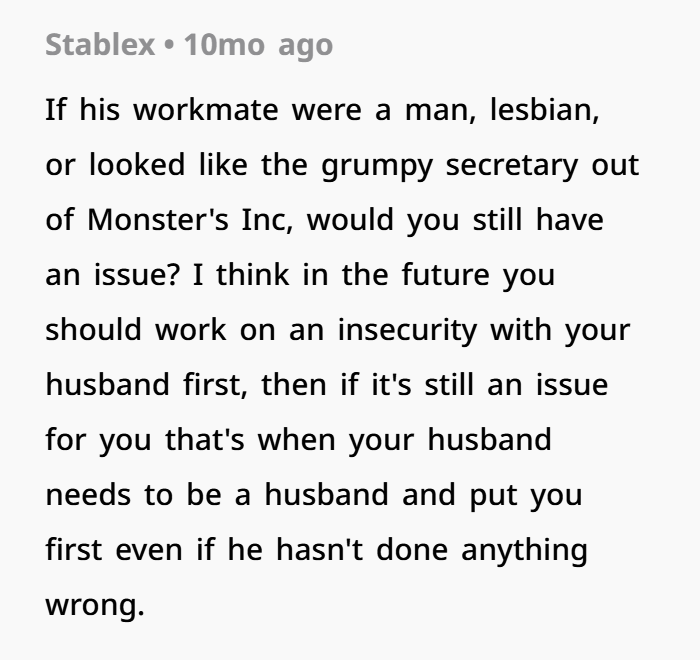
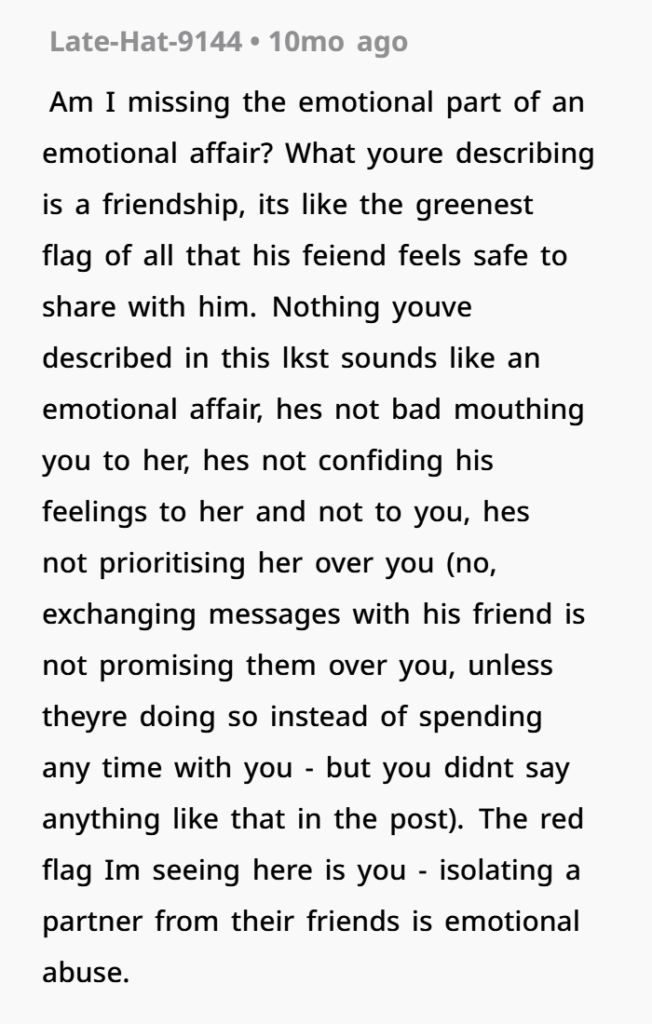
The Comments Are In

Final Thoughts
This situation is not about blame—it is about emotional boundaries, trust, and communication in marriage.
Feeling uncomfortable in this situation is normal. Emotional connections outside marriage can feel threatening, especially when they involve frequent contact and personal sharing.
With calm discussion, clear boundaries, and emotional reassurance, couples can repair trust and strengthen their relationship. Early communication and mutual respect are key to preventing future issues and keeping a healthy, stable marriage.