Employees Question Workplace Tracking Policy After Boss Introduces Location Monitoring App

Some managers like to keep a close eye on their employees, but too much monitoring can sometimes create stress in the workplace. While companies may use certain tools to improve productivity and protect business information, employees also value trust, respect, and privacy during their workday.
In one situation, a lawyer shared her concerns after her employer introduced a new workplace policy. She believed the policy went too far and affected employee privacy. She decided to speak openly about the issue instead of ignoring her concerns.
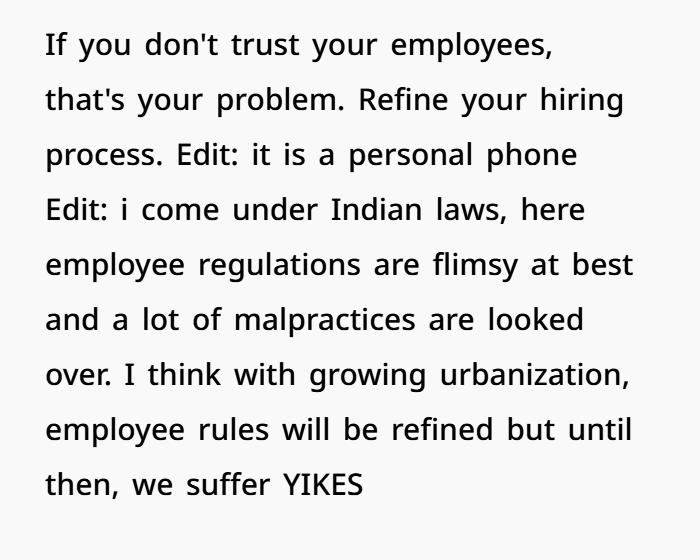
The lawyer later shared her experience online, where many people discussed the topic. Readers shared different opinions about workplace rules, employee privacy, and how companies can create fair policies that support both business goals and worker rights.
This story shows the importance of having a healthy workplace culture. Companies can improve employee satisfaction by creating clear guidelines, respecting privacy, and building trust between management and employees. A balanced approach to workplace policies can help create a more positive and productive work environment.

Workplace Monitoring: Keeping Business Safe While Respecting Privacy
Many companies use technology to manage their work and protect important business information. Workplace monitoring tools can help businesses improve security, protect company data, and make sure employees use company resources correctly.
For example, some employers monitor company laptops, work emails, internet use on business devices, and company vehicles. These tools can help companies manage daily tasks, improve productivity, and protect valuable business assets.
However, monitoring a personal phone or an employee’s private activities is different. Many workers believe they should have privacy when using their own devices outside of work.
Because of this, companies should create clear workplace privacy policies. Employees should know what information is collected, why it is collected, and how their personal data is kept safe.
Workplace tracking can be useful when it has a clear reason. For example, businesses may use location tracking for company vehicles, employee safety, delivery services, or managing work-related travel.
Experts recommend that companies collect only the information they actually need. Collecting too much personal data can create privacy concerns and may reduce trust between employees and employers.
Many employees worry about how their information is stored and who can access it. They may also be concerned about cybersecurity threats, such as data breaches or unauthorized access to private information.
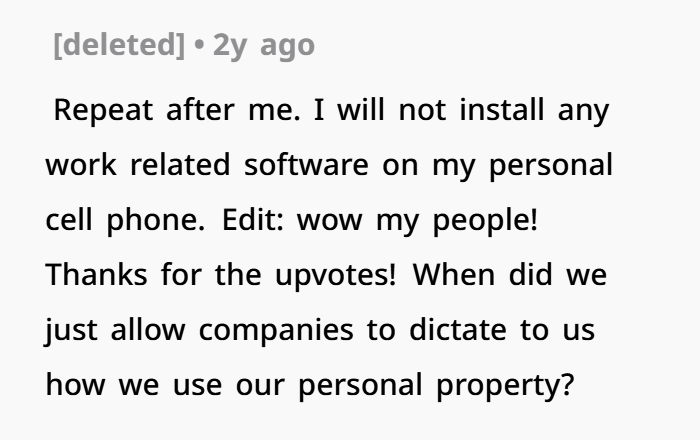
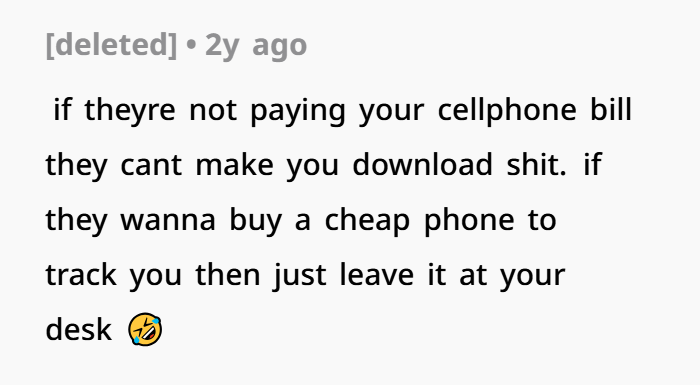
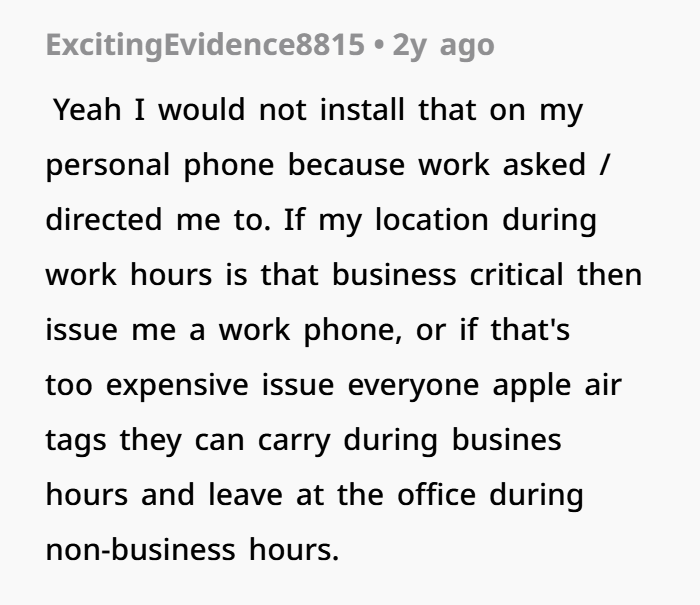
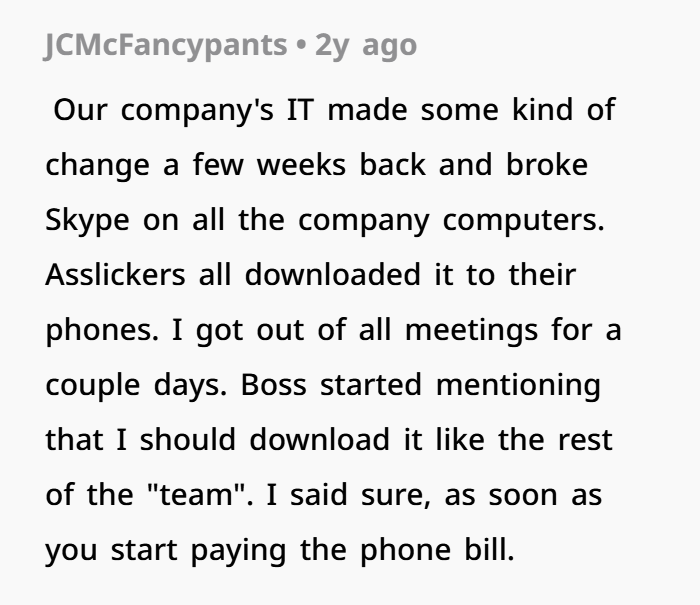
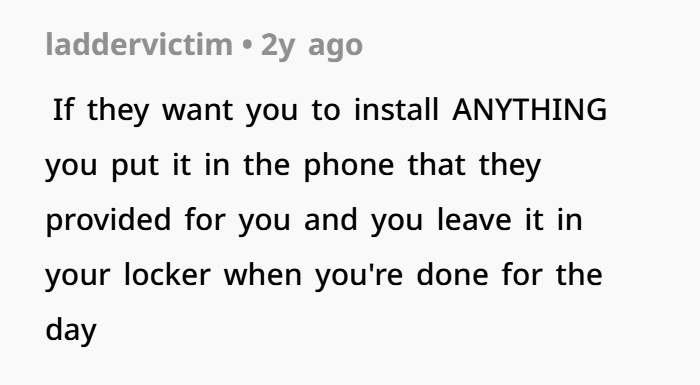
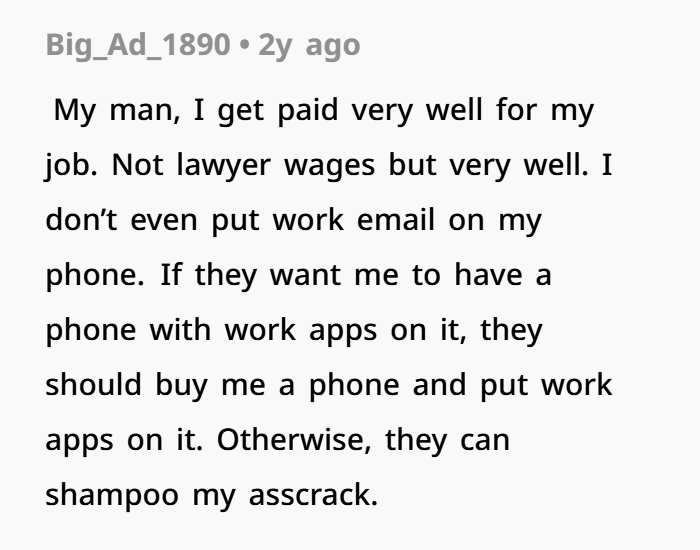
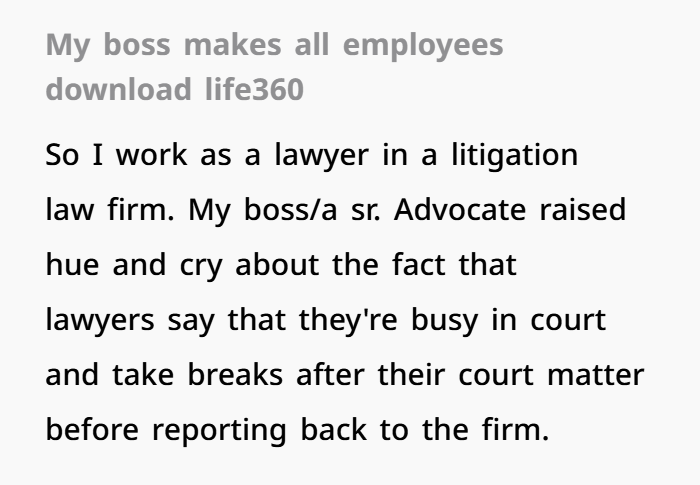
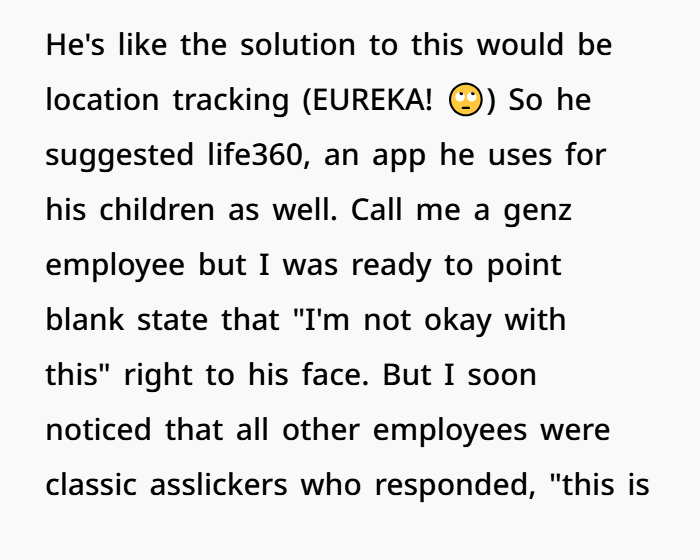
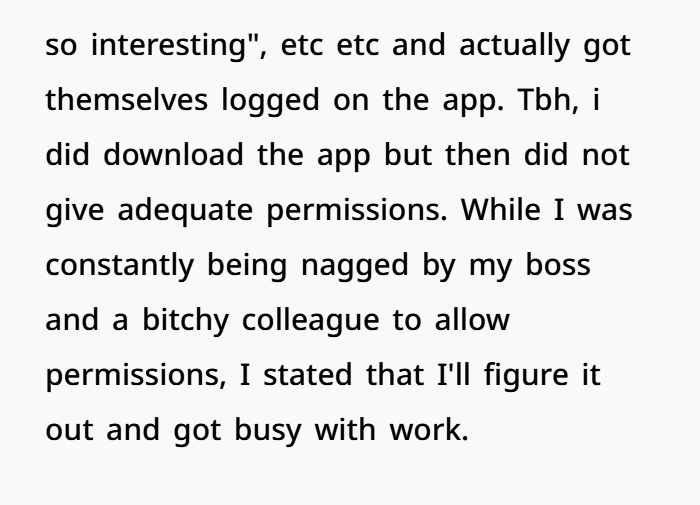
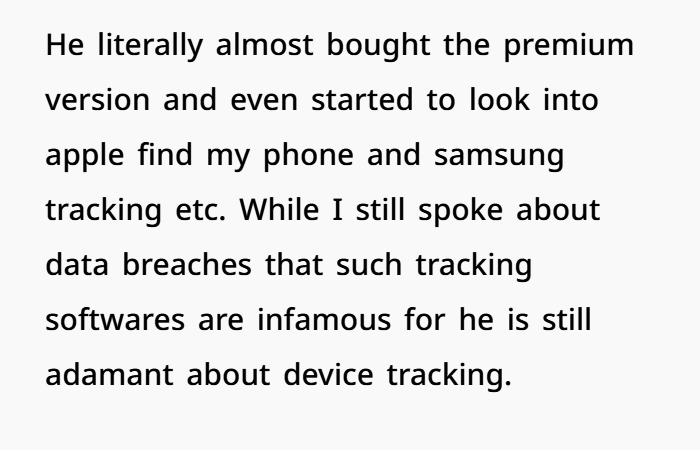
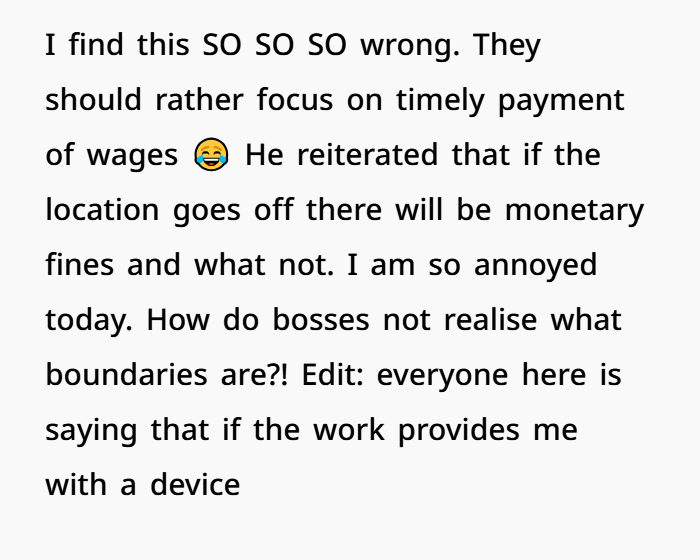
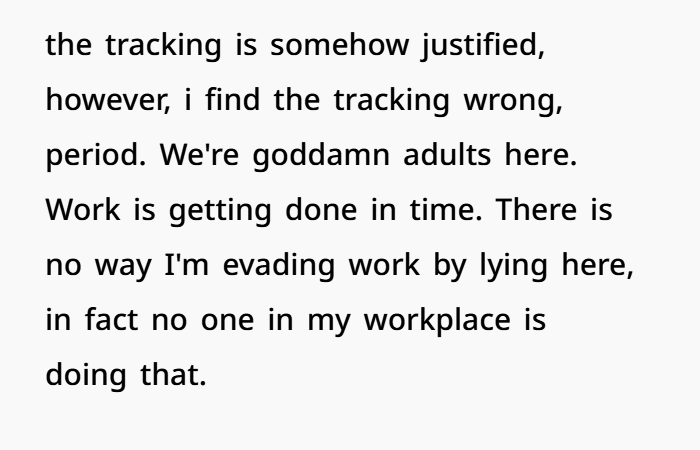
One legal professional shared concerns about a workplace rule that required employees to use a location-tracking app. The concern was that personal information could be collected and shared without enough protection.
As businesses rely more on digital tools, data security has become an important part of modern workplaces. Companies can protect sensitive information by using strong security practices, including secure passwords, multi-factor authentication, and clear data protection policies.
A successful workplace monitoring system should create a balance between business needs and employee privacy. Companies can use technology responsibly by being open about their policies and respecting personal boundaries.
When employees understand how monitoring works and feel their privacy is respected, companies can build stronger trust while keeping their business operations secure.
Comments From The Community