He Had a Girlfriend… But Kissed Me Anyway — Was I Wrong?
This is one of those situations where nothing feels black and white. It’s all mixed—emotions, attraction, and dating boundaries all tangled together. You met him at a work event, felt that instant vibe, and naturally started spending more time together. Conversations got deeper, more personal. Even though you knew he had a girlfriend, you didn’t actively push things or try to cross a line. But connections like this? They build quietly. This is exactly the kind of thing people talk about when discussing emotional attachment in relationships or workplace romance risks.
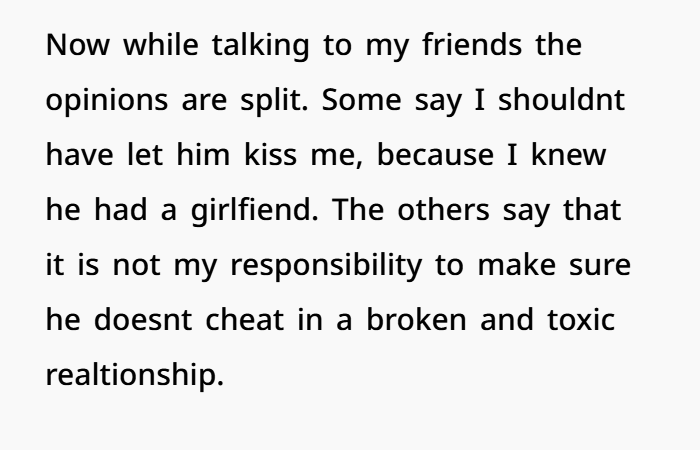
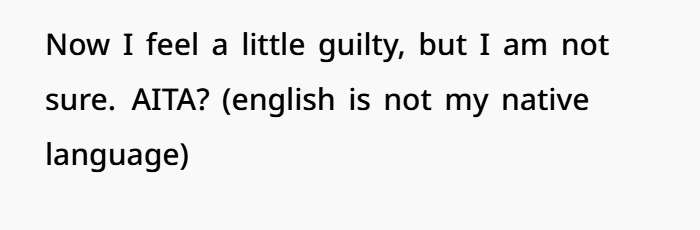
Then came the shift. He started opening up about his relationship—calling it toxic, talking about cheating and control issues. That kind of vulnerability pulls people closer. And in one quiet moment, he leaned in and kissed you. You didn’t plan it, but you didn’t stop it either. Now you’re questioning yourself—did you do something wrong? Some friends say yeah, you crossed a boundary. Others say it wasn’t your responsibility to control his choices. And that’s why it feels so complicated. Because when it comes to relationship advice and moral boundaries in dating, both arguments can feel right at the same time.

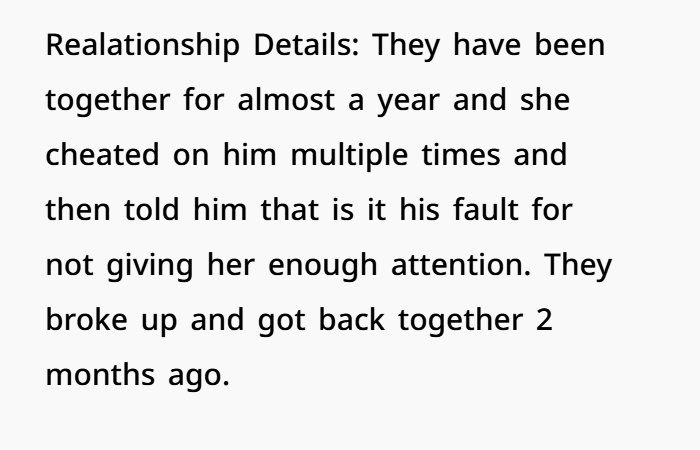
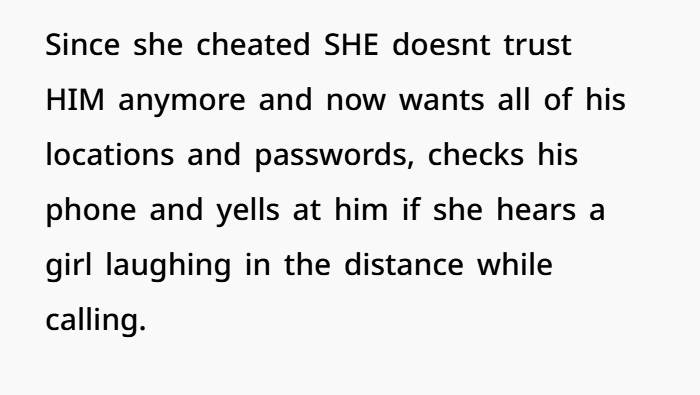
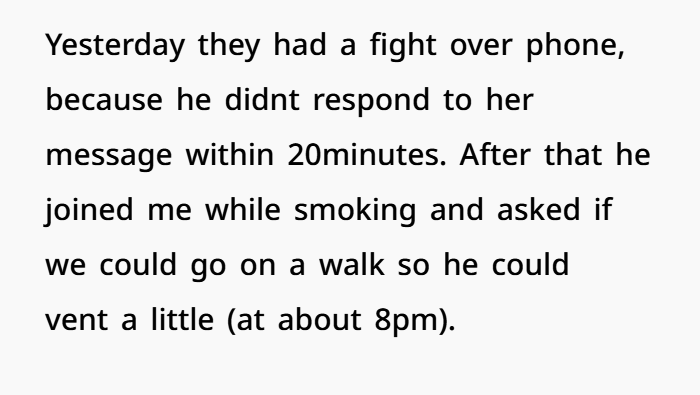
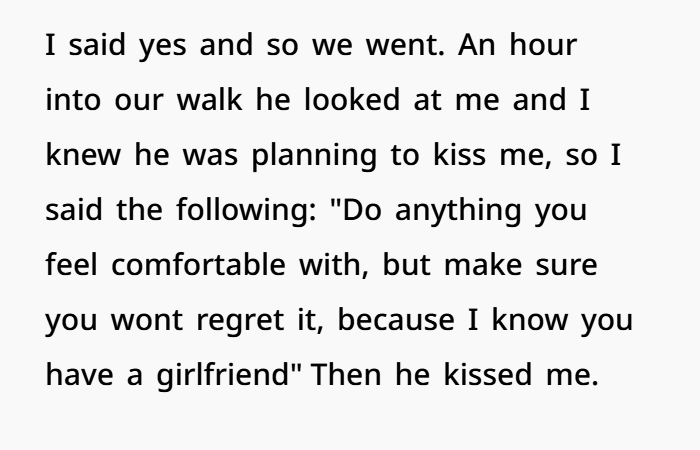
Let’s break this down properly—no sugarcoating. This isn’t just about a kiss. It’s about relationship boundaries, emotional responsibility, and what happens when you get pulled into someone else’s messy situation. Stuff like this comes up a lot in relationship advice and dating psychology, because it’s rarely simple.
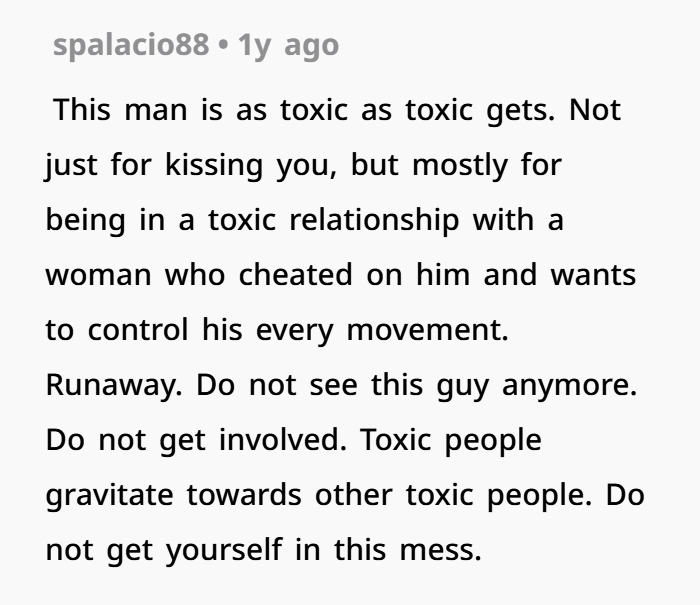
First, him. He’s clearly stuck in what most people would call a toxic setup. His girlfriend cheated, flipped the blame on him, and now she’s the one acting controlling and suspicious. That’s classic toxic relationship behavior—blame-shifting, control, emotional ups and downs. Anyone dealing with that is probably mentally drained, confused, and yeah… looking for some kind of escape. That’s where emotional validation starts to matter more than it should.
And that’s where you come in.
You became that safe space. Maybe not on purpose, but it happened. You listened, gave him attention, didn’t judge him. That kind of connection builds fast—especially in work settings where you’re already spending time together. In relationship psychology, this is often called emotional displacement. Basically, he started putting his unmet needs onto you instead of dealing with his relationship.
Now here’s the key part—this kind of emotional closeness feels harmless at first. But most of the time, it leads exactly where this went.
The walk. The deep talks. That quiet moment. And then the kiss.
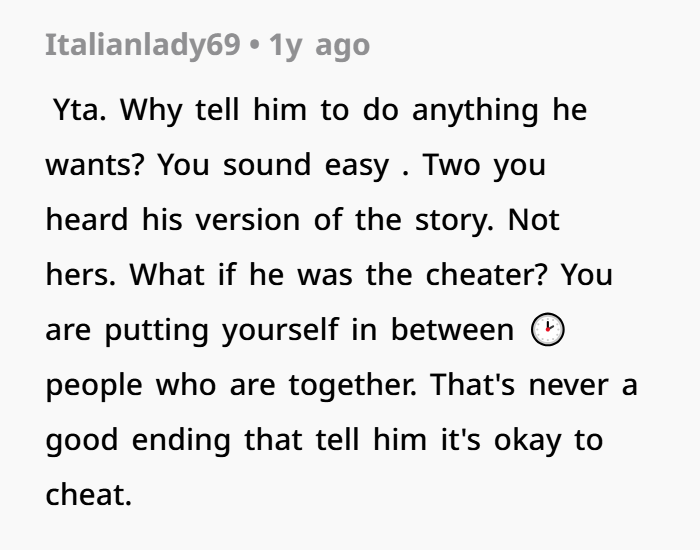
And yeah, to be fair—you didn’t exactly encourage it. What you said—“make sure you won’t regret it”—shows you knew there was a line. That’s awareness. But at the same time, you didn’t shut it down either. You didn’t fully close that door. And in situations like this, leaving things open can be enough for something to happen.
That’s where your responsibility comes in—not equal to his, but not zero either.
Because here’s the truth:
You knew he had a girlfriend.
You knew he was emotionally vulnerable.
You knew he was leaning toward something crossing a line.
And instead of shutting it down clearly, you allowed it to happen.
That doesn’t make you a terrible person. It makes you human. Attraction plus emotional closeness is a powerful mix. But it does mean you had some level of agency in that moment.
Now let’s flip it—because a lot of people will say: “It’s not your relationship, not your responsibility.”
And yeah… that’s partially true.
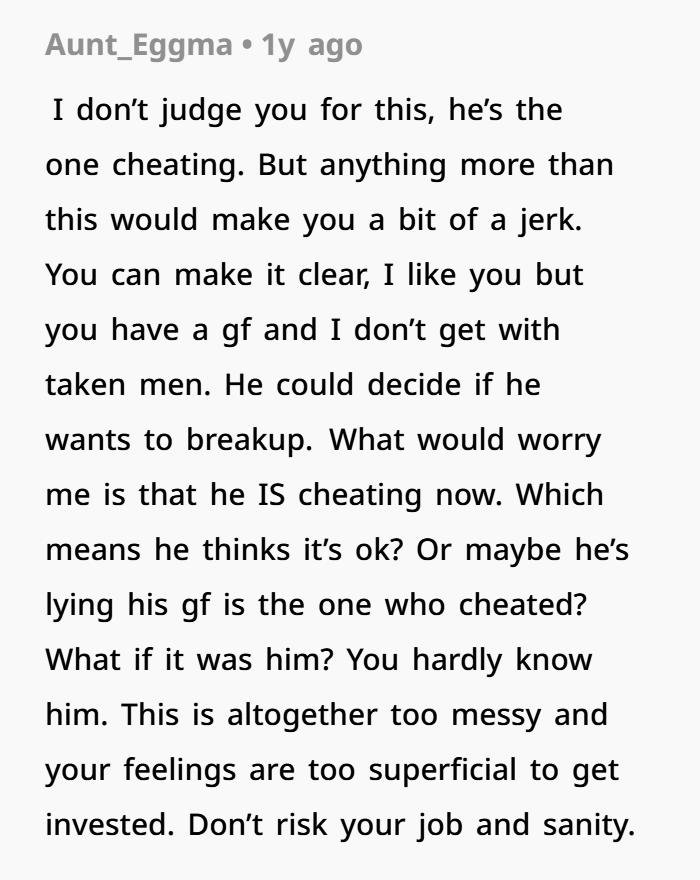
Let’s be clear about one thing—he’s the one who made the commitment. He chose to kiss you. He chose to cross that line. So when it comes to cheating in relationships and accountability, yeah… that’s on him. No debate there. Even if his relationship is a complete mess, the right move would’ve been to end it first. That’s basic relationship ethics.
But yeah, there’s another side too. Socially and morally, there’s this idea of respecting boundaries in relationships. Even if you’re not the one committed, being aware and still getting involved can feel a bit… off. Not something unforgivable, not some huge mistake—but not fully clean either. And that’s probably why you’re feeling this guilt. Not because you did something terrible, but because it didn’t fully match your own personal values.
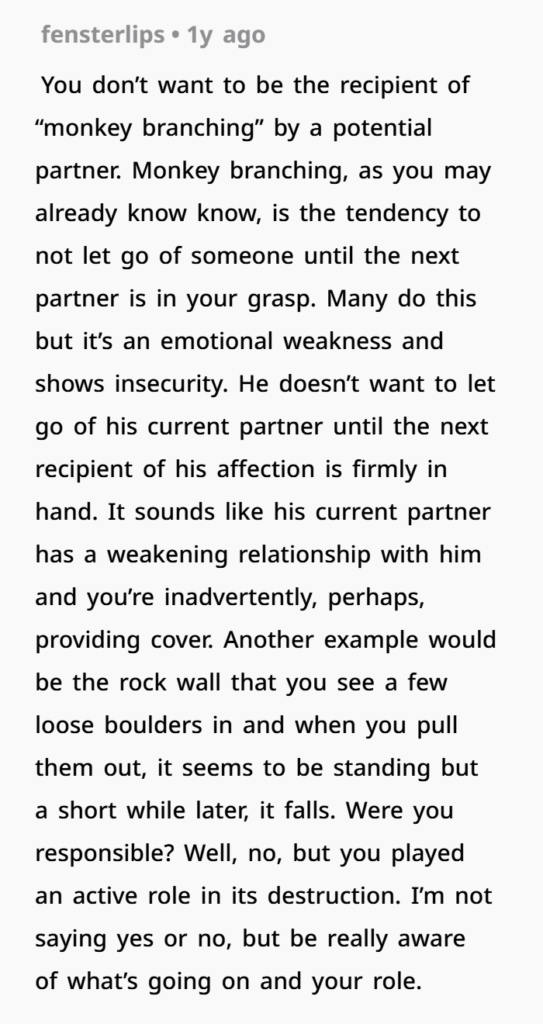
Now about the “he’s in a toxic relationship” angle. This is where people often justify things. It’s easy to think, “well, it’s already broken anyway.” But in reality, that’s how a lot of emotional affairs start. Instead of ending one relationship properly, people slowly slide into another. And honestly? That rarely ends well. It creates overlap, confusion, and more emotional damage.
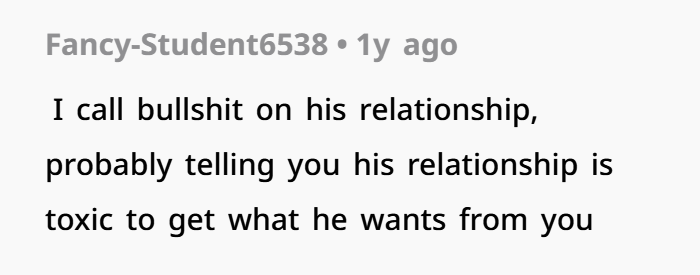
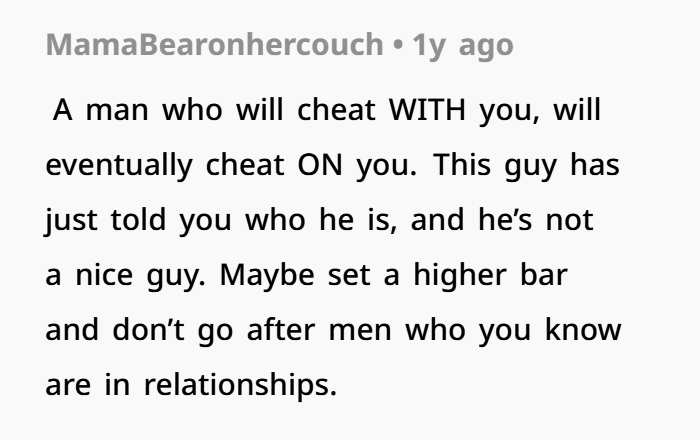
Because think about it—if he can cross a line before ending things there, it raises questions. Not saying he will repeat it, but it’s a pattern worth noticing. This kind of behavior is often discussed in dating advice and relationship red flags for a reason.
Also, don’t ignore the work situation. You’re both in the same environment for weeks. That adds pressure. Awkward moments, tension, possible drama if things come out. Workplace relationships can get complicated fast, especially when emotions are already involved.
Now about that guilt you’re feeling.
Guilt doesn’t always mean you did something wrong. Sometimes it just means your actions didn’t fully align with your values. And honestly, that’s useful. It helps you figure out your boundaries for the future. That’s how emotional growth actually happens.
So instead of asking “Am I the asshole?” a better question might be:
“Did I act in a way I’d feel fully comfortable repeating?”
If the answer is no, then that’s your takeaway.
Not shame. Not overthinking. Just clarity.
Comments From The Community
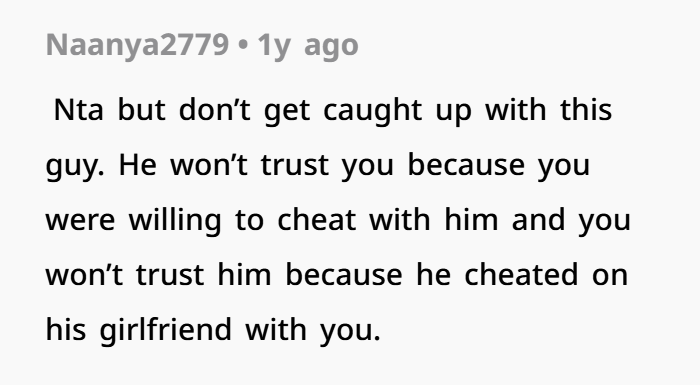
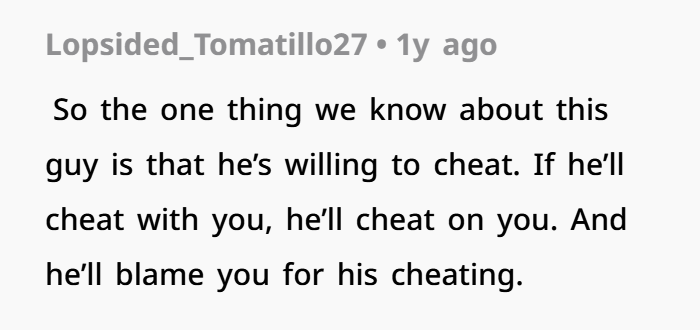
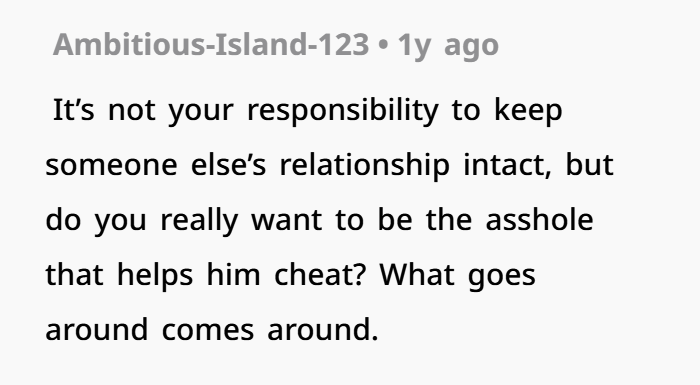
You’re not the asshole—but you’re not completely in the clear either.
He carries the bigger responsibility. It’s his relationship, his choice, his boundary to maintain.
But you did see it coming… and you didn’t stop it.
So this sits in that honest middle ground:
A human moment, a blurred boundary, and a lesson for the future.
If anything, the real move now is deciding what you do next—because that matters more than the kiss itself.