Woman Meets Boyfriend’s Parents and Realizes His Entire Childhood Story Doesn’t Add Up
A 21-year-old woman thought she had met a good partner who was caring and hardworking. But after only three months together, she discovered that her boyfriend had been keeping a major secret about his life.
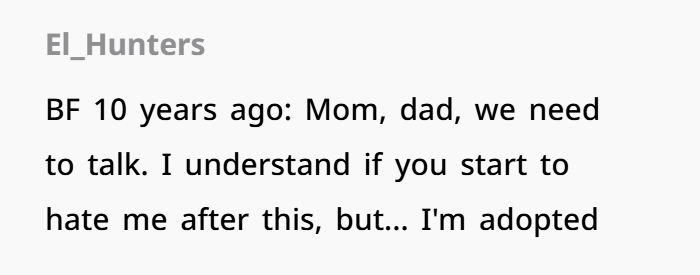
For more than ten years, he had claimed that he was adopted after going through a painful childhood. He told people that he came from another country, lost his birth family, and was raised by adoptive parents.
Instead of getting angry right away, she tried to understand him. She believed there could be a personal reason behind the story and wanted to hear the truth.
But after a few conversations, she found out that the adoption story was false. What started as one surprising discovery soon opened the door to many more questions about honesty, trust, and relationships.
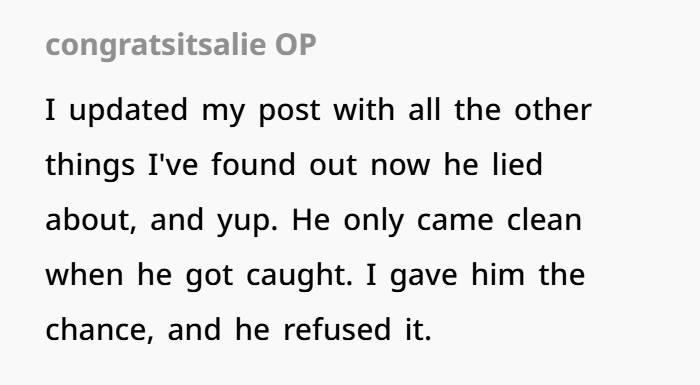
When she confronted him, more lies started coming out. The relationship that seemed built on trust suddenly became a question of what was real and what was made up.







A Strange Feeling That Something Was Not Right
From the beginning, she had doubts about his story.
The details felt unusual. The timeline seemed difficult to believe, but she worried that questioning him would make her seem insensitive toward someone who had experienced a difficult childhood.
Everything changed during a visit to his parents.
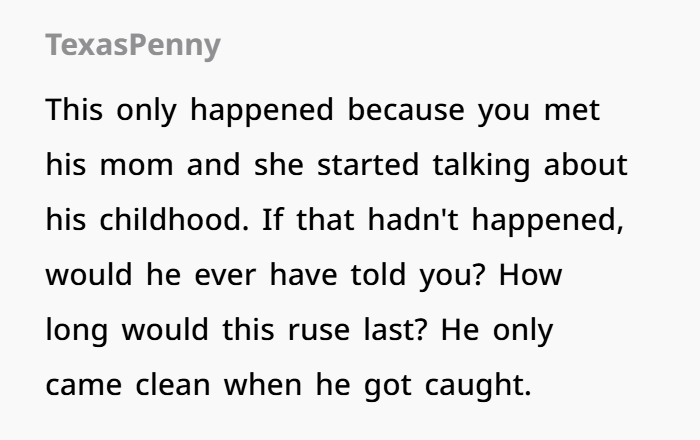
While chatting, his mother started sharing childhood memories about him. The stories did not match what he had told his girlfriend.
He had said he moved to the country at 11 and was adopted at 12. But his mother spoke about raising him from childhood.
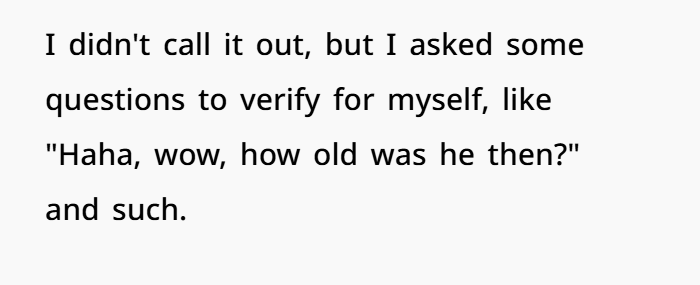
Instead of immediately accusing him, she asked simple questions to understand what was happening.
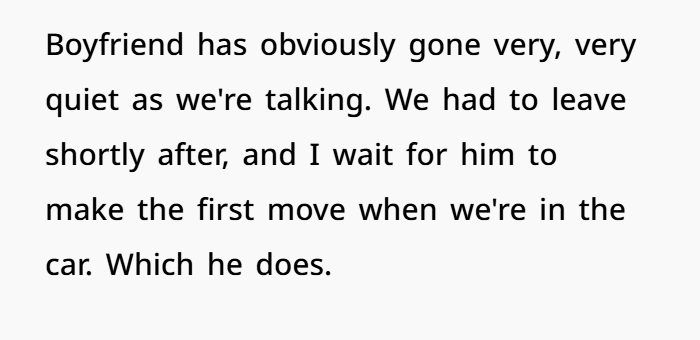
Her boyfriend became quiet.
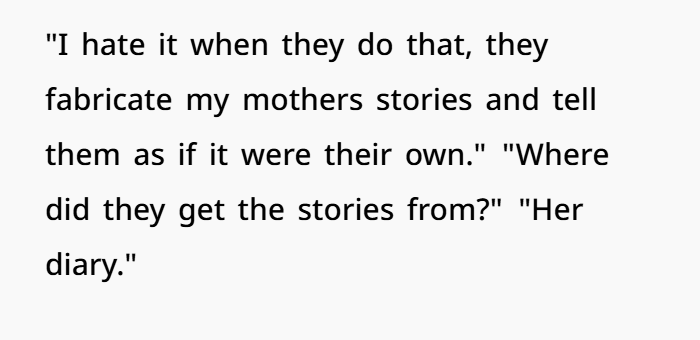
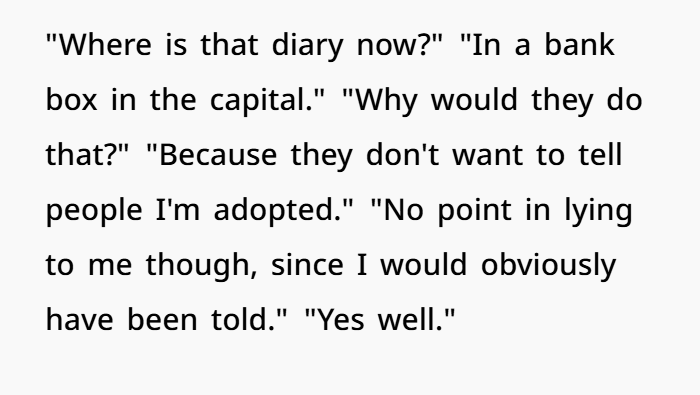
Later, in the car, he explained that his parents were sharing stories from his mother’s diary and pretending they were their own memories. He claimed they were hiding the fact that he was adopted.
The explanation did not fully make sense.
After more conversation, he finally admitted the truth. He was not adopted.
The First Lie Had Lasted More Than Ten Years
He showed her his birth certificate and childhood photos.
He explained that he had created the adoption story when he was a teenager after problems at home. According to him, he had left home at 15 and stayed with a friend for several months.
When people started talking about involving child protection services, he lied about his situation. That one lie continued for years.
He even changed his traditional name to an English name and created another explanation for why he did it.
At that moment, his girlfriend still wanted to believe there was a reason behind everything.
She told him she cared about him and that the truth about his childhood would not change how she saw him.
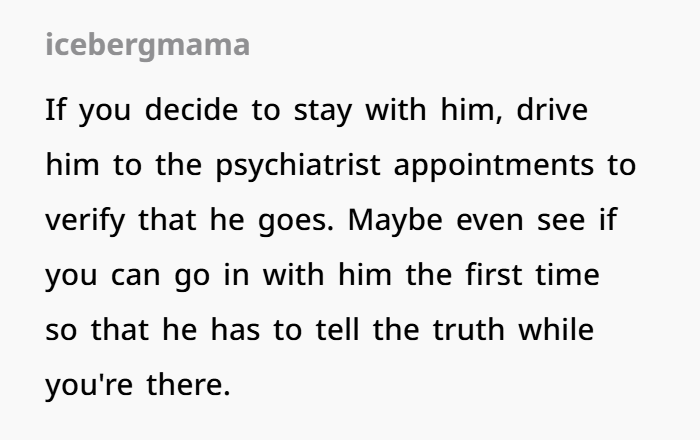
She only asked one thing: that he get professional help and speak with a mental health professional.
Resources about therapy and mental health support are available through organizations like Mental Health America and National Institute of Mental Health.
Then More Lies Started Appearing
The next day, everything changed.
After reading outside opinions and thinking about the situation, she decided to ask him a simple question:
Was there anything else he had lied about?
He said no.
So she started mentioning things that had never felt completely right.
That was when she discovered many more false stories.
He had claimed he was sent to Afghanistan during military service. He had never been there.
He said he owned part of a small business importing expensive cognac. In reality, it was his father’s business.
He claimed he and his brother bought their parents’ house. The truth was that he only helped with the flooring.
He said he owned several cars and bought vehicles for family members. That was also not true.
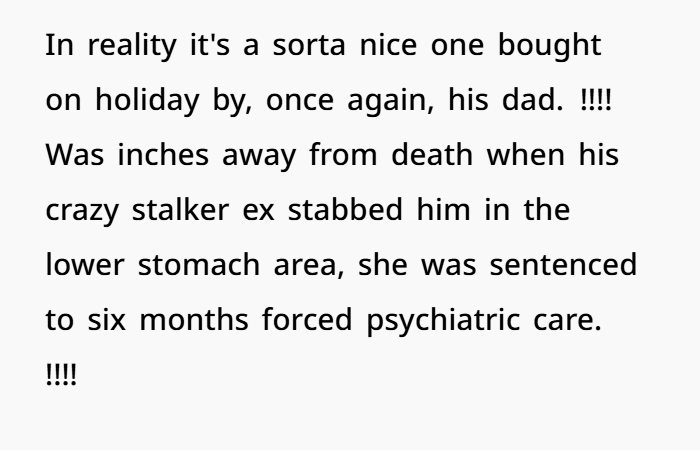
Even small romantic memories turned out to be based on lies. A bottle of wine from their third date, which he described as rare and expensive, was actually just a normal bottle his father had bought during a holiday.
But one story shocked her more than the others.
He had told her that a dangerous ex-girlfriend had stalked him and stabbed him, leaving him close to death. He described the event in frightening detail and said the woman had received psychiatric punishment.
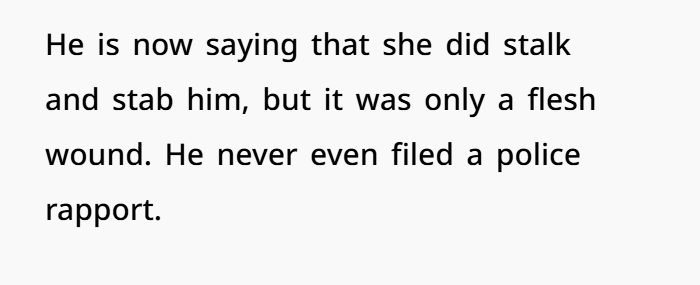
Later, the story changed. He admitted there had been an incident, but it was only a minor injury, and he never reported it to police.
Why Compulsive Lying Can Damage Relationships
Trust is one of the most important parts of any healthy relationship.
When someone repeatedly lies about major parts of their life, it can leave their partner feeling confused, hurt, and unsure about what is real.
Experts often describe repeated lying without a clear reason as a possible sign of compulsive lying behavior. Research and mental health discussions around habitual lying show that it can sometimes be connected with deeper emotional struggles, although only a qualified professional can diagnose a person.
Information about lying behavior and personality patterns can be found through resources such as Psychology Today.
For the girlfriend in this story, the biggest problem was no longer the original adoption lie.
It was the discovery that many parts of their relationship had been built around stories that were not true.
The Decision to Leave
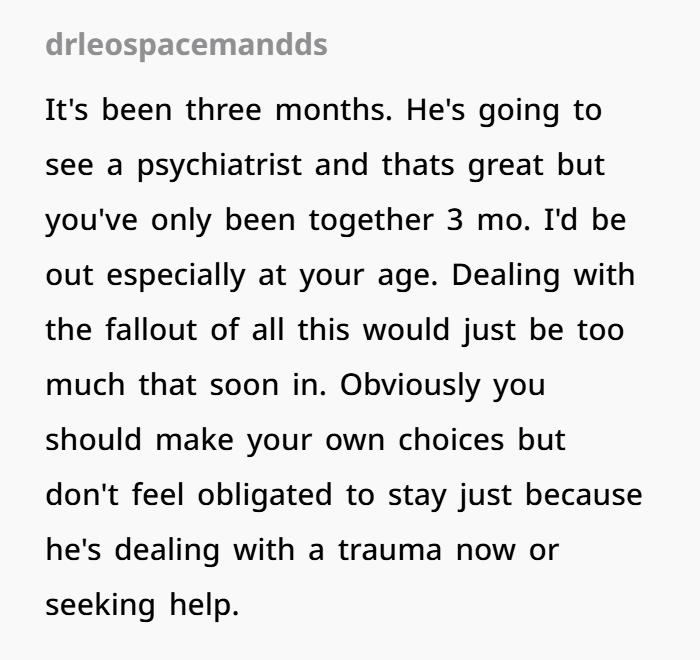
After learning the truth, she decided to end the relationship.
Her boyfriend told her he loved her and wanted to change. He promised to stop lying, seek therapy, and tell his family the truth.
Those promises sounded positive, but she no longer felt able to stay and wait for change.
She collected her belongings and decided to cut contact.
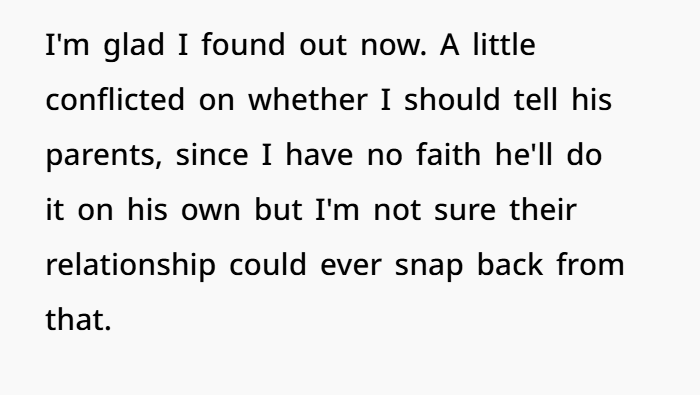
She also struggled with whether she should tell his parents about the years of deception. She worried that exposing the truth could damage their relationship with him, but she also felt unsure if he would ever admit everything himself.
A Relationship Built on Trust Cannot Survive Endless Secrets
This story is not just about one false adoption story.
It is about what happens when trust slowly disappears.
Many couples can survive mistakes, misunderstandings, and even painful truths. But rebuilding a relationship after years of deception requires honesty, accountability, and real effort.
For someone discovering repeated lies from a partner, the hardest part is often not accepting the truth.
It is realizing that the person they trusted may not be the person they thought they knew.
See the comments to know what people said

The biggest lesson from this story is that trust is the foundation of any relationship. A difficult past or personal struggles can be understood, but years of repeated lies can deeply damage the connection between two people.
At first, she was willing to forgive the adoption lie because she believed there was pain behind it. She wanted to support someone she cared about. But when more false stories appeared, the problem became much bigger than one secret.
The relationship ended not because of his past, but because she could no longer tell where the truth ended and the lies began.
Changing harmful behavior takes honesty, time, and real personal effort. While he may choose to seek therapy and work on himself, she made the decision to protect her own peace and walk away.
Sometimes the hardest choice is accepting that love alone is not enough when trust has been broken too many times.