She Tried To Scare An Artist With A Lawyer Demand And Got A Surprising Letter Instead
Creating artwork takes time, skill, and dedication. For many artists, selling a painting is not only a financial opportunity but also a way to share their creativity with others.
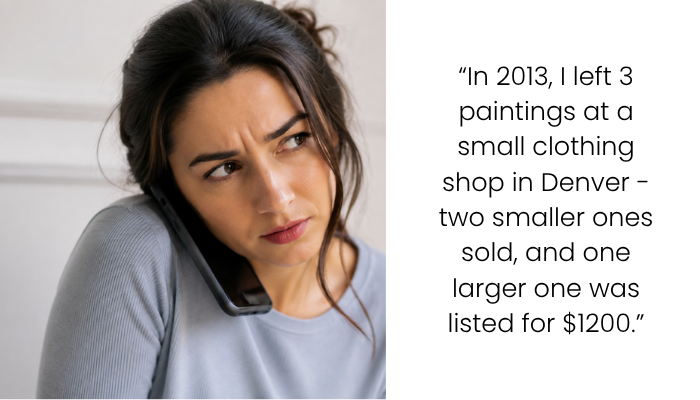
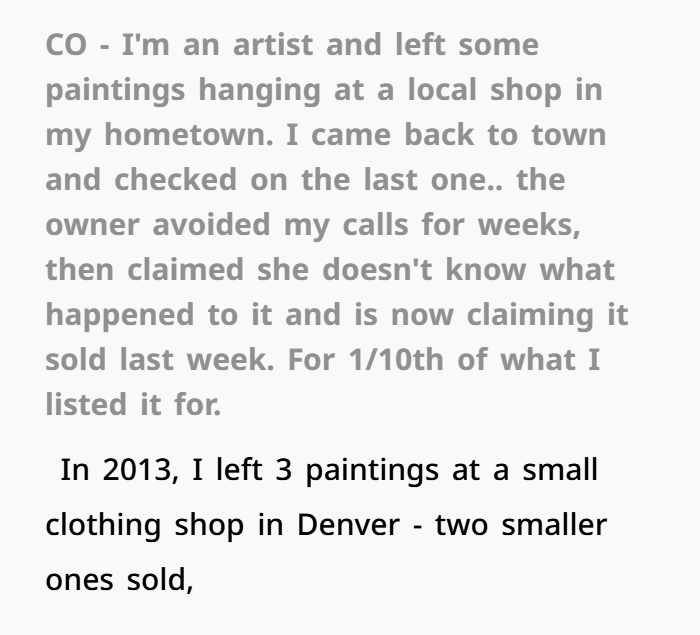
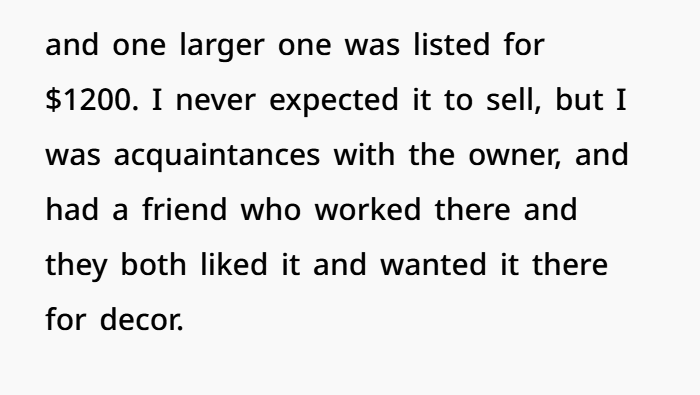
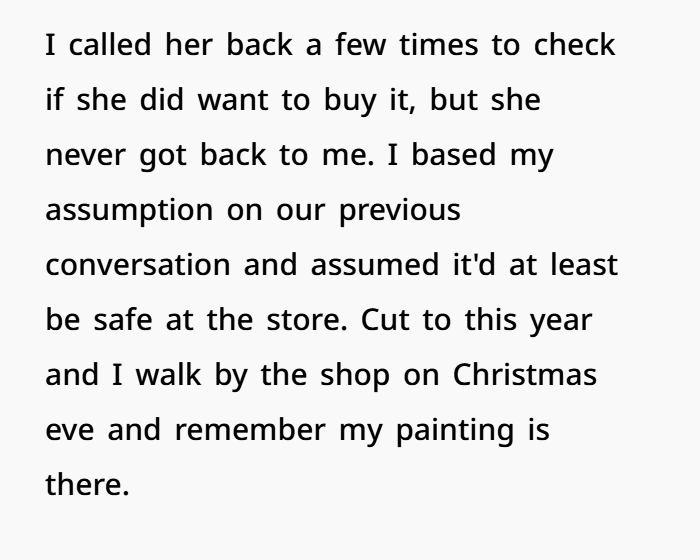
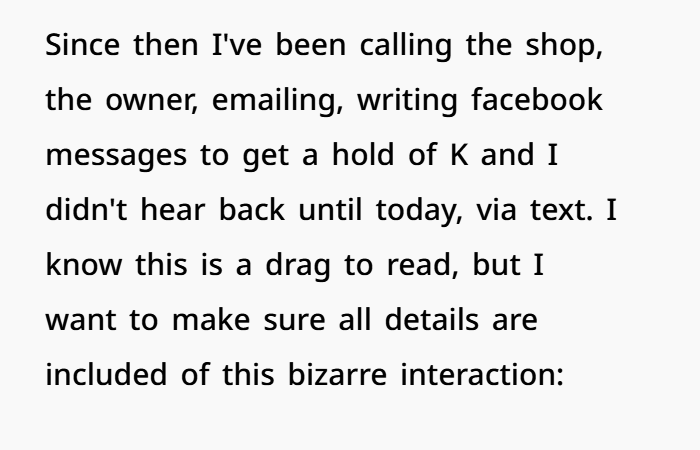
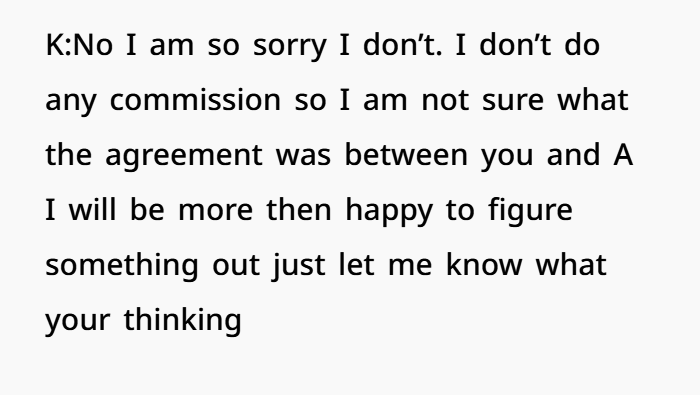
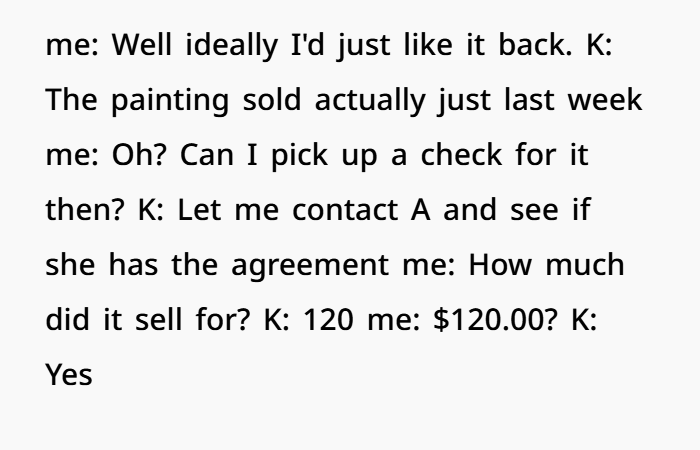
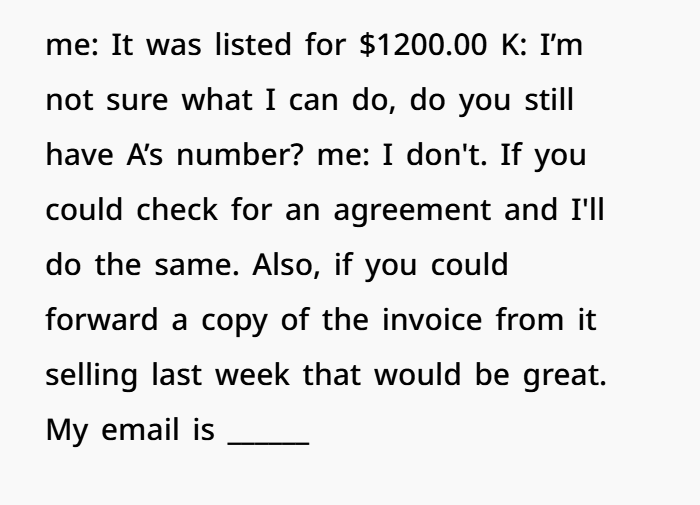
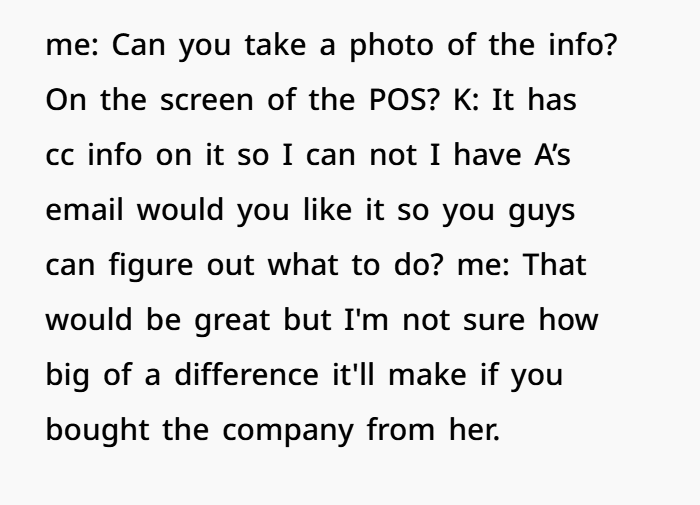
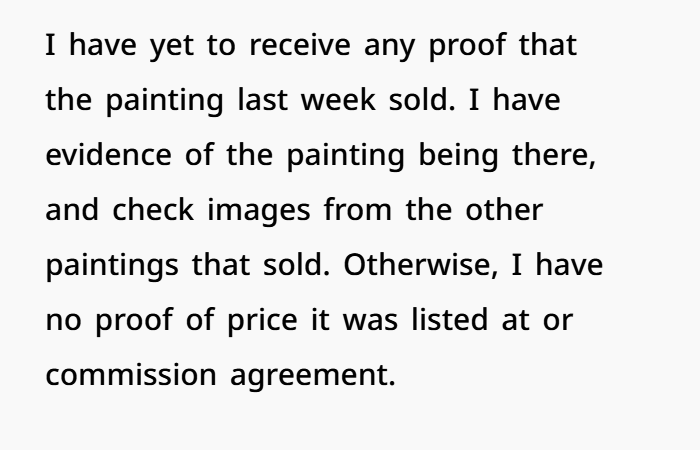
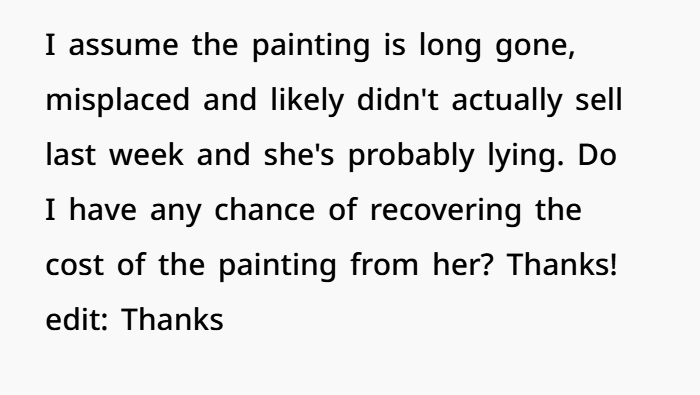
One artist was surprised to discover that a painting had already been sold without their permission. The artwork was displayed at a store, but the artist later learned that it was sold for a price much lower than expected.
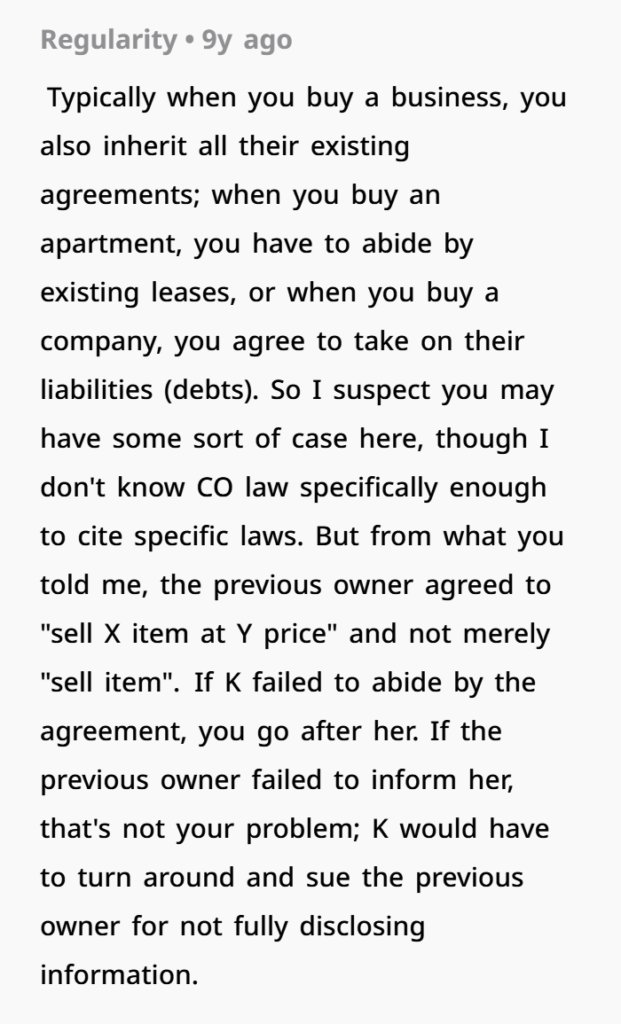
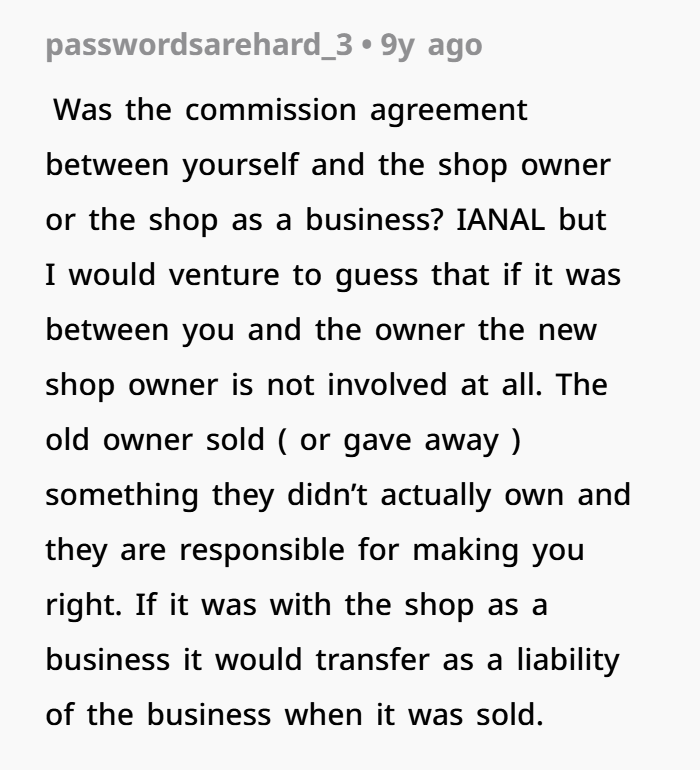
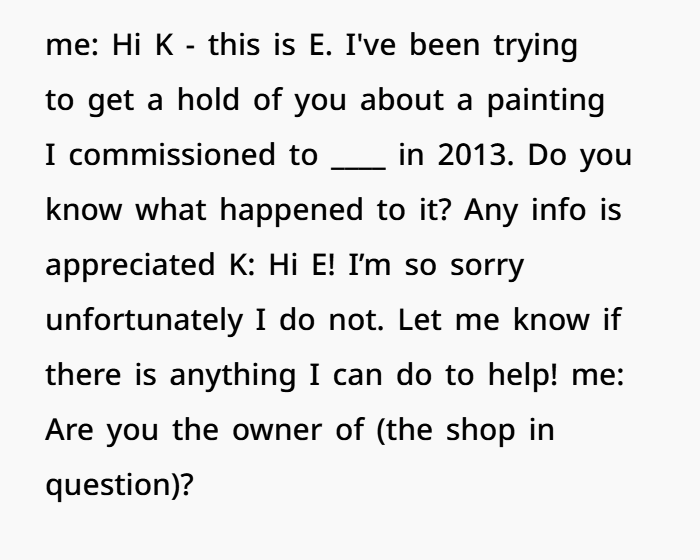
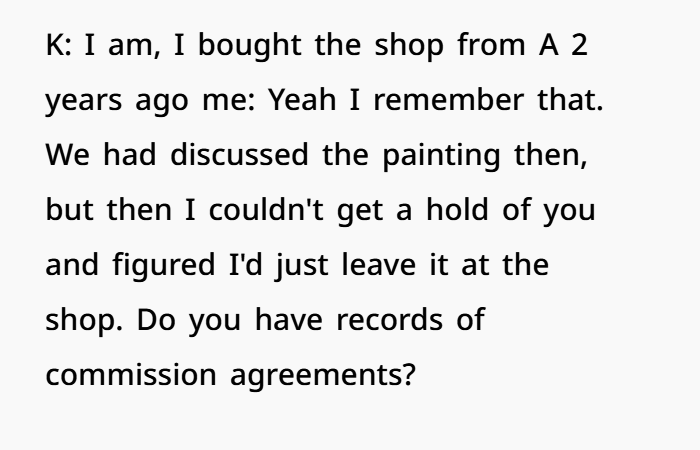
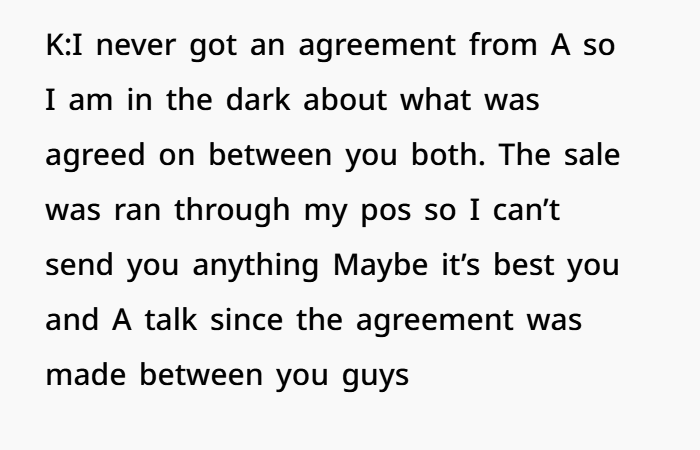
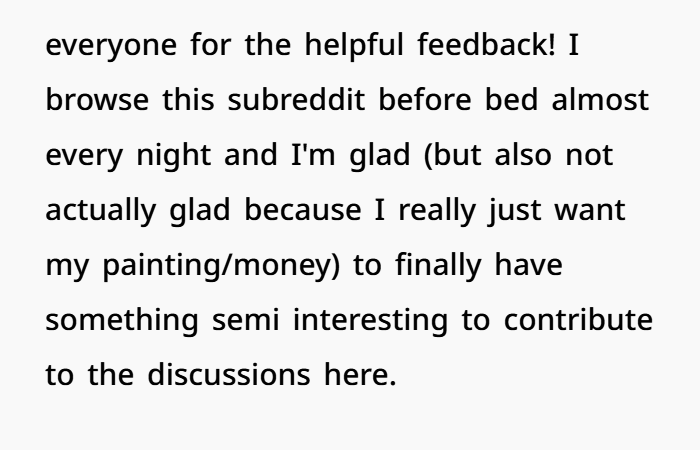
The artist contacted the store owner to find out more details, but the situation remained unclear. Looking for guidance, the artist asked an online community about artwork ownership, business agreements, and legal options.
This experience highlights the importance of protecting creative work. Artists can benefit from using clear contracts, tracking their artwork, and understanding their creative business rights before working with businesses or retailers.

Important Steps Artists Can Take When Their Artwork Is Involved in a Sales Dispute
Selling artwork through a shop or gallery can help artists reach more customers, but it is important to keep proper records and protect your business interests.
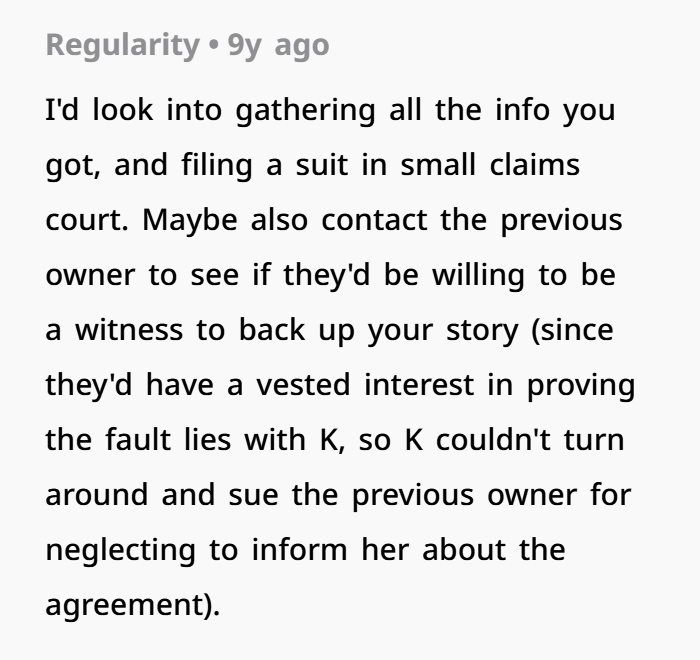
If an artist faces a problem with a store selling their artwork, the first step is to save all important communication. Taking screenshots of text messages, emails, and other conversations can help preserve evidence before anything is lost or deleted.
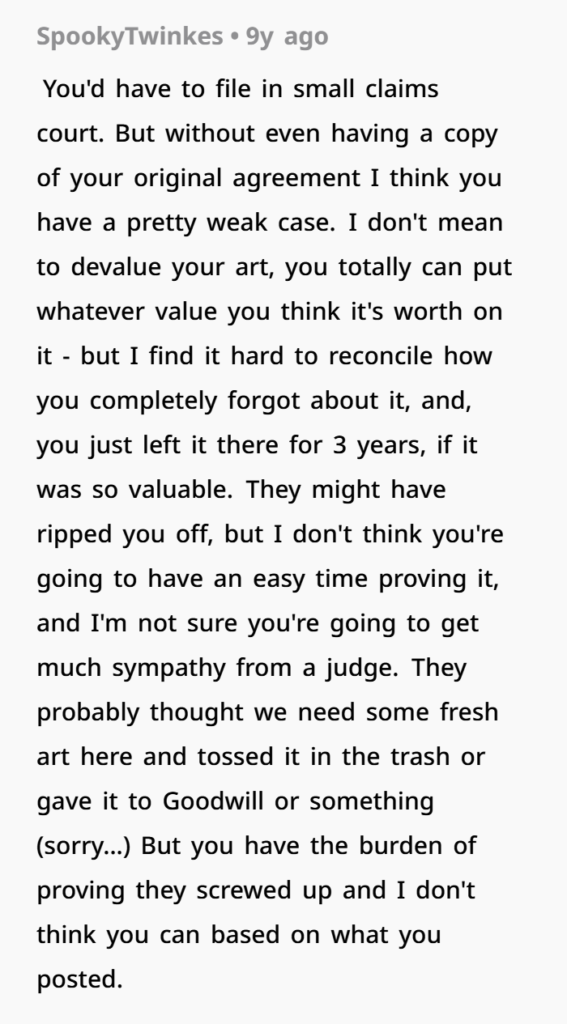
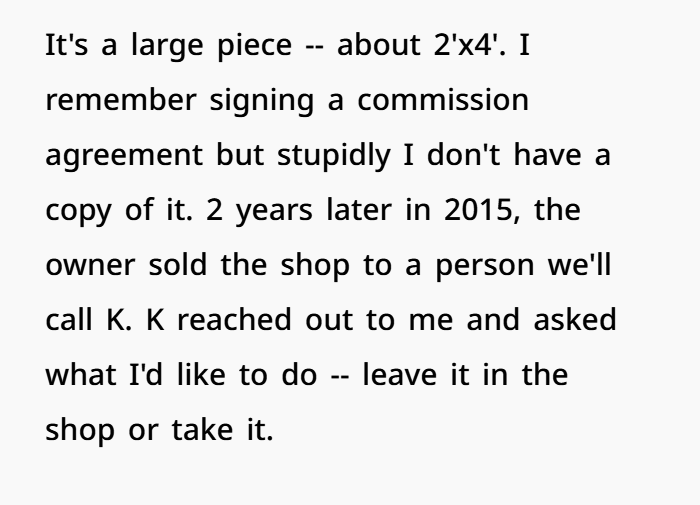
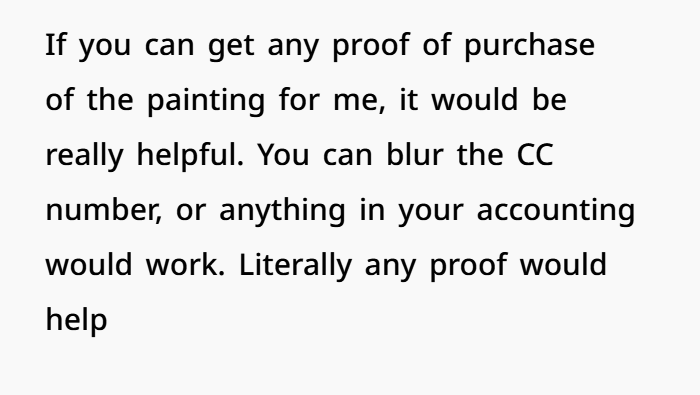
The artist should also try to contact the original shop owner. There may still be a copy of the original agreement, an old email conversation, or paperwork that explains the terms of the artwork sale. Documents showing the agreed price can help create a clear record of the arrangement.
Artists should also learn about their state’s art consignment laws. In many areas, artwork placed in a shop or gallery under a consignment agreement may still legally belong to the artist until it is sold. These laws can provide important protections for creators.
Why a Written Agreement Matters
A written consignment agreement is one of the best ways for artists to protect their work. It should clearly include important details such as:
- The artwork title and description
- The artist’s name
- The agreed selling price
- The commission percentage
- Payment terms
- Responsibilities of the shop or gallery
Without clear paperwork, disagreements can become much harder to resolve.
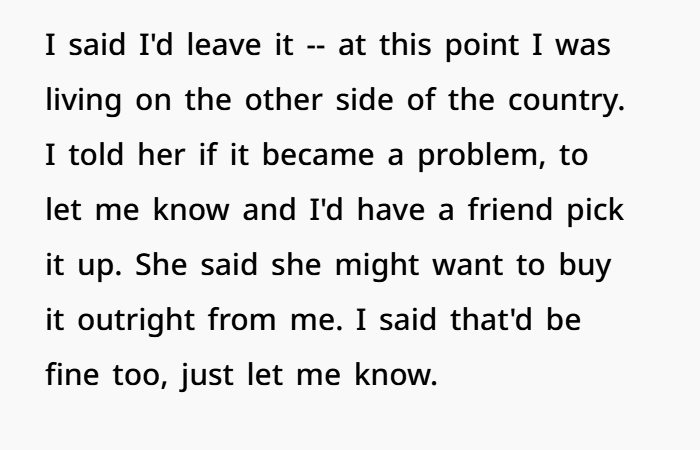
When a business changes ownership, artists should be especially careful. A new shop owner may not fully understand previous agreements, so creating a new written contract can help avoid confusion.
Sending a Formal Demand Letter
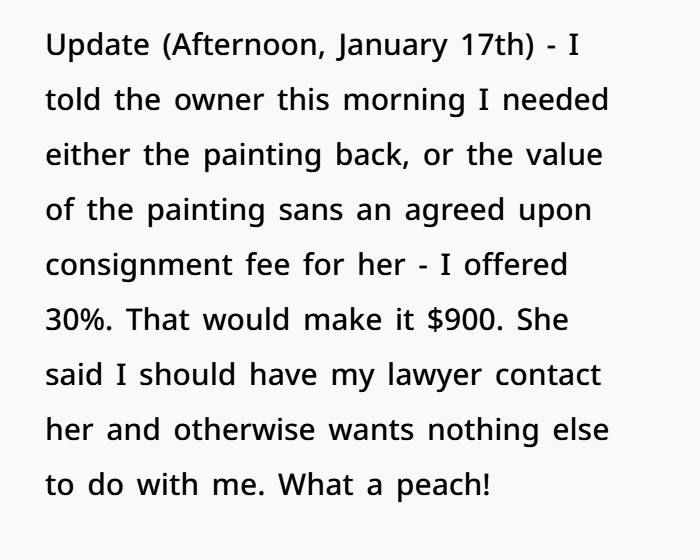
If communication does not solve the problem, the artist may consider sending a formal demand letter.
A demand letter is a professional written request that explains what is owed and gives a clear deadline for resolving the issue. It can request either the return of the artwork or payment for the sale.
This step can show that the artist is serious about protecting their rights. It may also create important documentation if the dispute later moves to a legal process.
For smaller financial disputes, small claims court may be an option in many locations. It is often designed for situations where the amount involved is limited and hiring a lawyer may not be practical.
Keeping Clear Proof of Artwork Sales
When artwork is sold, proper sales records are important for both artists and businesses.
If there is a disagreement about the sale price, payment amount, or transaction details, records such as receipts, invoices, and sales reports can help clarify what happened.
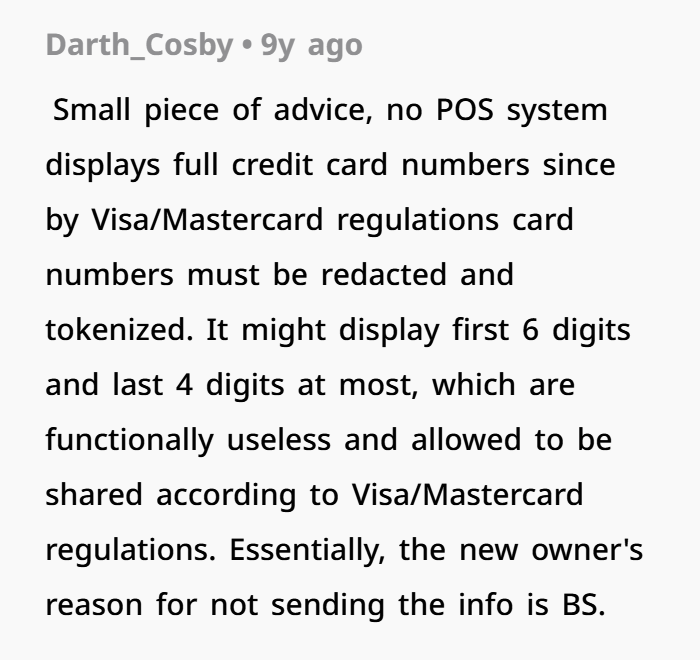
A business may be able to provide proof of sale while protecting private customer information. For example, payment details can often be removed from receipts while still showing important transaction information.
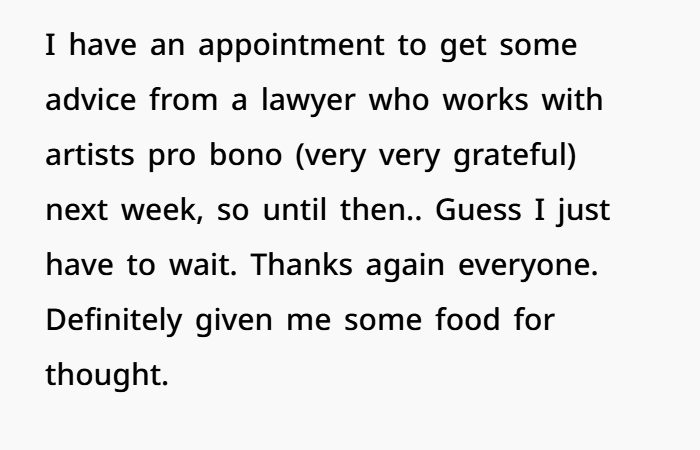
If a shop refuses to provide information or return artwork, the artist may want to document the issue and explore legal options. Depending on the situation, this could include seeking advice from an attorney or reporting the matter to the appropriate authorities.
Lessons Every Artist Can Learn
This situation highlights an important lesson for creative professionals: protecting your artwork requires more than just creating something beautiful.
Artists should always keep copies of contracts, invoices, and important emails. Storing documents digitally in a secure location can help prevent problems if paperwork is lost.
It is also important to regularly check on artwork placed in galleries, shops, or other businesses. Consigned artwork should be treated as a valuable business asset, not something that is forgotten after delivery.
Setting reminders to review inventory, update agreements, and communicate with retailers can help prevent misunderstandings.
Building a Stronger Art Business
A successful art career requires both creativity and good business practices. While paperwork may not feel as exciting as creating new artwork, it plays an important role in protecting an artist’s time, effort, and income.
Every artwork placed for sale should have clear records, including its value, ownership details, and payment terms.
By staying organized and understanding their rights, artists can build stronger relationships with galleries and retailers while protecting their creative work and financial future.
What The Internet Thinks