My Mom Signed Me Up for Unpaid Work to Fund My Spoiled Sister’s Cheerleading—When I Refused, She Called Me Selfish

A 23-year-old man felt frustrated when his mother expected him to give up his weekend to help with his sister’s cheerleading expenses. He worked a full-time job and already paid for several household costs, including rent, bills, groceries, and his car. He also helped with chores at home. His younger sister was 17 and spent much of her time on competitive cheerleading. Her activities included long practices, competitions, and regular travel. The brother said their relationship was not close. He also shared that his sister wanted him to leave the house so she could use his bedroom to show off her cheerleading awards.
The trouble began when his mother found a way to raise money for his sister’s upcoming cheerleading trips. She discovered a fundraising event that was three hours away and signed herself and his father up to attend. She also wanted her son to help, but he said no from the start. He did not want to spend his day off traveling and working without pay. He felt that his job, household budget, and personal responsibilities were already enough to handle. He also did not think it was fair to expect him to make sacrifices for a sister who had made it clear that she wanted his room.
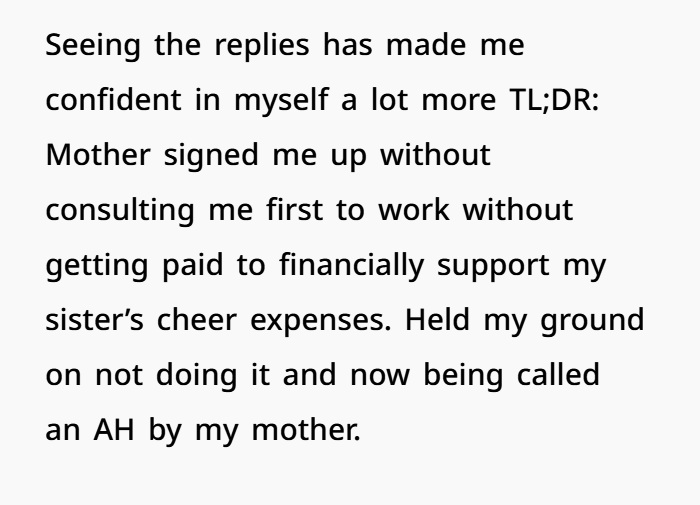
Instead of respecting his answer, his mother signed him up anyway. She sent him a message during his workday, telling him that he was expected to attend on Saturday. He refused again, which upset her. She accused him of not caring about the family and said everyone needed to make sacrifices. Later, she called him while he was on his way home and continued the argument. He finally asked why she had ignored his answer. His mother explained that she had signed him up because he usually agreed to whatever she wanted. Hearing this made him realize that she had expected him to give in without another argument.
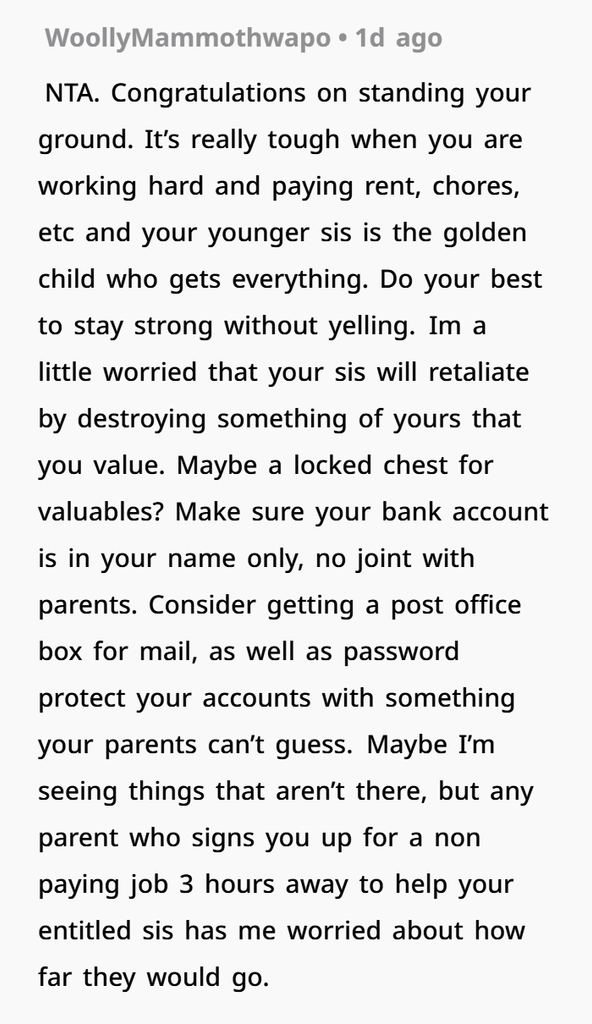
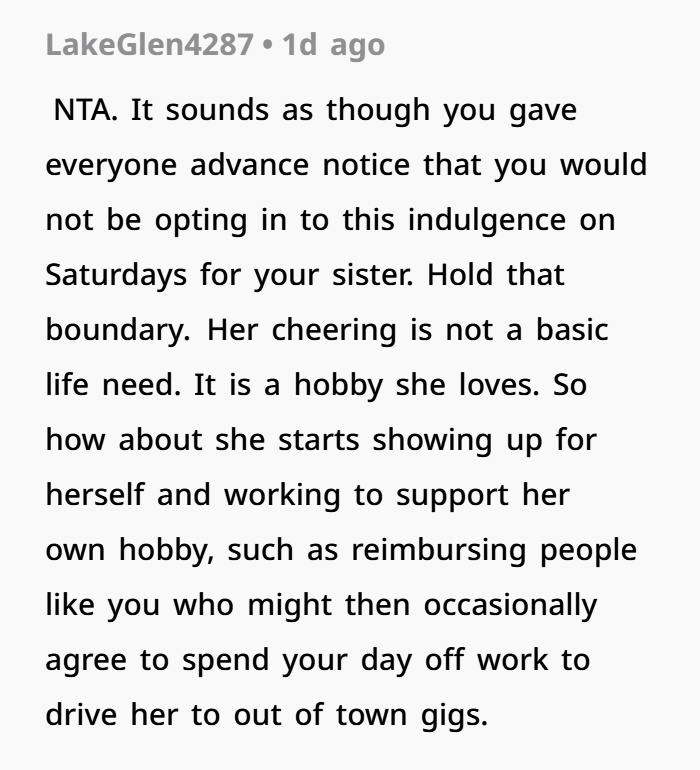
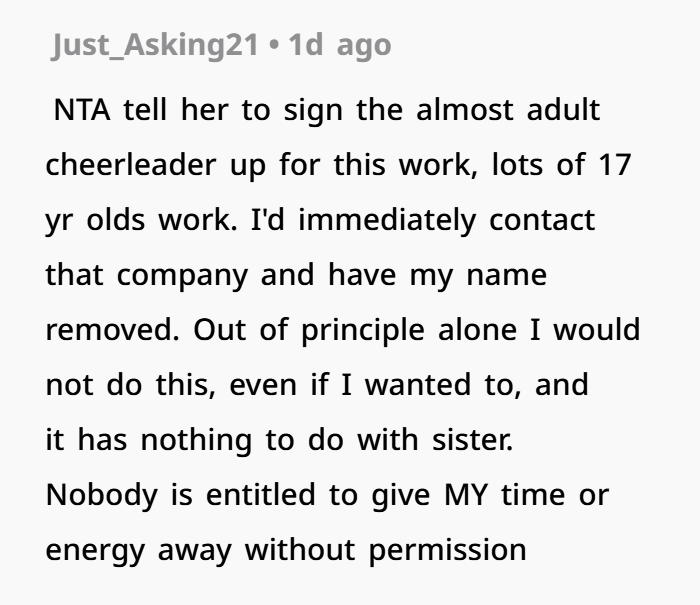
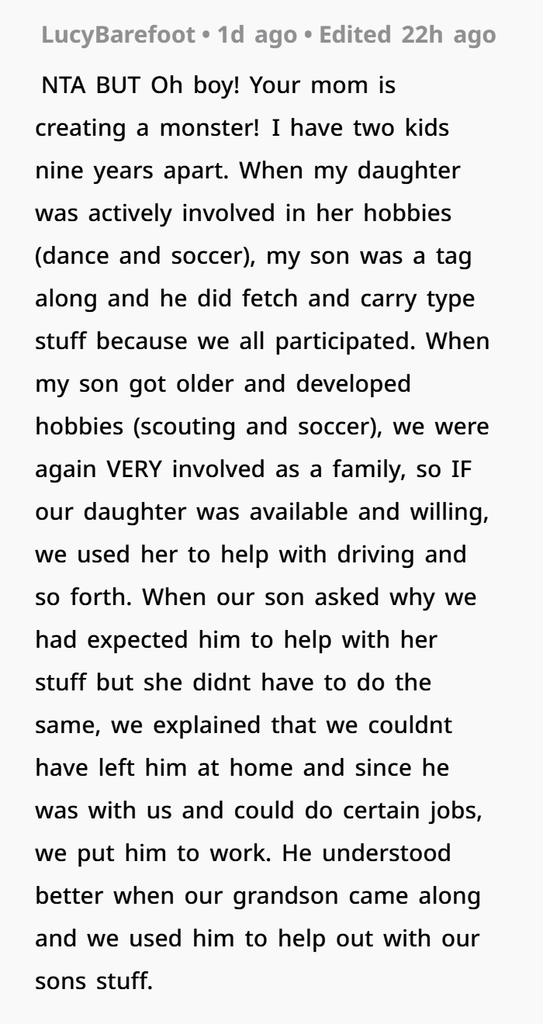
He ended the call, but the situation left him feeling upset and unsure of himself. The next morning, the family disagreement had still not been settled. He wondered if refusing to help made him selfish. After posting his story online, he shared that he often had trouble speaking up for himself. He also said ADHD and autism affected his confidence and emotional well-being. Many people responded with support and encouraged him to protect his personal time. They felt that working full-time, paying monthly living expenses, and helping at home were already meaningful contributions. The experience helped him understand that setting boundaries does not mean he does not care about his family.






When Helping Family Starts to Feel Like an Obligation
Family members often help each other when money is tight or someone needs extra support. But what happens when a parent expects an adult child to help without even asking?
That is the problem a 23-year-old man is facing.
His younger sister takes part in competitive cheerleading, and his family is raising money to cover some of the costs. His mother signed him up to work at a fundraising event, even though he had already said he did not want to go.
Now he feels that his time and personal choices are not being respected.
Cheerleading Can Cost Families a Lot of Money
Competitive cheerleading can be expensive.
Parents may have to pay for uniforms, training, competition fees, travel, hotel stays, and other expenses throughout the year.
For families managing a tight household budget, these costs can become difficult to handle.
That is why many cheerleading teams organize fundraising events. The money raised can help families pay for competitions and other activities.
Fundraising is a useful way to lower expenses, especially when parents are trying to balance regular bills with their children’s interests.
Still, just because one family member needs financial support does not mean everyone else should be expected to give up their free time.
Helping should be something people agree to do.
The Older Brother Already Pays His Share
The young man is 23 and works full-time.
He also pays rent while living at home.
On top of that, he helps with household bills, buys groceries, takes care of his car, and completes regular chores.
He already has plenty of responsibilities.
His mother wants him to spend his Saturday helping at his sister’s fundraising event.
But getting there and back would take about six hours of travel.
That does not include the time he would actually spend working at the event.
For someone with a full-time job, giving up an entire day is a big commitment.
He may need that time to rest, handle personal tasks, or simply enjoy his day off.
Having a job, paying rent, and helping around the house are already meaningful contributions to family life.
His Mother Made the Decision Without Asking Him
The biggest issue is not really the fundraising event.
It is the way his mother handled it.
According to the young man, he had already told her that he did not want to participate.
But she signed him up anyway.
His mother reportedly explained that she expected him to help because he had always been a good son who followed instructions.
That may have worked when he was younger, but he is now an adult.
At 23, he should have a say in how he spends his free time.
Parents can ask their adult children for help, but asking is different from making plans for them.
A simple conversation could have made the situation easier for everyone.
Family Support Should Not Be Forced
Many families depend on each other for support.
Parents help their children, siblings share responsibilities, and relatives often step in when someone needs assistance.
There is nothing wrong with that.
But problems can start when helping becomes an expectation rather than a choice.
Someone may be happy to volunteer for a family event when they have enough free time.
However, being told to attend without agreeing first can feel frustrating.
Psychologist Jack Brehm described a similar idea in his work on psychological reactance.
In simple terms, people may resist when they feel someone is taking away their freedom to choose.
That could help explain why the young man feels so strongly about this situation.
He may not be against helping his sister in general.
He may simply want his family to respect his decisions.
His Relationship With His Sister Is Also Difficult
There is another reason the brother does not want to help.
He says his younger sister has not always treated him with much respect.
According to him, she has even talked about wanting his bedroom so she can use it to display her cheerleading items.
That has made him feel less appreciated at home.
It is easy to understand why someone might feel frustrated about giving up an entire Saturday for a sibling they do not get along with.
However, the sister is not necessarily responsible for what happened.
She enjoys cheerleading, and her parents want to support her.
The mother was the one who signed her son up for the event without his permission.
That is where the main disagreement began.
Paying Rent Comes With Adult Responsibilities
Living with parents as an adult can sometimes create confusion about family rules.
Parents may still see their grown children as kids who should follow instructions.
But an adult who works and pays rent has a different set of responsibilities.
This young man contributes to household expenses and manages his own personal bills.
He also pays for things like groceries and vehicle maintenance.
These are all part of becoming financially independent.
Of course, living at home still means respecting shared rules and helping with normal household chores.
But working at a sibling’s fundraising event is not the same as cleaning the kitchen or paying a share of the electricity bill.
It is an extra commitment that should be discussed first.
Can Parents Make an Adult Child Volunteer?
There is also a difference between what parents expect and what the law requires.
In the United States, a 23-year-old is legally an adult and can generally decide whether to volunteer at an event.
A parent signing an adult child up for unpaid fundraising work does not normally make that person legally required to attend.
However, the rules surrounding volunteer work can depend on the organization and the type of activity involved.
The U.S. Department of Labor provides guidance on unpaid work, volunteer activities, and employment rules under the Fair Labor Standards Act.
Without knowing the exact details of the fundraising event, it is difficult to say whether any employment rules would apply.
For more information, the U.S. Department of Labor’s Fair Labor Standards Act guidance explains the general rules.
The Family Could Find Other Ways to Raise Money
The family may have other options for covering cheerleading expenses.
Instead of expecting the older brother to work at the event, they could look at different fundraising ideas.
For example, the team might organize community events, seek local business sponsorships, or offer other ways for families to contribute.
The parents could also create a monthly budget for competition fees, uniforms, and travel expenses.
Planning these costs ahead of time may make them easier to manage.
Some sports organizations may also offer payment plans or financial assistance programs.
If the brother wants to help in a smaller way, he could choose something that fits his schedule.
But that should be his decision.
Setting Boundaries Does Not Mean You Don’t Care
The young man is not asking his sister to quit cheerleading.
He is not telling his parents to stop spending money on her activities.
He simply does not want to spend his Saturday doing unpaid work that he never agreed to do.
That is an important difference.
Family relationships work better when people respect each other’s time and responsibilities.
His mother may believe everyone should help with family activities.
But he may feel that his existing contributions are already enough.
Both can care about the family while having different expectations.
Talking openly about these expectations could help prevent similar disagreements in the future.
Final Thoughts
Helping family is important, especially when someone needs extra support.
But support should not always come at the cost of another person’s time and personal freedom.
The 23-year-old already works full-time, pays rent, and helps with household expenses.
His mother wants him to help raise money for his sister’s cheerleading activities, but she signed him up without asking.
That is why he feels upset.
The family may be able to solve the problem by respecting his decision and finding other ways to cover the costs.
Being a good family member does not mean saying yes to everything. Sometimes it means being clear about what you can and cannot do.
Family support is much more meaningful when it comes from a place of choice, respect, and understanding.
The Comments Are In