My Daughter Said I Was Period Shaming Her, But I Was Just Trying to Teach Basic Hygiene

Parenting a teenager comes with many new experiences, especially when a child is going through puberty. One single father shared how he helped his 13-year-old daughter during her first period and how a conversation about menstrual care turned into an emotional situation.
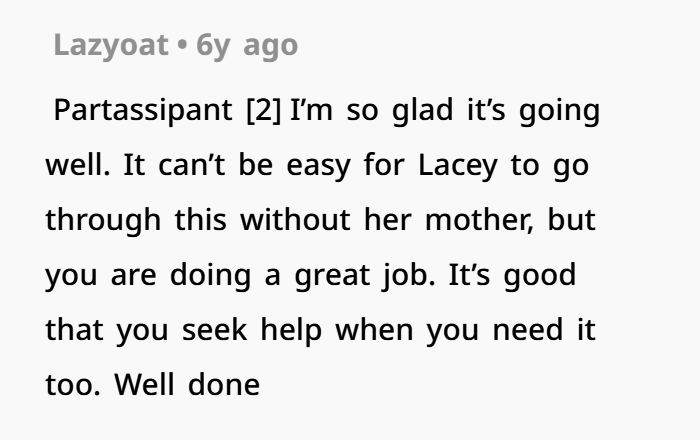
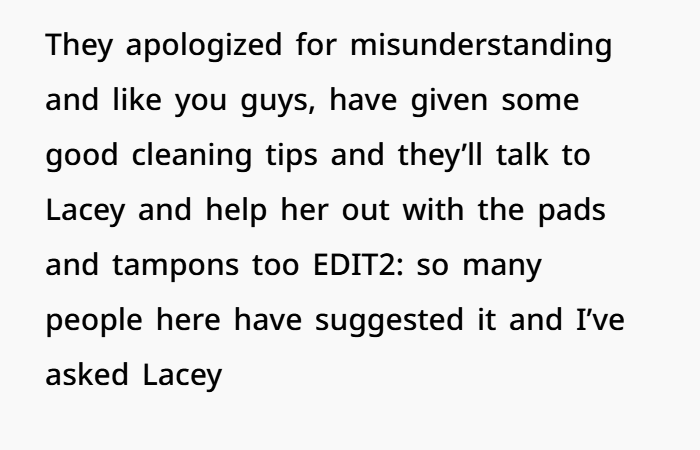
The father had been raising his daughter alone after her mother passed away during childbirth. He wanted to make sure his daughter felt supported, so he learned about menstrual health, bought necessary period products, and stayed connected with women in the family who could guide her.
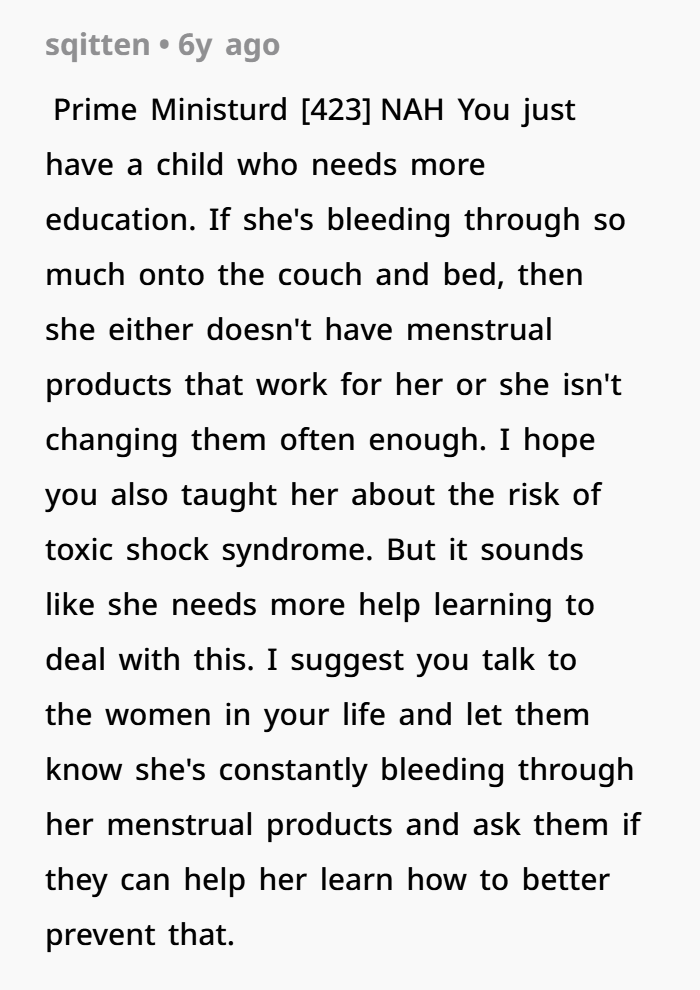
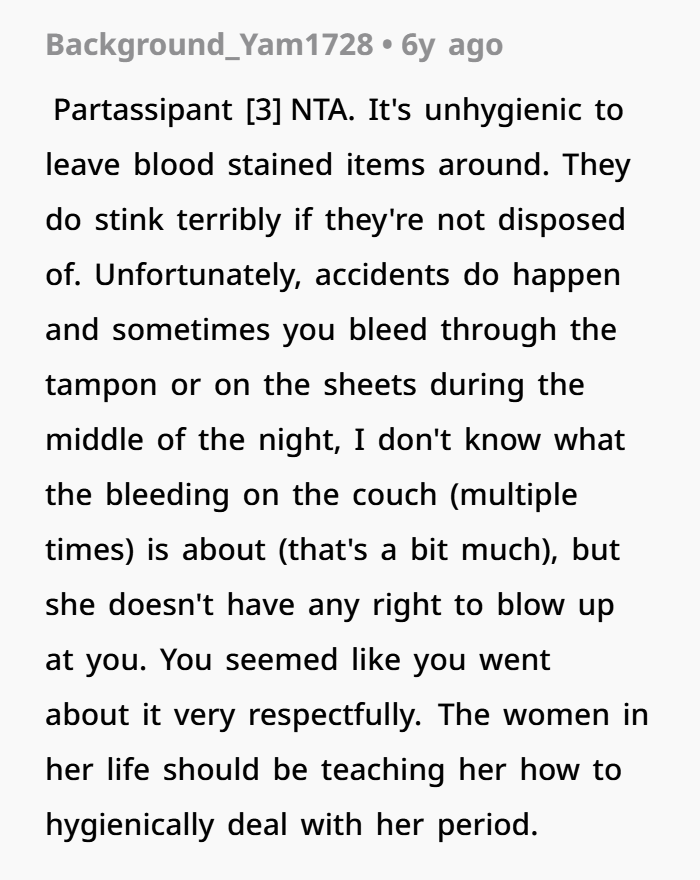
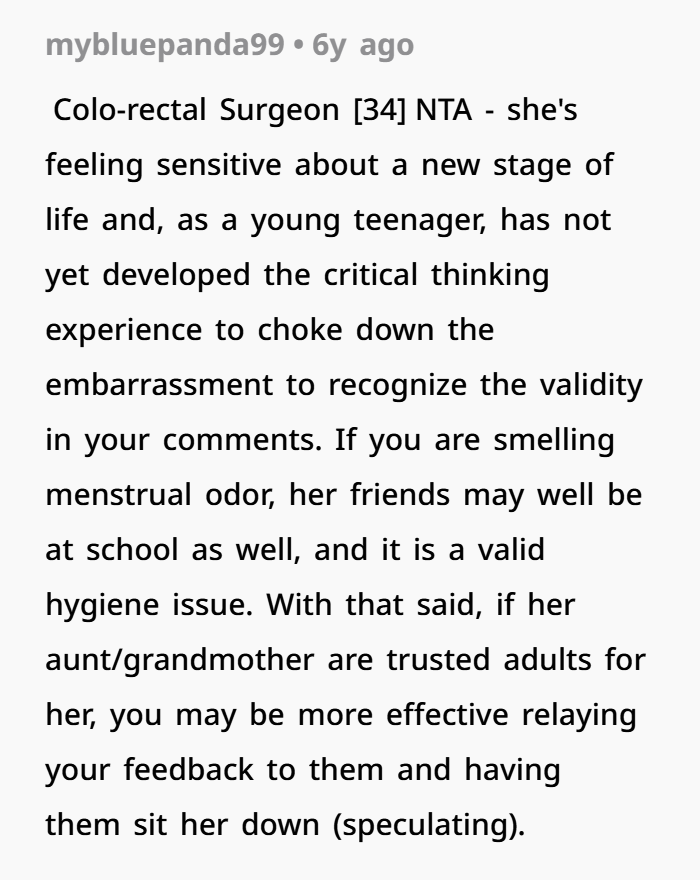
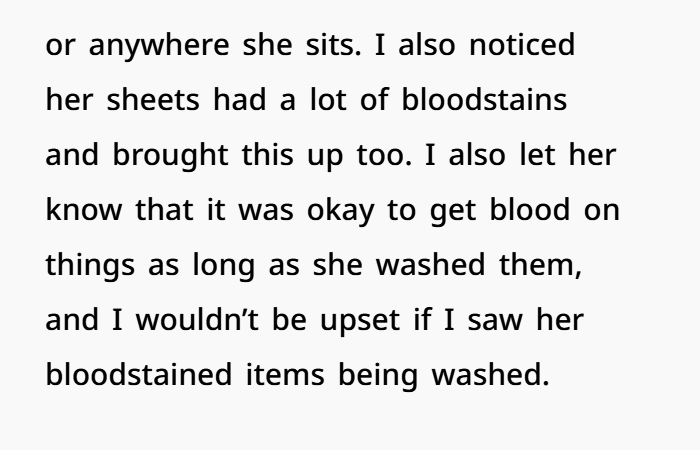
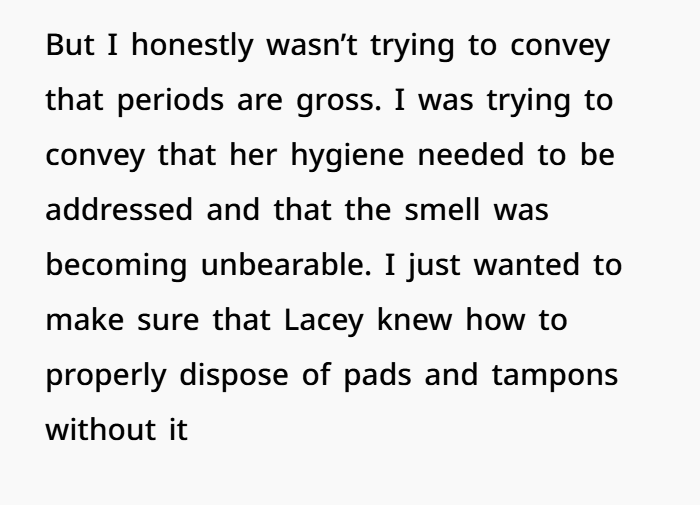
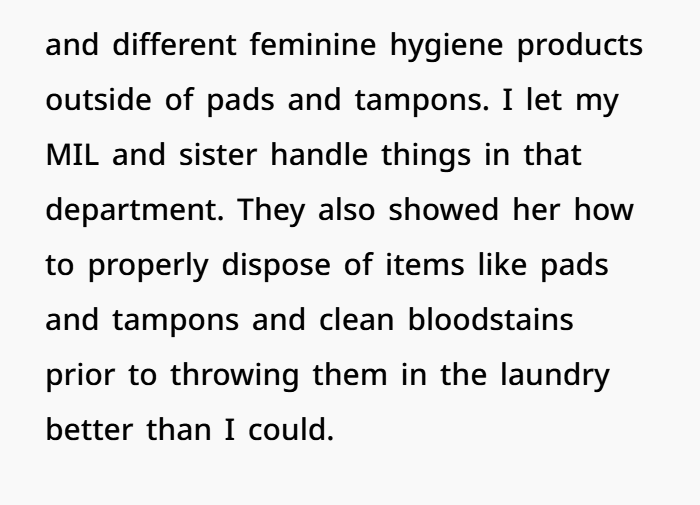
A few months later, he noticed that his daughter was having trouble managing her hygiene routine. There were used pads and tampons that were not disposed of correctly, and some personal items and bedding needed attention. He decided to have a calm conversation with her about self-care, cleanliness, and managing periods in a healthy way.
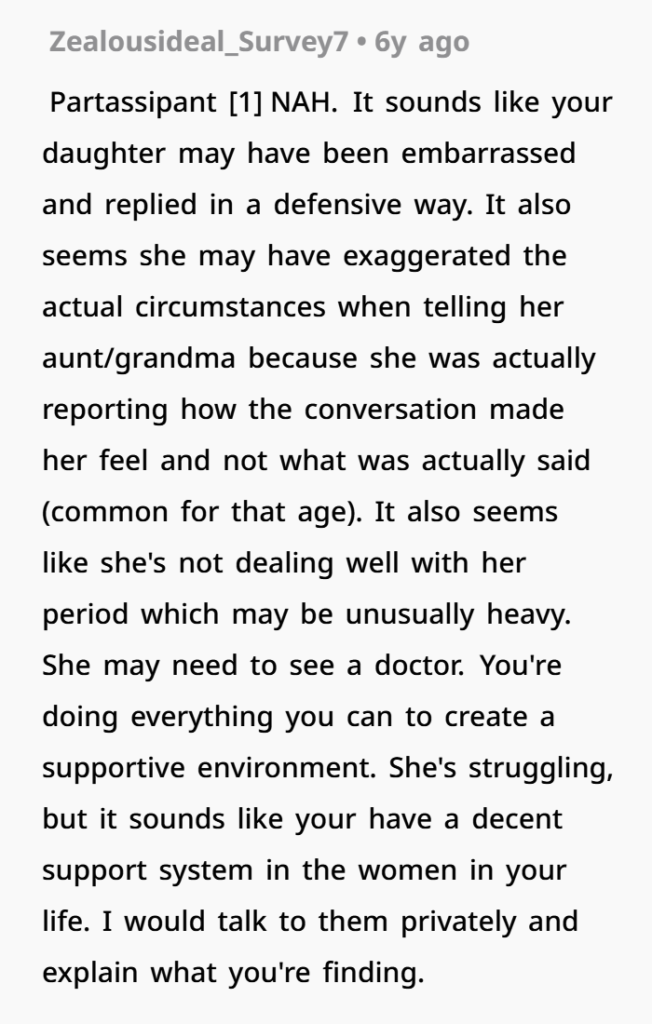
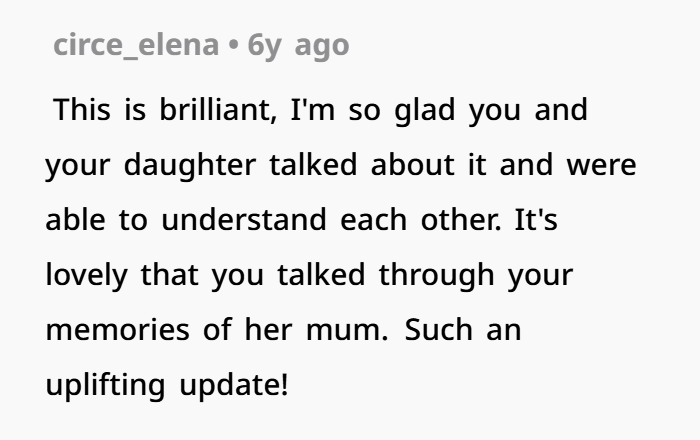
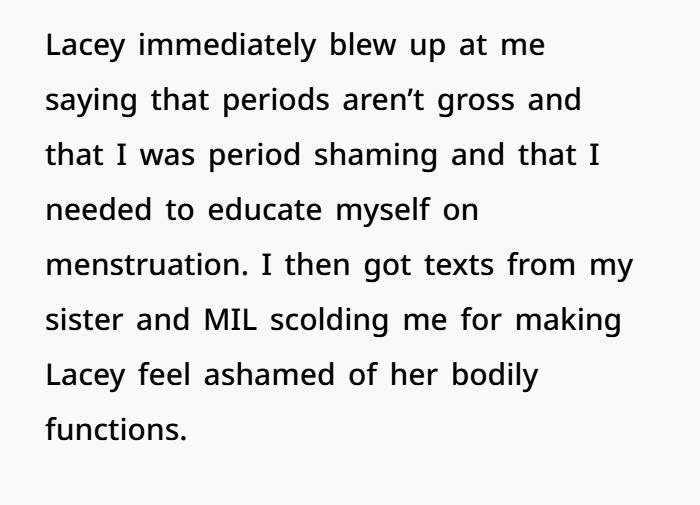
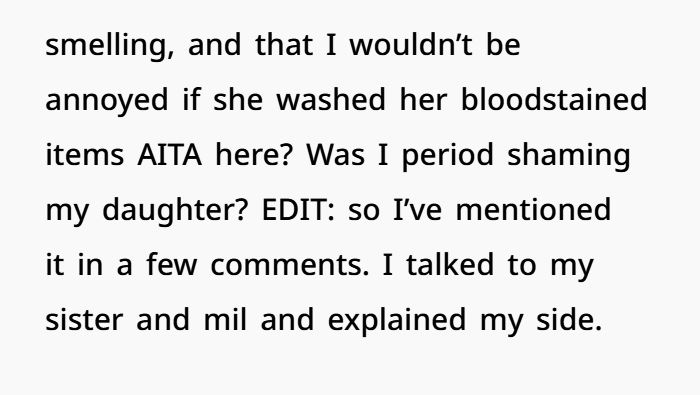
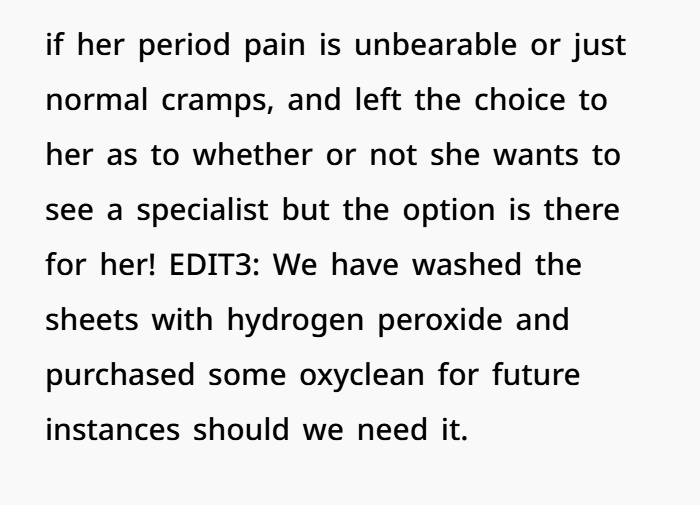
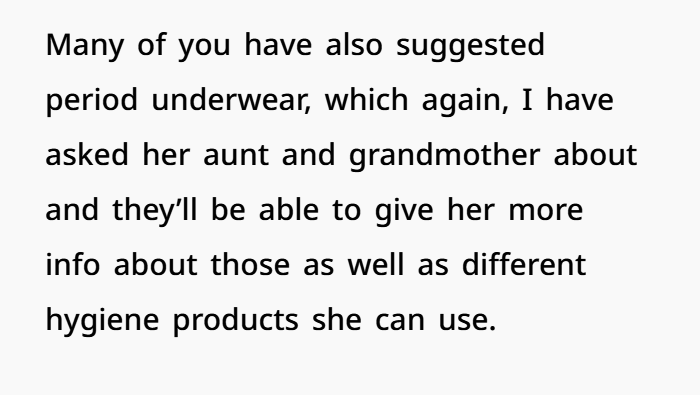
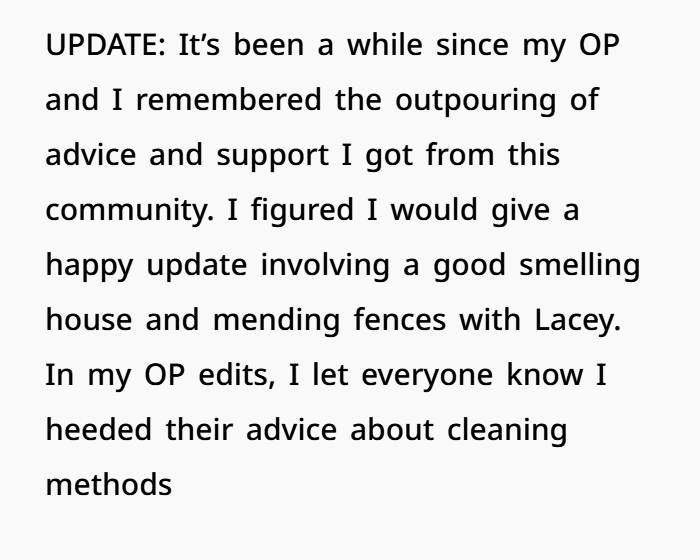
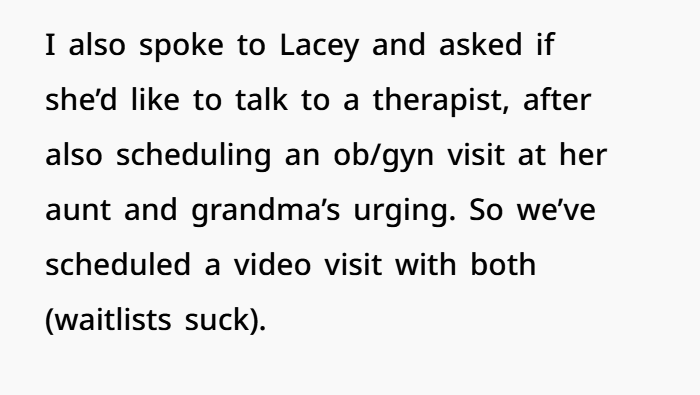
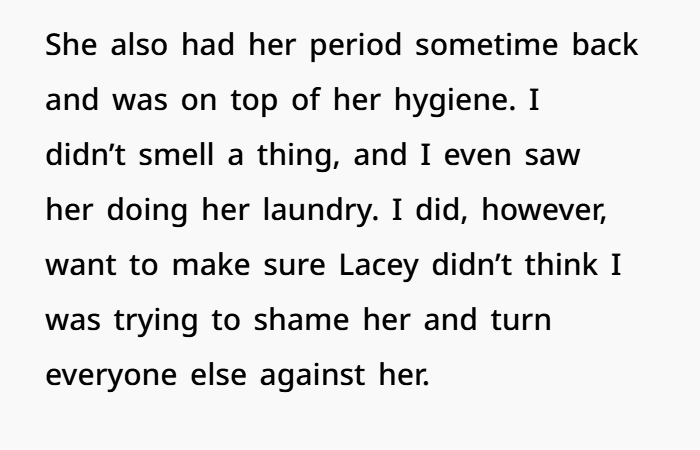
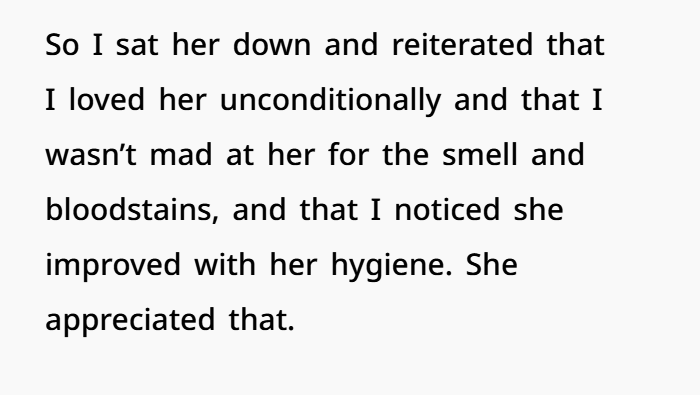
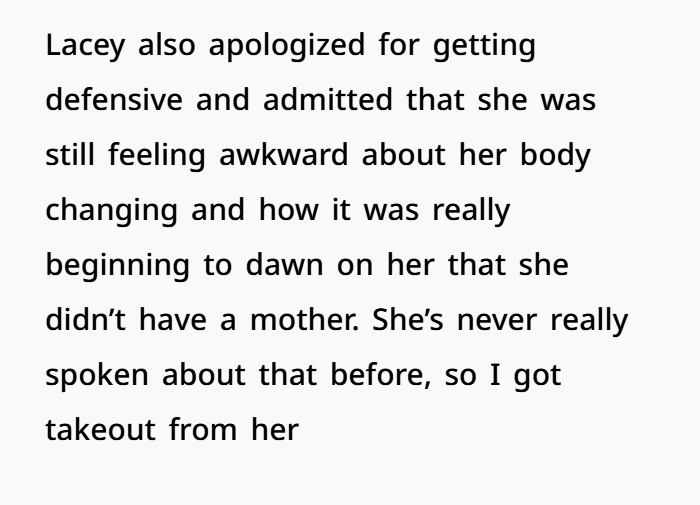
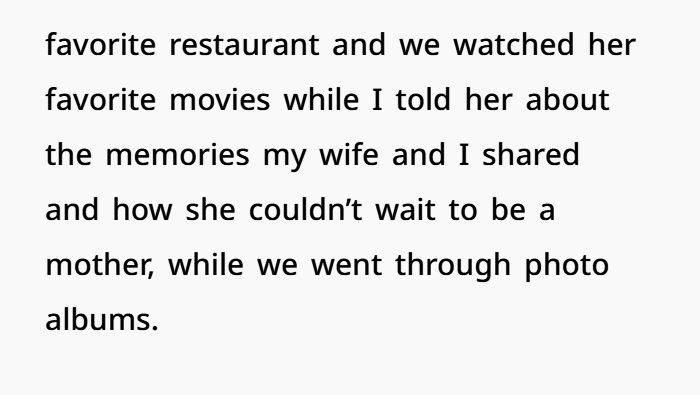
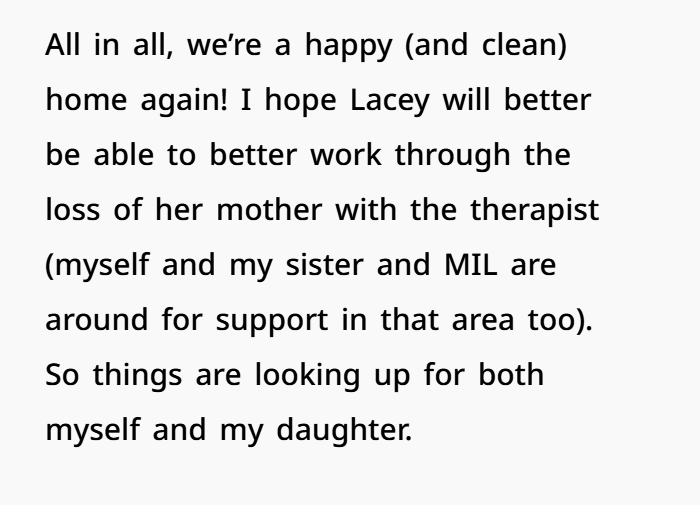
At first, his daughter felt upset because she thought the conversation meant he was criticizing her. After speaking with others, the father realized his daughter was also facing emotional changes linked to puberty and missing her mother. They talked openly, improved their routine, and learned that support, patience, and understanding are important parts of parenting.

Menstrual Hygiene, Period Education, and How Parents Can Support Teen Girls
At first, this story may seem like a simple family disagreement.
A parent wants a clean home. A teenager feels embarrassed. A conversation becomes an argument.
But the real issue is much bigger.
It is about puberty, menstrual health, parenting, and helping young girls feel comfortable with the changes happening in their bodies.
Periods are a normal part of life. Millions of girls and women experience menstruation every month. However, many teenagers still feel nervous, embarrassed, or uncomfortable when they get their first period.
The way parents respond during this time can make a big difference.
A supportive response can help teenagers feel confident and understand that their bodies are healthy and normal.
The First Period Can Be an Emotional Moment
For many girls, their first period is more than a physical change.
It can feel like an important step into a new stage of life.
They may have questions about:
- Menstrual products
- Body changes
- Period cramps
- Hygiene routines
- Emotional changes
Having a trusted adult to talk to can make this experience easier.
In this story, the father tried to prepare for his daughter’s first period. He bought menstrual products, asked others for advice, and made sure she had support.
That effort is important.
Many parents have to learn about situations they have never experienced themselves. A single father raising a daughter or any parent handling puberty changes may not always know the perfect thing to say.
The most important thing is being willing to listen, learn, and support the child.
Understanding Period Shame vs Menstrual Hygiene
One of the biggest lessons from this story is understanding the difference between period shame and menstrual hygiene.
These two things are not the same.
Period shame happens when someone makes a person feel embarrassed or dirty because they have a period.
For example, telling someone that menstruation is disgusting or making them feel bad about normal body changes can create shame.
Menstrual hygiene is different.
Menstrual hygiene means learning healthy habits, such as:
- Changing menstrual products regularly
- Properly disposing of used products
- Keeping clothes and personal spaces clean
- Washing hands
- Understanding basic period care
These are normal health habits.
Teaching hygiene does not mean saying that periods are bad.
It means helping teenagers take care of themselves.
How Parents Can Talk About Periods in a Healthy Way
The way parents talk about menstruation matters.
A teenager may remember the words used during these conversations for many years.
It helps to focus on the behavior instead of making the person feel embarrassed.
For example:
“Your period is completely normal, but used products should be thrown away properly to keep the bathroom clean.”
This message teaches responsibility without creating shame.
A negative approach may make a teenager feel that their body is the problem.
During puberty, teenagers are already dealing with many changes. They are learning about their bodies, emotions, and identity.
Kind and respectful conversations can help build confidence.
Puberty and Teen Confidence
Puberty is a major stage of development.
Teenagers often become more aware of their appearance and how others see them.
Changes like periods, acne, body odor, and emotional ups and downs can sometimes affect self-esteem.
That is why parents should create a safe environment where teenagers can ask questions.
Talking about puberty before problems happen can make future conversations easier.
Important topics can include:
- Menstrual health
- Personal hygiene
- Mental health
- Body changes
- Emotional wellbeing
Open communication helps teenagers feel supported instead of judged.
The Emotional Side of Growing Up
Sometimes a difficult reaction is not only about the situation happening at that moment.
It can be connected to deeper emotions.
In this story, the daughter had lost her mother at a young age.
Important life moments, such as getting a first period, can sometimes bring those feelings back.
Many girls naturally imagine sharing these experiences with their mother. They may think about advice, comfort, or conversations they would have had.
When that person is missing, a normal milestone can feel more emotional.
The argument may not have really been about cleaning.
It may have been about sadness, confusion, and adjusting to a big life change.
Why Emotional Support Matters
Parents often focus on solving the practical problem.
They may think about cleaning, routines, or responsibility.
But teenagers also need emotional support.
A child who feels understood is more likely to communicate openly.
Parents can help by:
- Listening without judging
- Asking questions
- Showing patience
- Explaining expectations clearly
- Offering support during difficult moments
A teenager does not need a perfect parent.
They need a parent who is willing to understand them.
Schools and Health Education Also Help
Parents are not the only source of information.
Schools and healthcare professionals also play an important role in puberty education and menstrual health awareness.
Accurate information helps teenagers understand that periods are normal and manageable.
Good health education can reduce fear and confusion.
It can also encourage young people to make healthy choices and ask for help when needed.
Parents Can Learn and Improve
One important part of this story is that the father was willing to listen.
Parenting does not mean getting every conversation right.
Every parent makes mistakes.
What matters is how they respond afterward.
A parent who listens, apologizes when needed, and changes their approach can build a stronger relationship with their child.
Repairing a difficult conversation is an important part of healthy parenting.
When Behavior Changes May Need Extra Support
Sometimes changes in a teenager’s behavior are normal.
But sudden changes may also be signs that they are struggling emotionally.
For example:
- Avoiding personal care
- Becoming withdrawn
- Losing interest in normal activities
- Having trouble communicating
can sometimes be connected to stress, anxiety, or other emotional challenges.
If parents are concerned, talking with a healthcare professional or mental health expert can be helpful.
Getting support early can make a positive difference.
The Bigger Lesson About Period Education
This story is not only about periods or cleaning.
It is about trust, respect, and communication.
Menstrual education helps young people understand their bodies and feel confident during important changes.
Periods are normal.
Learning how to manage them with good hygiene is part of growing up.
The best parenting moments often come after difficult conversations, when both sides listen and understand each other.
A supportive conversation today can help build confidence and a stronger relationship for the future.
Comments That Say It All