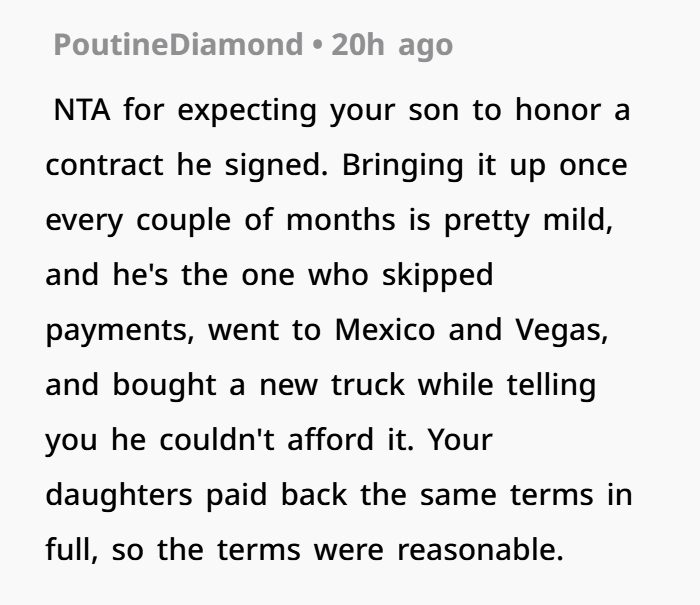
AITA for Making My Son Repay His $50K Loan?

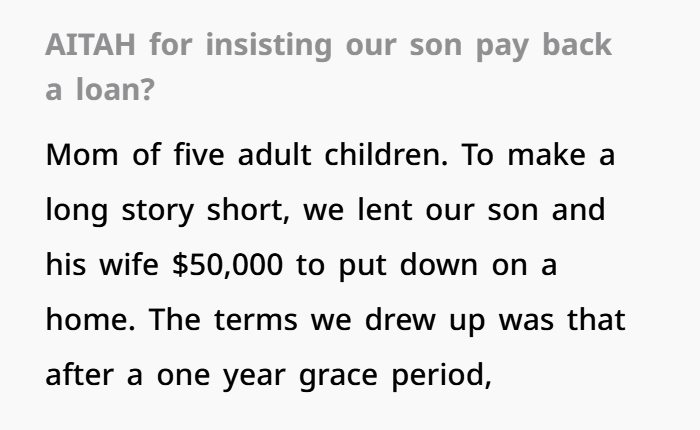
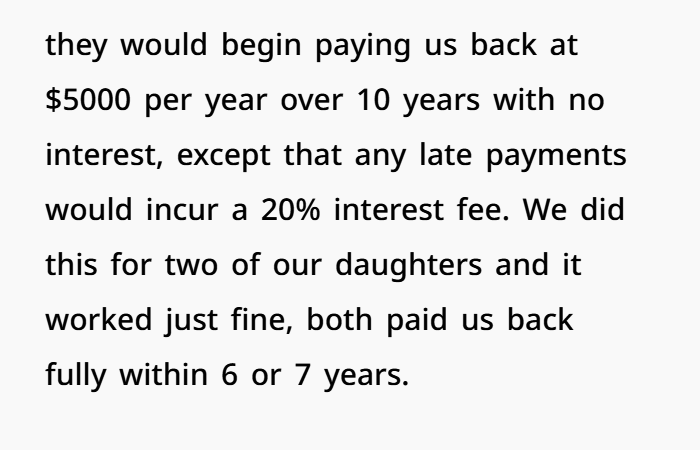
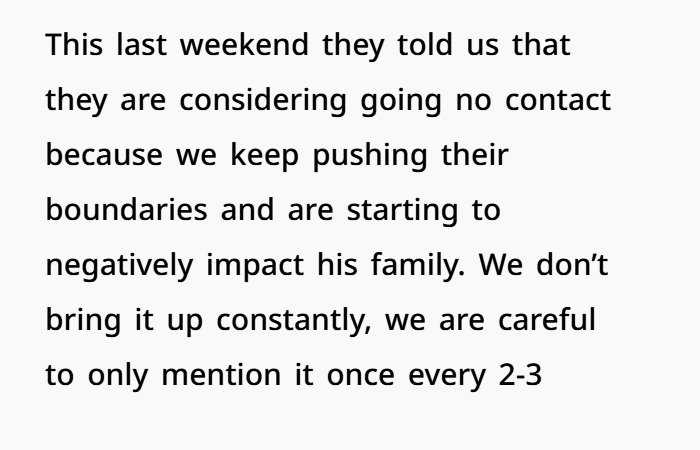
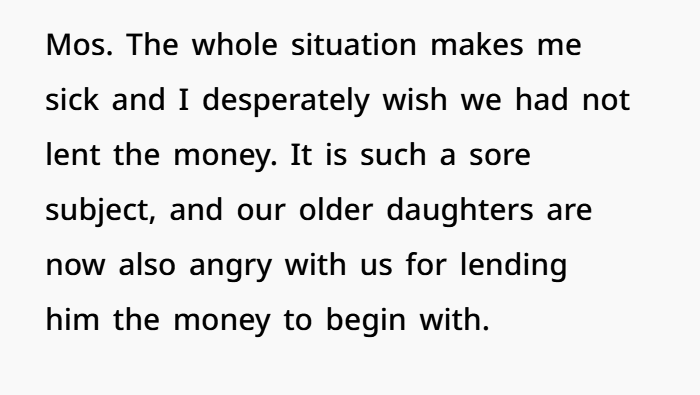
A mother is dealing with a stressful family issue after lending her son and daughter-in-law $50,000 to help them purchase a home. To keep everything clear, the family created a written loan agreement with payment details and a timeline for repayment.
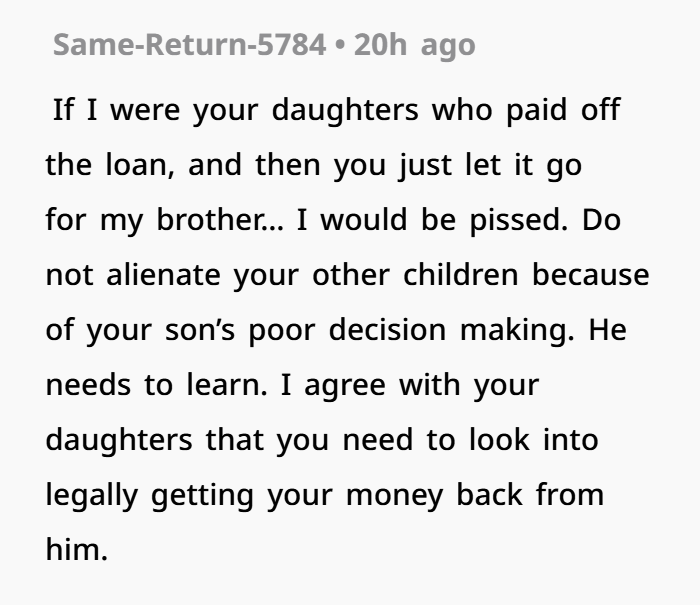
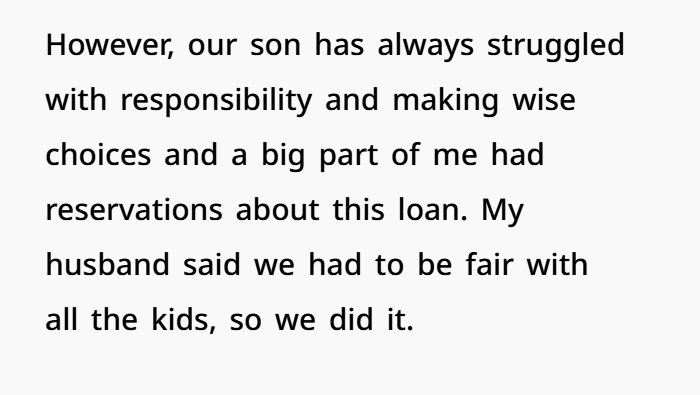
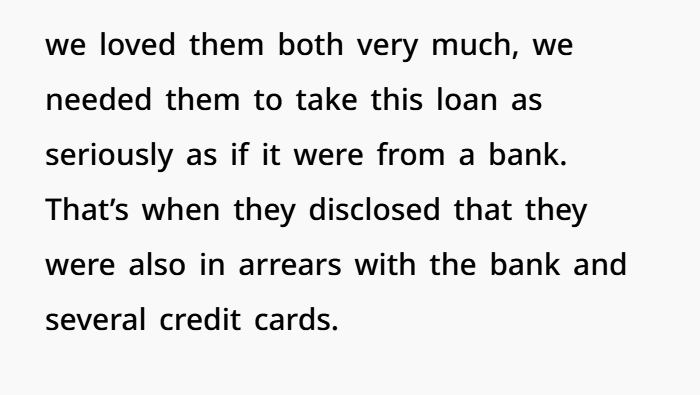
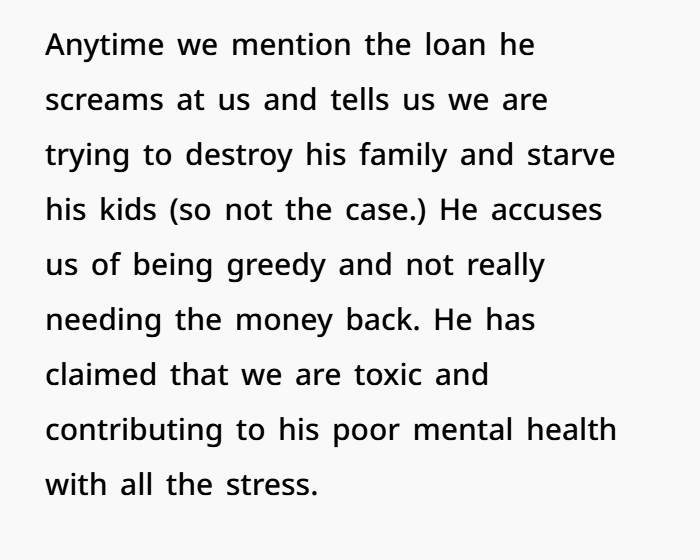
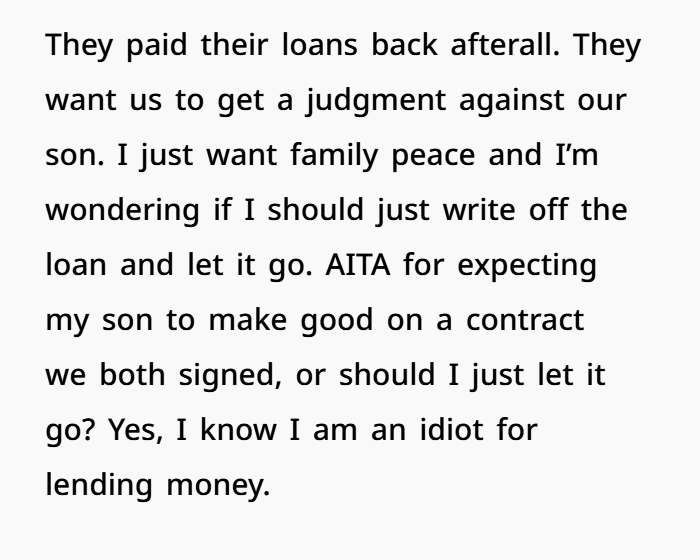
In the past, the parents had also helped two of their daughters with similar home loans. Those loans were paid back without major problems. Their son, however, struggled to make the agreed payments and became angry when his parents followed the terms of the agreement.
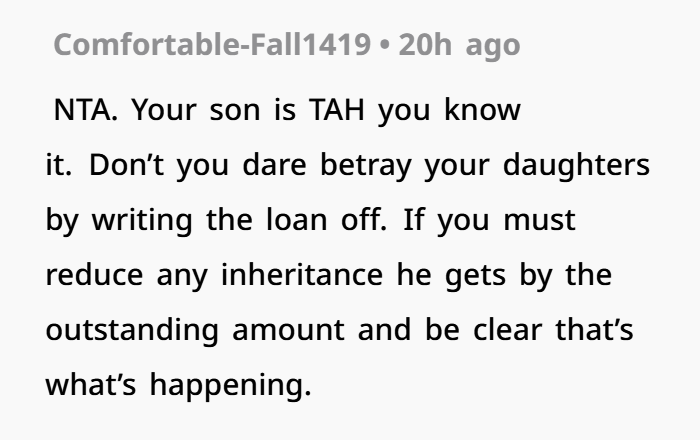
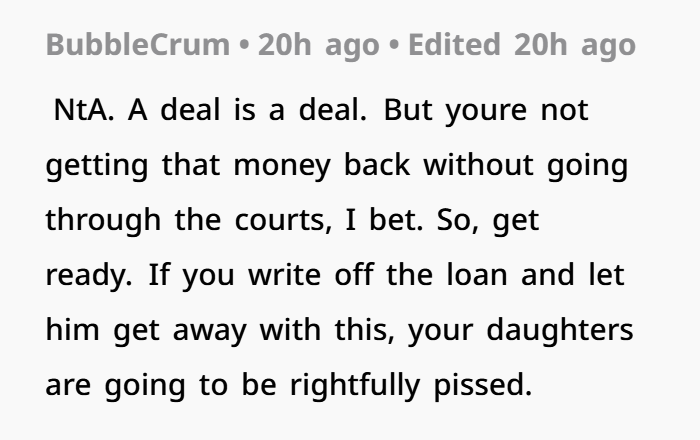
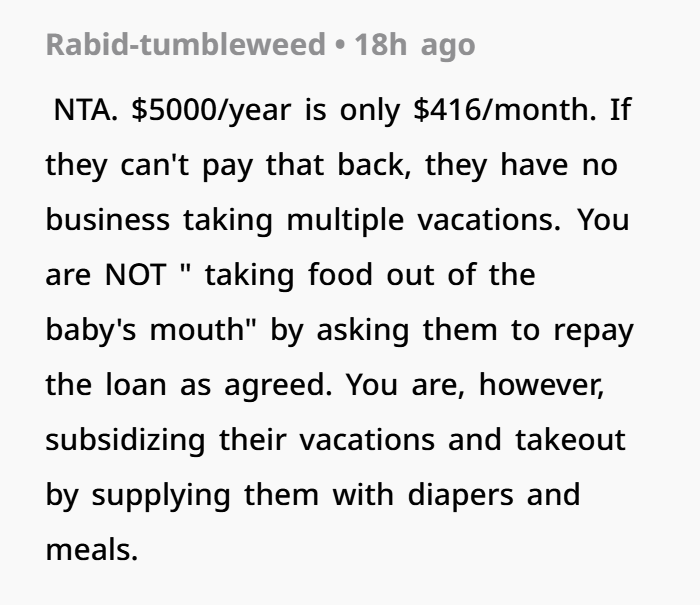
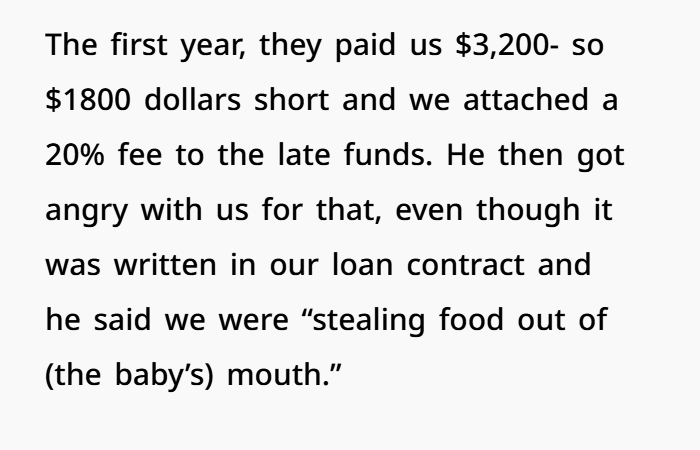
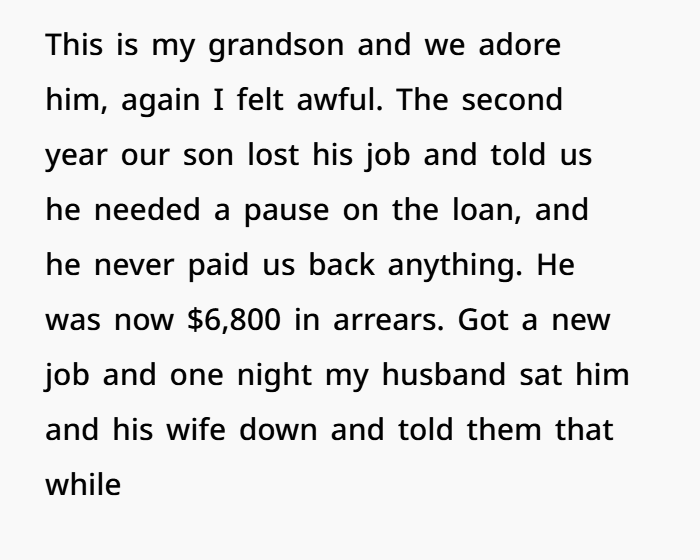
The parents felt hurt after seeing their son spend money on vacations, a new vehicle, and frequent takeout meals while he said he was unable to make loan payments. The disagreement started affecting relationships between family members.
The mother is now trying to decide what matters most: protecting the family relationship or asking her son to follow the original agreement. The situation has created emotional stress and difficult choices for everyone involved.



When a Family Loan Turns Into a Family Problem
Money can be difficult to talk about, especially when it involves family. A loan between parents and children may start with love and good intentions, but problems can happen when expectations are not clear.
A $50,000 family loan may seem simple at first. One person needs financial help, and another person wants to provide support. But when repayment becomes difficult, the situation can become stressful for everyone involved.
Family loans are not only about money. They involve trust, emotions, responsibility, and relationships.
In this situation, the parents did not simply give money away. They created a written family loan agreement and gave their son time before repayment began. They also continued helping with everyday expenses like groceries, baby items, and other necessities.
From the parents’ point of view, they were trying to support their son while also creating a fair financial agreement.
However, the son may have viewed the situation differently. This is a common issue with family lending. One person may see it as a loan, while the other person may see it as family help that can be flexible.
When both sides have different expectations, conflict can grow.
Why a Family Loan Agreement Is Important
Many financial experts recommend creating a written agreement when lending a large amount of money to a family member.
A family loan agreement helps avoid confusion because both people understand the rules from the beginning. It can explain how much money was borrowed, when payments are due, and what happens if payments are missed.
A basic loan agreement may include:
- Total loan amount
- Monthly repayment schedule
- Interest rate, if any
- Payment deadlines
- Late payment information
- Signatures from both people
A written agreement does not mean there is no trust. In many cases, it protects the relationship because everyone knows what to expect.
Without clear terms, family members may avoid talking about repayment because they feel uncomfortable. Over time, this can create stress, frustration, and resentment.
Helping Family Members Without Creating Financial Problems
Many parents want to help their children during difficult times. Offering support during job loss, financial emergencies, or major life changes can be a loving thing to do.
However, there is a difference between helping and enabling.
Helping means giving support while the person works toward solving the problem.
Enabling means continuing to provide support without expecting responsibility or change.
For example, helping an adult child create a budget, find better financial solutions, or manage debt can be positive support. But constantly covering unpaid bills without a plan may create bigger problems in the future.
Good financial planning includes knowing when to provide help and when to set boundaries.
Why Money Problems Can Damage Family Relationships
Many family arguments about money are not really only about money.
They are often connected to feelings like:
- Stress
- Embarrassment
- Guilt
- Anger
- Disappointment
- Feeling misunderstood
A person who cannot make payments may feel ashamed or pressured. Instead of discussing the problem calmly, they may become defensive.
At the same time, the person who provided the money may feel hurt because they believe their kindness was not appreciated.
This is why open communication is an important part of personal finance and family relationships.
Understanding the Legal Side of Family Loans
A signed loan agreement can help show that money was borrowed and was not simply a gift.
Depending on local laws, a lender may have legal options if the borrower does not follow the agreement. However, taking legal action against a family member can create additional emotional challenges.
Before making a legal decision, families may want to consider:
- Whether repayment is realistically possible
- Whether the loan agreement is legally valid
- Whether both sides can reach a solution through discussion
- Whether professional financial or legal advice is needed
In some cases, family mediation can help. A neutral person can help family members discuss money problems and find a solution without making the conflict worse.
The Emotional Challenge for Parents
For many parents, this type of situation is extremely painful.
They may feel stuck between protecting their relationship and expecting financial responsibility.
If they continue asking for repayment, they may worry about damaging the relationship. If they forgive the debt, they may feel disappointed or taken advantage of.
Parents often want to protect their children, even when their children are adults. But adult children also need to learn responsibility for their financial choices.
It is possible to love someone and still expect them to follow through on their commitments.
Financial difficulties can happen to anyone. Job changes, unexpected expenses, and family responsibilities can create real challenges. But having problems does not remove the importance of communication and responsibility.
Lessons About Money Management and Family Loans
This situation shows why clear financial boundaries are important.
Before lending a large amount of money to a family member, consider these questions:
- Can I afford to lose this money if repayment does not happen?
- Will this affect my relationship with this person?
- Does this person have a realistic plan to repay the loan?
- Would I make the same decision if this was not a family member?
A good rule in personal finance is to only lend money that you can emotionally and financially handle losing.
Creating boundaries does not mean you do not care. In many cases, clear boundaries protect relationships and prevent future conflict.
Moving Forward After a Family Money Conflict
A family loan problem can leave emotional pain on both sides. The missing money is only one part of the problem.
The bigger issues are often trust, communication, and expectations.
Moving forward may require honest conversations, better financial planning, and realistic solutions. Some families may benefit from help from a financial advisor, mediator, or legal professional.
The goal is not only solving the money issue. It is also finding a way to rebuild trust while respecting financial responsibility.
Family and money can be complicated, but clear agreements, open communication, and responsible money management can help prevent many problems before they begin.
See The Comments Below