I Refused to Dye My Hair for the Bride, Now She Says I’m “Fake”
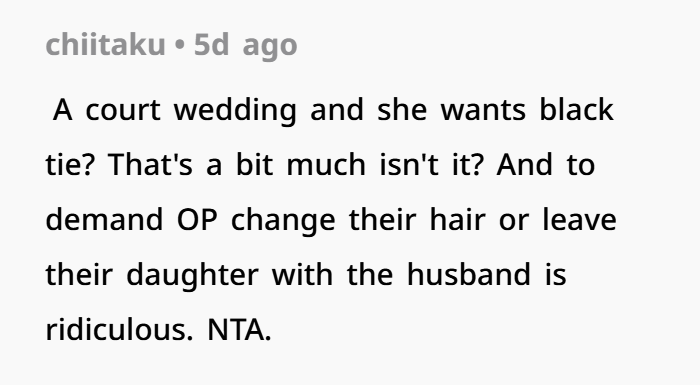
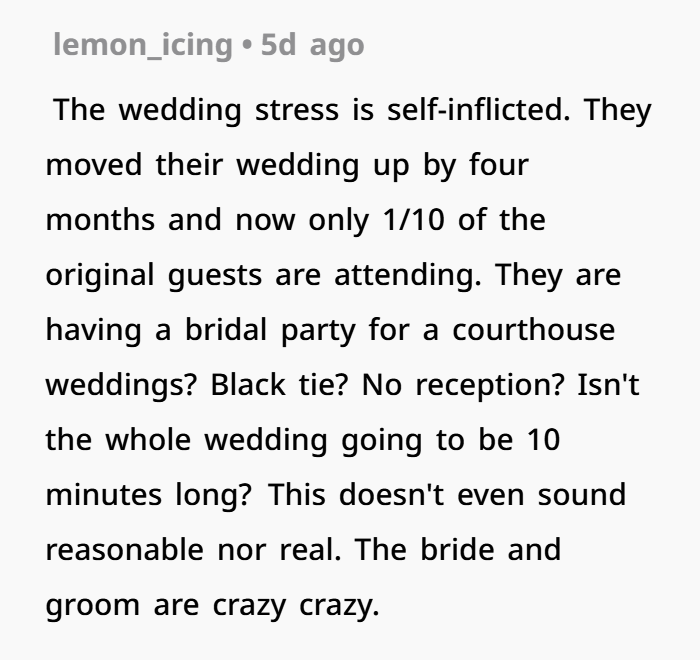
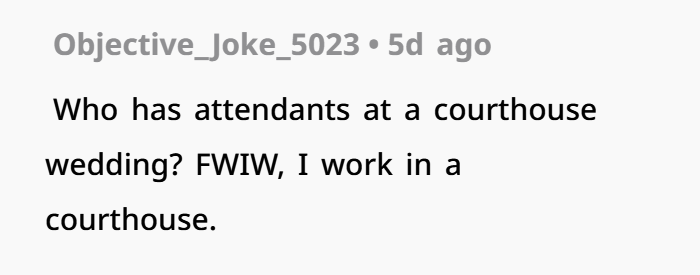
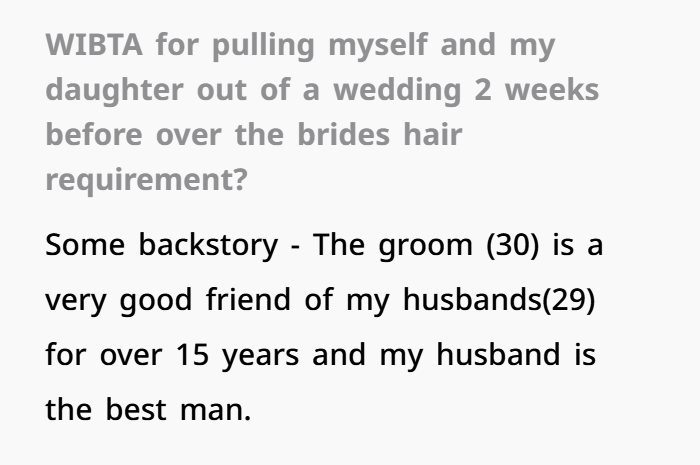
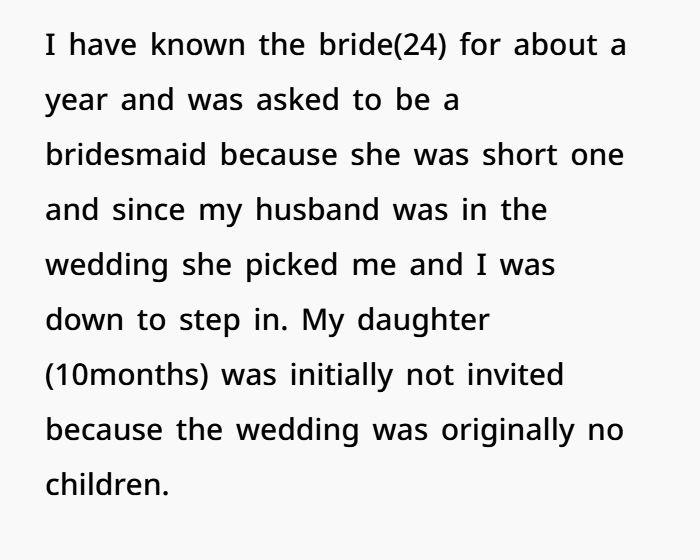
A wedding that once seemed simple has suddenly become stressful for one family. The woman is not very close to the bride, but her husband has been friends with the groom for more than 15 years and is the best man. She was asked to be a bridesmaid, partly because her husband was already in the wedding party. Their 10-month-old daughter was not originally invited because the February 2027 wedding was supposed to be child-free. Then the couple completely changed their wedding plans. They moved the ceremony to mid-October, reduced the guest list from about 200 people to around 20, chose a courthouse wedding, and asked the baby to be the flower girl.
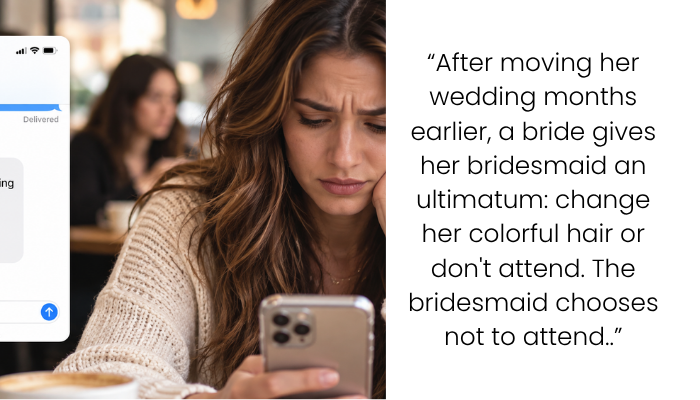
The woman tried to be supportive because she knew the bride did not have a large support system. However, the bride soon made a request she was not expecting. The woman has had brightly colored hair since 2021, long before she knew the bride. The bride had even complimented her hair in the past. Now she wants everyone in the wedding party to have a more uniform appearance and asked the woman to dye her hair a natural color for the wedding ceremony. If she does not change it, the bride said she can skip the ceremony and meet everyone for dinner afterward.
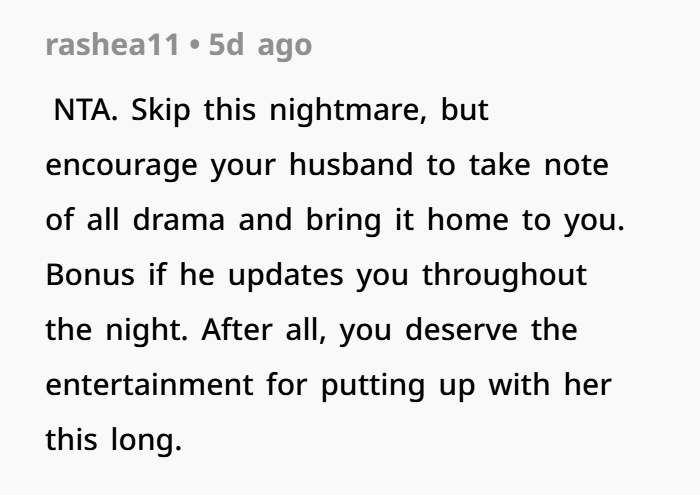
The woman quickly said she would not change her hair color for one event. She has spent years maintaining it, and changing it would mean extra time, hair care, and beauty expenses. She also explained that if she could not attend the ceremony, her breastfed baby would not be there as the flower girl. Her husband supports her decision and believes asking her to make such a major appearance change for a small courthouse ceremony is unreasonable. The situation became even more uncomfortable when the bride started sharing general social media posts about loyalty and finding out who is truly supportive.
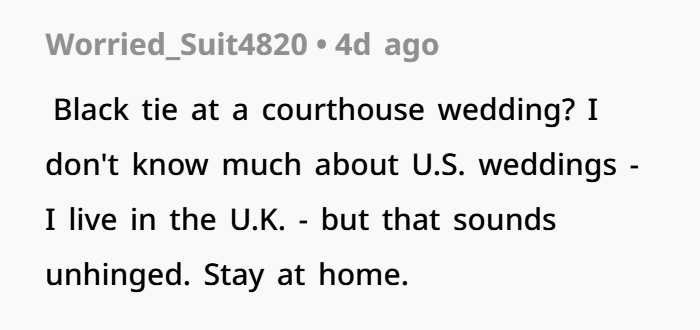
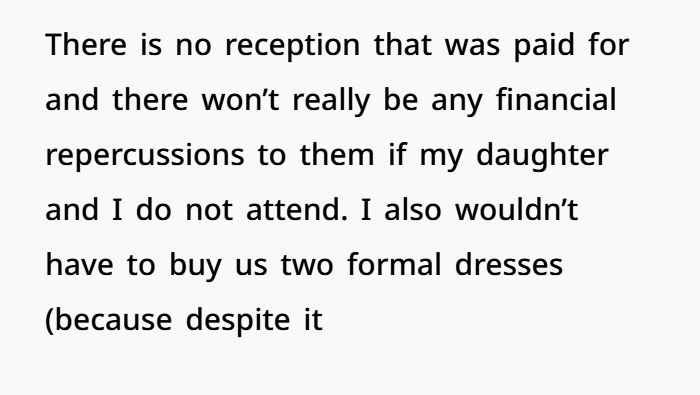
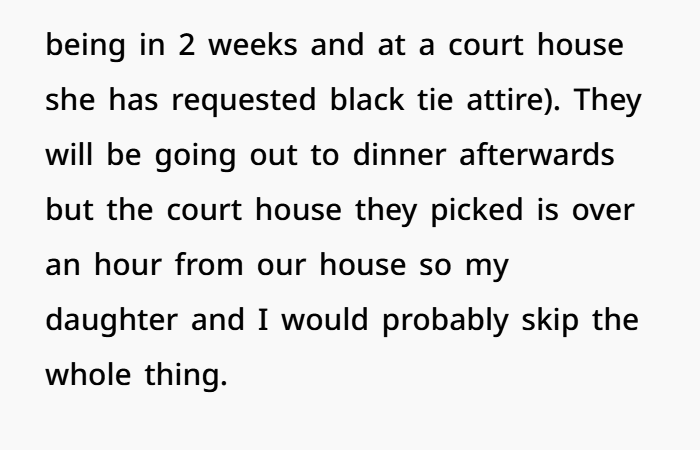
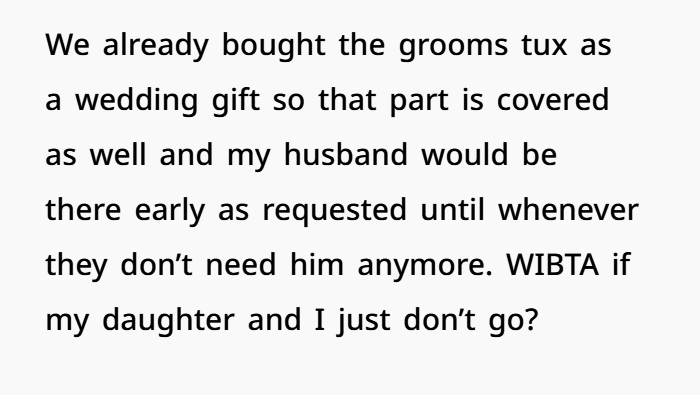
Now the woman is thinking about leaving the wedding party completely and keeping her daughter home as well. There is no prepaid reception, so their decision does not appear to create a major financial loss for the couple. They would also need to buy two formal outfits for the black-tie event, adding more wedding expenses to their household budget. The courthouse is more than an hour away, which also adds travel time and transportation costs. At this point, she feels it may be easier for her husband to attend as best man while she and her daughter step away from the last-minute wedding plans.

When Does a Bride’s Appearance Request Become Too Much?
Weddings often come with rules about appearance.
Bridesmaids may be asked to wear the same dress, choose matching shoes, or follow a certain color theme. A bride may also ask everyone to wear their hair in a similar style.
These requests are a normal part of wedding planning.
But asking someone to change a major part of their appearance is different.
That is where this situation gets complicated.
Wearing a Dress Is Not the Same as Changing Your Hair
A bridesmaid dress is temporary.
You wear it for the wedding, take it off afterward, and go back to your normal clothes.
Hair color can be very different.
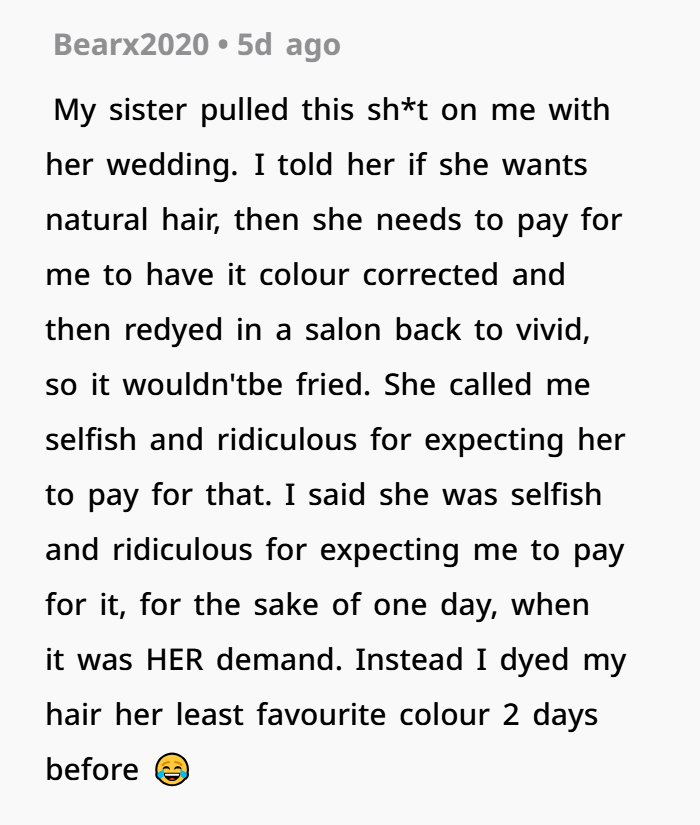
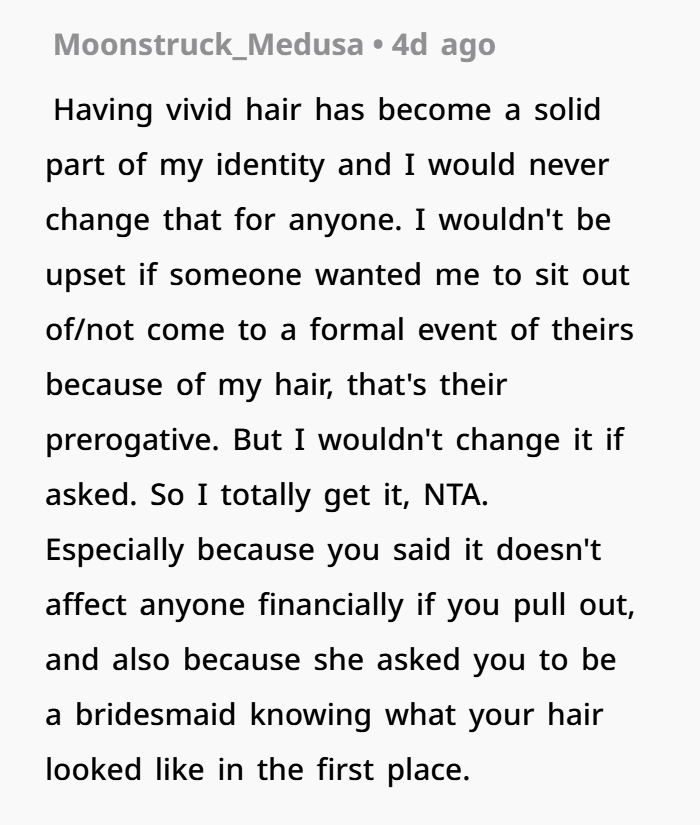
The narrator had already worn bright, colorful hair for years. This was not a new look she chose right before the wedding.
The bride knew what her hair looked like when she asked her to become a bridesmaid.
According to the story, the bride had even complimented her hair before.
That makes the last-minute request to change it much harder to understand.
The Timing Matters
The bride did not ask about the hair color when she first invited the narrator into the bridal party.
Instead, the request came close to the newly rescheduled wedding.
That matters.
If a certain appearance was important to the bride, it would have been much easier to discuss it at the beginning.
The narrator could then have decided whether she was comfortable joining the wedding party.
Instead, the rules changed later.
The narrator did not suddenly show up with a completely different appearance.
Her colorful hair was already part of her look.
Brides Can Have a Wedding Vision
It is understandable that a bride may have a certain vision for her wedding.
Wedding dresses, flowers, decorations, bridesmaid outfits, makeup, and photography are often planned around a theme or color palette.
Couples can spend a lot of time and money trying to create a certain look.
Professional wedding photography is also an important part of the wedding budget for many couples.
So wanting coordinated photos is not strange.
But coordinated does not have to mean identical.
The people standing beside the couple are still individuals.
Bridesmaids Are People, Not Decorations
A bridal party can look coordinated without every person looking exactly the same.
People have different hair colors, hair textures, heights, body shapes, tattoos, piercings, and personal styles.
Those differences do not automatically ruin wedding photos.
The bride already knew what the narrator looked like.
If colorful hair was going to be a serious problem, that conversation should have happened before she was asked to participate.
Asking someone to wear a certain dress is one thing.
Asking someone to make a major personal appearance change is a much bigger request.
Hair Color Can Take Time and Money to Change
There is also a practical side to this.
Changing vivid hair to a natural color may not be as simple as buying one box of hair dye.
Depending on the current color and condition of the hair, changing it may involve several steps.
Professional hair care and salon services can also be expensive.
Then there is another problem.
What happens after the wedding?
If the narrator wants her bright hair back, she may need additional coloring or lightening.
That can mean more salon appointments, more expense, and more time.
There can also be concerns about maintaining healthy hair through repeated coloring.
So this request could involve much more than changing someone’s look for one afternoon.
A Hairstyle Request Would Be Different
There is a big difference between hair color and hairstyle.
If the bride asked all the bridesmaids to wear an updo, curls, or another simple style, that would be a more common wedding request.
The style could be changed for the event and removed afterward.
Changing someone’s established hair color is more personal.
That is why the narrator is allowed to decide that the request goes beyond what she is willing to do.
The Bride Gave Her a Choice
The bride reportedly made the situation very clear.
Change the hair or do not participate in the ceremony.
The narrator chose not to participate.
That is important.
She did not demand that the bride change her wedding theme.
She did not insist that she had to remain a bridesmaid.
She simply chose the second option the bride had given her.
It is difficult to call that disloyal.
If someone gives you two choices, they also need to accept that you may choose the option they do not prefer.
What About the 10-Month-Old Flower Girl?
The narrator’s daughter was also supposed to be in the wedding.
That makes the situation a little more complicated.
At first, removing a flower girl might sound like a reaction to the argument.
But the child is only 10 months old.
She is a baby.
She is not an older child who has spent months practicing and looking forward to walking down the aisle.
Her role was also added after the wedding date changed.
That makes the situation much more flexible.
Childcare Is a Real Wedding-Day Issue
There is also a practical childcare problem.
The narrator says her baby is breastfed.
Her husband is the best man.
That means he will probably have wedding responsibilities before and during the ceremony.
If the narrator does not attend, someone still has to care for their 10-month-old baby.
The baby may need feeding, changing, naps, comfort, and close supervision.
Simply saying that the father will be at the wedding does not solve everything.
He may be busy helping the groom, taking photos, attending wedding-party activities, and completing his best-man responsibilities.
Parents have to think about these practical details when planning family travel and special events with a baby.
The Baby Wasn’t Originally Part of the Wedding
Another detail matters.
The baby was not originally supposed to be part of the ceremony.
Her flower girl role was added after the wedding was suddenly moved forward.
So this was already a fairly recent plan.
Removing her from the ceremony is therefore different from canceling a role that had been planned for a year.
The wedding can continue without a 10-month-old flower girl.
Social Media Is Making the Conflict Worse
The bride reportedly started posting vague messages about loyalty and fake friends.
That is unlikely to help.
Social media can turn a private disagreement into a much bigger conflict.
The bride is allowed to care about her wedding aesthetic.
She can decide who she wants in her bridal party.
But if she says, “Change your hair or don’t participate,” she also needs to accept that someone may choose not to participate.
That choice does not automatically mean the person is a bad friend.
It simply means their boundaries do not match.
This Doesn’t Need to Become a Bigger Fight
There is no real need for either person to keep arguing.
The bride has explained what she wants.
The narrator has explained what she is willing to do.
Neither person needs to spend weeks trying to change the other’s mind.
The narrator can respect the bride’s wedding plans while still keeping her own hair the way she wants it.
Both things can be true.
A Clear Final Message Would Help
The best next step would be simple communication.
The narrator should clearly explain that she understands the bride’s appearance request but is not willing to change her hair color.
Because the bride said that means she cannot participate, she will step out of the bridal party.
She can also explain the childcare situation.
Since she will not be attending and her husband will be busy with his best-man duties, their baby will not be available to serve as flower girl.
That keeps the conversation focused on practical details.
There is no need to argue about social media posts or wedding photos.
Wedding Boundaries Work Both Ways
The bride gets to make decisions about her wedding.
She can choose the venue, decorations, dresses, flowers, wedding photography style, and overall theme.
She can also set expectations for her bridal party.
But bridesmaids have choices too.
They can decide whether they are comfortable with those expectations.
Being invited into a wedding party does not mean someone has to agree to every appearance change.
Sometimes the bride’s wedding vision and a bridesmaid’s personal boundaries simply do not match.
When that happens, stepping away can be better than creating months of resentment.
Final Verdict: NTA
The narrator is not wrong for refusing to recolor her hair.
Her colorful hair existed before she became a bridesmaid. The bride knew about it and still invited her into the wedding party.
Then, close to the rescheduled wedding, the bride made natural-colored hair a condition for participating.
The narrator chose not to accept that condition.
That is her choice.
Taking her 10-month-old daughter out of the flower girl role also makes sense because of breastfeeding, childcare needs, travel, and her husband’s responsibilities as best man.
The bride is allowed to want coordinated wedding photos.
The narrator is allowed to decide that changing her long-term appearance is too much to ask.
A wedding invitation can come with a dress code. It does not remove someone’s right to set personal boundaries.
In this case, the cleanest solution is for both women to accept that their expectations do not match and move forward without turning one wedding-day disagreement into a much bigger friendship problem.
Readers’ Comments Speak Out