Family Meltdown After I Refuse to ‘Equalize’ My Niece’s Privileged Life
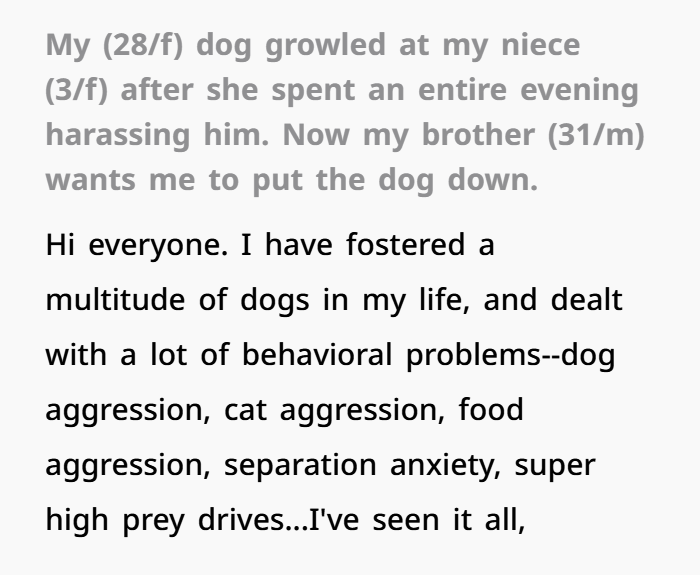
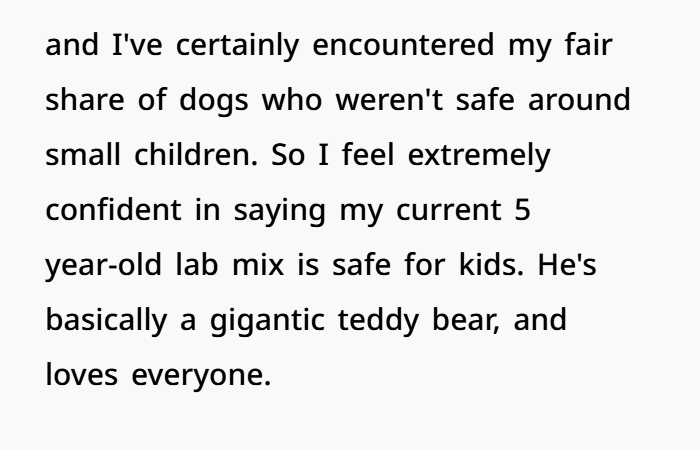
A 28-year-old woman who has experience in dog training and animal behavior has a 5-year-old Labrador mix. The dog is calm, friendly, and generally good around children. However, she always follows one important pet safety rule: never leave young children and dogs alone without supervision.
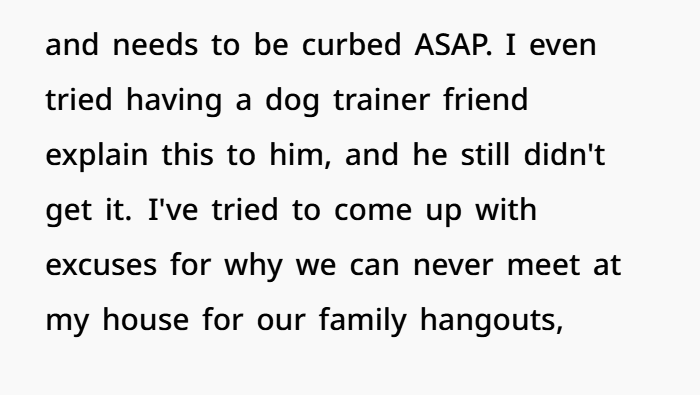
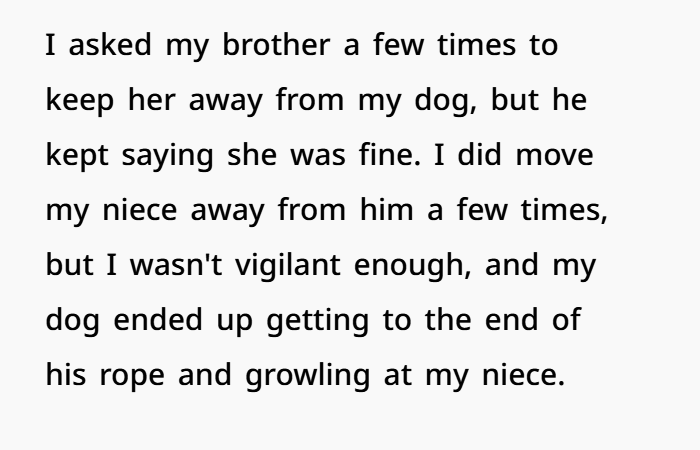
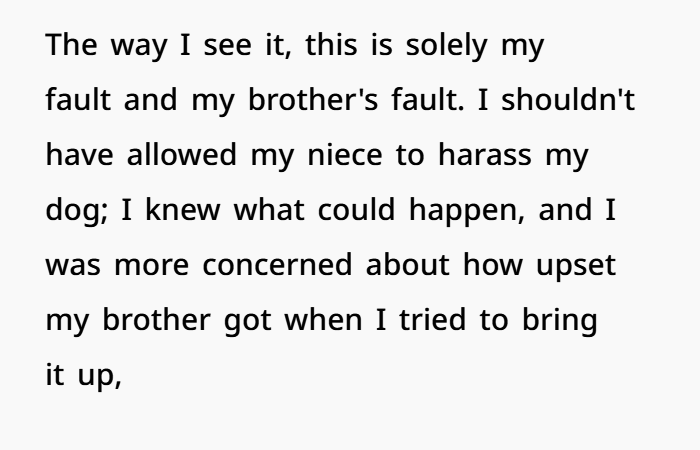
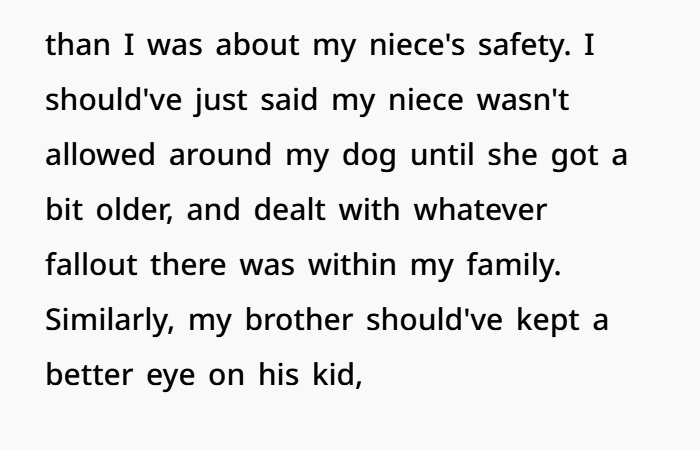
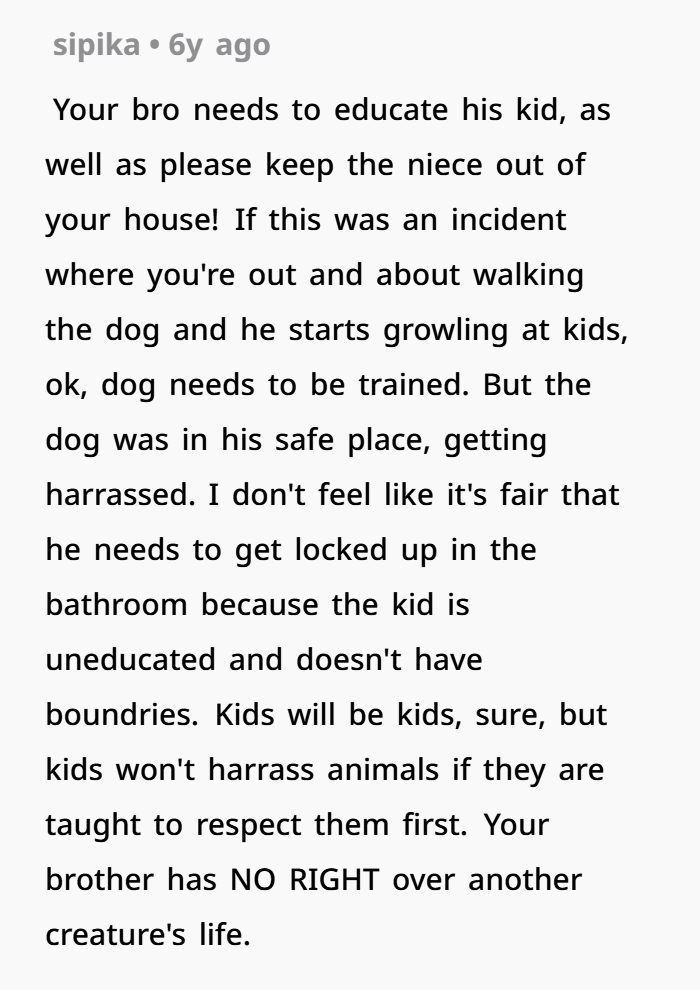
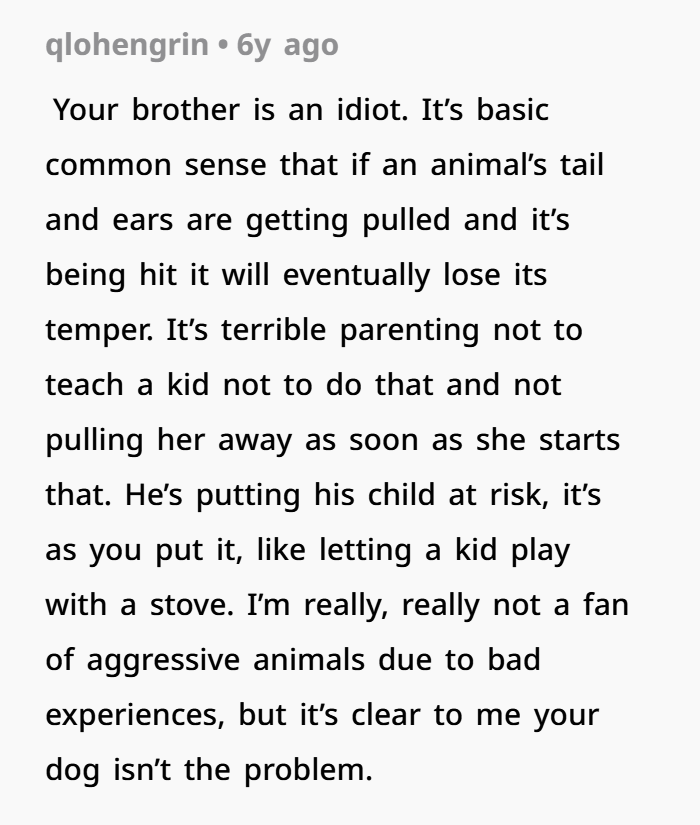
Her 3-year-old niece often does not respect the dog’s space. She pulls his tail, touches his ears, and climbs on him, even when asked not to. The woman has tried to explain child safety around pets to her brother and sister-in-law many times, but they did not take her concerns seriously.
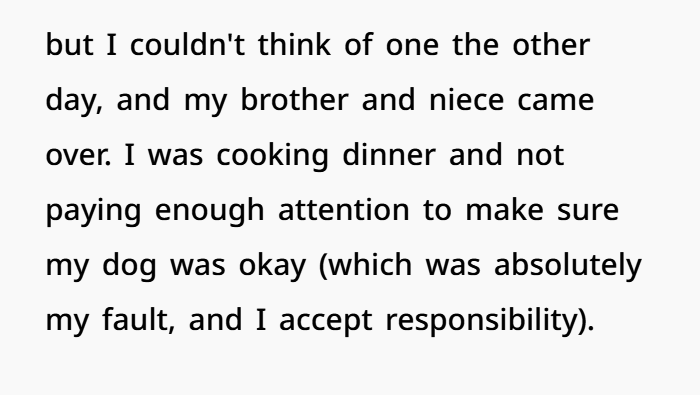
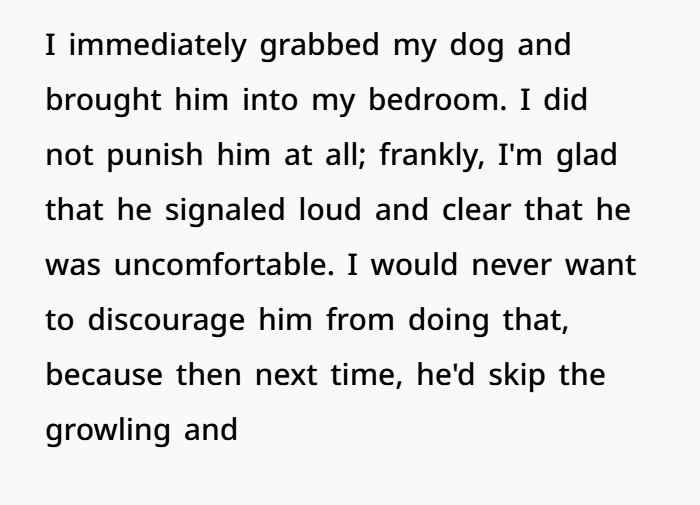
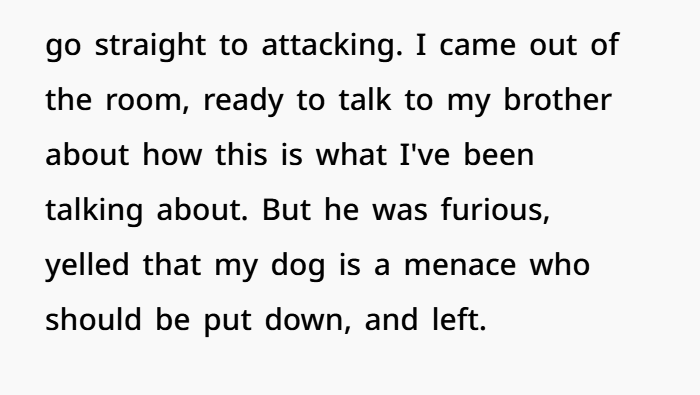
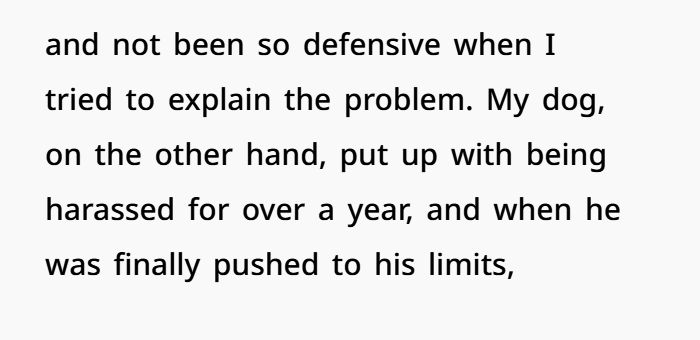
During one visit at her home, she was busy in the kitchen and not able to watch closely. The child kept bothering the dog, and eventually the dog growled. It was not an attack, but a warning sign that the dog felt uncomfortable. The owner quickly separated them and understood that the dog was showing normal animal behavior by warning before anything worse could happen.
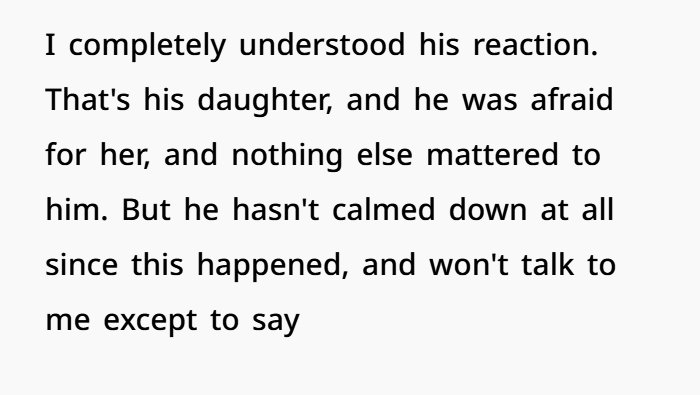
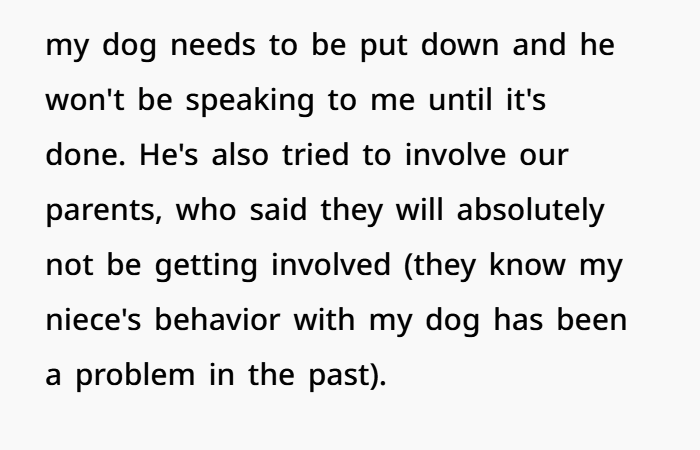
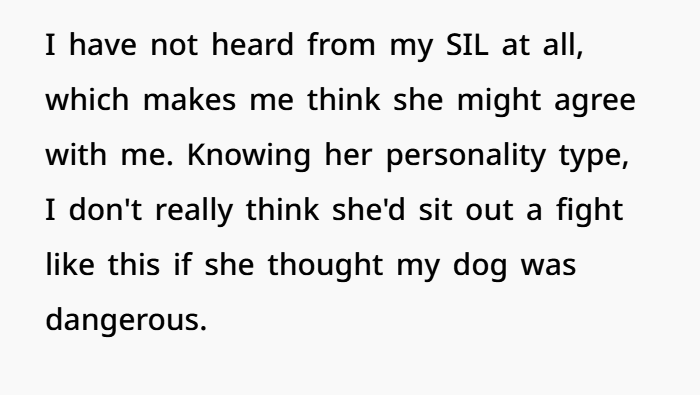
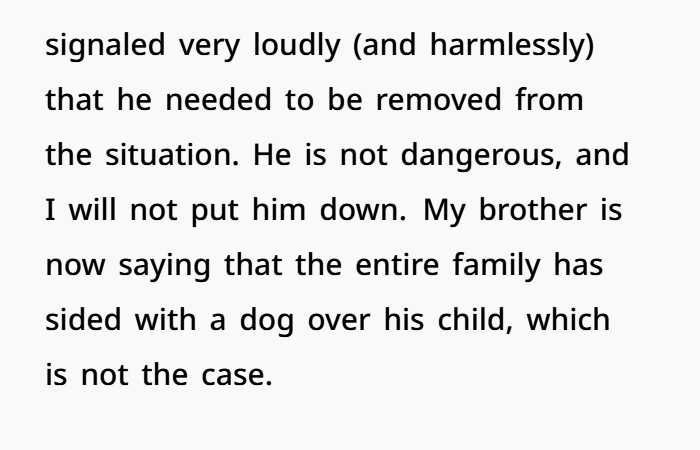
However, the child’s father reacted very strongly. He became upset, demanded that the dog be put down, and stopped talking to his sister. Now the woman is stuck in a difficult situation between family conflict and pet responsibility. She wants to protect her dog, who followed normal dog behavior and reacted safely, but she is also facing a broken family relationship and stress over what to do next.
Let’s break this situation down in very simple words.
This is not just about a dog growling. It is about dog behavior, child safety, and responsibility in the home.
A growl is a warning, not an attack
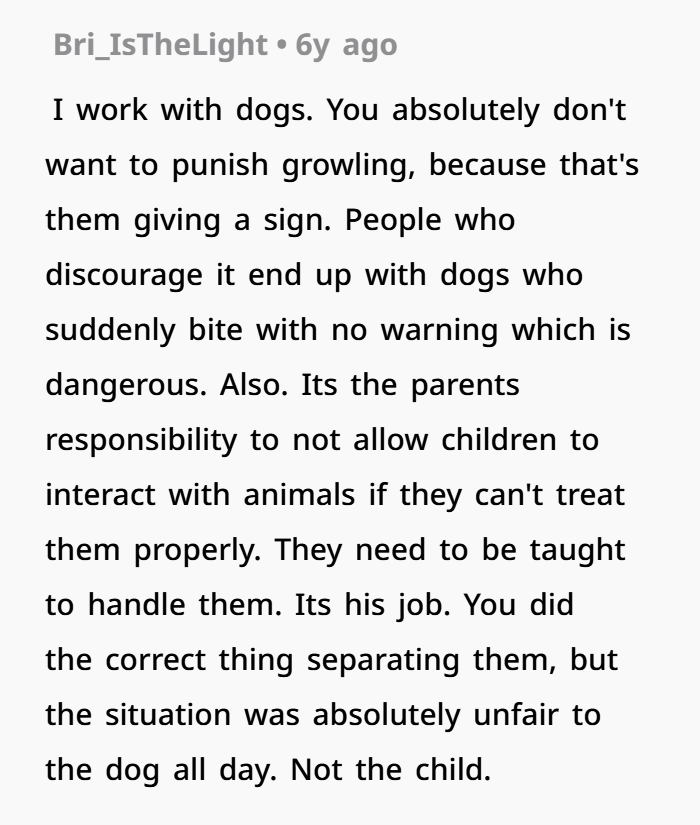
In dog behavior and training, a growl is not aggression by itself.
A growl usually means:
- “I am uncomfortable”
- “Please stop”
- “I feel stressed”
Dogs normally give warning signs before anything serious happens. This is part of what trainers call a “warning ladder”:
- Body tension or stress signals
- Growling
- Snapping
- Biting (only if ignored)
In this case, the dog stopped at growling. That is actually a warning, not an attack.
Experts in animal behavior and veterinary care often say you should not punish a dog for growling. If you do, the dog may stop warning next time and react suddenly without notice.
Small children and pet safety
A 3-year-old child does not fully understand personal space.
At that age, it is normal for kids to:
- grab animals
- pull ears or tails
- climb on pets
- play too roughly
The issue is not the child’s behavior alone. The main concern is lack of supervision and child safety around pets.
Studies in dog bite prevention show most accidents happen at home with familiar dogs, usually when adults are not watching closely or when boundaries are not enforced.
Responsibility is shared
In this situation, responsibility is not just one-sided.
- The dog gave a warning by growling
- The child did not understand boundaries
- Adults were not fully supervising the situation
This means both safety and supervision failed at that moment.
In some legal systems, this can fall under shared responsibility or comparative negligence, where fault is divided based on what each person contributed to the situation.
Why the reaction became extreme
The brother’s reaction was very emotional. He wanted the dog removed or put down.
This kind of reaction is often driven by fear, especially when children are involved. He is focused on what could have happened, not what actually happened.
In psychology, this is sometimes called outcome bias, where people judge a situation only by the fear of the result instead of the full context.
Why euthanasia is not a simple solution
In veterinary behavior standards, euthanasia is usually considered only when:
- A dog shows repeated unprovoked aggression
- There is serious, ongoing danger
- Behavior cannot be managed or trained
In this case, the dog:
- gave a warning
- did not bite
- showed controlled behavior
This is not the same as a dangerous or uncontrollable animal.
What was already done correctly
The dog owner had already tried to manage the situation by:
- warning the family about behavior
- trying to set boundaries
- suggesting separation between child and dog
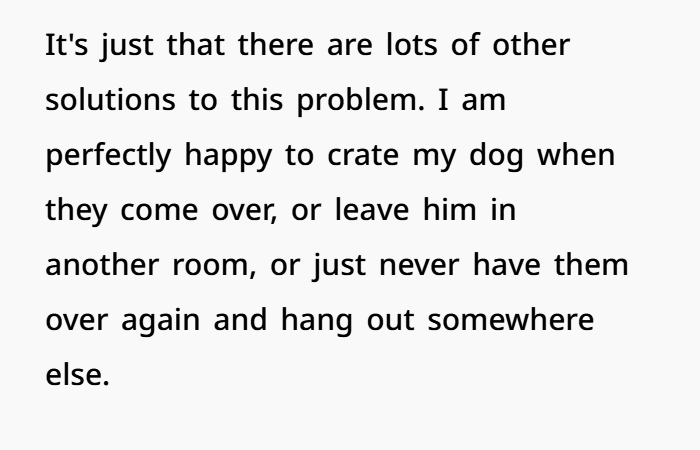
- offering controlled solutions like crating or supervision
These are standard pet safety and dog management steps.
The real issue: prevention
The main problem was not just the dog. It was the lack of prevention and supervision.
Simple safety steps in homes with pets and children include:
- never leaving young kids alone with pets
- teaching children gentle behavior
- setting clear pet boundaries
- watching interactions closely
These are basic rules in home pet safety guidelines.
Emotional reaction vs reality
The brother sees this as “choosing a dog over a child.”
But realistically, this situation is about:
- supervision failure
- misunderstood dog behavior
- fear after a close call
It is not about choosing one side.
Moving forward in a calmer way
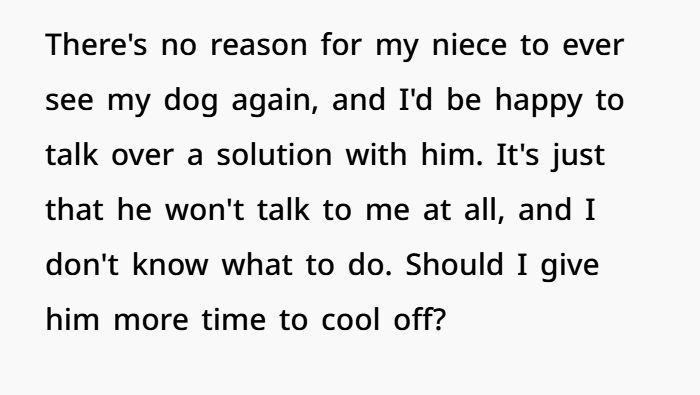
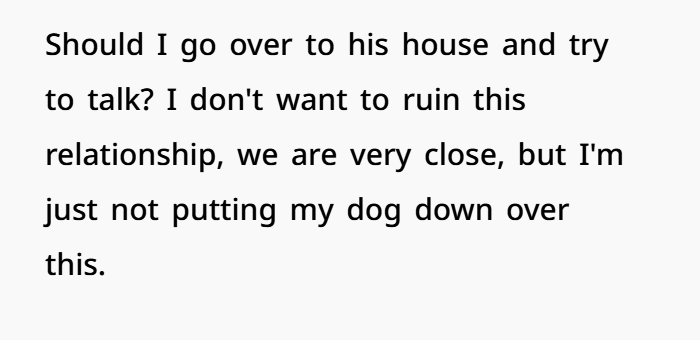
Right now, emotions are very high. That makes it hard to talk clearly.
A better approach is:
- wait until things calm down
- focus on safety, not blame
- talk about future prevention
Instead of blaming anyone, the conversation should focus on:
- how to prevent this again
- how to supervise better
- how to keep both child and dog safe
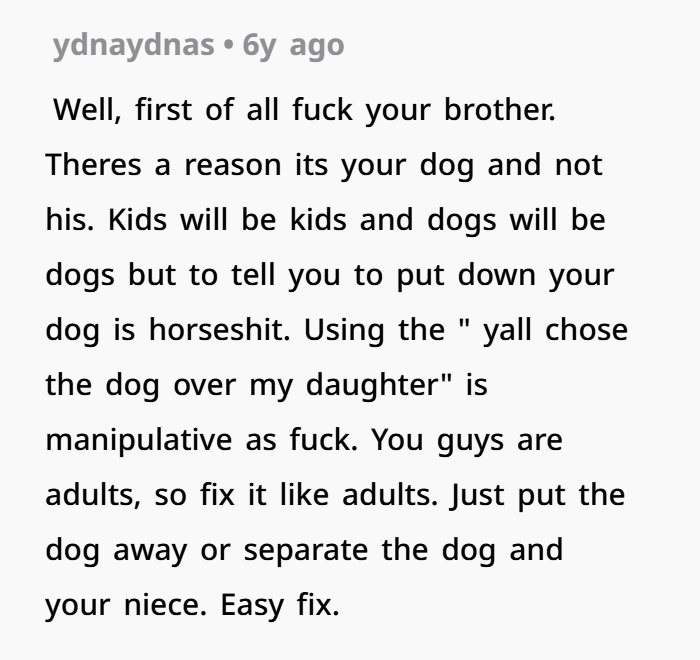
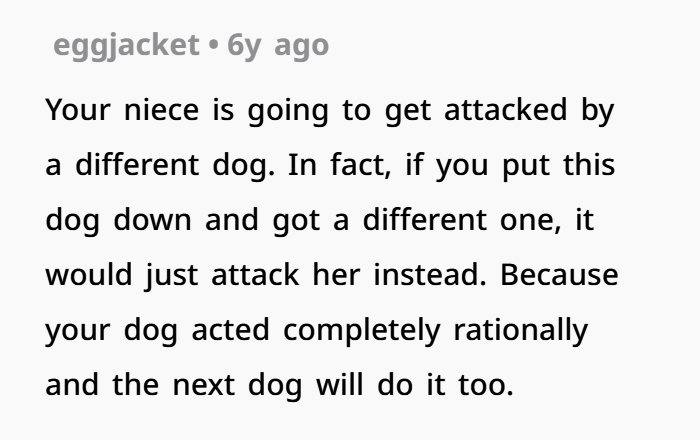
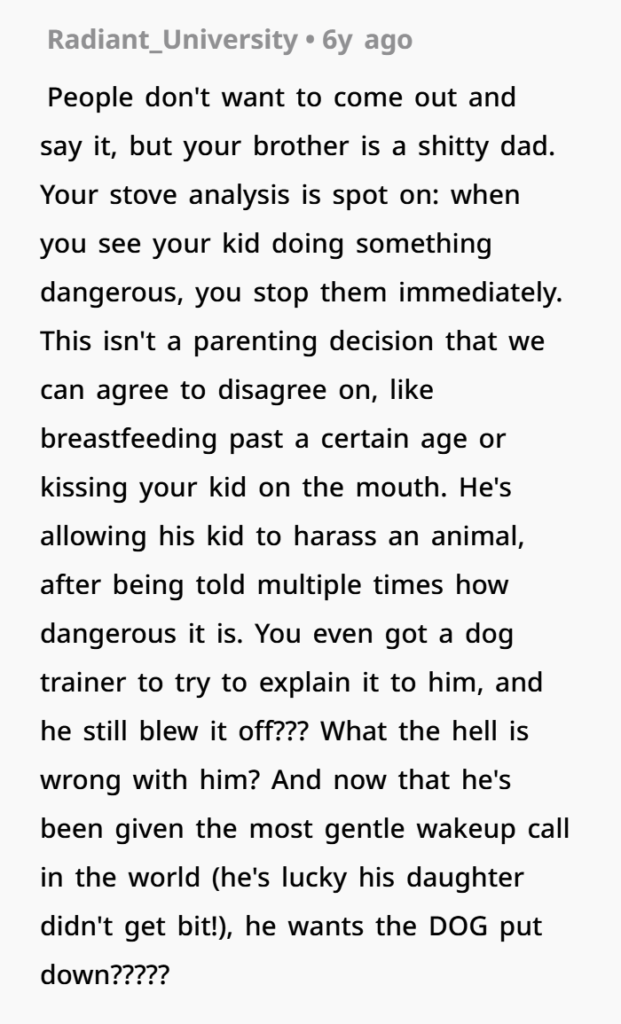
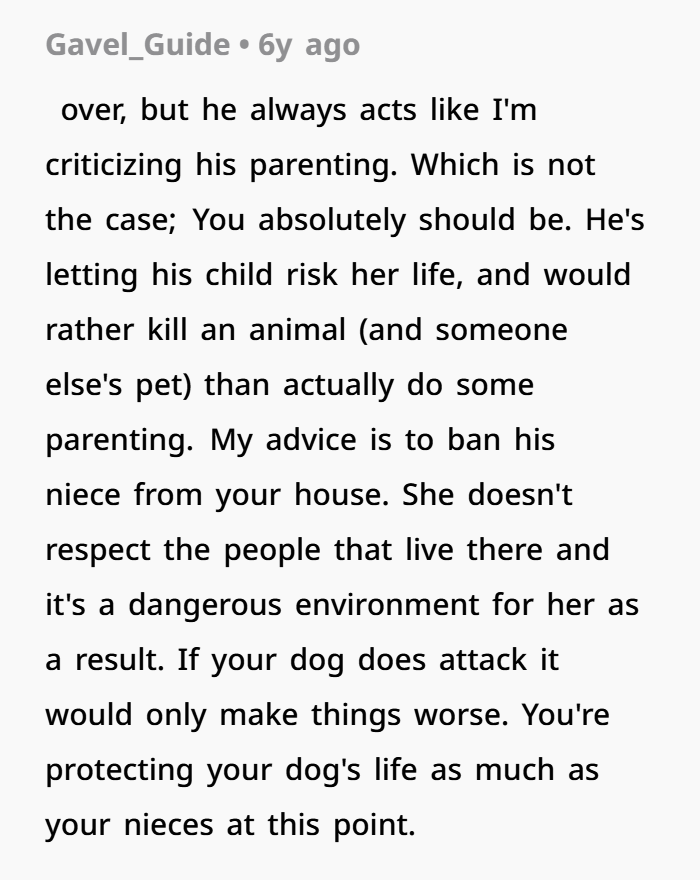
The Comments Are In
Final thoughts
This situation is stressful, but it is not simple aggression or a dangerous dog problem.
It is a child safety and pet behavior situation where:
- the dog gave a warning
- the child did not understand limits
- adults missed supervision at the right moment
With better boundaries, supervision, and calm communication, situations like this can usually be managed safely in a shared home with pets and young children.