Mom Ruined My $12 Bread Flour, So I Stopped Baking for the Whole Family—AITA?
A college student had been baking fresh bread for their family for almost four years. They enjoyed making homemade focaccia and sandwich bread every week. Over time, baking became something the whole family looked forward to. As the student got better at home baking, they started buying high-quality bread flour with their own money. This special flour helped make the bread soft and light. But one day, a small kitchen mistake caused a big argument at home.
The student had left a 10-pound bag of bread flour on the kitchen counter while their father was fixing a cabinet door. When they returned from college, they found out that their mother had poured almost the entire bag into the family’s regular flour container. The two types of flour were now mixed together and could not be separated. The special baking ingredients had cost the student $12. While that might not sound like much, the student was following a tight college budget and trying to save money.
The student was already paying for college tuition, helping with household expenses, and saving for a car and a future apartment. They also paid rent, utilities, and groceries while living with their parents. Because of this, they asked their mother to pay back the $12 for the flour. They also said they would stop baking bread for the family until the problem was fixed. Their mother did not agree. She believed the mixed flour was still good enough for baking and did not understand why it was such a big deal.
The student explained that regular flour made their homemade bread heavier and less soft. They did not want to change their favorite bread recipes just to use the mixed flour. For them, the problem was not only about the money. It was also about respecting personal belongings and the effort they put into baking for everyone. What started as a simple kitchen organization mistake became a disagreement about family responsibilities, grocery costs, and personal boundaries. Now the student wonders if asking for the money back and taking a break from baking is unfair.

Student Stops Baking Bread for Family After Mom Mixes Their $12 Flour
A student who loves making homemade bread has decided to stop baking for their family after a disagreement with their mother.
The problem started with a $12 bag of bread flour.
The student had bought the flour with their own money. They planned to use it for their regular bread recipes.
But their mother mixed it with all-purpose flour.
She thought the two types of flour were close enough and could be used together.
The student did not agree.
They wanted their mother to replace the bread flour before they started baking again.
To the mother, this seemed like a small issue.
But to the student, it was about respecting their money, time, and effort.
The Student Makes Homemade Bread Every Week
The student has been making bread for their family for about four years.
Every Sunday, they prepare fresh sandwich bread.
They also make several focaccia loaves each month.
For the family, homemade bread has become a normal part of their weekly meals.
But making bread takes more work than many people realize.
The baker has to measure the ingredients, mix the dough, wait for it to rise, shape it, and bake it.
After that, there are baking tools and kitchen surfaces to clean.
Even a simple bread recipe takes time and patience.
The student enjoys baking, but that does not mean the work is effortless.
They also pay for their own baking ingredients.
So the family gets homemade bread without having to buy the ingredients or do the baking themselves.
The Argument Started When Mom Mixed the Flour
The student had purchased a bag of bread flour for about $12.
It was meant for their usual homemade bread recipes.
But their mother mixed the bread flour with regular all-purpose flour.
She apparently believed there was no important difference between them.
From her point of view, the flour was still good.
It had not been thrown away or spoiled.
The family could still use it for baking.
But the student was upset because they had purchased bread flour for a reason.
They wanted to make bread with the same ingredients they always used.
When they asked their mother to replace the flour, she suggested using the mixture instead.
The student refused.
They decided not to make more bread until they had the flour they wanted.
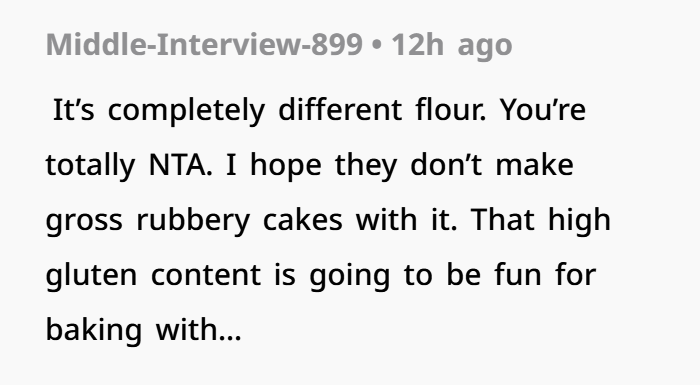
Why Bread Flour and All-Purpose Flour Are Different
If you do not bake often, the disagreement may seem confusing.
Both types of flour look almost the same.
And both can be used to make bread.
But they are not exactly alike.
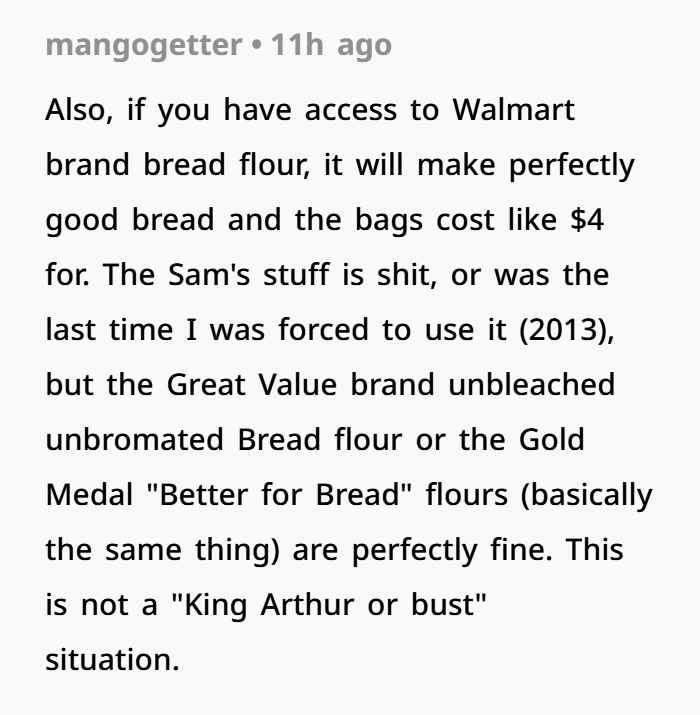
Bread flour usually contains more protein than all-purpose flour.
Depending on the brand, bread flour often has around 12% to 14% protein.
All-purpose flour commonly has around 10% to 12%.
That extra protein helps create stronger gluten when the flour is mixed with water.
Gluten helps bread dough stretch and hold its shape.
It also affects how chewy the finished bread feels.
All-purpose flour works well for many recipes, including pancakes, cookies, cakes, and some breads.
However, changing the flour in a bread recipe can change the final texture.
That is why many home bakers prefer to use a specific type of flour.
For more baking information, King Arthur Baking has guides about flour, dough, and bread-making techniques.
Why the Student Cares About the Bread’s Texture
The student has spent years making sandwich bread and focaccia.
Over time, they have learned which ingredients work best for their recipes.
They know how the dough should feel.
They also know what kind of texture they want after baking.
Focaccia, for example, can have a soft inside with a slightly chewy texture and a crisp surface.
The type of flour, amount of water, and time the dough rests can all affect the result.
It is possible to make good focaccia with all-purpose flour.
But switching ingredients may require small recipe changes.
The student did not want to spend extra time changing a recipe that already worked.
They had bought bread flour because that was what they preferred.
That choice deserves respect.
The Mixed Flour Can Still Be Used
The flour mixture is not necessarily wasted.
Mixing bread flour and all-purpose flour does not make the ingredients unsafe or useless, assuming they were stored properly.
The mixture may work for other baking recipes.
It could also be used for some types of bread.
The exact results would depend on how much of each flour was mixed together.
The student could experiment with it if they wanted to.
But they should not have to.
Trying a different flour mixture can mean adjusting the water or making a test batch.
That takes extra time and effort.
A simple solution would be to keep the mixed flour for other recipes and replace the student’s bread flour.
This would help avoid food waste while allowing the student to continue baking the way they prefer.
The Family May Have Started Expecting Free Bread
One important part of this story is how much bread the student makes.
They have been baking every week for years.
That is a generous contribution to the household.
But when someone does something regularly, other people can start taking it for granted.
Fresh bread may have become something the family simply expects to find in the kitchen.
The student is still the person buying the ingredients and doing the work.
Homemade bread can help with meal planning and reduce the need for some store-bought bakery products.
But the savings do not appear by themselves.
Someone has to buy the flour, prepare the dough, use the kitchen equipment, and clean up afterward.
The student has been providing that help voluntarily.
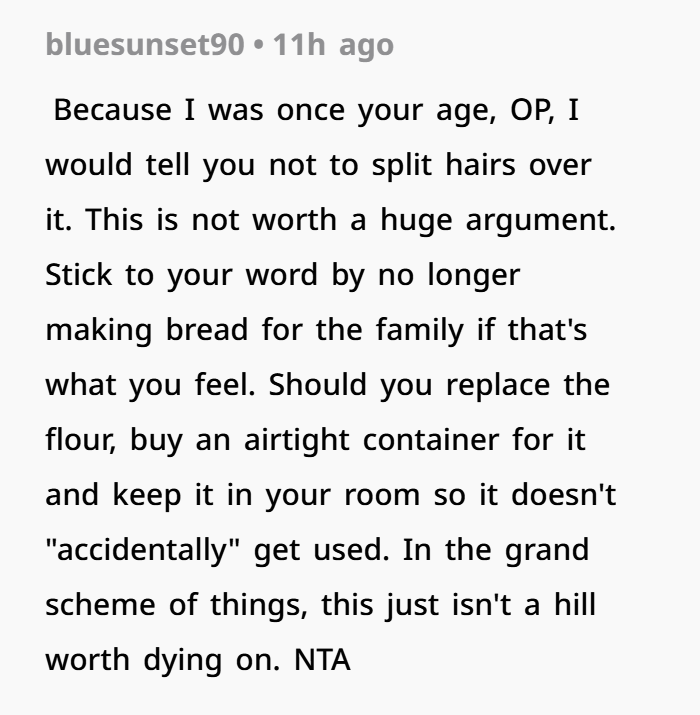
They are allowed to stop if they no longer feel comfortable with the arrangement.
Why $12 Is Important to the Student
Some people may think $12 is too small an amount to argue about.
But everyone has a different budget.
According to the account, the student pays for tuition, rent, utilities, and groceries.
They are also saving for transportation and future housing.
That means they have to be careful about spending.
Buying another bag of bread flour would mean paying twice for the same planned purchase.
For someone managing a student budget, extra grocery expenses can be frustrating.
Small purchases may not seem expensive on their own.
But they can add up over a month.
This is why grocery budgeting and household financial planning matter.
People often set aside a certain amount for food, rent, bills, and savings.
When an unexpected expense appears, they may need to change those plans.
The student is not asking their mother to pay for something expensive.
They simply want the ingredient they purchased to be replaced.
The Mother May Not Have Meant Any Harm
There is no clear sign that the mother mixed the flour on purpose to upset the student.
She may have believed she was helping.
Perhaps she wanted to save pantry space or thought the flour could all go into one container.
She might not have known that the student needed the bread flour for a specific recipe.
Mistakes like this can happen in shared kitchens.
But an honest mistake can still cause a problem.
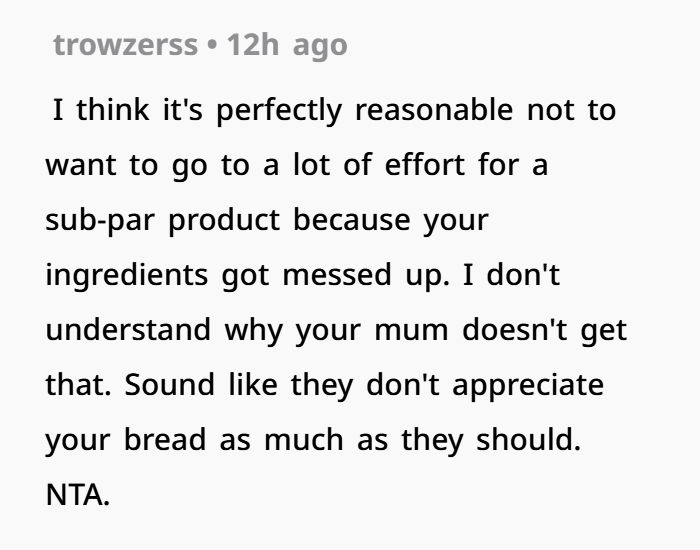
When someone changes or uses another person’s belongings without asking, it is reasonable to try to make things right.
In this situation, the student asked for a replacement bag of flour.
They did not demand payment for the years they spent baking.
They did not ask for extra money for their time.
They only wanted the flour replaced.
An apology and a new bag of bread flour could be enough to settle the issue.
Is Refusing to Bake Bread Unfair?
This is where the family disagreement becomes more complicated.
The mother may feel that the student is punishing everyone for a small mistake.
She may believe the mixed flour is good enough and that the student should continue making bread.
But the student sees it differently.
They bought the ingredients.
They make the bread.
And now they are being asked to use a flour mixture they did not choose.
The student has decided to pause baking until they have suitable ingredients.
That is not the same as refusing to do an agreed household duty.
Based on the account, the weekly bread baking was something the student chose to do.
The family still has other options.
They can buy bread from a grocery store or local bakery.
They can also use the mixed flour for another recipe.
The student is simply choosing not to continue providing homemade bread under the current circumstances.
That is a reasonable personal boundary.
A Better Way to Organize Shared Kitchen Supplies
This disagreement could also be a reminder about kitchen organization.
When several people share one kitchen, it can be difficult to know which ingredients belong to whom.
One person may buy flour for everyday cooking.
Another may buy specialty baking ingredients for a particular recipe.
Keeping everything together can cause confusion.
A simple storage system could help.
The family could use labeled food containers or keep personal ingredients on a separate pantry shelf.
They could also agree to ask before mixing or using someone else’s supplies.
These small habits can make grocery shopping and meal planning easier.
They may also prevent arguments about food costs.
Specialty ingredients do not have to be expensive to deserve care.
Even a $12 bag of flour can matter when someone bought it for a specific purpose.
How the Family Could Solve the Problem
The easiest solution would be for the mother to acknowledge what happened.
She could explain that she did not realize mixing the flour would cause a problem.
Then she could offer to replace it.
The student could use the new flour for their regular bread recipes.
The mixed flour could stay in the kitchen for other baking projects.
That way, the family would not have to throw anything away.
They could also agree on a simple rule for the future: ask before using or mixing ingredients that someone else purchased.
This would help everyone feel respected.
The issue does not need to become a long argument.
A small amount of understanding from both sides could solve it.
Final Verdict: The Student Is Not Wrong
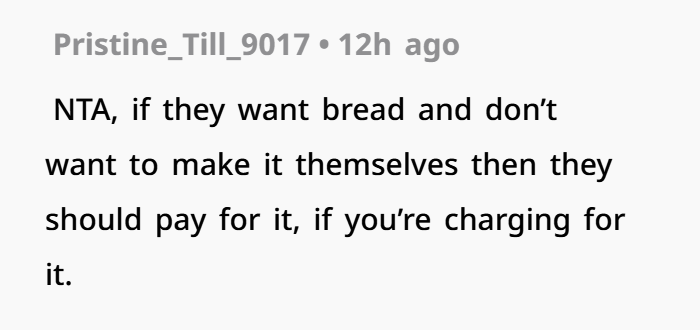
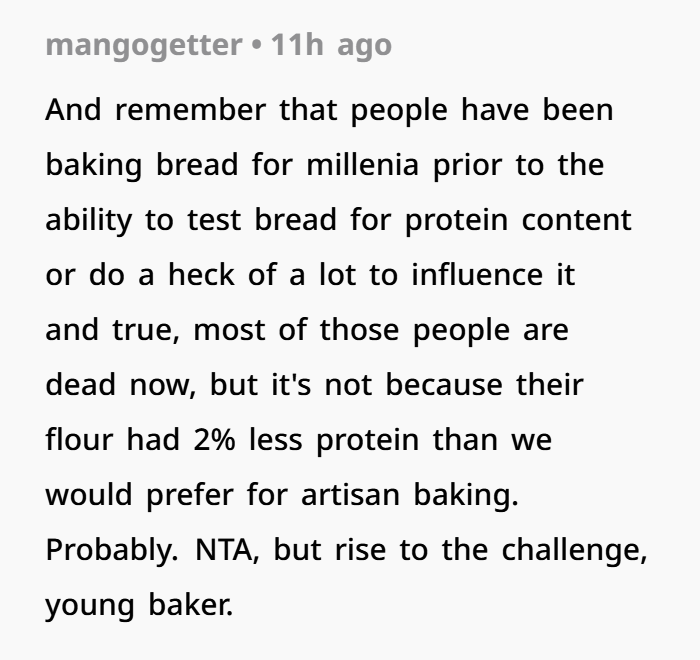
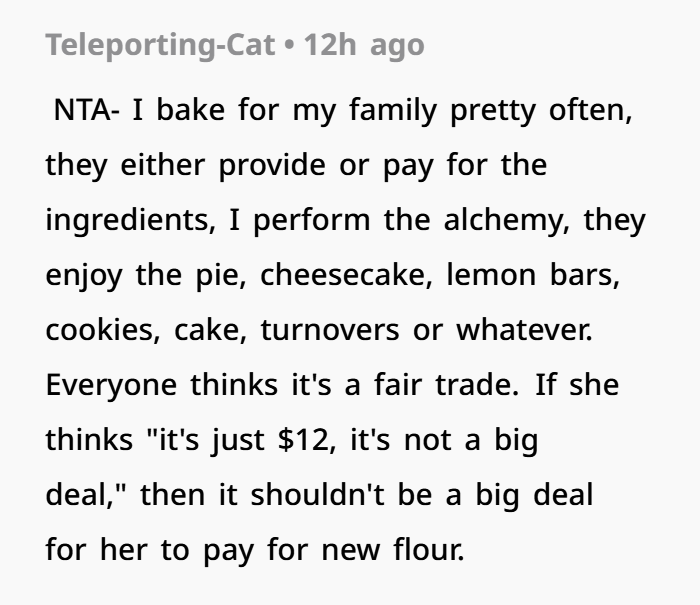
Based on the information provided, the student is not wrong for asking their mother to replace the $12 bag of bread flour.
The mother may have made an honest mistake.
But the flour belonged to the student, and they had purchased it for their own baking recipes.
The student also pays their own expenses and regularly makes homemade bread for the family.
They are not required to spend more money or change their recipes to continue providing that help.
The mixed flour can still be used for other recipes.
And the student can return to baking once they have the ingredients they need.
The disagreement is not really about whether $12 is a large amount of money.
It is about respecting someone’s belongings and appreciating the work they do for the family.
What do you think? Should the mother replace the bread flour, or should the student use the mixture and keep baking for everyone?
Comments You Can’t Miss