Woman, 68, Cuts Off Former Classmate After Uncomfortable Stay During 50-Year High School Reunion

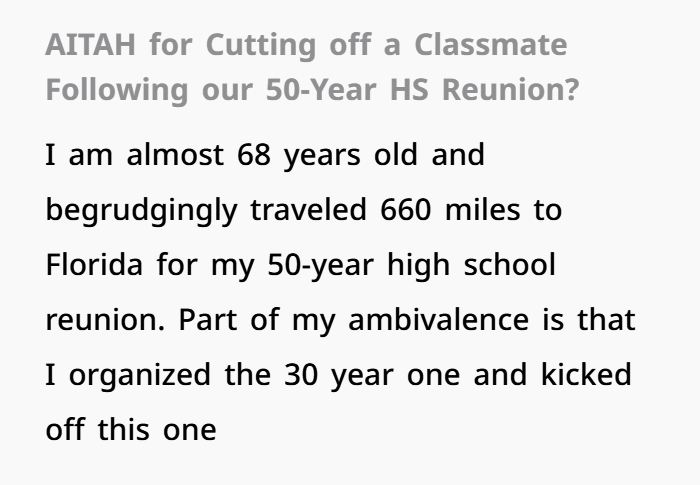
A nearly 68-year-old traveler was looking forward to seeing two longtime friends at a 50-year high school reunion in Florida. The trip required traveling 660 miles, and they were not sure they wanted to go. They had helped plan school reunions before and remembered how stressful some classmates could be. Still, spending time with two best friends seemed worth the journey. Another former classmate became very excited about the visit and wanted to spend time together. Although they had never been close friends, the traveler agreed and added two extra days to the Florida travel plans.
Things became awkward during the stay at the classmate’s house. The host had two cats and decided to keep their litter box in the guest bathroom bathtub. She also placed the toilet paper inside drawers so the cats would not play with it. The guest was confused about how to use the bathroom and where to find basic supplies. Later, they accidentally closed the bathroom door overnight, which kept the cats away from their litter box. The next morning, the host became angry and started yelling. Even after several apologies, she continued to complain.
The problems did not end there. During another conversation, the host talked about improvements in her triglyceride levels. She suddenly accused the traveler of not paying attention, even though the guest could repeat the numbers she had shared. These moments made the visitor feel uncomfortable and unwelcome. The traveler had hoped for a peaceful reunion and a pleasant stay with an old classmate. Instead, the extra days felt stressful, and they were relieved when it was finally time to fly home.
Once home, the traveler decided not to continue the friendship. They sent a kind thank-you note before blocking the woman’s phone number and social media accounts. At the same time, the traveler was dealing with important health concerns, including a possible lymphoma or leukemia diagnosis and ongoing dizziness. These worries made personal wellness and emotional well-being a bigger priority. The traveler wanted to spend more time with supportive people and avoid unnecessary arguments. However, they still questioned whether ending the relationship without a conversation was too harsh.

Traveler Blocks Former Classmate After 50 Years Following an Uncomfortable Reunion Visit
A high school reunion was supposed to bring back happy memories.
Instead, one traveler returned home feeling that an old friendship was no longer worth keeping.
The traveler, who was nearly 68 years old, had gone back to their hometown to reconnect with a few people from school.
During the visit, they stayed with a former classmate.
But things became uncomfortable after two disagreements.
One involved a bathroom door that needed to stay open for the host’s cats.
The other happened when the host accused the traveler of not listening during a conversation about her health.
After returning home, the traveler sent a thank-you note and blocked the classmate.
Now the question is whether ending contact without an explanation was unfair.
The Reunion Was Supposed to Be a Nice Trip
High school reunions can be a wonderful chance to see old friends.
People get to share memories, talk about their lives, and remember the good times.
But not everyone wants to reconnect with every person from school.
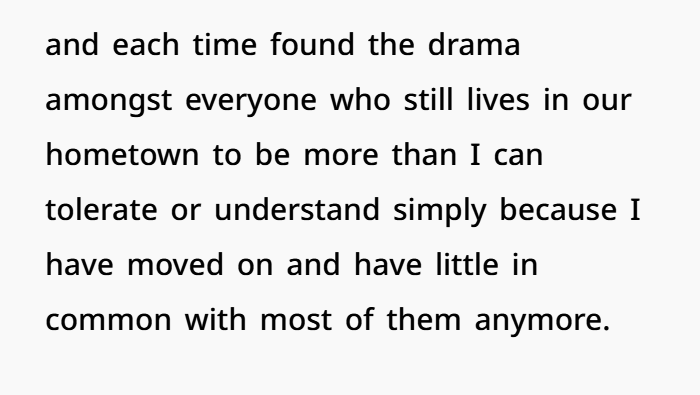
In this story, the traveler had moved away from their hometown many years earlier.
They had built a different life and no longer felt close to many former classmates.
They wanted to spend time with a few people who still meant something to them.
That seems understandable.
People change over the years.
Someone you knew in high school may not be someone you enjoy spending time with decades later.
Still, the traveler agreed to stay with a former classmate during the reunion.
Unfortunately, the visit didn’t go as planned.
The First Problem Started With a Bathroom Door
The classmate had cats at home.
The guest bathroom door apparently needed to stay open so the cats could reach their litter box.
But the traveler didn’t know about that rule.
At some point, the bathroom door was accidentally closed.
The host became upset.
According to the traveler, she repeatedly yelled about the door.
The traveler apologized several times.
It was an honest mistake.
The host had every right to make rules for her home and pets.
But guests need to know those rules before they can follow them.
A calm explanation could have solved the problem.
Instead, the traveler felt uncomfortable and criticized.
Another Conversation Made Things Worse
The bathroom incident wasn’t the only problem.
Later, the classmate was talking about her triglyceride levels.
Triglycerides are a type of fat found in the blood.
Doctors often check these levels during routine blood tests to help understand a person’s heart health.
The traveler was paying attention to the numbers being discussed.
But the classmate suddenly accused them of not listening.
That upset the traveler.
From their point of view, they had been concentrating on what she was saying.
They weren’t ignoring her.
Being accused of not listening when you’re trying to pay attention can be frustrating.
After the earlier disagreement, this second incident made the visit feel even more stressful.
The traveler started to feel that small things could easily turn into another argument.
Why Small Arguments Can Damage a Friendship
One disagreement doesn’t always mean a friendship should end.
Everyone has difficult days.
People can become tired, stressed, or upset.
But when several uncomfortable moments happen close together, they can change how someone feels about a relationship.
In this story, the traveler felt repeatedly criticized.
The bathroom problem could have been handled with a simple explanation.
The conversation about triglycerides could have been cleared up with a calm question.
Instead, both situations became unpleasant.
The traveler began wondering whether spending more time with this person was worth the stress.
That’s a reasonable thing to consider.
Friendships should allow people to feel comfortable being themselves.
Does Knowing Someone for 50 Years Mean You Must Stay Friends?
Not necessarily.
Long friendships can be special.
There’s something nice about knowing people who remember your younger years.
But knowing someone for decades doesn’t mean the relationship must continue forever.
People grow in different directions.
Their interests, personalities, and priorities can change.
A friendship that made sense at 18 may feel very different at 68.
That doesn’t mean the old memories were bad.
It simply means the relationship may no longer fit into the person’s life.
Research on aging and relationships suggests that people often become more selective about their social connections as they get older.
Psychologist Laura Carstensen’s work on socioemotional selectivity explains why emotionally meaningful relationships may become more important with age.
Source: Taking Time Seriously: A Theory of Socioemotional Selectivity
The Traveler Was Also Facing Serious Health Concerns
Another important part of this story is the traveler’s health.
They were dealing with medical uncertainty.
According to the account, doctors were considering the possibility of an aggressive form of lymphoma or leukemia.
The traveler was also experiencing ongoing dizziness without a clear explanation.
These were possible medical conditions, not confirmed diagnoses in the information shared.
Still, waiting for medical answers can be stressful.
Doctor appointments, medical testing, and concerns about future treatment can affect everyday life.
For older adults, healthcare planning, health insurance coverage, and possible medical expenses may also become important concerns.
But the emotional side matters just as much.
When someone is worried about their health, they may have less energy for difficult social situations.
They may want to spend more time with supportive friends and family members.
The National Cancer Institute explains that people facing cancer-related uncertainty may experience feelings such as fear, worry, and stress.
Support from loved ones and healthcare professionals can help people manage those feelings.
Source: National Cancer Institute — Feelings and Cancer
Why the Traveler Decided to Block the Classmate
After the reunion, the traveler decided they didn’t want to continue the relationship.
They sent the classmate a thank-you note.
Then they blocked her.
There was no long argument.
The traveler didn’t describe trying to embarrass the classmate or turn other people against her.
They simply stopped communicating.
Some people might think blocking someone after 50 years is a strong reaction.
But the two weren’t described as close friends who regularly spent time together.
They were former classmates with a long shared history.
That’s not always the same as having a close friendship today.
Was Blocking Her Without an Explanation Rude?
People may have different opinions about this.
Some believe it’s better to explain why you’re ending a friendship.
A short message can help the other person understand what happened.
Others feel that an explanation isn’t always necessary, especially when the relationship isn’t close.
In this case, the classmate may not have realized how uncomfortable the visit had been.
She might have thought everything was fine after receiving the thank-you note.
A brief explanation could have made things clearer.
But the traveler wasn’t required to continue a relationship they no longer wanted.
Blocking someone can be a personal boundary.
It doesn’t always mean the person wants to hurt someone else.
Sometimes, they simply don’t want further contact.
Is Blocking Someone the Same as Getting Revenge?
Not always.
There is a difference between setting a boundary and trying to punish someone.
Revenge is usually about making another person feel bad.
A boundary is about deciding what you’re comfortable with.
In this story, the traveler didn’t describe trying to cause problems for the classmate.
They didn’t mention spreading rumors or asking others to stop talking to her.
They simply chose not to stay in contact.
That suggests the decision was more about avoiding future stress than getting even.
Of course, the classmate might feel confused or hurt if she discovers she has been blocked.
But that doesn’t automatically mean the traveler’s choice was wrong.
Why Friendships Can Change as People Get Older
As people enter their late 60s and beyond, life may look very different from their younger years.
Some people retire.
Others continue working or spend more time with family.
Health concerns may also become part of everyday life.
Many people start thinking more carefully about how they spend their time.
They may focus on healthy aging, senior wellness, retirement lifestyle, and meaningful relationships.
Retirement planning and healthcare costs can also become important parts of this stage of life.
With so much to manage, some people decide they no longer want to maintain relationships that feel stressful.
That doesn’t mean they stop caring about others.
It simply means their priorities have changed.
For the traveler, the reunion may have been a reminder that not every old connection needs to become an active friendship again.
Could the Traveler Have Handled Things Differently?
There were other ways to handle the situation.
The traveler could have sent a short message explaining that the visit felt uncomfortable.
They could have slowly reduced contact instead of blocking the classmate right away.
Or they could have simply decided not to visit her again.
Any of those options might have worked.
But none would guarantee a better result.
A direct conversation could have helped the classmate understand why the traveler was upset.
It could also have led to another disagreement.
The traveler had to decide what felt manageable, especially while dealing with personal health concerns.
Because the relationship wasn’t especially close, ending contact without a long explanation was a reasonable choice.
What This Story Teaches About Long-Term Friendships
Old friendships can bring back wonderful memories.
But they can also remind us how much people have changed.
Someone who was familiar in high school may not be someone you enjoy spending time with decades later.
And that’s okay.
A long history doesn’t automatically create a lifelong obligation.
Friendships work best when both people feel respected and comfortable.
That doesn’t mean friends will never disagree.
It means disagreements should be handled with care and understanding.
In this story, the traveler felt that the visit involved too much criticism and tension.
Rather than continue the relationship, they chose to move on.
Final Verdict: Was the Traveler Wrong?
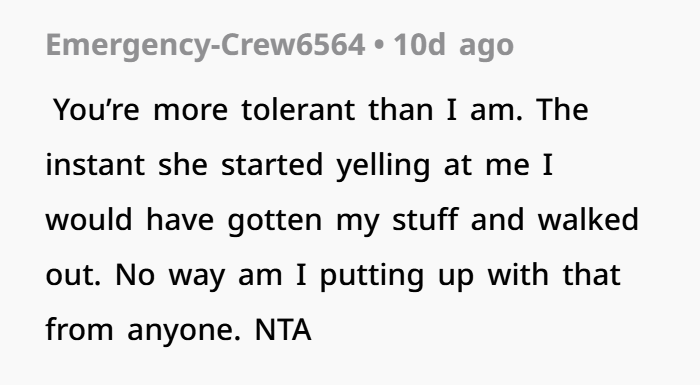
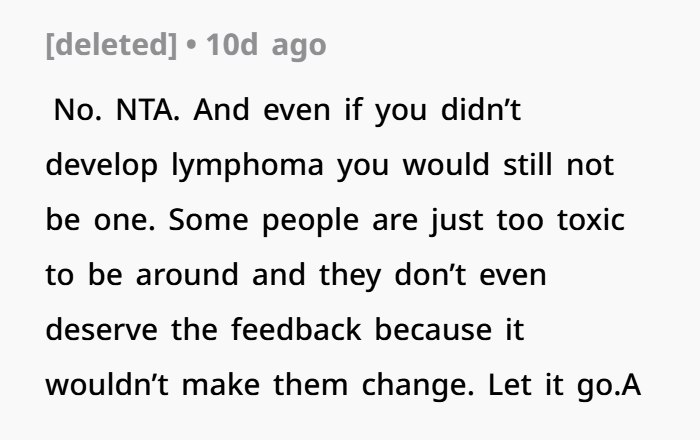
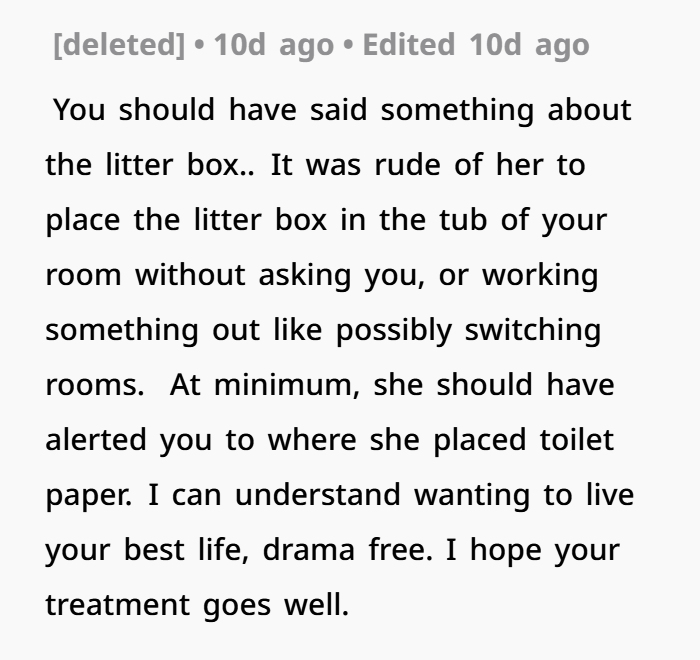
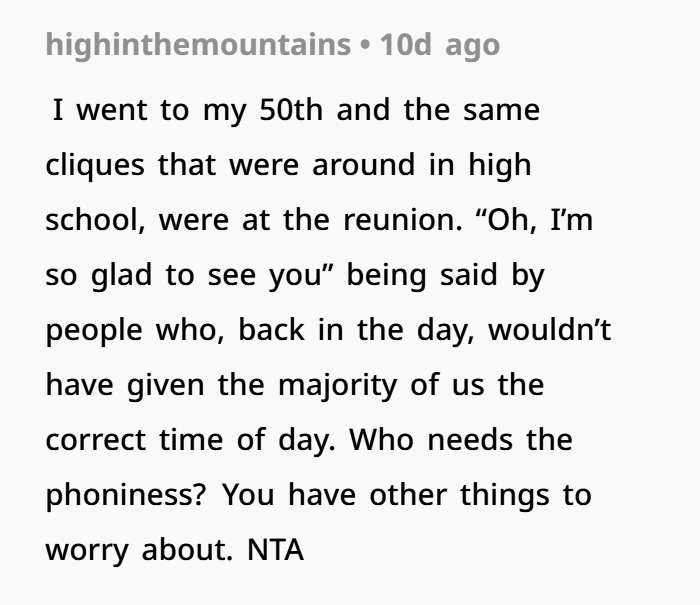
Based on the information shared, NTA (Not the A-Hole).
The traveler had a reasonable reason to stop communicating with the former classmate.
The visit was uncomfortable, and the host’s reactions to two small situations left the traveler feeling criticized.
The traveler was also dealing with serious medical uncertainty and wanted to protect their time and emotional energy.
Sending a short explanation before blocking might have been a more considerate choice.
But it wasn’t required.
Knowing someone for 50 years doesn’t mean you must remain friends forever.
People can appreciate their shared history while accepting that the relationship no longer works.
Sometimes, moving on quietly is the best choice for your well-being.
What do you think? After knowing someone for 50 years, should you explain why you’re ending contact, or is it okay to walk away without another conversation?
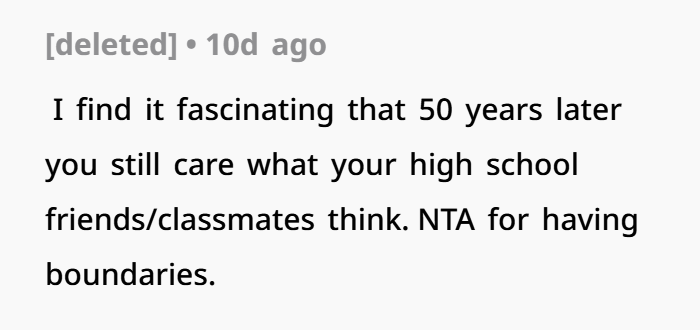
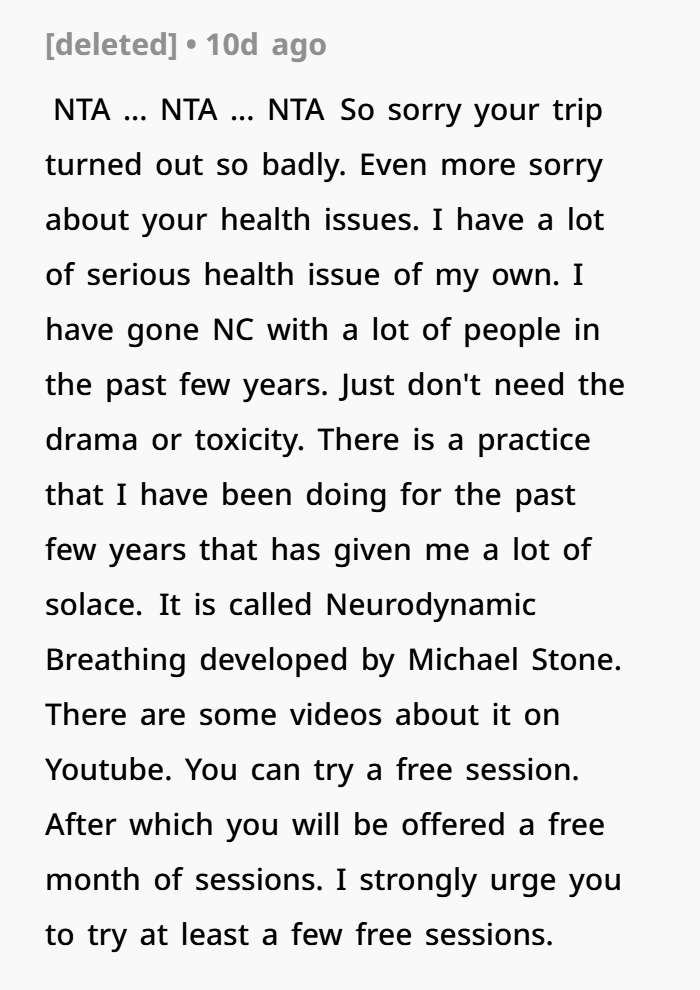
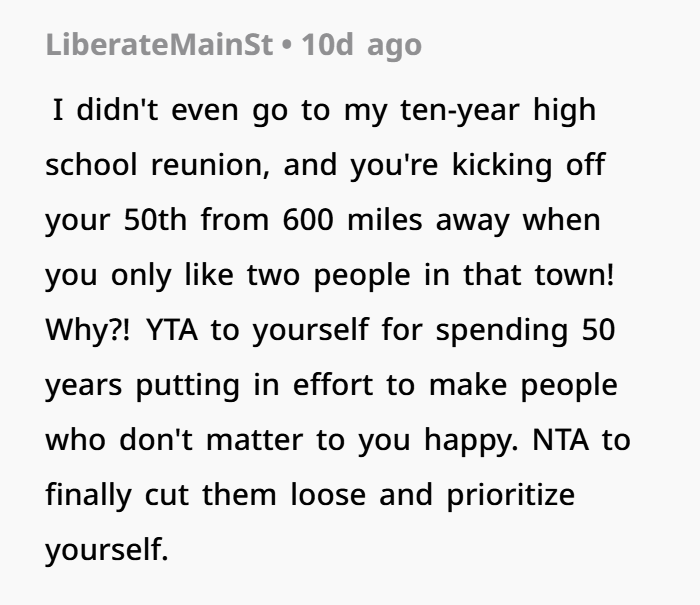
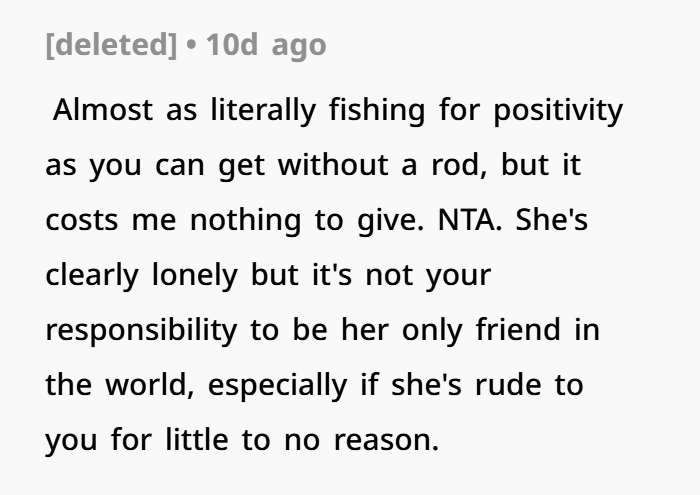
Comments That Say It All