Told My Stepdaughter She Couldn’t Have My Wedding Dress or Rings — AITA?
This story is about a blended family and a sensitive issue around family heirlooms and sentimental items.
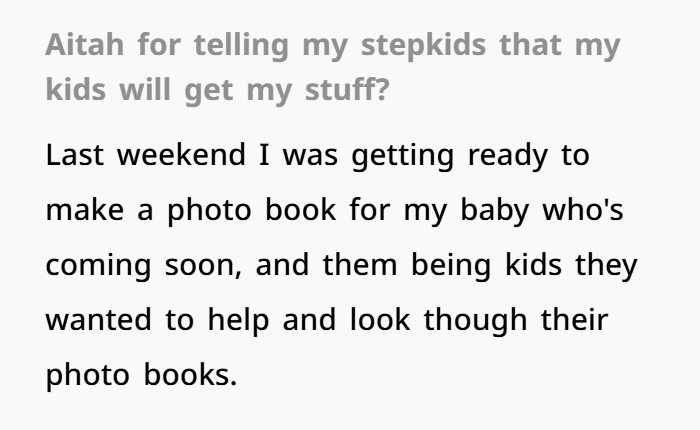
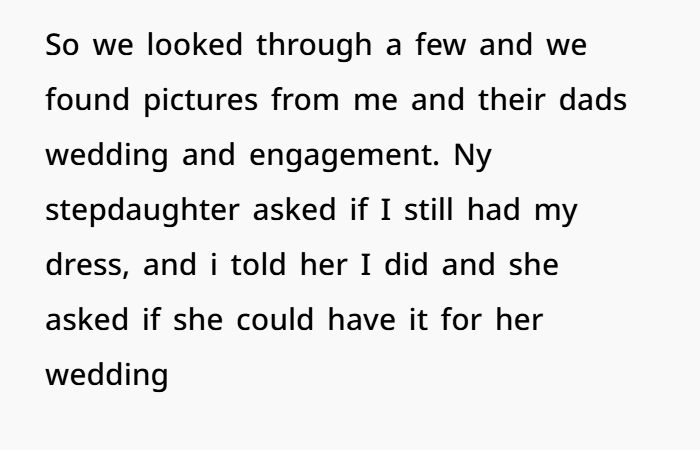
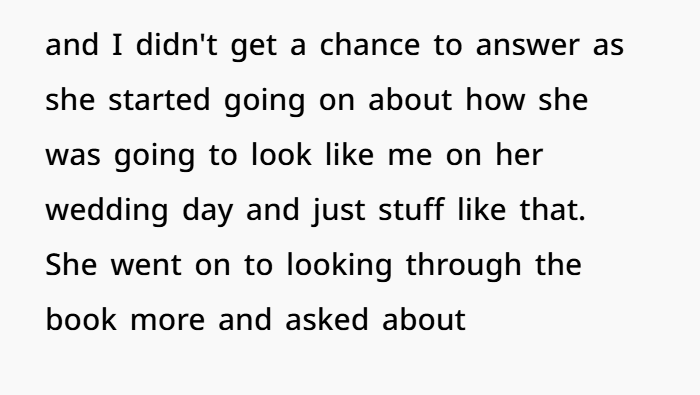
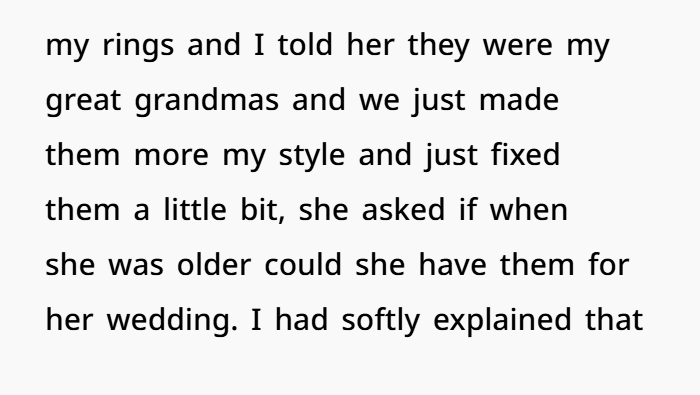
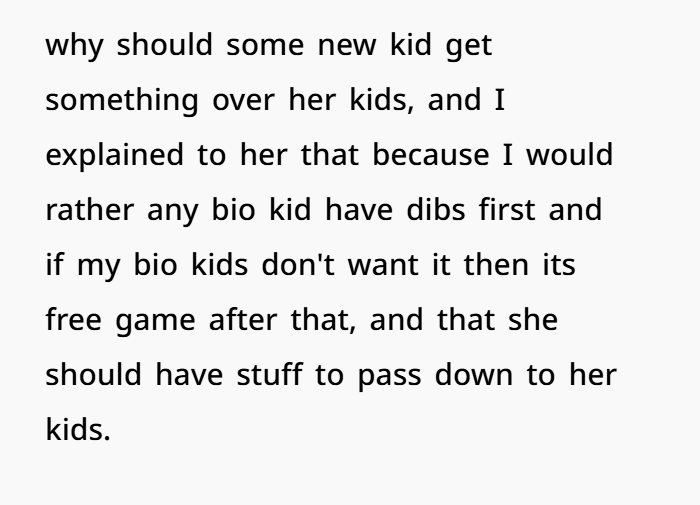
The original poster (OP) is a woman who is expecting a baby. She is also a stepmother to two girls, aged 11 and 13. One day, while looking through old family photos together, the stepdaughters asked about some personal items. One of them asked if she could wear OP’s wedding dress in her future wedding. She also asked about OP’s wedding rings, which are vintage and passed down from her great-grandmother.
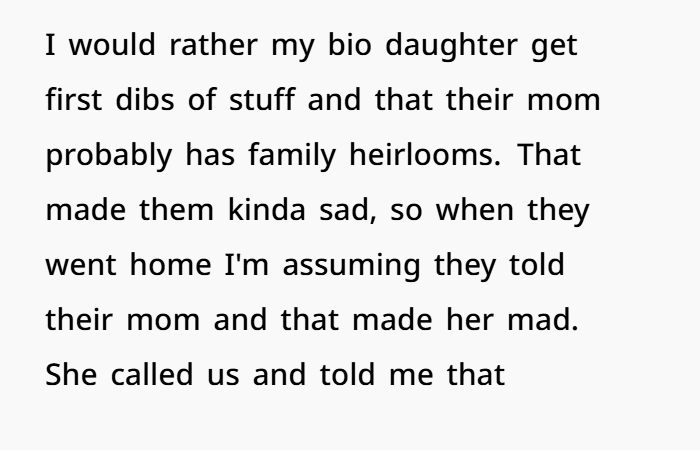
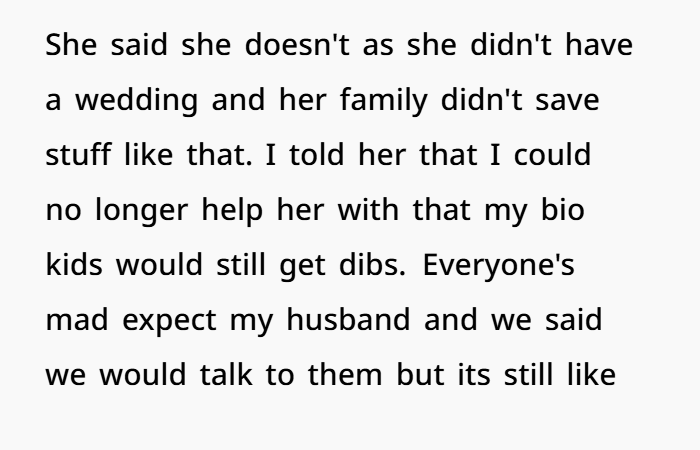
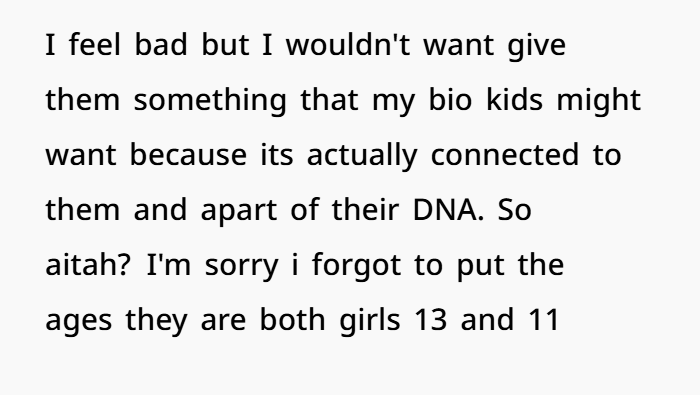
OP responded honestly but gently. She explained that she would prefer to pass these special family items first to her biological child, who is about to be born. She said that if her own child is not interested in them in the future, then she might consider giving them to her stepdaughters.
The stepdaughter felt upset after hearing this. Later, the children’s biological mother got involved and accused OP of favoritism. She said OP was treating her biological child better than her stepchildren and causing unfairness in the family.
Now OP feels conflicted because most people are upset with her, except her husband. She is trying to understand if she is wrong for protecting family heirlooms for her biological child, or if she is simply making a practical decision about family legacy, inheritance, emotional value, and blended family relationships.
A pregnant stepmom was asked by her two stepdaughters if they could one day have her wedding dress and rings for their own weddings
Stepfamily Inheritance Conflicts: Simple Guide to Heirlooms, Fairness, and Feelings
Family situations can become emotional when it comes to heirlooms like jewelry, dresses, or other meaningful items. These things are not just objects. They often carry family history, emotional value, and generational meaning.
In blended families, this can lead to misunderstandings and hurt feelings.
Let’s explain it in simple English.
What Heirlooms Really Mean
Heirlooms are items passed down through generations, such as:
- Rings
- Jewelry
- Special clothing
- Family keepsakes
They are not just valuable in money terms. They represent:
- Family history
- Emotional connection
- Personal identity
This is part of family inheritance and emotional legacy.
When someone passes an heirloom to their biological child, they often feel they are continuing a family line.
Why Stepfamily Situations Can Be Complicated
In blended families, step-parents often face a difficult balance.
They are expected to:
- Care for stepchildren
- Build emotional bonds
- Be part of family life
But at the same time:
- Biological parents are still involved
- Family histories are already established
- Emotional expectations may not match inheritance rules
This creates challenges in stepfamily relationships and blended family dynamics.
The Main Conflict: Who Should Receive Heirlooms?
In this situation, the step-parent wants to pass heirlooms to their biological child.
The stepchildren feel hurt because:
- They see the step-parent as a mother figure
- They feel included in the family
- They want to be part of traditions
This is not about money. It is about feeling loved and included.
This is common in emotional attachment in blended families.
Why the Children Feel Hurt
The children are still young (around 11–13 years old).
At this age, children:
- Strongly need emotional security
- Are sensitive to rejection
- Want to feel equally loved
So even a simple explanation like “this is only for my biological family” can feel like exclusion.
This is part of child emotional development in blended families.
Why the Step-Parent’s View Also Makes Sense
The step-parent feels:
- The heirlooms belong to their bloodline
- They should go to their biological child
- They are preserving family tradition
This is a normal feeling in family inheritance decisions and generational legacy planning.
It does not mean they do not care about the stepchildren.
Creating New Family Traditions
In blended families, it is often helpful to create new traditions instead of relying only on old ones.
For example:
- Making a memory box together
- Creating a photo album
- Starting a new family tradition
- Sharing special activities just between step-parent and stepchildren
This helps build connection in stepfamily bonding and emotional inclusion.
The Role of the Other Parent
The children’s biological mother may feel upset because her kids felt hurt.
From her point of view:
- She wants her children to feel included
- She may feel they were treated unfairly
- She is trying to protect their emotions
However, expecting access to family heirlooms from another family line can create conflict in co-parenting and blended family boundaries.
Should the Step-Parent Feel Guilty?
Not necessarily.
The step-parent:
- Has the right to decide where heirlooms go
- Is following family tradition
- Is protecting their biological family legacy
At the same time, there is room for kindness and emotional support.
Healthy relationships in blended families need both:
- Clear boundaries
- Emotional understanding
A Better Way to Handle the Situation
A calmer approach could include:
- Explaining feelings gently
- Acknowledging the children’s emotions
- Offering alternative ways to show love
- Creating new traditions together
For example:
“I understand you feel hurt. You are important to me, and I want us to have something special that is just ours.”
This helps with healthy communication in stepfamily relationships.
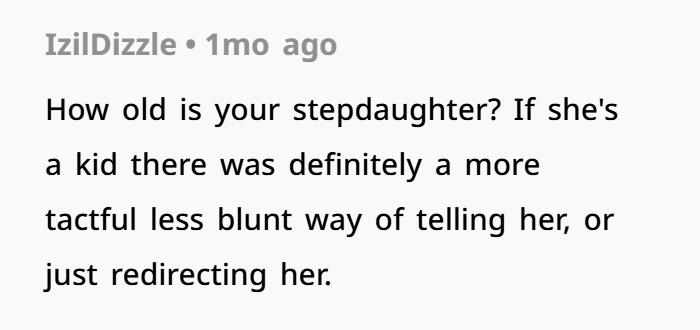
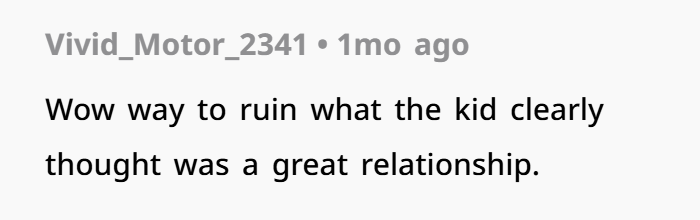
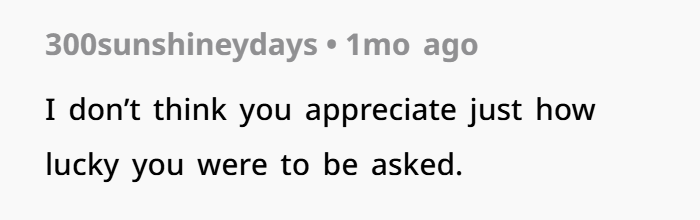
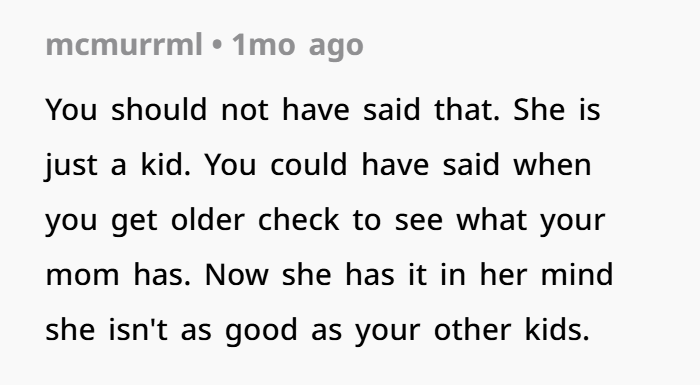
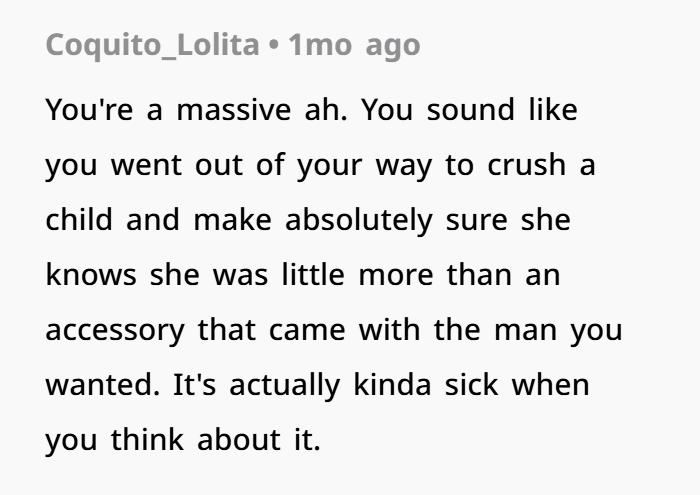
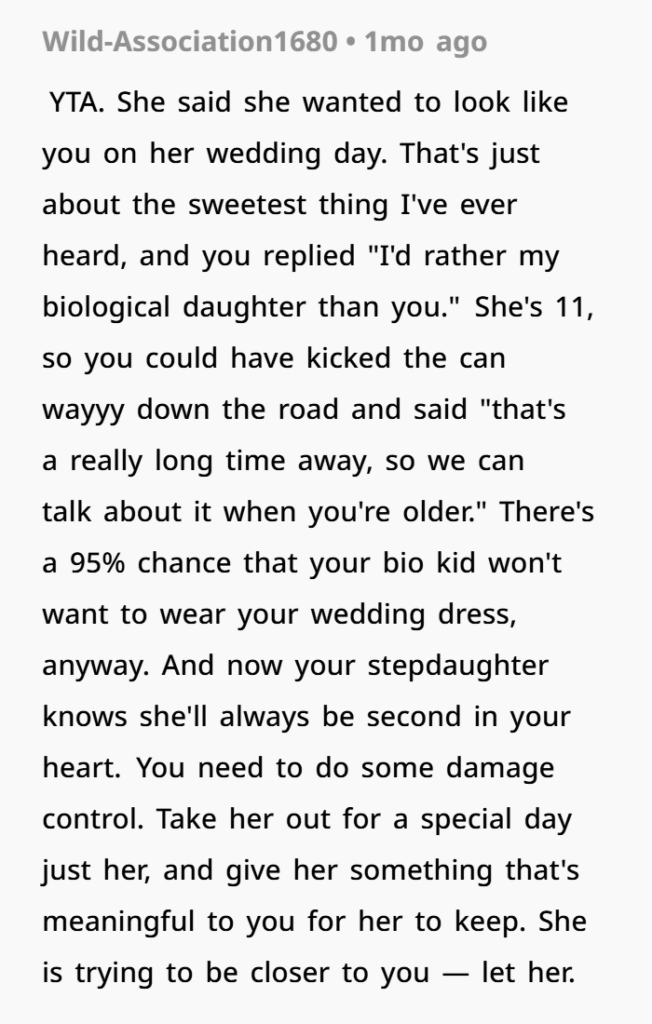
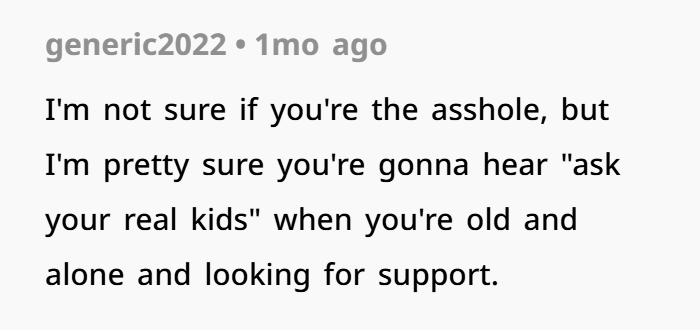
The internet, however, widely condemned her for creating a painful “bio vs. step” hierarchy in her family, and says she could have played along given that children’s young age
Final Thoughts
This situation is not just about jewelry or inheritance. It is about:
- Family identity
- Emotional fairness
- Feeling included
- Respecting biological and blended family boundaries
In blended families, there is often no perfect solution. The key is balancing:
- Respect for family history
- Emotional care for children
- Clear and honest communication
With understanding and kindness, families can create both strong traditions and new emotional bonds at the same time.