Man Defends Female Coworker After Drunken Kiss Sparks Workplace Gossip and Humiliation

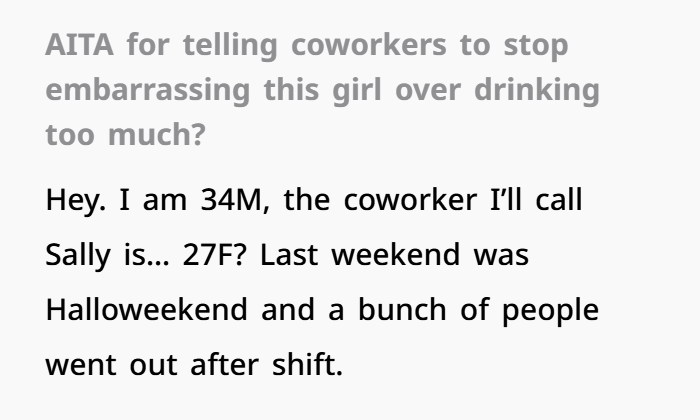
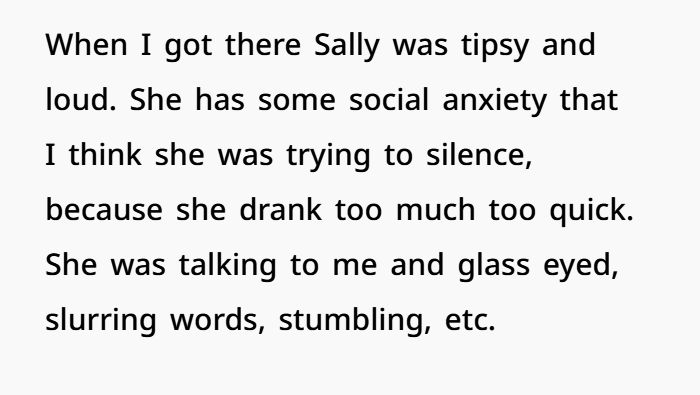
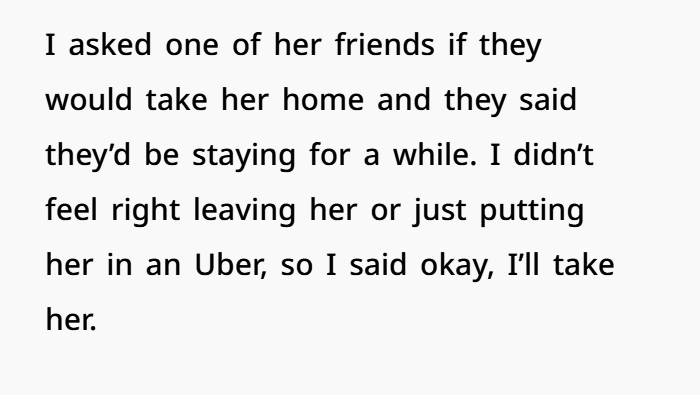
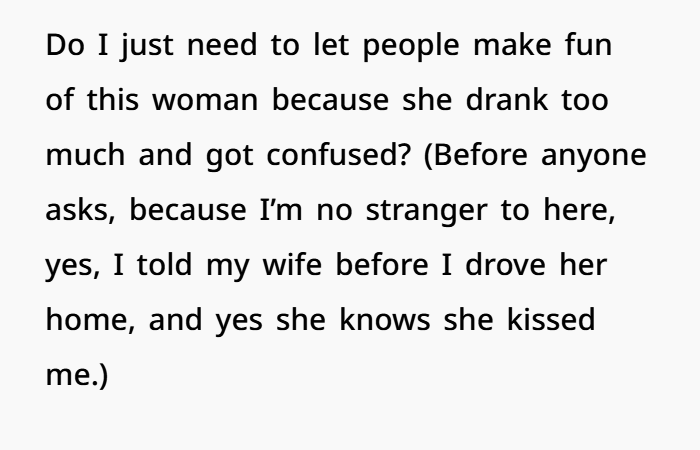
A married man, 34, attended a Halloween weekend gathering with people from work. While he was there, he noticed that his 27-year-old coworker, Sally, was not feeling well after drinking too much. She could barely walk properly and was having trouble speaking. He asked her friend to take her home, but the friend was not ready to leave. Worried about Sally getting home safely, he decided to help. He did not want her traveling alone while she was in that condition, so he offered to drive her home.
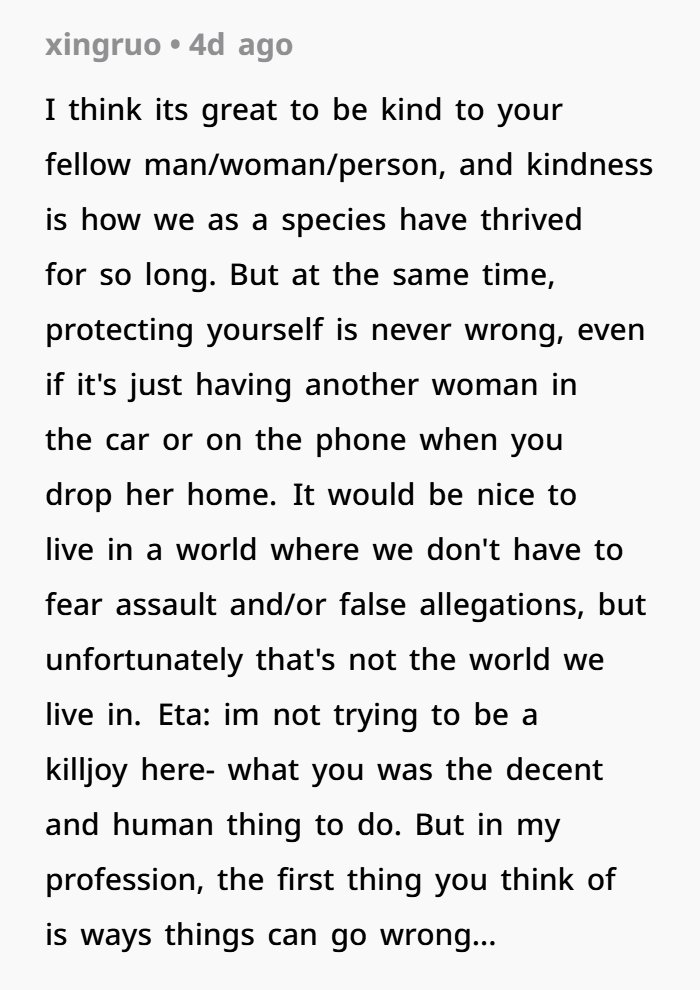
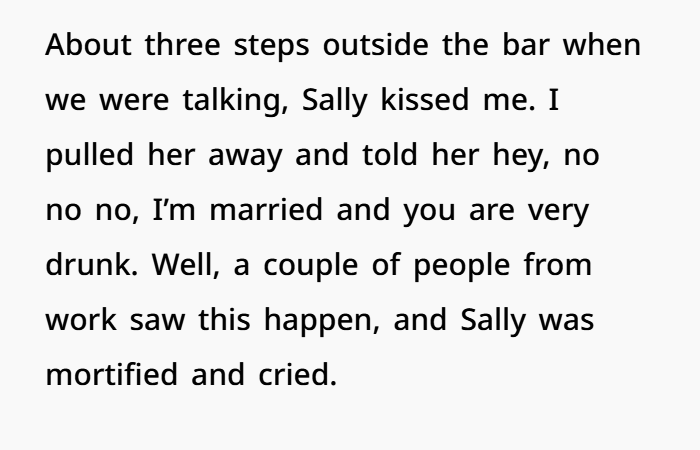
Things took an unexpected turn when they stepped outside. Sally suddenly leaned toward him and kissed him. He immediately stepped back and reminded her that he was married. Several coworkers saw the moment, which left Sally feeling embarrassed and upset. The man wanted to handle the situation carefully, so he asked another employee to accompany them to the car. He then drove Sally to her apartment, made sure she was safely inside, and left. He also explained everything to his wife, including the kiss, because he did not want any misunderstandings.
Soon, people at work began talking about the incident. Some coworkers made repeated jokes about Sally’s behavior at the party. What started as office gossip became an uncomfortable situation for her. The man did not think it was fair to keep bringing up something that had already embarrassed her. He asked his colleagues to stop and show some kindness. He believed that a respectful work environment should support employee well-being and discourage workplace bullying. In his opinion, professional behavior was more important than getting a laugh from someone else’s mistake.
Instead of listening, his coworkers made fun of him too. They said he was acting like the “fun police” and accused him of defending Sally because he was involved in the situation. He felt frustrated because he was only asking them to treat another employee with respect. He started wondering whether this was something that should be discussed with human resources or handled through better workplace communication. Was he making a big deal out of a small problem, or were his coworkers wrong for continuing the jokes?

Man Defends Coworker After an Embarrassing Halloween Party Incident, but His Colleagues Call Him the “Fun Police”
A Halloween party was supposed to be a fun night for a group of coworkers. But one uncomfortable moment turned into a problem that followed them back to work.
A woman named Sally had too much to drink at the party. While a married coworker was trying to help her get home, she suddenly tried to kiss him.
The man pulled away and told her it was not okay.
Sally became very embarrassed and upset.
But things got worse when other coworkers started making jokes about what happened.
The man did not think the jokes were funny. He asked everyone to stop talking about Sally.
Instead of listening, some coworkers called him the “fun police.”
Now he is wondering whether he was wrong for defending her.
When Does a Workplace Joke Go Too Far?
There is nothing wrong with coworkers having fun together.
Friendly jokes can make the workday more enjoyable and help people feel comfortable around each other.
But not every joke is harmless.
In this story, Sally had already been embarrassed by what happened at the Halloween party.
She was not laughing about it.
According to the man, she had cried after the incident.
Still, other employees kept bringing it up.
That is where the problem started.
There is a big difference between laughing with someone and laughing at someone.
If a person is clearly upset, continuing to joke about their mistake can be hurtful.
Repeated teasing can also affect workplace relationships.
Employees should be able to come to work without worrying that their coworkers will keep talking about an embarrassing personal moment.
A respectful workplace does not mean people can never joke around.
It simply means knowing when to stop.
Sally Made a Mistake, but That Does Not Make the Jokes Okay
Sally had been drinking at the Halloween gathering.
According to the story, she was having trouble walking and speaking clearly.
Alcohol can affect a person’s judgment and make it harder to think carefully about their actions.
That may help explain why Sally acted differently than she normally would.
But it does not make her behavior acceptable.
She tried to kiss a coworker who had not agreed to it.
The man had every right to pull away.
He was married, but his relationship status was not the only reason the kiss was inappropriate.
Everyone has the right to decide who can touch or kiss them.
The man made his boundaries clear without trying to embarrass Sally.
That was a reasonable response.
At the same time, Sally’s mistake did not give everyone else permission to keep making fun of her.
Both things can be true.
She was responsible for her actions, and her coworkers were responsible for how they treated her afterward.
Why the Man Decided to Help Sally Get Home
Before the awkward moment happened, the man had noticed that Sally was not doing well.
She was having trouble keeping her balance and speaking clearly.
He became worried about how she would get home.
First, he asked one of Sally’s friends if they could help her leave.
But the friend did not want to go home yet.
So the man offered to drive Sally home himself.
He was trying to help someone who needed assistance.
He also took steps to avoid misunderstandings.
He informed his wife about the situation, and another coworker accompanied them to the car.
After Sally tried to kiss him, he made it clear that the interaction was not welcome.
He did not encourage it.
He simply wanted to make sure she got home safely.
Helping someone who has had too much to drink can be a thoughtful decision.
However, severe alcohol intoxication can sometimes require emergency medical attention.
If someone cannot be woken easily, has trouble breathing, or shows other serious warning signs, they may need urgent medical care.
The story does not mention Sally having those symptoms.
Still, personal safety should always come first.
Why the Jokes Became a Bigger Problem at Work
An embarrassing moment at a party can be difficult enough.
But imagine having to return to work and hear people talking about it again and again.
That was the situation Sally faced.
The story had spread among her coworkers.
Instead of allowing the incident to become a private matter, some employees continued making jokes.
This could make anyone uncomfortable.
Work is somewhere people spend a large part of their day.
Employees need to communicate, work together, and feel comfortable around their colleagues.
When workplace gossip becomes constant, it can affect teamwork and employee morale.
It can also make the office feel less welcoming.
The man understood that Sally was already embarrassed.
He did not think repeating the story was helping anyone.
So he asked his coworkers to stop.
That was not an unreasonable request.
Could Repeated Teasing Become Workplace Harassment?
Workplace harassment is a serious concern for many employers.
Not every joke or rude comment is illegal harassment.
However, repeated inappropriate behavior can still create problems in a professional environment.
In the United States, the Equal Employment Opportunity Commission, or EEOC, explains that certain types of unwelcome conduct may qualify as unlawful workplace harassment when specific legal conditions are met.
These can include serious or repeated behavior connected to protected characteristics, such as sex.
The exact rules depend on the situation and local laws.
In Sally’s case, the story does not provide enough information to say that her coworkers broke any laws.
But the repeated jokes could still be a concern under a company’s workplace conduct policy.
Many businesses have rules about respectful communication, employee behavior, and workplace complaints.
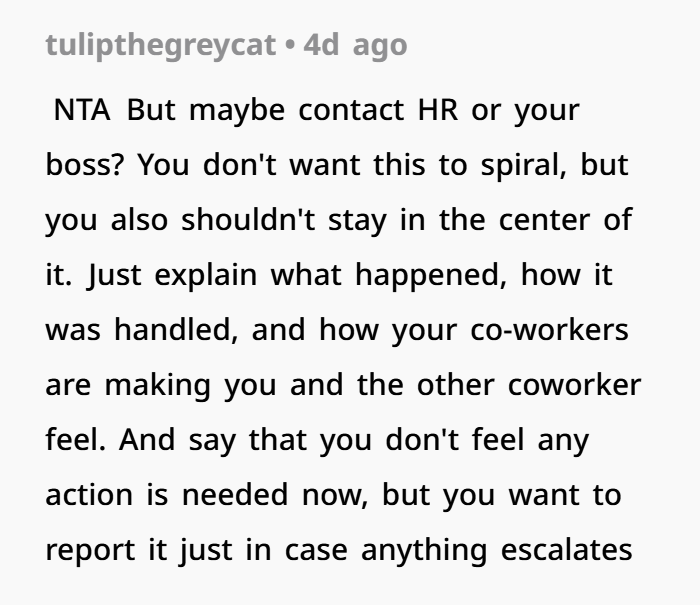
If the teasing continues, Sally may want to speak privately with her manager or human resources department.
Human resources professionals can help employees understand company policies and available ways to report concerns.
Addressing problems early can sometimes prevent a small disagreement from becoming a larger workplace conflict.
Why Public Embarrassment Can Affect Employee Well-Being
Most people have experienced an embarrassing moment they wish they could forget.
Usually, the best thing is to learn from it and move on.
But that becomes difficult when other people keep bringing it up.
Sally had already shown that she was upset.
Hearing coworkers repeat the story could make her feel even more uncomfortable.
The man also believed she might experience social anxiety, although he did not know that for certain.
If social situations were already difficult for her, the extra attention might make work feel more stressful.
Employee well-being is an important part of a healthy workplace.
Many companies now focus on employee wellness programs, mental health support, and improving workplace culture.
These efforts can help employees feel more supported.
But a positive workplace is not created by employee benefits alone.
It also depends on how people treat one another.
Simple things like kindness, privacy, and respectful communication can make a real difference.
Why Did the Coworkers Call Him the “Fun Police”?
When the man asked his coworkers to stop joking about Sally, some of them became annoyed.
They thought he was taking the situation too seriously.
They even suggested he was only defending Sally because he was personally involved in the incident.
But being involved does not mean his opinion was wrong.
In fact, he had seen how upset Sally became.
He knew the kiss was unwanted, and he had already handled that part of the situation.
He did not want the incident to become an ongoing joke.
His coworkers may have thought they were just having fun.
But he saw that the jokes were making someone uncomfortable.
Sometimes, speaking up can make a person unpopular with a group.
That does not mean speaking up was the wrong choice.
The man was not asking everyone to agree with Sally’s actions.
He was simply asking them to stop embarrassing her.
Being Kind Does Not Mean Excusing Bad Behavior
One of the most important parts of this story is how the man handled both sides of the situation.
He did not accept the unwanted kiss.
He pulled away and explained that it was inappropriate.
He was also honest with his wife about what happened.
But afterward, he did not join the gossip.
He understood that Sally had made a mistake and was already upset.
That is an important difference.
Being kind to someone does not mean pretending they did nothing wrong.
People can be held responsible for their actions without being publicly embarrassed.
Sally may owe the man an apology.
If she wants to discuss what happened, she can do that privately with him.
But her coworkers do not need to be part of that conversation.
The incident involved two people, and there is no reason for the entire workplace to keep discussing it.
What Should Coworkers Do in Situations Like This?
When something awkward happens at a work-related gathering, it is usually best to handle it calmly.
Not every personal incident needs to become a workplace conversation.
If someone makes a mistake, coworkers can give them space to deal with it.
If there is a serious concern, it can be reported through the proper workplace channels.
But turning someone’s embarrassment into entertainment rarely solves anything.
Employees should also think about how their words may affect others.
A joke that seems funny to one person may feel hurtful to someone else.
Good workplace communication means paying attention to those differences.
The man was trying to remind his coworkers of that.
He was not asking for special treatment.
He was asking for basic respect.
Did the Man Handle the Situation the Right Way?
Based on the details shared, the man handled several difficult moments responsibly.
He noticed that Sally needed help.
He tried to find someone who could get her home safely.
He made his boundaries clear when she tried to kiss him.
He informed his wife about what happened.
And when the jokes continued at work, he asked his coworkers to stop.
He did not have to defend Sally’s actions to defend her right to be treated respectfully.
That is what makes his response important.
He understood that people can make mistakes without deserving ongoing embarrassment.
He also showed that personal boundaries and kindness can exist together.
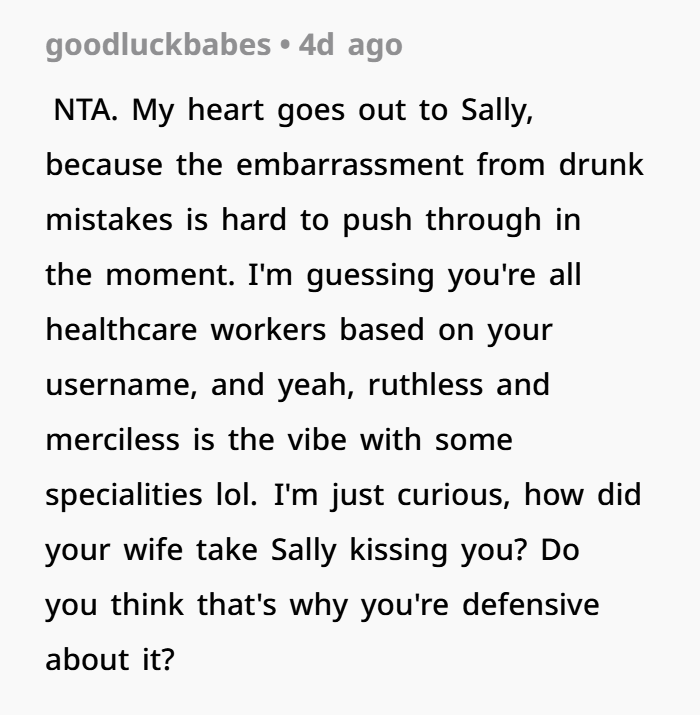
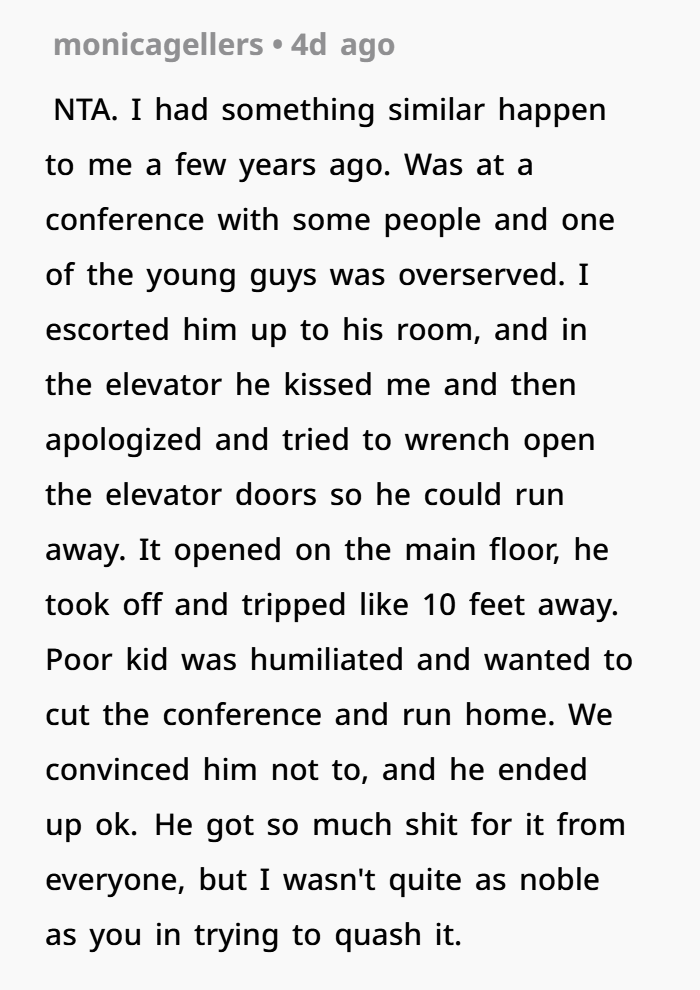
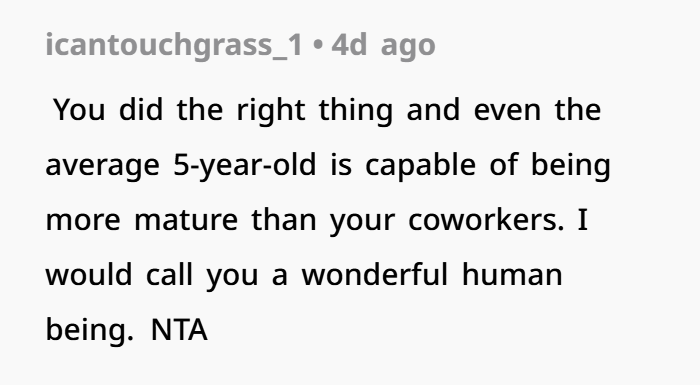
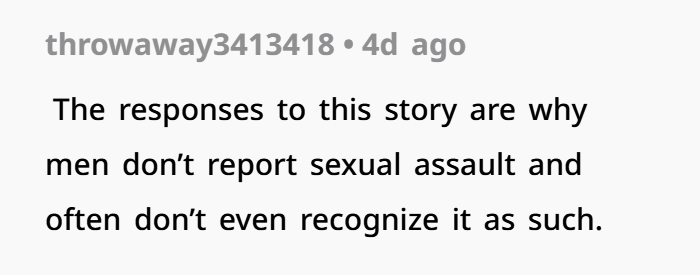
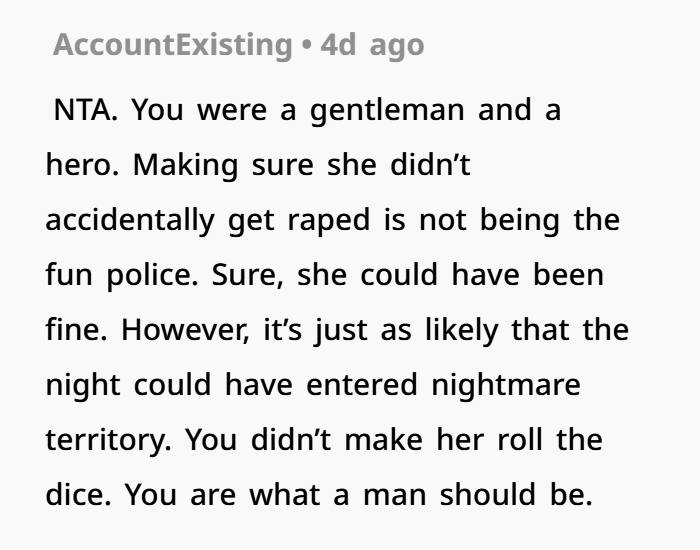
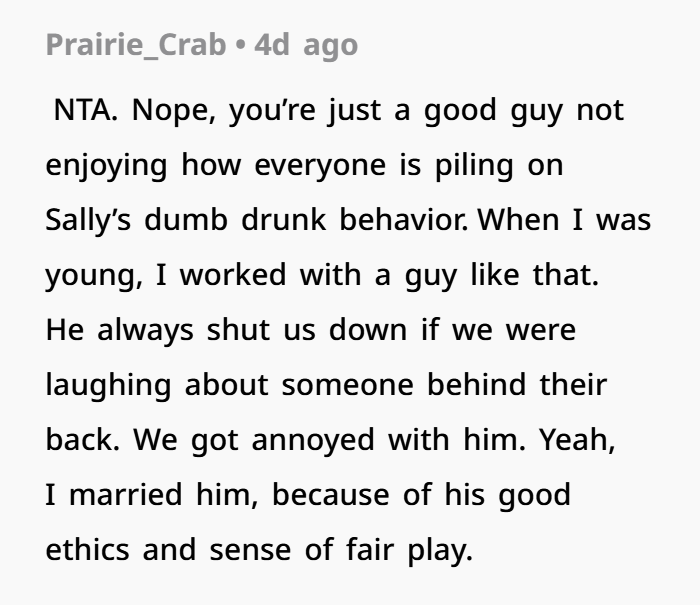
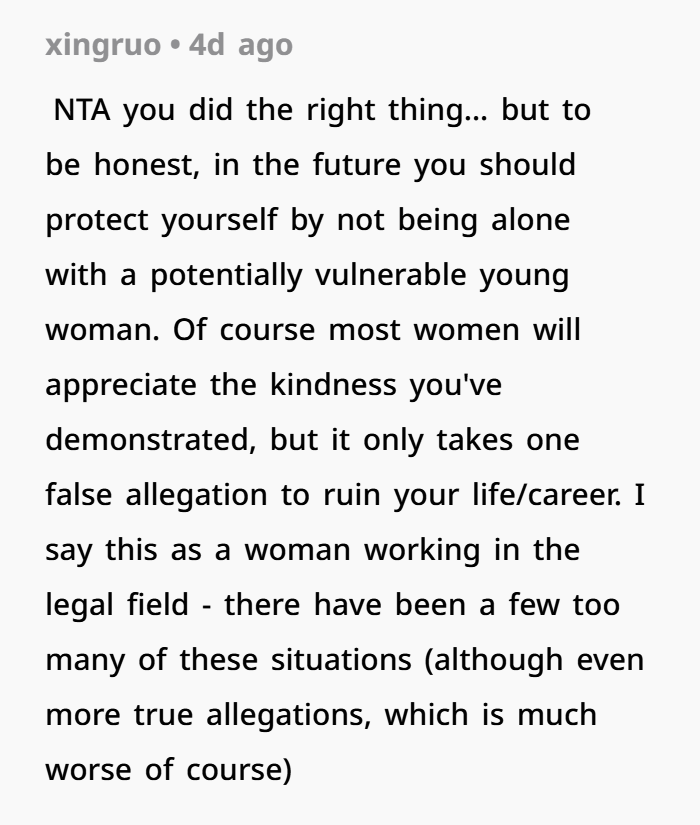
The Likely Reddit Verdict: NTA
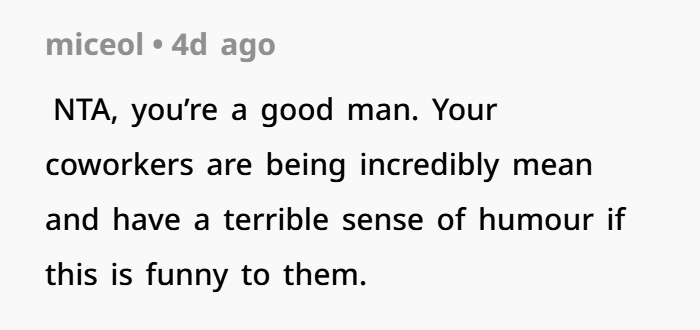
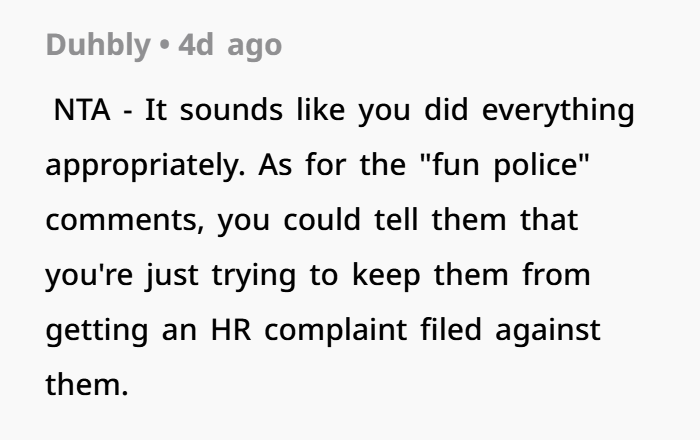
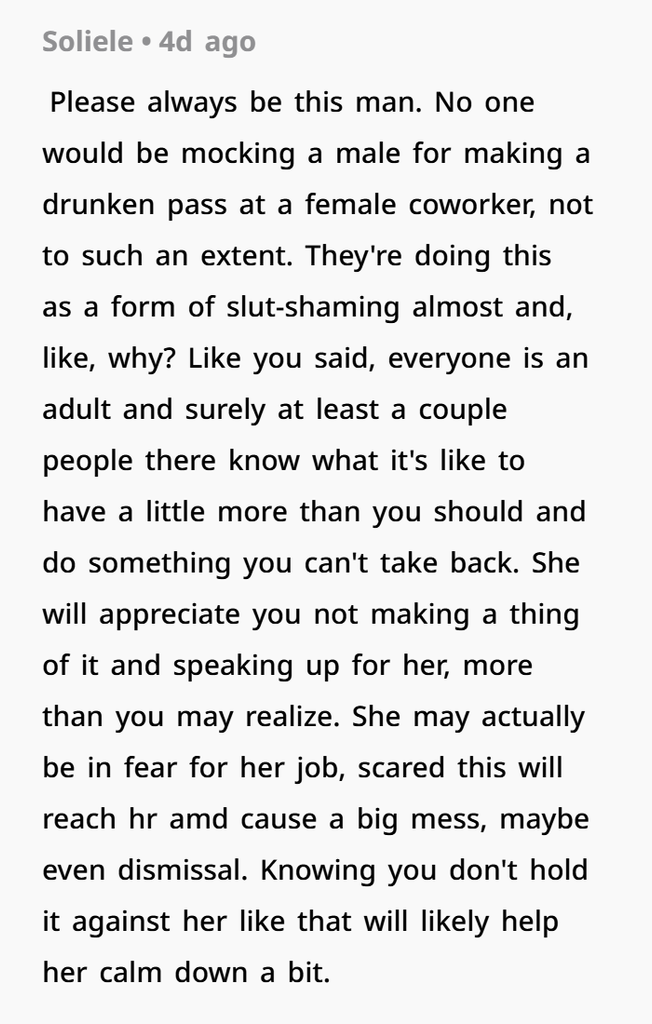
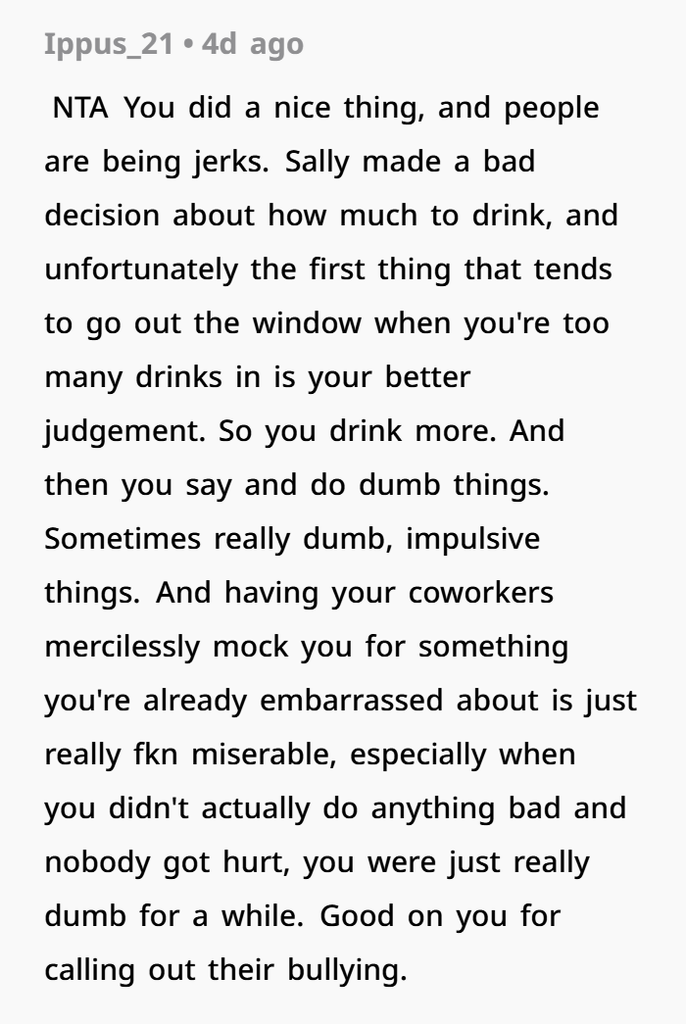
Based on the man’s account, the likely Reddit verdict would be NTA (Not the A-Hole).
He was not wrong for telling his coworkers to stop making jokes about Sally.
The unwanted kiss was inappropriate, and he had every right to reject it.
But that did not mean he had to support the gossip afterward.
His coworkers were free to think Sally had made a poor decision.
They did not have to approve of her behavior.
However, repeatedly making fun of her served no useful purpose.
The man was simply trying to keep the workplace respectful.
That seems like a fair and reasonable thing to do.
Final Thoughts
This story started with an awkward moment at a Halloween party.
But the bigger issue was what happened afterward.
Sally made a mistake, and the man had every right to set clear boundaries.
Still, her coworkers did not need to keep embarrassing her at work.
The man showed that it is possible to disagree with someone’s actions while still treating them with kindness.
He helped Sally when she needed assistance, respected his marriage, and refused to join the workplace gossip.
The real lesson is simple: one embarrassing moment should not become the reason someone feels uncomfortable at work every day.
A healthy workplace needs more than rules and policies.
It also needs people who know when to show kindness.
What do you think? Was the man right to defend Sally, or should he have stayed out of the situation when his coworkers started joking?
Readers’ Comments Speak Out