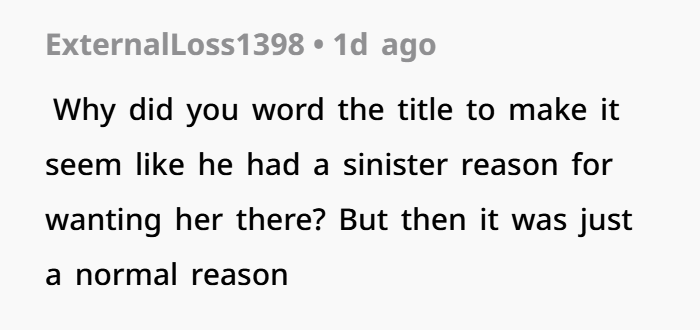
AITA for Refusing to Invite My Fiancé’s Former Teacher to Our Wedding After He Invited Her Without Asking Me?
Planning a small wedding is not always easy, especially when both partners have different ideas about the guest list. One bride-to-be recently found herself in this situation when her fiancé decided he wanted to invite his former high school teacher. He explained that this teacher had supported him during a hard time and helped him move forward in life. While his fiancée understood his feelings, she was surprised to learn that he had already sent the wedding invitation without asking her.
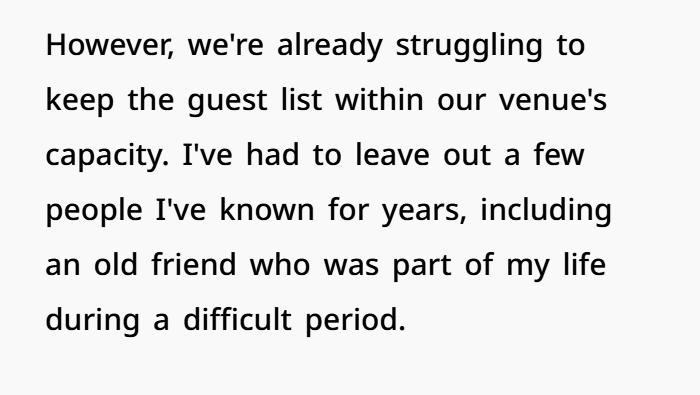
The couple had already planned a small and personal wedding with limited venue space. They had also decided not to invite some important people because they wanted to keep the celebration intimate. For the bride, this made the new invitation feel unfair. She believed that adding another guest should be something they both discuss before making a final decision. After all, wedding planning involves teamwork, and both partners should have a say.
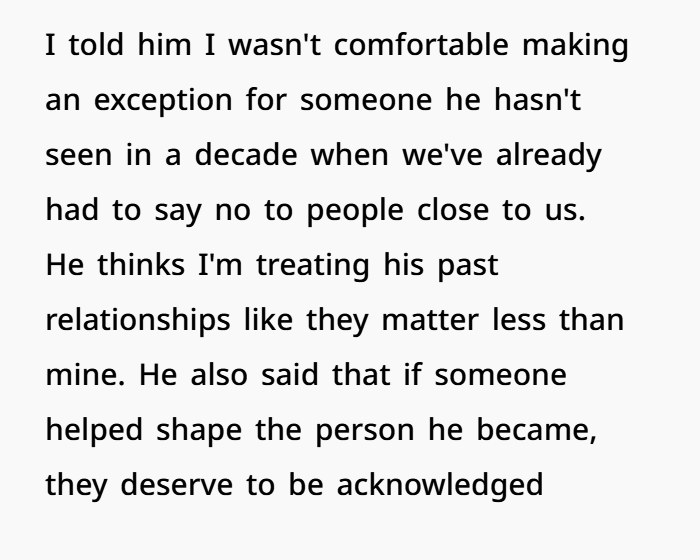
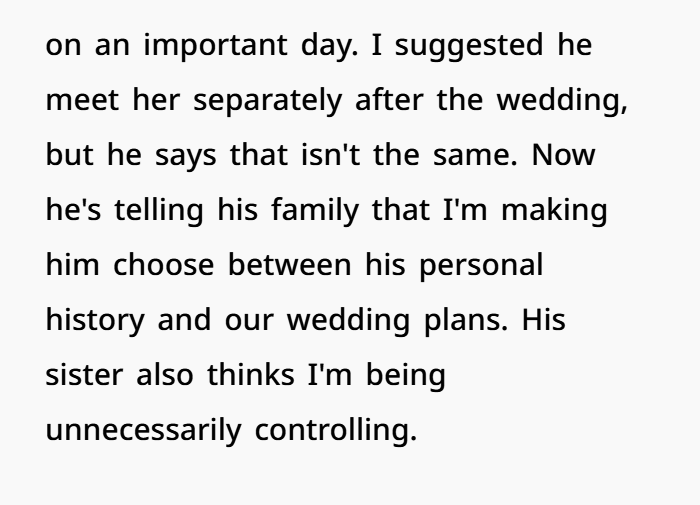
The groom-to-be, however, feels strongly about having his former teacher at the wedding. He believes her presence would make the day more meaningful because of the support she gave him in the past. His fiancée even suggested inviting the teacher to a separate celebration after the wedding, but he did not agree. He feels that being part of the actual wedding ceremony would be much more special.
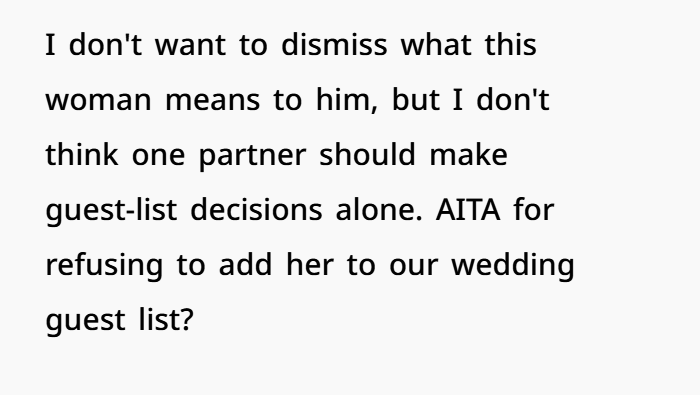
Things become more stressful when family members start taking sides. The bride now feels caught between respecting her fiancé’s feelings and standing by the wedding plans they made together. She wants to know if keeping the guest list limited is unreasonable or if her fiancé should have respected their shared wedding decisions before sending an invitation.wedding guest list or if her fiancé should have talked to her before inviting someone.

When Wedding Guest Lists Become a Matter of Respect and Boundaries
Planning a wedding can be exciting, but creating the guest list is not always easy. Couples have to think about their wedding budget, venue capacity, catering costs, and the people they want to invite. Sometimes, even a small change to the guest list can lead to an unexpected disagreement.
For many people, a wedding invitation means more than just attending a special event. It can show love, friendship, respect, and appreciation. Some guests may have been part of the couple’s lives for many years, while others may have offered support during an important time.
This is why deciding who should attend a wedding can become an emotional issue. What looks like a simple invitation to one person may feel like a much bigger decision to the other.
Why Wedding Guest Lists Can Cause Disagreements
When couples plan a wedding, they usually have to work within a set budget and a limited number of seats. This means they may not be able to invite everyone they know.
Some couples even have to leave out close friends or relatives because their wedding venue cannot accommodate more guests. These decisions are not always easy, especially when both partners have different ideas about who should be included.
Problems can start when one partner wants to add someone after the guest list has already been discussed.
For example, a fiancé may want to invite a former teacher who made a positive difference in his life. He may feel that this person deserves to attend because of the help and support he received during his school years.
However, his future wife may not feel comfortable adding another guest. If they have already removed people from the list to manage wedding expenses and seating arrangements, she may see this change as unfair.
Both partners may have understandable reasons for their feelings. The best way to handle the situation is through an honest and respectful conversation.
A Former Teacher Can Still Be Important
Teachers can have a lasting effect on their students. A caring teacher may offer advice, encouragement, and support that a student remembers for many years.
Even when people lose contact with their former teachers, they may still feel thankful for the role those teachers played in their lives.
This could explain why the fiancé wants to invite his former teacher. Even if they have not met in almost ten years, he may still consider this person an important part of his life.
Not every meaningful relationship needs regular communication. Sometimes, a person remains special because of the positive influence they had in the past.
However, having a good reason to invite someone does not mean one partner should make the decision alone.
A wedding is a shared celebration. Both people should have an equal chance to discuss the guest list and agree on any changes.
Both Partners Should Have a Say in Wedding Decisions
One important part of a healthy relationship is respecting each other’s opinions.
Wedding planning involves many shared decisions, including choosing a wedding venue, setting a budget, arranging seating, and preparing the final guest list.
If a couple has already agreed on a certain number of guests, making changes without discussing them can create frustration.
The fiancé should be able to explain why inviting his former teacher is important to him. His future wife should also be able to explain why she has concerns about adding another person.
Neither partner should feel that their opinion does not matter.
Instead of arguing about who is right, they can discuss possible solutions. They may find that there is enough room for one more guest. They could also review the seating arrangements or consider whether another invitation can be adjusted.
The important thing is to make the decision together.
Is It Fair to Invite One More Person?
Fairness is another important part of this situation.
If the couple has already excluded close friends and family members because of limited seating, adding a former teacher may seem unfair to the other partner.
She may wonder why some people had to be removed from the wedding guest list while someone who has not been seen in years is being considered for an invitation.
This concern is understandable.
At the same time, relationships are not always measured by how often people meet or speak. A former teacher may have offered support during an important stage of someone’s life and may still hold a special place in their heart.
This does not mean every meaningful relationship must receive a wedding invitation. It simply means that couples should listen to each other’s reasons before making a final decision.
A fair solution should consider both emotional connections and practical wedding planning needs.
When Family Members Become Part of the Disagreement
Family involvement can sometimes make wedding planning more stressful.
When relatives start sharing their opinions, a private disagreement between two people can turn into a bigger family issue.
In this situation, the fiancé’s sister may believe that inviting the former teacher is the right thing to do. She may feel that someone who helped her brother deserves to be included in his wedding celebration.
Her opinion may come from a place of care, but the final decision should still belong to the couple.
Family members do not have to manage the wedding budget, pay for additional catering, or arrange extra seating. These responsibilities usually belong to the couple and anyone directly involved in the planning.
It is also important to remember that relatives may not understand every detail behind the guest list.
Couples can avoid unnecessary family pressure by discussing their concerns privately before involving other people.
This allows both partners to share their feelings and work toward an agreement without feeling pressured to take sides.
How Couples Can Handle Wedding Guest List Problems
There are several simple ways to manage disagreements about wedding invitations without creating more stress.
1. Talk Openly About Your Feelings
Both partners should explain why certain guests are important to them. Listening carefully can help each person understand the other’s point of view.
2. Review the Wedding Budget
Before adding another guest, check the available wedding budget. Additional guests may increase catering, seating, and other event expenses.
3. Check the Venue Capacity
Some wedding venues have strict guest limits. Review the available space before making changes to the final guest list.
4. Agree on Guest List Rules
It is helpful to agree that both partners must approve new invitations. This simple rule can prevent similar disagreements during wedding planning.
5. Think About Other Ways to Show Appreciation
If there is no space for the former teacher, the fiancé could arrange a personal visit, send a thank-you message, or meet the teacher after the wedding.
These gestures can show appreciation without changing the agreed wedding arrangements.
The Real Issue Is Respect and Understanding
At first, this disagreement may seem to be only about inviting a former teacher. But it also brings up a bigger question about how couples handle important decisions.
The fiancé has a reason to appreciate someone who helped him in the past. His future wife also has a reason to expect that wedding invitations are discussed together.
Both feelings deserve consideration.
A strong relationship does not mean two people must agree on everything. They can have different friendships, family connections, and personal priorities.
What matters is how they handle those differences.
When couples listen to each other, respect personal boundaries, and discuss important decisions calmly, they can avoid turning small disagreements into bigger problems.
Final Thoughts
Wedding guest list disagreements are common because every invitation can carry a different meaning. Some people are important because of family connections, while others are remembered for their friendship, guidance, or support.
In this situation, inviting the former teacher may mean a lot to the fiancé. However, his future wife should also have an equal say in the decision.
The best solution is one that respects both partners, considers the wedding budget, and follows the guest list limits they agreed on.
A wedding is about celebrating two people and their future together. Starting this new chapter with honest communication, patience, and mutual respect can make wedding planning a much better experience for both.
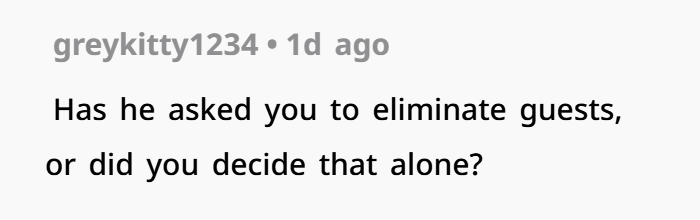
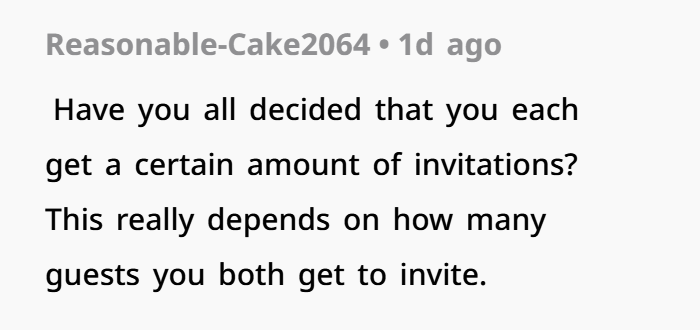
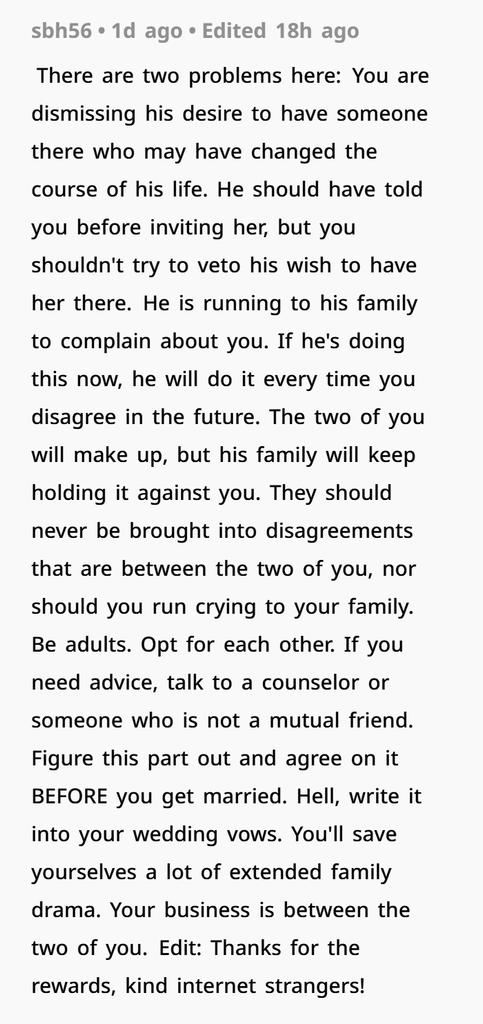
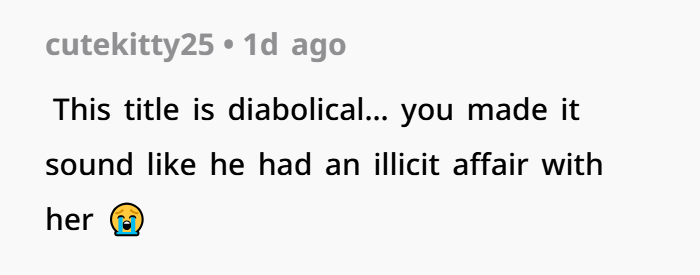
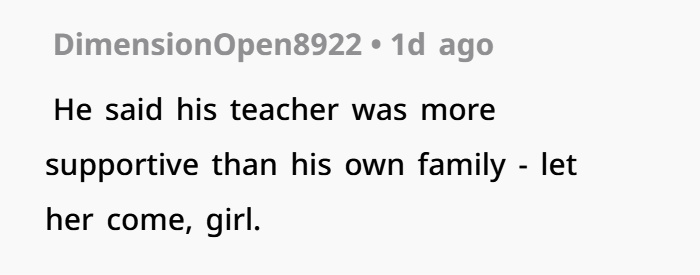
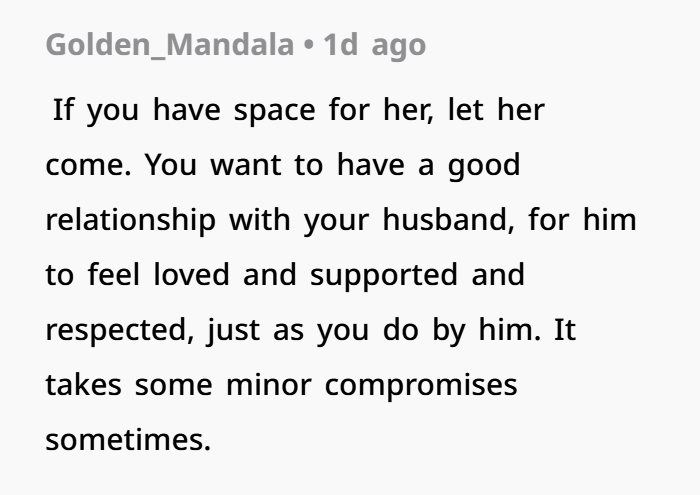
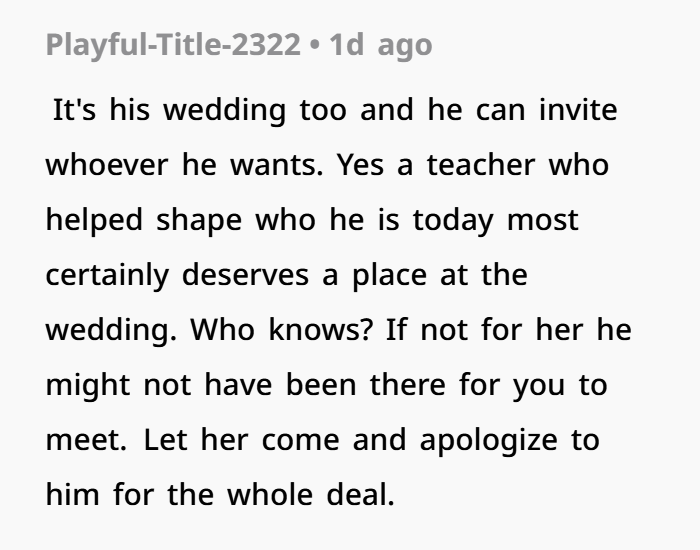
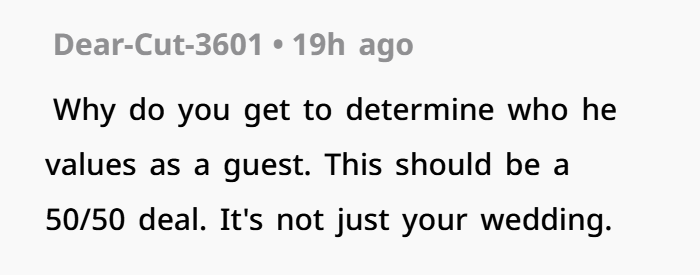
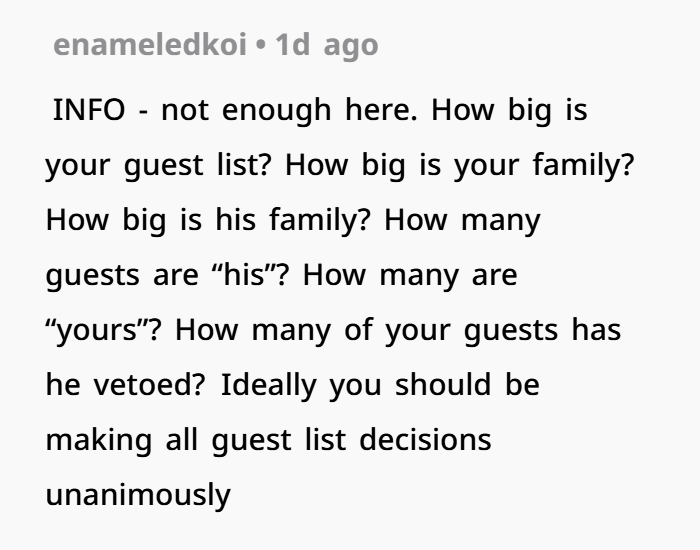
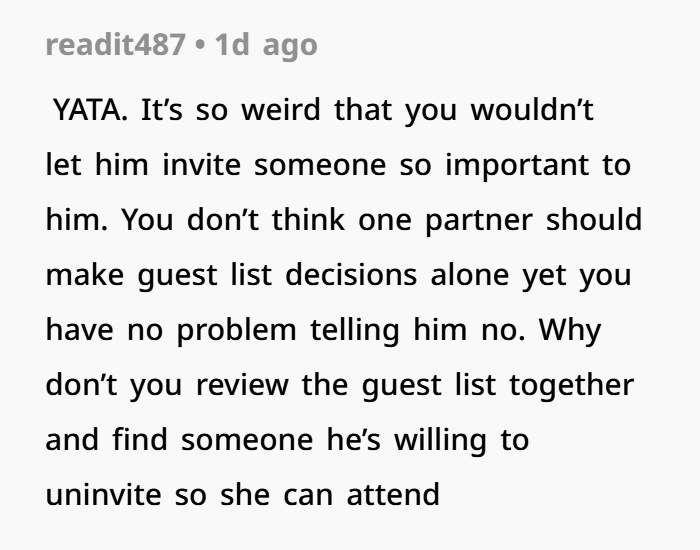
Top Comments From Readers