AITA for Refusing to Invite My Sister’s Kids to My Son’s Birthday After He Asked for a Friends-Only Party?
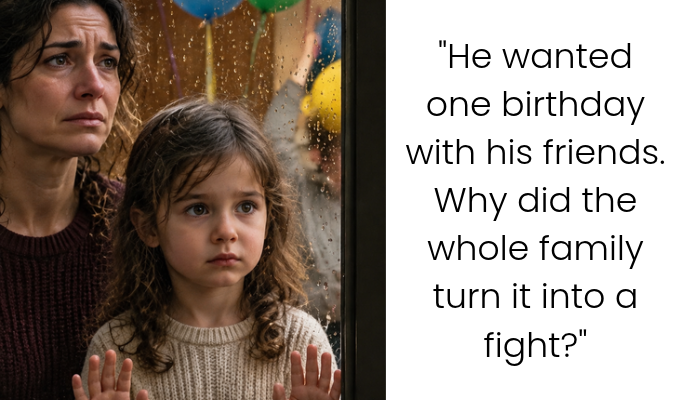
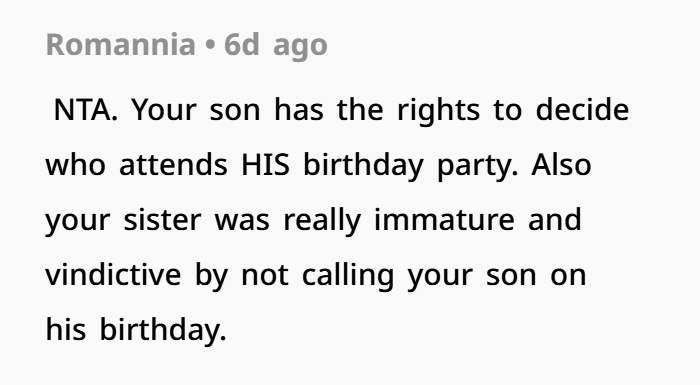
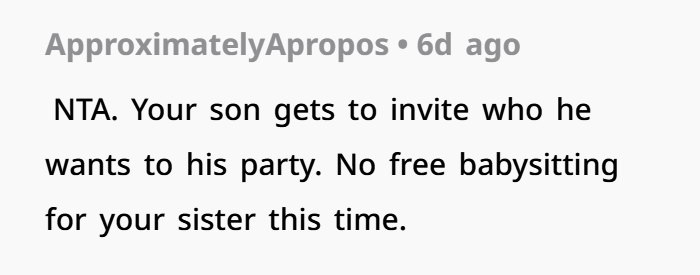
A ninth birthday is a special moment for any child, and one mother wanted her son to enjoy his day without any stress. He had asked for a small birthday outing at a ninja park with a few boys from school and his football team. He did not want a big family party that day. Instead, he planned to celebrate with his relatives the following afternoon at his grandmother’s home. His mother respected his choice and arranged everything according to his wishes.
The mother also had a personal reason for keeping the guest list small. Her five-year-old nephew had sometimes struggled with his behavior in public, including hitting and biting. Her son was concerned that these moments could affect his birthday experience and make him feel uncomfortable around his friends. His mother did not want to embarrass anyone or start an argument, so she decided to keep this reason private. She simply wanted her son to have a happy and peaceful birthday celebration.
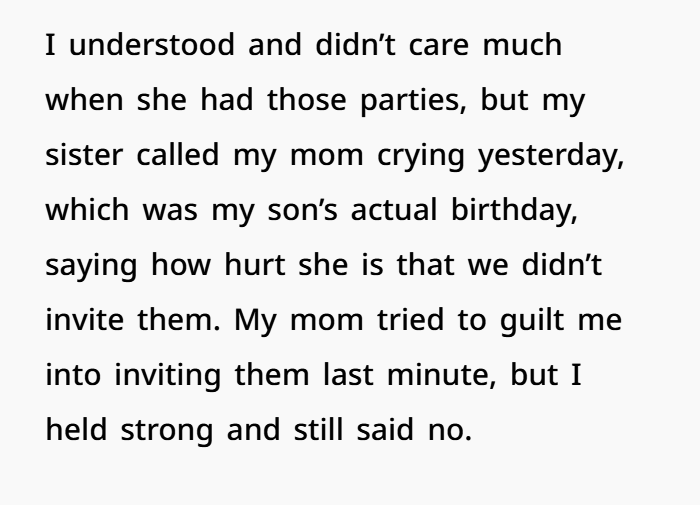
Things became uncomfortable when the boy’s aunt found out that her two children were not invited. On his birthday, she called their mother and became very upset. The grandmother also stepped in and asked the mother to change her plans and include the children. But she did not agree to a last-minute change. She felt that her son’s birthday party was planned for his close friends, and he should be allowed to enjoy the day he had requested.
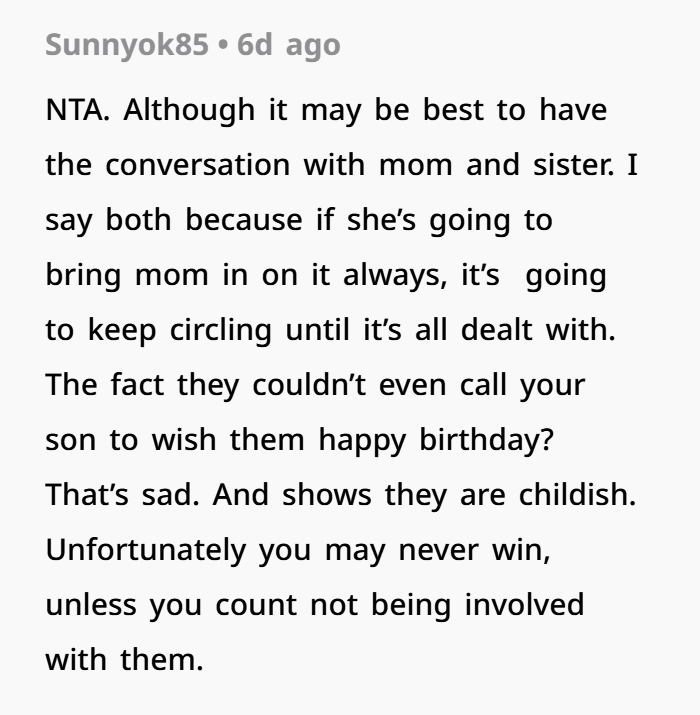
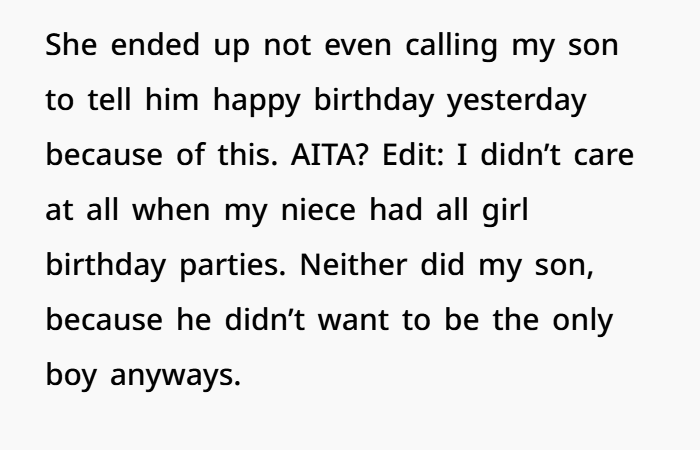
The situation became more painful when the grandmother did not even call to wish her grandson a happy birthday. The mother now wonders if she should have handled things differently. She understands that family celebrations can bring strong feelings, but she also believes children should have a say in their own birthday plans. Her experience has started a wider discussion about family expectations, parenting decisions, children’s happiness, and how parents can set fair boundaries with relatives.



Children’s Boundaries, Birthday Invitations, and Family Expectations
A child’s birthday is a special day. Many families like to celebrate together, but children also need time to enjoy their own friendships and interests.
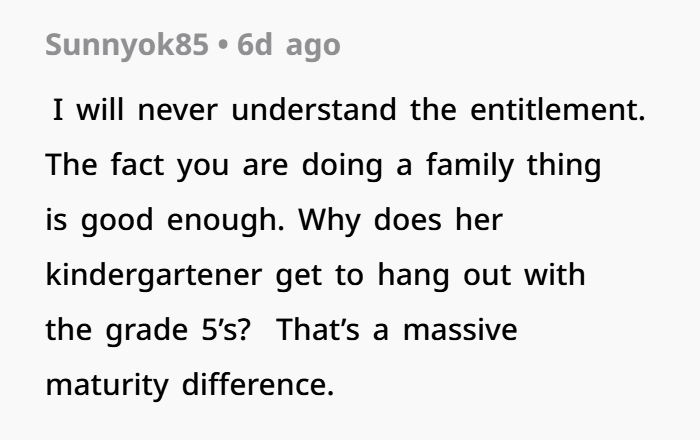
By the age of nine, children often start caring more about their school friends, classmates, and teammates. They may want to spend their birthday with children who share the same hobbies and interests.
This does not mean they dislike their younger cousins or do not want to spend time with family. It simply means their interests are changing as they grow.
There is also a difference between leaving someone out to hurt their feelings and planning a party for a specific group of children.
In this situation, the mother planned a small birthday party for boys at a ninja park. She also arranged a separate family celebration for the next day.
These were two different events with different purposes.
Not every birthday party needs to include every family member. Parents can plan different celebrations while still making time for family relationships.
7. The Younger Cousin’s Behavior: Why Child Safety Matters
One important part of this situation is the mother’s concern about her five-year-old nephew’s behavior.
Young children are still learning how to manage their feelings. Sometimes, they may hit, bite, or have trouble playing peacefully with other children.
These behaviors can happen during early childhood. However, when a child regularly hurts others, parents should pay attention and look for ways to help.
The American Academy of Child and Adolescent Psychiatry (AACAP) explains that occasional aggressive behavior can happen as children grow. However, repeated or serious hitting and biting may need professional attention.
This does not mean the younger child is bad. Every child develops at a different speed, and some children need extra support with their emotions and behavior.
At the same time, keeping children safe is an important part of responsible parenting.
The mother has a good reason to think about her son’s comfort when planning his birthday party. A birthday celebration should be a happy experience for the birthday child.
He should be able to enjoy his special day without worrying about another child’s behavior.
Parents can care about their relatives and still set healthy family boundaries. Protecting one child’s comfort does not mean being unkind to another child.
8. Was the Sister Right to Expect an Invitation?
Family birthday parties can sometimes create confusion and hurt feelings.
Some relatives believe every child in the family should be invited to every birthday celebration. They may feel that leaving out one child is unfair or unkind.
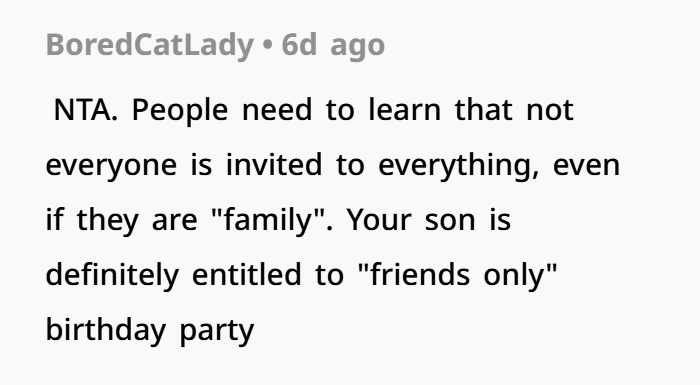
However, not every birthday party has to include the whole family.
Some children want a small party with school friends. Others may prefer a sports-themed celebration or an activity they enjoy.
PBS KIDS for Parents shares helpful advice about birthday party etiquette. Its guidance recognizes that parents do not have to invite everyone and can make thoughtful choices about the guest list.
There is another detail in this situation that is worth considering.
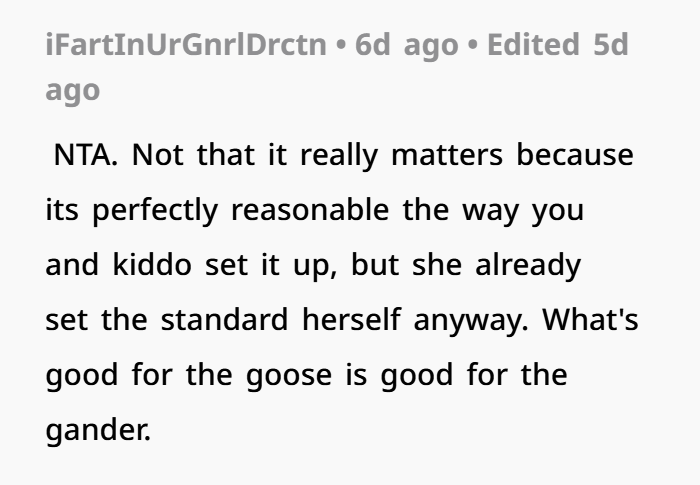
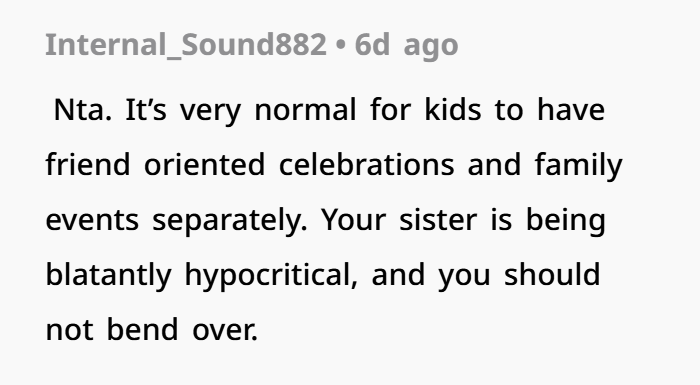
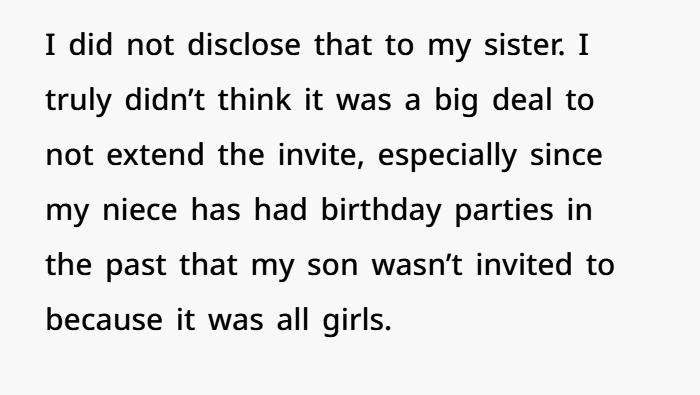
The sister had previously planned girls-only birthday parties for her daughter. Her nephew was not invited to those parties, but the mother accepted her decision.
So, why should the situation be different when her own son wants a party with boys his age?
If one child can enjoy a birthday party with selected friends, another child should also have that choice.
Of course, the sister may have felt disappointed. It is understandable for a parent to feel sad when their children are not included in a family event.
But feeling disappointed does not always mean someone has done something wrong.
Fairness does not mean every child must receive an invitation to every birthday party. It means respecting reasonable choices and understanding that children have different interests.
Healthy family relationships are built on respect, communication, and understanding.
9. The Grandmother’s Reaction: Why Family Boundaries Matter
Another important part of this situation is the grandmother’s reaction.
Instead of accepting the birthday plans, she tried to convince the mother to change the guest list. When the mother did not agree, the grandmother reportedly decided not to call her grandson on his birthday.
This raises an important question about family relationships and emotional boundaries.
Adults can disagree with each other. They can feel hurt, disappointed, or upset. But children should not have to deal with problems between adults.
A child’s birthday should be a happy occasion. It should not become a reason for family arguments or emotional pressure.
Research published in the British Journal of Developmental Psychology looked at friendships among children aged 7 to 11. It found positive links between friendships and children’s self-worth.
This shows why friendships are an important part of child development. Spending time with classmates and friends can help children build confidence, improve social skills, and feel accepted.
The grandmother’s decision not to call her grandson may make him feel that he did something wrong, even though he was not responsible for the guest list.
A better choice would have been to respect the mother’s plans and celebrate with the family the following day.
If the grandmother or sister felt upset, they could have discussed their feelings privately with the mother.
Good family relationships need patience, kindness, and clear communication. They should not depend on pressuring someone to change a reasonable parenting decision.
10. Final Thoughts: Who Should Make Things Right?
This situation is not really about legal rights or family rules. It is about parenting choices, family expectations, and respecting personal boundaries.
The mother planned a birthday party based on what her nine-year-old son wanted. She considered his interests, friendships, and the kind of celebration he would enjoy.
She also arranged a separate family celebration for the next day. This gave the cousins another chance to spend time together.
Her sister was allowed to feel disappointed. Every parent wants their children to feel included and loved.
However, feeling hurt does not mean someone else must change their plans.
The mother could have explained the birthday arrangements more carefully to avoid confusion. But she was not required to invite every family member to a small birthday activity.
She also did not need to share private concerns about her nephew’s behavior with everyone.
Parenting involves making decisions that are best for your child. Sometimes, relatives may not agree with those decisions. That does not automatically make the choices wrong.
The important thing is to consider children’s needs while treating other family members with kindness.
In this situation, the mother respected her son’s wishes and made time for a separate family celebration. That seems like a reasonable way to balance children’s independence with family time.
The bigger concern is that other adults turned a child’s birthday into a disagreement about family loyalty.
At the end of the day, the question is not whether the sister’s feelings matter. They do. The real question is whether those feelings should be more important than the birthday boy’s wishes for his own special day.
Children deserve the chance to enjoy their friendships, take part in activities they love, and make happy memories with people their own age.
Respecting those needs is an important part of positive parenting, healthy child development, and strong family relationships.
Comments You Can’t Miss