Is This a Joke?’: Woman Horrified After Unknowingly Becoming the Star of Coworker’s Cake
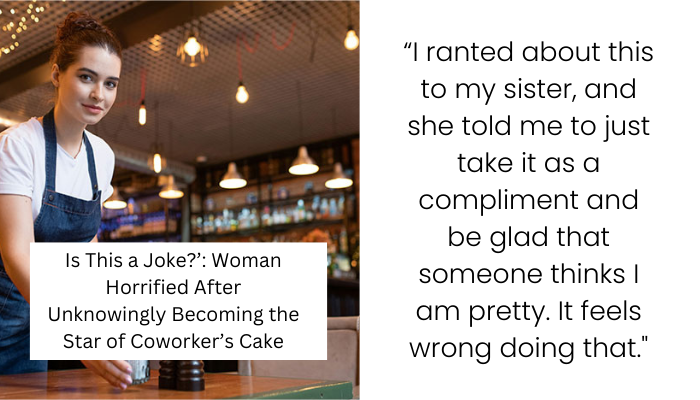
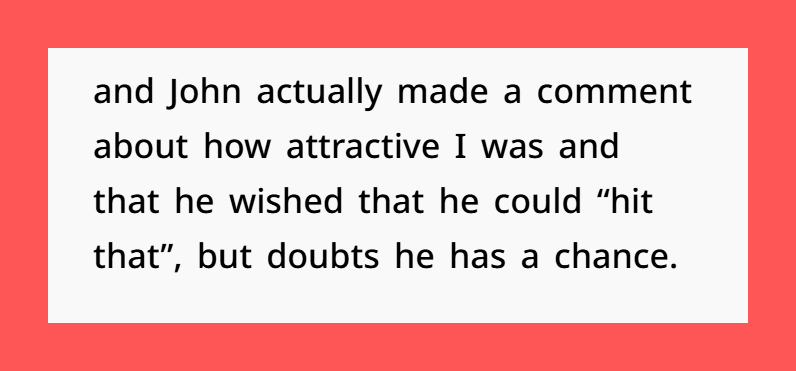
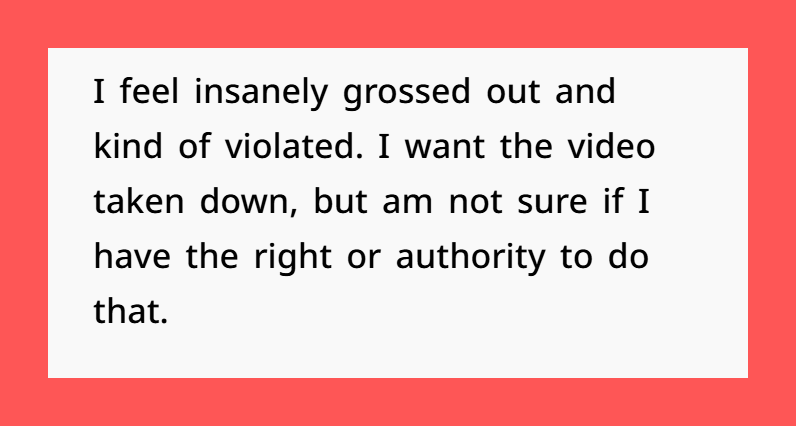
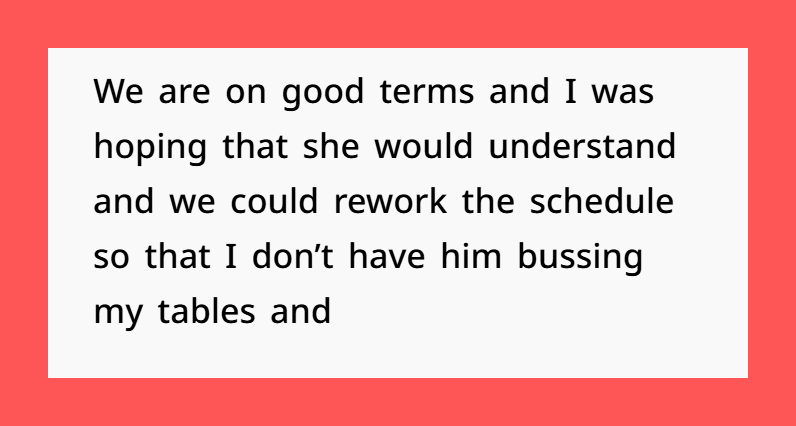
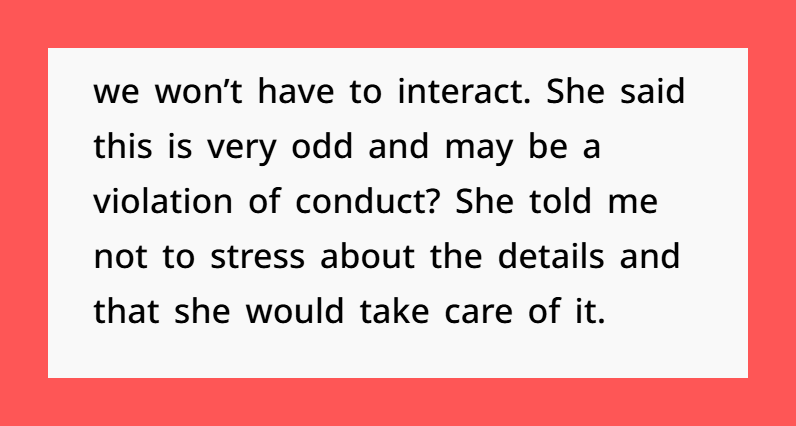
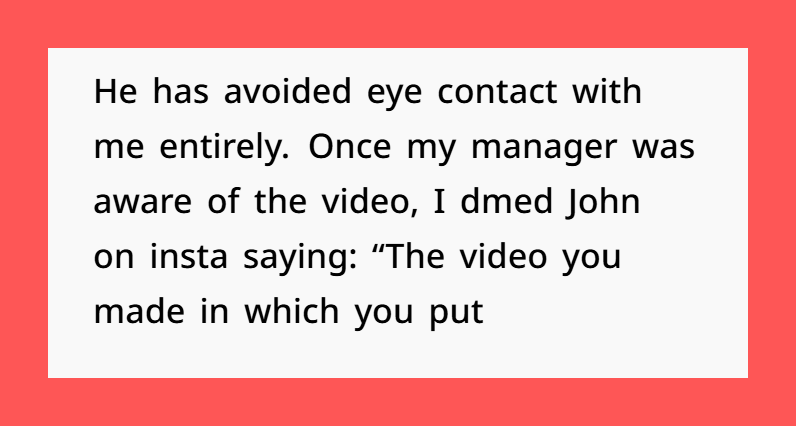
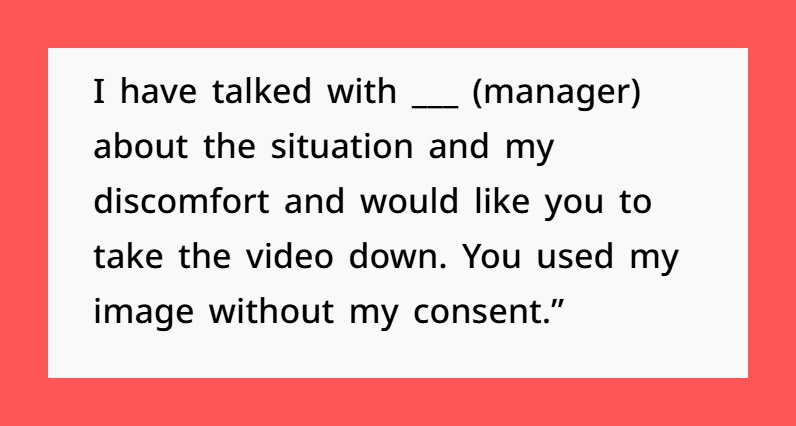
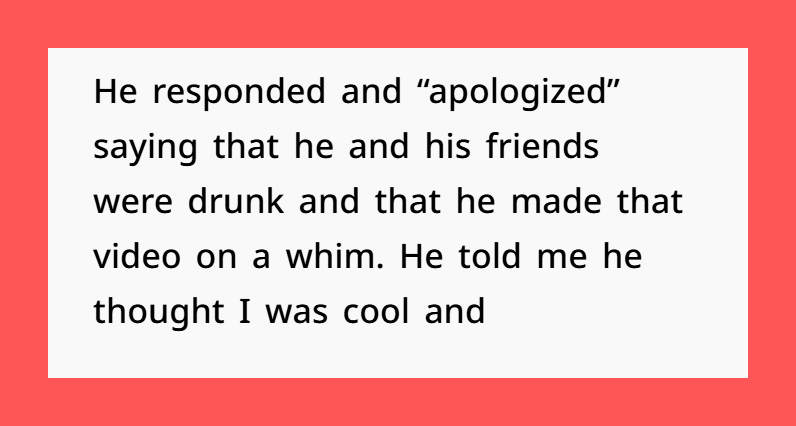
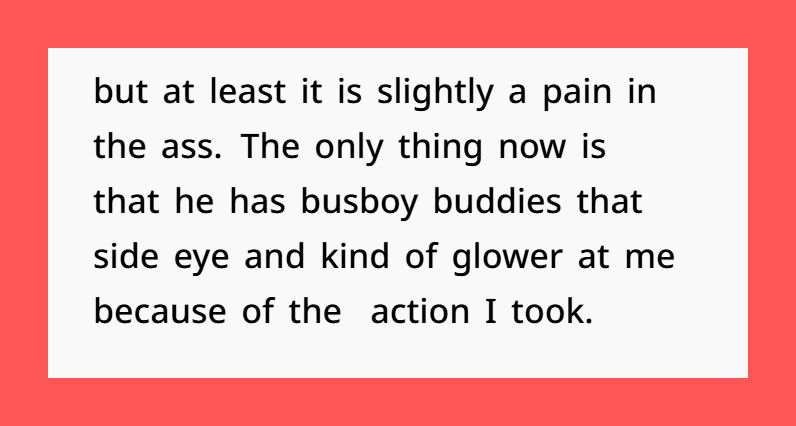
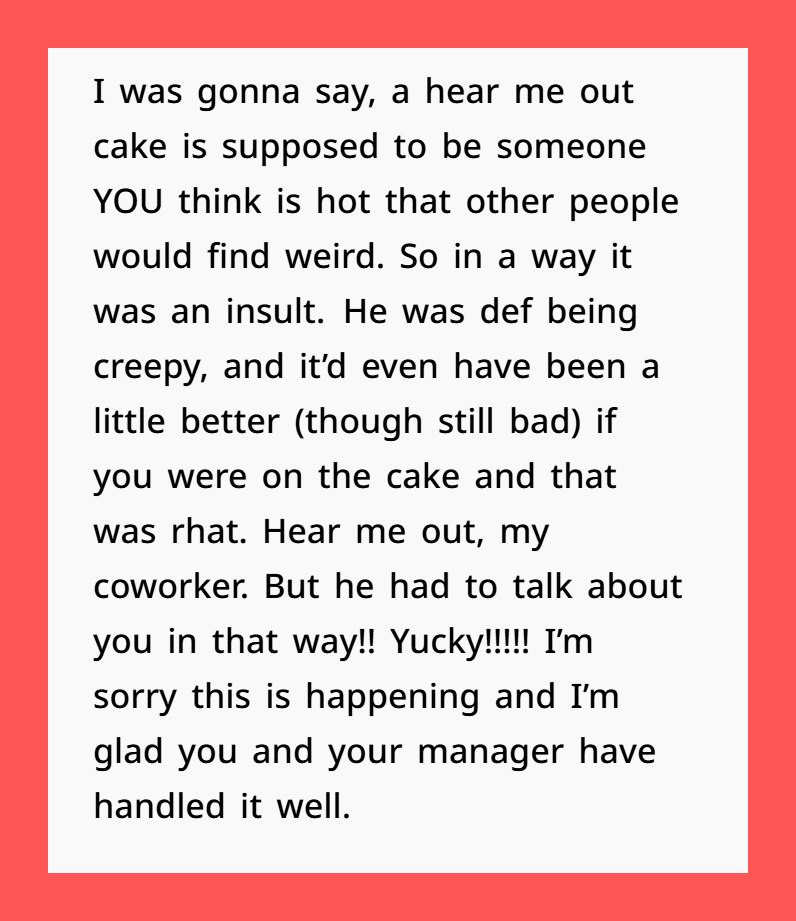
A 22-year-old waitress faced an uncomfortable situation with a coworker after her photo was used on social media without her permission. An 18-year-old coworker included her image in a “hear me out cake” video trend, which is usually meant for sharing funny opinions about fictional characters. The waitress felt upset because she did not agree to have her picture shared.
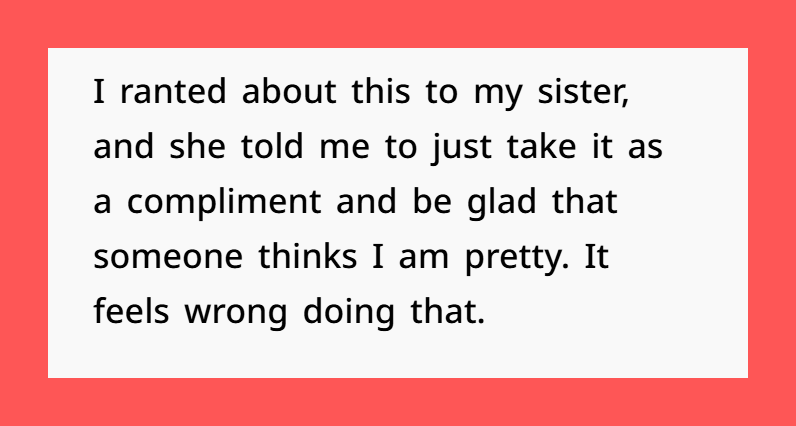
The situation became more concerning because the post included comments that made her feel uncomfortable. She felt that her personal boundaries were not respected and was unsure about how to handle the issue with her coworker.
This incident shows how social media can create challenges in the workplace. Employees often share online spaces with their coworkers, making it important to understand privacy, respect, and professional behavior. Using someone’s photo or personal information without permission can create trust issues and workplace concerns.
Good workplace communication and clear company policies can help prevent these situations. Employees should understand their rights, respect others’ privacy, and follow responsible social media practices to maintain a safe and respectful work environment.
But one woman learned her coworker made a video placing a photo of her on a “hear me out” cake











Understanding Workplace Harassment and Protecting Your Privacy at Work
A workplace should be a place where employees feel safe, respected, and valued. However, problems can happen when someone’s personal boundaries are ignored or when inappropriate behavior creates an uncomfortable work environment.
Understanding workplace harassment, privacy rights, and the steps you can take can help employees handle difficult situations in a responsible way.
What Is Workplace Harassment?
Workplace harassment is unwanted behavior that targets someone because of personal characteristics such as:
- Race or color
- Religion
- Sex or gender
- National origin
- Age
- Disability
- Genetic information
Harassment becomes a serious workplace issue when it creates an environment that feels threatening, offensive, or unsafe.
Employees have the right to work in a professional environment where they are treated with respect.
Why Privacy Matters at Work
Personal privacy is important, both inside and outside the workplace. Sharing someone’s photo, personal information, or image without permission can create serious concerns, especially if it is done in a way that embarrasses, insults, or harms that person.
Using a coworker’s image without their consent may violate company policies and could contribute to a workplace harassment complaint.
Everyone has a responsibility to respect the privacy and dignity of their coworkers.
Social Media and Workplace Boundaries
Social media has made communication easier, but it has also created new workplace challenges.
Employees should be careful when sharing content involving coworkers. Posting someone’s photo, making jokes about them, or sharing personal information without permission can damage trust and create workplace conflicts.
Many companies have social media policies that explain acceptable online behavior. These rules help protect employees and create a respectful work culture.
Good workplace practices include:
- Asking permission before sharing someone’s photo
- Avoiding offensive jokes or posts
- Respecting coworkers’ personal boundaries
- Following company communication policies
What Employers Should Do
Employers have a responsibility to create a workplace free from harassment and discrimination.
Companies can help by:
- Creating clear workplace policies
- Providing harassment training
- Offering safe ways for employees to report concerns
- Taking complaints seriously
A strong workplace policy protects employees and helps prevent problems before they become more serious.
What to Do If Someone Uses Your Image Without Permission
If a coworker uses your image in a way that makes you uncomfortable or feels inappropriate, there are several steps you can take.
1. Save Evidence
Keep records of what happened. This may include:
- Screenshots
- Messages
- Emails
- Details about when and where the incident occurred
Having documentation can help explain the situation clearly.
2. Report the Issue
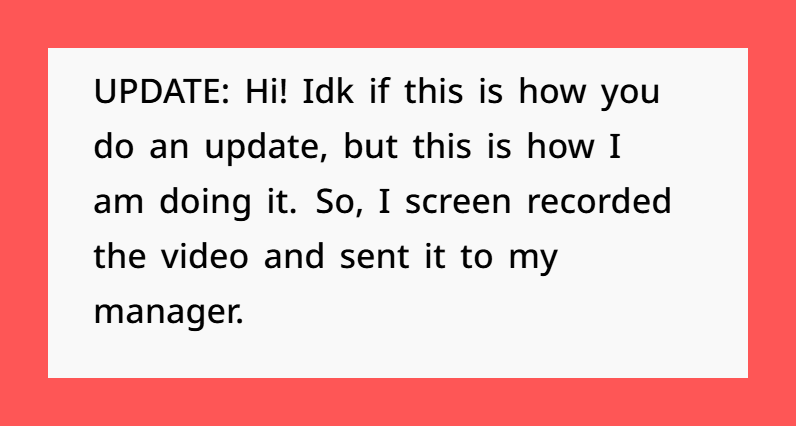
Talk with a supervisor, manager, or human resources department. Explain what happened and provide any evidence you collected.
Many workplaces have procedures for handling harassment or privacy concerns.
3. Review Company Policies
Check your workplace rules about:
- Harassment
- Social media use
- Employee conduct
- Privacy
Understanding company policies can help you know what steps are available.
4. Seek Professional Advice if Needed
If the issue is not resolved internally, you may consider speaking with an employment professional or attorney who can explain your options.
Employment laws can be complex, and the best approach depends on the details of each situation.
Creating a Respectful Workplace Culture
A positive workplace depends on everyone treating each other with respect. Employees should feel comfortable setting boundaries and speaking up when something feels wrong.
Respecting privacy, communicating professionally, and following workplace rules help create a healthier environment for everyone.
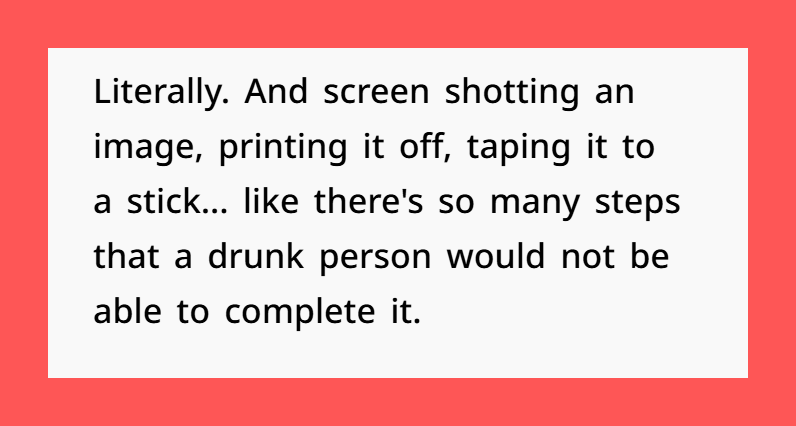
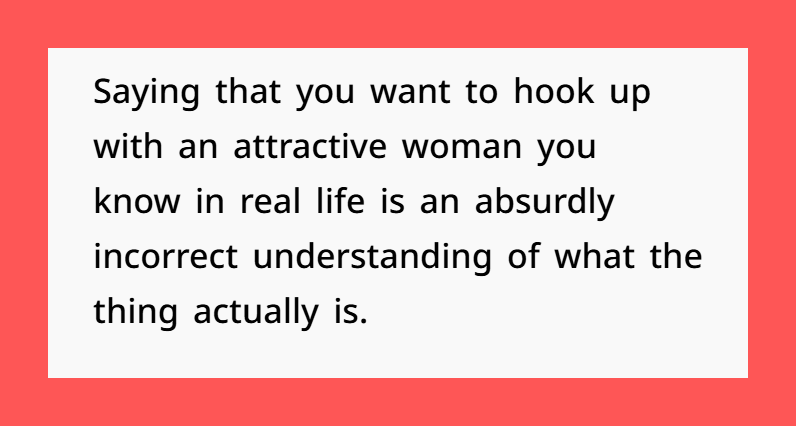
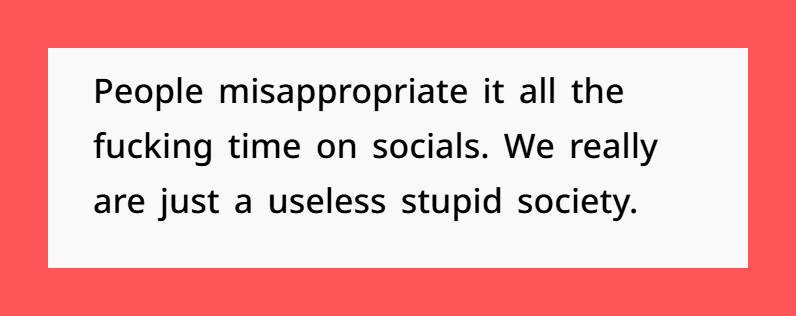
She chatted with some folks in the comments



Final Thoughts
Workplace harassment and privacy concerns can be stressful, but employees do have options for addressing these situations.
Knowing your workplace rights, documenting problems, and using proper reporting channels can help protect your well-being and support a safer work environment.
Respect and professionalism should always be part of every workplace.