AITA for Inviting My Dad’s Newly Discovered Half-Sister to My Wedding When My Own Cousins Weren’t Invited to the Ceremony?
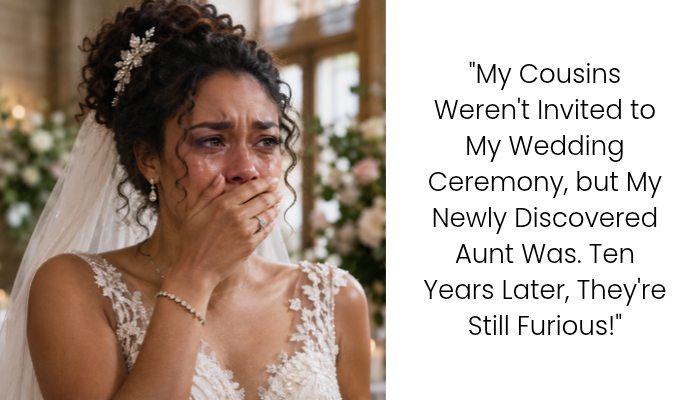
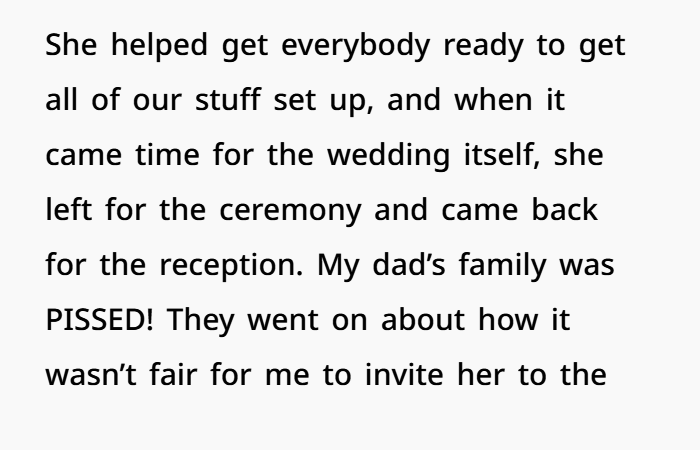
Planning a wedding can be exciting, but family expectations sometimes make things difficult. A woman shared how she and her husband decided to have a small wedding ceremony almost ten years ago. They wanted to celebrate the special moment with only their closest relatives and friends. Other family members were invited to the larger reception. Some cousins were unhappy because they wanted to attend the ceremony too. Still, the couple’s parents supported their decision, and the wedding plans moved forward.
Just two weeks before the wedding, something unexpected happened. A woman contacted the bride’s family after doing research into her family background. She believed she might be related to the bride through her paternal grandfather. After checking the family history, they discovered that she was actually the bride’s father’s half-sister. She was a newly discovered member of the family who wanted to meet her relatives. The bride’s parents asked if she could attend the wedding, and the bride happily agreed.
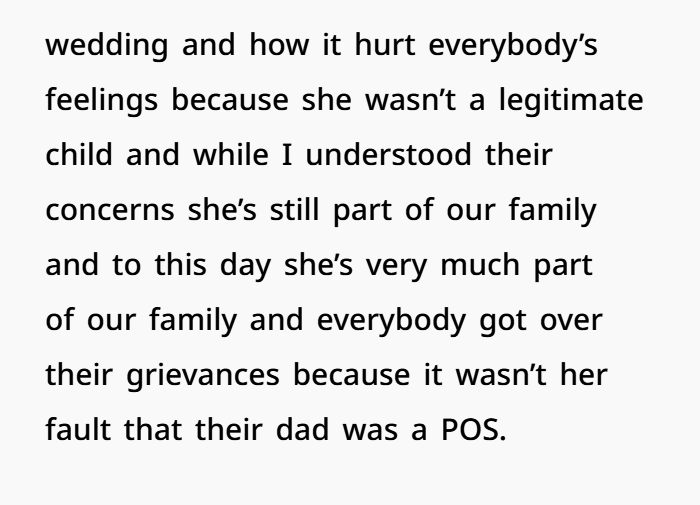
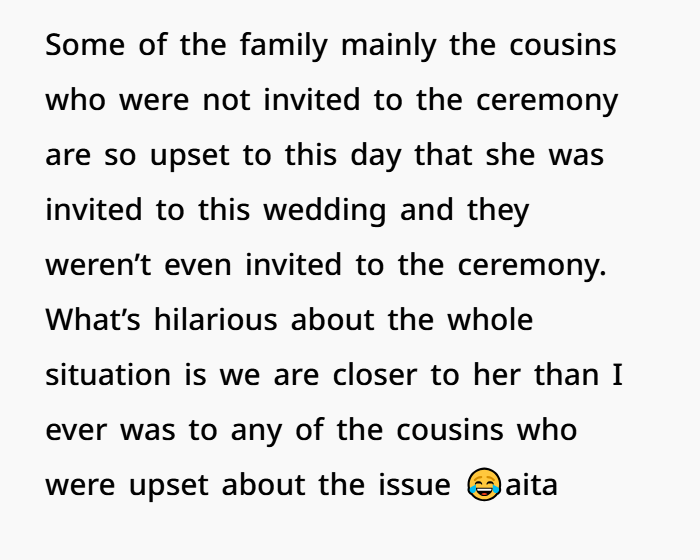
The woman came to the wedding with her family and quickly felt comfortable around everyone. She even helped with some of the wedding preparations. She attended the private ceremony and later joined the larger reception. However, this decision upset several of the bride’s paternal relatives. They felt that the new aunt had received special treatment, especially because some cousins had not been invited to the ceremony. They also questioned her place in the family because of the circumstances of her birth.
Even after almost ten years, some relatives still remember the disagreement. The bride, however, has continued building a close relationship with her aunt. She says that they have become much closer than she has ever been with some of her cousins. For her, the wedding was about sharing an important life event with people she wanted close to her. This story raises an interesting question about wedding guest lists, family expectations, and the freedom couples should have when planning their special day.
Family Relationships, Acceptance, and the Meaning of Being Family
Family relationships can change in unexpected ways.
Sometimes, people discover relatives they never knew existed. These discoveries can bring new connections, but they can also create questions about family traditions, acceptance, and belonging.
A wedding can make these situations even more complicated because it is an important event where family expectations often come into play.
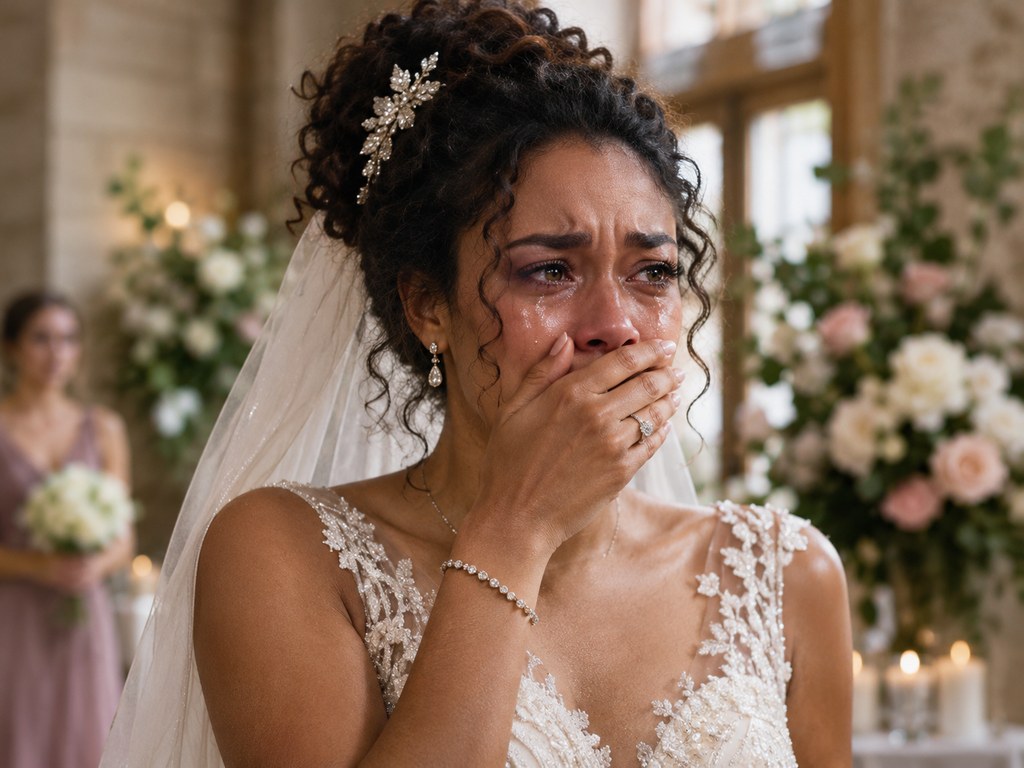
In this story, a bride discovered that her father had a half-sister from a relationship that had remained unknown to the family for many years.
The bride welcomed this newly discovered relative and included her in the wedding celebration. However, some cousins were unhappy because the couple had originally planned a small ceremony for close family and friends.
The situation highlights the importance of personal relationships, family acceptance, and the freedom to make wedding planning decisions.
1. How Unexpected Family Discoveries Change Relationships
Finding an unknown relative can be a major life event.
It may happen through family research, old records, personal conversations, or DNA testing.
In this situation, the newly discovered woman was the bride’s father’s half-sister. They shared one biological parent, which means they had a genuine family connection even though they had not known about each other.
Genetic genealogy has made it easier for people to explore their family history and discover biological relatives.
Consumer DNA testing can sometimes identify previously unknown relationships, including half-siblings, cousins, and other family connections.
The International Society of Genetic Genealogy provides educational resources about genetic testing and family research.
However, discovering a biological connection is only the beginning.
Building a meaningful relationship requires time, communication, trust, and mutual understanding.
The bride and her family chose to welcome the newly discovered relative instead of judging her based on the circumstances of her birth.
This allowed them to begin building a relationship without placing responsibility on her for decisions made by previous generations.
2. Biological Relationships and Emotional Family Bonds
There are different ways people experience family.
Some relationships are based on biological connections. Others develop through marriage, adoption, friendship, or years of emotional support.
Shared DNA can explain how people are related, but it does not automatically create closeness.
A meaningful relationship develops through everyday experiences and mutual care.
This is why someone who enters a family later in life can still become an important part of it.
The newly discovered aunt may not have shared childhood memories with the bride, but they had an opportunity to develop a connection as adults.
The bride’s decision to welcome her reflects an understanding that family relationships can grow over time.
3. Understanding Wedding Guest List Decisions
Wedding planning involves many personal decisions, and the guest list is often one of the most difficult.
Couples may have limited space, a fixed budget, or a preference for a private ceremony.
For this reason, some people invite only immediate family and close friends to the wedding ceremony. Extended relatives and other guests may be invited to the reception instead.
This approach can help couples manage wedding costs and create the kind of celebration they want.
In this story, the cousins were unhappy because the bride made an exception for her newly discovered aunt.
From their perspective, the invitation decision may have appeared inconsistent.
It is understandable that they felt disappointed. However, the couple’s wedding plans were ultimately their own decision.
There is no universal rule that every relative must attend every part of a wedding.
Wedding etiquette can help families understand invitations and expectations, but personal circumstances and preferences also matter.
4. The Importance of Accepting Children Regardless of Their Birth
One of the more concerning details in this story is the suggestion that the newly discovered woman was not a proper family member because her parents were not married.
Historically, children born outside marriage sometimes faced unfair treatment and social judgment.
In some places, they also experienced legal disadvantages.
However, a person’s value should never depend on their parents’ marital status.
The United Nations Convention on the Rights of the Child supports the principle that children should not face discrimination based on their birth or their parents’ circumstances.
The grandfather was responsible for his own relationship choices. His daughter was not responsible for those decisions.
She should not have to explain or defend the circumstances of her birth to receive basic family respect.
The bride’s decision to include her aunt was a way of recognizing her family connection without making her feel responsible for the past.
5. Family Expectations and the Role of Tradition
Family traditions can influence how people behave during important events.
Weddings, holidays, birthdays, and family gatherings often come with expectations about who should be invited and how celebrations should be organized.
These expectations are not always shared by everyone.
One relative may believe that all family members should attend a wedding ceremony. Another may understand that a couple has limited space and wants a smaller event.
When these expectations are different, misunderstandings can happen.
Family systems theory, developed by psychiatrist Murray Bowen, studies how people influence one another within family relationships.
It helps explain why a disagreement involving one person can affect several other family members.
In this story, an unexpected family discovery created new relationships and raised questions about family identity.
The wedding invitation disagreement then added another layer of tension.
A respectful conversation could help relatives understand each other’s feelings without turning the situation into a larger family conflict.
6. Why Old Family Conflicts Can Continue
Almost ten years have passed since the wedding, but some cousins are still unhappy about what happened.
This suggests that the disagreement may represent something deeper than a guest list.
They may still feel that they were treated unfairly or that their place in the family was not respected.
The bride, however, may see the situation differently. She wanted to welcome a newly discovered relative and give their relationship an opportunity to grow.
Sometimes, family members continue to disagree because they have different expectations and memories of the same event.
It is also possible for relationships to change over time.
In this case, the newly discovered aunt eventually became closer to the bride than some of the cousins who had originally questioned her invitation.
This shows that closeness is not always determined by how long people have been related.
Strong relationships are built through trust, communication, kindness, and shared experiences.
7. Finding a Balance Between Family Traditions and Personal Choices
Families do not always need to agree on every decision.
A couple may choose a small wedding, invite only certain relatives, or make special arrangements for people who have recently become important in their lives.
These decisions do not automatically mean that other family members are less valuable.
A few simple principles can help reduce tension:
- Respect the couple’s wedding planning choices.
- Communicate invitation arrangements clearly.
- Avoid comparing one family relationship with another.
- Do not judge people because of their family background.
- Allow new relationships to develop naturally.
- Discuss disagreements without personal criticism.
These ideas can help families manage important occasions while maintaining mutual respect.
Final Thoughts: Family Is Built Through Acceptance and Respect
This story highlights how unexpected family discoveries can challenge traditional ideas about relationships.
The bride chose to welcome her newly discovered aunt and give their relationship a chance to grow.
Her cousins were allowed to feel disappointed about the wedding invitations, but the final guest list was the couple’s decision.
More importantly, the aunt should never have been judged for the circumstances of her birth.
People are not responsible for the decisions their parents made before they were born.
Family is about more than biology, traditions, or the number of years people have known one another. It is also about kindness, acceptance, trust, and the willingness to build meaningful relationships.
See The Comments Below