My Roommate Told Me to Let Them Die After I Tried to Help During a Blood Sugar Emergency
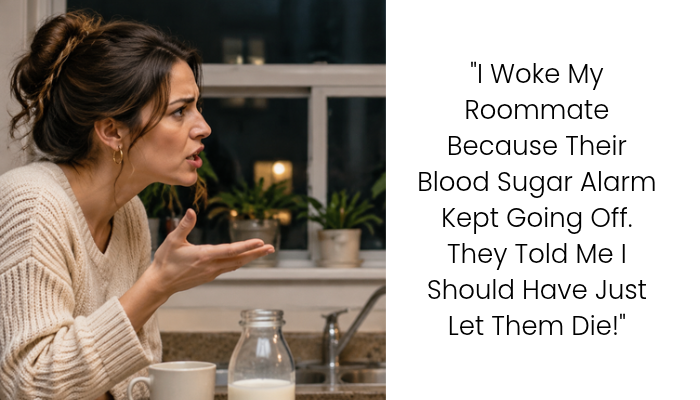
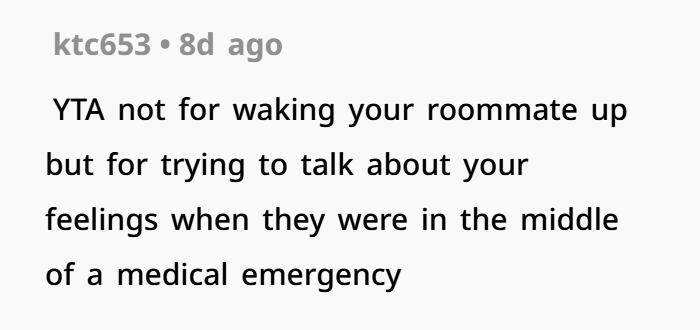
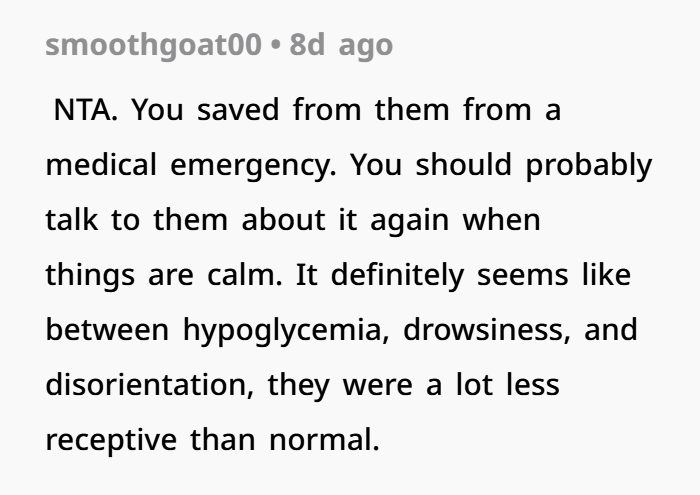
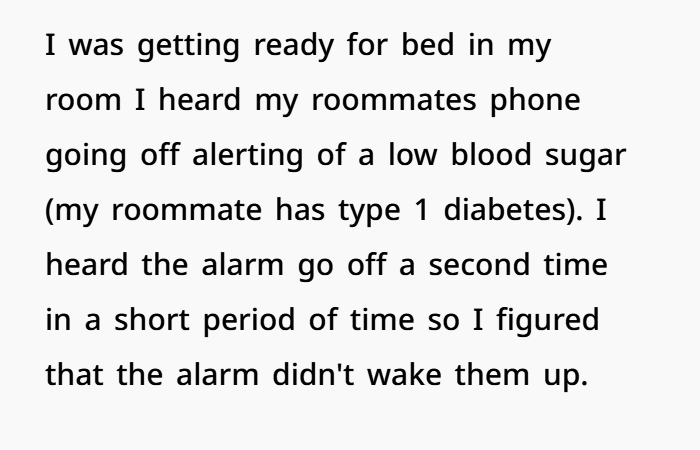
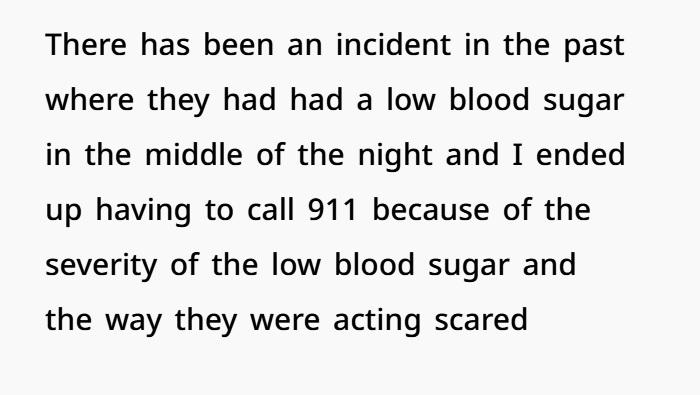
Living with someone who has a medical condition can sometimes bring unexpected challenges. A 38-year-old man recently shared an experience involving his 34-year-old best friend and roommate, who has type 1 diabetes. Shortly after midnight, he heard repeated alerts from his roommate’s phone warning about very low blood sugar levels. He remembered a previous incident when the situation became so serious that he had to call 911. Worried about another emergency, he decided to wake his friend instead of ignoring the alerts.
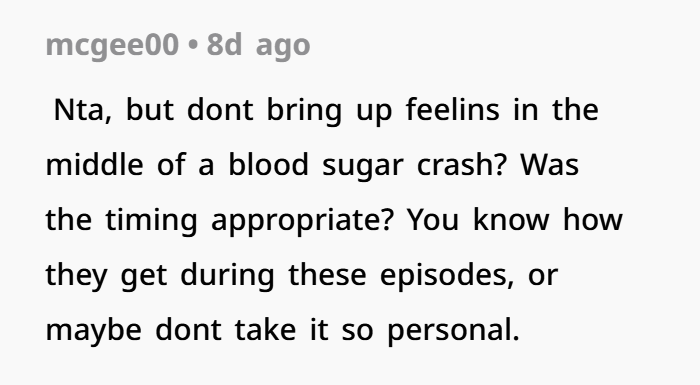
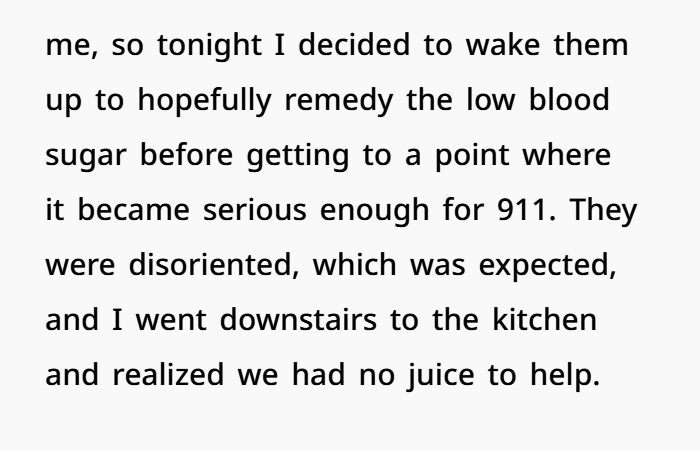
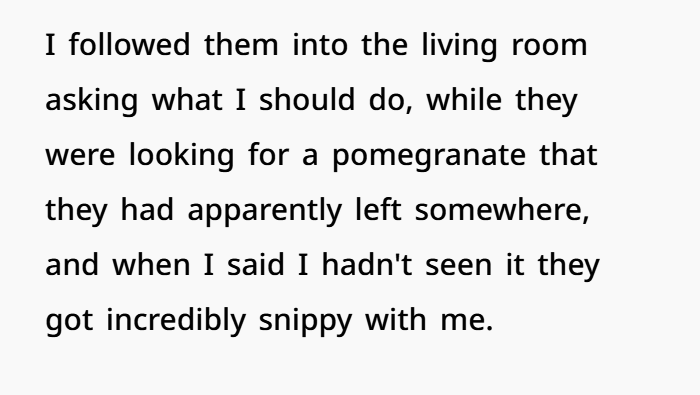
His roommate seemed confused and struggled to find something to eat. When they checked the kitchen, there was no juice available. The man tried to help by looking for another food option and eventually offered some cereal. However, his roommate became irritated and started responding angrily. Things became even more upsetting when they told him that he should ignore the alarm next time, even if their health was at risk.
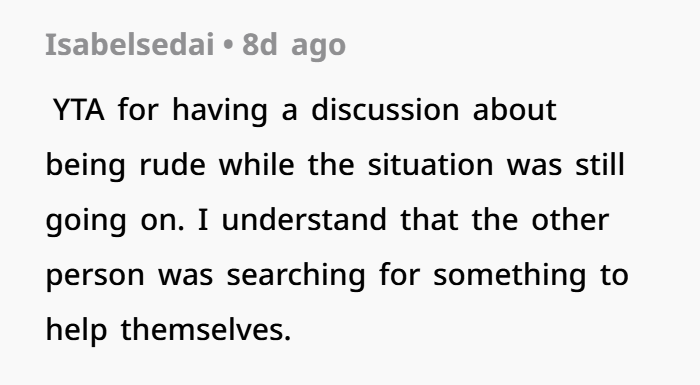
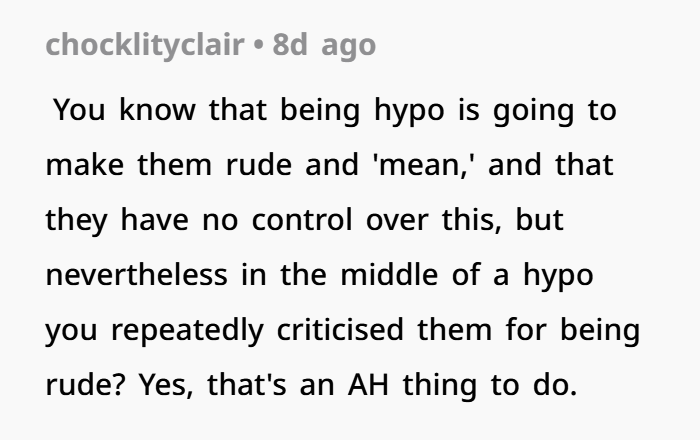
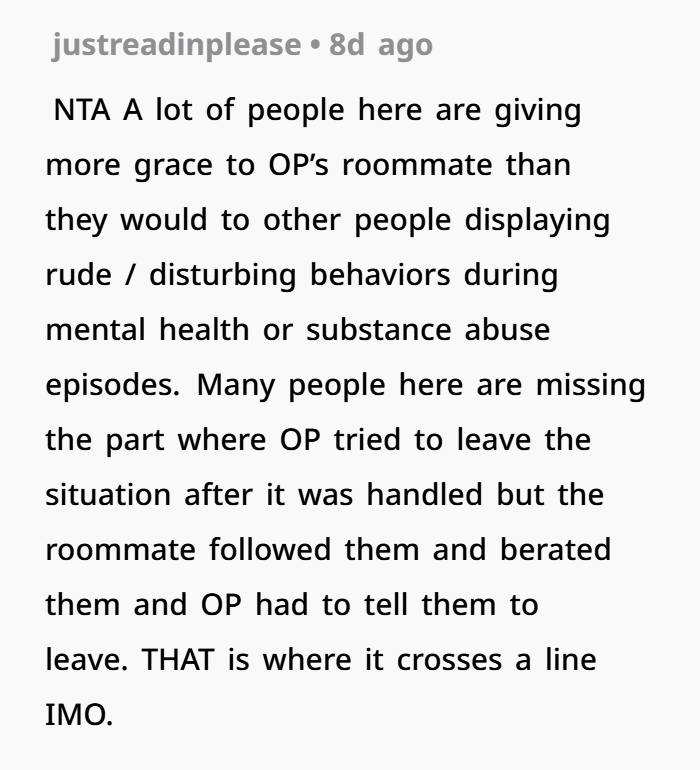
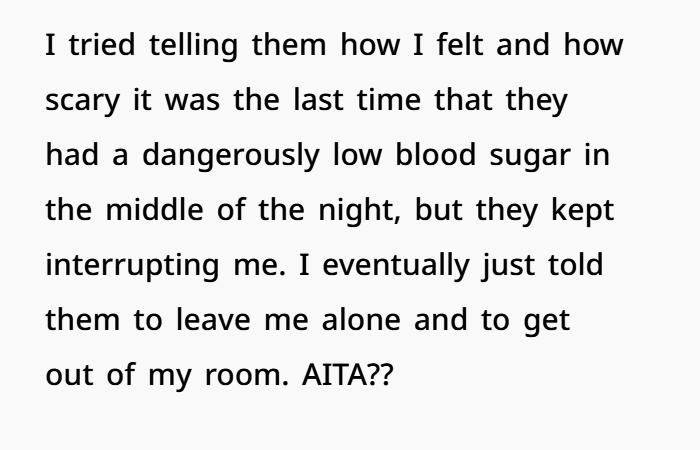
He tried to explain that he was not trying to disturb them for no reason. He was concerned because he remembered how serious the previous emergency had been. His roommate responded that they could not remember their actions during a low blood sugar episode, so he should not take their behavior personally. But the argument did not end there. Even after the man returned to his bedroom, his roommate followed him and continued the discussion until he finally asked for some space.
After everything settled down, the man began wondering if he had handled the situation properly. He knew his friend was dealing with a health condition that could affect their mood and thinking during a low blood sugar episode. Still, being spoken to that way was difficult. He was only trying to offer support and help prevent another medical emergency. The experience highlights the importance of diabetes management, reliable glucose monitoring, and having a clear plan for nighttime health concerns.

Understanding Hypoglycemia: How Low Blood Sugar Affects People With Diabetes
Managing diabetes involves more than checking blood glucose and following a treatment plan. People with diabetes also need to understand the signs of low blood sugar and know what to do when it happens.
Hypoglycemia is the medical name for low blood glucose. It can cause physical symptoms such as shaking, sweating, and dizziness. It can also affect the brain, leading to confusion, irritability, and changes in behavior.
For people with type 1 diabetes, nighttime hypoglycemia is an important concern because blood glucose can drop during sleep.
This situation can become especially stressful when someone else in the home notices the warning signs and is unsure how to help.
The story of these roommates highlights the importance of diabetes education, glucose monitoring, and having a clear plan for medical emergencies.
1. What Causes Low Blood Sugar in People With Diabetes?
Blood glucose is the amount of sugar present in the blood. The body uses glucose as an important source of energy.
People with type 1 diabetes need insulin to help regulate their blood glucose levels.
However, insulin and certain other diabetes medicines can sometimes lower glucose too much.
Low blood sugar may also happen when someone:
- Takes more insulin than needed.
- Delays or skips a meal.
- Eats fewer carbohydrates than expected.
- Exercises more than usual.
- Changes their daily routine.
- Drinks alcohol.
According to the National Institute of Diabetes and Digestive and Kidney Diseases (NIDDK), a blood glucose reading below 70 mg/dL is considered low for most people with diabetes.
A reading below 54 mg/dL is a more serious level that needs immediate attention.
The symptoms can be different for each person, so learning individual warning signs is an important part of diabetes management.
2. Common Symptoms of Hypoglycemia
Low blood sugar symptoms can develop quickly.
Some people notice physical changes first, while others experience confusion or difficulty concentrating.
Common symptoms include:
- Shaking or trembling.
- Sweating.
- Hunger.
- Dizziness.
- Weakness.
- Headaches.
- Irritability.
- Anxiety.
- Confusion.
- Difficulty speaking clearly.
Severe hypoglycemia can cause a seizure or loss of consciousness.
At this stage, the person may be unable to treat themselves and will need help from someone nearby.
This is why family members, roommates, and other trusted people should understand the basic signs of low blood sugar.
3. How Low Blood Sugar Can Affect the Brain and Behavior
The brain needs a steady supply of glucose to function properly.
When blood glucose becomes too low, the brain may not receive enough energy to work normally.
This can affect thinking, memory, concentration, and emotional responses.
A person experiencing hypoglycemia may become confused, impatient, anxious, or unusually irritated.
They may also have trouble understanding questions or explaining what they are experiencing.
In some situations, their reactions may appear argumentative or aggressive.
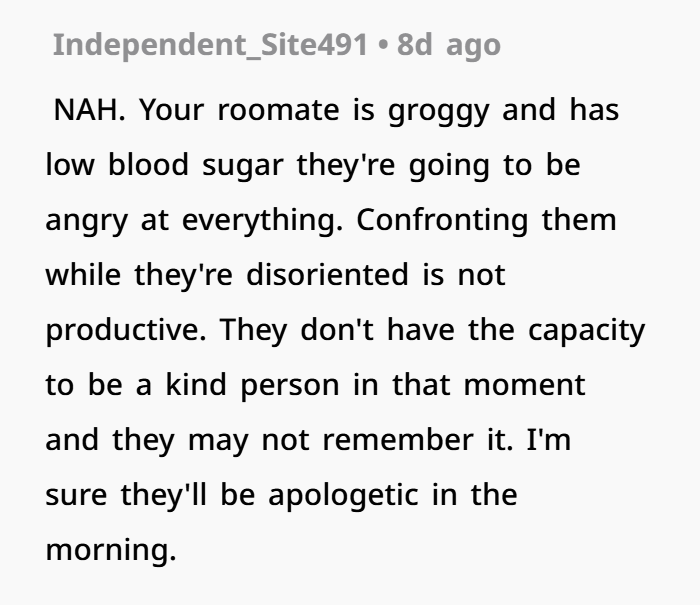
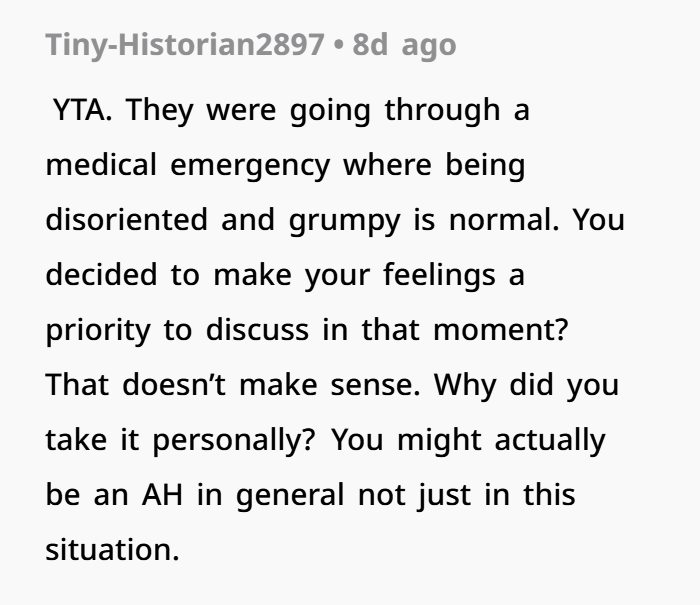
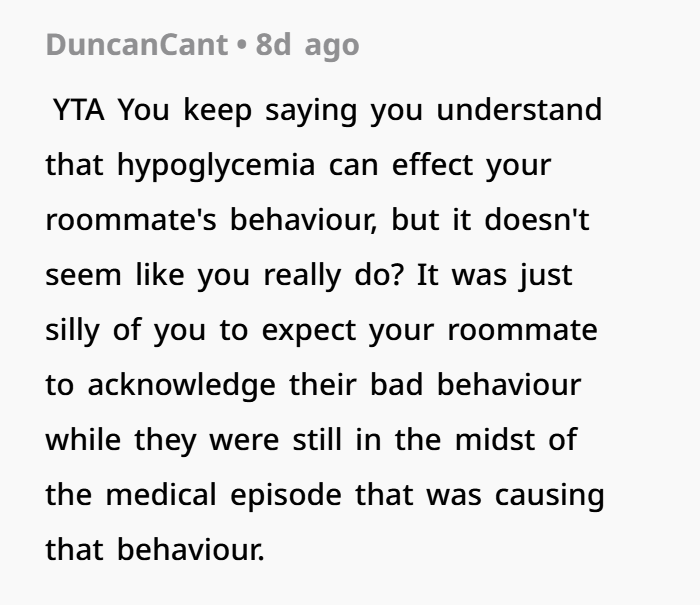
This may help explain why the roommate reacted negatively when someone tried to wake him during the nighttime episode.
However, it is important to avoid assuming that every unusual reaction is caused by hypoglycemia.
A person’s behavior can be influenced by many factors. Checking glucose levels and following appropriate medical guidance are important.
The key point is that low blood sugar can affect the brain as well as the rest of the body.
4. Why Nighttime Glucose Monitoring Is Important
Nighttime hypoglycemia can be difficult to recognize because people are usually asleep when it happens.
Some people may wake up because of sweating, unusual dreams, or other symptoms. Others may not notice anything until they wake up in the morning.
A continuous glucose monitor (CGM) can help by tracking glucose levels throughout the day and night.
The device uses a small sensor attached to the body and sends readings to a compatible phone or receiver.
Many systems provide alerts when glucose levels fall below a selected limit.
This technology can be useful for people who experience repeated low blood sugar episodes.
However, CGM alerts should be used as part of an individual diabetes management plan. The person should know when to confirm a reading with a blood glucose meter and how to respond to an alert.
Repeated nighttime low glucose episodes should also be discussed with a diabetes care professional.
5. How to Treat Low Blood Sugar Safely
Treatment depends on the person’s condition.
For someone who is awake and can swallow safely, the 15-15 rule is a common way to treat low blood sugar.
The process is simple:
- Take 15 grams of fast-acting carbohydrates.
- Wait 15 minutes.
- Check blood glucose again.
- If the reading is still below 70 mg/dL, repeat the treatment.
Examples of fast-acting carbohydrates include:
- Glucose tablets.
- Glucose gel.
- Half a cup of regular fruit juice.
- Half a cup of regular soda.
- One tablespoon of sugar or honey.
The American Diabetes Association and CDC provide guidance on this approach.
The person’s individual treatment plan may recommend different amounts, especially for children or people using certain diabetes technologies.
What to Do During Severe Hypoglycemia
Severe low blood sugar requires a different response.
If someone is unconscious, having a seizure, or unable to swallow safely:
- Do not give food or liquids by mouth.
- Give prescribed glucagon if available and you know how to use it.
- Call emergency medical services immediately.
- Follow the instructions given by emergency professionals.
Glucagon is a medicine that helps raise blood glucose during severe hypoglycemia.
It may be available as an injection or nasal treatment.
People at risk of severe hypoglycemia should discuss glucagon access with their healthcare team. Family members and other close contacts should also learn where it is stored and how to use it.
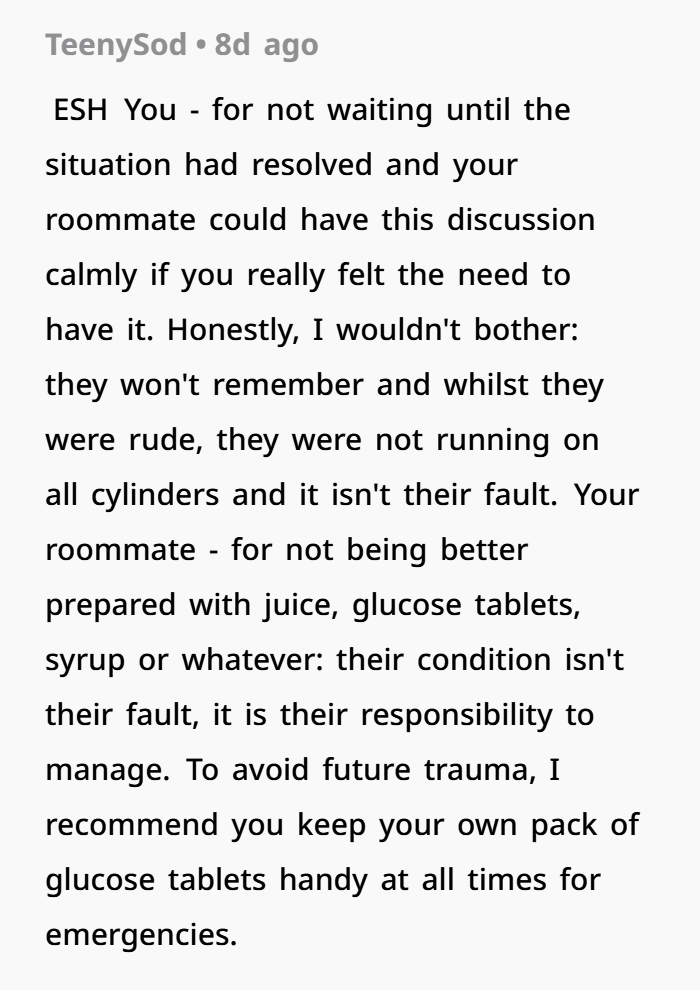
6. Why a Diabetes Emergency Plan Is Helpful for Roommates
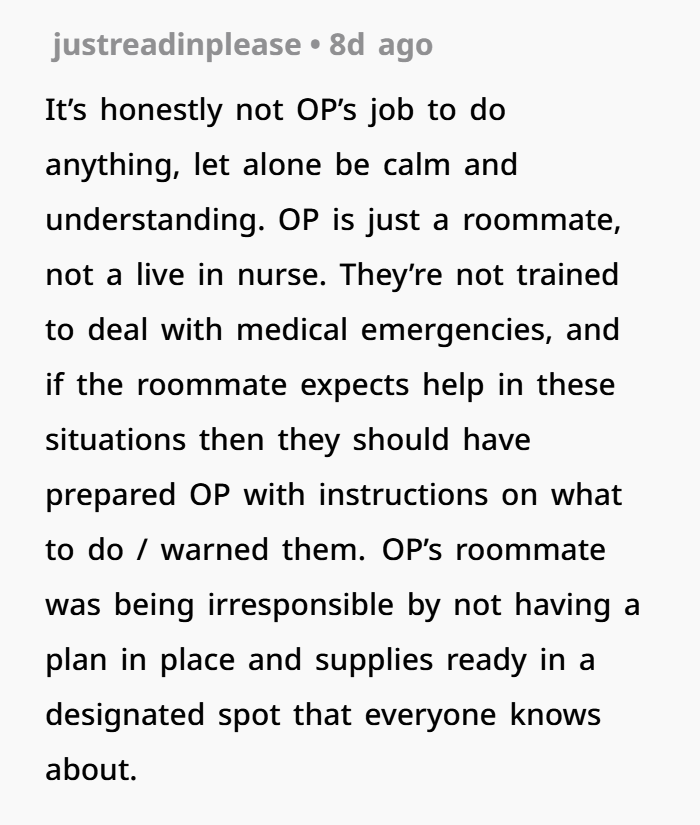
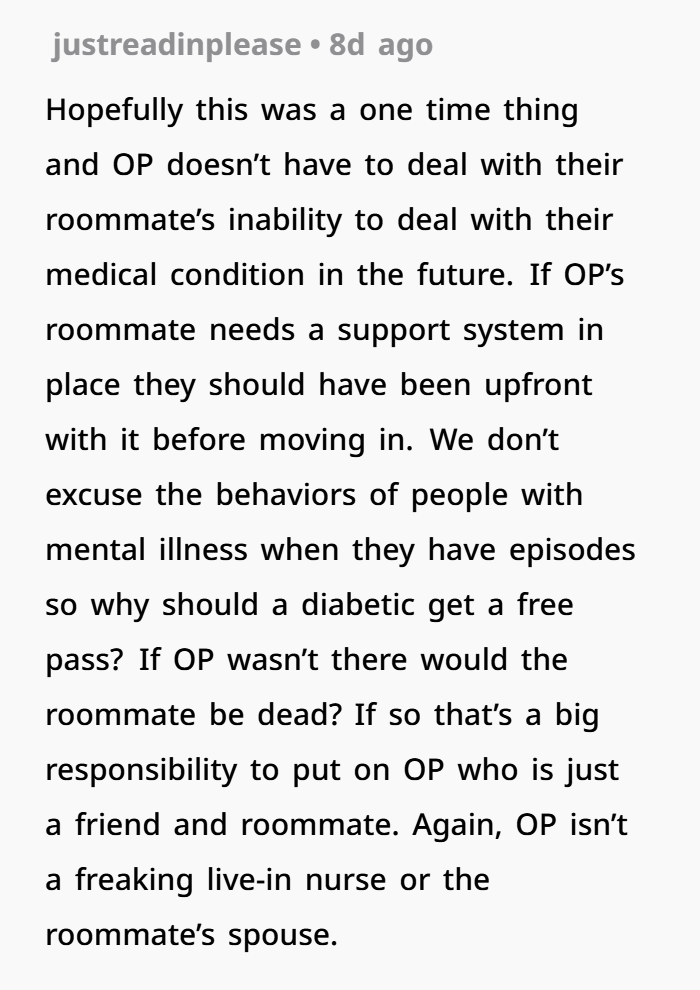
People who share a home with someone who has diabetes may sometimes become the first people available during a medical emergency.
However, they may not have medical training.
Without clear instructions, it can be difficult to know whether to wake someone, offer glucose, use glucagon, or call emergency services.
A written emergency plan can help avoid confusion.
It should explain:
Glucose monitoring: Which CGM alerts need attention and when a glucose meter should be used.
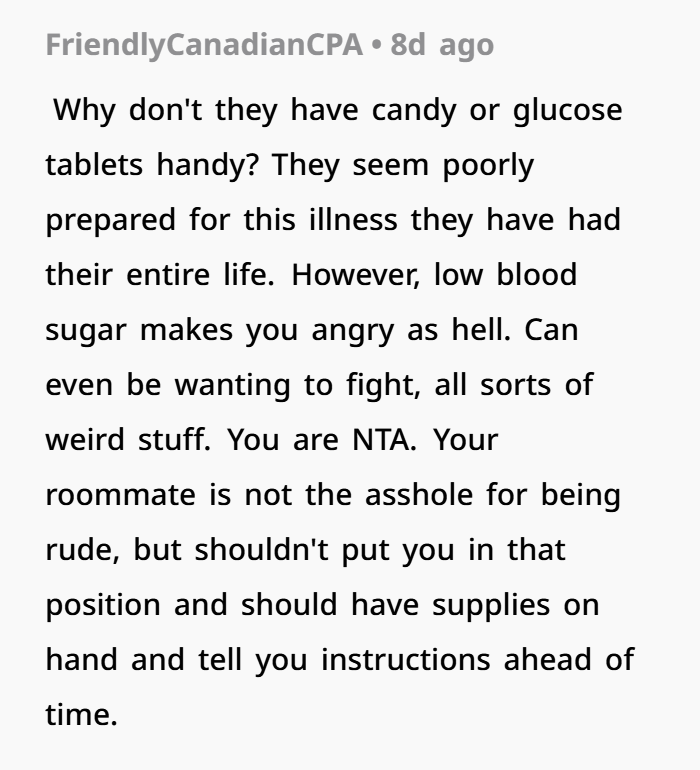
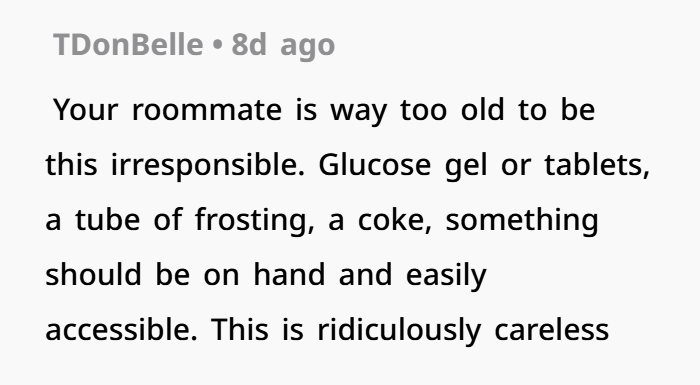
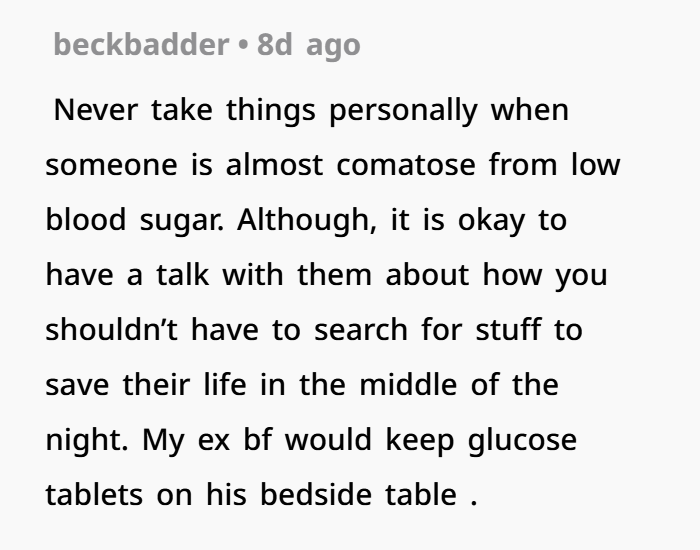
Treatment supplies: Where glucose tablets, glucose gel, and juice are kept.
Emergency medication: Where prescribed glucagon is stored and how to administer it.
Emergency response: What to do if the person becomes confused, has a seizure, or cannot swallow safely.
Medical contacts: Who to contact for advice and when emergency services are needed.
The plan should be prepared with the person who has diabetes and their healthcare team.
This also gives roommates a chance to discuss nighttime alarms and agree on how much assistance the person wants.
7. Understanding the Emotional Side of a Medical Emergency
The person helping during an emergency can also experience stress.
In this story, the roommate had previously seen a serious drop in blood glucose that required emergency assistance.
That kind of experience can leave someone worried about another episode.
Hearing the same glucose monitor alarm again may bring back those memories.
It is understandable that the person wanted to make sure their roommate was safe.
At the same time, someone experiencing hypoglycemia may not be able to think clearly or control their reactions in the usual way.
Both people may have experienced the situation differently.
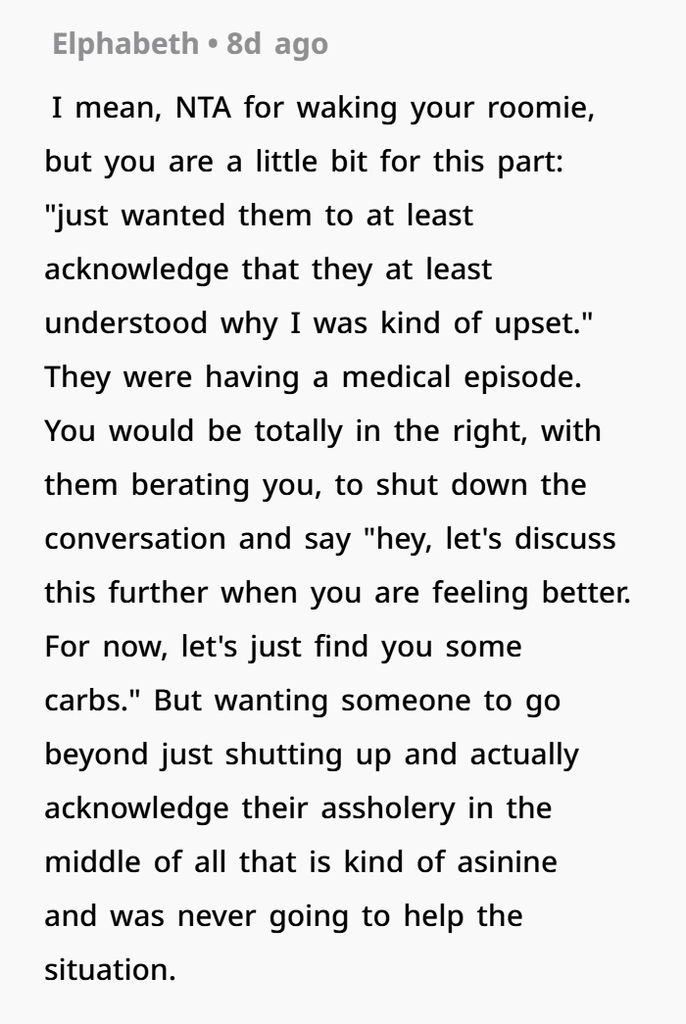
This is why a calm discussion after the emergency can be helpful.
Once the person’s blood glucose has recovered and they feel well enough to talk, they can discuss what happened and make a better plan for future emergencies.
8. Does the Roommate Need to Apologize?
An apology may help, but the conversation should focus on understanding what happened rather than assigning blame.
If the roommate’s reaction was caused by low blood sugar, they may not have been fully aware of their behavior.
They may also have difficulty remembering the incident.
The person who tried to help may still feel upset or frightened.
Both experiences are worth discussing.
The roommate can explain what they remember, while the other person can explain why the alarms caused concern.
They can then agree on how to respond to future nighttime glucose alerts.
Final Thoughts
Hypoglycemia is an important part of diabetes care that should never be ignored.
Low blood glucose can cause shaking, sweating, dizziness, confusion, and changes in mood. Severe episodes may require help from another person and can become medical emergencies.
For people with type 1 diabetes, regular glucose monitoring, an appropriate treatment plan, and access to emergency supplies can make a meaningful difference.
Roommates and family members can also help by learning the warning signs and understanding what to do during an emergency.
The most important lesson is that low blood sugar can affect both physical health and behavior. Understanding the condition can help people respond with patience, care, and the right medical support.
The Comments Are In