AITA for Helping My Cousin Prepare Filipino Dishes to Prove Her MIL Wrong at Thanksgiving?
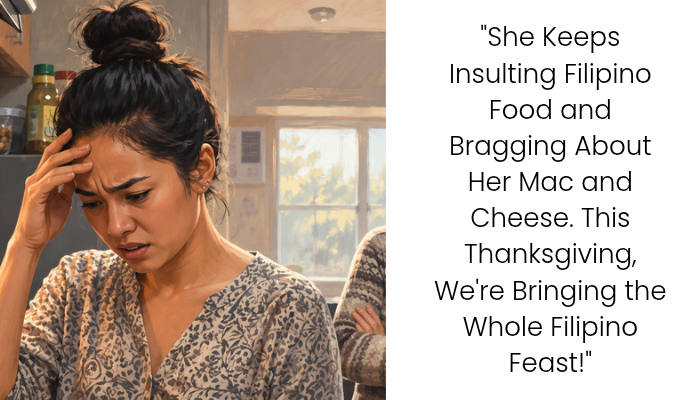
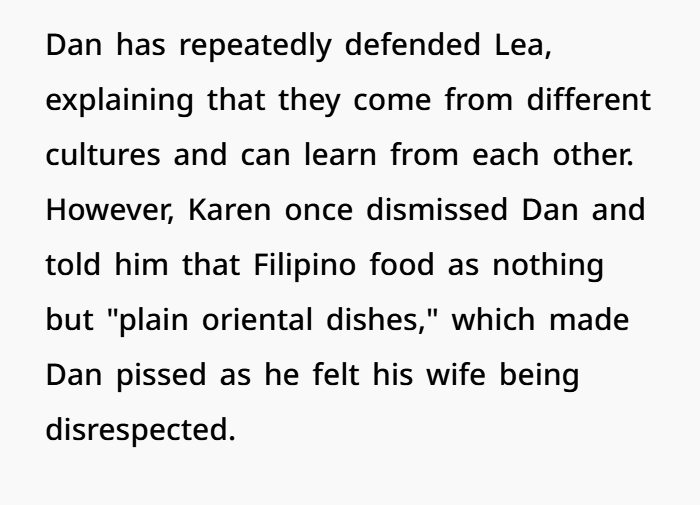
A woman is starting to wonder if she has made Thanksgiving a little more complicated for her cousin Lea. Lea is 30 years old and recently moved from the Philippines to the United States after marrying Dan, who is 35. She knows how to cook a few Filipino meals and is excited to learn more recipes. However, her mother-in-law, Karen, often makes comments about her cooking and Dan’s kitchen skills. Karen is very proud of her own cooking, especially her famous mac and cheese. She also makes dismissive comments about Filipino food, which has made Lea uncomfortable. Dan usually defends his wife, but Lea prefers not to argue and tries to keep things peaceful.
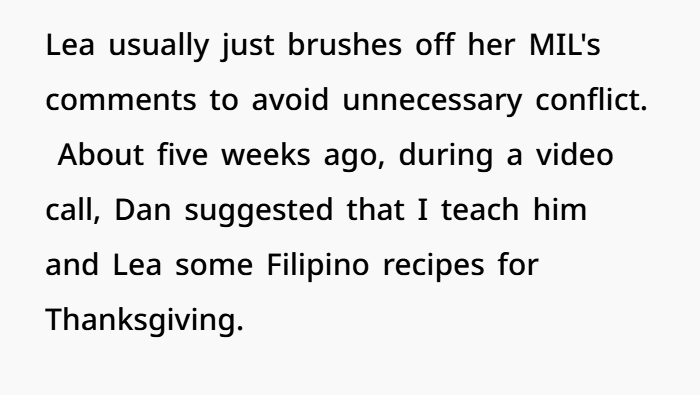
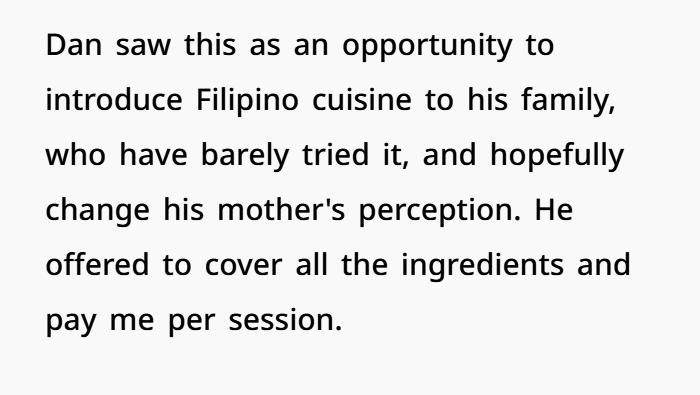
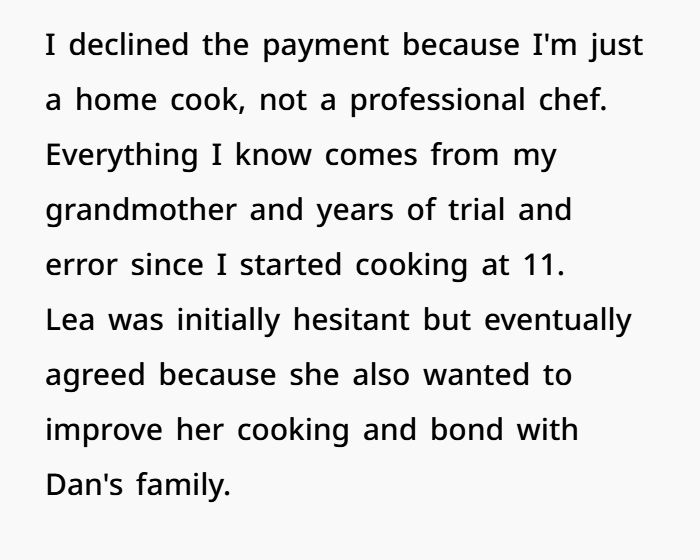
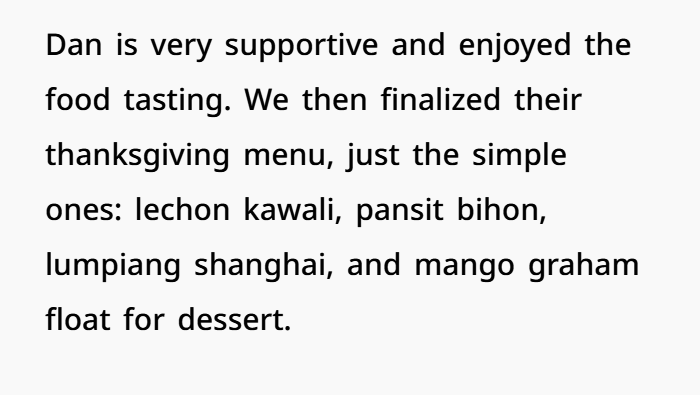
Since Thanksgiving is getting closer, Dan wants to do something different this year. He hopes to introduce his family to traditional Filipino dishes and show them how enjoyable the food can be. He asks his cousin-in-law for help with learning some recipes. She is happy to teach them and spends four weeks guiding the couple through evening video calls. Together, they learn to prepare lechon kawali, pancit bihon, lumpiang shanghai, and mango graham float. The cooking lessons turn into a lovely experience for Dan and Lea. They enjoy learning new dishes, spending time together, and preparing food that reminds Lea of home.
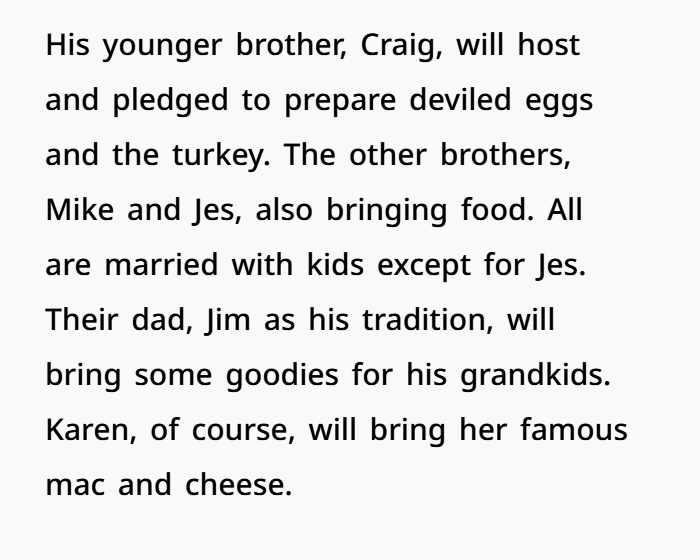
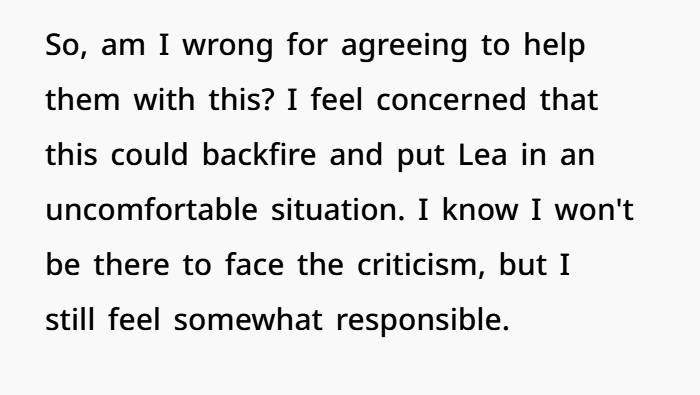
At first, everyone is excited about the Thanksgiving menu, but the woman soon begins to have second thoughts. She knows Karen can be competitive about cooking and has made negative comments about Filipino dishes before. She worries that Karen may compare the food with her own recipes or make comments that could upset Lea. The woman does not want a family celebration to turn into an uncomfortable discussion about whose cooking is better.
Her intention was simply to help Dan and Lea enjoy cooking together and share their Filipino food traditions with the family. She thought it would be a wonderful way to bring everyone together around the dinner table. Now she is wondering if the plan could put Lea in an uncomfortable position. She wants the Thanksgiving celebration to be about good food, family time, and sharing different traditions rather than comparing cooking skills. She hopes everyone will give the dishes a fair chance and enjoy the effort behind the meal.




When Family Food Traditions Turn Into a Family Disagreement
Have you ever brought a homemade dish to a family gathering and worried about what everyone would think?
It can feel a little stressful, especially when the food comes from a culture that some family members are not familiar with.
Food is personal. It reminds us of home, family celebrations, and the people who taught us how to cook.
That is why sharing traditional recipes can mean so much.
But sometimes, family members do not see things the same way. What one person considers a special family tradition may be something another person does not understand or appreciate.
This is what seems to be happening with Lea, Dan, and Karen.
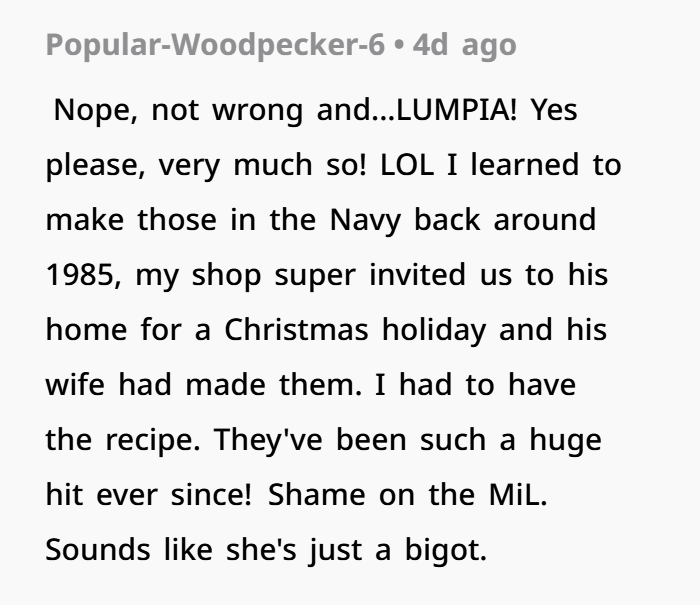
Lea wants to share Filipino food with her husband’s family during Thanksgiving. But Karen has made negative comments about Filipino cooking, which has made the situation uncomfortable.
The bigger question is how families can handle cultural differences while keeping their relationships healthy.
1. Traditional Food Helps Keep Family Memories Alive
Think about the dishes you grew up eating.
Maybe your family prepared a special meal every holiday. Maybe your favorite recipe came from your grandmother or another family member.
These foods often carry memories that go beyond their ingredients.
For many Filipino families, traditional cooking is an important part of family life.
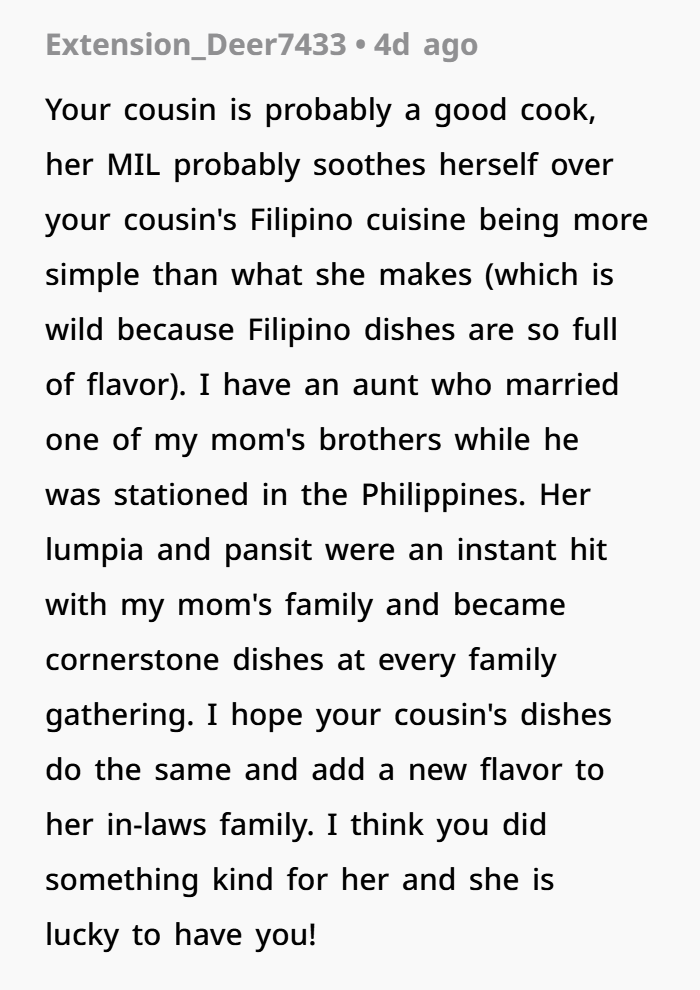
Dishes like lumpiang shanghai, pancit bihon, and lechon kawali are often prepared for birthdays, holidays, parties, and other special occasions.
They bring people together and help keep family traditions alive.
For Lea, preparing these dishes for Thanksgiving is a way to share a part of her Filipino background with Dan’s family.
It is not just about bringing something different to the dinner table.
It is about letting her relatives experience food that has meaning in her life.
That is why negative comments can feel hurtful.
Someone does not have to enjoy every dish, but making fun of an entire food culture is different from simply having a personal preference.
Every family has its own favorite recipes, and there is room for all of them.
2. Different Cultural Backgrounds Can Bring New Family Traditions
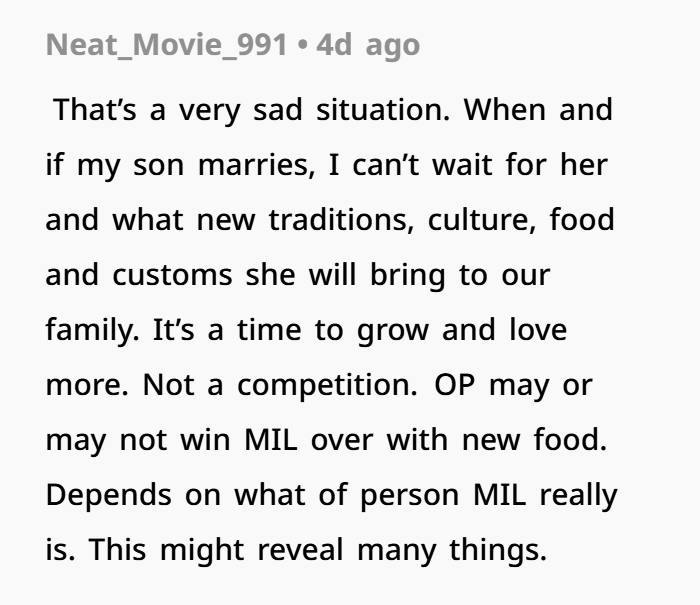
When people from different cultures get married, they often bring their family traditions into the relationship.
One person may celebrate certain holidays, while the other may have different customs.
They may also have different cooking styles, favorite foods, and ways of spending time with relatives.
These differences can make family life more interesting.
However, adjusting to a new family can take time.
For someone who has moved to another country, traditional food can provide a sense of comfort and connection.
Psychologist John W. Berry’s research on acculturation looks at how people maintain their cultural identity while adapting to a new society.
This is especially relevant to multicultural families.
People can become part of a new community without giving up the traditions that are important to them.
Lea’s situation is a good example.
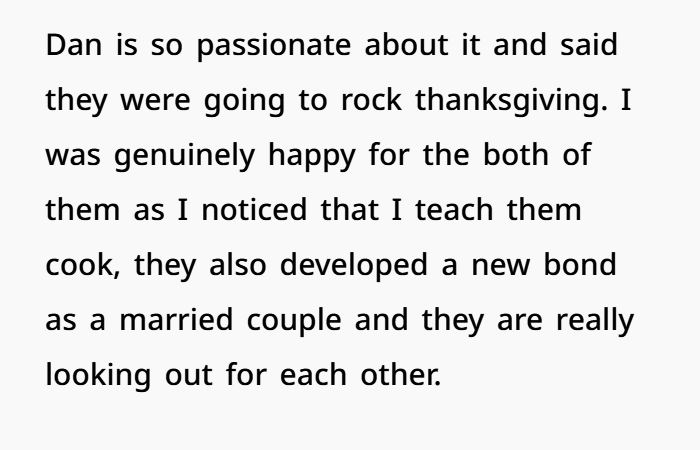
She wants to share Filipino cooking with her husband’s family, and Dan is helping her prepare the dishes.
His interest in learning her recipes shows that he values something that matters to her.
Small efforts like this can help couples build a stronger connection.
3. A Thanksgiving Dinner Is Not a Cooking Contest
Thanksgiving is meant to be a time for family, good food, and gratitude.
Of course, many people have a favorite dish that they love preparing every year.
Some families are known for their homemade pies, while others always make special side dishes.
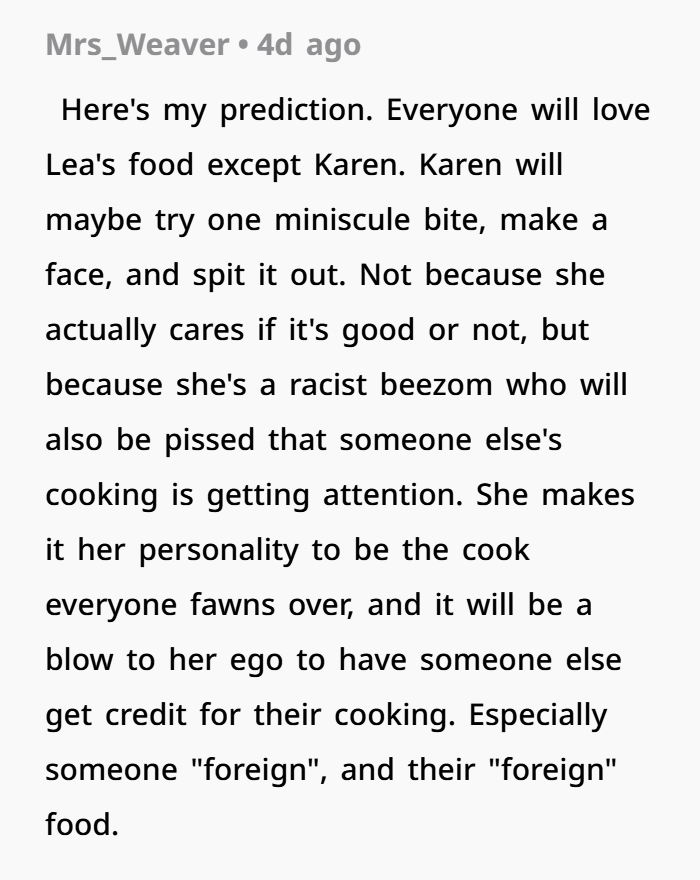
Karen seems very proud of her mac and cheese.
There is nothing wrong with loving your own cooking. The problem starts when someone uses it to make others feel that their food is not good enough.
Lea and Dan do not need to compete with Karen.
Their Filipino recipes do not need to replace anyone’s favorite Thanksgiving dishes.
They are simply adding something different to the holiday menu.
And that is what makes sharing food enjoyable.
A family dinner can include traditional favorites as well as new recipes from different cultures.
Everyone gets to try something new, and the meal becomes a little more special.
4. Why Family Members Should Be Careful With Their Words
Sometimes, people make comments about food without thinking about how those words may affect someone else.
But when the same comments happen again and again, they can make family gatherings uncomfortable.
Lea seems to prefer avoiding arguments with Karen.
That is understandable because nobody wants to spend Thanksgiving dealing with unnecessary tension.
Still, keeping quiet all the time may not solve the problem.
Dan can play an important role here.
He can support his wife without turning the dinner into an argument.
For example, if Karen makes another negative comment, he can calmly remind her that everyone has different food preferences.
If she does not like a dish, she does not have to eat it.
But there is no need to make someone feel bad about the food they worked hard to prepare.
A little kindness can make family gatherings much more enjoyable.
5. It Is Okay If Everyone Does Not Like Your Cooking
The original poster has spent weeks helping Lea and Dan learn Filipino recipes.
Naturally, she wants their effort to be appreciated.
She also worries that Karen may say something negative and make the whole experience uncomfortable.
But there is something important to remember.
You can prepare a wonderful meal, follow every recipe carefully, and still have someone who does not enjoy it.
That is part of cooking for other people.
Everyone has different tastes.
The original poster does not need to take responsibility for Karen’s reaction.
Lea and Dan have made their own decision to bring Filipino dishes to Thanksgiving. They understand the family situation and are choosing to share their culture anyway.
The best thing the original poster can do is encourage them and help them enjoy the process.
After all, cooking together should be a happy experience.
It should not become a way to prove that one person is a better cook than another.
6. Supporting Each Other Makes a Family Stronger
One of the nicest things about this story is Dan’s involvement.
He is not asking Lea to leave her traditions behind just to make his family comfortable.
Instead, he is learning how to prepare her traditional dishes and helping her share them with everyone.
That kind of support matters in a multicultural marriage.
Partners do not need to have the same background, favorite meals, or family traditions.
They simply need to respect what is important to each other.
They can also create new traditions together.
For example, a family might prepare Filipino dishes alongside traditional Thanksgiving food every year.
Over time, those recipes could become part of the family’s holiday celebrations.
This is one of the lovely things about sharing food. A single meal can introduce people to new flavors and create memories that last for years.
Final Thoughts: Be Proud of Your Food and Your Culture
At the end of the day, Lea and Dan do not need to prove anything to Karen.
They are preparing Filipino food because it is meaningful to them.
Whether everyone loves the dishes or only a few people enjoy them, the effort is still worthwhile.
Food should be about sharing, learning, and spending time with people you care about.
Family members may have different tastes and opinions, but that does not mean they cannot respect each other’s traditions.
The best approach is to enjoy the Thanksgiving meal, welcome new experiences, and avoid turning dinner into a competition.
Lea should never feel that she needs someone’s approval to be proud of her Filipino background. Sharing her culture is something to enjoy, not something she needs to defend.
People Couldn’t Stay Silent