My Client Married My Ex… Do I Tell Her or Walk Away?

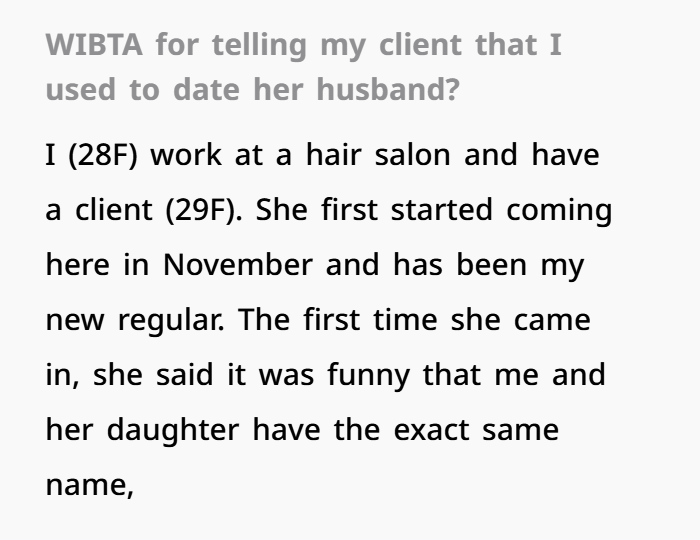
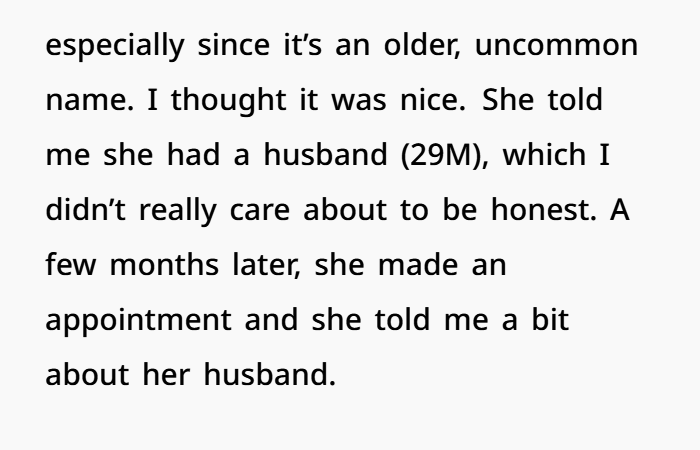
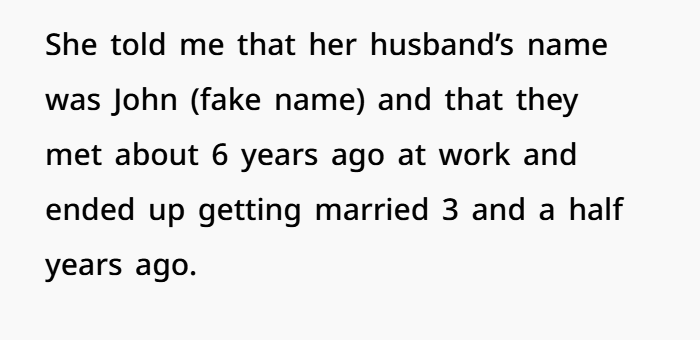
A 28-year-old hairstylist had worked hard to build a successful small business and a loyal group of regular clients. One of her clients, a 29-year-old woman, began visiting the salon often. They enjoyed friendly conversations during each appointment and slowly became comfortable talking about everyday life. The client sometimes mentioned her husband and family, making their professional relationship feel relaxed and natural.
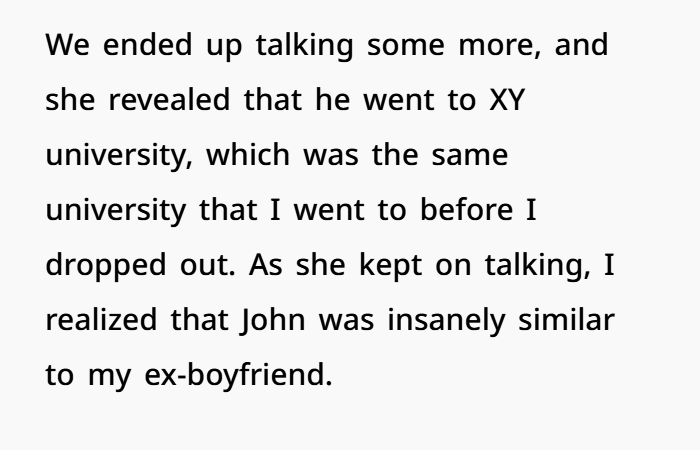
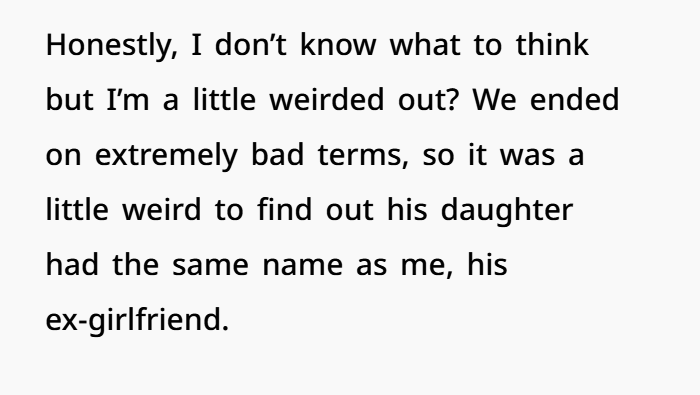
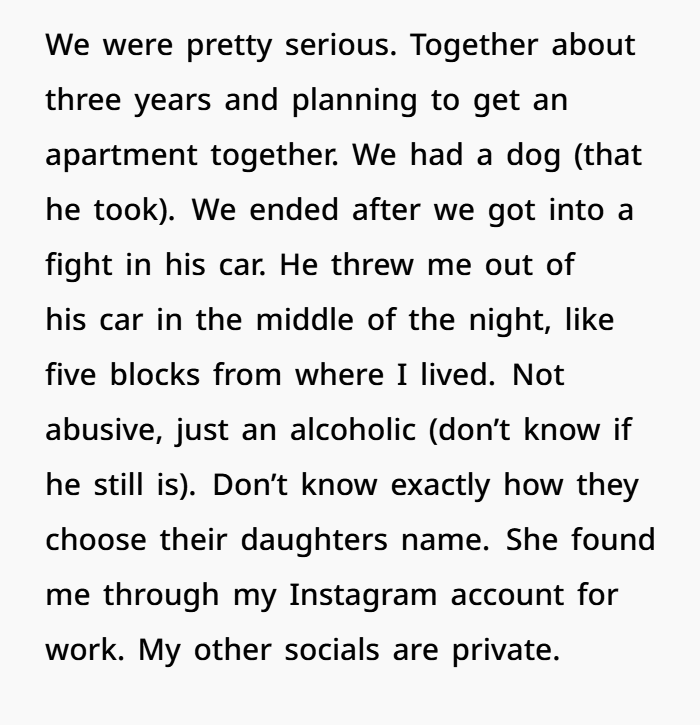
Over time, the stylist noticed a few interesting similarities between their lives. They had attended the same college, lived in the same area during similar years, and even discovered that the client’s daughter had the same uncommon name as the stylist. At first, these details seemed like simple coincidences and did not seem important.
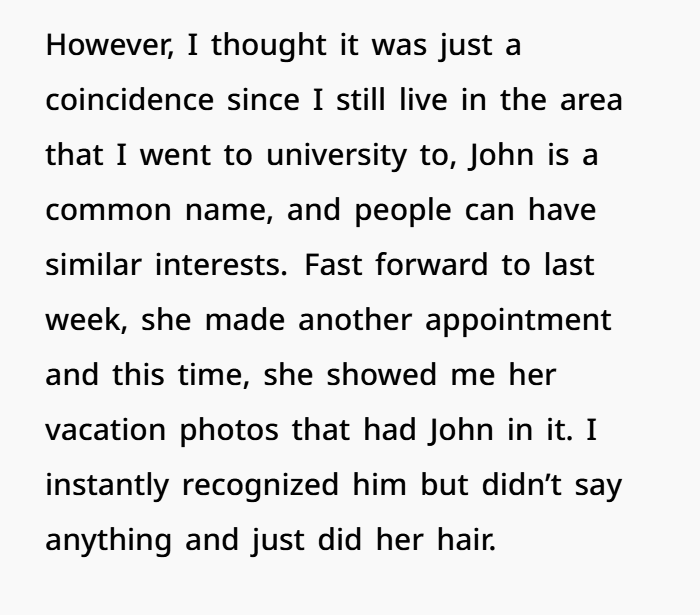
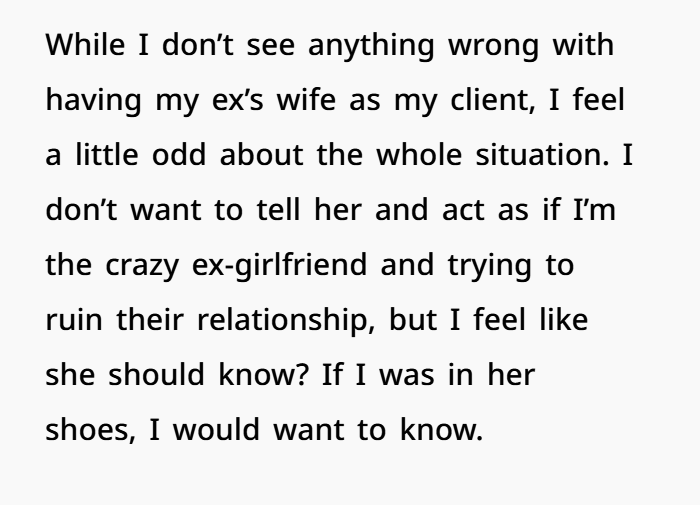
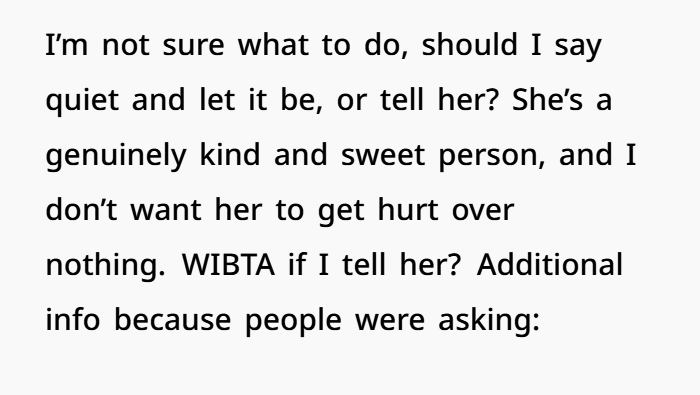
Everything changed during one salon visit when the client showed vacation photos on her phone. While looking through the pictures, the hairstylist recognized the client’s husband immediately. He was someone she had dated for several years in the past. Their relationship had once been very serious, and the breakup had been difficult. Seeing him again after so many years came as a complete surprise.
The discovery made the situation much more complicated. What had been a normal client relationship suddenly became very personal. The hairstylist now had to decide how to remain professional while managing unexpected emotions. Situations like this remind us why clear boundaries, business ethics, good customer service, and taking care of our mental health are important in both personal and professional relationships.

When Your Client Is Connected to Your Past
At first, this may sound like a simple question about honesty.
But it is really about professional boundaries, business ethics, personal feelings, and respect.
There is no perfect answer because different people may see the situation in different ways.
Let’s look at it step by step.
1. A Professional Relationship Comes First
When you work in a customer service business, such as a hair salon, you often build friendly relationships with clients.
Clients may talk about their families, work, or personal lives.
Even so, the relationship is still professional.
A service provider’s first responsibility is to provide good service while maintaining professional boundaries.
Simply having a personal history with someone’s spouse does not automatically create a professional problem.
The important question is whether that history affects the service or creates a conflict that must be addressed.
2. The Past Can Bring Back Old Feelings
Sometimes people unexpectedly meet someone from their past.
That can bring back memories or emotions, even if many years have passed.
This does not always mean someone wants the relationship back.
It simply means old experiences can still feel emotional.
Taking care of your own mental health is important, especially if a past relationship ended in a difficult way.
3. Does the Client Need to Know?
This is where opinions often differ.
Some people believe honesty is always the best choice.
Others believe personal information should only be shared if it is truly necessary.
In this situation, the past relationship ended before the marriage began.
There is no sign that the current relationship was affected.
Because of that, sharing personal history may not provide any real benefit.
Instead, it could create confusion or unnecessary discomfort.
4. Think About the Possible Results
Before sharing sensitive information, it helps to ask a simple question:
Will this information improve the situation?
If the answer is no, staying private may be the better choice.
Sometimes sharing personal details can change how clients feel during future appointments.
A relationship that once felt relaxed may become uncomfortable for everyone involved.
Professional communication often means sharing only information that is relevant to the service being provided.
5. Setting Personal Boundaries Is Healthy
People also have the right to protect their own emotional well-being.
If working with a client becomes emotionally difficult, it is okay to create healthy boundaries.
That does not require blame or conflict.
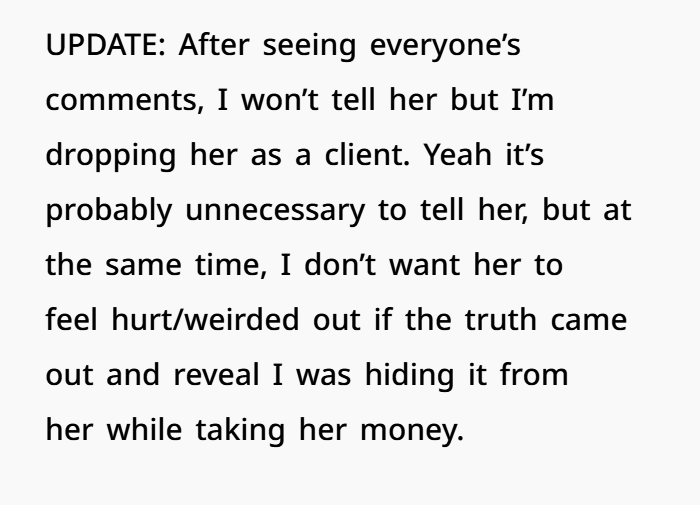
Sometimes the most respectful choice is simply to stop providing the service and recommend another professional if appropriate.
Many people make similar decisions to protect their mental health and maintain a healthy work-life balance.
6. Protecting Your Professional Reputation
For people who own a small business or work in professional services, reputation management is very important.
One misunderstanding can affect client trust.
Choosing a calm and respectful solution often protects both the business and the client relationship.
Good business ethics usually involve professionalism, privacy, and respect for everyone involved.
If questions about professional responsibility ever become more serious, seeking legal advice may also be appropriate.
7. Respect Can Mean Staying Quiet
Many people believe honesty always means sharing everything.
However, there are times when keeping private information private is also a respectful choice.
If the information does not affect someone’s safety, legal rights, or important decisions, there may be no need to bring it up.
Every situation is different, and thoughtful judgment is important.
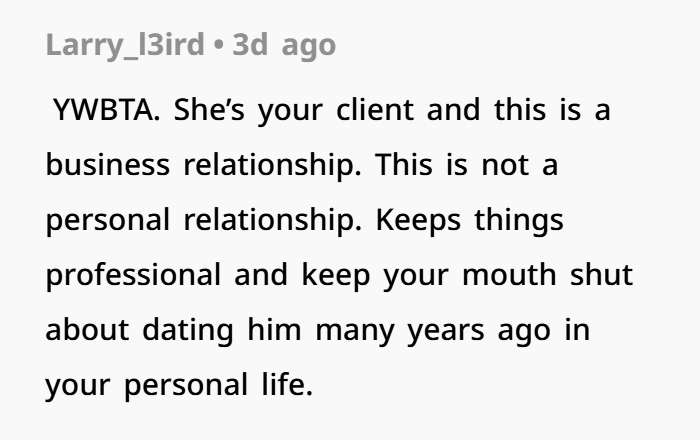
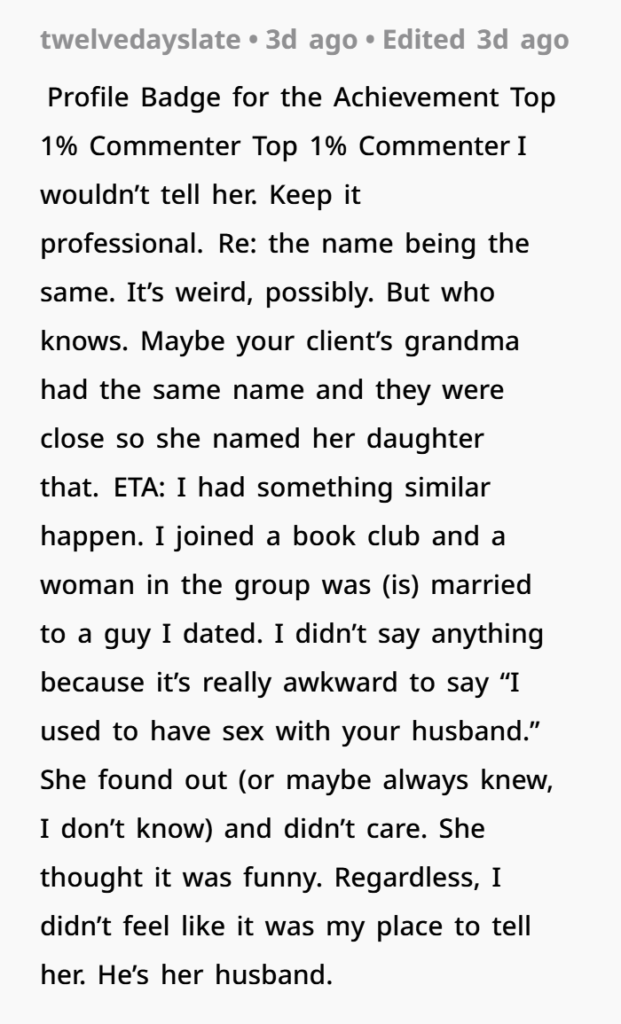
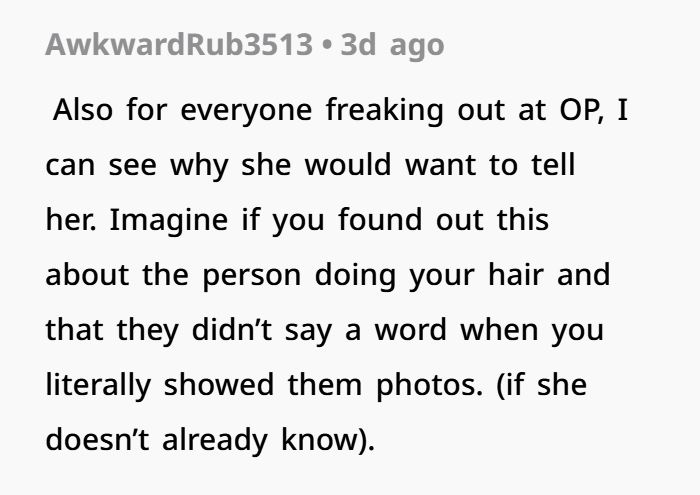
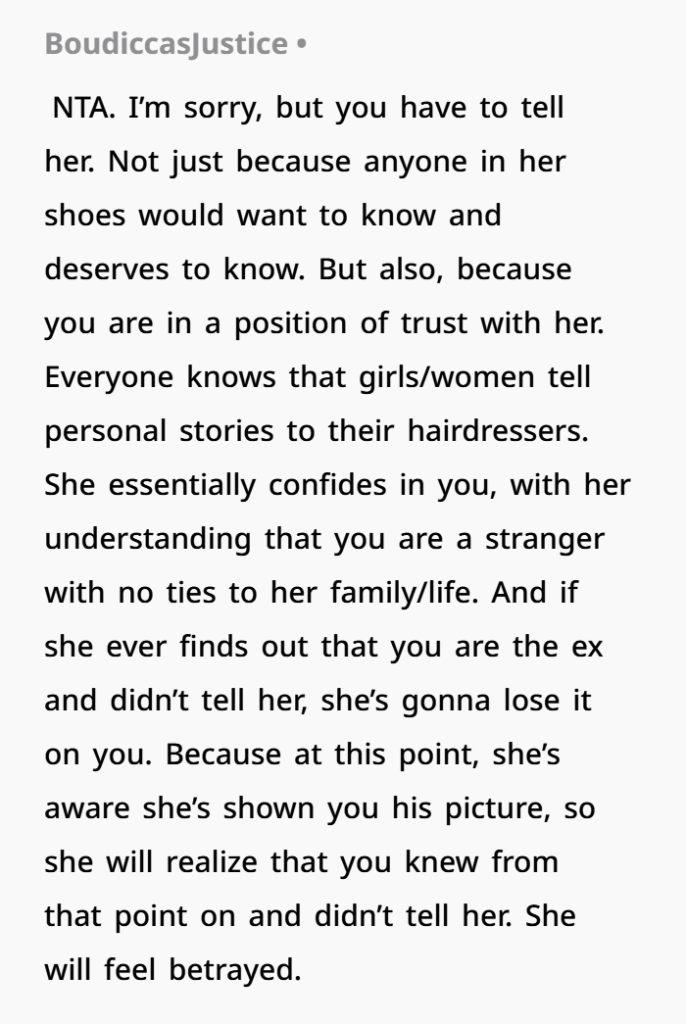
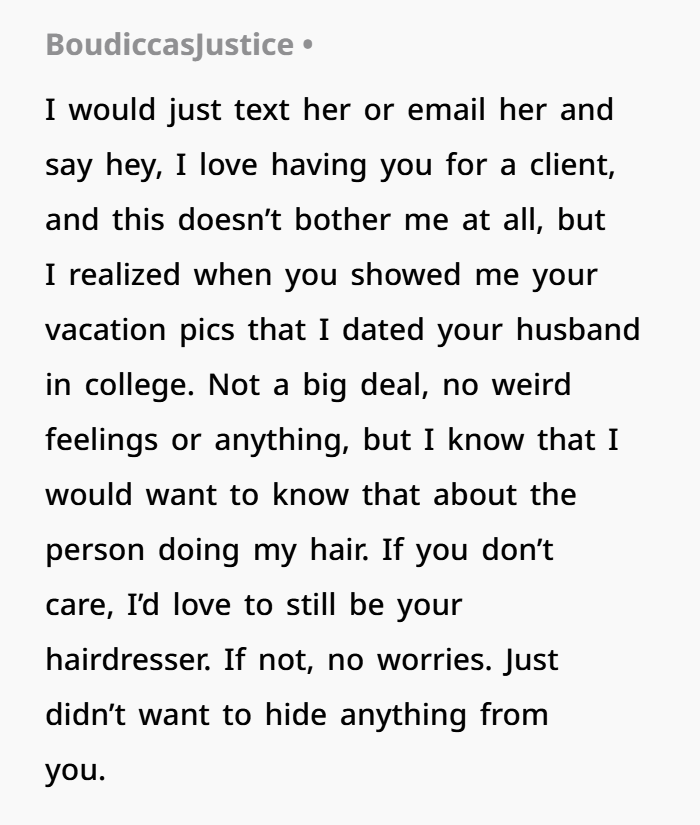
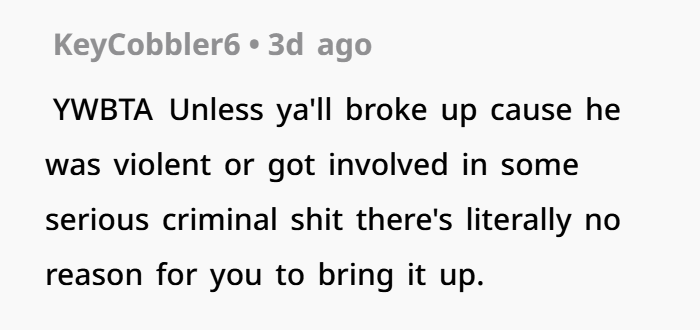
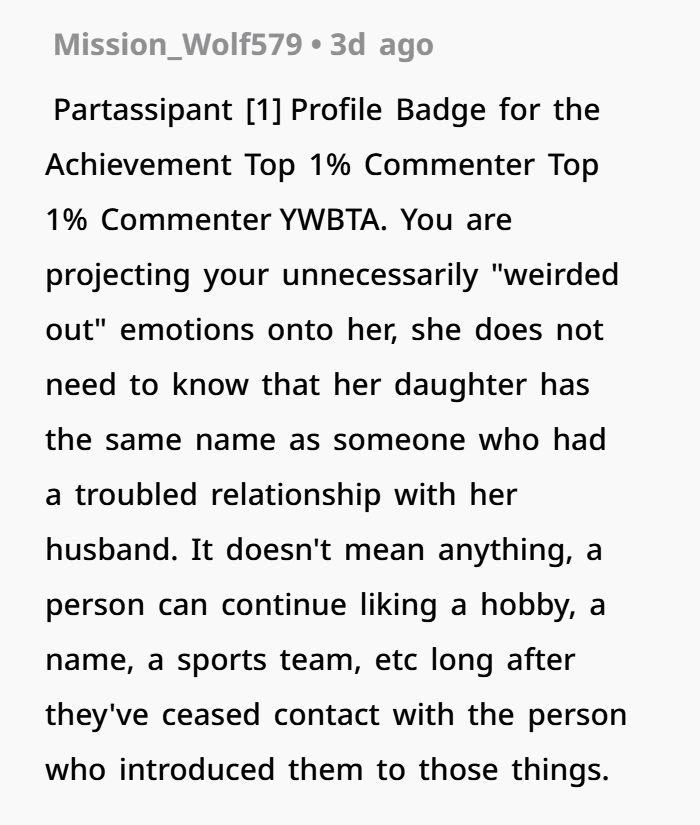
See The Comments Below



Final Thoughts
This situation is not really about keeping a secret.
It is about deciding what information is truly necessary.
Maintaining professional boundaries, protecting your mental health, and treating clients with respect are all important parts of running a successful business.
Sometimes the kindest choice is not to revisit the past.
Stepping away quietly, protecting your professional reputation, and allowing everyone to move forward peacefully may be the best outcome for everyone involved.