Woman Tried to Shame My Dad on Mother’s Day… So I Told Her I Don’t Have a Mom
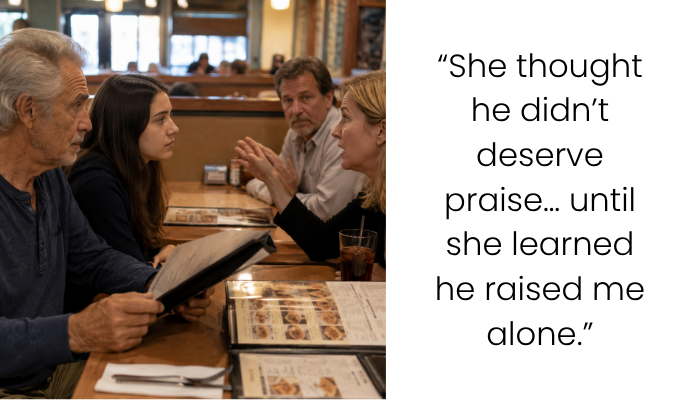
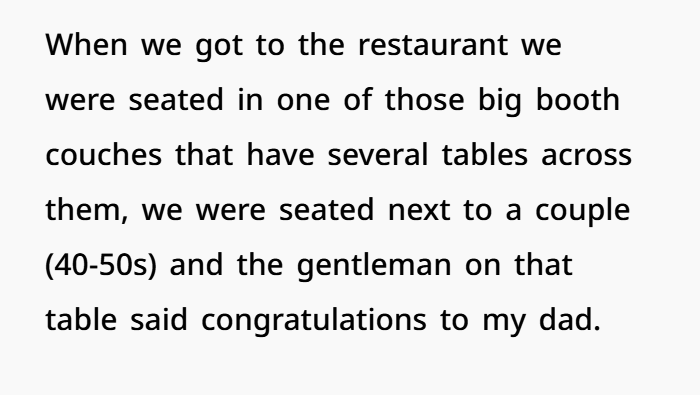
Mother’s Day is usually a time for family, appreciation, and spending peaceful moments with loved ones. In this case, a 19-year-old girl was having dinner with her elderly father at a restaurant. They were simply enjoying their meal when another customer’s husband politely wished them a happy Mother’s Day. It was a normal, friendly comment, and they both responded politely and continued eating.
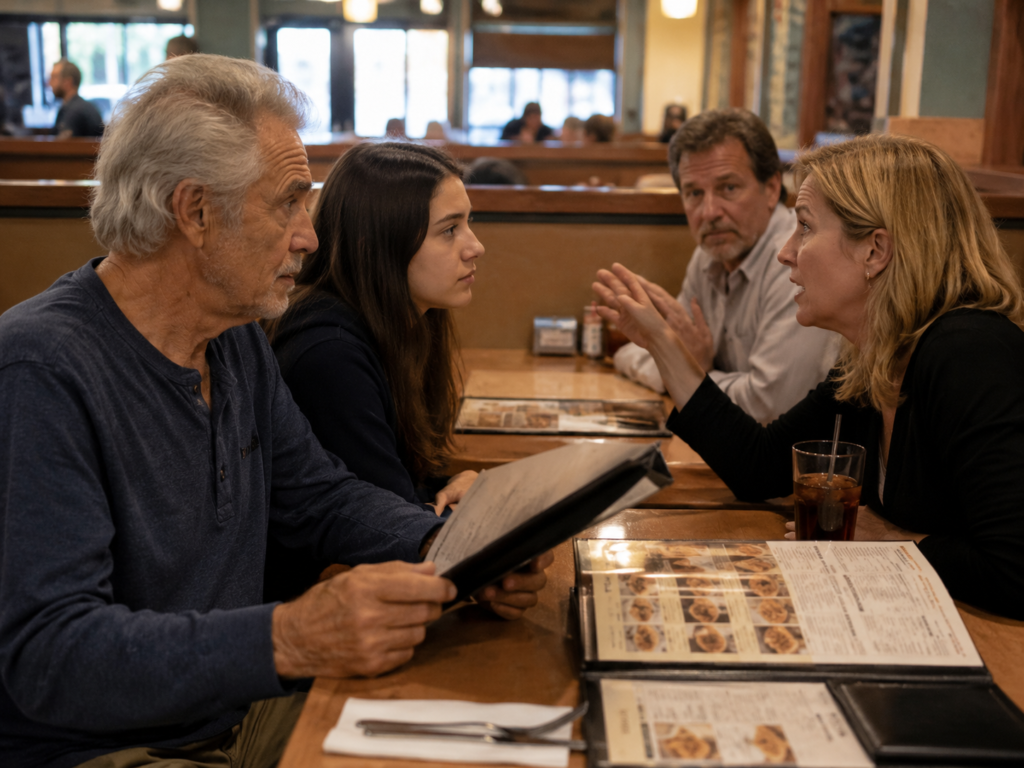
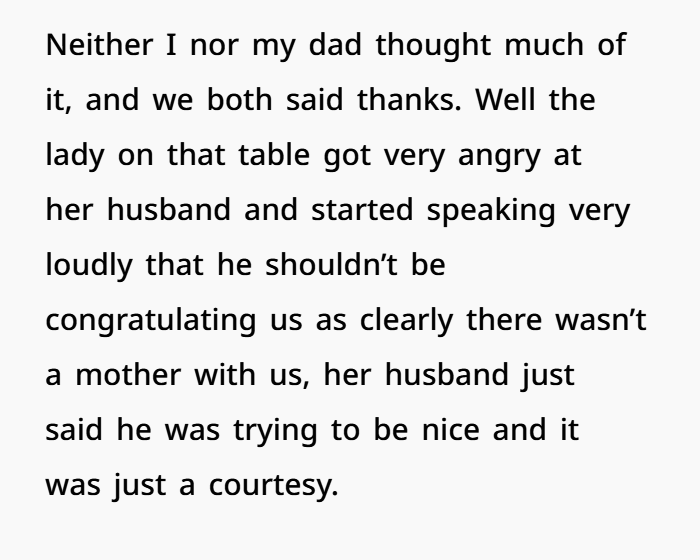
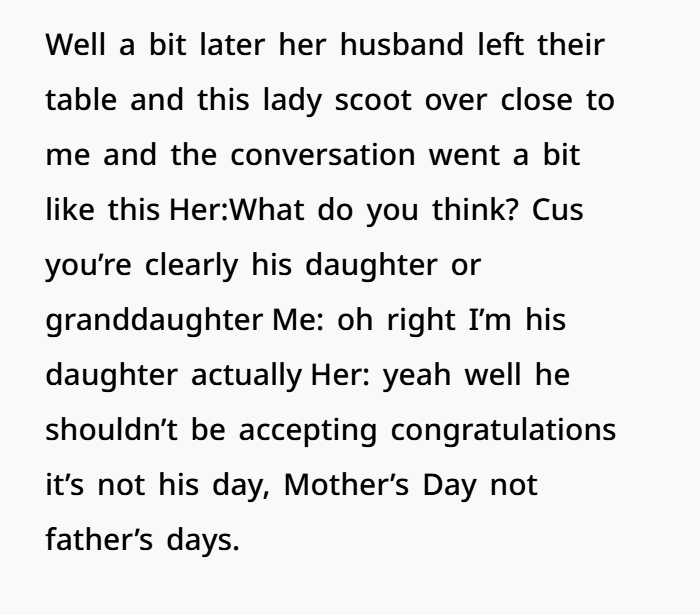
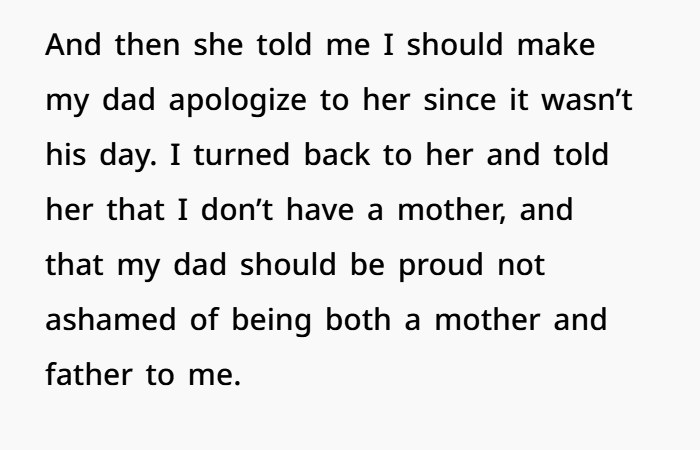
However, another woman sitting nearby seemed upset by this. She felt that the father should not have accepted the Mother’s Day greeting because there was no mother at the table. Instead of ignoring the situation, she became more involved and approached the daughter. She repeatedly said that the father should apologize and that the greeting was not appropriate for him. This made the situation uncomfortable for the family in a public restaurant setting.
After hearing the comments several times, the daughter finally responded honestly. She explained that her mother was not in her life and that her father had raised her alone, taking on both parenting roles. This simple explanation changed the mood immediately, and the woman stopped arguing and stepped away from the conversation.
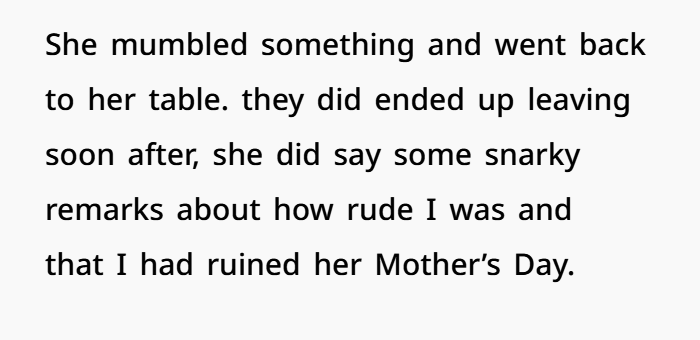
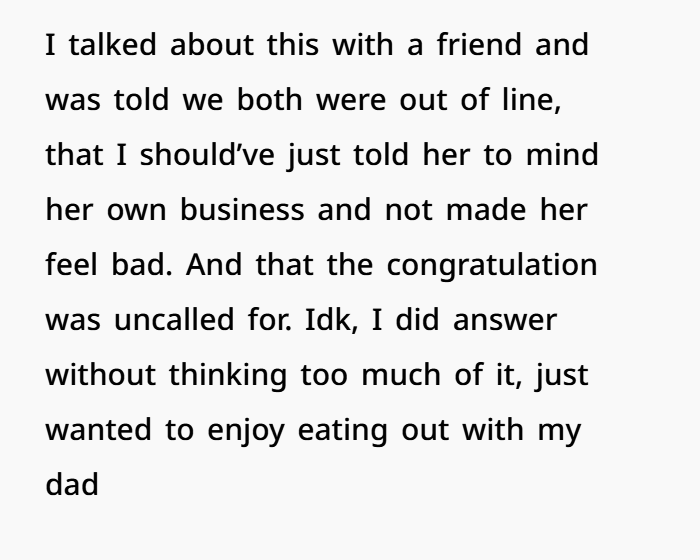
Later, the woman reportedly complained that the exchange ruined her own Mother’s Day experience. The situation quickly became a topic of debate online, with many people discussing restaurant etiquette, family dynamics, single parenting challenges, emotional boundaries, and how strangers should or should not interfere in private family moments.
This situation is being debated online because different people see it in different ways. Some think the daughter did nothing wrong. Others think she should have ignored the stranger. But when you look closely at what happened, it becomes easier to understand why the situation escalated.
A Simple Holiday Comment Turned Into a Problem
The issue started with a very normal moment.
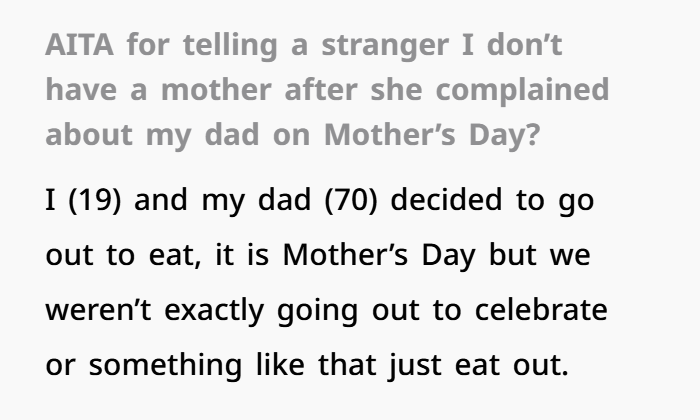
A father and his daughter were having a quiet dinner on Mother’s Day. Someone politely said “Happy Mother’s Day” to them. The father thanked them, and everything seemed normal.
In most cases, this is just simple kindness. People often say holiday greetings in public without thinking too deeply about family situations. It is usually meant as friendly small talk.
But instead of ending there, the situation continued.
The Stranger Kept Pushing the Issue
The woman who made the comment became upset. She felt the father should not have accepted a Mother’s Day greeting.
What makes the situation unusual is that she did not let it go. She kept talking about it even though the family was clearly trying to enjoy their meal.
According to the story, she insisted that the father should apologize for accepting a polite greeting. This made the situation uncomfortable and unnecessary.
At that point, it was no longer a simple misunderstanding. It became a public confrontation in a restaurant.
Blended Families and Different Life Situations
One important detail is that families are not all the same.
Many people forget that there are different family structures, such as:
- Single fathers raising children alone
- Widowed parents
- Divorced parents with full custody
- Grandparents acting as caregivers
In family psychology, experts often talk about how caregiving roles are not always traditional. A father can also take on both parenting roles when needed.
This is why holiday greetings like Mother’s Day can feel different depending on the family.
The Daughter’s Emotional Situation
The daughter in this story is 19 years old. She has already experienced the loss of her mother, which is emotionally very difficult at any age.
In grief counseling, losing a parent can cause long-term emotional pain. Even years later, certain situations like holidays can still feel sensitive.
While trying to enjoy a quiet dinner with her father, she suddenly faced a stranger questioning their family situation. This is what made her react emotionally.
Attempts to Avoid Conflict
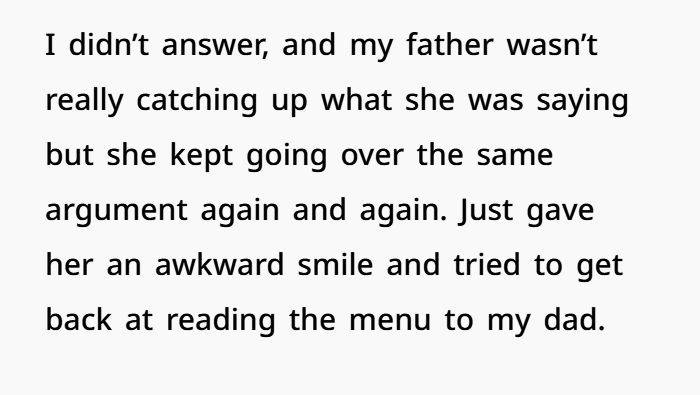
According to her side of the story, she did not immediately argue.
She tried to:
- Stay calm
- Keep the conversation normal
- Focus on her meal
- Avoid escalation
But the stranger continued to bring up the issue. Over time, the pressure built up.
This is why the situation eventually turned into a direct response instead of a calm conversation.
The Daughter’s Response
At one point, the daughter said that she does not have a mother and that her father has been both a mother and father to her.
This was a direct and emotional statement.
It was not meant to attack anyone. It was more of an honest reaction to being pushed too far in a public setting.
In emotional stress and trauma psychology, people sometimes respond strongly when personal grief is triggered in public.
Assumptions and Misunderstandings
A key issue in this situation is that the stranger made many assumptions:
- She assumed the father did something wrong
- She assumed she had the right to correct him
- She assumed she understood their family history
- She assumed she should intervene in a private moment
But in reality, she did not know anything about their personal life.
In social behavior studies, this is often described as “misjudgment based on limited information.”
Single Fathers and Caregiving Roles
The story also highlights an important topic: single fathers.
Many fathers raise children alone and take on full parenting responsibilities. This includes:
- Emotional support
- Daily caregiving
- Financial responsibility
- Household management
In modern family support research, single father households are recognized as a normal and valid family structure.
A Mother’s Day greeting to a father in this situation is not unusual in everyday life.
Public Confrontation and Social Behavior
Most people agree that public places like restaurants are not the right place for emotional arguments with strangers.
In conflict resolution studies, experts often say that escalating small misunderstandings in public can create unnecessary stress for everyone involved.
In this case, the situation likely became worse because:
- The stranger refused to drop the topic
- The family was trying to stay calm
- Personal grief became part of the conversation
- Emotions escalated in a public setting
Why People See It Differently
Online reactions are divided because:
- Some people focus on manners and public behavior
- Others focus on grief and emotional context
- Some believe the daughter overreacted
- Others believe the stranger crossed a boundary first
Both emotional reactions exist, but they come from different perspectives.
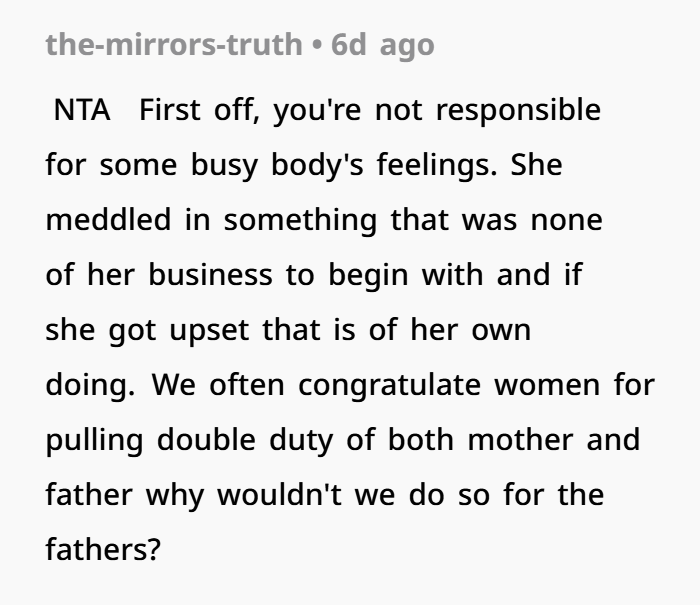
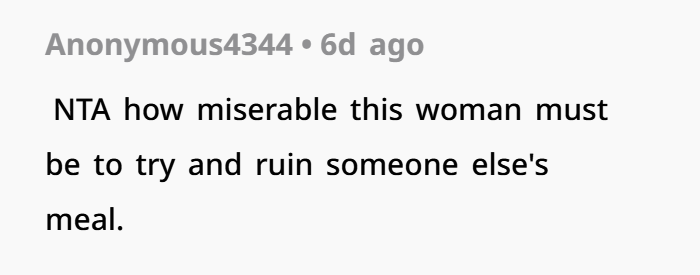
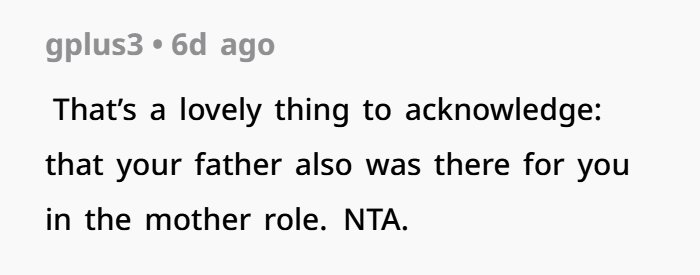
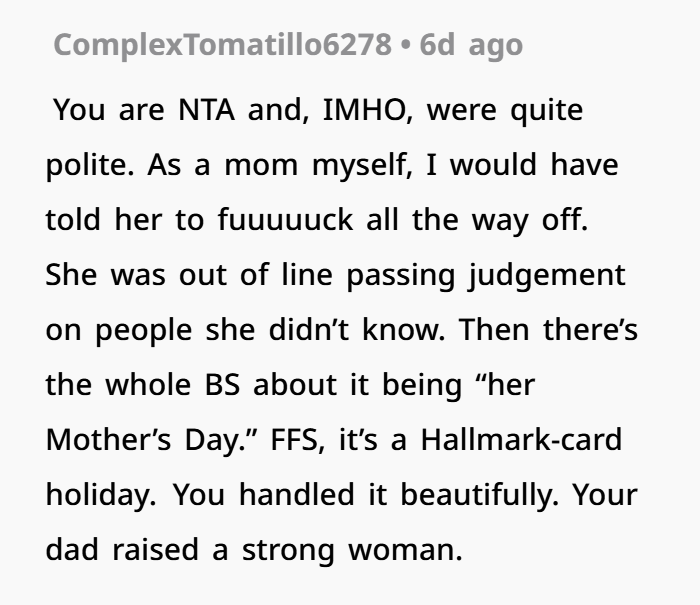
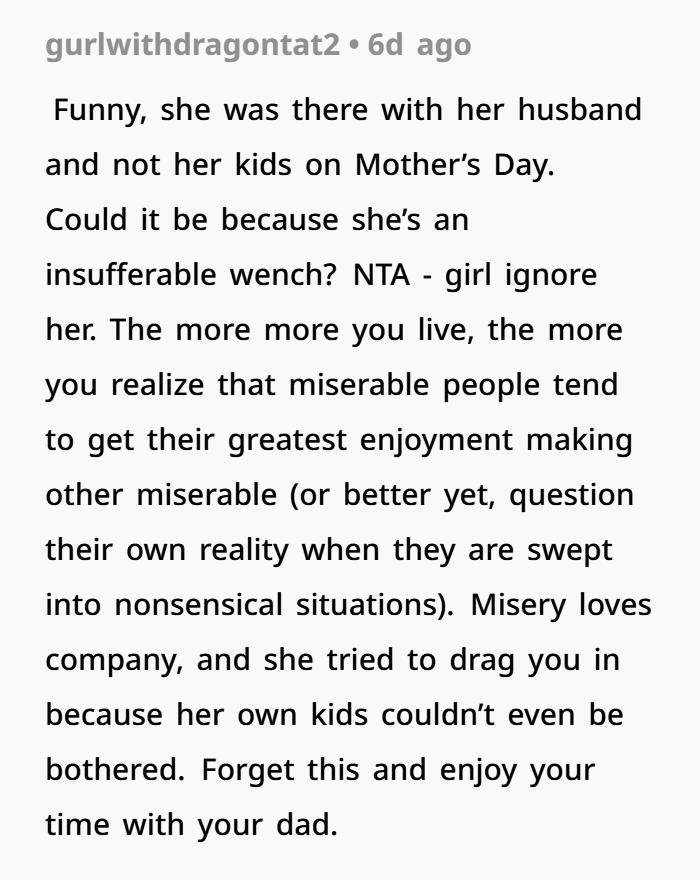
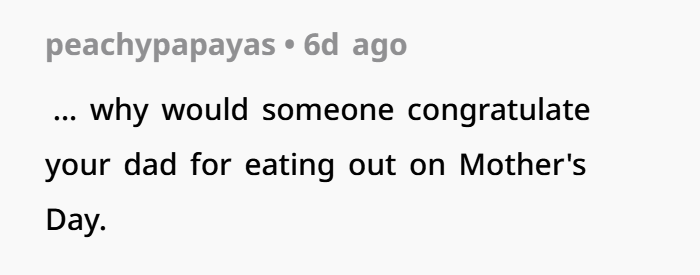
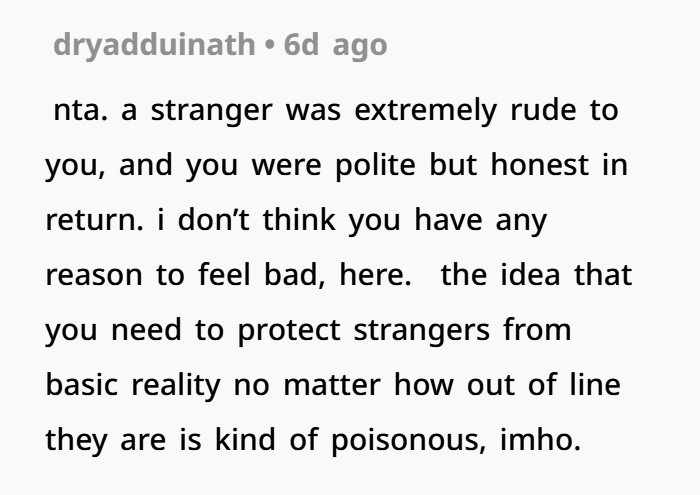
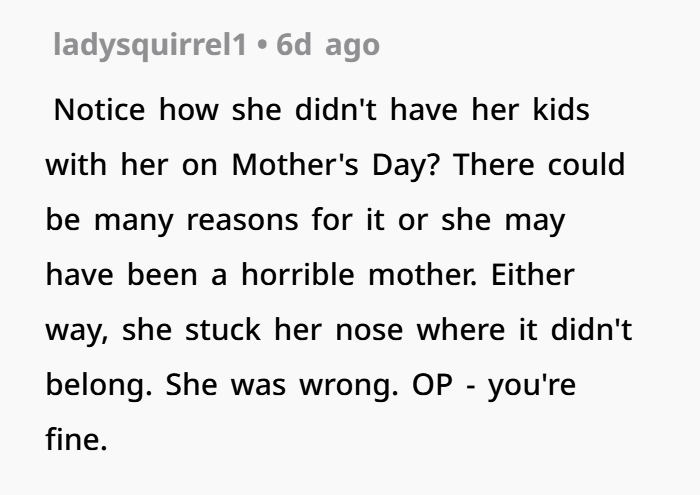
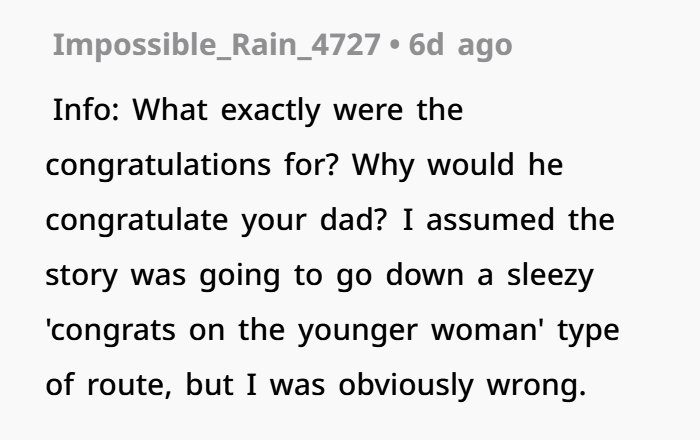
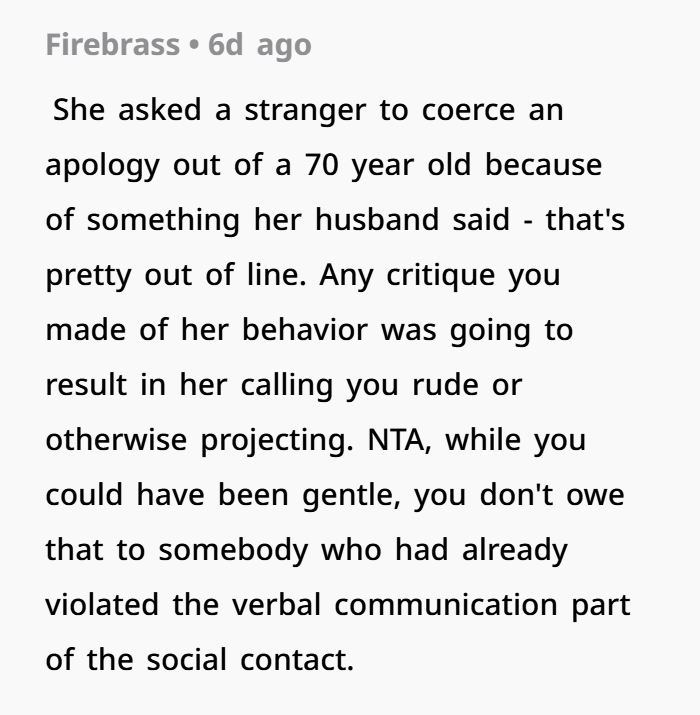
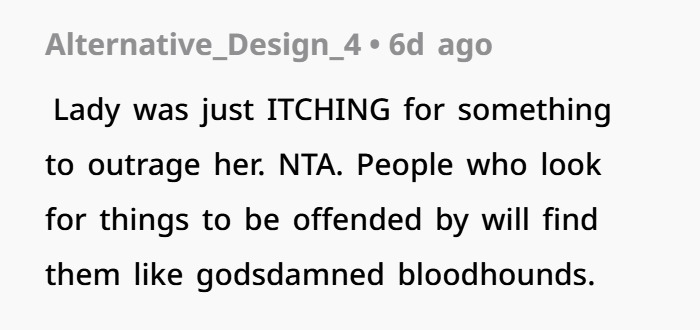
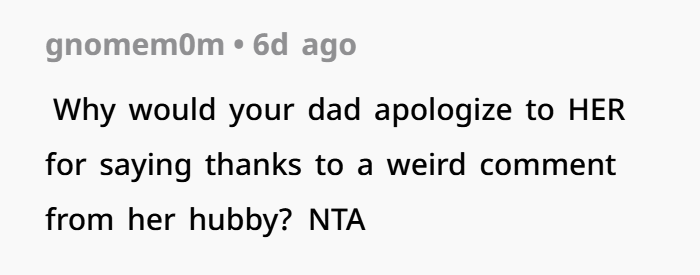
Readers’ Comments Speak Out
Final Thoughts
This situation is really about misunderstanding, grief, and boundaries in public spaces.
A simple Mother’s Day greeting turned into a conflict because one person assumed too much about a family she did not know.
In the end, the story shows an important lesson often discussed in family psychology and emotional wellness:
You never truly know someone’s family situation, grief history, or emotional struggles from a short public interaction.
Sometimes, the kindest choice in public is simply to be respectful and move on.