I Came Home to Find My MIL Had Rearranged My Entire House
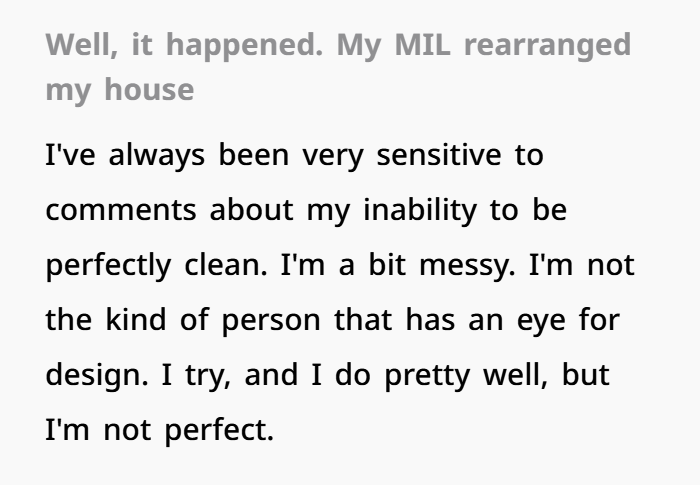
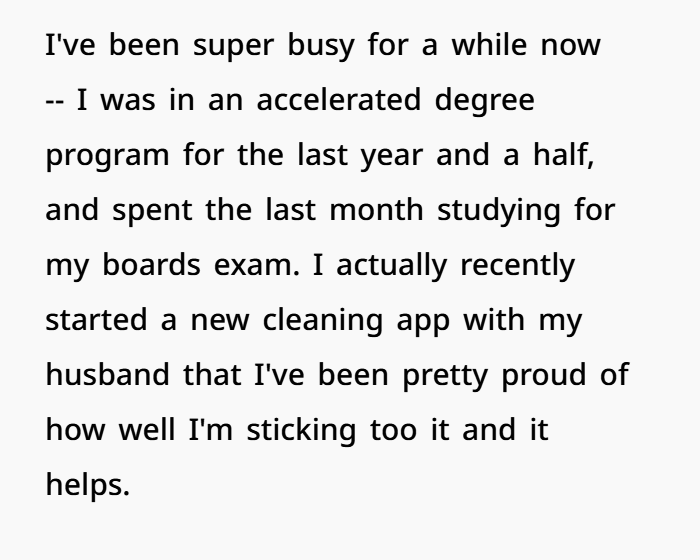
For some people, a messy home is just something that needs cleaning. But for this woman, it felt much more emotional and personal. After spending the last 18 months in an intense college program and preparing for difficult board exams, she was already mentally tired and struggling with self-confidence. She often felt pressure about not being a “perfect homemaker,” so she slowly started building small cleaning routines, better home organization habits, and using a home management app to feel more in control of her space and mental health.
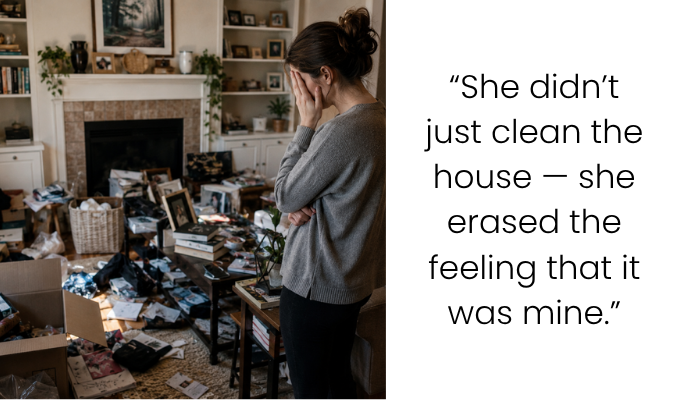
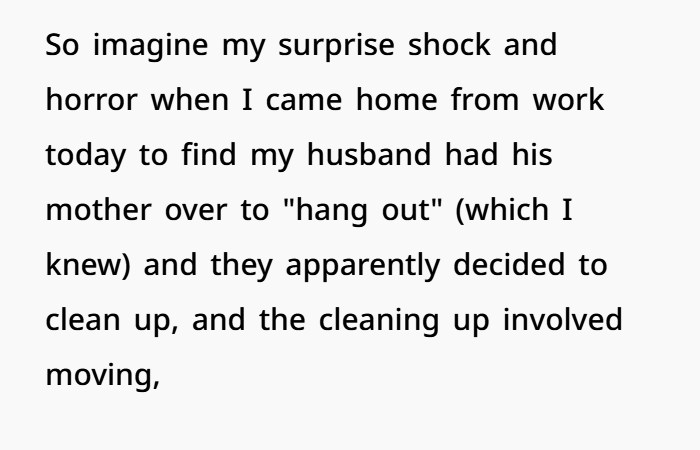
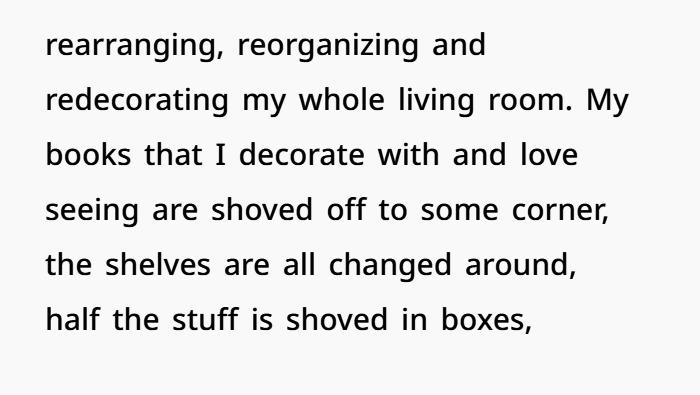
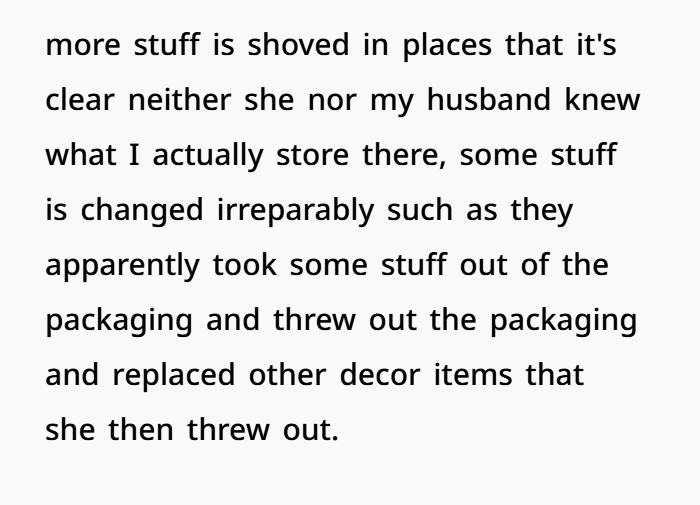
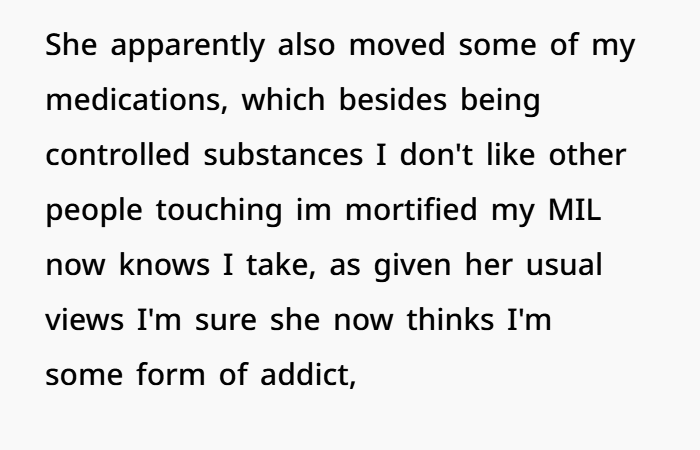
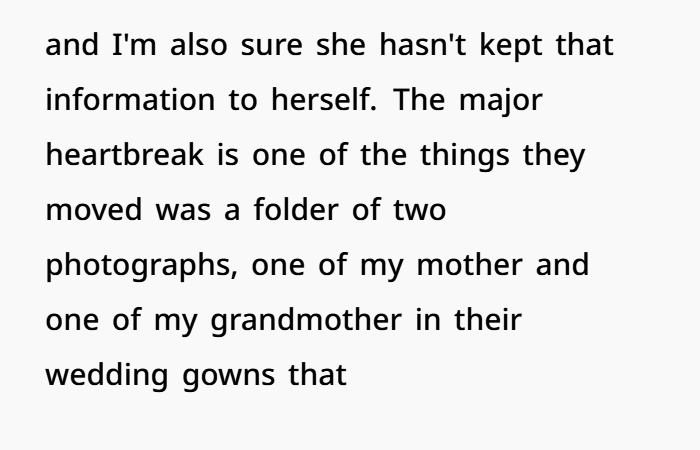
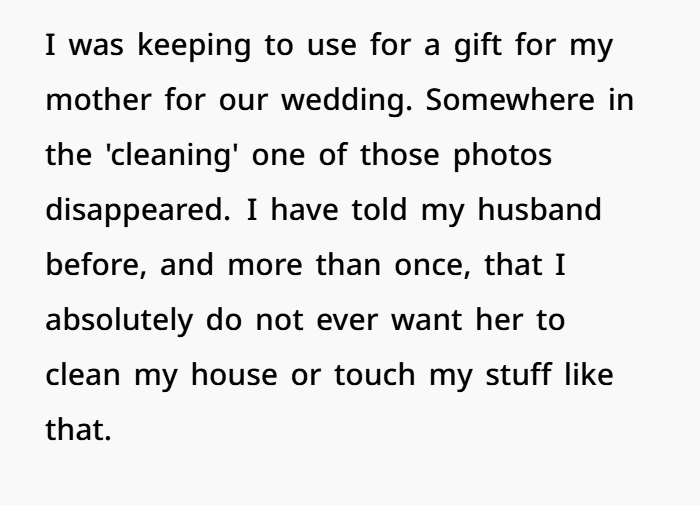
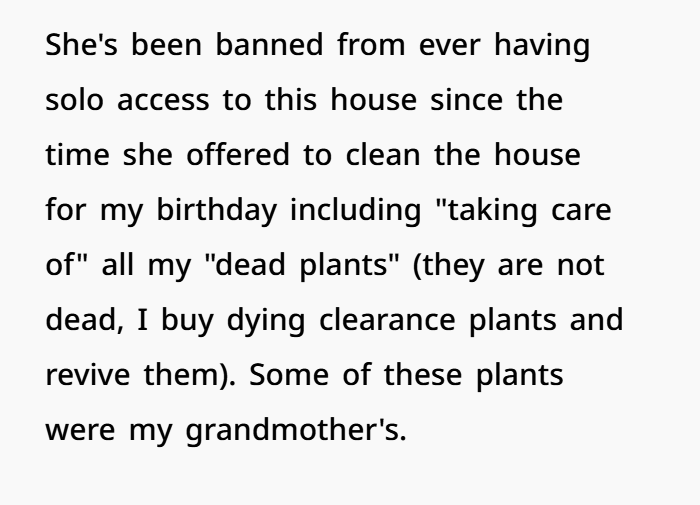
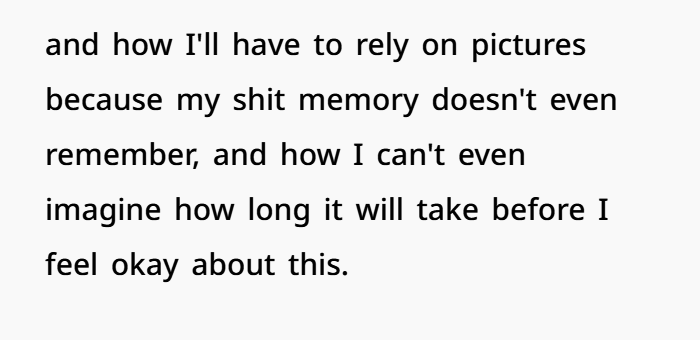
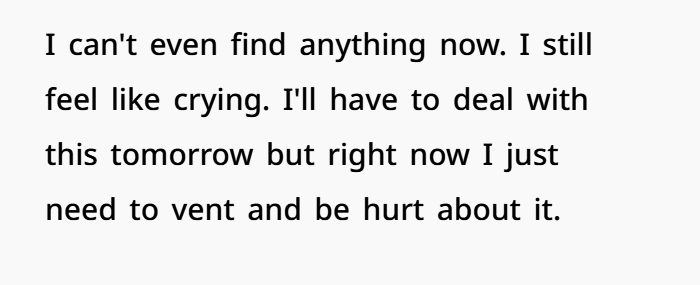
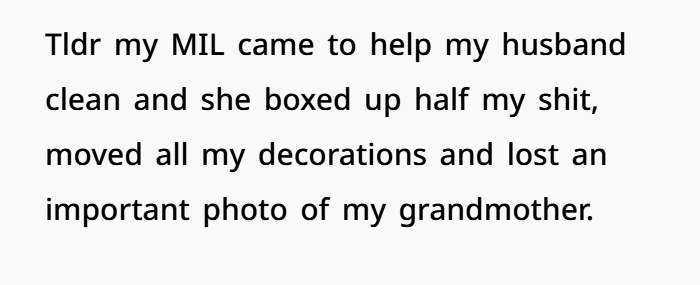
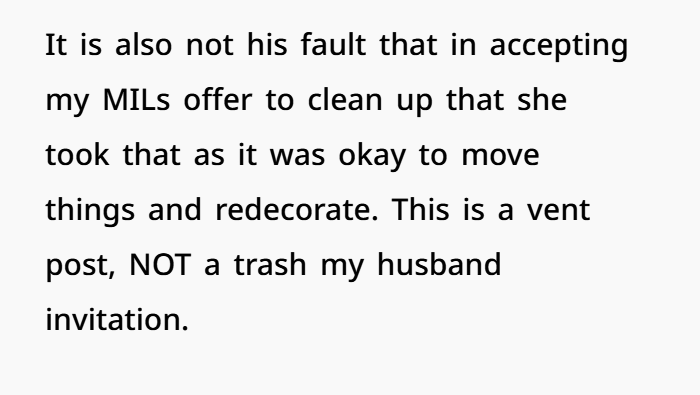
One day, she came home and found that her husband and mother-in-law had cleaned and reorganized the entire house without asking her. Furniture had been moved, decorations were changed, items were packed away, and some belongings were thrown out. Even important personal items, including medications, were shifted to different places. In the process, a valuable and sentimental photo of her grandmother also went missing. In just a few hours, her home no longer felt familiar or like her own space.
The problem was not just about cleaning or clutter. It became an issue of emotional boundaries, personal space, and respect inside the home. Her husband likely believed he was helping reduce her stress, and her mother-in-law may have thought she was doing something helpful and caring. But even good intentions can still cause emotional hurt when someone’s personal space is changed without permission. What affected her most was the feeling that her efforts, routines, and comfort were not considered.
Situations like this can feel especially hard for people dealing with anxiety, emotional burnout, ADHD, or sentimental attachment to their belongings. It highlights how important it is to respect shared living space, communicate before making changes, and understand that a home is not just about cleanliness—it is also about emotional safety, comfort, and feeling respected in your own environment.

This story feels very emotional because it is not really about cleaning or organizing a home. It is about personal space, emotional safety, and boundaries inside the home.
For some people, cleaning and organizing feels helpful and normal. But for others, especially when they are already stressed or dealing with anxiety, it can feel very upsetting when someone else changes their home without asking.
A home suddenly feeling “not yours anymore”
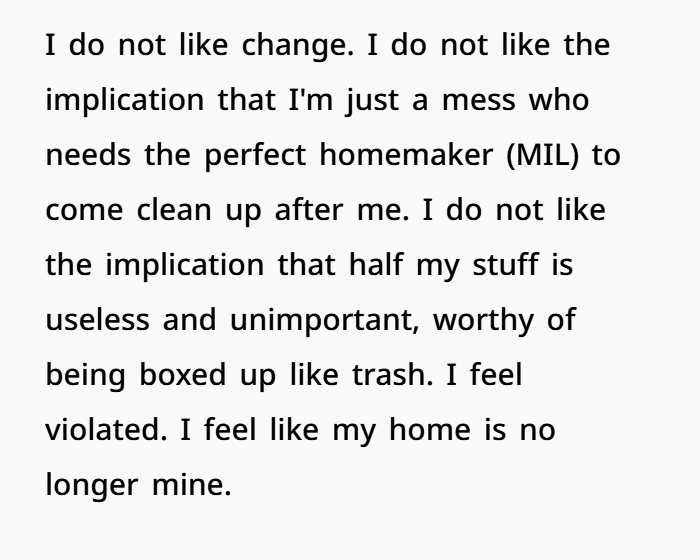
The main feeling in this story is violation.
Not physical harm. Not shouting. Not fighting.
Just the feeling of coming home and realizing your personal space has been changed in a way you did not agree to.
Things like:
- books moved or hidden
- decorations changed
- personal items packed away
- items thrown or stored differently
- important things suddenly missing
This can make a person feel like their home environment is no longer under their control.
Why this felt so upsetting
The woman already felt insecure about her home being messy or unorganized.
So when someone came in and “cleaned,” it did not feel like help.
Instead, it felt like:
- “I am not doing enough.”
- “My home is wrong.”
- “I cannot manage my own space.”
- “Someone else knows better than me.”
This is why home organization issues can feel emotional, not just practical.
Mental health and emotional overload
Many people struggle with:
- anxiety
- ADHD
- burnout
- stress
- low self-confidence about cleaning or routines
For them, even small changes in their environment can feel overwhelming.
A home is not just a place to live. It is also a place where people feel safe and calm after a long day.
So when the space suddenly changes, it can increase emotional stress instead of reducing it.
When “help” becomes a boundary problem
In this case, a family member (like a mother-in-law) tried to help by cleaning and organizing.
But the problem is simple:
Help without permission can feel like control.
Even if the intention is good.
Actions like:
- reorganizing rooms
- moving personal items
- changing storage systems
- packing things away
can feel very personal because a home is private.
The emotional impact of missing personal items
One of the most painful parts was a missing photograph.
To an outsider, it may look like a small item.
But to her, it had deep meaning:
- family memories
- emotional connection
- important life moments
- sentimental value
This is why sentimental loss feels so strong. It cannot be replaced easily.
People often say “it’s just a photo,” but emotionally it is much more than that.
Why communication mattered
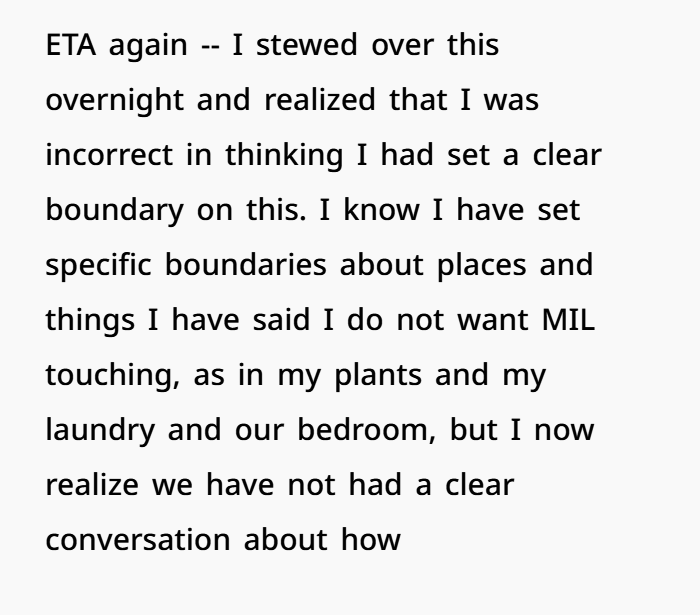
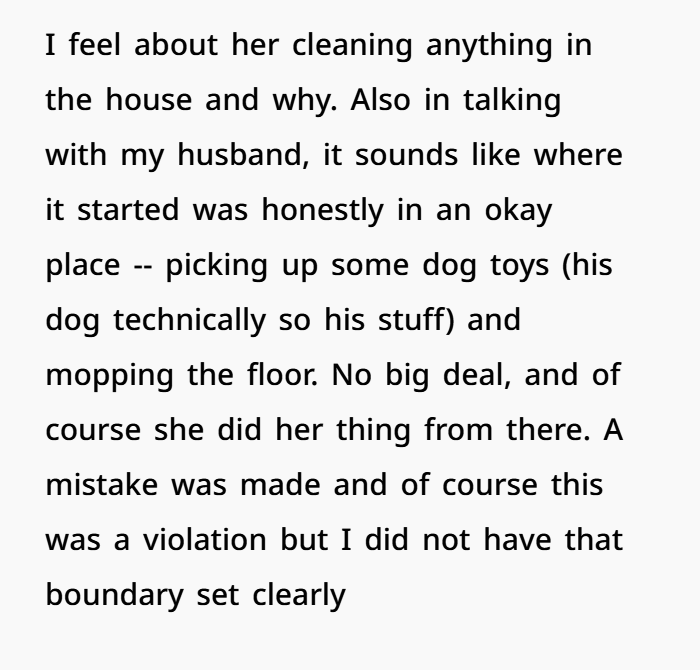
Later, it became clear that clear boundaries were not fully discussed before this happened.
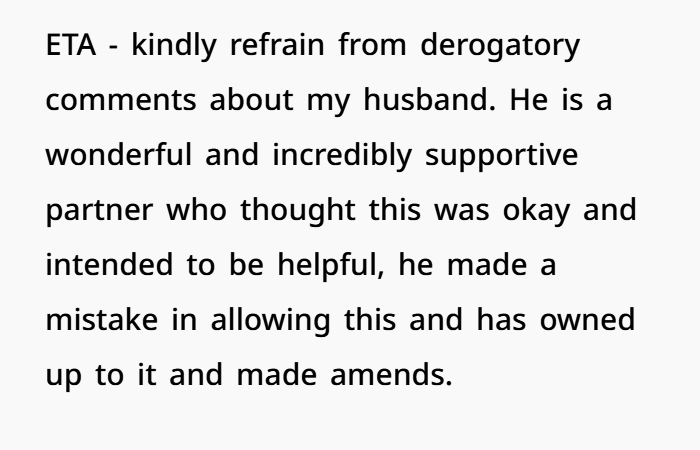
The husband thought it was normal help and did not expect it would cause emotional distress.
The mother-in-law likely believed she was doing something kind and useful.
But the wife felt her personal space had been crossed without permission.
This shows how important home boundaries and communication in marriage really are.
Why different people see “cleaning” differently
People have very different views on home organization:
Some people feel:
- clean and minimal spaces reduce stress
- everything should be in its place
- clutter should be removed
Others feel:
- visible items give comfort
- personal objects create emotional stability
- a “lived-in” home feels safe and familiar
Neither is completely right or wrong. But problems happen when one style is forced on another person’s space.
Emotional reaction and self-blame
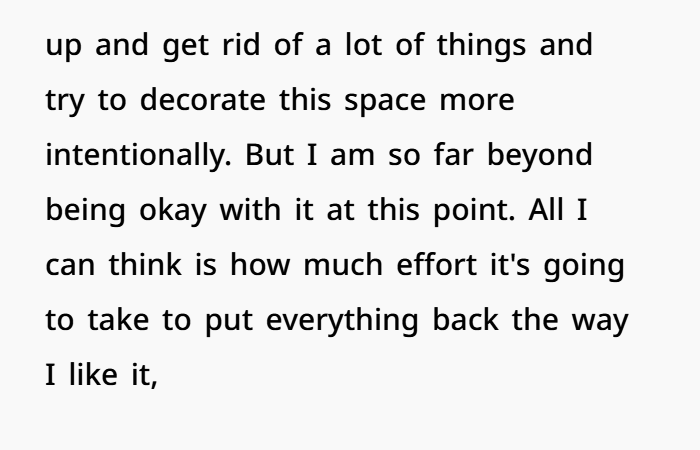
After everything happened, she started blaming herself.
She thought things like:
- “Maybe I should clean more.”
- “Maybe this is my fault.”
- “Maybe I am overreacting.”
This is very common when someone already feels pressure about household management and expectations.
But her feelings were valid. Feeling upset when your home is changed without permission is normal.
What made this situation repairable
The positive part of the story is that there was finally understanding afterward.
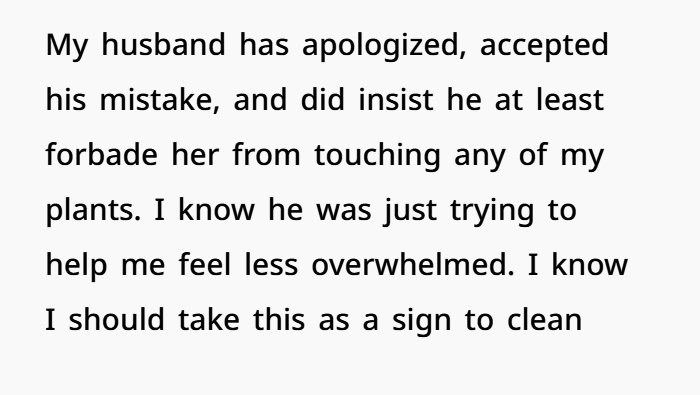
The husband apologized and realized it was a mistake.
The situation was not about cruelty. It was about misunderstanding and different expectations.
- The mother-in-law was trying to help
- The husband was trying to reduce stress
- The wife needed emotional safety and control over her space
Once everyone understood the emotional impact, the situation became easier to fix.
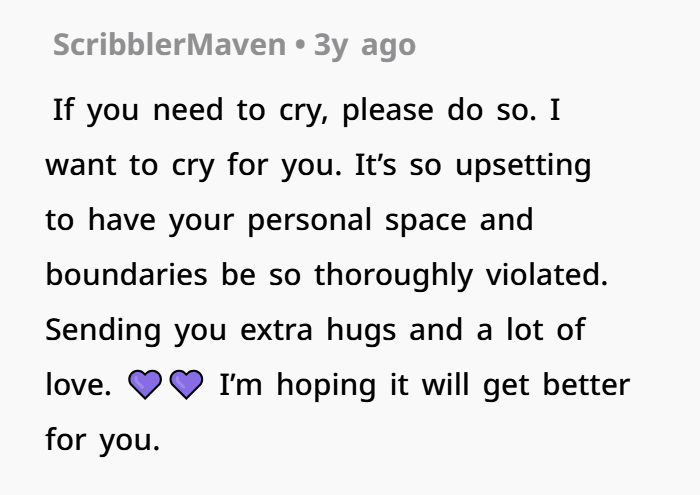
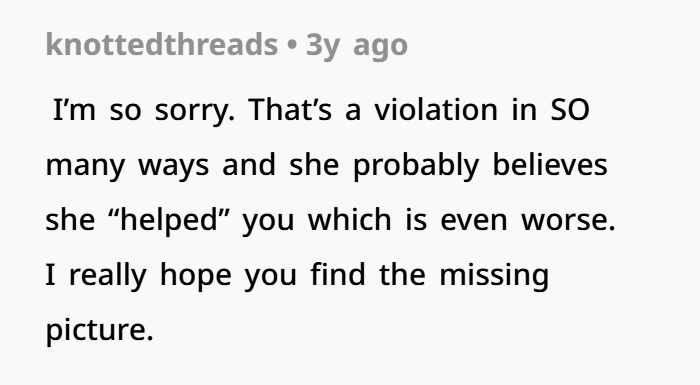
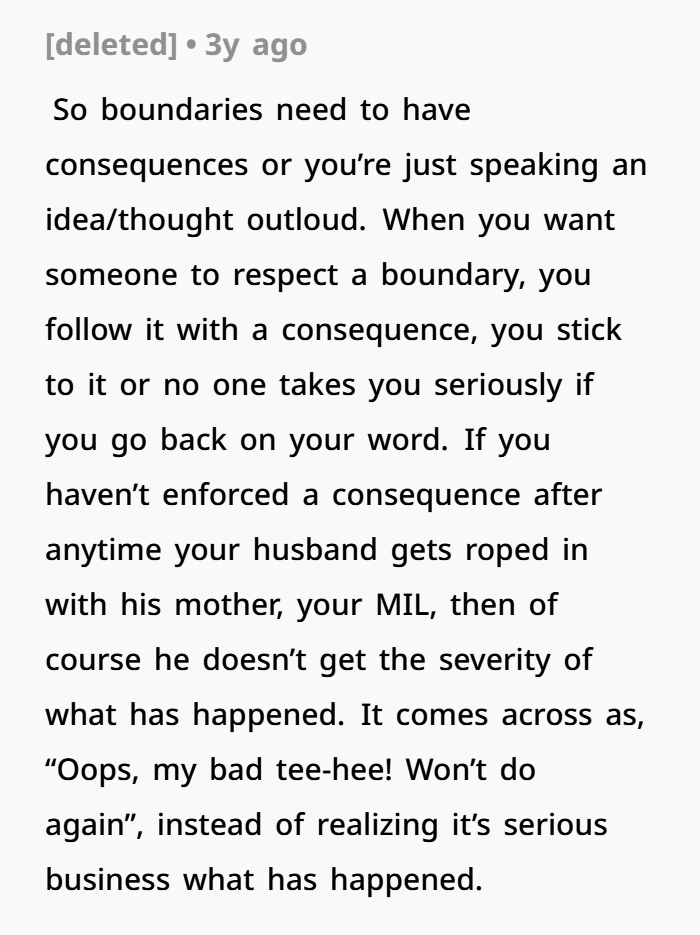
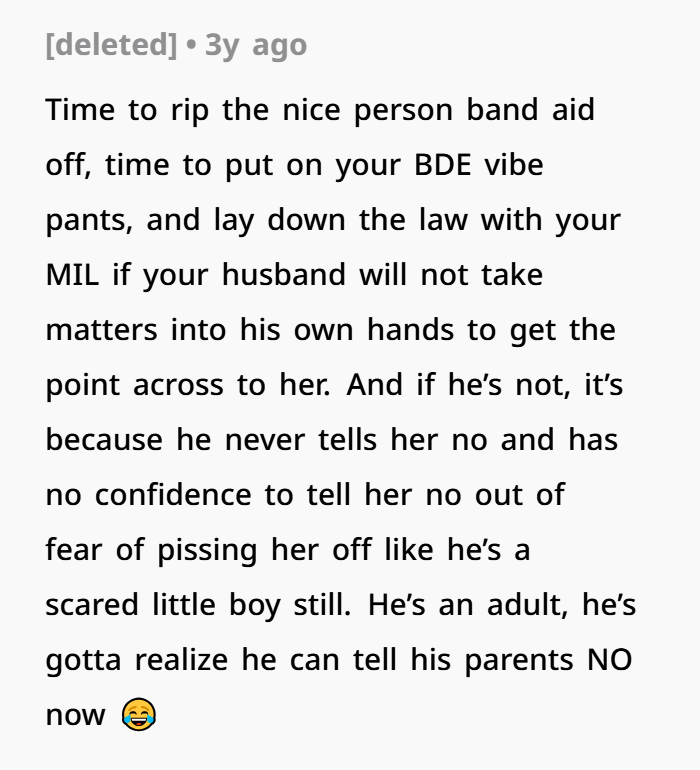
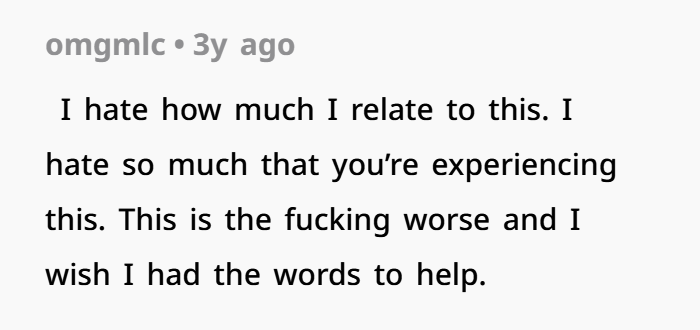
See The Comments Below

Final thoughts
This story is really about home boundaries, emotional well-being, and personal space respect.
A home is not just a physical place. It is also a space where people feel safe, especially when dealing with stress, anxiety, or mental health challenges.
Even well-meant actions can feel hurtful if they remove a person’s sense of control over their own environment.
The main lesson is simple:
Help is only helpful when it is wanted and agreed on.
And in any home, respect for personal space is just as important as cleaning or organization.