Employee Rejects the Corporate Ladder and Chooses a Different Work Life

Many employees today are searching for ways to work more efficiently without spending extra hours at their desks. With changing workplace trends and new technology, productivity has become an important part of career success.
While many people struggle with managing deadlines and daily tasks, some professionals find ways to improve their workflow and complete projects more effectively.
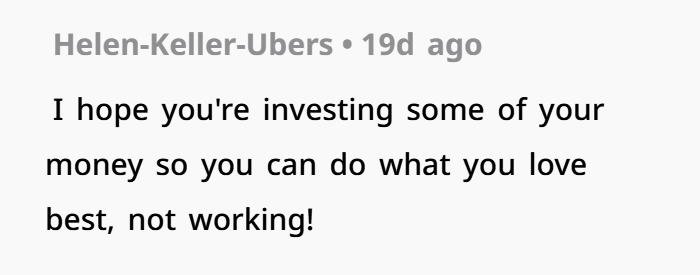
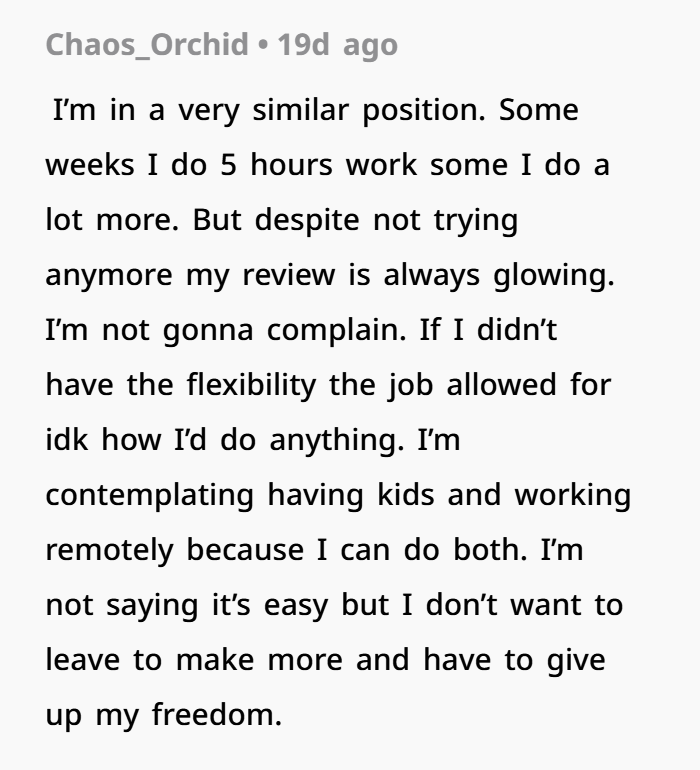
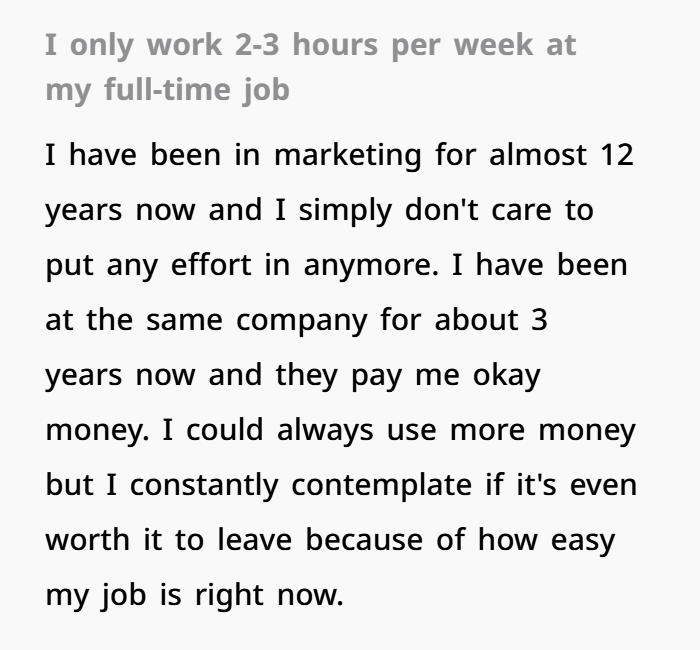
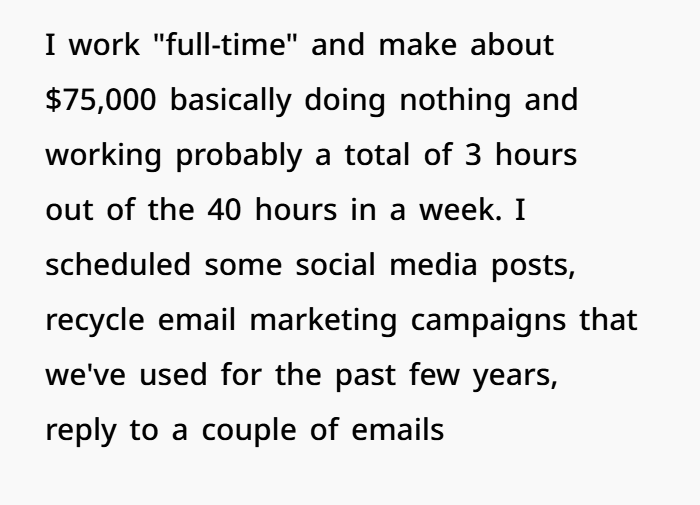
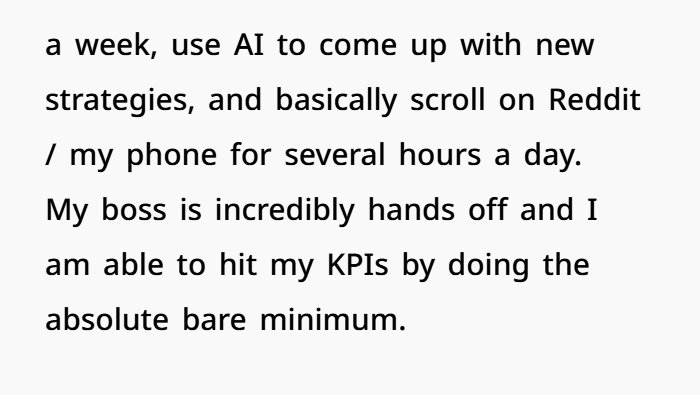
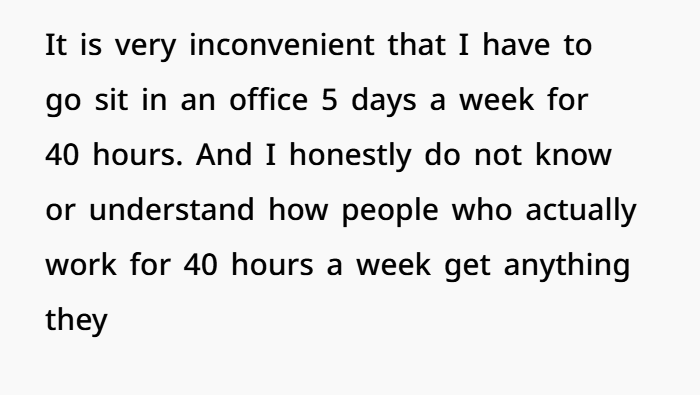
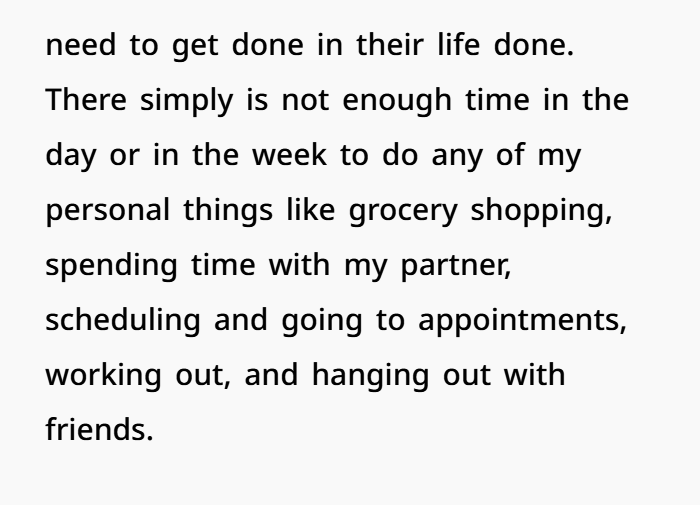
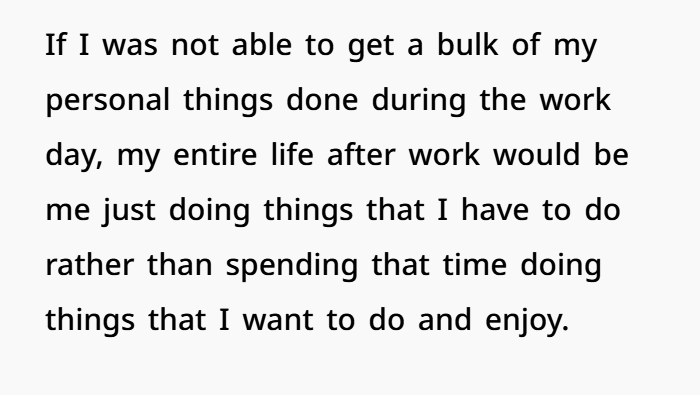
A marketing worker recently shared an online story about their unique approach to their job. Although they earn a comfortable salary of about $75,000 a year, they explained that their weekly workload is much smaller than most people would expect.
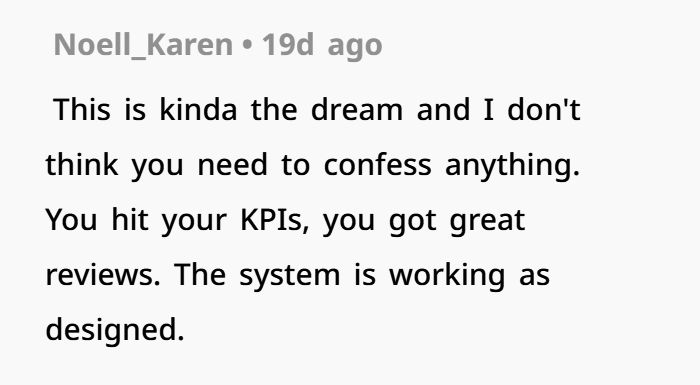
The professional’s results came from improving their process, organizing their responsibilities, and finding a better way to manage their time. They were not doing anything illegal or unfair — they simply created a system that worked well for their role.
Stories like this highlight the importance of productivity skills, workplace planning, and finding smarter ways to manage professional responsibilities.

Why the 8-Hour Workday Is Changing and What It Means for Employees
For many years, the 9-to-5 workday has been seen as the normal way to work. Millions of employees spend eight hours at their desks every day, but the truth is that very few people stay fully focused for the entire time.
A typical workday includes many small distractions. Checking social media, reading online news, chatting with coworkers, taking breaks, and handling small personal tasks can take up a large part of the day.
A survey of office workers in the UK found that the average employee is highly productive for only a few hours each day. This shows that spending more time at work does not always mean producing better results.
The problem is not simply that people need to work harder. The human brain is not designed to stay focused on the same task for many hours without rest. Attention naturally decreases over time, especially when employees are dealing with stress, pressure, or a busy workplace.
Long Working Hours Can Lead to Stress and Burnout
Many companies believe that longer working hours lead to higher productivity. However, working too much can have the opposite effect.
When employees constantly work long hours, they may experience mental fatigue, lower motivation, and increased stress. Over time, this can affect their health, job satisfaction, and overall quality of life.
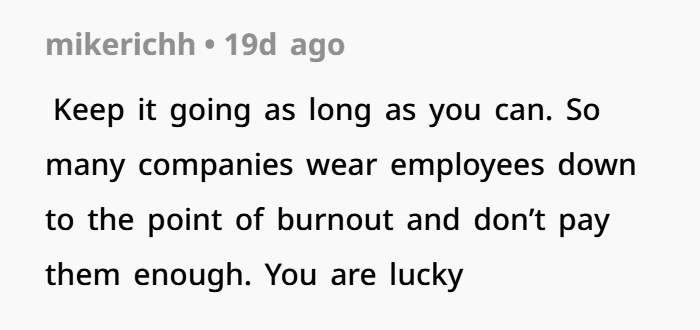
Workplace burnout has become a major concern for many employees. People who feel exhausted or overwhelmed may struggle to stay productive and may eventually decide to leave their jobs.
Health organizations have also warned about the risks of extremely long working hours. Studies have found that spending too many hours at work can increase the chances of serious health problems, including heart-related issues.
A healthy work environment is not only about completing tasks. It is also about creating a workplace where employees can perform well without damaging their physical and mental wellbeing.
The Traditional Career Path Is Losing Popularity
For decades, many people followed a simple career plan: get an education, find a stable job, work hard, and move up the corporate ladder.
A higher position, bigger salary, and a senior job title were often seen as signs of success.
But today, many workers are thinking differently about their careers. Instead of chasing promotions at any cost, more employees are focusing on flexibility, personal freedom, and work-life balance.
Some professionals are choosing roles with fewer responsibilities because they want more time for family, health, hobbies, and personal goals.
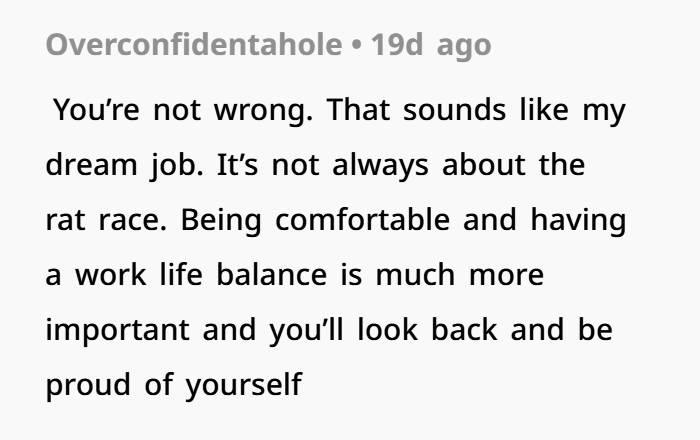
This does not mean people are less ambitious. It means the definition of success is changing.
For many workers, a good career now means having a job that supports a healthy lifestyle instead of a job that takes over their entire life.
Why Employees Are Choosing Better Work-Life Balance
One workplace trend that has received a lot of attention is called “quiet quitting.”
Despite the name, quiet quitting does not mean leaving a company. It means employees complete their main job responsibilities during working hours but avoid constantly working overtime or taking on extra tasks without proper recognition.
Many employees say they are setting stronger boundaries because they want a better balance between their professional and personal lives.
Quiet quitting is not always about a lack of motivation. In many cases, it is connected to workplace stress, burnout, and employees feeling that their extra efforts are not appreciated.
Remote work and hybrid work have also changed how people view employment. Many workers discovered that they could be productive while having more control over their schedules.
As a result, flexibility has become one of the most important factors employees consider when choosing a job.
Companies Are Exploring Shorter Workweeks
Because employee expectations are changing, some businesses are testing new work models.
One popular idea is the four-day workweek, where employees work fewer days but focus on completing important tasks more efficiently.
Several companies that tested shorter work schedules reported improvements in employee happiness, reduced burnout, and better workplace satisfaction.
These experiments show that productivity is not always connected to the number of hours someone spends at a desk. In many cases, well-rested employees can complete better work in less time.
The future of work may focus less on long office hours and more on smart planning, employee wellbeing, and effective workplace strategies.
The Future of Work Is About Balance
The traditional 8-hour workday is slowly changing as employees and companies look for better ways to work.
People still want career growth and financial success, but they also want time to enjoy life outside of work.
A successful workplace is not just about longer hours. It is about creating an environment where employees feel valued, supported, and motivated.
As businesses continue to adapt, companies that focus on employee wellbeing, flexible work options, and healthy workplace culture may have a better chance of attracting and keeping talented workers.
Comments From The Community