Monster-In-Law’s Behavior Toward a Server Ends an Engagement in One Night
Many people follow the “Waiter Rule” when judging someone’s personality. The idea is simple: pay attention to how a person treats service workers because it can reveal their real attitude toward others.
Being polite and respectful to restaurant staff is a sign of good character. On the other hand, treating workers badly can show a lack of empathy and understanding.
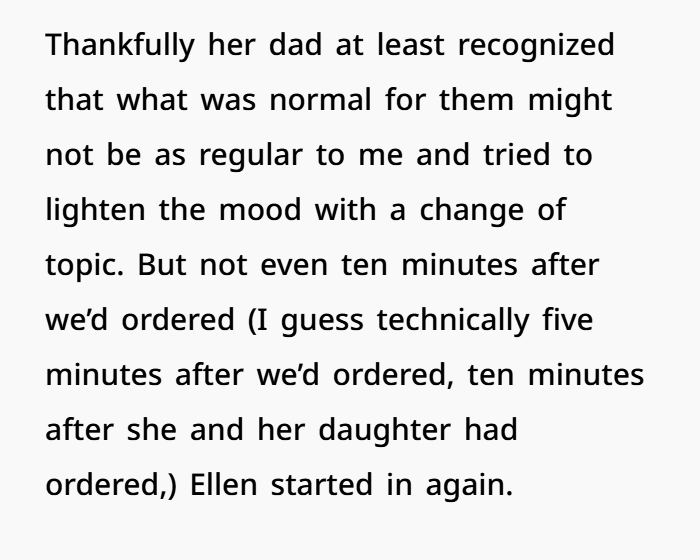
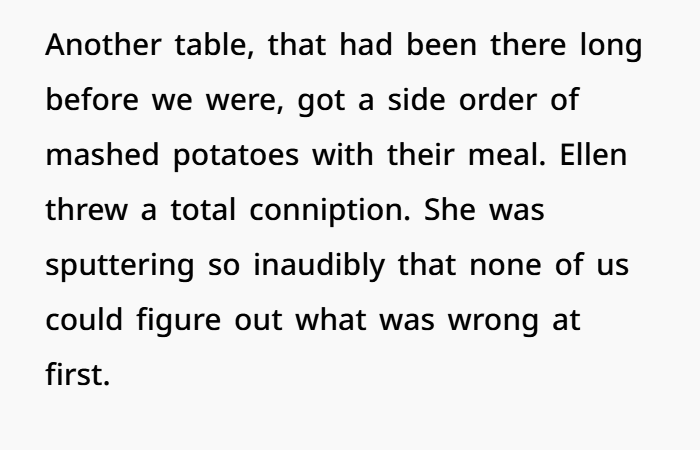
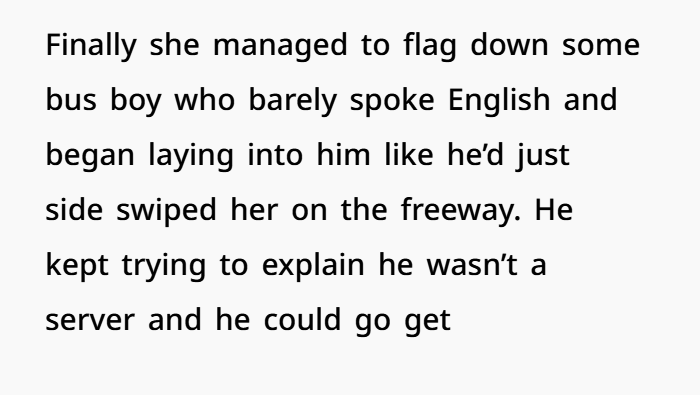
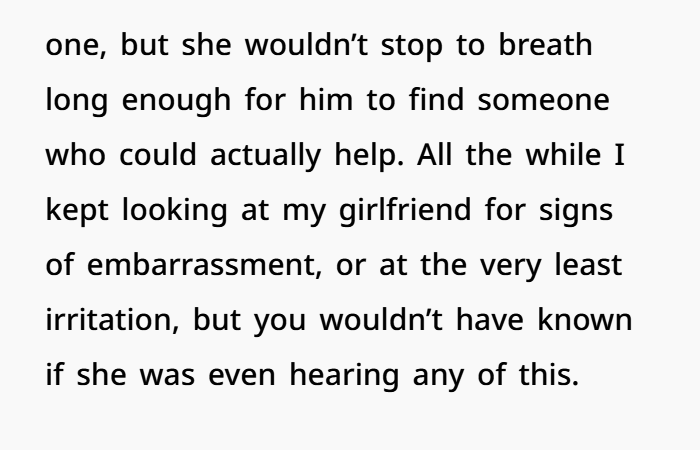
A man found himself in an uncomfortable situation when he had dinner with his girlfriend and her mother for the first time. During the meal, he noticed the way his future mother-in-law treated the restaurant staff, and it changed the way he saw her.
The surprising part was that his girlfriend did not notice anything wrong with her mother’s actions. The experience made him think more deeply about relationships, respect, and whether people truly share the same values.

How Someone Treats Waitstaff Can Show Their True Character
Have you ever watched someone be rude to a waiter or restaurant employee and wondered why they act that way?
It can be uncomfortable to see someone treat another person badly, especially when that person is simply doing their job. Many people believe the way someone treats service workers can reveal a lot about their personality and values.
According to psychologist and educator Lidija Elezovic, there are several reasons why some people may behave poorly toward restaurant staff. One reason could be that they are trying to show power or social status.
Some people may use situations like dining at a restaurant as a way to impress others. They might act demanding or disrespectful because they think it makes them look important or in control.
However, treating people badly does not show confidence. In many cases, it can show a lack of empathy and emotional awareness.
Why Some People Act Rudely Toward Service Workers
Another possible reason is emotional displacement. This happens when a person carries stress, frustration, or personal problems and takes those feelings out on someone else.
For example, a person who is unhappy about work, relationships, or daily pressure may become impatient with a waiter because they feel that person is less likely to challenge them.
Service workers often face this problem because their jobs require them to stay polite and professional. They are expected to provide good customer service even when customers are difficult.
Many people would never speak the same way to their manager, teacher, or coworker because they know there could be consequences. But they may feel more comfortable being rude to someone in a service role.
This behavior is unfair and can create a stressful workplace environment for employees.
Respect Matters in Every Interaction
Every worker deserves basic respect, no matter what their job is.
Restaurant employees, retail workers, delivery professionals, and customer service teams play an important role in everyday life. They work hard to help customers and create positive experiences.
Good communication and kindness can improve customer relationships and support a healthier workplace culture. Businesses that value respect often see better employee satisfaction and stronger customer loyalty.
Being polite does not require much effort. A simple “thank you,” patience during a busy moment, or understanding when a mistake happens can make a big difference.
What Can You Do When You See Someone Being Rude?
Sometimes people notice rude behavior but do not know how to respond. Speaking directly to the person may create an argument, especially if it involves a close friend or family member.
One simple way to handle the situation is to bring more positivity into the conversation.
For example, you can thank the server for their help, show appreciation for their work, or politely acknowledge their effort. This can change the tone of the interaction without creating unnecessary conflict.
Another option is to have a private conversation later. When emotions are calmer, it may be easier to explain why the behavior was inappropriate.
Small Moments Can Reveal Big Things
The way someone treats people who cannot offer them money, power, or benefits can reveal their true character.
Kindness, patience, and respect are important qualities in personal relationships and professional settings. These values often appear in small everyday moments.
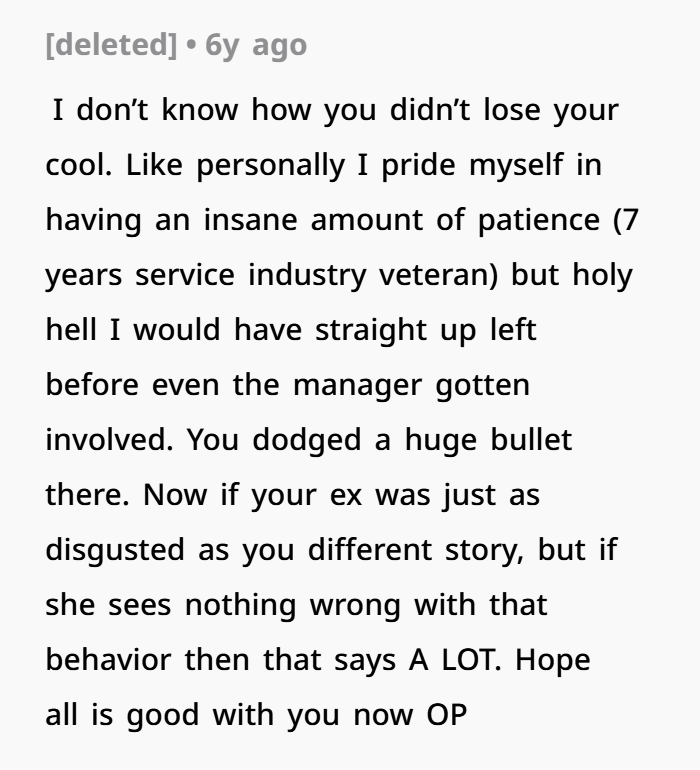
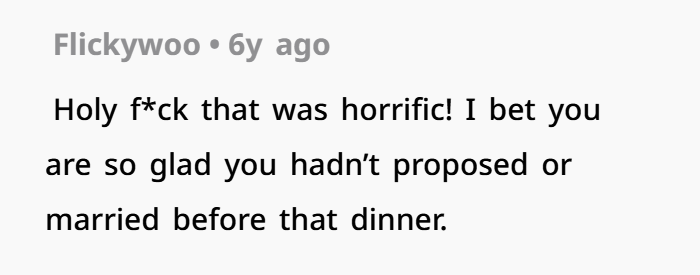
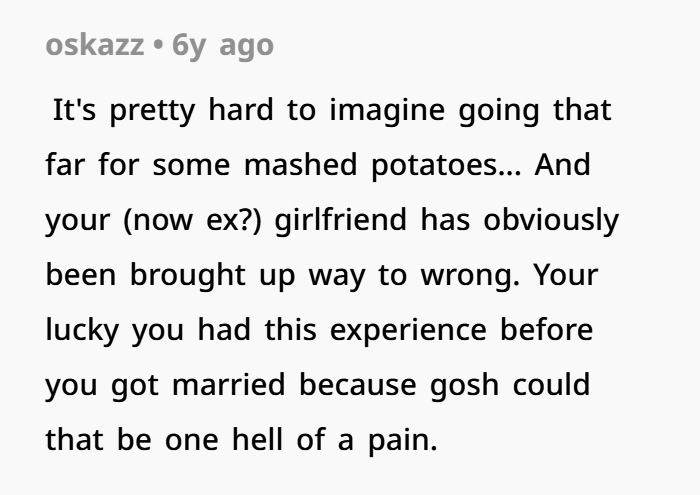
In this story, the person watching the situation noticed behavior that raised serious concerns before making a major commitment. Seeing how someone treats others can help you understand whether your values and theirs are truly compatible.
At the end of the day, respect is one of the most important parts of any healthy relationship or workplace. Treating everyone with dignity creates better experiences for everyone involved.
See The Comments Below