After 11 Years and 3 Kids, My Partner Humiliated Me at an Amusement Park—Now I Want Out
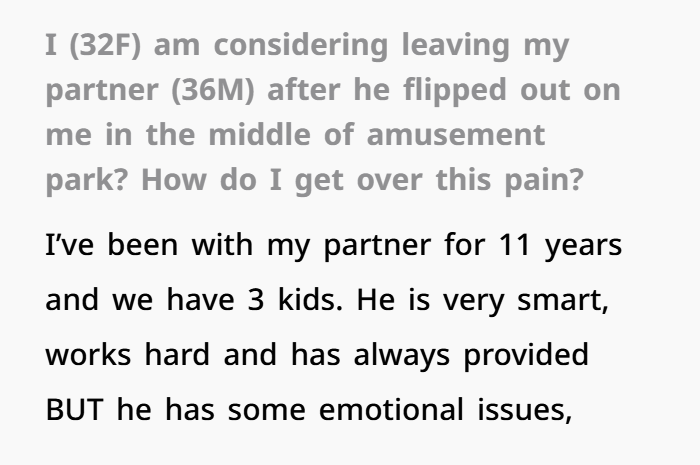
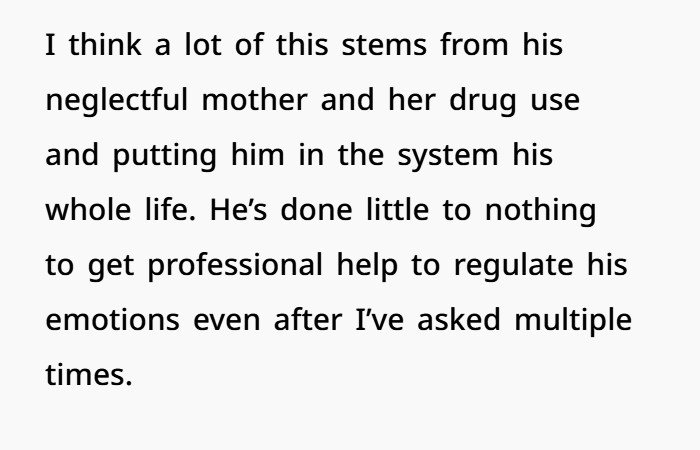
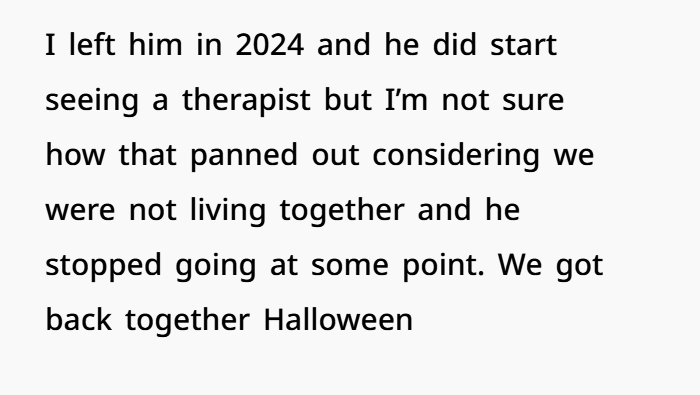
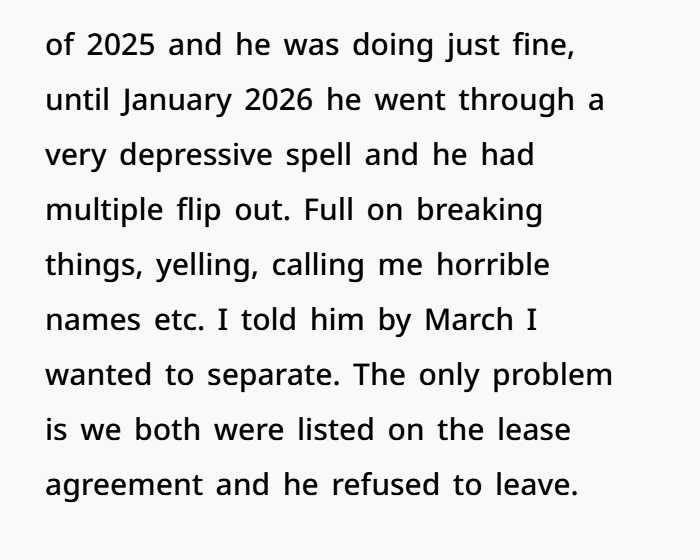
After 11 years together and three children, one mother is struggling with a very difficult relationship decision. The 32-year-old woman says her 36-year-old partner has many good qualities. He works hard, is intelligent, and helps pay the family’s bills. But he also has trouble managing his anger, and it has affected their home life for years. She knows he had a painful childhood that included family problems and time in foster care. She believes professional counseling could help him, but he has never stayed committed to it. She moved away from him in 2024, then gave their relationship another chance in October 2025. Unfortunately, just a few months later, he started yelling, breaking household items, and saying unkind things to her again.
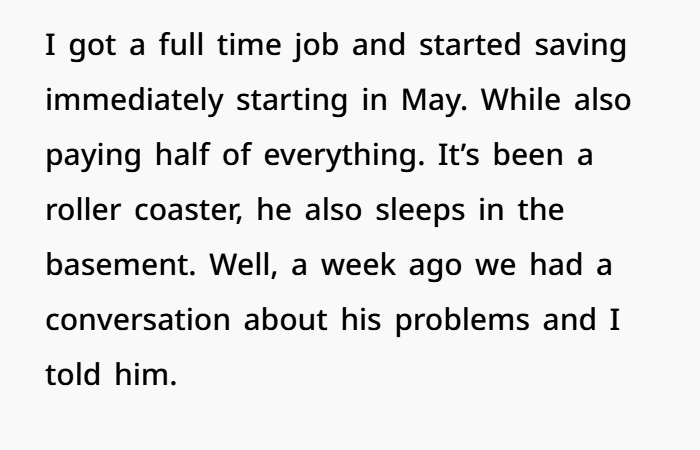
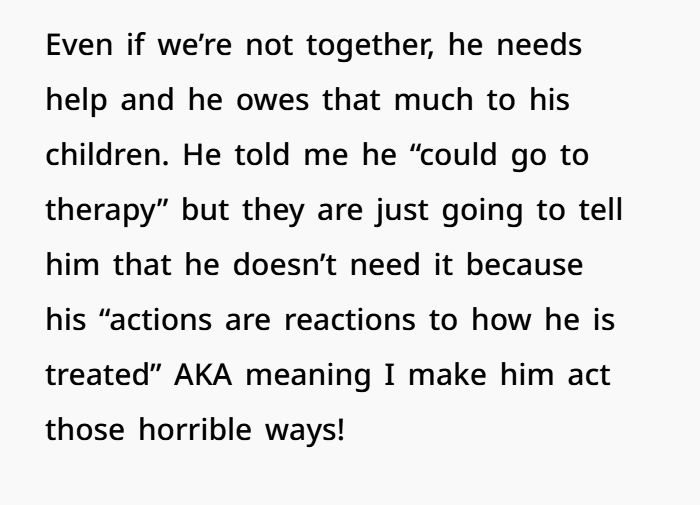
In March, she decided it was time to end the relationship. The problem was that they shared a lease, and her partner would not agree to move out. She knew she needed a better financial plan before making any big changes. In May, she started working full-time and putting money into savings. She also continued covering half of their regular household expenses. Although they still lived in the same house, he slept downstairs in the basement. During a conversation about his anger, he told her that therapy would only prove he was right to react the way he did. She felt disappointed because she wanted him to understand his actions and take responsibility for them.
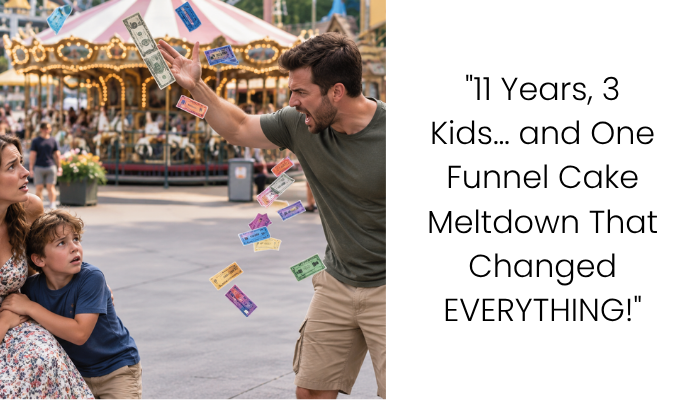
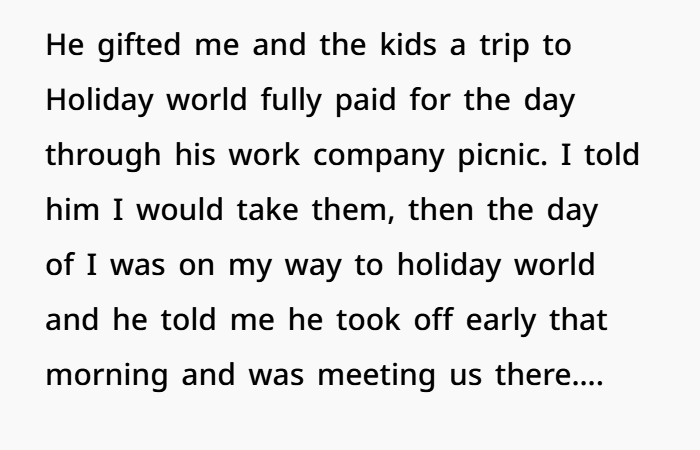
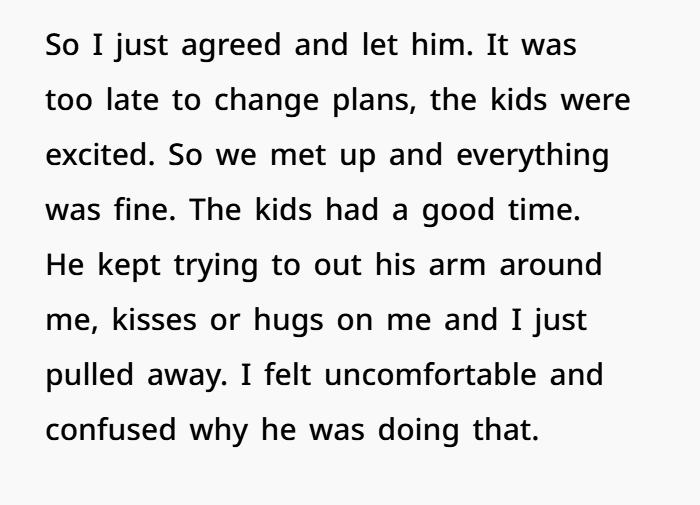
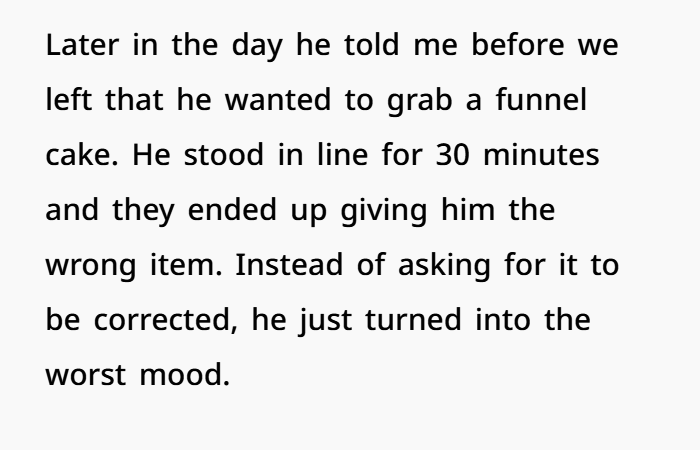
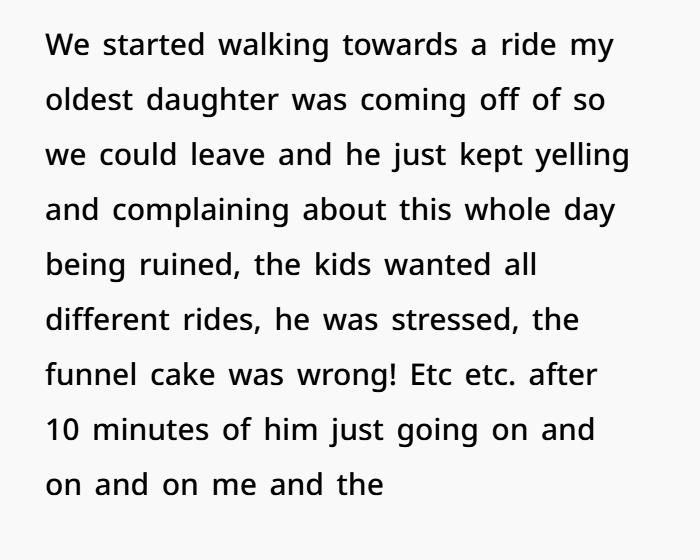
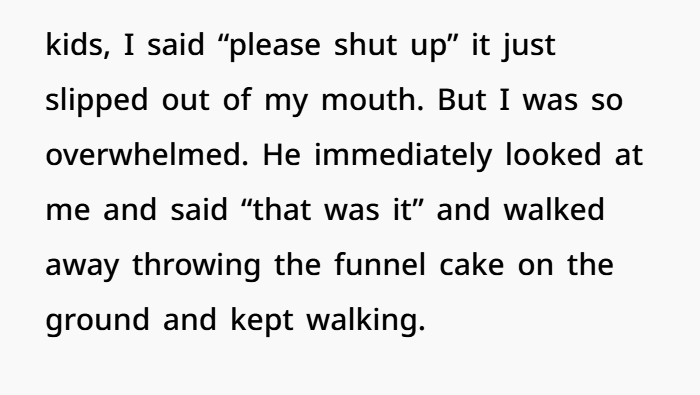
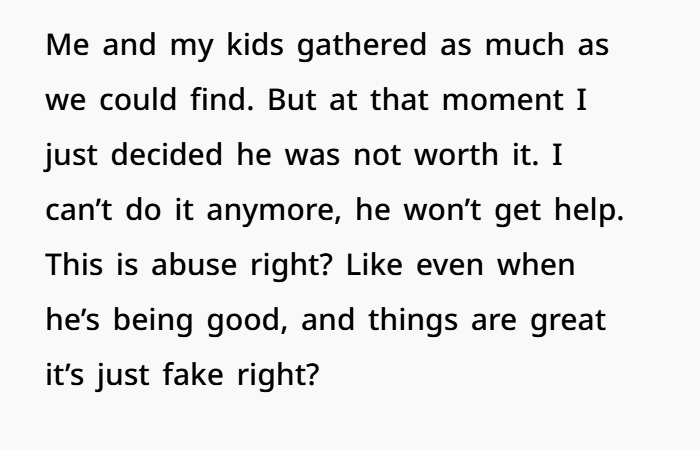
A recent family outing made everything even harder. Her partner had arranged a trip to Holiday World amusement park through his company. He was supposed to be working but later joined the family after leaving early. The day started nicely, although she was uncomfortable with his attempts to show physical affection because they were separated. Then came a problem with a food order. After waiting 30 minutes for a funnel cake, they received the wrong one. Her partner became very upset and spent several minutes complaining. She finally told him to be quiet because she could not listen anymore. He walked off and threw the food down. When she asked him to return the $300 and two debit cards he was holding for her, he threw them on the ground and used a disrespectful word toward her. Their children were there when it happened.
That moment made her see the relationship differently. She realized that loving someone does not always mean a relationship can continue. She had already tried giving him time, asking for family counseling, and hoping his behavior would improve. Now she wants to focus on her children, her financial independence, and a calmer future. Still, the idea of leaving someone she has loved for more than a decade is painful. She is struggling to understand how a relationship filled with good memories could also bring so much sadness. She knows she needs to think about her family’s future, but taking the next step feels overwhelming.


Why Leaving a Hurtful Relationship Can Be So Hard After 11 Years
Leaving someone you have loved for years is not easy. It becomes even harder when you have children, share a home, and have built a life together.
For one woman, a family trip to an amusement park made her realize how unhappy things had become.
What started as a small disagreement over a funnel cake turned into an upsetting argument in front of their three children.
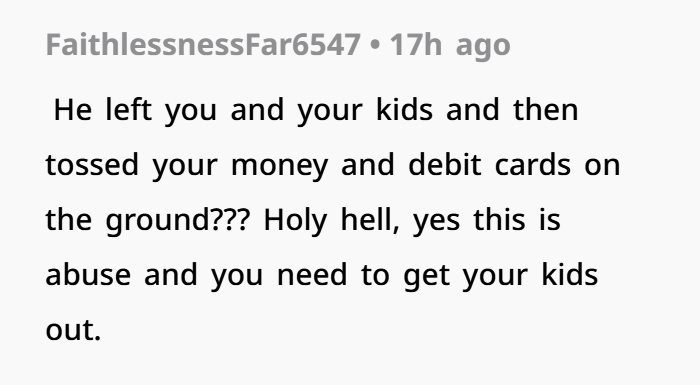
Her partner became angry, said hurtful things, and threw her money and cards onto the ground.
Sadly, this was not the first time something like this had happened.
The woman had spent years dealing with his anger, broken promises, and repeated arguments.
She still loved him and remembered the happy times they had shared.
But after 11 years together, she was beginning to question whether staying in the relationship was good for her and the children.
The Amusement Park Argument Was About More Than a Funnel Cake
At first, the disagreement might sound like a small family argument.
But for the woman, it was another example of a problem that had been happening for years.
She described times when her partner became angry, insulted her, damaged belongings, and blamed her for his behavior.
During the amusement park argument, she admitted telling him to shut up.
That was not a helpful way to speak to someone.
But it did not justify his decision to insult her or throw her belongings onto the ground.
People can disagree without treating each other badly.
In a healthy relationship, both people should be able to share their feelings without fear of being embarrassed or intimidated.
For this woman, the incident seemed to confirm that the same problems were continuing.
Why the Good Times Made Leaving So Difficult
One of the hardest parts of an unhealthy relationship is remembering the happy moments.
The woman described her partner as hardworking and someone who helped provide for their family.
She also remembered times when he was caring and loving toward her and the children.
Those moments made her want to believe things could get better.
Psychologist Lenore Walker described a pattern sometimes called the cycle of abuse.
In some relationships, periods of tension and hurtful behavior are followed by apologies, promises, and calmer times.
Things may seem better for a while.
Then the same problems return.
Not every unhealthy relationship follows this pattern, but it can help explain why leaving can feel confusing.
The woman had already left her partner in 2024.
They got back together in October 2025, hoping for a fresh start.
But a few months later, the angry outbursts returned.
She was once again dealing with the same behavior she had hoped would change.
The happy memories were real, but so were the difficult experiences.
And that made her decision much harder.
Can a Difficult Childhood Explain His Anger?
The woman believed her partner’s childhood experiences might have affected how he handled his emotions.
He had grown up with family problems, including neglect, instability, and a parent’s substance use.
Research suggests that difficult childhood experiences can sometimes affect emotional health and relationships later in life.
These experiences are often called adverse childhood experiences, or ACEs.
A well-known study by Vincent Felitti and other researchers explored how childhood difficulties can be linked to health and emotional challenges in adulthood.
However, a difficult childhood does not mean someone will automatically develop harmful behavior.
Many people who experience childhood trauma build healthy and loving relationships.
His past may help explain some of his struggles, but it does not excuse treating his partner badly.
He is still responsible for his actions.
Professional mental health counseling may help him understand his emotions and learn healthier ways to handle anger.
But he would need to recognize the problem and make a real effort to change.
His partner cannot do that work for him.
Why Eleven Years Together Makes Walking Away Painful
Eleven years is a long time to spend with someone.
During those years, the couple had three children, shared a home, and built daily routines together.
They also shared financial responsibilities, family memories, and plans for the future.
Leaving would mean changing many parts of their lives.
The woman would need to think about housing, childcare, household expenses, and parenting arrangements.
She would also have to deal with the sadness of ending a relationship she once hoped would last.
Psychologist Caryl Rusbult studied why people stay committed to relationships.
Her research suggests that people often consider how much time, effort, and emotion they have already invested.
This helps explain why ending a long relationship can feel so difficult.
The woman described feeling as though 11 years had been wasted.
But those years still included important parts of her life.
She raised children, created memories, and learned from her experiences.
Choosing to leave would not erase everything meaningful from her past.
It would simply mean deciding that her future needs to look different.
Why Love Alone Cannot Fix Every Relationship
It is possible to love someone and still feel unhappy in the relationship.
That can be one of the most confusing feelings.
The woman remembered her partner’s good qualities.
She knew he worked hard and cared about the family in certain ways.
But she also remembered the arguments, damaged belongings, and times when his anger affected everyone around him.
Love matters, but healthy relationships also need respect, trust, and emotional safety.
Both people should feel comfortable sharing their thoughts.
They should be able to disagree without worrying about insults or angry reactions.
When one person repeatedly blames the other for their behavior, solving problems becomes difficult.
The woman could not control her partner’s choices.
And she should not have to take responsibility for every angry reaction.
A healthy relationship requires both people to accept responsibility for their actions.
How Family Arguments Can Affect Children
The couple’s three children were present during the amusement park incident.
They watched their father become angry and throw their mother’s belongings onto the ground.
They also helped her pick everything up.
For children, seeing a parent act this way can be upsetting.
They may feel confused, worried, or unsure about what will happen next.
Psychologists E. Mark Cummings and Patrick Davies have studied how conflict between parents can affect children’s emotional security.
Their research helps explain why repeated, frightening arguments can be difficult for children.
This does not mean one argument will decide a child’s future.
Children can benefit from supportive adults, stable routines, and a caring home environment.
But when upsetting arguments happen regularly, parents may need to think about how those experiences are affecting the family.
For this woman, the decision was not only about her own happiness.
It was also about the kind of home environment she wanted for her children.
Why Leaving Is Hard When You Share a Home
The woman and her partner shared a lease.
She also said he had refused to leave their home during a previous separation.
That made the situation more complicated.
Ending a relationship does not automatically solve questions about housing and shared responsibilities.
The couple may need to understand their rental agreement, living arrangements, and legal options.
Housing costs can also be a major concern, especially when children are involved.
A family law attorney or local legal aid service may be able to explain options related to housing and child custody.
Because the woman described angry outbursts and damaged belongings, personal safety would also be important when considering separation.
A domestic violence advocate can help someone make a private safety plan based on their situation.
That may include identifying trusted people, understanding housing options, and keeping important documents accessible when it is safe to do so.
Having support can help someone make careful decisions without facing everything alone.
Why Financial Planning Matters During Separation
Money can be one of the biggest worries when a long-term relationship ends.
The woman had three children and shared household expenses with her partner.
If she decided to separate, she might need to review her income, monthly bills, and housing costs.
Creating a household budget could help her understand what she would need financially.
Important expenses might include rent, groceries, transportation, childcare, and healthcare.
She may also need information about shared bank accounts, debts, and other financial responsibilities.
Because her partner had handled her money and debit cards during arguments, having independent access to her finances could be especially important.
A nonprofit financial counselor may be able to help her review her budget and understand her options.
A qualified family law attorney could also explain legal questions involving child support, custody, and shared financial responsibilities.
Financial planning will not remove the emotional pain of separation.
But understanding her options could help her feel more prepared for the future.
Can Her Partner Really Change?
People can learn healthier ways to handle anger and communicate.
But meaningful change takes more than saying sorry or promising that things will be different.
It requires accepting responsibility.
The woman said her partner often blamed his reactions on how other people treated him.
He also suggested that therapy would support his point of view.
But counseling should not be about proving that someone else caused your behavior.
It should help people understand their actions and develop healthier habits.
If her partner wants to improve, he would need to recognize his hurtful behavior and seek appropriate professional support.
He would also need to show lasting changes through his actions.
The woman does not have to stay in the relationship simply because he might change someday.
She can consider how the relationship affects her and the children right now.
Why Emotional Support Can Help After Leaving
Leaving someone after 11 years can bring many different emotions.
The woman might feel sad about losing the future she imagined.
She might worry about raising her children in a different household.
She could also feel relieved at the thought of having fewer arguments.
These feelings can exist at the same time.
Missing someone does not always mean returning to the relationship is the right choice.
And feeling sad does not mean a decision is wrong.
Support from trusted friends, family members, or a licensed mental health professional may help.
Individual counseling can provide a private place to talk about feelings and future plans.
Support groups may also help people connect with others who have experienced difficult relationships.
There is no fixed timeline for emotional recovery.
Some days may feel easier than others.
Having reliable support can make those changes easier to manage.
What a Healthier Future Could Look Like
The woman had spent years hoping her relationship would improve.
She had already experienced a separation and later tried again.
Now she was thinking about what would be best for herself and her children.
A healthier future might involve changes to housing, family routines, and financial responsibilities.
Those changes could be challenging.
But they could also create opportunities for a more stable daily life.
A peaceful home does not mean family members never disagree.
It means people can handle disagreements with respect.
Children can learn that anger does not have to lead to insults or intimidation.
And adults can build relationships where they feel valued and heard.
The woman does not need to make every decision immediately.
She can seek professional guidance, understand her legal and financial options, and plan carefully.
What matters is having the information and support she needs to make choices about her future.
Final Thoughts
The amusement park disagreement may have started over a funnel cake, but it brought years of relationship problems into focus.
After 11 years together, the woman had built a family and shared countless memories with her partner.
She still cared about him.
But she was also tired of repeated arguments, broken promises, and feeling emotionally unsafe.
His difficult childhood may help explain some of his struggles, but it does not remove his responsibility for his behavior.
And the happy moments they shared do not erase the times when she and the children were hurt by his actions.
Loving someone does not mean accepting repeated mistreatment.
Leaving a long-term relationship can be painful, even when someone believes it is necessary.
There may be sadness, uncertainty, and difficult financial decisions ahead.
But the years spent together do not have to decide what happens next.
The woman can value the good parts of her past while still choosing a future that feels healthier for herself and her children.
Sometimes, the hardest part of moving forward is accepting that love and a healthy relationship are not always the same thing.
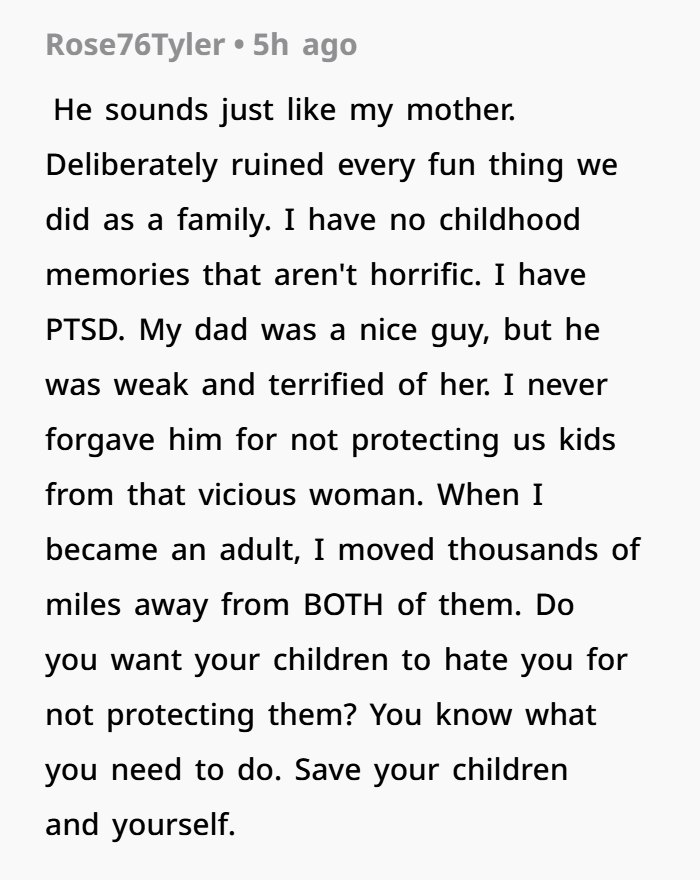
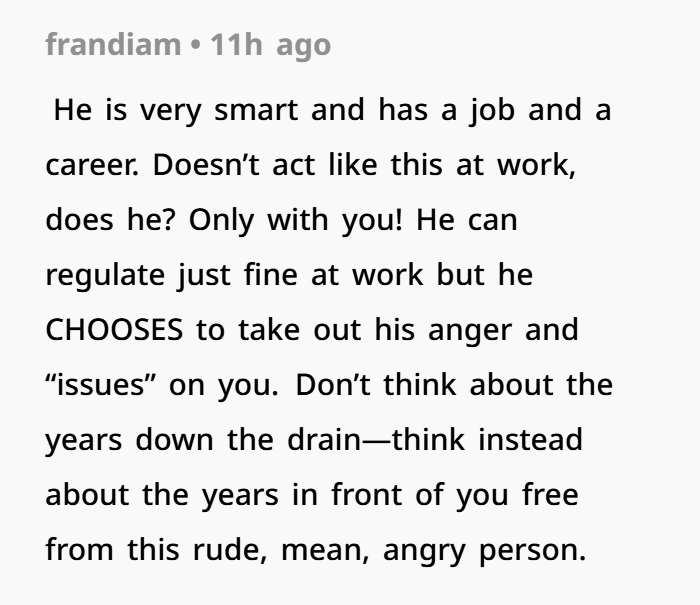
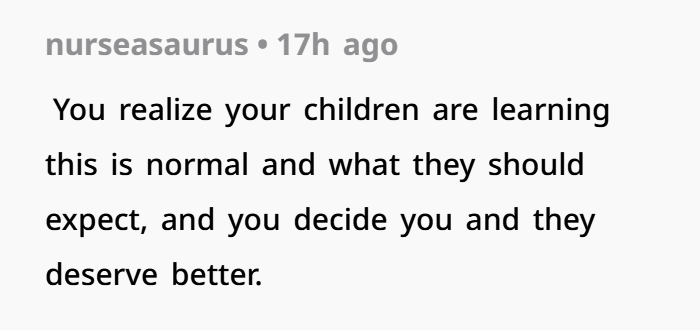
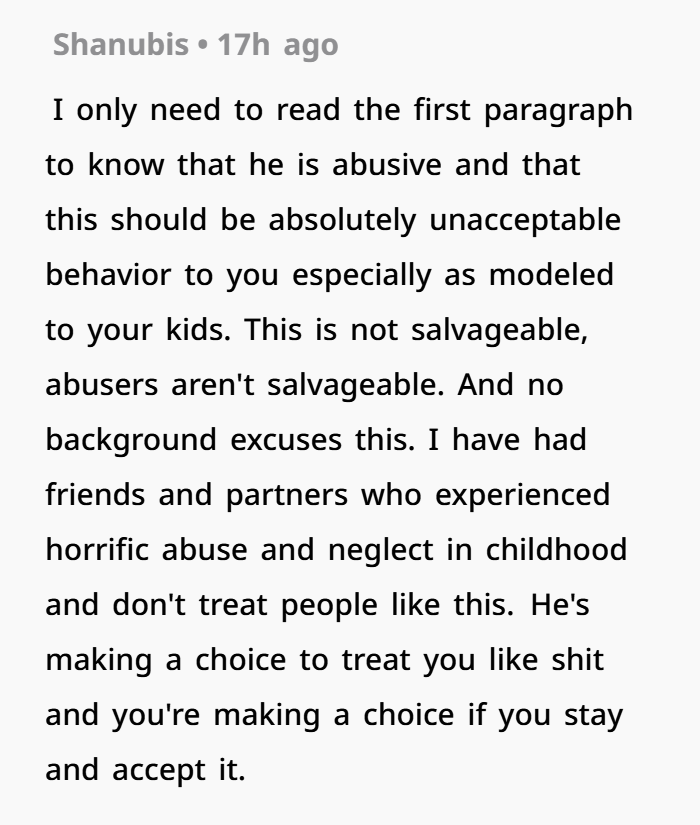
Readers’ Comments Speak Out