Bored Hotel Receptionist Spots A Scammer’s Scheme Instantly And Decides To Turn The Tables
Night shifts can be surprisingly quiet, especially when you work at a hotel. Once everything settles down, the hours can feel much longer than usual.
That was exactly what one hotel receptionist was dealing with when a suspicious email appeared in his inbox.
The message looked like a common scam. Normally, he would simply delete something like this and continue with his work. But with plenty of time on his hands, he decided to take a closer look.
That small decision led to a much bigger story.
His curiosity turned into some unexpected research as he tried to understand who was behind the message. Along the way, the situation highlighted the importance of cybersecurity, online fraud prevention, personal data protection, and internet safety.
Suspicious emails are a common digital security concern, so knowing how to recognize potential risks can help protect personal and financial information.
For this receptionist, one unusual email turned an ordinary night at work into an experience he never expected.

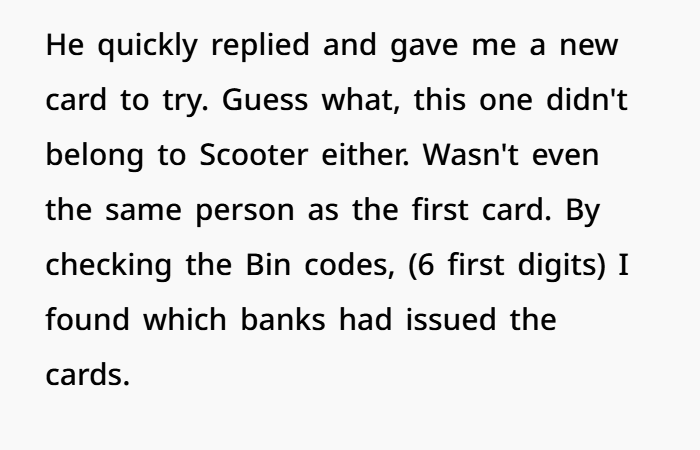
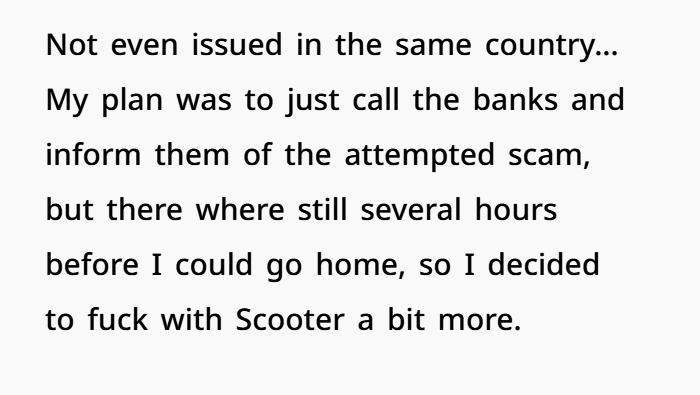
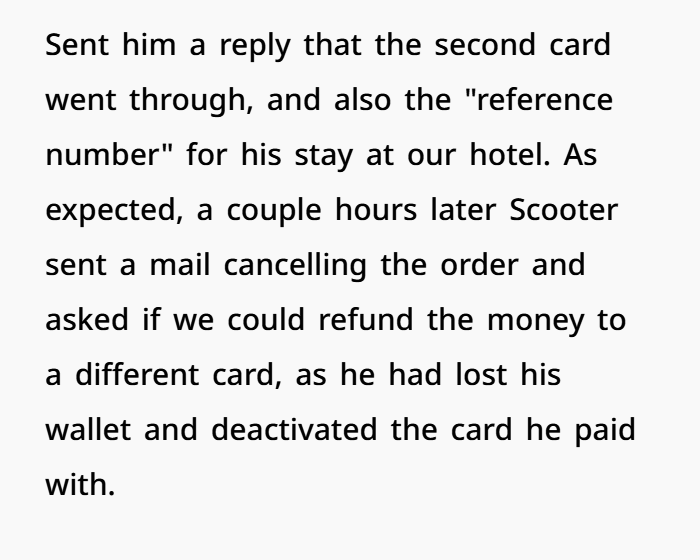
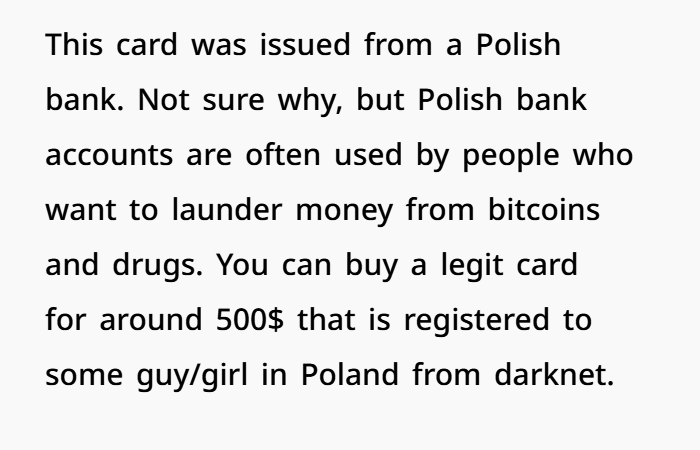
Hotel Worker Discovers a Suspicious Guest Was Employed at Another Hotel
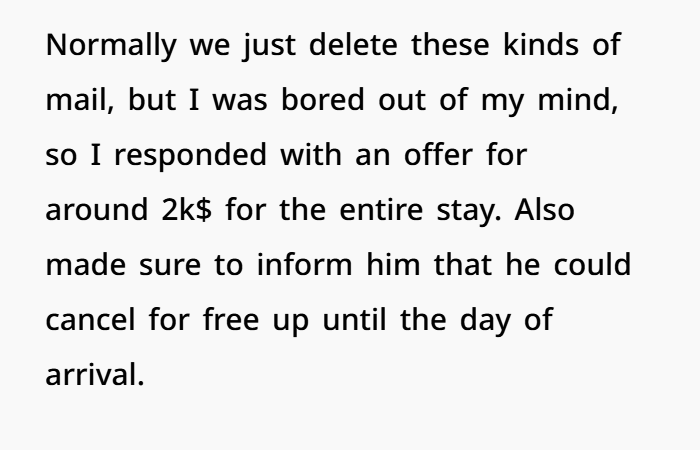
A hotel receptionist in Norway was working a very slow night shift when he received a strange booking request.
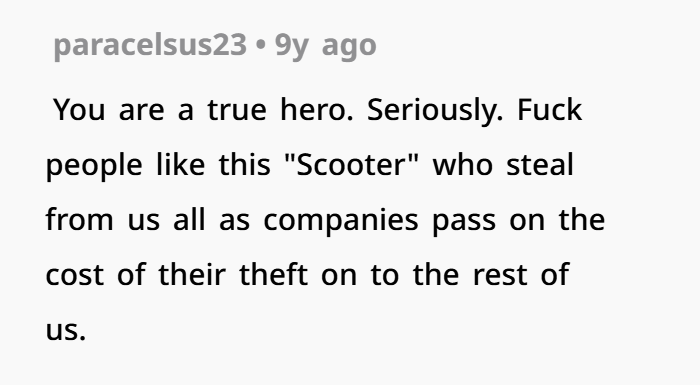
A man using the name “Scooter” wanted to book a long stay and pay in advance by credit card.
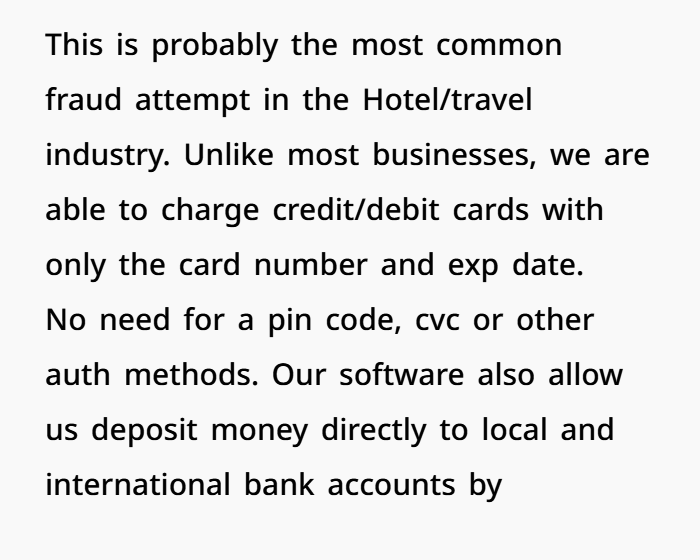
The receptionist quickly noticed some warning signs. The payment information did not seem right, and the request soon became even more suspicious.
Instead of completing the transaction, he kept an eye on the situation.
What started as a strange booking request soon turned into a much bigger credit card security concern.
A Refund Request Raised More Questions
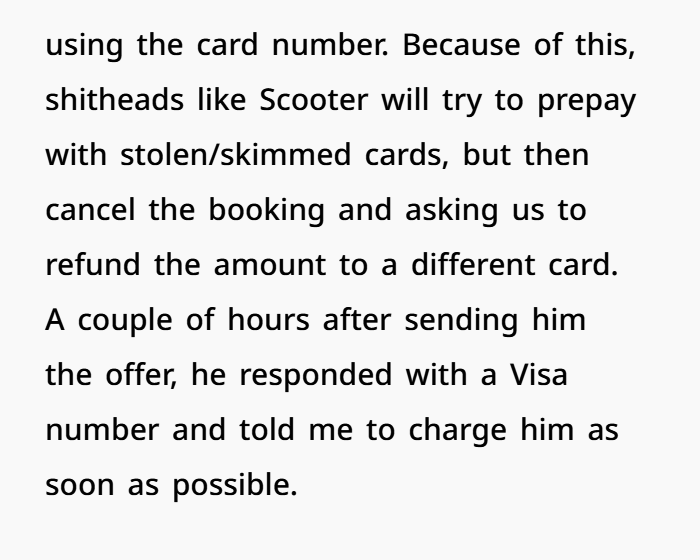
Not long after the booking request, the man asked to cancel the reservation.
He also wanted the money returned using different payment details.
That was a major red flag.
Unusual refund requests can be a sign of payment fraud, which is why hotels and other businesses usually have strict rules for processing cancellations and refunds.
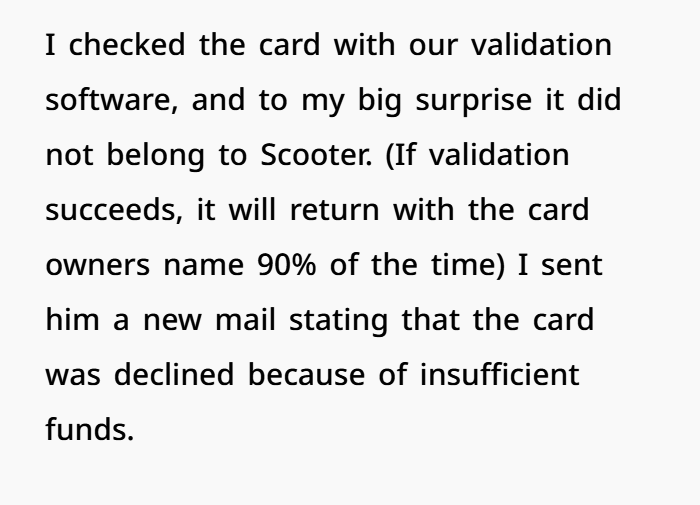
The receptionist did not send money to the man.
Instead, he decided to find out whether there was more to the story.
A Public Profile Revealed an Important Detail
The receptionist found a public social media profile that appeared to belong to the person contacting the hotel.
It contained basic information about the man, including where he worked.
That was when the story took an unexpected turn.
According to the profile, the man worked at another hotel.
The receptionist became concerned that the suspicious payment information might be connected to hotel guests.
If that was true, it could be a serious customer data privacy and identity theft issue.
He Contacted the Other Hotel
Rather than handling the situation himself, the receptionist contacted management at the other hotel.
According to his account, the manager was very concerned after hearing what had happened.
The hotel reportedly found a possible connection between the suspicious payment information and some of its recent guests.
At that point, the issue was no longer just an odd online interaction.
The matter was reported to the proper authorities.
The receptionist also shared relevant information with payment companies so they could review the suspicious activity through their official fraud prevention and financial security systems.
Later, police contacted him to provide a statement.
The Employee Apparently Left the Hotel
The receptionist said he never learned the full result of the investigation.
However, he later checked the man’s public profile and noticed that the hotel job was no longer listed.
Whatever happened behind the scenes, the receptionist believed reporting the suspicious activity was the right decision.
The situation also showed how important it is for hotels to take payment security and customer information protection seriously.
Hotels Handle a Lot of Sensitive Information
Hotels regularly handle valuable customer information.
Depending on the booking system, that can include names, contact details, travel dates, reservation information, and payment records.
This makes cybersecurity an important part of the hospitality business.
Hotels can reduce risks by limiting employee access to sensitive information, using secure payment systems, providing staff training, and monitoring unusual transactions.
Strong data privacy policies can also help protect both customers and businesses.
Even one security problem can damage customer trust.
Travelers Should Be Careful With Credit Card Information
The story is also a reminder to protect payment details when booking a vacation or business trip.
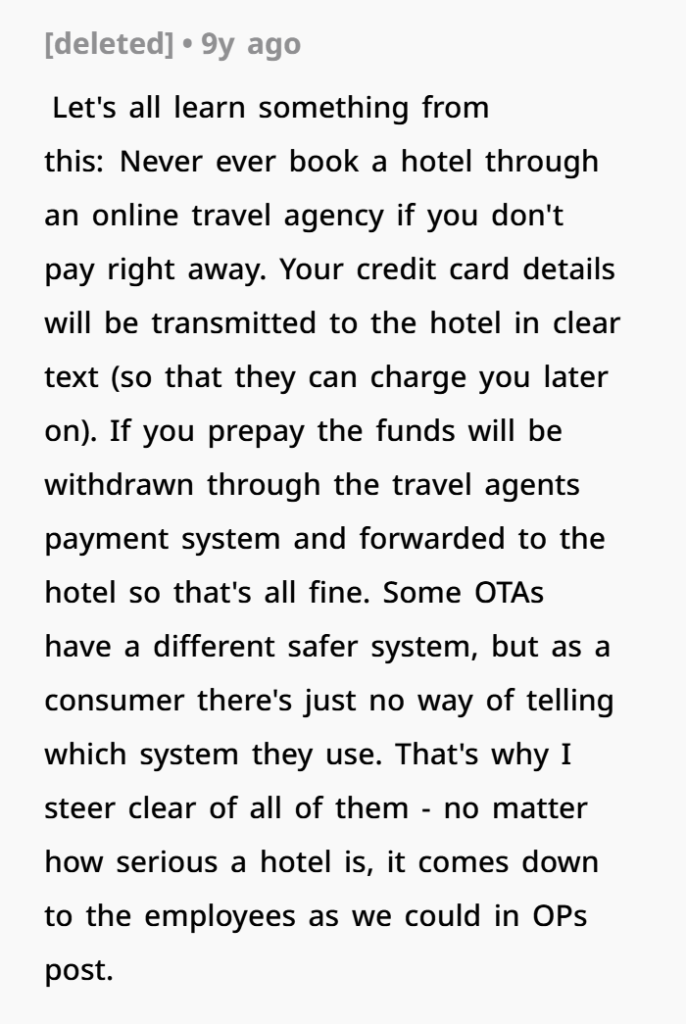
Travelers should avoid sending complete card information through unsecured messages or email.
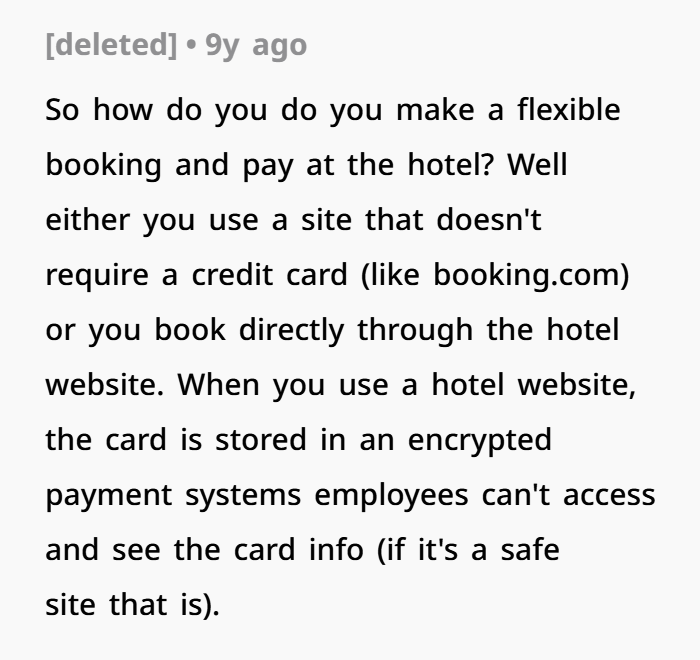
Whenever possible, payments should be made through an official hotel website, a trusted booking service, or another secure online payment system.
Before entering payment information, it is also worth checking that the website is legitimate.
Fake booking pages and suspicious messages can sometimes look convincing.
Using strong passwords and multi-factor authentication can add another layer of online security.
Monitor Credit Cards and Bank Accounts
Checking financial accounts regularly is one of the simplest ways to spot a problem.
Many banks and credit card companies allow customers to turn on instant transaction alerts. These notifications can make it easier to notice an unfamiliar purchase quickly.
If a charge looks suspicious, customers should contact their bank or card provider through an official channel.
Fast reporting can be important for credit card fraud protection and may help prevent additional unauthorized activity.
Consumers may also want to review their credit reports from time to time, especially if they believe their personal information has been exposed.
Travel Planning Should Include Financial Protection
Most people think about flights, hotels, and activities when planning a trip.
Financial security deserves attention too.
Using secure Wi-Fi, protecting passwords, monitoring payment cards, and keeping sensitive information private can reduce unnecessary risks while traveling.
Depending on the trip, travelers may also consider travel insurance for protection against certain unexpected expenses. Coverage varies widely, so reading the insurance policy carefully before buying is important.
These simple steps can become part of a larger travel safety and financial protection plan.
Businesses Need Strong Fraud Prevention Systems
The receptionist in this story noticed something unusual and reported it.
For businesses, however, fraud prevention should not depend on one employee spotting a problem.
Hotels can use fraud detection technology, secure payment processing, cybersecurity tools, employee access controls, and staff training to help protect customer information.
Employees should also know exactly who to contact when they notice suspicious activity.
The goal is not to personally investigate a suspected scammer. It is to document the concern and report it through the correct company, payment provider, or law-enforcement channels.
A Strange Night Shift Became a Serious Security Issue
What began as an unusual hotel booking eventually raised much larger concerns about customer information and financial security.
The receptionist could not know the full story when the first message arrived. But once the warning signs appeared, reporting the situation helped the appropriate organizations look into it.
For travelers, the lesson is simple: protect your card information, use secure payment methods, monitor your accounts, and report unfamiliar transactions.
For hotels and other businesses, strong cybersecurity, fraud prevention, identity theft protection, and customer data security can help protect both the company and the people who trust it with their information.
Have you ever spotted a suspicious charge or unusual booking message? What did you do after noticing it?
Top Comments From Readers