AITAH for Refusing to Pay My Ex-Fiancée’s Wedding Cancellation Costs After Ending Our Engagement?
A man ended his engagement after he started questioning whether he was ready to get married. The main issue came up when his fiancée wanted him to buy her grandmother’s home, but he strongly disagreed with the plan.
After that disagreement, he suggested delaying their October wedding because he needed more time to think about their relationship. His fiancée did not agree with waiting and told him that they either had to get married or separate.
He chose to break up.
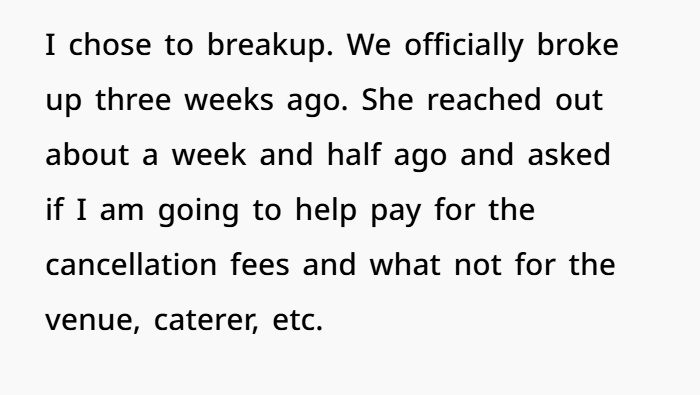
After the breakup, his ex-fiancée asked him to help with the costs caused by cancelling the wedding. The bills included the wedding location, food services, and other planning expenses.
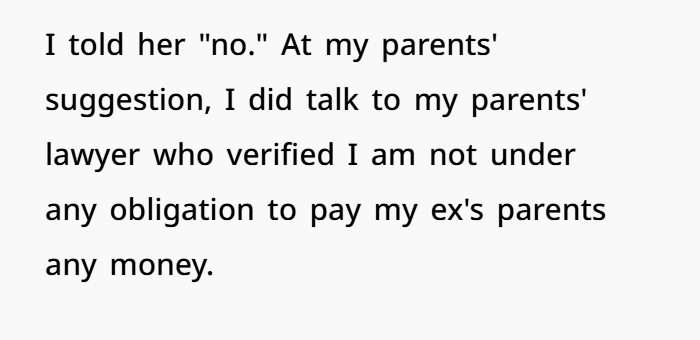
The man refused to pay. He said he was not responsible for the wedding cancellation fees and spoke with a lawyer who confirmed that he did not have a legal obligation to make the payment.
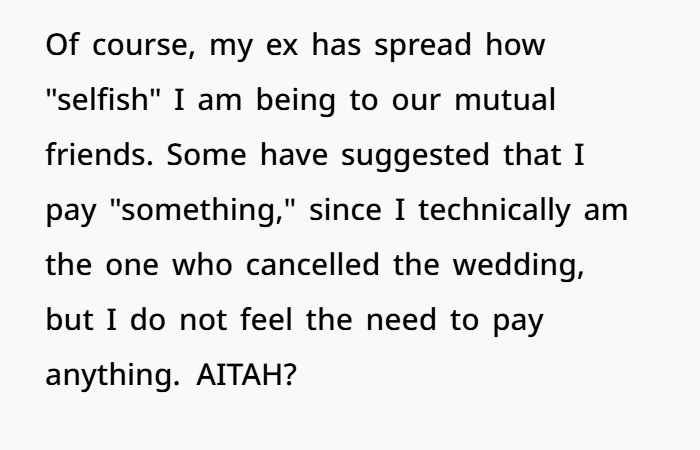
Now, some mutual friends believe he should contribute because he was the person who called off the wedding. His ex-fiancée has also called him selfish.

Wedding cancellations can become complicated very quickly. A couple may spend thousands of dollars planning their big day, and when the relationship ends, the question of who pays the wedding cancellation fees often creates more conflict.
In this case, the engagement ended after a major disagreement about buying a family property. The man did not feel comfortable moving forward with marriage after the situation, so he suggested postponing the wedding.
His fiancée did not want to delay the ceremony. Instead, she made it clear that the wedding would happen in October or the relationship would end. After thinking about it, he chose to end the engagement.
The breakup itself was painful, but the financial issue created another fight.
Who Usually Pays for Wedding Cancellation Costs?
When a wedding is cancelled, couples often have to deal with lost deposits, vendor payments, and other wedding planning expenses. These costs can include:
- Wedding venue deposits
- Catering fees
- Photography contracts
- Decorations
- Wedding invitations
- Travel arrangements
According to consumer advice sources like The Knot Wedding Planning Resources, wedding contracts usually explain cancellation rules and whether deposits can be refunded. Many vendors keep deposits because they have already reserved the date and turned away other customers.
However, there is not always a simple rule that says one person must pay everything after a breakup.
Does Ending the Engagement Mean He Has to Pay?
This is where opinions become divided.
Some people believe that because he was the one who officially ended the relationship, he should help cover some of the financial loss. From that point of view, his ex-fiancée and her parents spent money expecting the wedding to happen.
Others argue that getting married is a shared decision. If one person no longer feels ready or believes the marriage may fail, forcing the wedding to continue could create bigger problems later.
Marriage experts often point out that delaying or ending a wedding before marriage can be better than entering a marriage where one person has serious doubts.
The Role of the House Disagreement
The disagreement about buying the grandmother’s house seems to be the turning point in the relationship.
Buying a home is a major financial decision. Many couples spend months discussing property ownership, mortgages, and long-term plans before making such a commitment.
According to financial planning guidance from organizations like Investopedia Real Estate and Personal Finance Guides, major purchases before marriage should usually involve careful discussions about finances, ownership, and future goals.
For this couple, the argument was not only about a house. It appears to have raised deeper concerns about whether they could make important decisions together.
Was Refusing to Pay Unfair?
The biggest criticism against the man is that his decision caused the wedding to be cancelled, leaving his ex-fiancée’s parents with expenses.
That argument is understandable. Weddings can cost a lot of money, and parents often contribute because they expect the celebration to happen.
But there is another side.
He did not cancel the wedding because he simply changed his mind at the last minute. He had concerns about the relationship and suggested postponing instead of immediately ending things.
His ex-fiancée also played a role in the final decision by refusing to delay the wedding and making marriage an immediate choice.
Because both people were involved in the relationship ending, many would argue that the financial responsibility is not automatically his alone.
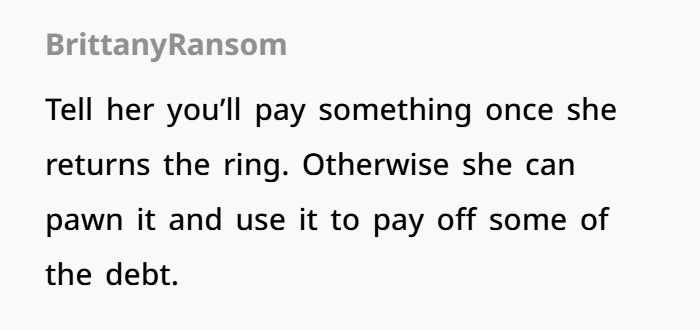
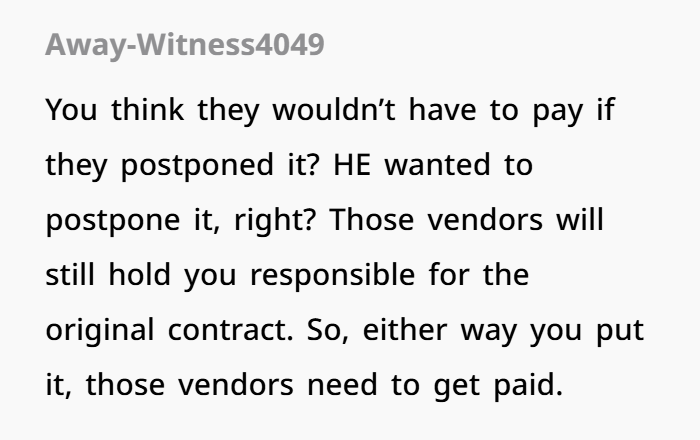
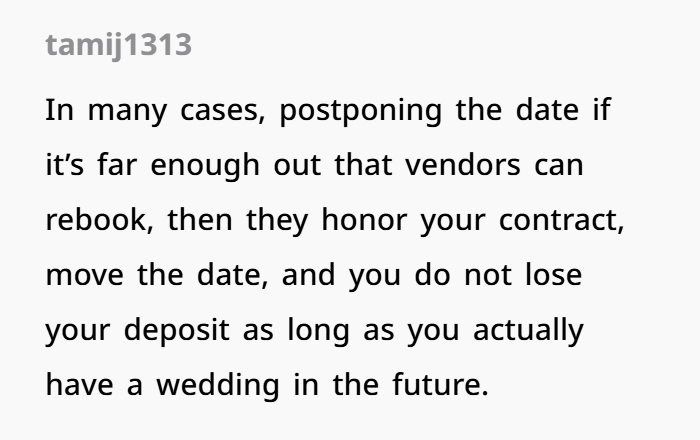
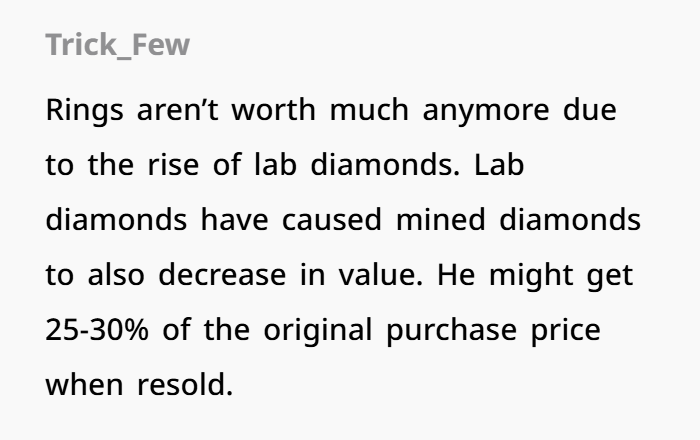
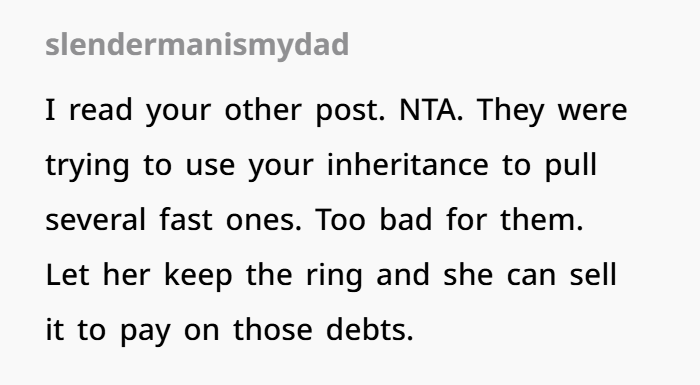
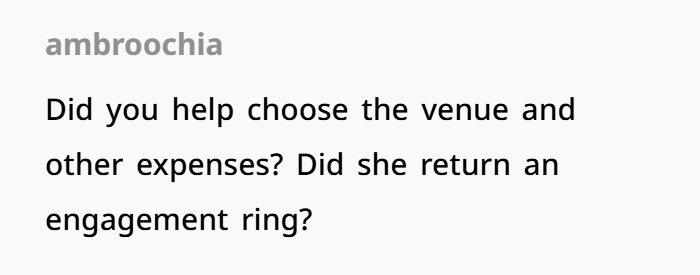
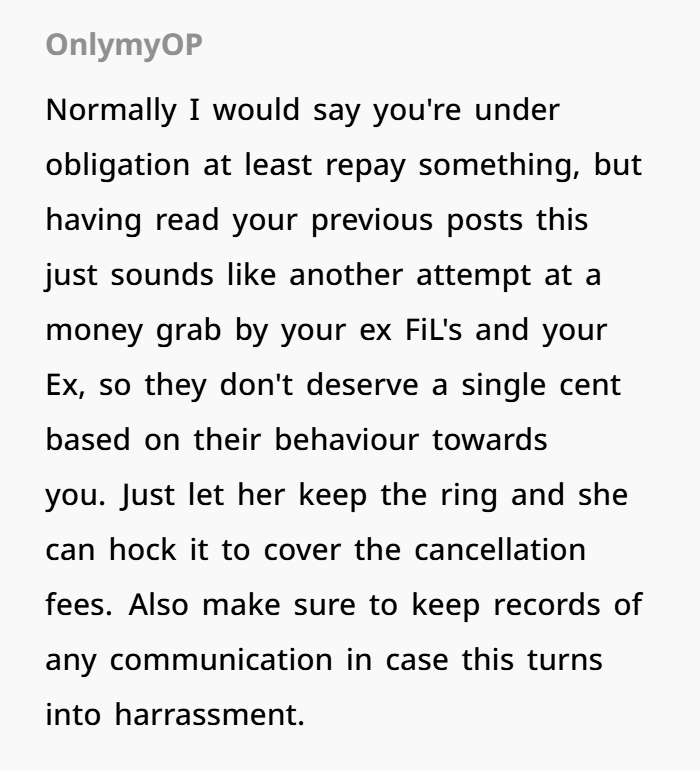
See the comments to know what people said

This situation is difficult because there is no way for everyone to walk away completely happy.
His ex-fiancée and her parents likely feel hurt because they lost money on a wedding that never happened. At the same time, he may feel that paying thousands of dollars for a cancelled wedding would be unfair after choosing not to enter a marriage he no longer trusted.
The question is not only about money. It is about whether someone should be financially responsible for ending a relationship when continuing that relationship may have led to bigger problems later.
Some people may feel he should offer a partial payment as a gesture of goodwill. Others may believe he has no obligation after making the difficult choice to end the engagement.
In the end, the decision depends on personal values, the couple’s agreements, and how they handled the breakup.