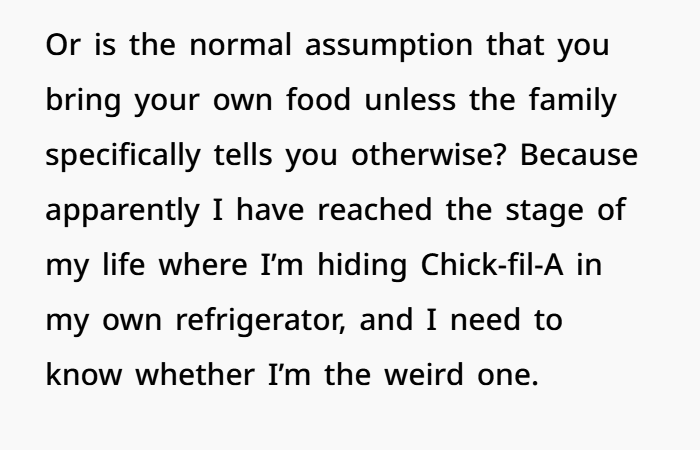
My Nanny Keeps Eating Our Food — So I Started Hiding Chick-fil-A in My Own Fridge
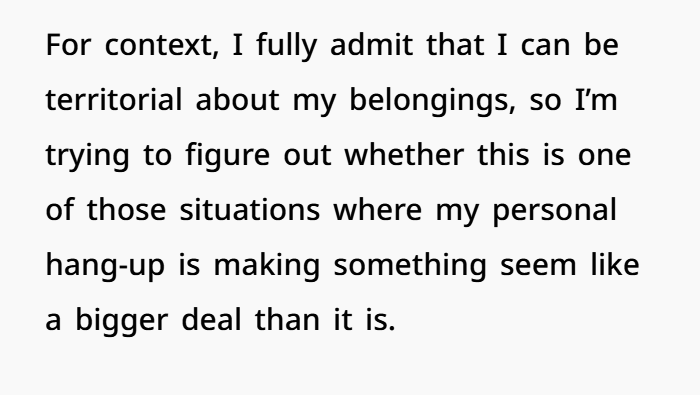
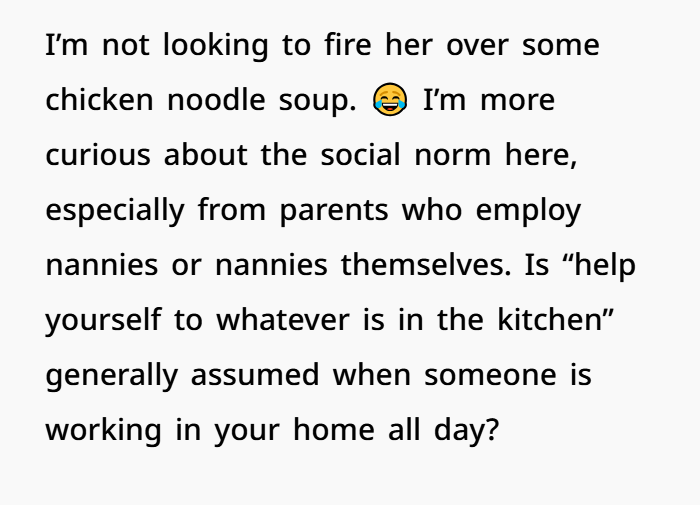
A family is trying to handle an uncomfortable situation with their nanny. The nanny takes good care of their child and has always seemed helpful and trustworthy. However, the family has noticed that the nanny regularly eats food from their kitchen without asking for permission.
In the beginning, the family felt that small items like drinks, snacks, or basic kitchen supplies were not a big issue. But their feelings changed when the nanny started eating prepared meals, leftovers, and food that was purchased for the family’s own use. The parent felt that this went beyond normal sharing.
The biggest concern came when the parent started hiding leftover food to make sure it would still be there later. This made them question whether they were setting a reasonable household boundary or making the issue bigger than it needed to be.
The parent and their spouse had different views about the situation. The spouse felt the nanny may have believed eating the food was acceptable because no one had explained a clear rule. The experience shows how important communication and clear expectations are in a home workplace.

Nanny Food Rules and Home Workplace Boundaries: What Families Should Know
A nanny relationship is different from many other jobs because the work happens inside a family’s home. A home is a personal space, but it is also a workplace for the caregiver.
Because of this, some rules that feel obvious to one person may not be clear to another.
A nanny may become part of the family’s daily routine while still being an employee with specific responsibilities. This is why talking about expectations early can help create a positive and professional working relationship.
Why Household Rules Can Become Confusing
In a regular office, most boundaries are easy to understand. Employees know what belongs to the company and what belongs to other people.
A home is different.
A nanny works around family belongings, personal items, and daily routines. Sometimes this can make it difficult to know what is shared and what is private.
For example, a parent may say, “Make yourself at home,” because they want the nanny to feel comfortable.
The nanny may understand this as permission to use food and drinks in the kitchen.
The family, however, may only mean that the nanny can have coffee, water, or certain snacks.
Both sides may have good intentions but different expectations.
Food Rules Are Different for Every Family
There is no single rule that works for every nanny arrangement.
Some families are comfortable sharing most food in the kitchen. They may consider the nanny part of the household routine and encourage them to eat meals or snacks while working.
Other families prefer to keep meals separate and expect the nanny to bring their own lunch unless food is offered.
Both choices are normal.
The most important thing is having clear communication.
A professional nanny agreement can include details about:
- Meals during working hours
- Snacks and drinks
- Kitchen access
- Break times
- Household routines
- Personal food preferences
Discussing these topics early can prevent misunderstandings.
Permission Is Different From Assumption
Many problems happen when people make assumptions.
A family may say, “Help yourself to anything in the kitchen.” The nanny may believe this means all food is available.
But some families may only mean certain items, such as fruit, coffee, or packaged snacks.
Prepared meals, leftovers, and special foods may feel different because someone in the family may have saved them for a specific reason.
The simple difference is permission.
If food is clearly offered, it becomes a shared item. If food belongs to a specific person or was prepared for a planned meal, it is usually better to ask first.
A Similar Example From the Workplace
This situation is similar to sharing resources in an office.
Most employees would not open a coworker’s lunch box or take food from someone’s personal drawer without asking.
However, snacks placed in a common office area are usually understood to be available for everyone.
The same idea can apply in a home.
Food that is offered openly can be shared. Personal items should be respected.
Nannies Are Employees, Not Guests
A nanny provides important childcare services and support to a family. They are not simply visiting the home.
Because they spend many hours caring for children, some families choose to provide meals, snacks, or drinks during working hours.
This can be part of being a thoughtful employer.
However, providing basic food access does not always mean every item in the kitchen is available.
A family may have simple household guidelines, such as:
- “You are welcome to use coffee and snacks.”
- “Please ask before eating prepared meals.”
- “You can use anything from this specific pantry shelf.”
Clear rules help both families and caregivers feel comfortable.
How to Solve Food and Boundary Problems
When disagreements happen, the best solution is usually a calm conversation.
The focus should not be on one specific item of food. Instead, families and caregivers should discuss the overall expectations.
A simple conversation could be:
“We realized we never discussed kitchen rules. We are happy for you to have drinks and snacks while you are working, but please check with us before eating prepared meals or leftovers.”
This creates a clear boundary while keeping the relationship respectful.
Why Good Communication Matters
The main issue in these situations is often not the food itself.
The problem is that two people may understand the rules differently.
The nanny may believe they were following an open invitation. The family may believe certain items were still personal.
Clear employee expectations, good household management, and respectful workplace communication can help prevent these misunderstandings.
Final Thoughts
A successful nanny arrangement depends on trust, respect, and clear communication.
Families should explain household rules, and caregivers should feel comfortable asking questions when something is unclear.
Simple conversations about food, breaks, and home routines can create a better professional relationship and a more comfortable environment for everyone.
See The Comments Below