Strangers Took My Beach Chairs and Cooler, Then Told Me “Finders Keepers”
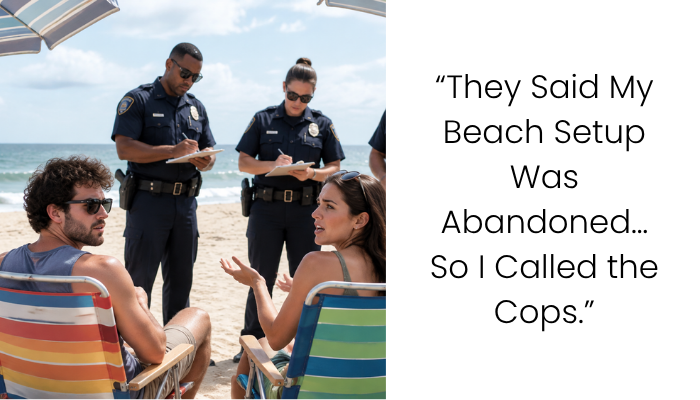
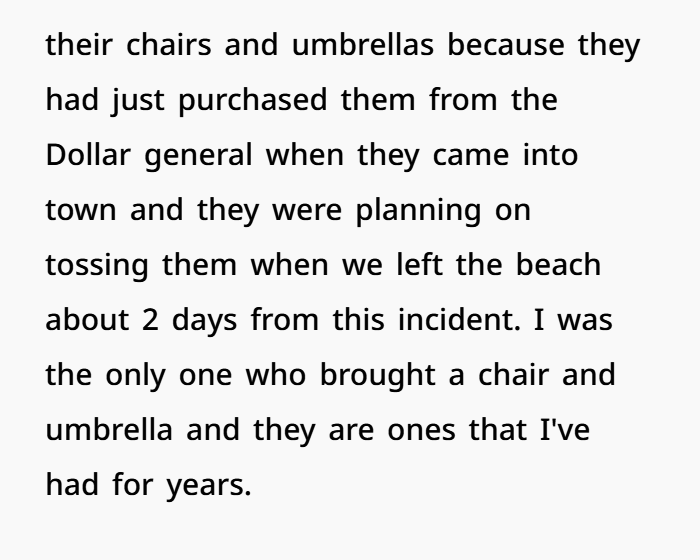
A family disagreement took place at a beach where a group of friends was spending their vacation. The beach was quiet because it was the off season, and their rental home was close by. They often left their beach chairs, umbrella, and cooler on the sand while taking a break for lunch because they planned to return soon.
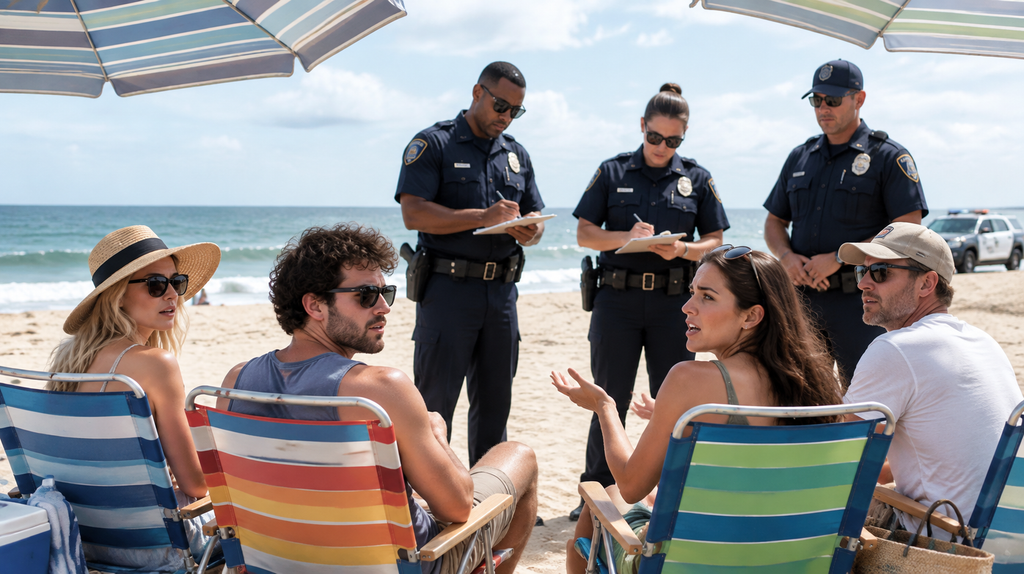
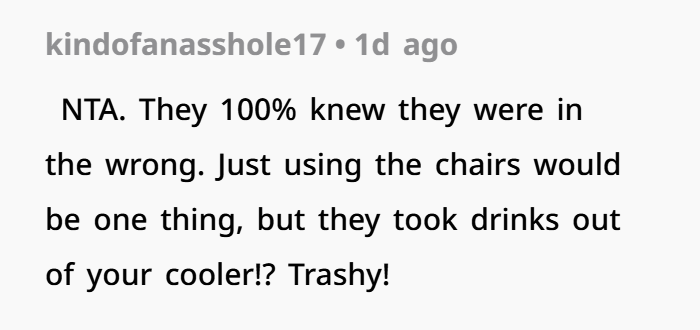
When they came back one afternoon, they noticed another family using their beach equipment. The family was sitting on their chairs and taking drinks from their cooler. They explained that they believed the items were abandoned because no one was around at the time.
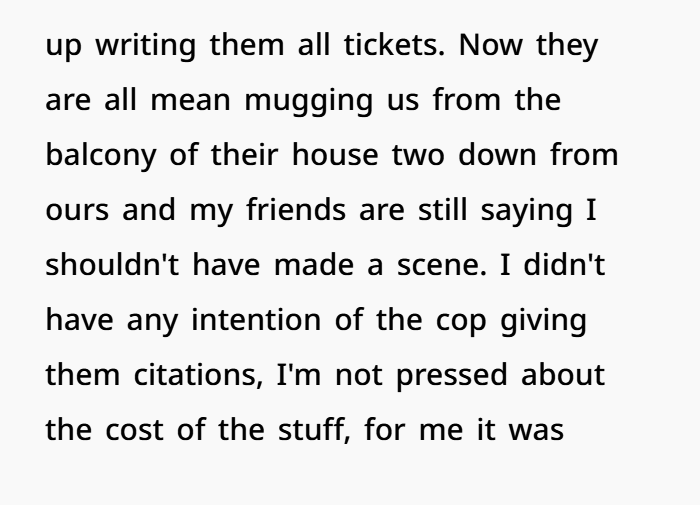
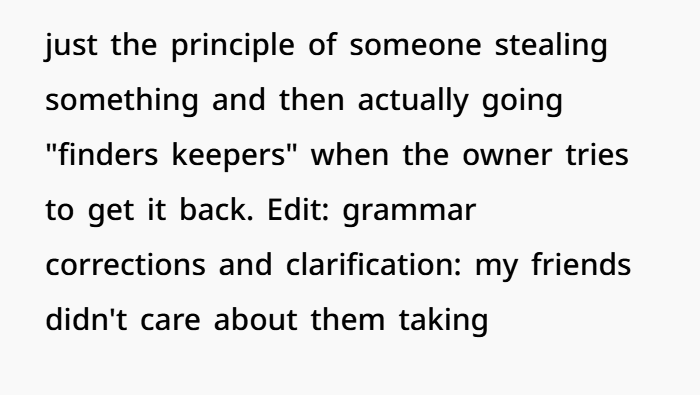
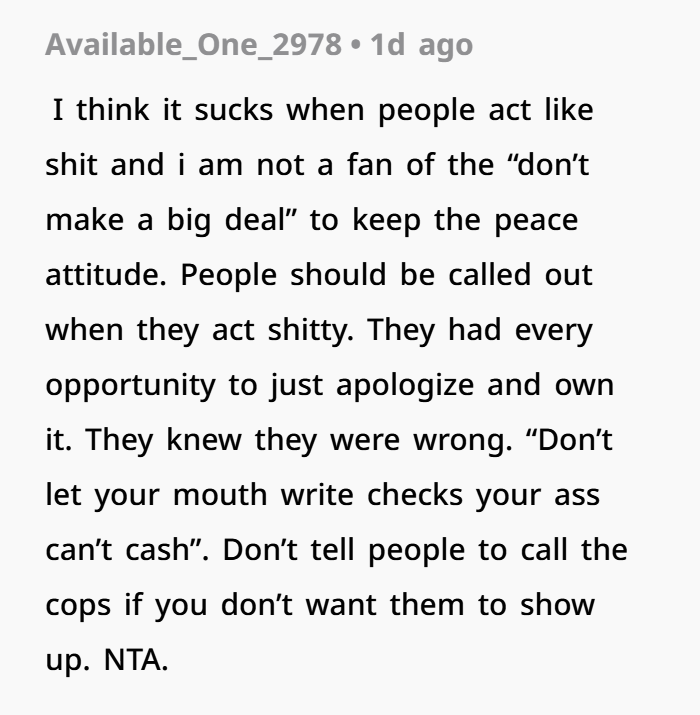
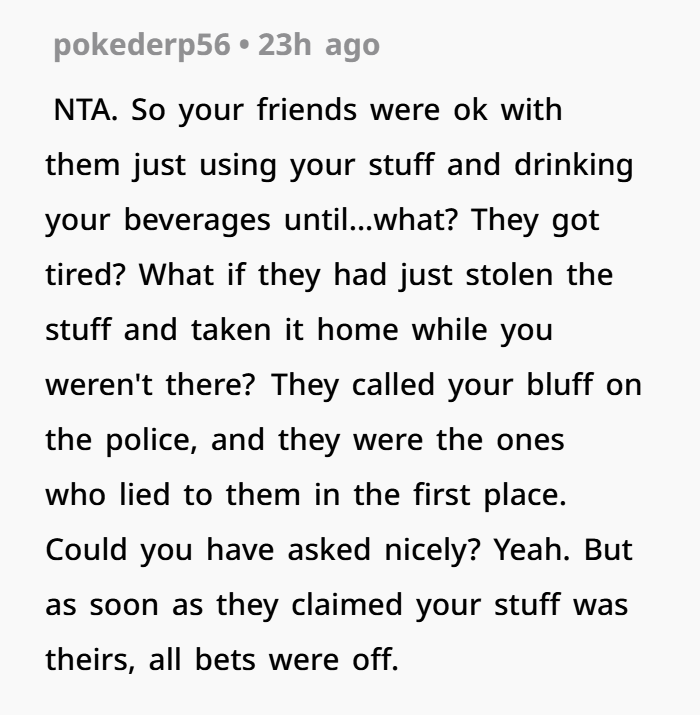
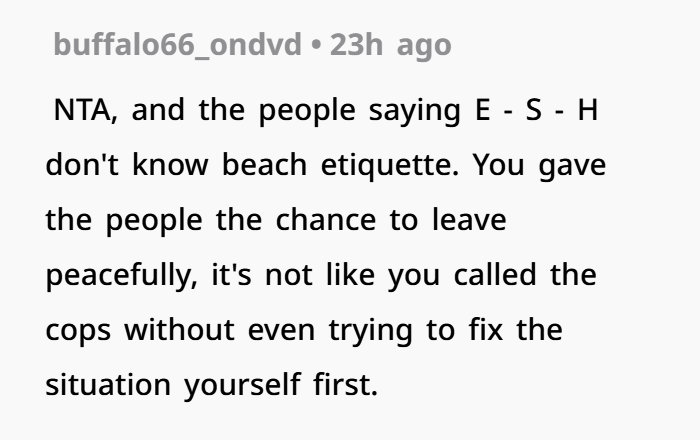
The owners did not agree with that explanation and asked the family to return their belongings. The family responded that unattended items could be considered free to take and suggested contacting the police if there was a problem. The narrator chose to contact local authorities to help solve the disagreement.
During the conversation, the family said the items belonged to them, but the narrator showed proof that the beach chair had personal markings. The belongings were returned, and the family received citations related to the incident. The situation created different opinions among the friends, with some supporting the decision and others feeling a calmer discussion may have worked.
Does Leaving Something Behind Make It Abandoned? Understanding Property Ownership
Many people believe in the saying “finders keepers.” It sounds simple: if you find something, you can keep it. But real-life situations are often different.
Leaving an item somewhere does not always mean the owner has given it up. The most important thing to understand is whether the person truly abandoned the item or simply left it there temporarily.
This topic often comes up with personal belongings left in public places like beaches, parks, pools, or other shared areas.
Not Every Left Item Is Abandoned
Imagine someone leaves a beach chair, umbrella, or cooler on the sand while they go home for lunch or take a short break.
That does not necessarily mean they no longer want the item.
They may plan to return later.
An item is usually considered abandoned when the owner intentionally leaves it behind and does not expect to get it back.
The difference between a forgotten item and abandoned property often depends on the owner’s intention.
Understanding Lost, Misplaced, and Abandoned Property
Personal belongings can fall into different categories.
Lost Property
Lost property means something was accidentally lost.
For example, someone may drop their phone, wallet, or sunglasses and not know where they left them.
Misplaced Property
Misplaced property is something a person intentionally puts somewhere but later forgets about.
For example, someone may leave a bag on a bench and walk away without remembering to take it.
Abandoned Property
Abandoned property is something a person chooses to leave behind because they no longer want it.
The key difference is that the owner has decided to give up their connection to the item.
Why Details Matter in Property Disputes
When people find an unattended item, they often look at the situation around it.
Several things can help explain whether an item was abandoned:
- How long it has been left there
- Whether the area looks like it is being used
- Whether personal belongings are nearby
- Whether there are signs the owner may return
- Whether the item has a name or contact information
For example, a beach chair sitting next to a cooler, towel, and personal items may suggest that someone is still using the space.
A damaged item left alone for a long time may create a different impression.
Public Spaces Have Rules Too
Beaches and parks are public spaces that belong to everyone. Because of this, many cities and local areas have rules about leaving personal belongings unattended.
Some places do not allow people to leave chairs, umbrellas, tents, or other equipment overnight.
These rules help with:
- Public safety
- Cleaning and maintenance
- Keeping walkways and shared areas clear
- Making sure public spaces are available for everyone
However, there is usually a difference between leaving something for a short time during the day and leaving it behind for an extended period.
Why Taking Someone’s Belongings Can Create Problems
A person who finds an item may believe it has been abandoned. However, making quick assumptions can lead to unnecessary conflict.
If an item appears valuable or has signs that an owner can be identified, a better approach is to try to return it or report it.
Simple actions can help:
- Check for a name or contact details
- Ask people nearby if they know the owner
- Contact local staff or authorities if needed
These steps can prevent misunderstandings.
When Property Disagreements Become Serious
A simple disagreement about a found item can become more complicated when people make strong claims without knowing the full story.
There is a difference between saying, “I found this item,” and claiming, “This belongs to me,” without proof.
Property ownership disputes can become stressful for everyone involved. Staying calm and focusing on facts is usually the best way to handle these situations.
Respecting Personal Property in Shared Areas
Public places work best when people respect each other’s belongings.
Many people follow an informal rule: leave unattended items alone unless there is a clear reason to believe they have been abandoned.
At the same time, people using public areas should also take responsibility for their belongings. Leaving valuable items unattended for long periods can increase the chance of loss or confusion.
How to Avoid Property Conflicts
A few simple steps can help protect personal belongings:
- Write your name or contact information on valuable items
- Avoid leaving belongings unattended for too long
- Learn local rules for beaches and public areas
- Communicate clearly when sharing spaces
- Keep important items with you whenever possible
Small precautions can prevent bigger problems.
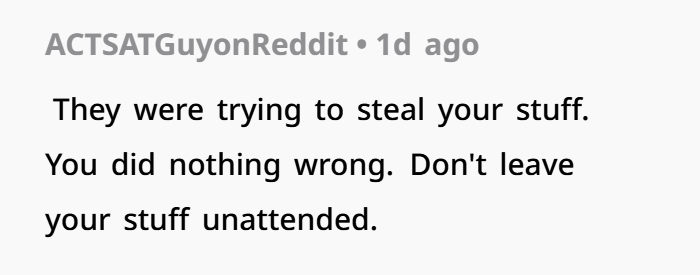
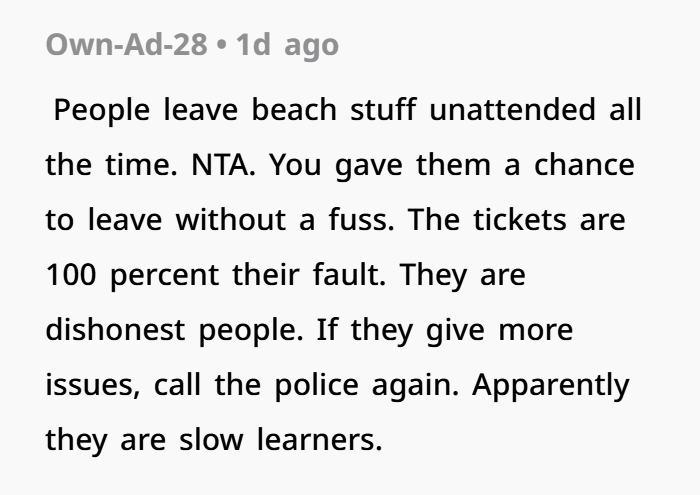
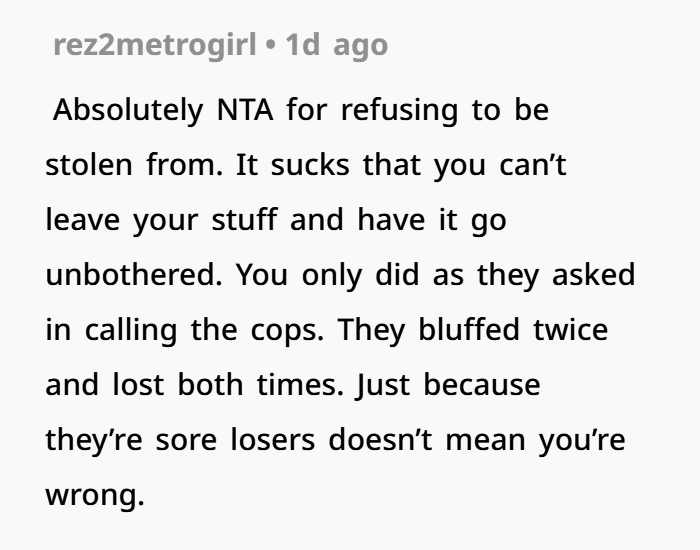
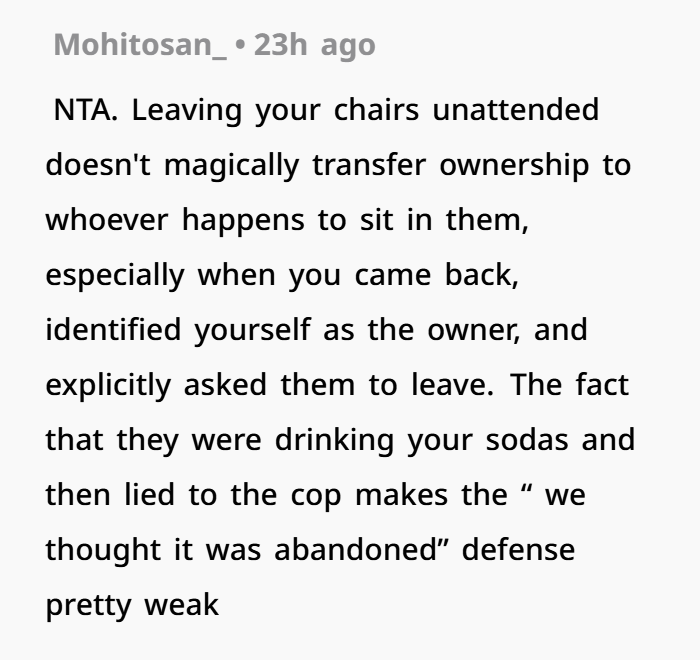
Readers’ Comments Speak Out
Final Thoughts
The idea of “finders keepers” may sound easy, but ownership questions are often more complicated.
An item left somewhere is not automatically abandoned. The situation, the owner’s intention, and the surrounding details all matter.
Respecting personal property rights, following public space rules, and practicing good community etiquette can help prevent conflicts and create safer shared spaces for everyone.