Should I Take My Depressed Wife Back After She Left Me? My Struggle and Realization
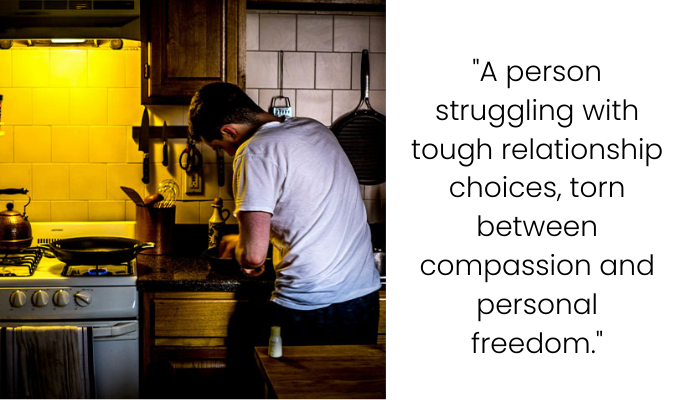
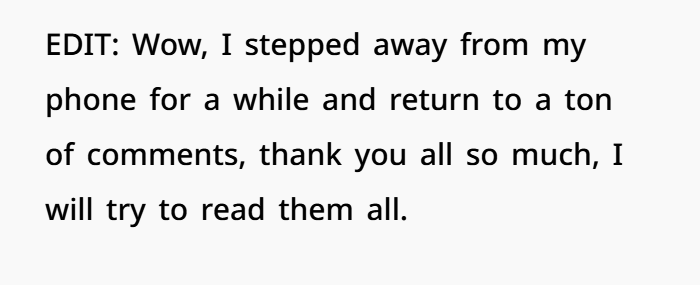
I was married to my wife, “Denise” (not her real name), for seven years. We were together for two years before we got married. In the beginning, everything felt happy. After our wedding, she started dealing with depression. Over time, our relationship changed. I took care of most of the cooking, cleaning, and daily tasks while also trying to support her mental health. It became very stressful, and I slowly felt tired and unhappy.
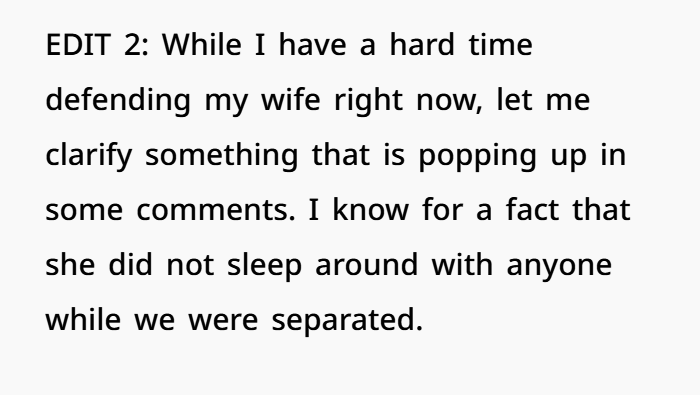
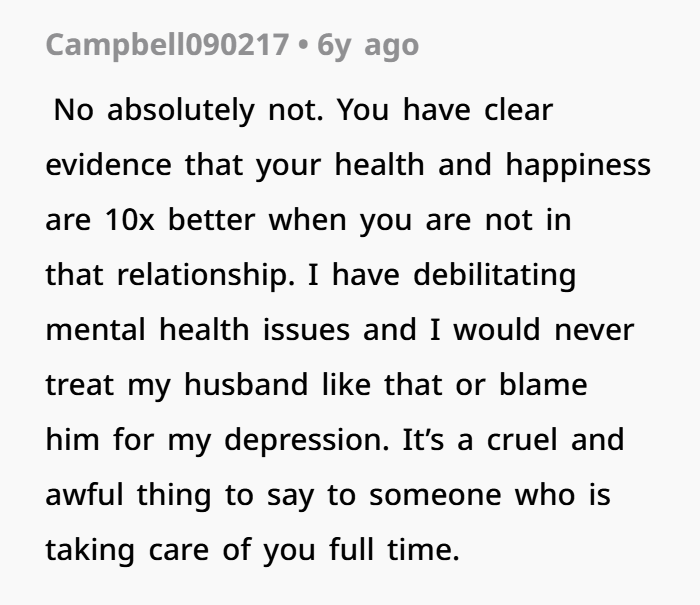
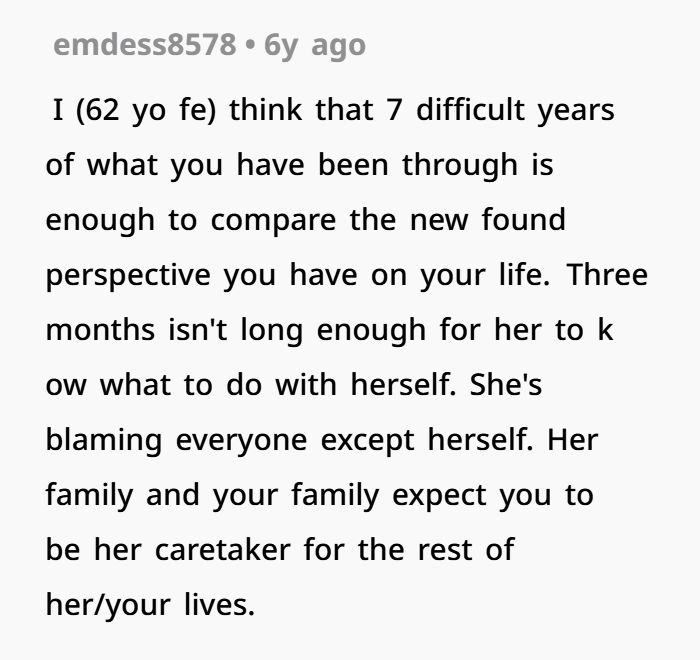
Three months ago, Denise left me. She said that after going to therapy, she believed I might be part of the reason for her depression. She wanted time away to focus on her emotional health. I tried everything to save our marriage. I begged her to stay and hoped she would change her mind, but nothing worked. Looking back now, I can see that I had been carrying too much responsibility for a long time.
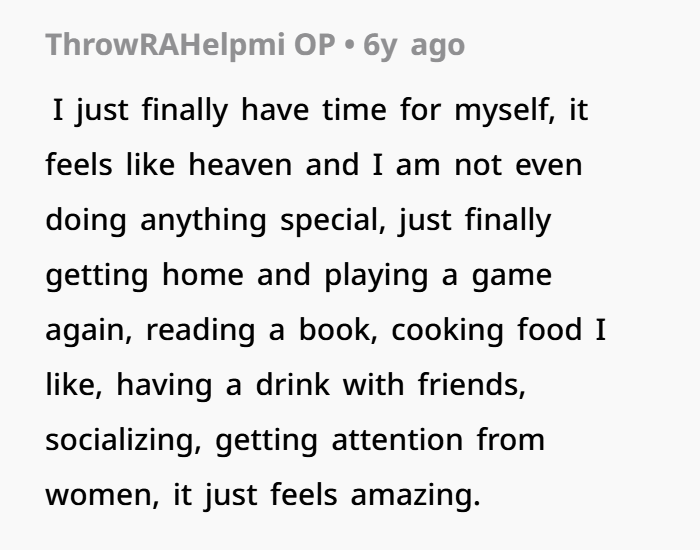
After some time, my life started to feel different. I spent more time with friends, enjoyed my hobbies again, and focused on my own mental wellness. I felt more relaxed and more like myself. I realized how much I had changed during the marriage and how important it is to have a healthy relationship where both people support each other. Taking care of my emotional well-being became my main priority.
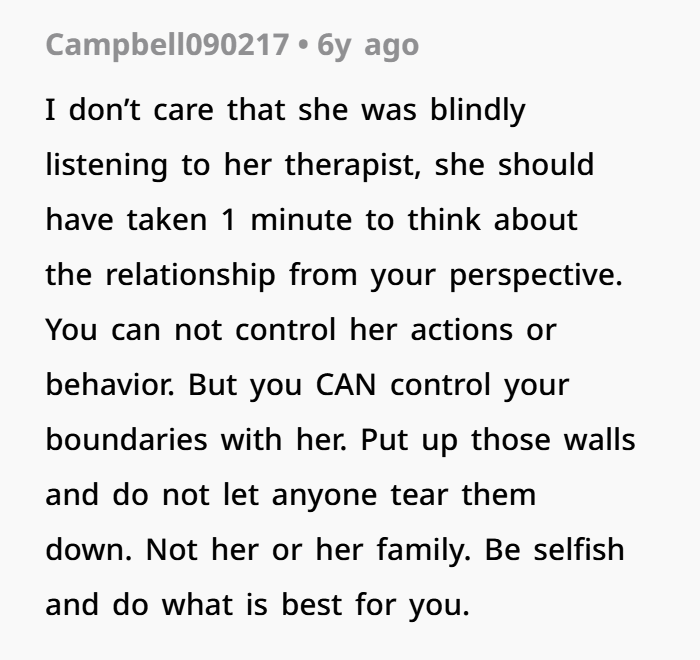
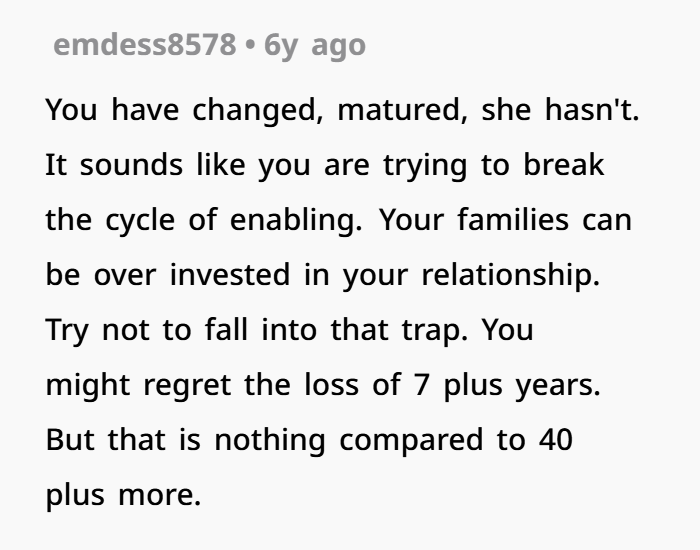
Now, Denise wants to come back. She has apologized and says leaving was a mistake. I feel sorry that she is still having a hard time, but my feelings have changed. My family believes I should give the marriage another chance, but I do not think going back is the right choice for me. I know this decision is difficult, but I believe choosing my own happiness, mental health, and future is the best path forward.
Yet, after some time, she came back to him with an interesting request

My Marriage Was Harder Than I Ever Expected
From the start of our marriage, Denise struggled with depression. I knew it was a real mental health condition, and I wanted to help her. I tried my best to be a caring husband and support her every day.
I worked full-time and also took care of most things at home. I cooked, cleaned, paid the bills, and handled almost everything. She was not able to do much because of her depression, and I understood that.
As the years passed, our relationship slowly changed. We stopped spending quality time together. We rarely laughed, hugged, or showed affection. Our marriage started to feel more like two people living in the same house instead of a husband and wife building a life together.
I Slowly Lost Myself
For a long time, I believed things would get better. I stayed hopeful because I loved her.
But nothing really changed.
Even spending time with friends became difficult. If I went out, she often called me because she felt anxious or scared. I started saying no to many things I enjoyed because I always felt responsible for her.
Over time, I stopped feeling like a husband. I felt more like a full-time caregiver.
That was one of the hardest parts.
I also began to feel lonely. I didn’t feel loved, appreciated, or emotionally supported. I tried talking about how I felt many times. Her answer was usually the same.
“I’m sorry. I just can’t do it right now.”
I knew she was hurting, but I was hurting too.
When Everything Changed
One day, Denise left.
At first, I was confused and heartbroken. I spent weeks calling her, asking what went wrong and wondering if I had made a mistake.
Then something unexpected happened.
I started feeling lighter.
For the first time in years, I could breathe. I spent time with friends, enjoyed my hobbies, and remembered the person I used to be before my marriage became so difficult.
That gave me time to think.
I realized my unhappiness wasn’t caused by one argument or one bad day. It had been building for years because our relationship had become one-sided.
I had given everything I had.
There was nothing left for me.
A Difficult Decision
A while later, Denise called me.
She was crying and said she was sorry. She asked me to give our marriage another chance. She said she loved me and wanted to come back.
For a moment, I thought about saying yes.
But the more I thought about it, the more I realized I could not return to the life we had before.
I couldn’t go back to feeling exhausted every day.
I couldn’t go back to always putting my own needs last.
That was one of the hardest decisions I have ever made.
Living With Guilt
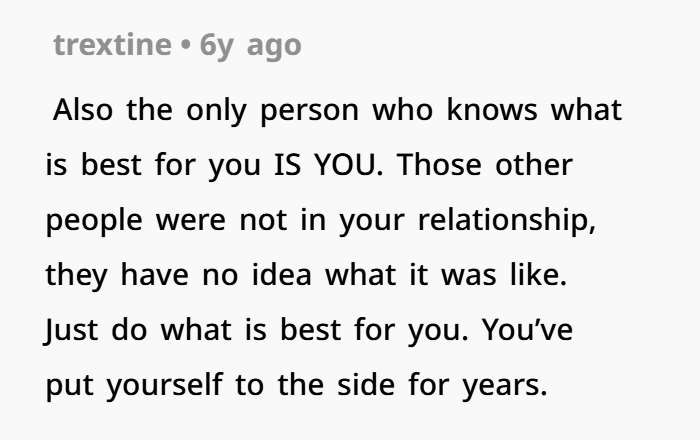
Some of my family members believe I should take her back.
They remind me that marriage is not always easy. They say depression is an illness and that she needs my support.
I understand why they feel that way.
Depression is real, and it deserves kindness, proper treatment, and professional mental health care. But I also learned that one person cannot carry the entire weight of a relationship forever.
A healthy relationship needs care, respect, effort, and support from both people.
I reached a point where I had nothing left to give.
Choosing My Own Mental Health
Sometimes people ask if I am giving up on someone who is struggling.
That question still makes me feel guilty.
But I have learned an important lesson.
Caring about someone does not mean you must ignore your own mental health and emotional wellness.
I am not a therapist. I am not a doctor. I am simply a person who also needs love, support, and happiness.
Looking after myself does not mean I don’t care about Denise.
It means I finally understand that my well-being matters too.
“When she was gone, for a while, I actually felt happy,” the husband admitted guiltily
Looking Ahead
I still have moments when I question my decision.
Healing takes time.
But deep down, I know I made the choice that was right for me.
Every relationship is different, but I believe a marriage should bring love, trust, companionship, and support into both people’s lives.
If you are facing a difficult relationship, remember that your feelings matter too. Supporting someone through mental health challenges is important, but so is protecting your own emotional health.
Sometimes moving forward is not about giving up.
Sometimes it is about making space for healing, hope, and a healthier future.