Influencers Kicked Out of Luxury Hotel After Using It for Photoshoot, Then Slam the Venue Online

Years ago, I worked the night shift at a hotel, helping guests who arrived late and those leaving early in the morning. Working in hospitality was an eye-opening experience because I met people from many different places. Every guest had a different reason for traveling, and many of their stories were unforgettable.
The most enjoyable part of the job was meeting travelers from all walks of life. I saw couples celebrating special moments, families taking vacations, and groups of friends exploring new destinations. It was amazing to see different cultures and learn how people enjoy their travel experiences.
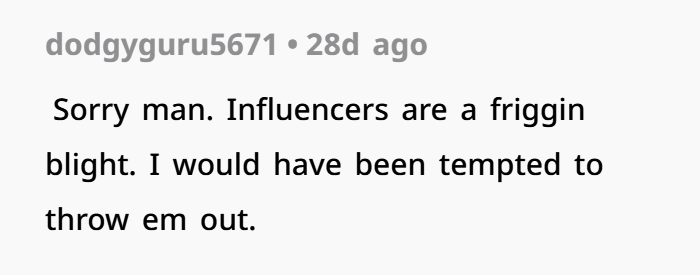
However, working with guests also came with challenges. Most people were polite and understanding, but sometimes a guest expected extra benefits just because they had paid for a room. In some cases, people also wanted special attention because they were known online or had a large social media presence.
The hotel industry teaches you a lot about customer service, guest relationships, and professional communication. Behind every hotel front desk is a team working to create a safe, welcoming, and comfortable experience for visitors. Many hotel stories remind us that every guest interaction can be surprising and memorable.

Hotel Sets New Rules After Social Media Creators Ask For Free Access
Social media has changed the way people discover hotels, restaurants, and travel destinations. Beautiful spaces often become popular online because visitors share photos and videos from their trips. However, one boutique hotel recently faced a challenge when too many content creators started asking to use the property for free.
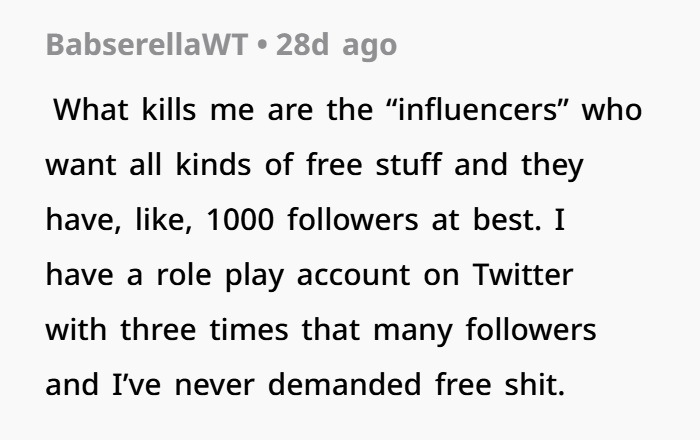
A hotel employee shared that many influencers regularly contacted the business through social media. The employee, who helps manage the hotel’s online accounts, said many requests were for free stays, discounted services, or permission to create content inside the hotel.
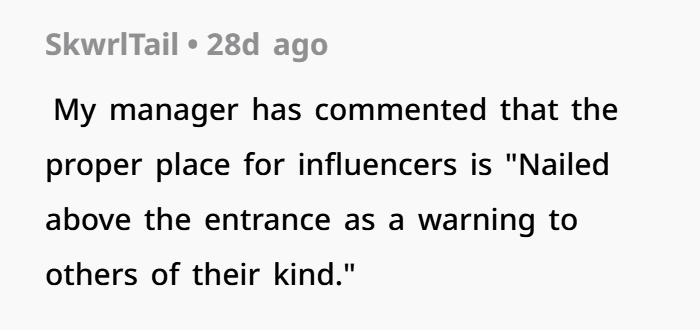
The hotel owners decided not to work with influencers because they wanted to maintain a clear business policy. They preferred focusing on regular guests and providing a comfortable experience for paying customers.
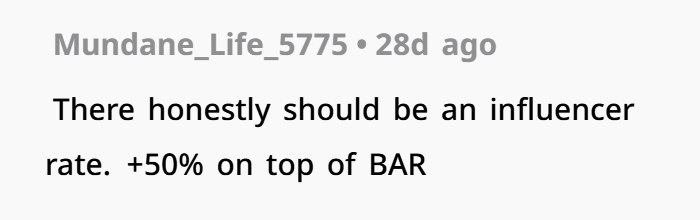
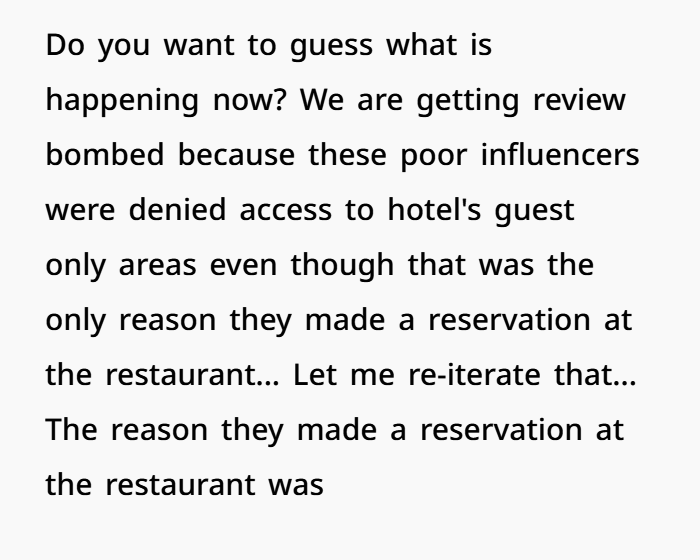
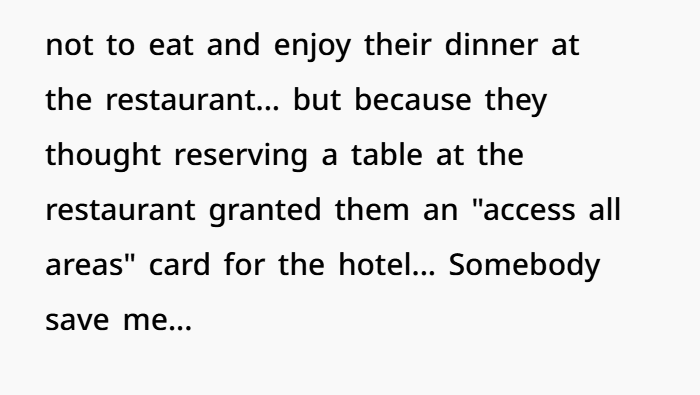
According to the employee, some creators did not even want to book a room. Instead, they wanted to visit the hotel only for photoshoots. Some would bring multiple outfits and luggage to create fashion content while paying for only a short stay.
Others asked for special access, including drone videos or entry into areas that were meant only for hotel guests. The employee explained that the hotel is a private property, and guest privacy must always come first.
The biggest issue happened when some restaurant visitors assumed that buying a meal gave them access to the entire hotel. Management had to remind visitors that restaurant areas and guest-only spaces have different rules.
To protect hotel guests, the owners created new access rules during busy restaurant hours. The changes helped maintain privacy and improve the customer experience, but they also caused some negative reactions online.
Some social media users complained about the restrictions and shared unhappy reviews. The hotel employee said the situation became frustrating because the team wanted to welcome visitors while also protecting the comfort of paying guests.
The situation highlights a growing challenge in the hospitality industry. Many hotels now create beautiful interiors because social media exposure can help attract new customers. A well-designed hotel space can become a powerful digital marketing tool.
However, businesses also need clear policies for social media visits. While influencer marketing can help brands reach new audiences, companies must balance promotion with guest satisfaction, brand reputation, and daily operations.
The creator economy continues to grow, and many people now create online content. But successful partnerships usually require professional communication and a clear agreement that benefits both sides.
For hotels and other businesses, maintaining a strong online reputation means focusing on quality service, customer experience, and smart marketing decisions.
Readers’ Comments Speak Out