He Survived the Accident, But I Lost the Man I Knew
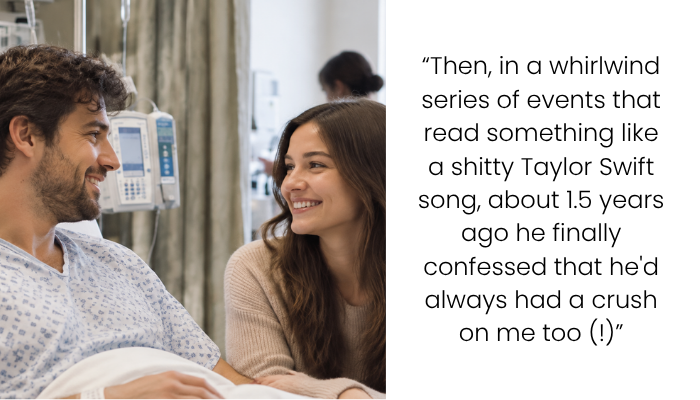
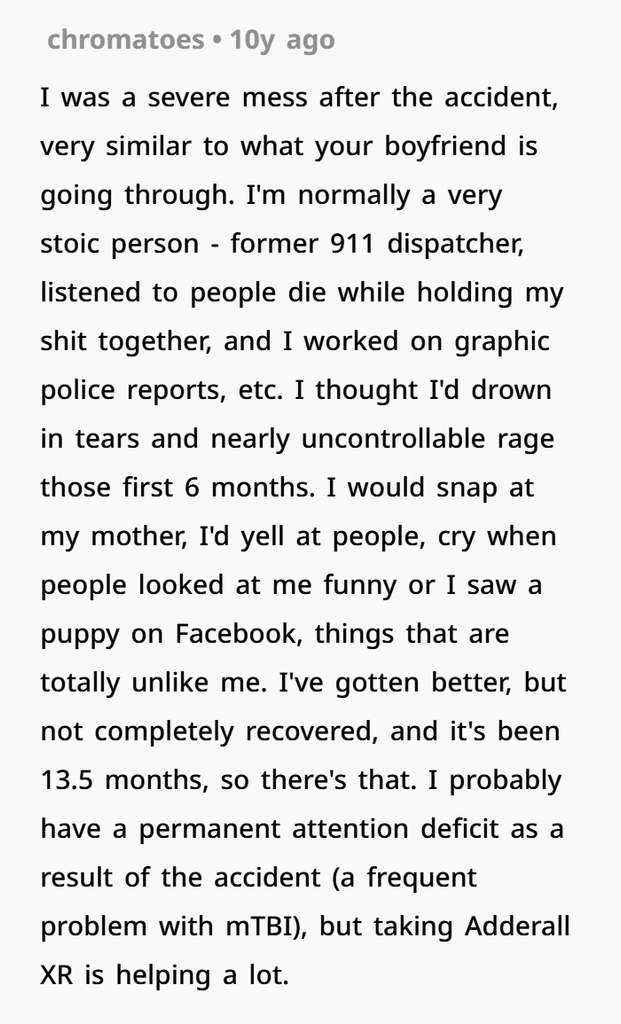
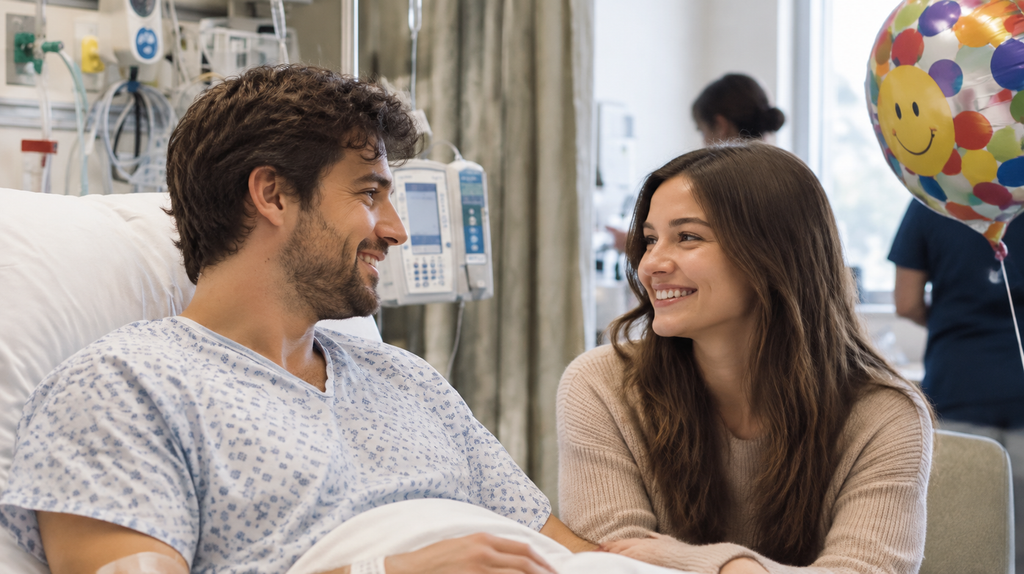
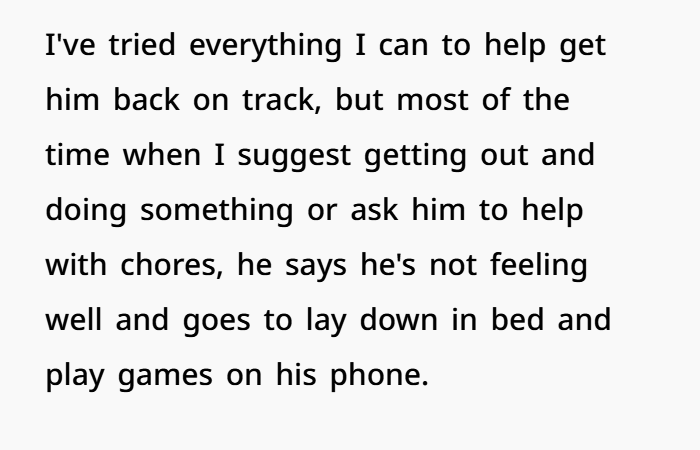
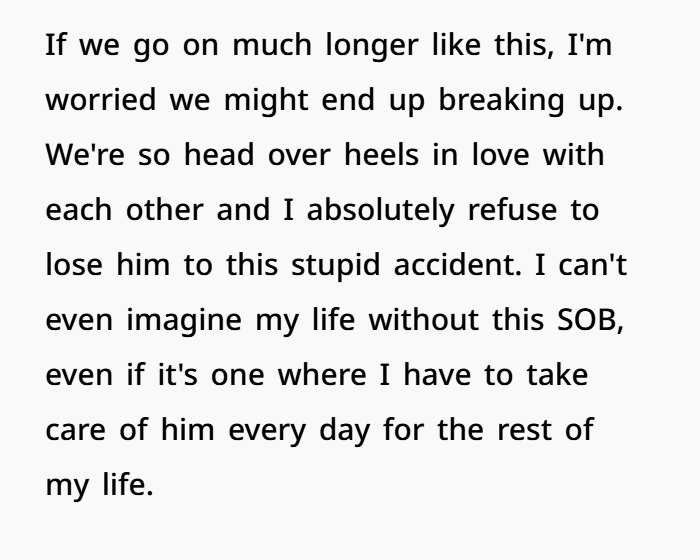
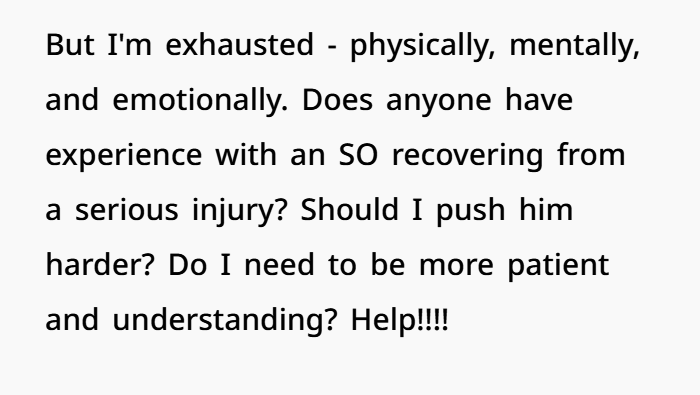
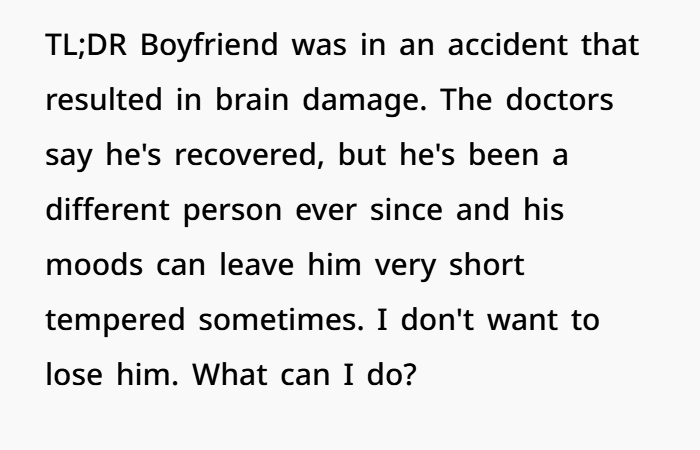
This story follows a woman who must rebuild her life after her partner suffers a severe brain injury caused by an unexpected accident. For years, they were best friends and partners who shared love, trust, and a deep emotional connection. Their relationship seemed strong and full of hope before everything changed.
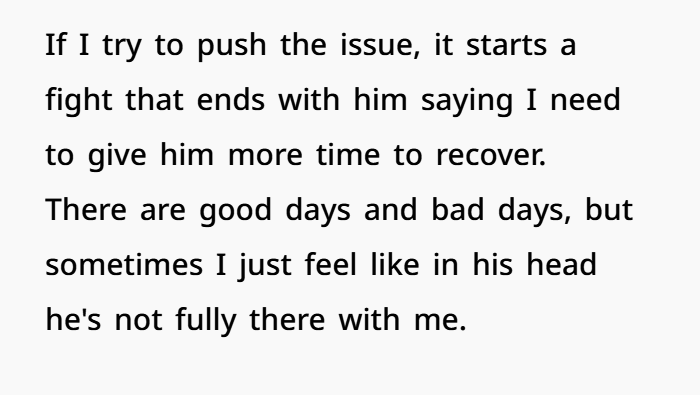
After the accident, the healing journey becomes more complicated. Although his physical health improves, she notices that his behavior, emotions, and daily routines have changed. The experience shows that some health challenges are not always visible and that brain injuries can impact relationships, mental wellness, and quality of life.
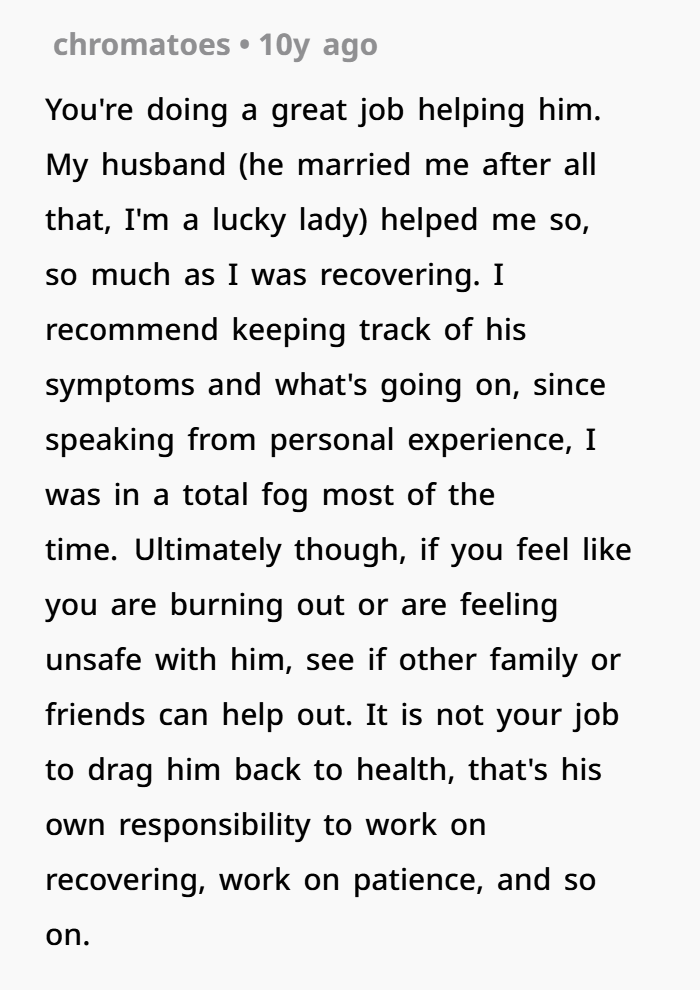
The woman’s challenge is learning how to support someone she loves while also handling her own emotions. She takes on more caregiving responsibilities, manages household needs, and faces the pressure that comes with major life changes. She misses the person he was before but tries to understand the person he is becoming.
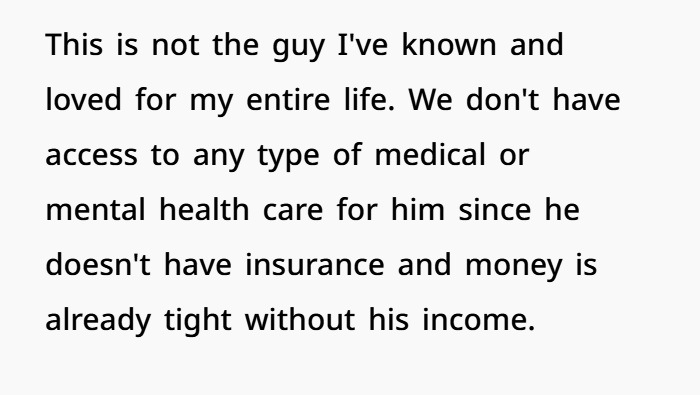
This story highlights the importance of support systems, healthcare resources, and emotional care after a traumatic injury. It reminds readers that recovery can involve more than physical healing and that families often need understanding, patience, and support during difficult transitions.



The Hidden Effects of Traumatic Brain Injury on Personality and Relationships
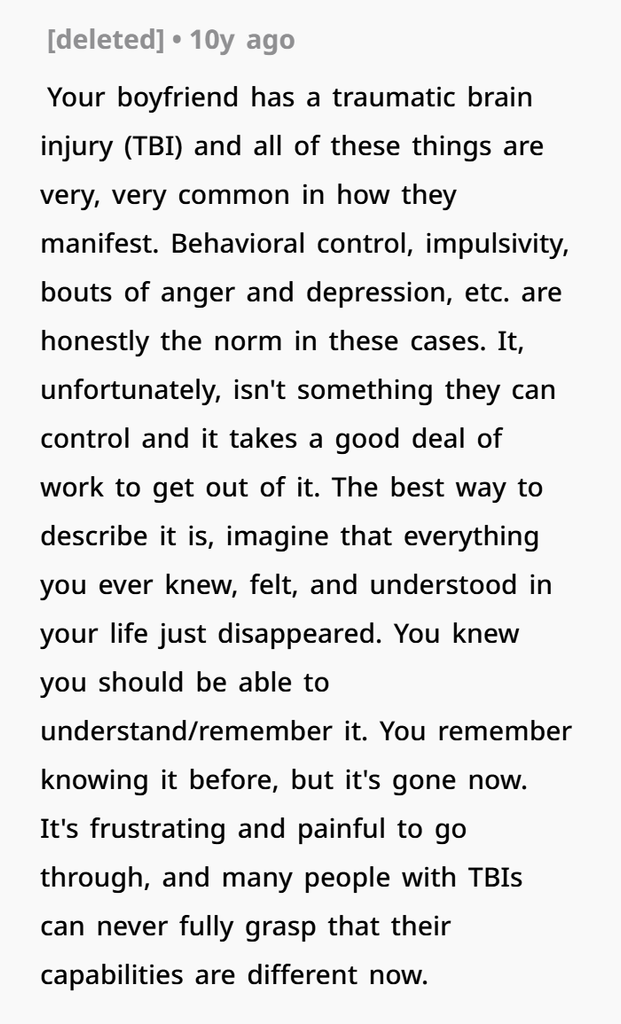
A traumatic brain injury (TBI) can change a person’s life in many ways. Many people think recovery means being able to walk, talk, remember things, or return to normal activities. However, the brain controls much more than physical abilities.
The brain also controls emotions, behavior, motivation, decision-making, and relationships. Because of this, a person may look healthy from the outside but still struggle with major changes after a brain injury.
These changes can be confusing and painful for both the person who experienced the injury and the people who love them.
How Brain Injury Can Change Personality
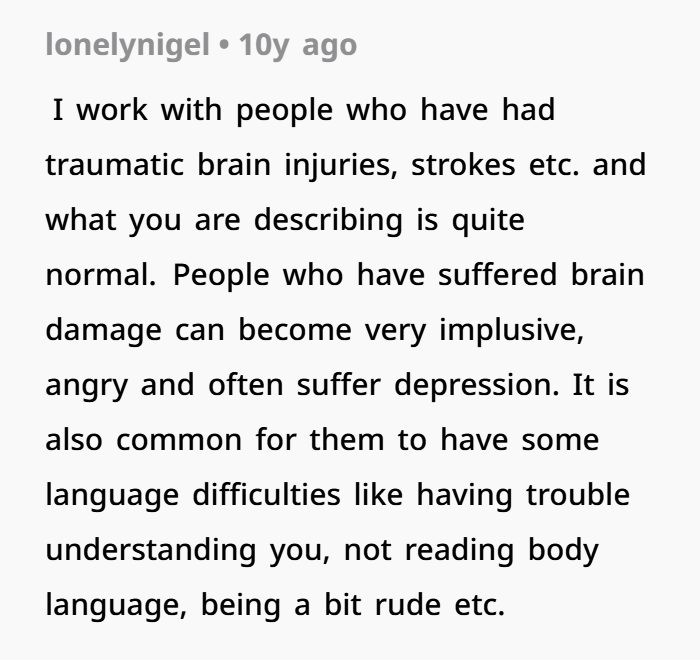
A traumatic brain injury can affect the parts of the brain responsible for emotions, self-control, and planning. One important area is the frontal lobe.
The frontal lobe helps people:
- Control emotional reactions
- Make decisions
- Plan daily activities
- Stay focused on goals
- Control impulses
- Understand how their actions affect others
When this area is affected, a person may start behaving differently than before.
Someone who was once calm and patient may become easily frustrated. Someone who was motivated and hardworking may lose interest in activities they once enjoyed.
These changes can feel like a personality change, but they may be connected to the way the brain is healing after injury.
When Lack of Motivation Is Actually a Brain Injury Symptom
After a brain injury, some people have trouble starting tasks or following through with plans.
Family members may think the person is lazy or does not care. However, the problem may be related to executive dysfunction, a common issue after brain injuries.
Executive dysfunction can make it difficult to:
- Start simple tasks
- Organize responsibilities
- Follow routines
- Solve problems
- Complete goals
A person may want to improve but feel unable to take action without extra support.
Understanding this difference can help families provide better care and encouragement during recovery.
Depression and Mental Health After Brain Injury
Mental health challenges are common after traumatic brain injury. Some survivors experience depression, anxiety, mood changes, or emotional struggles.
Depression after TBI does not always look like sadness.
Some people may show signs such as:
- Losing interest in hobbies
- Spending more time alone
- Sleeping too much
- Feeling tired or overwhelmed
- Becoming angry or easily frustrated
- Avoiding responsibilities
In some cases, depression may appear as anger or emotional distance instead of sadness.
Getting support through mental health services, counseling, and healthcare professionals can help many people manage these challenges.
How Brain Injury Affects Relationships
A brain injury affects more than the person who was injured. It can also deeply affect partners, family members, and caregivers.
Many caregivers describe a feeling called ambiguous loss.
This means feeling like you are grieving changes in someone who is still present.
The person you love is still there, but their personality, emotions, or behavior may feel different.
Partners may feel:
- Sad about the changes
- Confused about the future
- Guilty for feeling frustrated
- Overwhelmed by new responsibilities
At the same time, the person with the brain injury may feel misunderstood because they are trying their best.
Both people can be struggling at the same time.
Why Physical Recovery Does Not Always Mean Full Recovery
One of the biggest challenges with brain injury is that many symptoms are invisible.
A person may be able to walk, speak, and complete basic tasks but still have difficulties with:
- Returning to work
- Managing emotions
- Maintaining relationships
- Handling daily responsibilities
- Making decisions
This is why brain injury recovery often requires more than physical treatment.
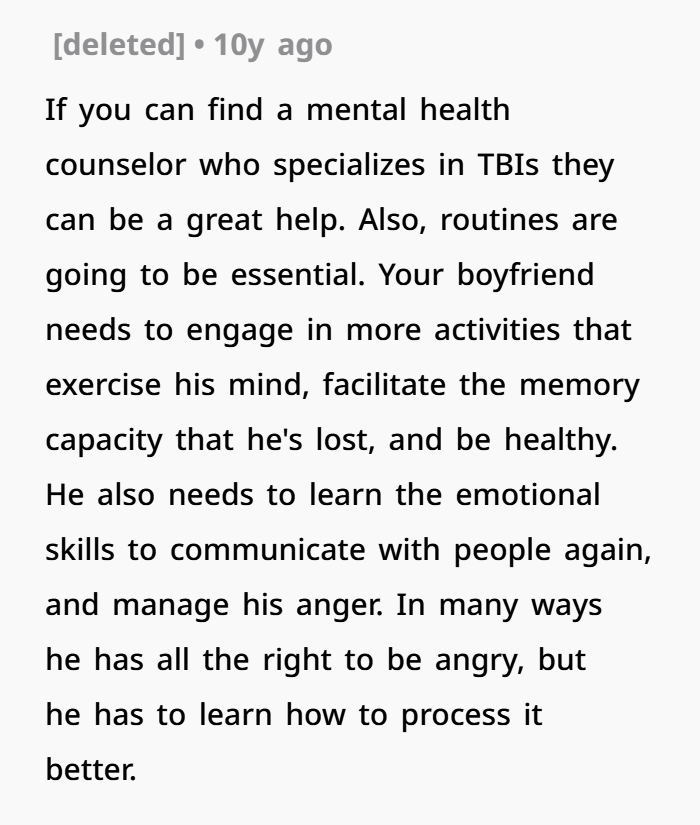
Many survivors benefit from:
- Neurological rehabilitation
- Cognitive therapy
- Occupational therapy
- Mental health counseling
- Disability support services
- Brain injury support groups
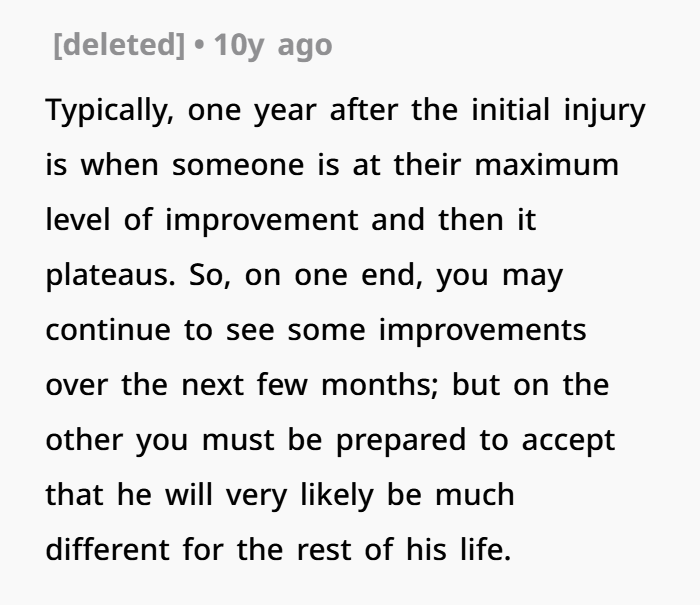
Recovery looks different for every person, and improvement can continue over time.
Supporting Someone After a Brain Injury
Helping someone after a traumatic brain injury requires patience, understanding, and realistic expectations.
Instead of expecting everything to return exactly to the way it was before, families can focus on helping the person create a new routine and regain independence.
Helpful steps may include:
Focus on Small Goals
Large changes can feel overwhelming. Small daily goals are often easier to manage.
Examples include:
- Completing one household task
- Following a daily schedule
- Taking a short walk
- Attending medical appointments
Small achievements can help rebuild confidence.
Have Calm Conversations
Talking about difficult topics during an argument usually makes things harder.
Choose a calm time to discuss emotions, challenges, and future goals.
Open communication can help both partners feel heard.
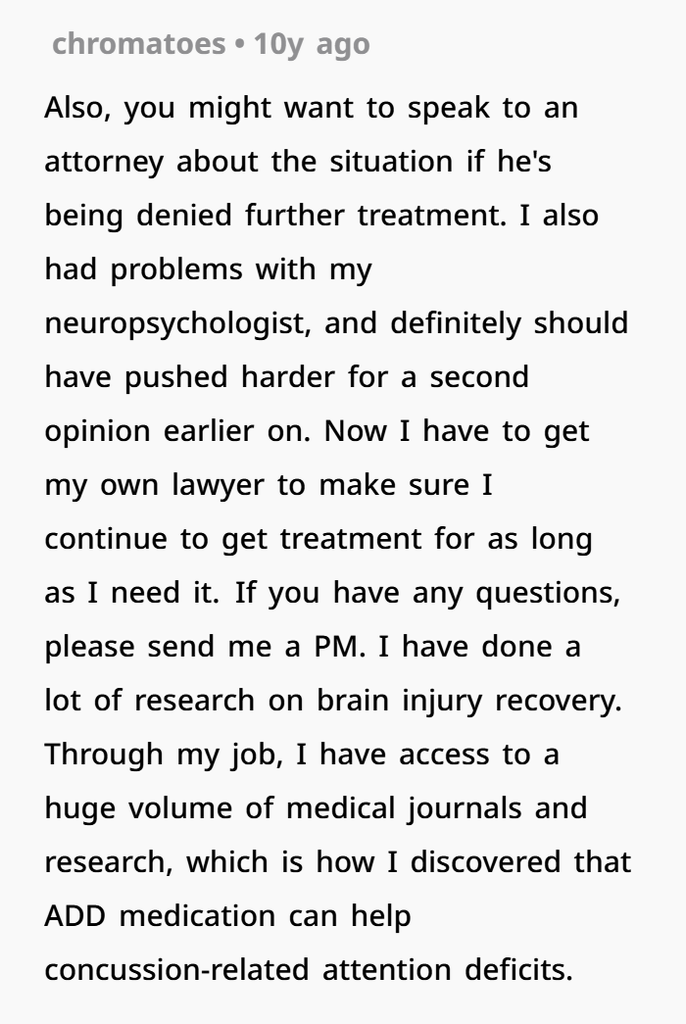
Look for Professional Support
Affordable support options may include:
- Community healthcare programs
- Local rehabilitation centers
- Nonprofit brain injury organizations
- Low-cost therapy programs
- Support groups
Professional guidance can help both survivors and caregivers handle the emotional and practical challenges of recovery.
The Importance of Healthy Boundaries
A brain injury can explain why someone may struggle with anger, frustration, or emotional changes. However, it does not mean that hurtful behavior should be ignored.
A healthy relationship needs both compassion and respect.
Supporting someone does not mean losing yourself in the process.
Caregivers also need:
- Emotional support
- Personal time
- Healthy boundaries
- Help managing stress
The goal is to support recovery while protecting the wellbeing of everyone involved.
Learning to Adjust After Brain Injury
One of the hardest parts of brain injury recovery is accepting that life may not return exactly to the way it was before.
The person may not become the same version of themselves they were before the accident. However, with proper medical care, rehabilitation, and emotional support, many people continue to grow and build meaningful lives.
A traumatic brain injury changes more than the brain. It can affect emotions, relationships, work, and daily life.
The journey requires patience, understanding, and support from both the survivor and the people around them.
The most important thing is finding a balance — helping the injured person heal while making sure caregivers also receive the care and support they need.
Voices From The Community