Bride’s Wedding Food Lie Backfires When a Guest’s Child Gets Sick

Sometimes people can become so focused on their own opinions that they forget to think about how their actions may affect others. When someone ignores another person’s needs, even a small situation can turn into a bigger problem. Respect, kindness, and understanding are important in everyday life, especially when it comes to health and safety concerns.
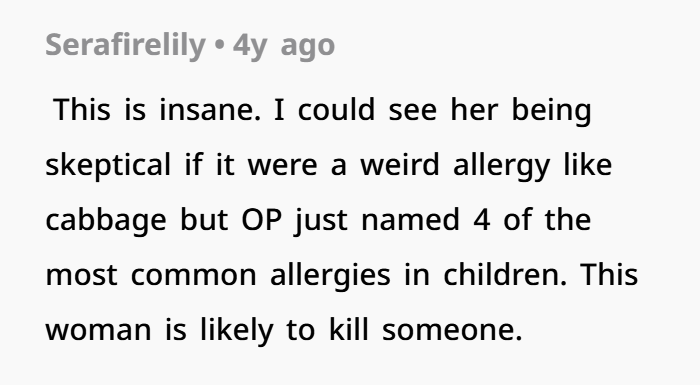
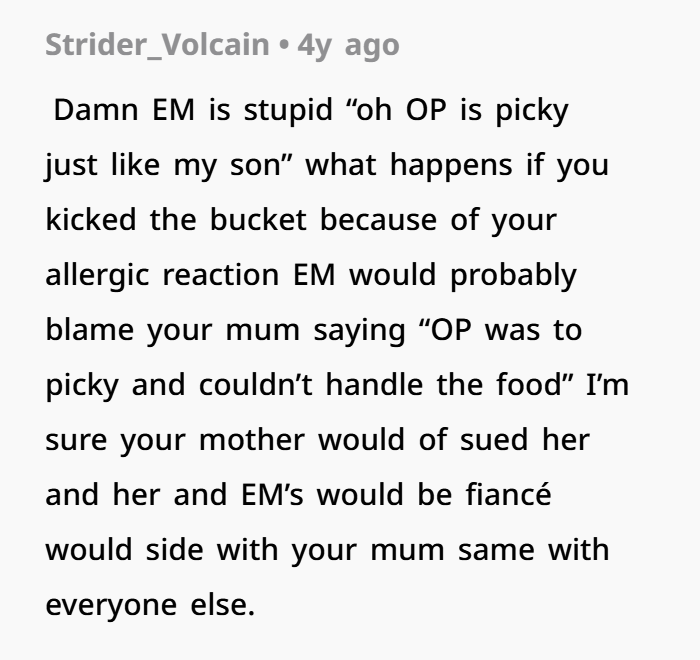
A man shared a story from his childhood about meeting a woman who did not believe that food allergies were real. She thought some children were simply being picky with food instead of having genuine health concerns.
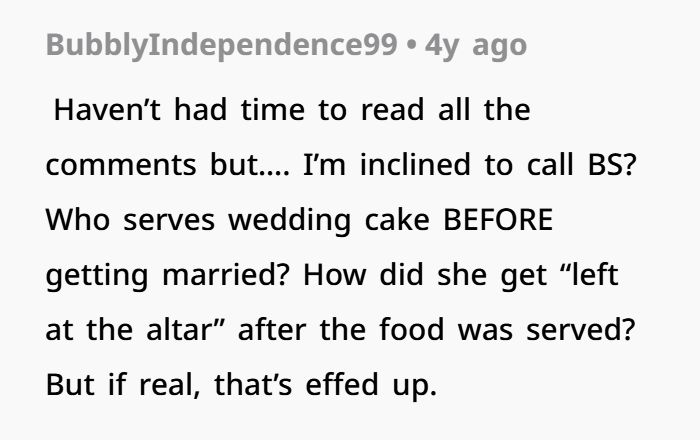
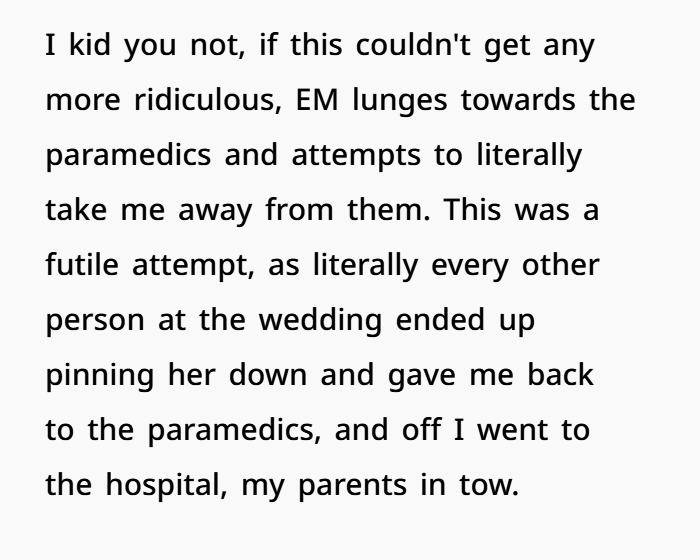
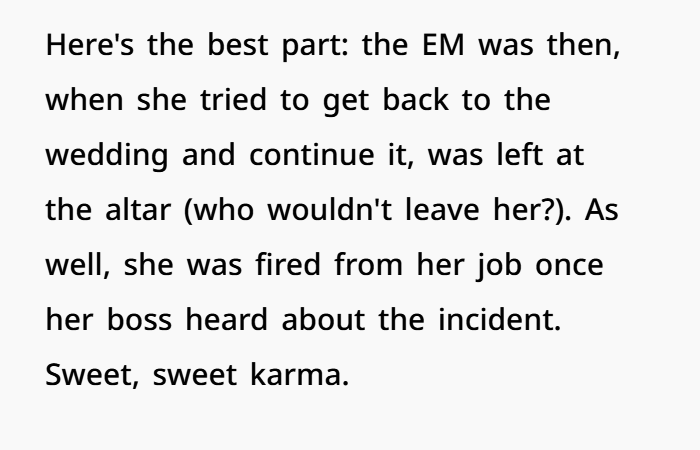
The situation became serious when she reportedly gave false information about the ingredients used in her wedding cake. Because of this mistake, someone at the event had a health emergency, and medical assistance was needed.
This story is a reminder of why food safety, allergy awareness, and responsible planning are important during special events. Whether hosting a wedding, family gathering, or any celebration, paying attention to dietary needs and ingredient details can help create a safe and comfortable experience for everyone. Simple steps like clear communication and thoughtful preparation can make a big difference.

The Truth About Food Allergies: Why Awareness and Safety Matter
Food allergies are often misunderstood. Some people believe allergies are exaggerated or that parents are simply being too careful. However, medical research shows that food allergies are real health conditions that can sometimes become serious very quickly.
Understanding why some people doubt food allergies is important because this misunderstanding can lead to unsafe choices and unnecessary risks.
Why Some People Doubt Food Allergies
One reason people question food allergies is because they have never seen a severe allergic reaction happen.
Many people imagine serious illnesses as something they can easily notice. But food allergies can be different. A person may look completely healthy before eating a certain food and then experience a dangerous reaction shortly afterward.
For someone who has never seen an allergic emergency, this sudden change may seem difficult to understand. They may think the reaction is exaggerated instead of realizing that the immune system can respond quickly and strongly to certain foods.
Some people also believe they are helping by telling others not to worry about allergies. However, ignoring a medical condition can create serious safety concerns.
Why Food Allergies Are Sometimes Misunderstood
Another reason for confusion is that many older adults grew up at a time when fewer people talked about diagnosed food allergies.
Because they did not see as many cases during their childhood, some people assume food allergies are more common today than they really are. In reality, better medical testing and greater awareness have helped more people receive proper diagnoses.
The word “allergy” is also sometimes used incorrectly. People may say they are “allergic” to a food when they simply do not like it.
There is a big difference between avoiding a food because you dislike it and avoiding a food because it can cause a dangerous immune reaction.
Food Allergies Are Not The Same As Being A Picky Eater
A child who refuses to eat vegetables may simply have a food preference. A child with a peanut allergy has a medical condition.
When someone has a peanut allergy, the immune system mistakes peanut proteins as harmful. The body then releases chemicals that can cause a serious reaction.
Symptoms of a food allergy reaction may include:
- Skin rashes or hives
- Swelling
- Stomach problems
- Difficulty breathing
- Dizziness or a drop in blood pressure
In severe cases, a person can experience anaphylaxis, which is a life-threatening allergic reaction that requires immediate medical attention.
Food allergies are not about being difficult or overly cautious. They are about managing a real health risk.
Food Allergies Affect Millions of People
Food allergies are more common than many people realize. Millions of children and adults around the world live with food allergies and need to carefully manage their daily lives.
In the United States, more than 33 million people are affected by food allergies. Many people require emergency medical care each year because of accidental exposure to allergens.
Common food allergens include:
- Peanuts
- Tree nuts
- Milk
- Eggs
- Fish
- Shellfish
- Soy
- Wheat
These allergies can affect everyday activities, including eating at restaurants, attending school events, traveling, and joining family celebrations.
Why Food Allergy Reactions Can Be Unpredictable
One of the hardest parts of managing food allergies is that reactions can change over time.
A person may have a mild reaction after one exposure but experience a much more serious reaction later. This is why doctors recommend taking food allergies seriously, even if previous reactions were not severe.
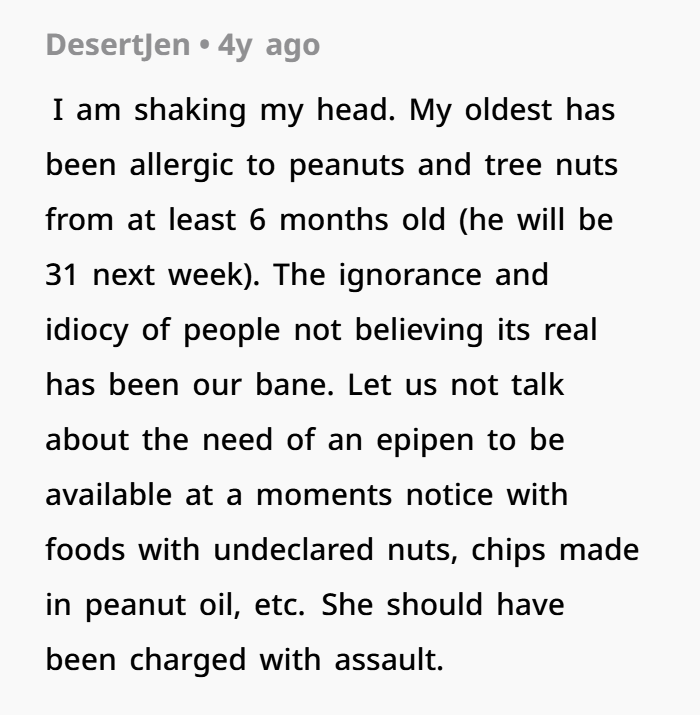
Many people with serious allergies carry an epinephrine auto-injector because it can provide emergency treatment during a severe allergic reaction.
Parents of children with food allergies often bring emergency medication to parties, school activities, and special events because preparation can help protect their child’s health.
The Risk of Cross-Contamination
For some people with severe food allergies, even a small amount of an allergen can cause a reaction.
Cross-contamination can happen when:
- The same cooking tools are used for different foods
- Food preparation areas are not cleaned properly
- Ingredients accidentally mix together
- Food labels do not clearly mention allergens
This is why food safety practices are important in homes, restaurants, schools, and workplaces.
Simple steps like checking ingredients, cleaning surfaces, and preventing accidental contact can make a big difference for people with allergies.
Why Food Allergy Awareness Is Important
Food allergies are a serious medical condition that deserve understanding and respect.
People living with allergies are not being dramatic or making unnecessary requests. They are taking steps to protect their health and prevent dangerous reactions.
Learning about food allergy symptoms, emergency treatment, and allergy safety can help create safer environments for everyone.
A little awareness can prevent accidental exposure and help families feel more comfortable during everyday activities, celebrations, and social events.
The Reactions Are In