Creepy Brother-in-Law Behavior, Family Gaslighting, and Social Media Harassment: When Boundaries Are Ignored at Family Events

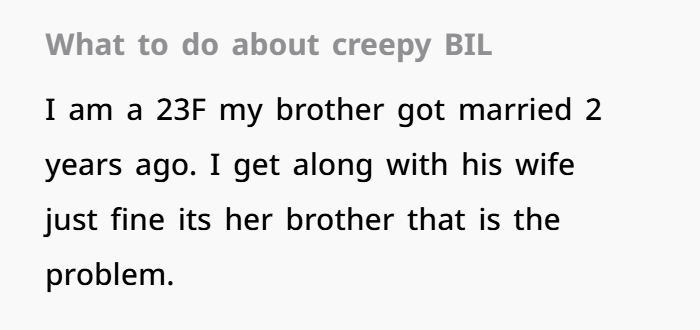
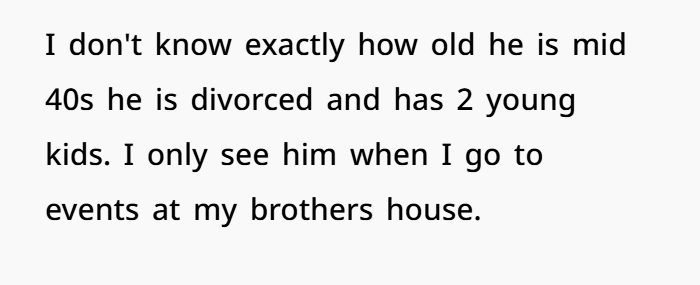
A 23-year-old woman says she has been feeling uncomfortable around her brother’s wife’s brother, a man in his mid-40s who is divorced and has two children.
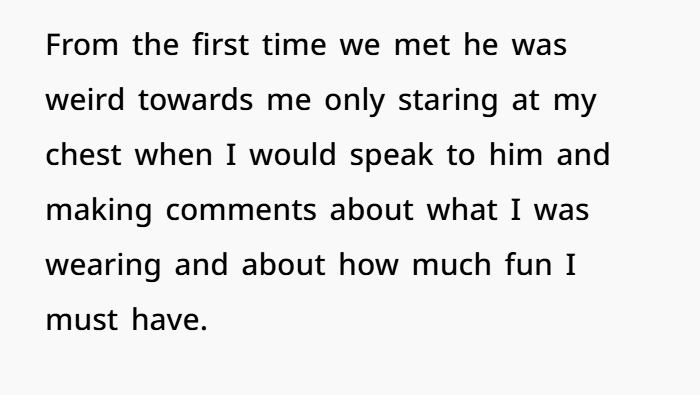
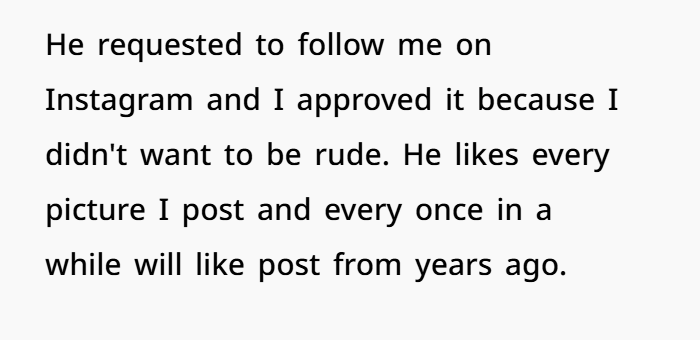
She says that from the first time she met him, his behavior made her feel uncomfortable. She reports that he often stared at her body, made inappropriate comments about her clothes, and repeatedly liked and viewed her Instagram posts, including old pictures.
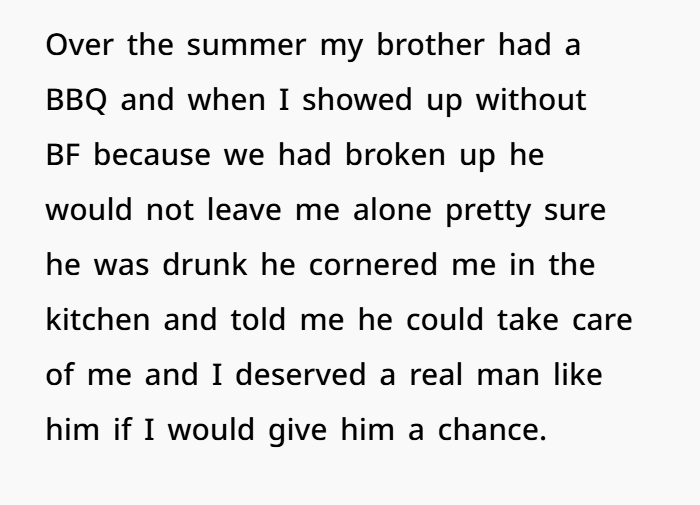
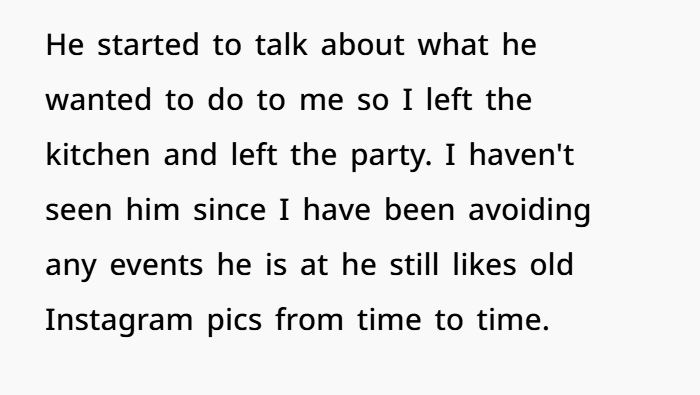
At first, she tried to ignore it and thought it might just be awkward behavior. But she says things became more serious during a family barbecue when alcohol was involved. She claims he cornered her in the kitchen and made sexual and inappropriate comments, which made her feel unsafe.
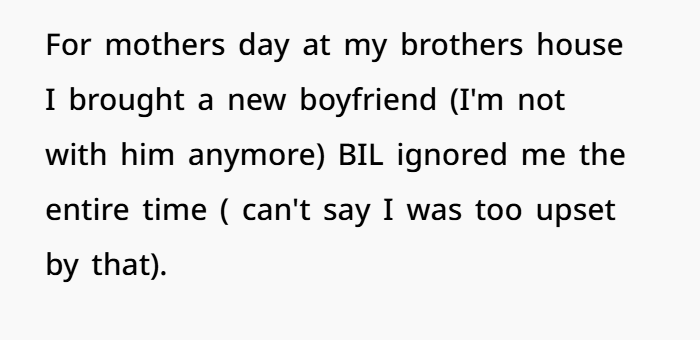
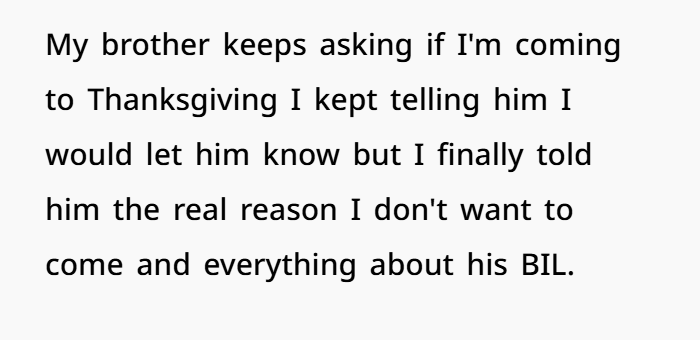
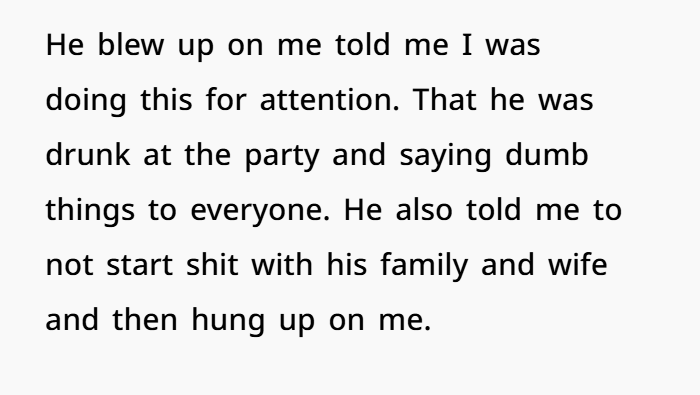
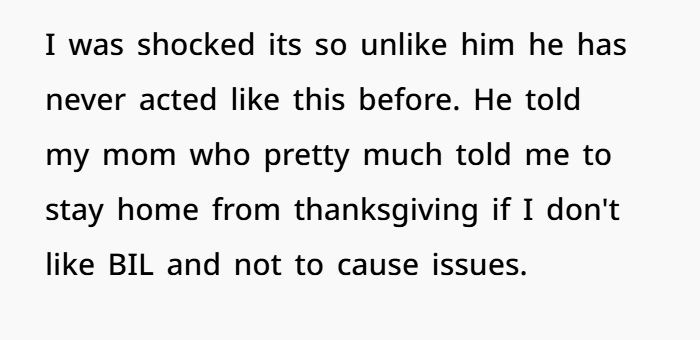
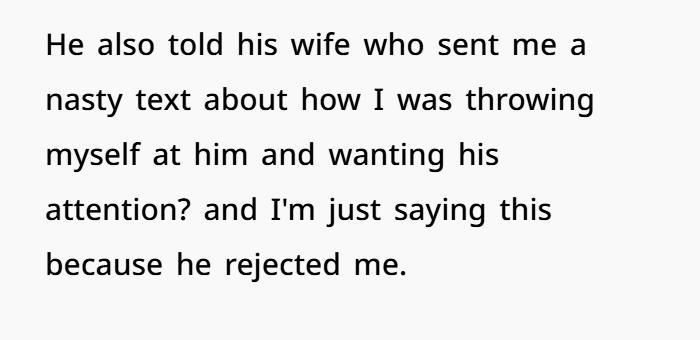
After that incident, she started avoiding family events. She later told her brother, mother, and sister-in-law about what happened. However, she says her concerns were not taken seriously, and some family members suggested she was misunderstanding the situation or overreacting.
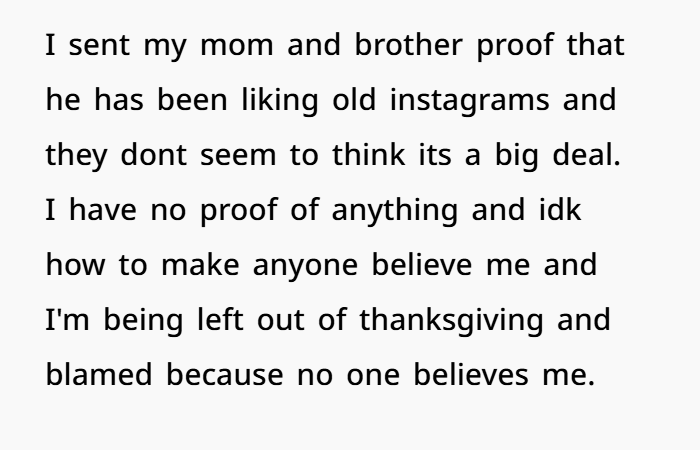
She also showed examples of his social media behavior, but the family still did not accept her concerns. Because of the ongoing disagreement, she is now being left out of family gatherings, including events like Thanksgiving, while he is still attending family functions.
The situation highlights issues around personal safety, boundaries, family conflict, and communication breakdown, especially when concerns about inappropriate behavior are not addressed or properly discussed within a family setting.

This situation involves concerns about repeated unwanted behavior, family conflict, and possible harassment both in person and online.
1. Pattern of Harassment Behavior
In many harassment cases, behavior often develops in stages instead of happening all at once. It may start small and slowly increase over time, such as:
- Repeated staring or unwanted attention
- Inappropriate or sexual comments
- Excessive interaction on social media
- Unwanted physical proximity or isolation at events
- Direct or explicit remarks in private situations
When these actions continue and make someone uncomfortable, it can be considered a pattern of harassment behavior, even without physical contact.
2. Psychological Pattern (Behavioral Escalation)
Research in behavioral psychology shows that some people may test boundaries step by step. This can look like:
- Small “socially acceptable” actions at first
- Gradual increase in personal or sexual comments
- More direct behavior if there is no clear stop or resistance
This pattern is often discussed in studies of interpersonal harassment and boundary violation behavior, especially when alcohol or social events are involved.
3. Legal Understanding of Harassment
In many legal systems, harassment does not require physical contact. Repeated unwanted behavior that causes fear, discomfort, or emotional stress may still be treated as civil harassment.
Legal information sources explain harassment as unwanted conduct that can affect someone’s safety or emotional well-being:
In some cases, online behavior can also fall under cyberstalking laws if it becomes repeated and unwanted.
4. Importance of Evidence
In situations like this, proof is often very important, especially when family members disagree or dismiss concerns.
Common types of useful documentation include:
- Screenshots of messages or social media activity
- Dates and times of incidents
- Written notes made soon after events
- Witnesses who saw the behavior at gatherings
These records can help show a pattern of behavior over time, not just one isolated event.
5. Family Conflict and Emotional Bias
In family situations, it is common for people to:
- Side with familiar family members
- Downplay uncomfortable behavior
- Avoid conflict to “keep peace”
This can lead to the person reporting the issue feeling ignored or excluded, even when their concerns are real.
Family systems research shows this is often linked to loyalty bias, where families protect relationships instead of addressing the problem directly.
6. Practical Steps in Similar Situations
Experts in harassment prevention and civil law often suggest:
- Limiting or blocking social media contact if needed
- Using platform reporting tools
- Keeping clear records of all incidents
- Seeking advice from a harassment or civil rights lawyer if it continues
- Avoiding direct confrontation if there is a safety concern
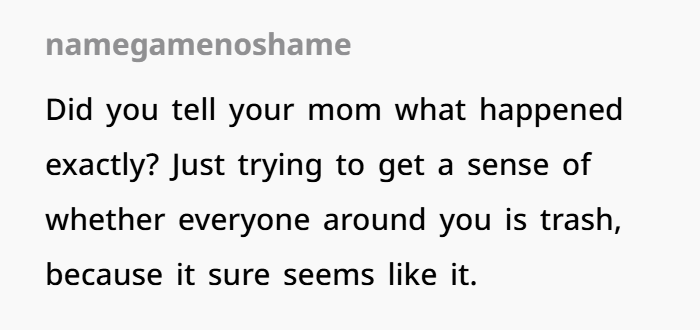
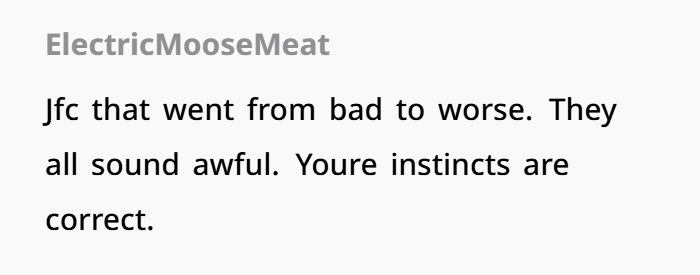
See the comments to know what people said
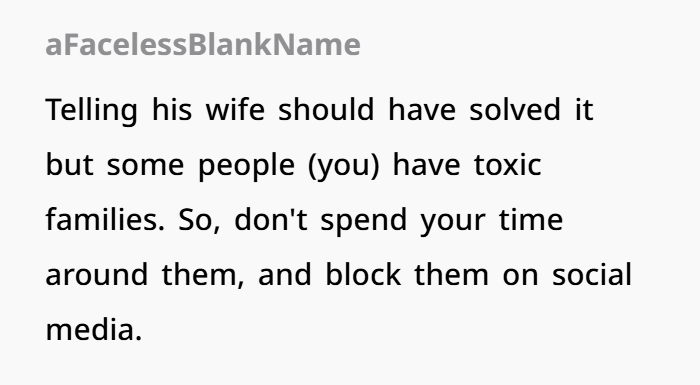
This story highlights how repeated unwanted attention, online behavior, and inappropriate comments can create serious emotional distress.
Even when there is disagreement within a family, harassment concerns are usually evaluated based on behavior patterns, impact on the person, and legal definitions of unwanted conduct, not just personal opinions or family relationships.