
I (28M) found out my son (5M) isn’t biologically mine. My wife (27F) is trying to use our son to stop me from divorcing her. How should I proceed?
A 28-year-old man has started divorce proceedings after finding out that his 5-year-old son is not biologically his child.
The truth came out when the husband’s mother-in-law revealed that the wife had admitted to an affair in the past but never told her husband. Later, a DNA test confirmed that he is not the biological father of the child.
The couple had been together for 7 years and married for 2 years. After this discovery, the relationship broke down because of deception, loss of trust, and emotional pain. The husband says he no longer feels the same about his wife or the child he believed was his son.
The divorce process is now moving forward under a no-fault divorce system. A prenuptial agreement is also in place, which helps protect his personal assets. Even so, the situation remains very emotional and difficult for both sides.
The wife is trying to save the marriage. She is asking for reconciliation and says that separation would not be fair to the child. She wants to keep the family together and avoid a full breakup.
The husband, however, has decided to continue with the divorce. He also wants to change his legal responsibilities related to paternity, where possible. At the same time, he says he is willing to support the child financially through a trust fund, but he does not want to be involved in daily parenting.
The main issue in this story is paternity disputes, divorce law, emotional responsibility, and legal parentage, especially when biological truth and long-term family bonds do not match.

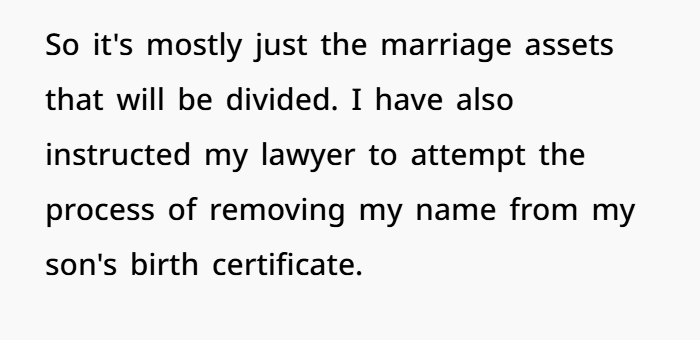

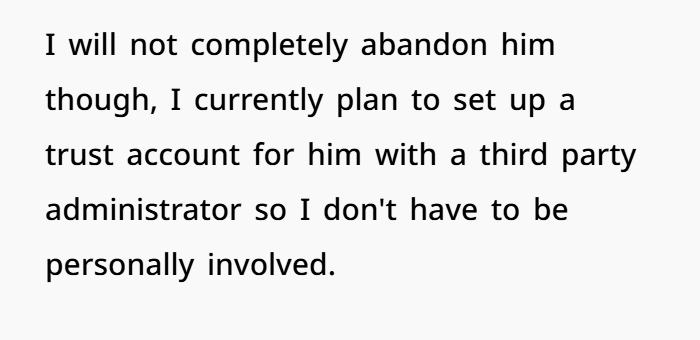
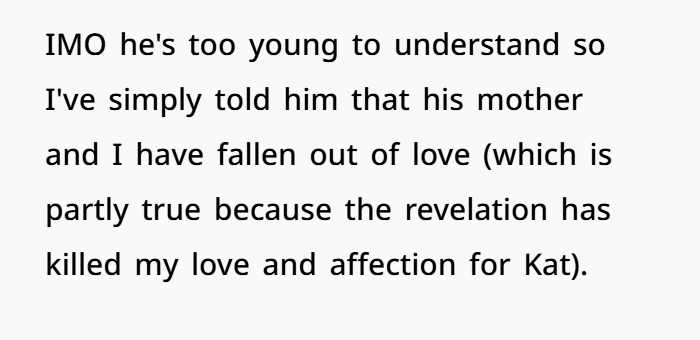
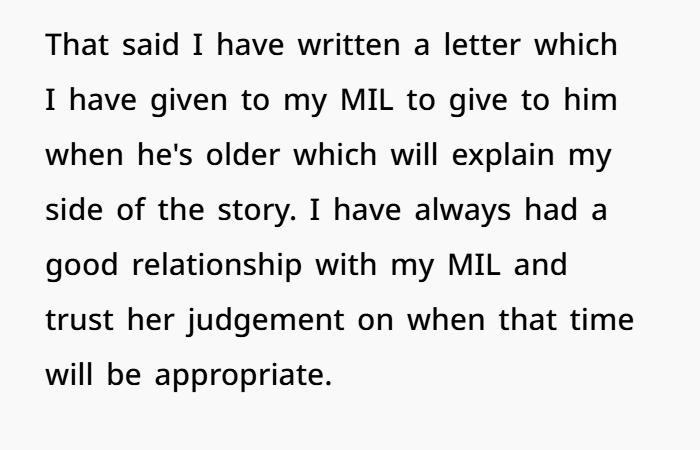
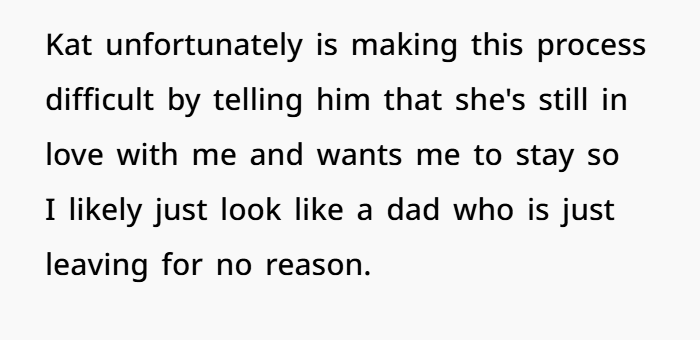
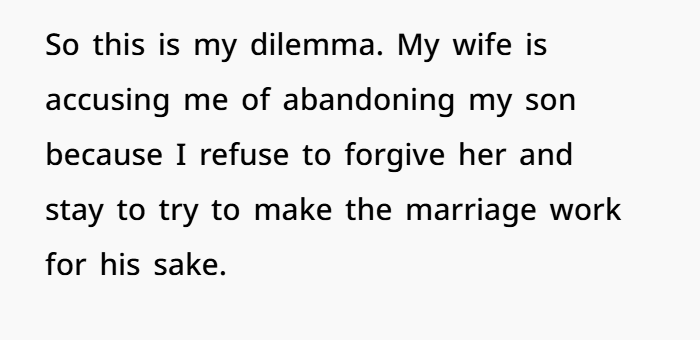
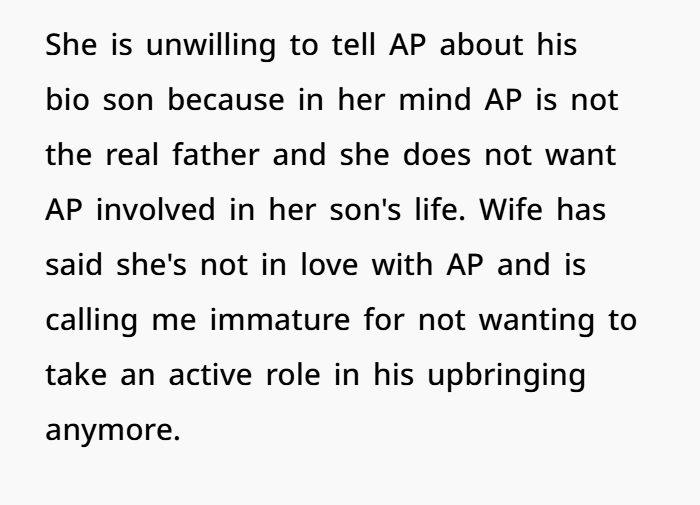

This situation involves a paternity dispute, divorce process, and emotional breakdown of a long-term family bond.
1. Legal Parent vs Biological Parent
In family law, there is an important difference between:
- Biological father (genetic parent)
- Legal father (the person legally responsible for the child)
Even if a DNA test shows the man is not the biological father, he may still be considered the legal father in many countries if:
- He is listed on the birth certificate
- He accepted the child as his own
- He has acted as the father for years
In many legal systems, changing this status is not automatic. It usually requires a family court order and a legal process with a divorce or family law attorney.
Courts often focus on the best interests of the child, not only biological truth.
2. “Psychological Parent” Concept
Family courts sometimes recognize a concept called a psychological parent.
This means a person who:
- Has raised the child
- Has acted as a father figure
- Has built a strong emotional bond with the child
In many custody cases, courts may allow continued contact even if the person is not the biological parent, because suddenly cutting the relationship can harm the child emotionally.
3. Divorce Law and Prenuptial Agreement
In no-fault divorce systems, the reason for the breakup (such as cheating) usually does not strongly affect property division.
Courts mainly look at:
- Marital vs personal property
- Validity of a prenuptial agreement
- Financial disclosure rules
A strong prenup agreement can protect personal or premarital assets during divorce settlement.
However, child custody and support are handled separately from money and property division.
4. Emotional and Psychological Impact
Discovering that a child is not biologically yours can cause serious emotional stress. Experts often describe this as betrayal trauma, which may include:
- Emotional shock
- Loss of trust in the partner
- Feeling disconnected from the child
- Depression or anxiety
Mental health professionals often recommend individual counseling or therapy to help process these emotions.
5. Child Welfare vs Emotional Separation
This situation creates a difficult conflict:
- The husband feels betrayed and wants distance
- The wife wants to keep the family together
- The child sees him as the only father they know
Because of this, courts and social workers often focus on stability for the child, which may include:
- Keeping a consistent parental figure
- Avoiding sudden separation
- Encouraging structured visitation instead of full cut-off
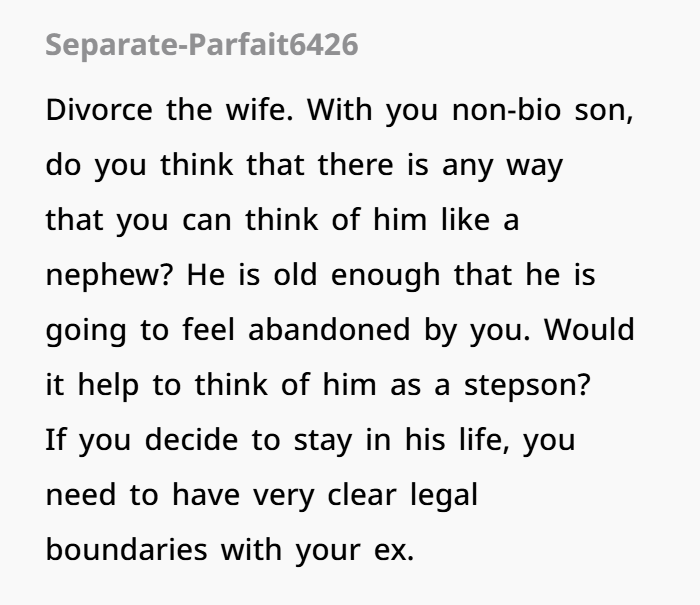
See the comments to know what people said


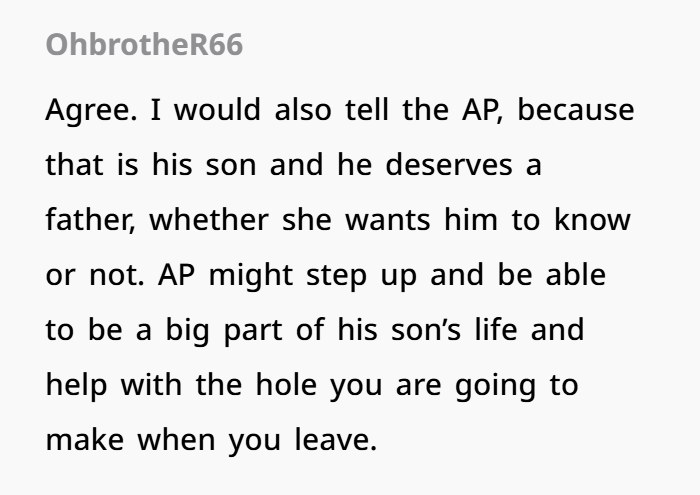




This story shows how paternity disputes, divorce law, and emotional parenting bonds can create very complex outcomes.
Even when DNA proves non-paternity, the law often considers:
- Long-term caregiving
- Emotional attachment
- The child’s stability and well-being
As a result, these cases usually require both legal action through family courts and emotional support through counseling or therapy.